

A cat’s eyes should look bright, clear, and comfortable most of the time. A little crust after sleep can be normal, but heavy tearing, thick mucus, redness, or squinting can point to something more than simple dirt.
Sometimes the cause is mild, like dust or an irritant in the air. Other times, it may be linked to an infection, injury, allergy, blocked tear duct, or another eye problem that needs proper care.
That is why it helps to understand eye discharge in cats before trying any treatment at home.
In this blog, you will learn what different types of discharge may mean, which symptoms need quick vet attention, what treatment options are commonly used, and how safe home care can support your cat while they recover.
What Does Cat Eye Discharge Actually Look Like?
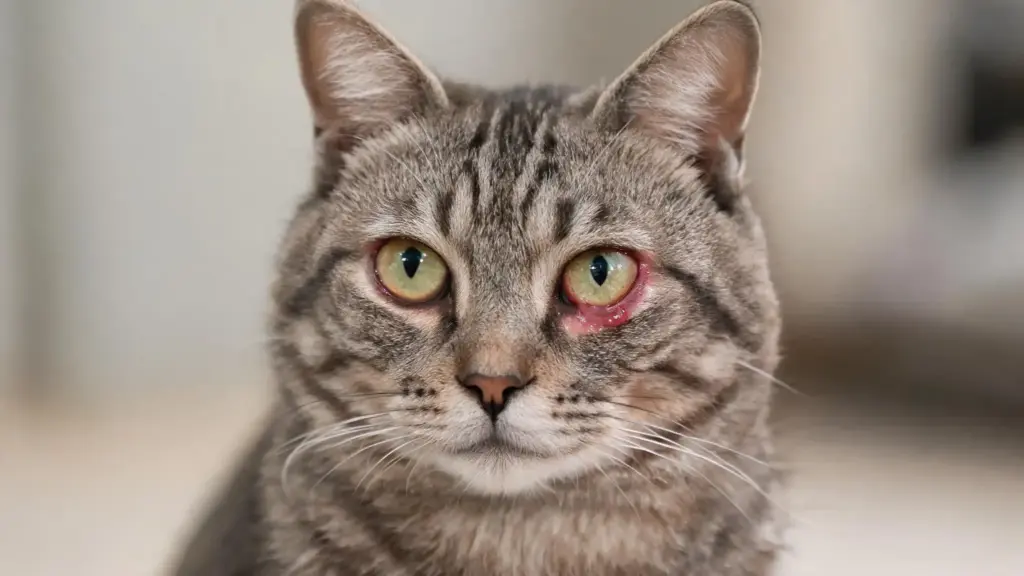
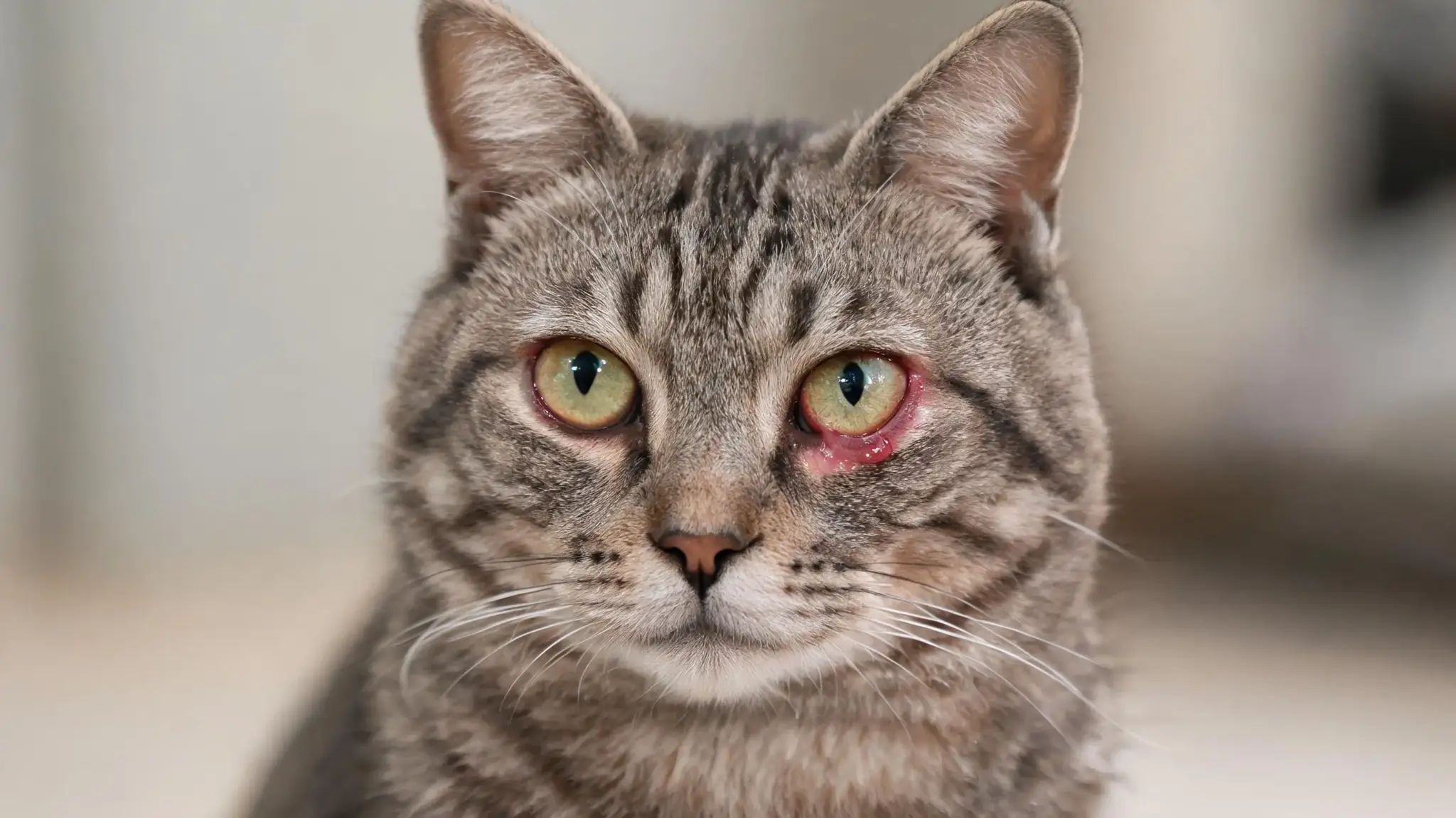
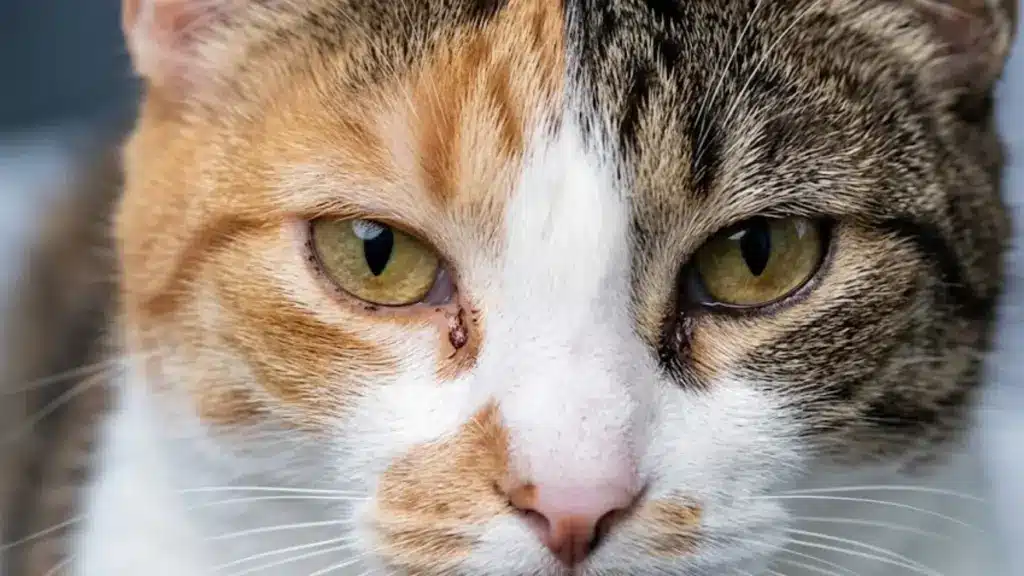
Cat eye discharge does not always look the same. The color, thickness, and amount can provide useful clues about what may be affecting the eye.
While discharge alone cannot confirm a diagnosis, understanding what you are seeing can make it easier to recognize when something may need attention.
Here are some of the most common types of discharge seen in cats:
- Clear or watery: Often looks like tears. It may happen from dust, mild irritation, allergies, or a blocked tear duct. If you notice your cat has watery eyes regularly, the cause may be worth investigating even if no other symptoms appear.
- White or cloudy: Usually looks like pale mucus. It can appear with dryness, irritation, or an early eye infection.
- Yellow or green: Often thick, sticky, and more concerning. This can point to infection and should be checked by a vet.
- Brown or reddish: May look like tear staining, especially on light fur. It can happen when tears sit around the eyes.
- Bloody: Blood near the eye is not normal. It may mean injury, trauma, or a serious eye problem.
The appearance of the discharge is only one part of the picture. Paying attention to other symptoms, such as redness, swelling, or squinting, can help determine how serious the issue may be.
Common Causes of Eye Discharge in Cats
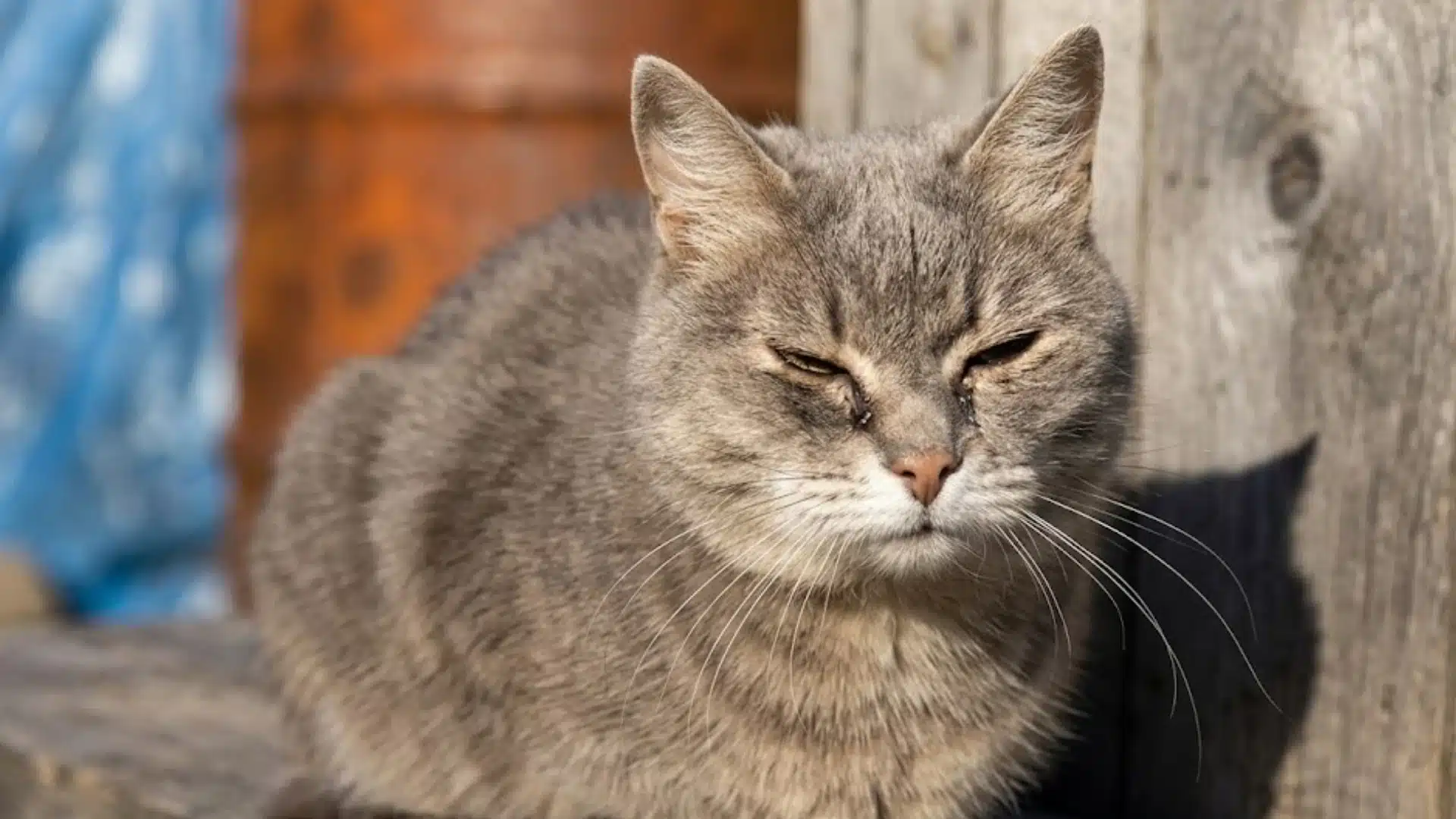
Eye discharge can happen for many reasons. Some causes are mild and temporary, while others may need medical treatment. Looking at other symptoms often helps identify what may be affecting the eyes.
1. Conjunctivitis
Conjunctivitis is one of the most common causes of eye discharge in cats. It is an inflammation of the conjunctiva, the thin tissue that covers part of the eye and inner eyelids.
Common symptoms include redness, swelling, excessive tearing, squinting, and mucus around the eye.
The condition can develop because of viral infections, bacterial infections, allergies, irritants, or underlying health problems.
2. Upper Respiratory Infections
Upper respiratory infections often affect a cat’s eyes along with the nose and throat. These infections can be caused by viruses such as feline herpesvirus or by certain bacteria.
Along with eye discharge, affected cats may show symptoms like sneezing, coughing, nasal discharge, watery eyes, and reduced appetite.
In some cases, the discharge becomes thick and sticky as the infection progresses. Kittens and cats with weaker immune systems may experience more noticeable symptoms.
3. Eye Injuries and Trauma
Eye injuries can lead to sudden discharge, irritation, and discomfort. Scratches from plants, rough play with other pets, or accidental contact with sharp objects can damage the surface of the eye.
Foreign objects such as dirt, grass seeds, or dust particles may also become trapped and cause irritation. Symptoms often include tearing, squinting, redness, and pawing at the face.
Even minor injuries should be taken seriously because damage to the eye can worsen quickly. Prompt examination helps reduce the risk of infection and long-term vision problems.
4. Allergies and Environmental Irritants
Cats can develop eye irritation when exposed to substances in their environment. Common triggers include dust, smoke, pollen, scented products, and household cleaning chemicals.
These irritants can cause watery eyes, mild redness, and increased discharge. Some cats may also sneeze or rub their faces more often when exposed to a trigger.
Symptoms usually improve once the source of irritation is removed. However, ongoing exposure can keep the eyes inflamed and uncomfortable.
If your cat also shows skin-related symptoms alongside eye issues, it may be worth reading about cat skin allergies to understand if a broader allergic response is involved.
5. Blocked Tear Ducts
Tears normally drain through small channels called tear ducts that carry fluid away from the eyes. When one of these ducts becomes blocked, tears cannot drain properly and may overflow onto the fur around the eye.
Signs often include constant tearing, damp fur beneath the eyes, and staining around the face. Some cats may also develop mild irritation because of the excess moisture.
Blocked tear ducts can occur because of inflammation, infection, injury, or structural issues.
6. Corneal Ulcers
A corneal ulcer is an open sore on the clear surface of the eye. These ulcers can develop because of injuries, infections, foreign objects, or untreated eye conditions.
Warning signs often include excessive tearing, redness, squinting, cloudiness, and sensitivity to light. Some cats may keep the affected eye partially closed due to pain.
Quick treatment is important because corneal ulcers can become deeper and more serious if left untreated. In severe cases, they may threaten vision.
Symptoms that May Occur Along with Eye Discharge
Eye discharge is often not the only sign of an eye problem. Other symptoms can provide helpful clues about the underlying cause and how serious it may be.
- Red Eyes: Redness often signals inflammation, irritation, infection, allergies, or an injury affecting the eye tissues.
- Squinting or Frequent Blinking: Cats may squint or blink more than usual when the eye feels painful, dry, irritated, or sensitive to light.
- Pawing at the Face: Frequent rubbing or pawing can suggest discomfort, itching, burning, or the feeling of something stuck in the eye.
- Swollen Eyelids: Swelling may develop because of infections, allergic reactions, trauma, insect bites, or inflammation around the eye.
- Cloudy Eyes: A cloudy appearance can indicate corneal ulcers, deeper eye conditions, or problems that may affect vision.
- Changes in Behavior: Reduced appetite, hiding, sleeping more than usual, or less interest in play can be signs that a cat is feeling unwell or uncomfortable.
When Does Eye Discharge in Cats Need Veterinary Attention?
Not every case requires an emergency visit, but some symptoms should not be ignored. Knowing when to seek help can prevent complications and protect your cat’s vision.
Signs that need immediate veterinary attention:
- Thick yellow, green, or pus-like discharge
- Severe redness or obvious pain in the eye
- Sudden changes in vision (bumping into things, reluctance to move)
- Cat keeping the eye fully closed or reacting strongly to light
- Any bloody discharge
Signs that can usually wait for a routine vet visit:
- Mild clear discharge without redness or pain
- Occasional crustiness after sleep that clears up on its own
- Symptoms that started recently and are not worsening
Any discharge that persists for more than 24 hours, returns frequently, or gets worse should still be evaluated by a vet even if it starts off mild.
How Do Veterinarians Diagnose the Cause?
Eye discharge can result from many different conditions, so veterinarians use several tests to identify the exact cause. A proper diagnosis helps ensure the right treatment is given.
- Physical Eye Examination: The veterinarian checks the eyes, eyelids, and surrounding tissues for redness, swelling, discharge, and other visible abnormalities.
- Eye Stain Tests: Special dye is placed in the eye to detect scratches, ulcers, or damage on the cornea.
- Tear Production Tests: These tests measure how well the eyes produce tears and help identify dryness or tear-related problems.
- Checking for Infections: Samples may be collected to look for bacterial, viral, or other infectious causes.
- Looking for Injuries or Foreign Objects: The eyes are carefully examined for trapped debris, scratches, or trauma that could be causing irritation.
Once the cause is identified, an appropriate treatment plan can be recommended to help the eye heal properly.
Treatment Options for Eye Discharge in Cats
The best treatment depends on the cause of the discharge. Some cases improve with simple care, while others require medication or veterinary procedures.
1. Cleaning the Eye Safely
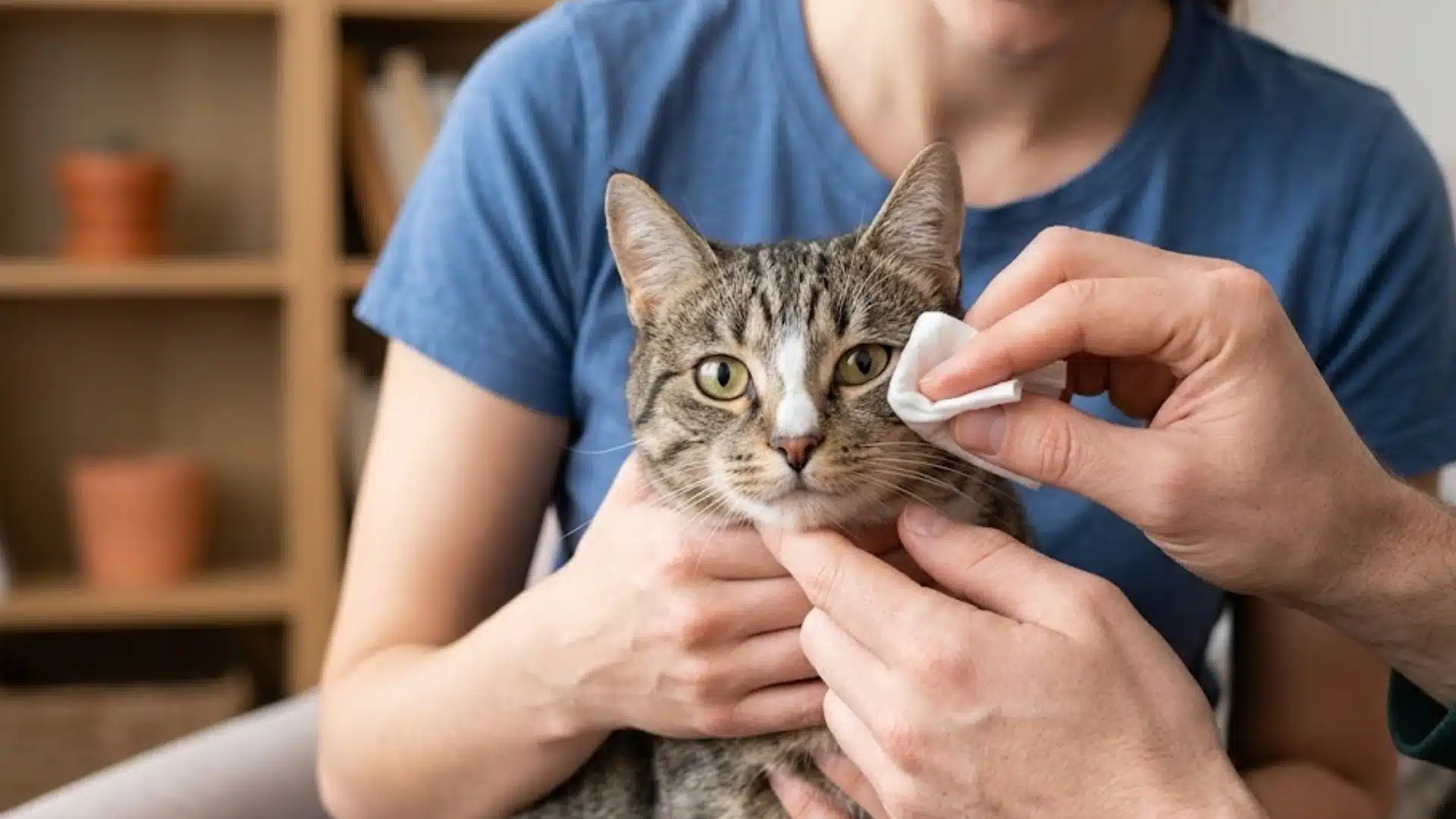
Keeping the eye area clean can help remove discharge and reduce irritation. A soft cotton pad or clean gauze dampened with warm water is usually the safest option.
Gently wipe away discharge from the inner corner outward, using a fresh section of the pad for each wipe.
Harsh rubbing should be avoided because it can irritate sensitive eye tissues. Human eye products should not be used unless specifically recommended by a veterinarian.
2. Prescription Eye Drops and Ointments
Veterinarians may prescribe eye drops or ointments when an infection or inflammation is present. Antibiotic medications are commonly used to treat bacterial infections that cause discharge and redness.
Anti-inflammatory medications may also be recommended to reduce swelling and discomfort.
The exact treatment depends on the underlying condition, so using medication without a proper diagnosis is not advised. Following the prescribed schedule is important to help the eye heal effectively.
3. Treatment for Viral Infections
Viral infections often require supportive care rather than a direct cure. Treatment usually focuses on managing symptoms and keeping the cat comfortable while the immune system fights the infection.
This may include cleaning the eyes regularly, maintaining hydration, and ensuring proper nutrition.
In some cases, veterinarians may prescribe additional medications to manage secondary infections or reduce inflammation.
4. Treating Allergies and Irritation
When allergies or environmental irritants are responsible, treatment focuses on removing the trigger. Common irritants include dust, smoke, pollen, and strong household products.
Reducing exposure to these substances can help decrease tearing and discharge. Keeping living areas clean and well-ventilated may also improve symptoms.
Some cats may require medication if irritation or allergic reactions become persistent. Identifying the source of the problem is often an important step toward long-term relief.
5. Surgery for Structural Eye Problems
Certain structural issues may not improve with medication alone. Conditions involving eyelids, eyelashes, tear ducts, or other parts of the eye may require surgical correction.
Surgery is often recommended when a physical abnormality repeatedly irritates the eye or prevents proper healing.
Although not common in every case, these procedures can help reduce discomfort and prevent recurring discharge.
This section covers general treatment approaches. Always follow a licensed veterinarian’s guidance before using any medication or home remedy on your cat’s eyes.
How to Prevent Eye Discharge in Cats?
Many causes of eye discharge cannot be completely avoided, but a few simple habits can help reduce irritation and support better eye health.
- Use Low-Dust Litter: Dust particles from some cat litters can irritate the eyes and lead to increased tearing or discharge. Low-dust options may help reduce exposure.
- Avoid Smoke and Strong Fragrances: Cigarette smoke, air fresheners, scented candles, and strong cleaning products can irritate sensitive eyes and trigger discomfort.
- Schedule Regular Vet Checkups: Routine examinations can help identify eye problems early before they become more serious or difficult to treat.
- Keep Vaccinations Current: Vaccines help protect against infections, including feline herpesvirus, which is a common cause of recurring eye issues.
- Trim Fur Around the Eyes: Long-haired cats may benefit from careful trimming around the eyes to prevent fur from trapping moisture and causing irritation.
Conclusion
A cat’s eyes can tell a lot about their comfort and health. Light tearing may pass quickly, but thick mucus, swelling, redness, squinting, or a cloudy look should be taken seriously.
The right care starts with knowing what type of discharge is present and what other signs appear with it.
Some cases may only need gentle cleaning and a cleaner home environment, while others need vet-prescribed drops, infection treatment, or help for tear duct and eyelid problems.
With eye discharge in cats, guessing at the cause can delay proper care. If the problem does not clear up, keeps returning, or seems painful, a vet visit is the safest next step.
What kind of eye discharge have you noticed in your cat? Drop your thoughts or questions in the comments.
Frequently Asked Questions
Can Stress Cause Watery Eyes in Cats?
Stress does not usually cause eye discharge directly, but it can weaken a cat’s normal defense system. This may make hidden infections flare up, especially in cats that already carry feline herpesvirus.
Should Indoor Cats Still Get Eye Problems?
Yes, indoor cats can still develop eye problems. Dust, litter particles, dry air, cleaning sprays, and contact with other pets can still irritate the eyes or trigger discharge.
Can Diet Affect a Cat’s Eye Health?
A poor diet may affect general health, including the eyes, over time. Cats need balanced nutrition with the right vitamins, minerals, and protein to support healthy tissue and immune function.