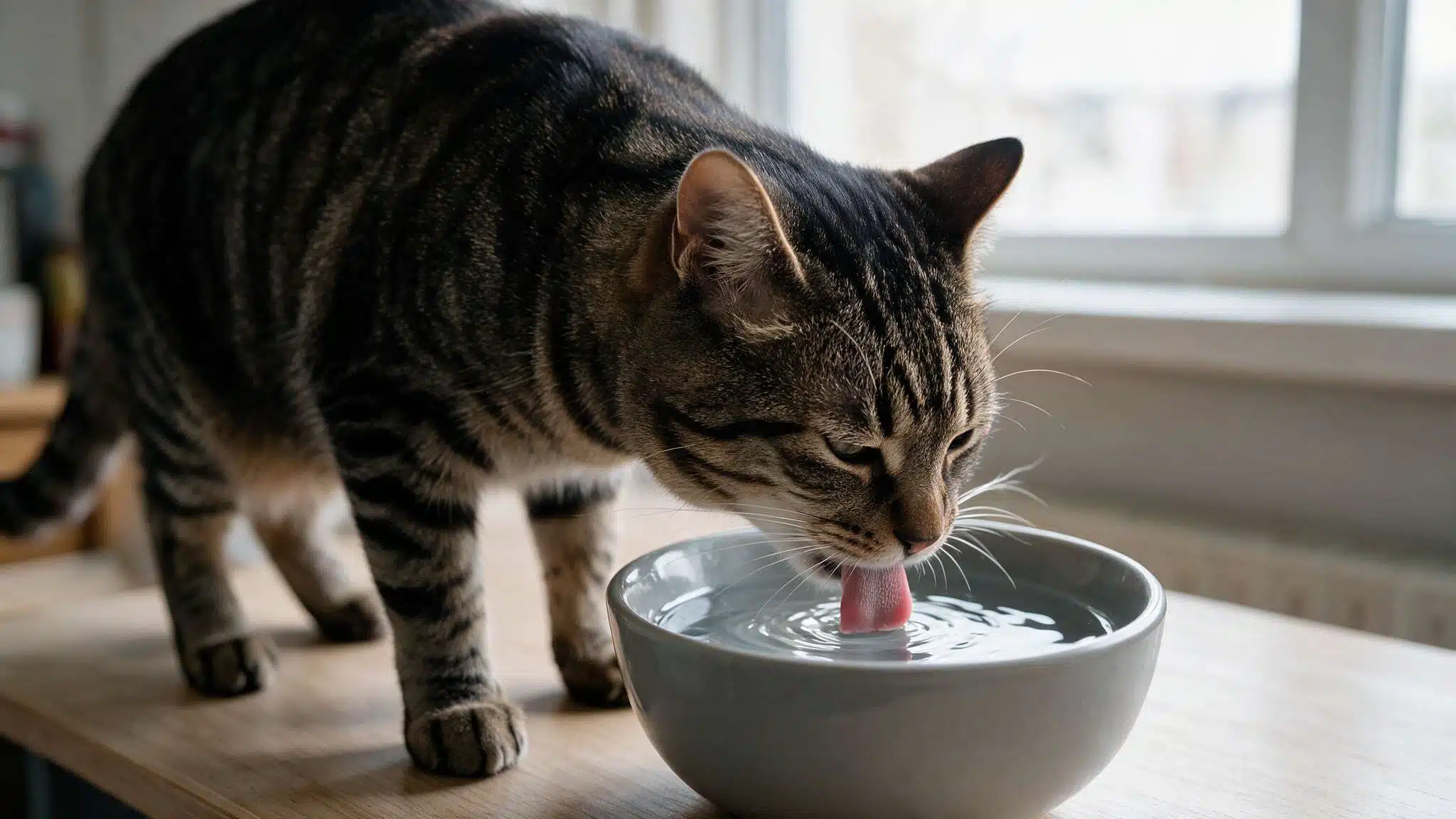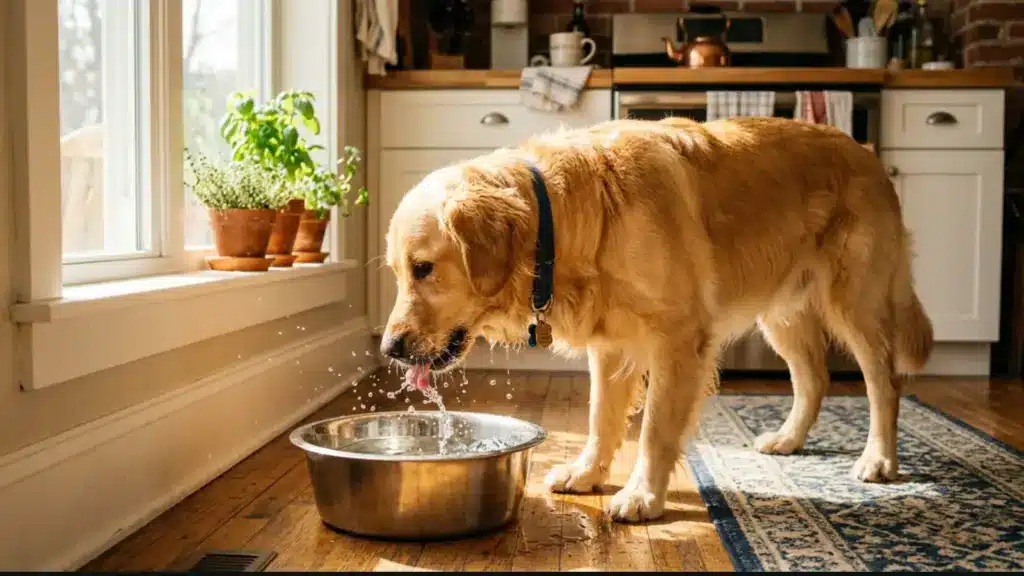
We’ve all stood at the kitchen sink at night, refilling the water bowl for the third time that day, wondering why our dog is drinking a lot of water and if we’re overreacting.
You’re not. Dogs go through normal swings in thirst, and most of the time there’s a simple explanation sitting right in front of you.
But there’s also a smaller list of reasons that aren’t simple at all, and they’re worth knowing before you brush off the empty bowl as nothing.
This blog walks through what counts as normal water intake, the everyday causes that explain most cases, and the specific signs that mean it’s time to stop guessing and book an appointment.
How Much Water is Normal for a Dog to Drink?
The general rule vets use is about one ounce of water per pound of body weight per day. A 20-pound dog should land somewhere around 20 ounces, a 60-pound dog closer to 60.
That’s a baseline, not a hard ceiling. What matters more than the exact number is the change from your dog’s own normal.
A dog who’s always been a heavy drinker isn’t necessarily showing a new problem.
A dog who suddenly needs the bowl refilled twice as often as last month is telling you something shifted.
I tell owners the same thing in the exam room every time this comes up: you don’t need to measure water with a graduated cylinder, but you should have a rough sense of how often you’re filling the bowl.
That habit alone catches most early changes before anything else does.
Common Reasons Why Dogs Drink a Lot of Water
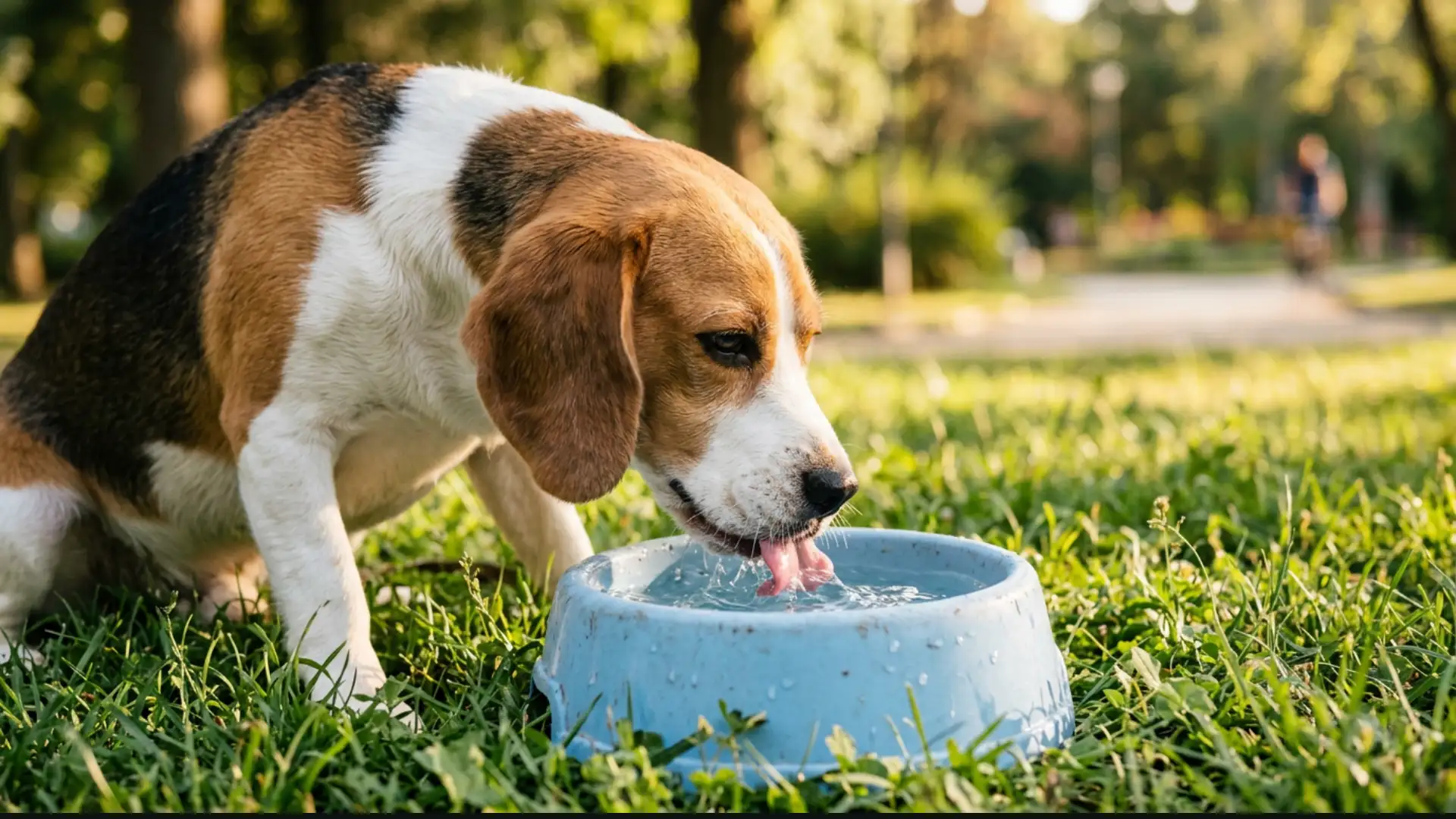
Most water-bowl mysteries solve themselves once you look at the day your dog just had. A handful of everyday factors can increase thirst without any underlying illness.
1. Heat and Panting
Panting is your dog’s main way of cooling down, and it causes significant water loss through evaporation.
On hot days, after spending time outdoors, or in warm indoor environments, it’s normal for your dog to drink more than usual.
As long as your dog returns to their normal drinking habits once they cool down, this increase is usually not a cause for concern.
2. Exercise and Physical Activity
After a long walk, hike, run, or energetic play session, it’s completely normal for a dog to drink a lot of water to replenish the fluids lost during exercise.
The harder and longer the activity, the greater the thirst. Water intake should gradually return to normal after your dog has rested and recovered.
3. Dry Kibble Diet
Dogs that eat primarily dry kibble often need more drinking water because kibble contains only about 8 to 10% moisture, compared with canned food, which typically contains 70 to 80% water.
This is a normal adjustment rather than a sign of excessive thirst in dogs, provided your dog’s overall water intake stays within a healthy range.
4. Salty Foods and Treats
Eating salty table scraps, processed meats, or high-sodium dog treats can temporarily increase your dog’s thirst as the body works to maintain its normal fluid balance.
The extra drinking should settle within a day after returning to a regular diet.
However, consuming large amounts of salt can become a medical emergency and requires immediate veterinary care.
5. Pregnancy and Nursing
Pregnant dogs, especially during late pregnancy, and nursing mothers naturally need more water to support both their own bodies and their developing or nursing puppies.
Milk production requires substantial fluid, so increased drinking is expected during this period. Fresh, clean water should always be available throughout pregnancy and lactation.
6. Dry Indoor Air
Indoor heating during colder months can reduce humidity, making the air noticeably drier.
Some dogs respond by drinking more water to stay hydrated, particularly if they spend most of their time indoors.
Mild increases in thirst during winter are usually normal, but persistent or excessive drinking that continues regardless of the environment should still be discussed with your veterinarian.
Dehydration itself can also work in reverse, showing up as dehydration-related constipation rather than obvious extra thirst, so the water bowl isn’t the only place to look.
7. Age and Senior Years
Older dogs often drink a bit more as part of normal aging, and that alone isn’t a red flag. What changes with age is the odds attached to that thirst.
Kidney disease in older dogs becomes more common, and so do diabetes and Cushing’s disease, so a senior dog with a sudden jump in water intake deserves a vet visit sooner than a younger dog with the same symptom.
Possible Medical Causes Behind Excessive Thirst in Dogs
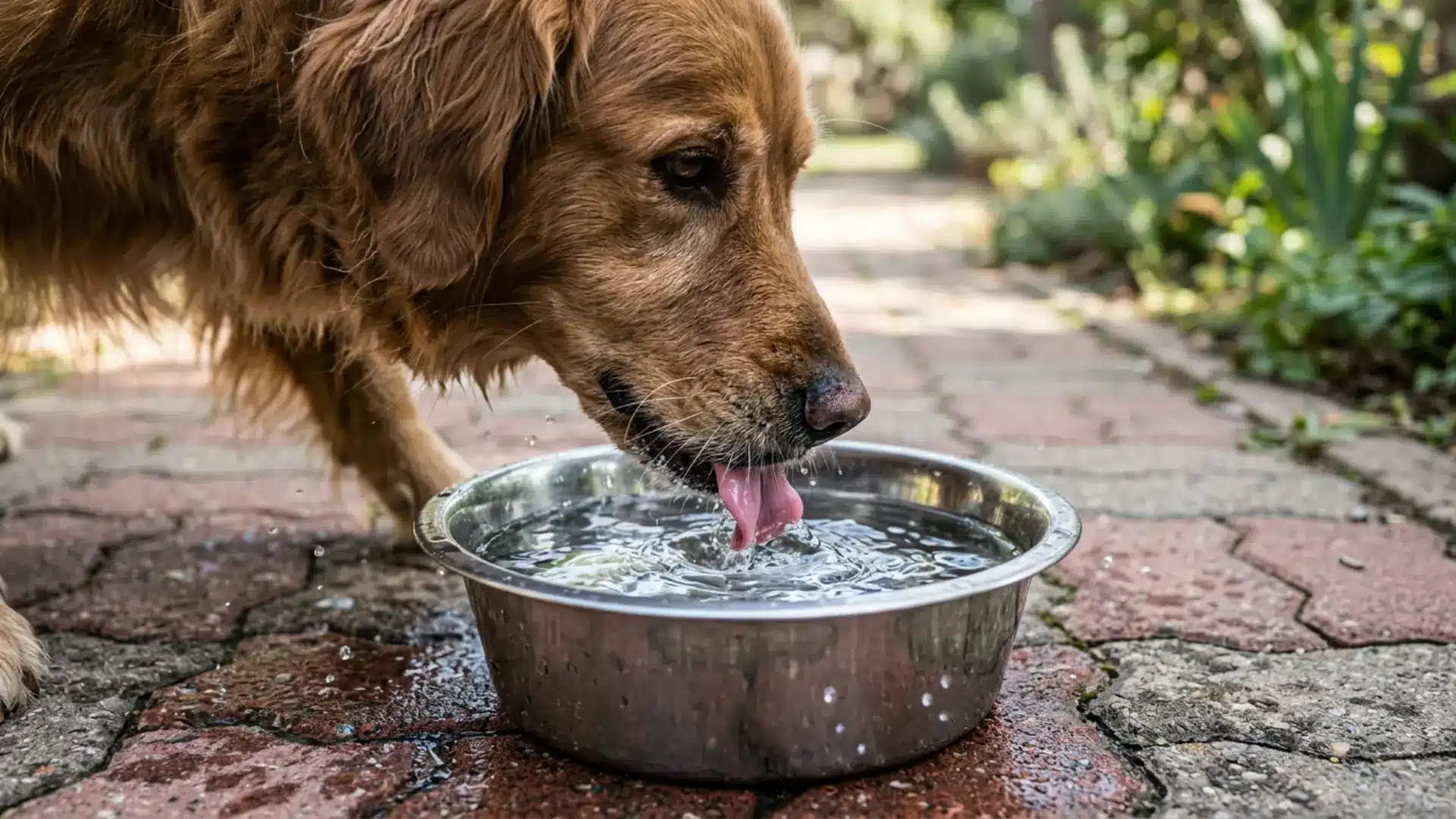
When normal explanations like heat or exercise don’t apply, your vet will look for medical conditions that commonly cause excessive thirst in dogs. These cannot be diagnosed at home, but understanding the possibilities can help you know what your veterinarian is investigating.
- Diabetes mellitus: High blood sugar causes excess glucose to enter the urine, pulling water with it. Common signs include increased thirst, frequent urination, and weight loss.
- Kidney disease: Damaged kidneys cannot concentrate urine effectively, so dogs often drink and urinate more than usual.
- Cushing’s disease: Excess cortisol commonly increases thirst and urination. According to Cornell University, around 80–90% of affected dogs develop excessive thirst.
- Certain medications: They include steroids and diuretics, which commonly increase thirst as a side effect.
- Urinary tract infection (UTI): May cause increased thirst and frequent urination, along with straining or discomfort during urination.
- Psychogenic polydipsia: A rare behavioral condition involving compulsive water drinking, diagnosed only after medical causes have been ruled out.
When to Worry and Call a Vet
Most cases of increased drinking are not emergencies, but these signs mean it’s time to schedule a veterinary visit rather than waiting to see if it improves.
The increased thirst lasts longer than 2–3 days without an obvious cause, such as hot weather, strenuous exercise, a change in diet, or a new medication.
Your dog is urinating much more than usual or is having accidents indoors despite previously being house-trained.
There is unexplained weight loss, even though your dog is eating normally or has an increased appetite. Your dog becomes lethargic, weak, or less active while continuing to drink excessive amounts of water.
There is a noticeable change in appetite, whether eating significantly more or much less than usual. Your dog is drinking heavily along with any of these warning signs. Don’t wait to see if it improves on its own.
Early veterinary testing, including bloodwork and a urinalysis, can identify the underlying cause sooner and improve the chances of successful treatment.
Persistent excessive thirst should always be evaluated by a veterinarian, especially when accompanied by changes in appetite, urination, energy level, or body weight. Only a veterinary examination and appropriate testing can determine the underlying cause.
What Will Your Vet Likely Check
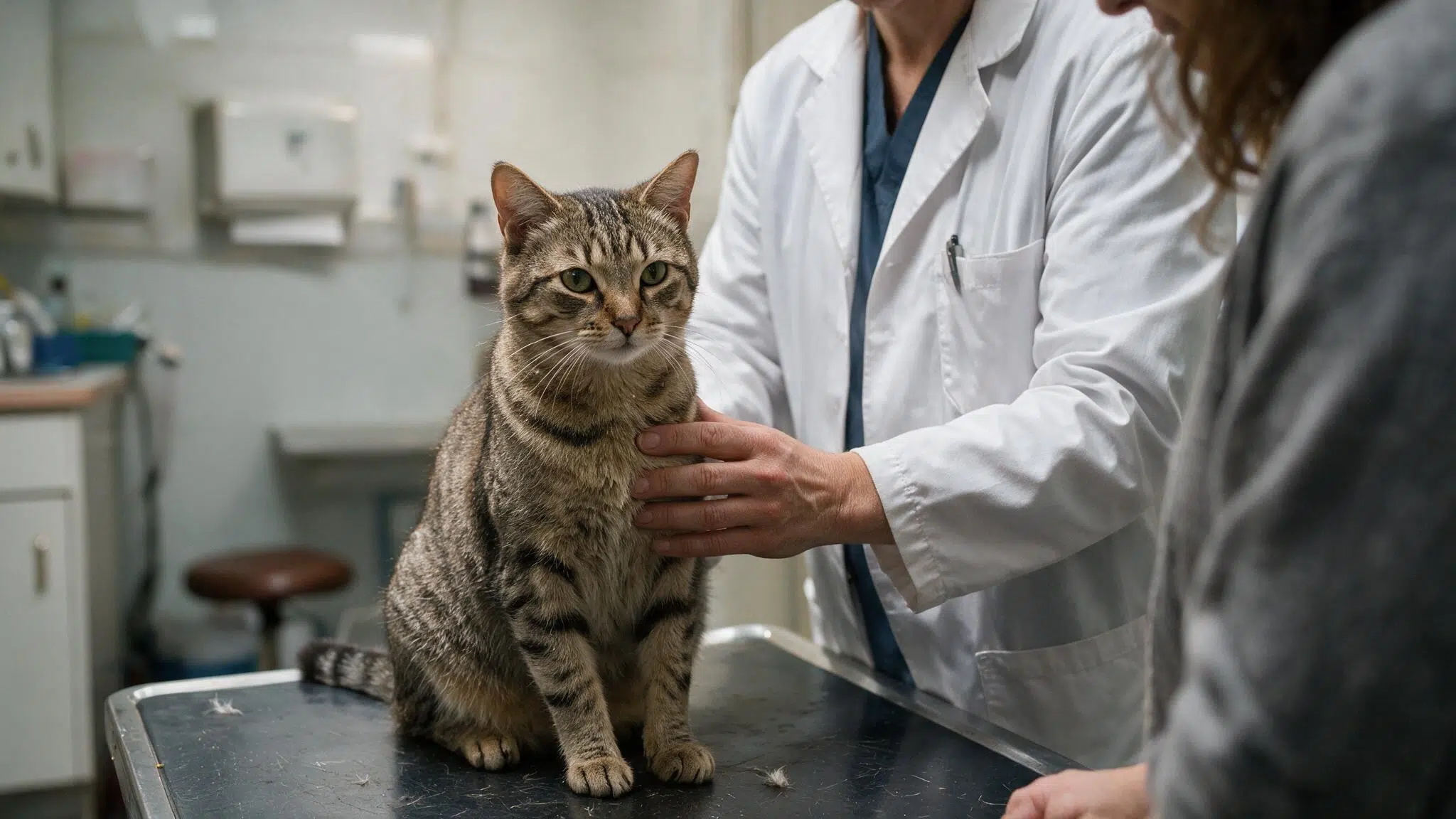
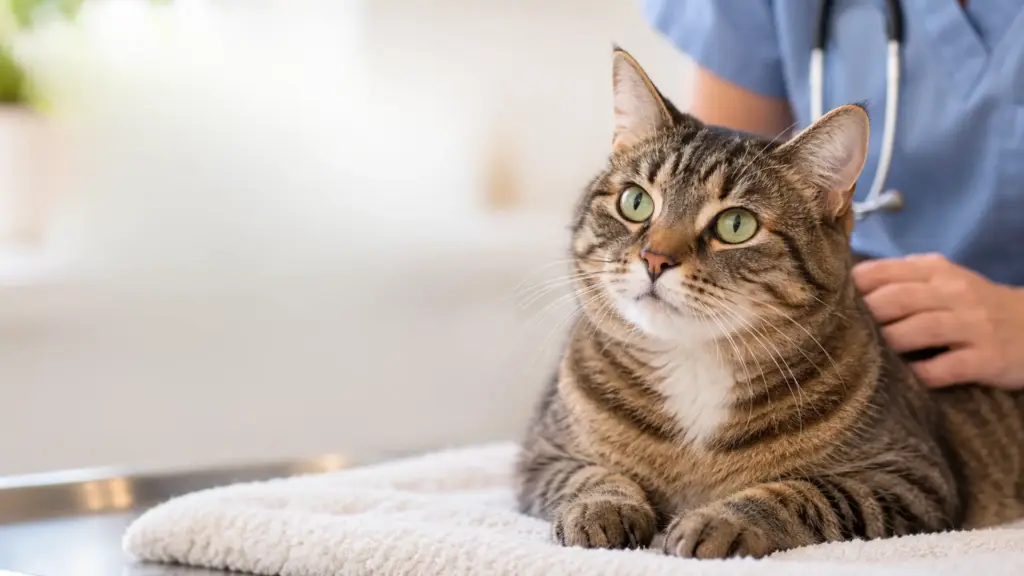
If your dog is drinking excessive amounts of water, the veterinarian will usually follow these steps to identify the cause:
Step 1: Review Your Dog’s History: The vet will ask when the increased thirst began, how much your dog is drinking, and whether there have been changes in diet, routine, urination, or medication.
Step 2: Perform a Physical Exam: A physical examination helps identify signs of dehydration, illness, or other health concerns that may explain the excessive thirst.
Step 3: Run Blood and Urine Tests: Bloodwork checks blood sugar, organ function, and signs of infection. A urinalysis measures urine concentration and helps evaluate kidney function and other possible conditions.
Step 4: Recommend Additional Testing if Needed: If the initial results suggest a hormonal or structural problem, the vet may recommend imaging or hormone tests, such as those used to diagnose Cushing’s disease.
Important: Never restrict your dog’s access to water unless your veterinarian specifically instructs you to do so. Limiting water without medical supervision can lead to dehydration and electrolyte imbalances.
How to Track Your Dog’s Water Intake at Home?
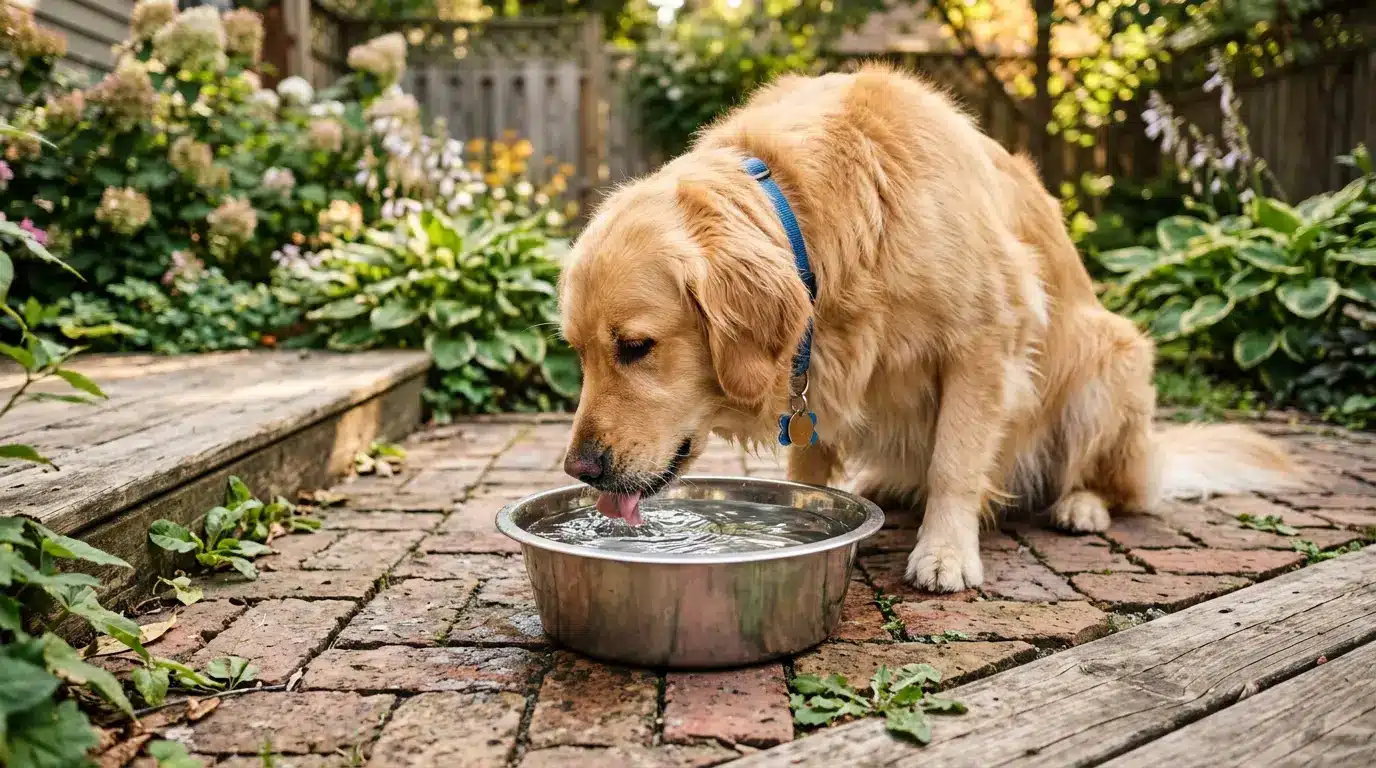
You don’t need anything fancy to spot a real change in your dog’s drinking habits. A simple routine does the job.
- Fill the bowl at the same time daily, so you have a consistent starting point to compare against.
- Use a marked measuring cup to fill it, even roughly, so you’re not relying on memory alone.
- Check what’s left at the end of the day and jot down the amount, even just in a notes app.
- Check for signs of dog dehydration at the same time, since changes in thirst sometimes show up alongside changes in skin elasticity or gum condition.
- Note anything unusual nearby, like a hot day, a long walk, or a new treat, so you have context if the pattern continues.
This kind of baseline turns “I think he’s drinking more” into something specific you can describe to your vet, which speeds up the whole process if testing ends up being necessary.
Conclusion
Most of the time, a dog drinking a lot of water has a simple explanation, such as hot weather, exercise, or diet.
The real concern is excessive thirst in dogs that continues for more than a couple of days or appears alongside weight loss, lethargy, vomiting, or changes in urination.
That combination deserves a call to your veterinarian rather than a wait-and-see approach.
Start tracking your dog’s water intake this week if you haven’t already. It takes just a few seconds each day and gives you real information instead of guesswork.
If you’ve gone through this with your own dog, drop your experience in the comments. It might be exactly what another worried owner needs to read tonight.
Frequently Asked Questions
Do Dogs Drink a Lot of Water Before They Pass?
Not usually. Some dogs may drink more due to illness, while others drink less near the end of life. Sudden changes in thirst should always be discussed with a veterinarian.
Is It Safe to Limit My Dog’s Water if They’re Drinking Too Much?
No. Never restrict your dog’s water without veterinary guidance, as it can cause dehydration or worsen underlying conditions like kidney disease or diabetes.
Can Teething Puppies Drink More Water?
Yes. Some puppies may drink slightly more while teething, but persistent excessive thirst should still be discussed with a veterinarian.
Does Breed Affect How Much Water a Dog Drinks?
Yes. Larger and more active breeds generally drink more water than smaller or less active dogs, but sudden increases are still worth monitoring.