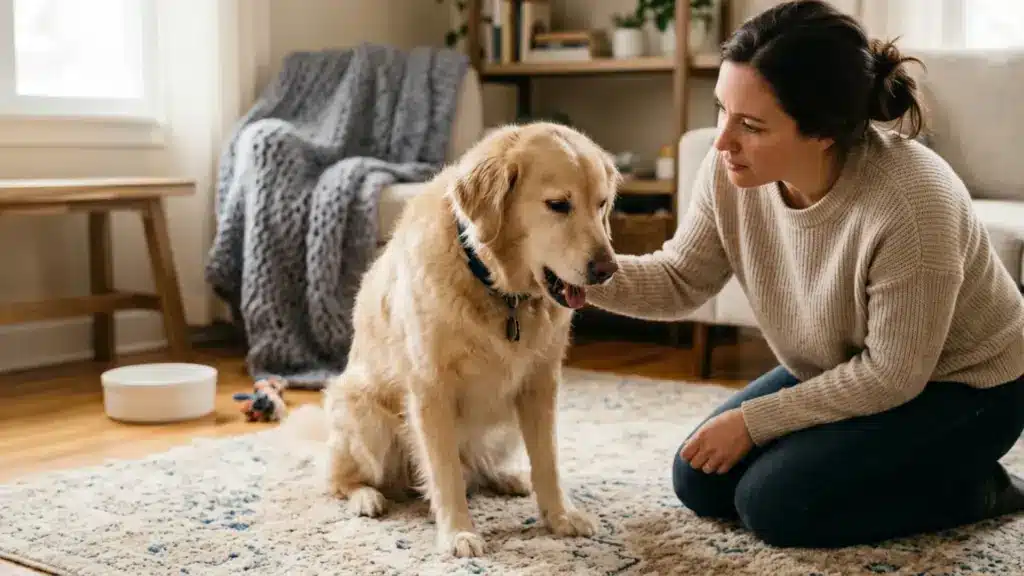
That sudden honking cough can make any dog owner stop in their tracks. It may sound like choking, gagging, or something stuck in the throat, but it is often linked to a contagious respiratory infection.
Kennel cough can spread quickly in places where dogs mix closely, such as boarding kennels, grooming salons, daycare centers, and dog parks.
The good news is that many cases are mild, but symptoms still deserve attention. Knowing the early signs of kennel cough helps you act sooner, protect other dogs, and decide when home care is enough or when a vet visit is needed.
This blog post explains the common symptoms, possible warning signs, practical care steps, and prevention tips in simple language.
What is Kennel Cough?
Kennel cough is an umbrella term for a cluster of viruses and bacteria that attack a dog’s upper airway.
Bordetella bronchiseptica is the most common culprit, often working alongside canine parainfluenza virus or adenovirus.
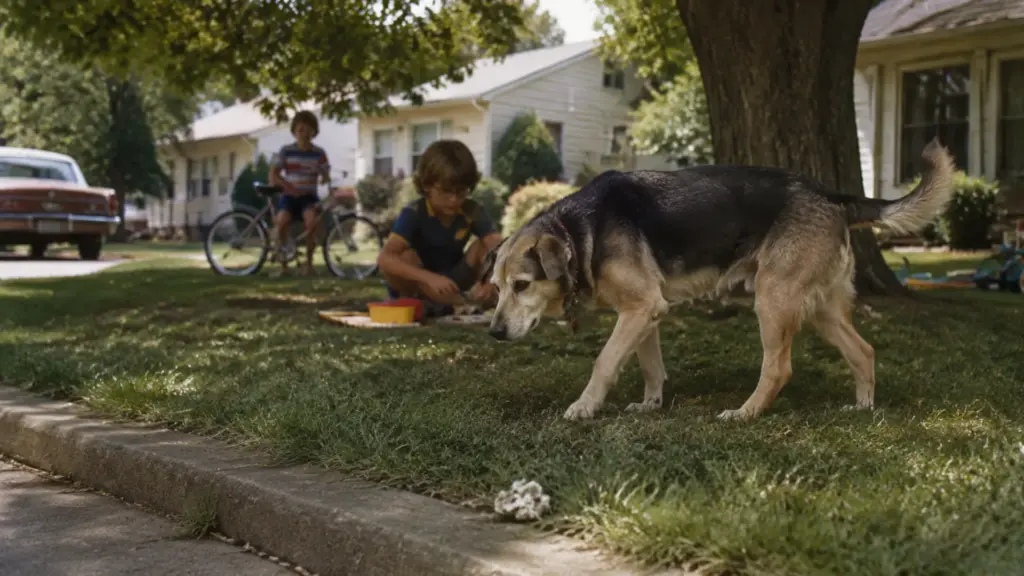
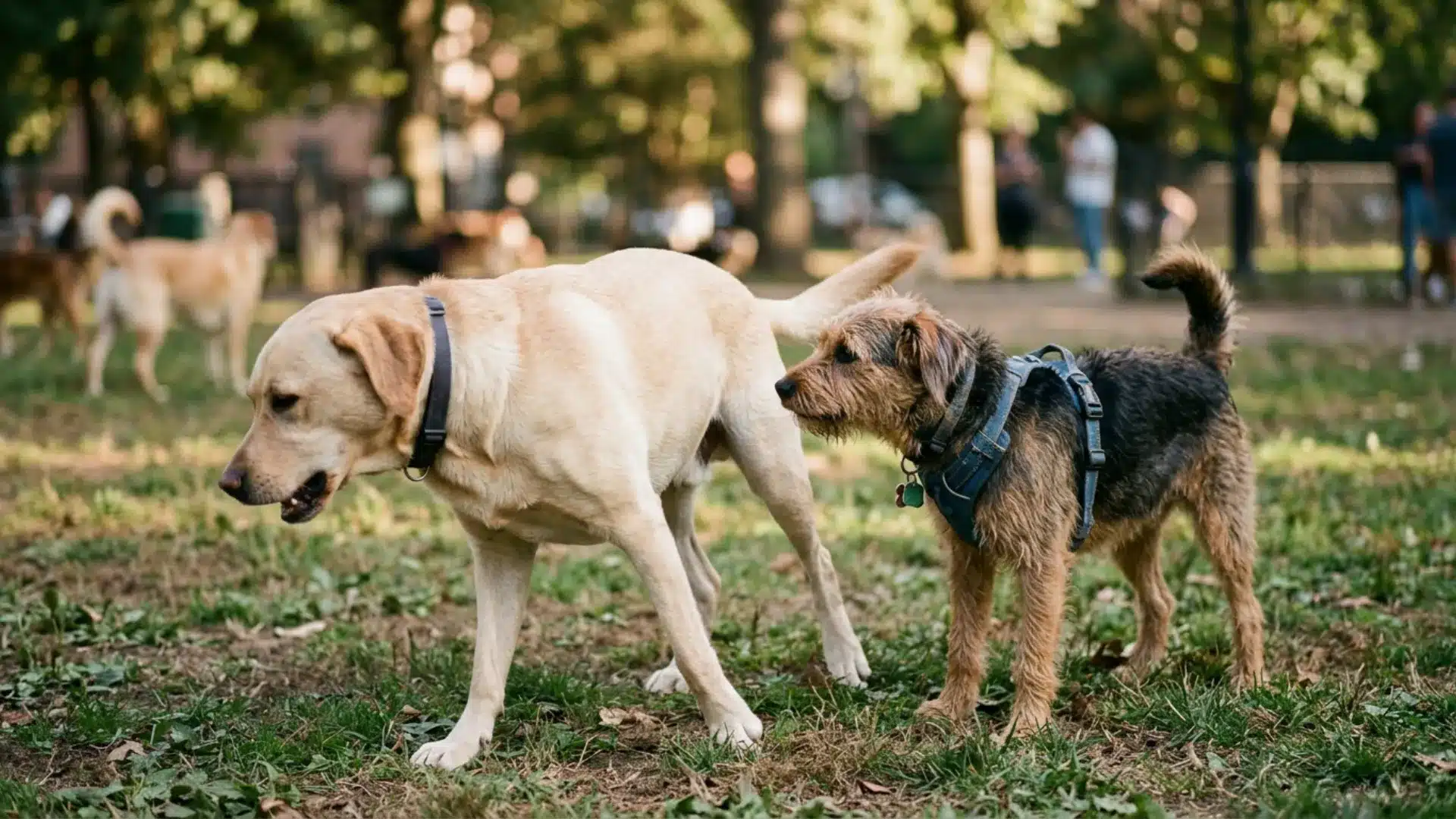
The name comes from where dogs usually catch it. Boarding facilities, dog parks, grooming salons, and daycare centers all involve close contact between dogs, and that close contact is exactly how this spreads.
A cough or sneeze sends droplets into the air, another dog breathes them in, and the cycle continues. Shared water bowls and toys can pass it along too.
Symptoms usually appear 2 to 10 days after exposure, although some dogs may take up to 14 days before coughing begins.
Signs of Kennel Cough to Watch For
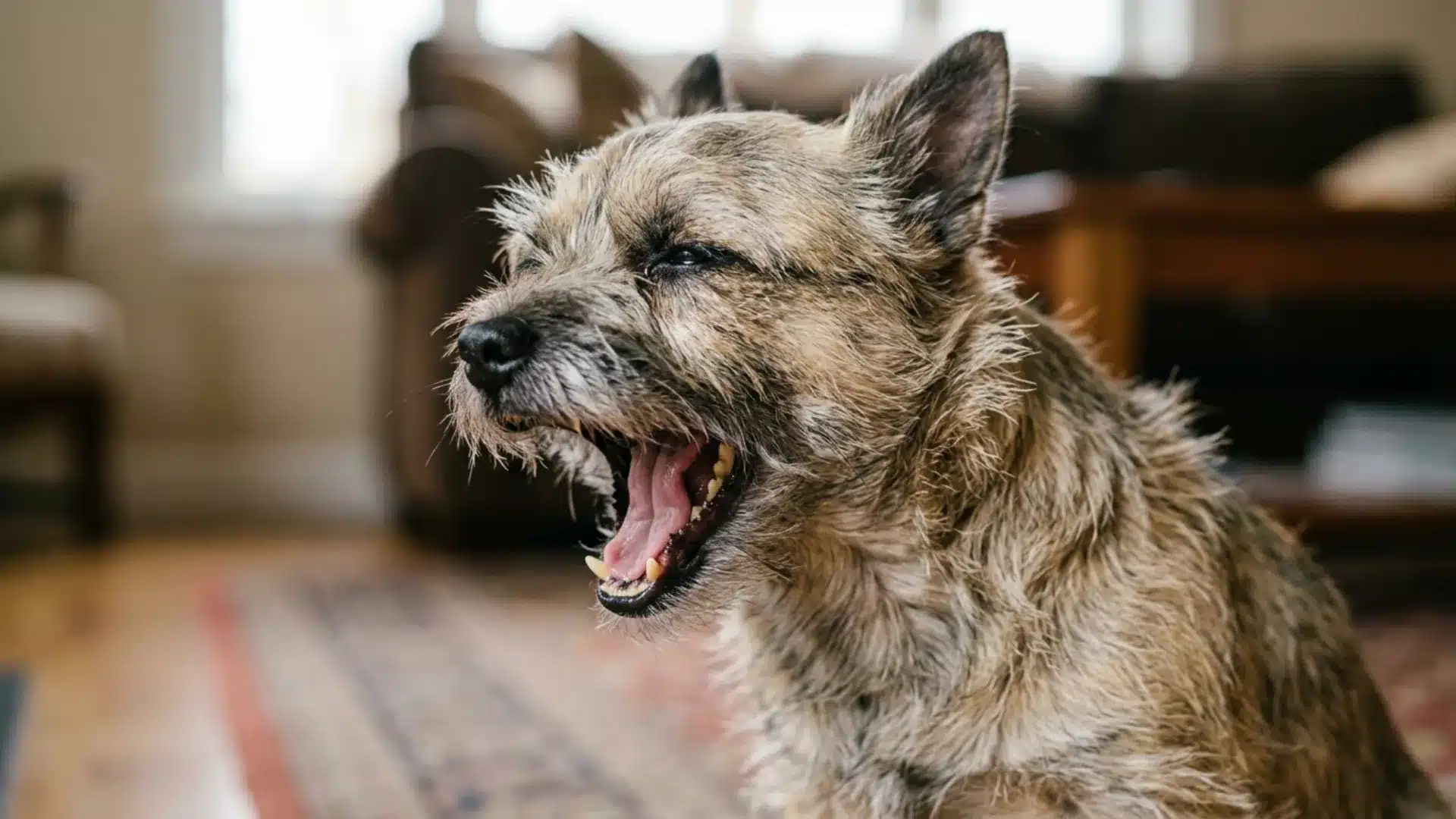
Kennel cough can look different from dog to dog, so watching the full pattern of changes gives a clearer picture.
1. Honking, Goose-Like Cough
A dry, honking cough is the classic kennel cough sign. It often sounds sharp, harsh, and repetitive, almost like a goose honk.
The cough may become more noticeable after exercise, excitement, barking, or pulling on a collar.
Some dogs cough more at night or after waking up. If the cough starts after recent contact with other dogs, kennel cough becomes more likely.
2. Gagging or Retching
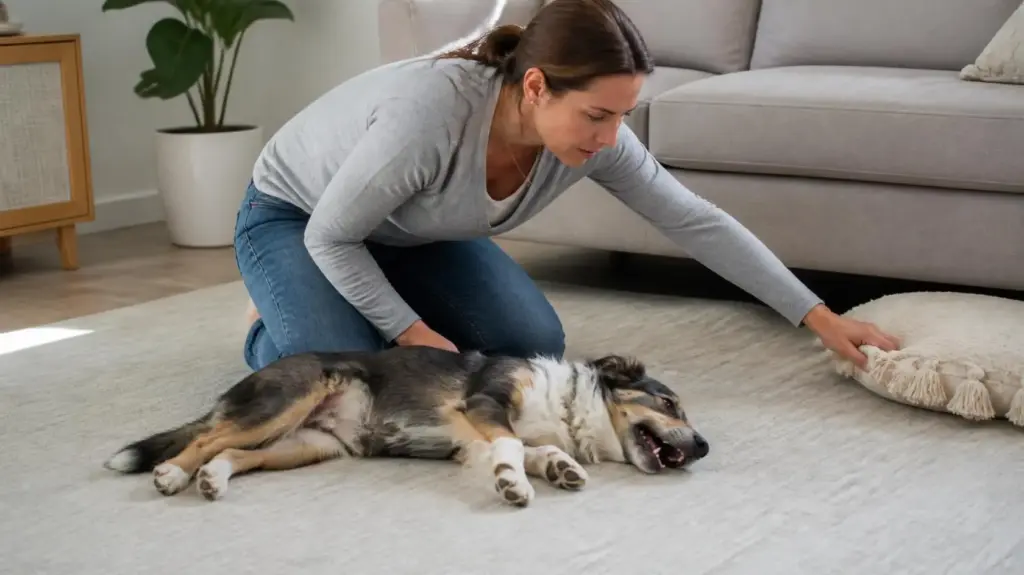
Many dogs with kennel cough gag or retch after a coughing fit. This happens because the throat and upper airway become irritated, triggering the gag reflex.
It can look like the dog is trying to vomit, but often nothing comes up except saliva or a small amount of white foam.
Repeated gagging after coughing should be watched closely, especially if appetite, energy, or breathing also changes.
3. Runny Nose and Sneezing
A mild runny nose or occasional sneezing can appear with kennel cough, especially when the infection irritates the upper respiratory tract.
The discharge is often clear and light in mild cases. Thick yellow, green, or bloody discharge is more concerning and should be checked by a veterinarian.
Sneezing alone does not confirm kennel cough, but when paired with coughing after exposure to a dog, it becomes more relevant.
4. Watery Eyes
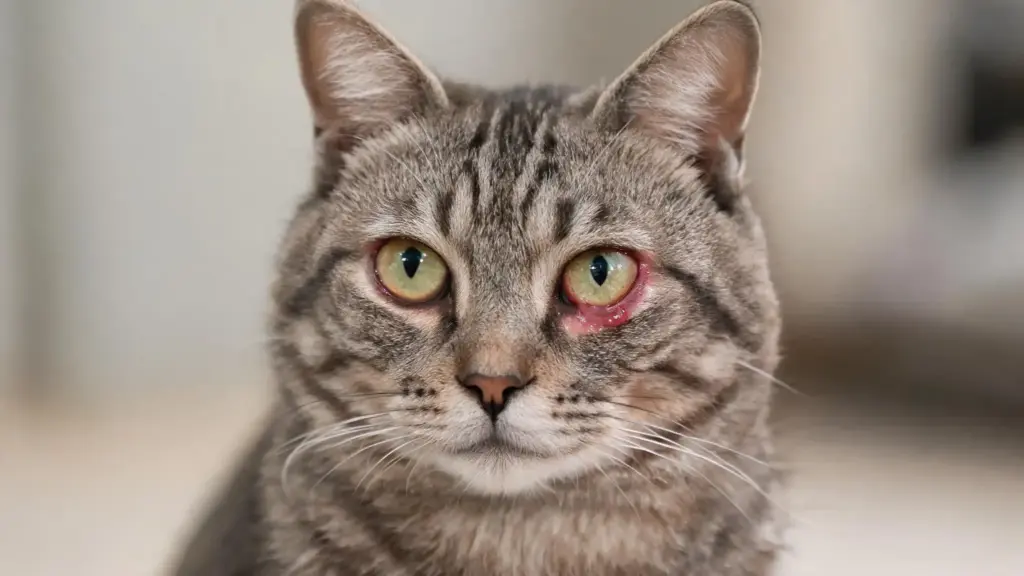
Some dogs develop watery eyes when kennel cough affects the upper airway and nearby tissues.
The eyes may look slightly wet, irritated, or glassy, but the dog should still be able to open them normally. Mild watering can happen with respiratory infections, allergies, or irritation.
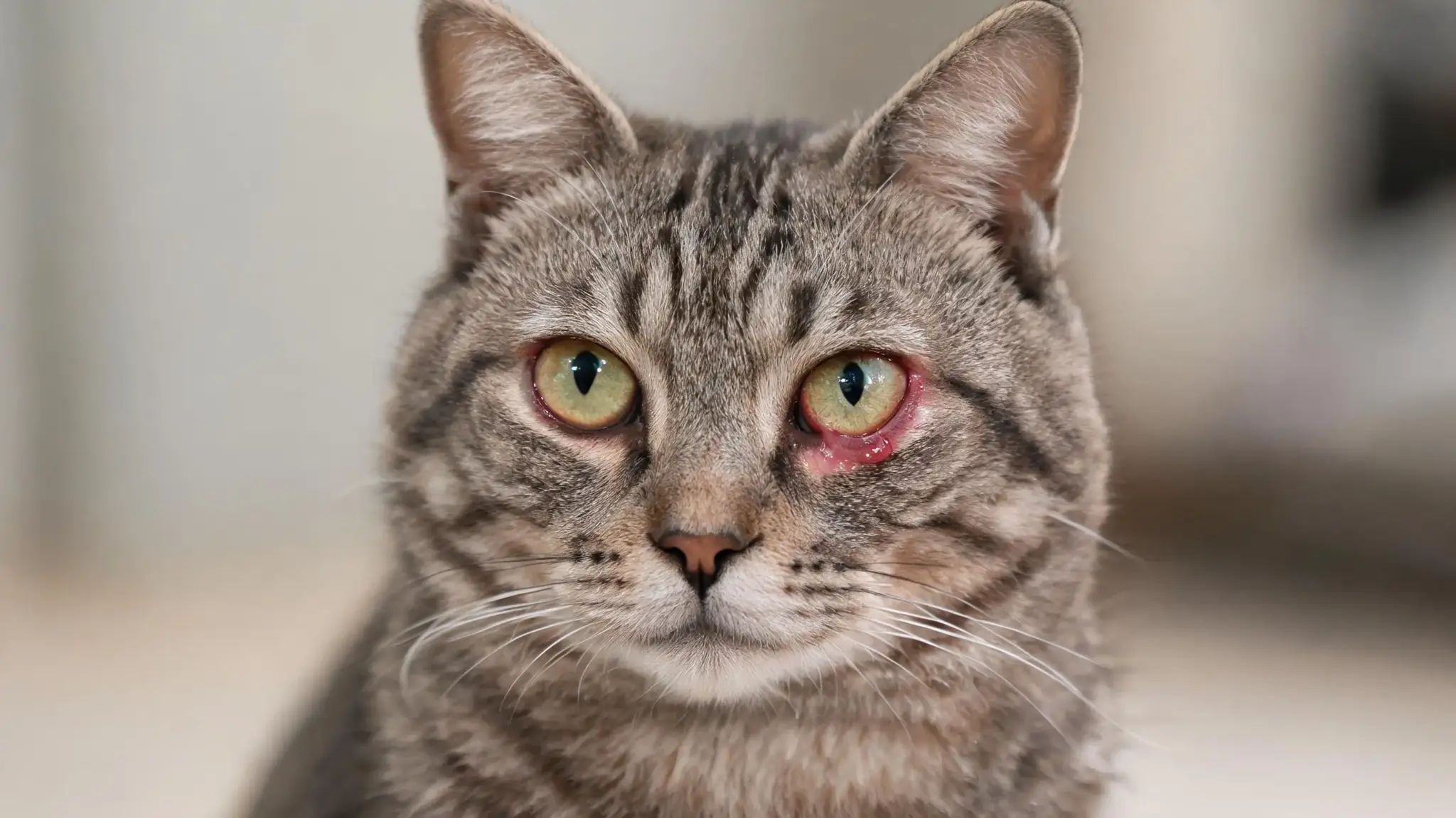
Thick discharge, redness, swelling, squinting, or pawing at the eyes needs veterinary attention because another issue may be involved.
5. Low Energy
A dog with kennel cough may seem quieter than usual because coughing is tiring and throat irritation can make rest more appealing.
Some dogs still eat, drink, and move normally but play less or sleep more. Mild tiredness can be expected, but severe weakness is not.
If your dog will not get up, seems unusually dull, or loses interest in everything, contact your veterinarian quickly.
6. Reduced Appetite
A sore or irritated throat can make eating less comfortable, so some dogs eat more slowly or skip part of a meal.
Softened food, warm water added to kibble, or smaller meals may be easier during recovery.
A slight dip in appetite for a short time can happen, but refusing food for more than a day is a warning sign, especially in puppies, seniors, or small dogs.
7. Mild Fever
Some dogs develop a mild fever while their bodies respond to the infection. You may notice warm ears, tiredness, less interest in play, or a reduced appetite.
Fever can be harder to confirm without a thermometer, so behavior matters too.
A high fever, shaking, worsening cough, or heavy breathing should not be managed at home. These signs may point to a more serious infection.
8. Hoarse Bark
Kennel cough can inflame the throat and voice box, making a dog’s bark sound raspy, weak, or otherwise abnormal.
This change may appear along with coughing, gagging, or throat clearing. A hoarse bark often improves as irritation settles, but it should not be ignored if it worsens.
Trouble breathing, noisy breathing, or loss of voice accompanied by severe lethargy requires prompt veterinary care.
Not every dog develops every symptom. Some dogs have only the characteristic cough, while others show several mild signs at once.
Is It Kennel Cough or Something Else?
A persistent cough does not always mean kennel cough. Several conditions can cause similar symptoms, so your veterinarian will consider your dog’s recent history, exposure to other dogs, and overall health before making a diagnosis.
Collapsing trachea, canine influenza, allergies, and even heart disease can all cause coughing. The difference often comes down to the pattern of symptoms and when they started.
Kennel cough typically develops 2 to 14 days after exposure to other dogs, including recent exposure to unfamiliar dogs.
If your dog has not been around other dogs recently, or the cough is accompanied by vomiting, diarrhea, or behavior changes, let your veterinarian know. These signs could point to distemper or another underlying condition.
What to Do When You Spot the Signs
Kennel cough spreads easily, so quick isolation, simple tracking, and early communication with your vet help protect your dog and others.
- Separate Your Dog: Keep your dog away from other dogs as soon as coughing starts. Avoid daycare, parks, grooming visits, boarding, and shared spaces at home when possible.
- Limit Contact for Two Weeks: Plan for about two weeks of separation after symptoms begin, even if the cough improves sooner. Some dogs remain contagious after obvious signs fade.
- Call Your Veterinarian: Explain when the cough started, where your dog may have been exposed, and whether appetite, energy, breathing, or nasal discharge has changed.
- Record the Cough: Take a short video during a coughing episode. Many dogs stop coughing at the clinic, so a video can help your vet assess the sound and pattern.
- Follow Testing Advice: Most cases are diagnosed through symptoms, exam, and exposure history. Severe, prolonged, or household-wide illness may need extra testing.
How to Treat Kennel Cough at Home Safely?
Mild kennel cough often improves with simple comfort steps, but home care should support your vet’s guidance, not replace it.
- Steam Therapy: Sit with your dog in a steamy bathroom for 10 to 15 minutes to help soothe the airways and loosen mucus.
- Use a Humidifier: A cool-mist humidifier in your dog’s sleeping area can help keep the air moist and reduce throat irritation.
- Offer Honey: Up to ½ teaspoon for small dogs or 1 teaspoon for larger dogs may help soothe the throat. Avoid honey for puppies under one year old, and ask your veterinarian first if your dog has diabetes.
- Keep Your Dog Hydrated: Provide fresh water at all times. A little low-sodium chicken broth may encourage your dog to drink if they have a reduced appetite.
- Switch to a Harness: Use a harness instead of a collar to avoid putting pressure on the throat during walks.
- Prioritize Rest: Keep exercise and excitement to a minimum until the cough improves.
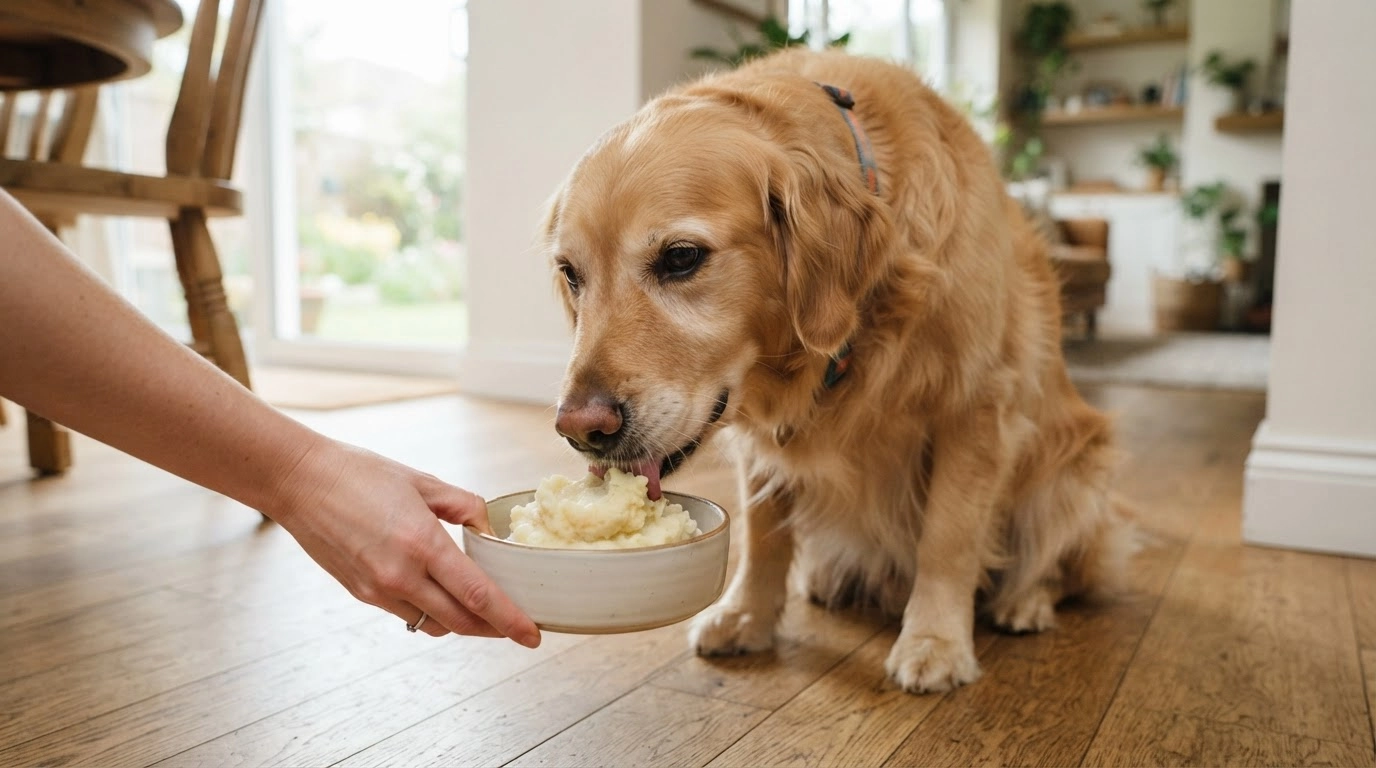
- Offer Softer Meals: Warm or softened food may be easier for your dog to eat if their throat is sore.
Disclaimer: This section is for informational purposes only and does not constitute medical advice. Consult a qualified professional before making any decisions about your dog’s care.
When to See the Vet Right Away
Most kennel cough cases resolve on their own with rest and time, but certain signs mean it is time to stop monitoring and start moving.
Call your vet immediately if you notice:
- Labored or rapid breathing, or breathing with an open mouth
- Colored nasal discharge, especially yellow or green
- Lethargy that does not improve, or a dog that will not get up
- Refusal to eat for more than a day
- A cough that is still going strong for two weeks
- Any signs at all in puppies, senior dogs, or dogs with existing health conditions
A cough that turns wet and productive, paired with fever and exhaustion, can signal pneumonia setting in, and that is not a wait-and-see situation.
How to Prevent Kennel Cough in Dogs?
Preventing kennel cough starts with reducing risky contact and keeping your dog’s routine up to date.
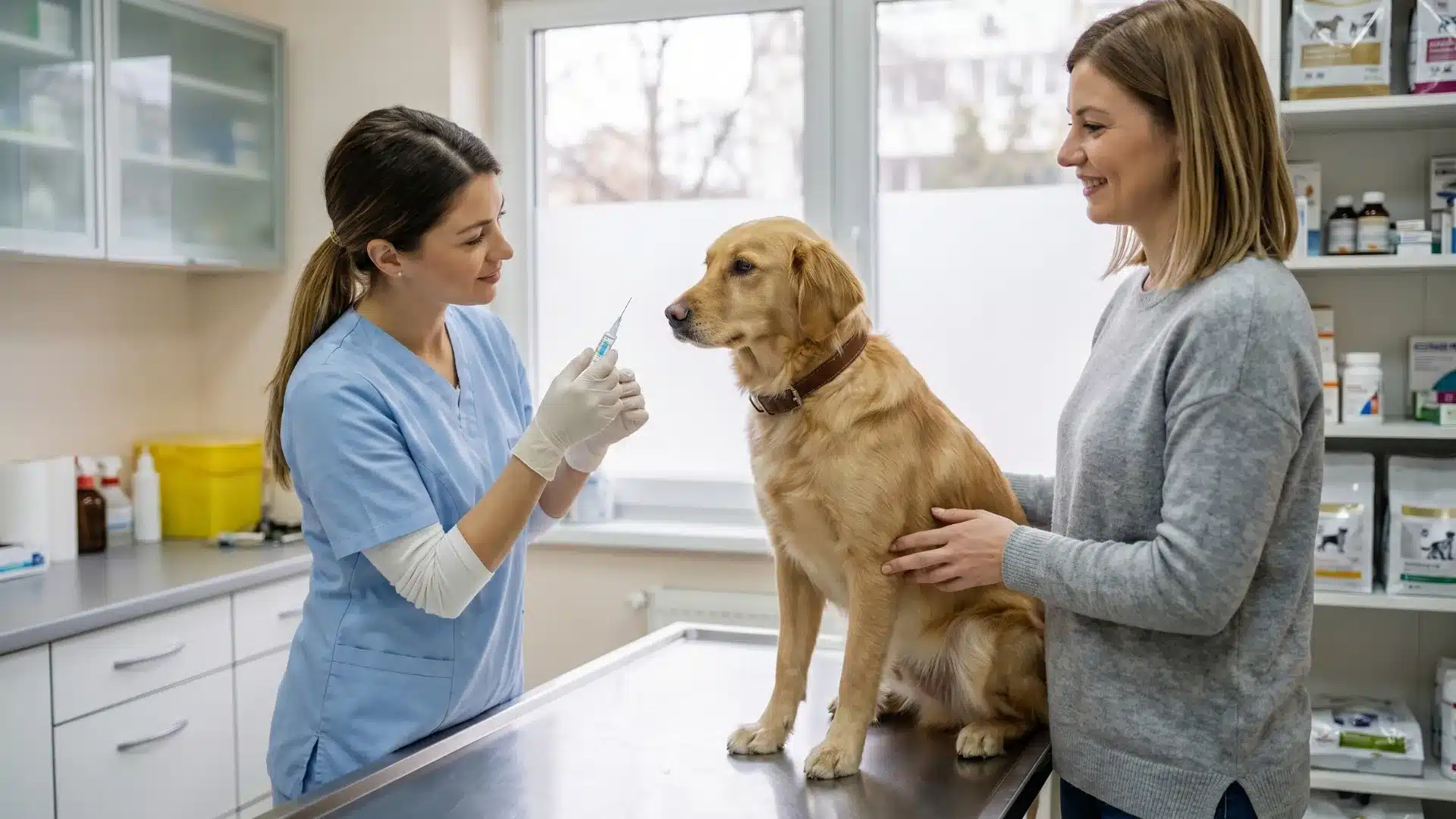
The Bordetella vaccine is often recommended for dogs that visit boarding kennels, groomers, daycare centers, training classes, or busy parks.
It does not block every infection, but it can reduce the risk of more severe symptoms. Ask your vet how often your dog needs it, since risk depends on age, health, and lifestyle.
Puppies should complete the appropriate vaccination schedule before spending time in crowded dog areas. At home, clean bowls, bedding, and toys regularly. During local outbreaks, skip group play and choose quiet walks instead.
Conclusion
Kennel cough is usually manageable, but it still deserves attention. Recovery can vary depending on your dog’s age, health, and the severity of the infection in the airways.
Most mild cases improve with rest, comfort care, and guidance from a veterinarian, while puppies, seniors, and dogs with health problems may need closer monitoring.
During recovery, pay attention to your dog’s breathing, appetite, energy, and any change in the cough.
Recognizing the signs of kennel cough early can help you respond calmly and reduce the chance of spreading it to other dogs.
Has your dog had kennel cough before? Share your experience or care tips in the comment section to help other dog owners.
Frequently Asked Questions
How Long Does Kennel Cough Last in Dogs?
Most healthy adult dogs recover within seven to fourteen days. Puppies, seniors, and dogs with weakened immune systems may take longer and should be monitored more closely throughout recovery.
Can Humans Catch Kennel Cough from a Dog?
No, kennel cough is not contagious to humans. It spreads easily between dogs, but the organisms involved do not infect people.
Can Kennel Cough Turn into Pneumonia?
Yes. Puppies, senior dogs, and dogs with weak immune systems are at greater risk. Contact your veterinarian if breathing becomes difficult or symptoms suddenly worsen.