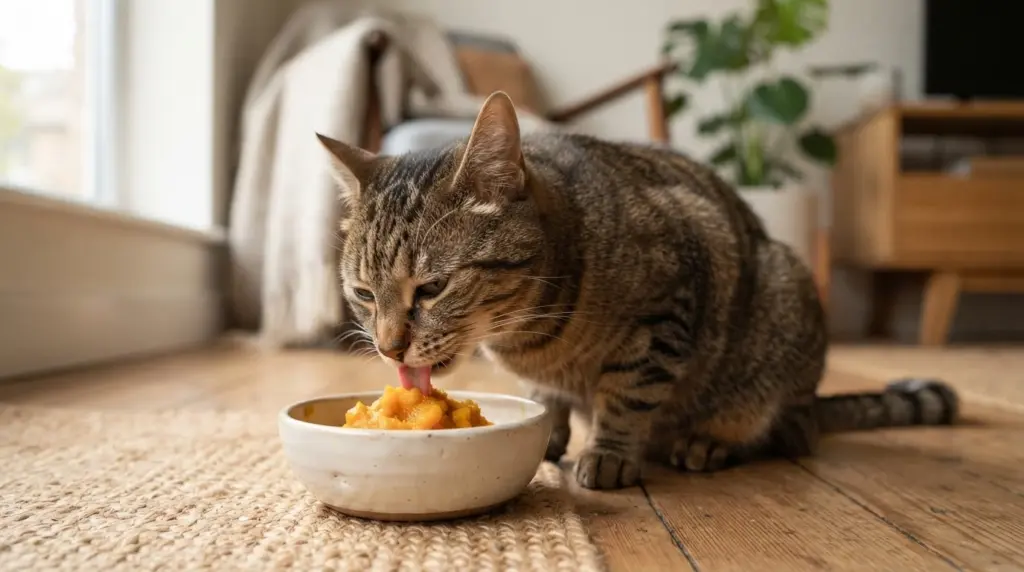



You are peeling an orange over the kitchen sink when your dog suddenly appears behind you.
They sit perfectly still, eyes fixed on the fruit, as if this orange were the biggest event of the night.
You do not know when they arrived or how they heard the peel break, but now the question is sitting right there with them: can dogs have oranges, or is citrus one of those foods better kept off the floor and out of the bowl?
Before handing over a juicy slice, it helps to know which parts matter, how portions work, and why clementines raise the same question for many dog owners, too.
Can Dogs Have Oranges?

Yes, dogs can have oranges in small amounts when the fruit is peeled, seedless, and served plain.
The soft flesh is generally safe for most healthy dogs, but citrus should be offered as an occasional treat rather than a daily addition to the bowl.
Before sharing, remove the peel, check for seeds, pull away as much white pith as possible, and cut the fruit into small pieces so your dog can chew it easily.
The first serving should be just one tiny bite, especially if your dog has never tried citrus before.
Watch for vomiting, loose stool, drooling, or unusual tiredness afterward, since some dogs are more sensitive to sugar and acid.
Dogs with diabetes, weight issues, pancreatitis, prescription diets, or ongoing digestive problems should avoid oranges and clementines unless a vet approves them.
For healthy dogs, a small bite now and then is usually enough.
How Often Can Dogs Eat Oranges: Portion Guide
A few times a week at most is the right amount, and the portion should stay small regardless of how much your dog seems to want.
Oranges are a treat, not a food group. Even for a healthy dog, daily citrus is not a habit worth building. The sugar content adds up, and the acidity can irritate a sensitive stomach over time.
Here is a general portion guide based on dog size:
| Dog size | Safe starting amount | Occasional max per serving |
|---|---|---|
| Extra small (under 5 kg) | 1 small bite | 1/2 segment |
| Small (5-10 kg) | 1/2 segment | 1 segment |
| Medium (10-25 kg) | 1 segment | 1 to 2 segments |
| Large (25+ kg) | 1 to 2 segments | 2 to 3 segments |
Oranges count toward your dog’s 10% daily treat limit. Skip citrus for diabetic, overweight, pancreatitis-prone, or prescription-diet dogs unless your vet approves it first.
If you are looking for lower-sugar fruit options to rotate in, antioxidant-rich dog treats like blueberries are worth adding to the mix.
This is general guidance for healthy adult dogs. If your dog has diabetes, weight issues, pancreatitis, or a sensitive stomach, speak with your vet before offering citrus.
What Parts of an Orange are Unsafe for Dogs?
The flesh is the only part worth offering. Everything else should go in the bin, especially the peel, seeds, pith, juice, and foliage.
- Orange peel: Contains citrus oils that dogs digest poorly. Small bites usually cause mild stomach upset, but larger pieces can later irritate or block the gut.
- Seeds: Orange seeds are best removed before serving. They can pose choking hazards for small dogs and contain trace compounds that are best avoided entirely in snacks.
- White pith: This spongy layer is not toxic, but it is bitter, tough, and harder to digest than the juicy orange flesh.
- Orange juice: Juice is not recommended because it concentrates sugar and acid. Store-bought versions may also contain added sugar or preservatives.
- Leaves, stems, and bark: Orange tree parts can contain stronger citrus oils than the fruit, so keep curious dogs away from foliage.
If your dog eats a small amount of peel, monitor for vomiting, loose stools, or tiredness. Call your vet if symptoms persist or seem unusual.
The rules about seeds and the removal of unsafe plant parts apply to most fruits that dogs can eat. The guide on feeding apples to dogs covers similar prep steps worth knowing.
Can Dogs Have Clementines?
Yes, dogs can have clementines, but only as a small treat. Give only the soft orange flesh, not the peel, stem, leaves, or seeds.
The peel can be hard to digest and may upset the stomach. A safe serving is one small segment for a tiny dog, two segments for a medium dog, and at most three segments for a large dog.
Do not give clementines daily because they contain natural sugar and acid. After the first bite, wait a day and watch for any reaction.
For regular snacks, use safer options like plain apple slices, carrot pieces, or cucumber.
Oranges vs Clementines: What’s Actually Different for Dogs?
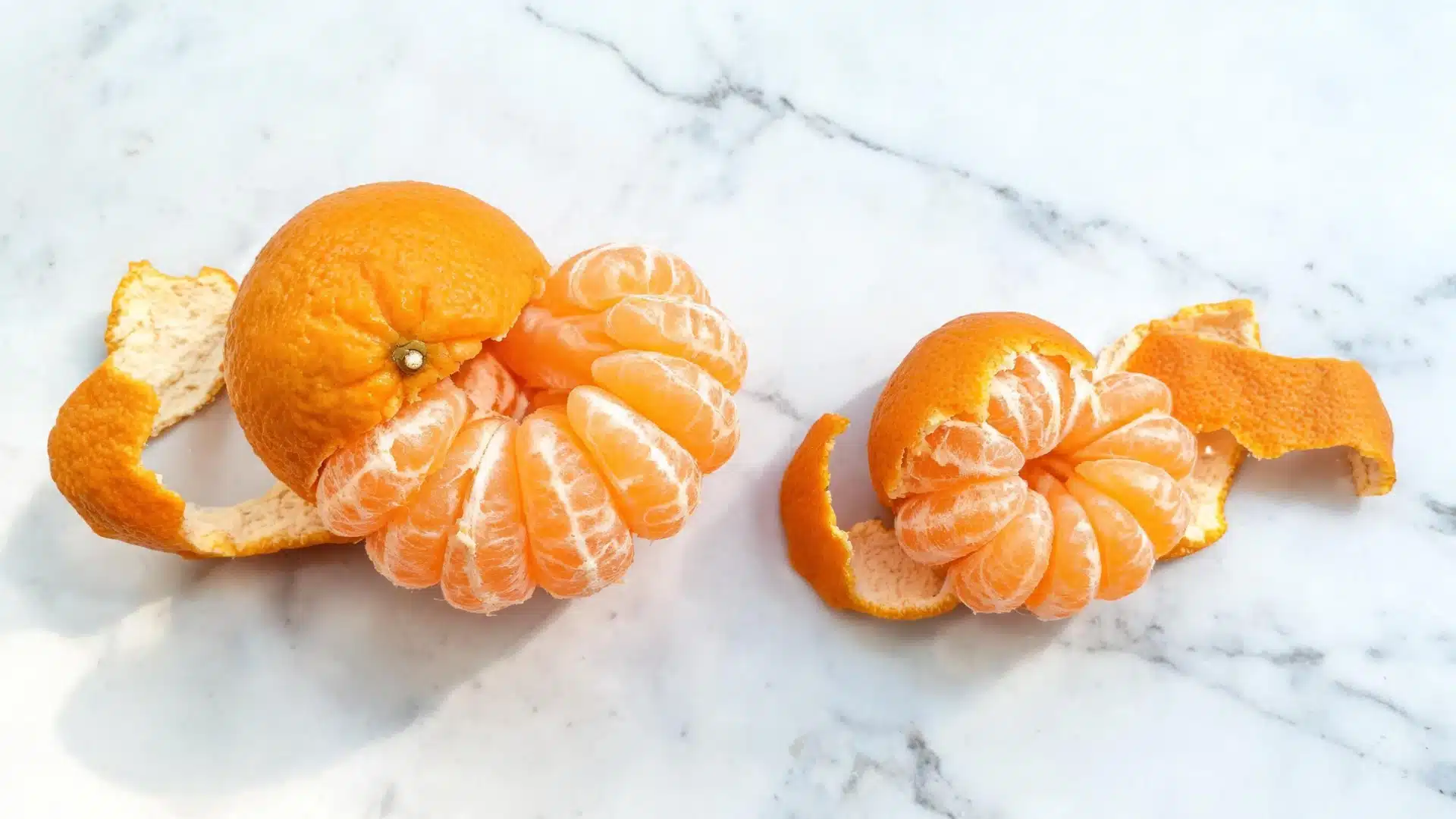
Oranges and clementines are both citrus fruits, so the basic safety rules are almost the same for dogs.
The edible part is the soft flesh only, served peeled, seedless, and plain. The difference comes down to size and feeding control.
Orange segments are usually larger, more flavorful, and slightly more acidic, which can make them harder to portion for tiny dogs or first-time citrus tasters.
Clementines are smaller, sweeter, and often seedless, so many owners find them easier to divide into a tiny bite.
Still, seedless does not mean checking is optional, because stray seeds can still appear.
Both fruits contain natural sugar; both peels should be removed, and neither should become a regular treat.
For most dogs, clementines are easier to manage, while oranges suit larger dogs when cut into very small pieces during occasional supervised snack time.
Health Benefits of Oranges for Dogs
Oranges can offer a few small benefits for dogs, but they should only be given as an occasional treat. The main value comes from moisture, fiber, and natural vitamins, not daily nutrition.
- Vitamin C: Oranges provide vitamin C, which supports immune health, but dogs usually make enough on their own through normal body function and balanced food.
- Antioxidants: Oranges contain flavonoids and carotenoids that may help protect cells from oxidative damage. These aren’t essential supplements, but they’re a small bonus that comes with the flesh.
- Fiber: Fiber, including pectin, may support gut balance and help with stool consistency in tiny amounts.
- Water Content: Orange flesh has water, so it can add moisture to a treat, especially on warm days, but it should not replace fresh water.
- Potassium: Oranges contain potassium, a mineral linked with muscle and nerve function, but a complete dog food already provides the main daily minerals needed safely.
- Low-Fat Treat: A peeled orange segment is low in fat, so it may suit some dogs better than greasy table scraps or processed snacks.
How to Safely Serve Oranges and Clementines to Your Dog?
Serving oranges or clementines safely starts with clean prep, tiny portions, and close watching. Keep the fruit plain, remove risky parts, and stop if your dog reacts poorly at all.
1. Prepare the Fruit Properly First

Before offering oranges or clementines, wash the fruit under running water and peel it completely.
Do not leave small pieces of peel behind, since citrus oils can irritate your dog’s stomach.
Check every segment for seeds, even if the fruit is sold as seedless. Pull away as much white pith as possible, then cut the flesh into pieces that match your dog’s size.
Serve it plain, with no sugar, syrup, seasoning, chocolate, or sweet toppings.
2. Keep the First Serving Plain

The safest first serving is a tiny piece of peeled, seedless orange or clementine flesh. Keep it simple so you can see how your dog reacts without other ingredients confusing the picture.
A plain, fresh segment works best for healthy adult dogs that already tolerate fruit well.
Start with one small bite, then wait and watch for vomiting, loose stools, drooling, or unusual tiredness before offering citrus again the next day.
3. Use Citrus as a Tiny Food Topper

If your dog likes the taste, a very small amount of orange or clementine can be chopped finely and mixed into regular food.
This works better than handing over a full segment, especially for small dogs that need tighter portion control.
The fruit should add flavor, not replace part of the meal. Keep the amount small and occasional, and remember that citrus still counts toward your dog’s daily treat limit.
4. Try a Frozen or Yogurt Mix

For a warm-day treat, blend a small amount of orange flesh and freeze it into a lick mat or treat toy.
The frozen summer dog treats guide has recipes that work well with orange as a mix-in.
You can also blend one small piece of orange with plain, unsweetened, xylitol-free yogurt for a gentler option.
Keep portions tiny, avoid daily serving, and stop if your dog shows any sign of stomach upset.
Signs to Watch for After Your Dog Eats Citrus
Most dogs handle tiny citrus bites well, but early signs matter. Watch your dog closely for a few hours, especially after exposure to the peel or overeating.
- Vomiting: One vomit may mean sensitivity, but repeated vomiting, delayed vomiting, or vomiting with weakness should prompt a quick call to your vet for advice today.
- Diarrhea: Loose stool can follow new foods, but diarrhea lasting beyond 24 hours or worsening quickly needs veterinary guidance right away, especially in puppies.
- Excessive drooling: Heavy drooling can point to nausea, mouth irritation, or stomach upset, especially if your dog ate peel, pith, seeds, or too much citrus at once.
- Lethargy: Unusual tiredness matters when your dog seems flat, withdrawn, or if it appears with vomiting or stomach discomfort soon after eating.
- Loss of appetite: Skipping meals for a few hours can happen after nausea, but appetite loss into the next day warrants a call to the vet for guidance and reassurance.
- Bloating or straining: Bloating, repeated straining, retching, or obvious belly pain can be serious, especially after swallowing pieces of the peel.
Risks of Oranges for Dogs
Oranges are not toxic to most dogs, but they can still cause problems when served too often, in large amounts, or with peel and seeds.
- Stomach Upset: The sugar and acid in oranges can irritate your dog’s stomach, causing vomiting, loose stool, gas, or belly discomfort after eating too much at once.
- High Sugar: Oranges contain natural sugars, which may be risky for dogs with diabetes, weight gain, or pancreatitis, or for dogs already eating many treats during the day.
- Peel Problems: Orange peel is tough to chew and harder to digest, so it may cause choking, stomach pain, vomiting, or later trouble passing stool.
- Too Much Acid: The citrus acid in oranges can bother dogs with sensitive stomachs and may make existing nausea, reflux, or loose stool worse quickly.
- Seeds and White Pith: Seeds and thick white pith are not suitable for dogs and may cause extra bitterness, stomach irritation, or a choking risk in small dogs.
What to Do if Your Dog Eats Orange Peel?
If your dog eats orange peel, stay calm and check how much was eaten.
A small piece may only cause mild stomach upset, but a large amount can lead to vomiting, diarrhea, drooling, gas, or belly pain.
Orange peel is tough, bitter, and harder for dogs to digest than the fruit inside. It can also cause choking in small dogs if swallowed in big pieces.
Remove any remaining peel right away and give fresh water. Do not try to make the dog vomit unless a vet tells you to. Watch your dog for the next several hours.
Call a vet if your dog ate a lot, keeps vomiting, acts weak, refuses food, has a swollen belly, or cannot defecate.
Puppies, small dogs, and dogs with stomach problems need extra care. Once the dog is fine, keep oranges and peels out of reach.
Conclusion
That late-night orange slice does not have to become a worry, but it should stay a thoughtful choice.
Dogs often beg with full confidence, yet their bodies do best when treats stay simple and limited.
A tiny citrus bite can be fine for many healthy pups, while some dogs are better served with gentler snacks.
The real win is paying attention to your dog’s size, health, and reaction instead of feeding by habit. Fruit can be a sweet little moment, not a regular part of the routine or a meal replacement.
Keep the peel out of reach, trust your vet when health issues are involved, and share this guide with a dog parent before snack time.
Frequently Asked Questions
Can Dogs Eat Orange-Flavored Foods or Treats?
Usually no. Orange-flavored foods may contain sugar, dairy, or xylitol. Check labels carefully and avoid xylitol, as small amounts are toxic to dogs.
Can a Dog Eat an Orange After Taking Medication?
It depends on the medication. Since citrus may affect absorption in some cases, ask your vet before giving oranges to a medicated dog.
Are Clementines Safe for Dogs During Pregnancy or Nursing?
Pregnant or nursing dogs should avoid new citrus treats. Stick with your vet-recommended diet and save clementines until after the nursing period.