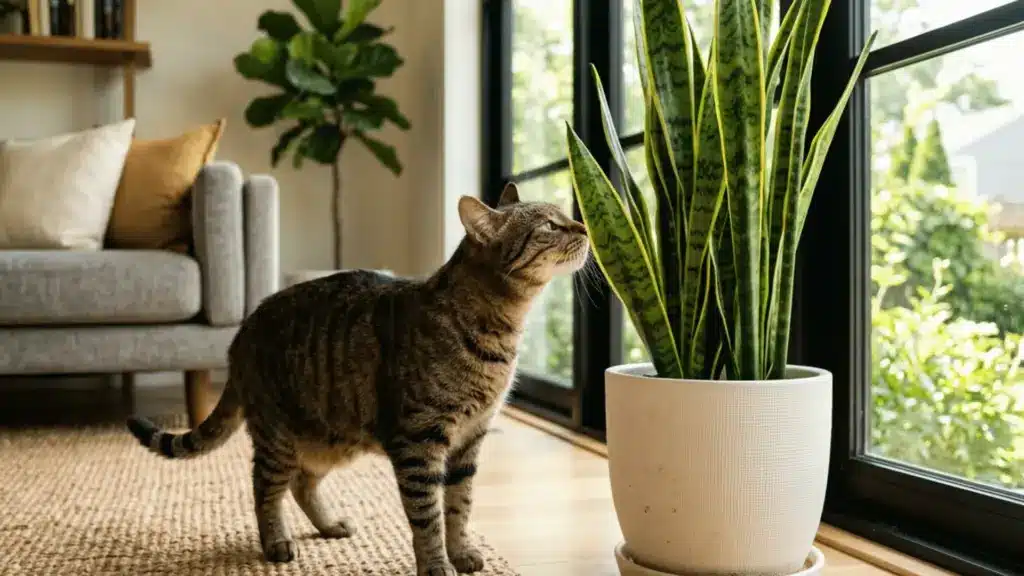
One playful nibble is all it takes for a stylish houseplant to become a real worry. Snake plants look beautiful, need little care, and fit almost any indoor space, which is why many pet owners keep them at home.
But when a curious cat starts sniffing, licking, or chewing those upright leaves, the question becomes serious: are snake plants toxic to cats? The answer can help you decide whether to keep the plant, move it, or replace it.
While every cat may react differently, knowing what to watch for can make the situation less stressful.
This blog post explains possible reactions, first steps, vet warning signs, and safer plant choices so you can protect your cat without guessing or panicking.
Are Snake Plants Toxic to Cats?
Yes, The snake plant, formerly classified as Sansevieria trifasciata and now commonly classified as Dracaena trifasciata and sometimes called mother-in-law’s tongue, is listed as toxic to both cats and dogs by the ASPCA Poison Control Center.
The toxic compound in this plant is saponin, found in every part of it, including the leaves, roots, stems, and sap. Saponins are natural chemicals that help protect plants from fungi, insects, and bacteria.
While beneficial for the plant, they can irritate a cat’s digestive system. When ingested, saponins interact with the lining of the gut, causing inflammation that often leads to vomiting, drooling, or stomach upset.
They may also cause mild irritation, numbness, or swelling in the mouth and throat. Toxicity is generally considered mild to moderate and is far less dangerous than that of plants like Easter lilies.
However, reactions vary depending on the cat’s size, age, and the amount consumed. A kitten chewing several leaves faces a greater risk than an adult cat that only licks the plant once.
What Happens If a Cat Licks a Snake Plant?
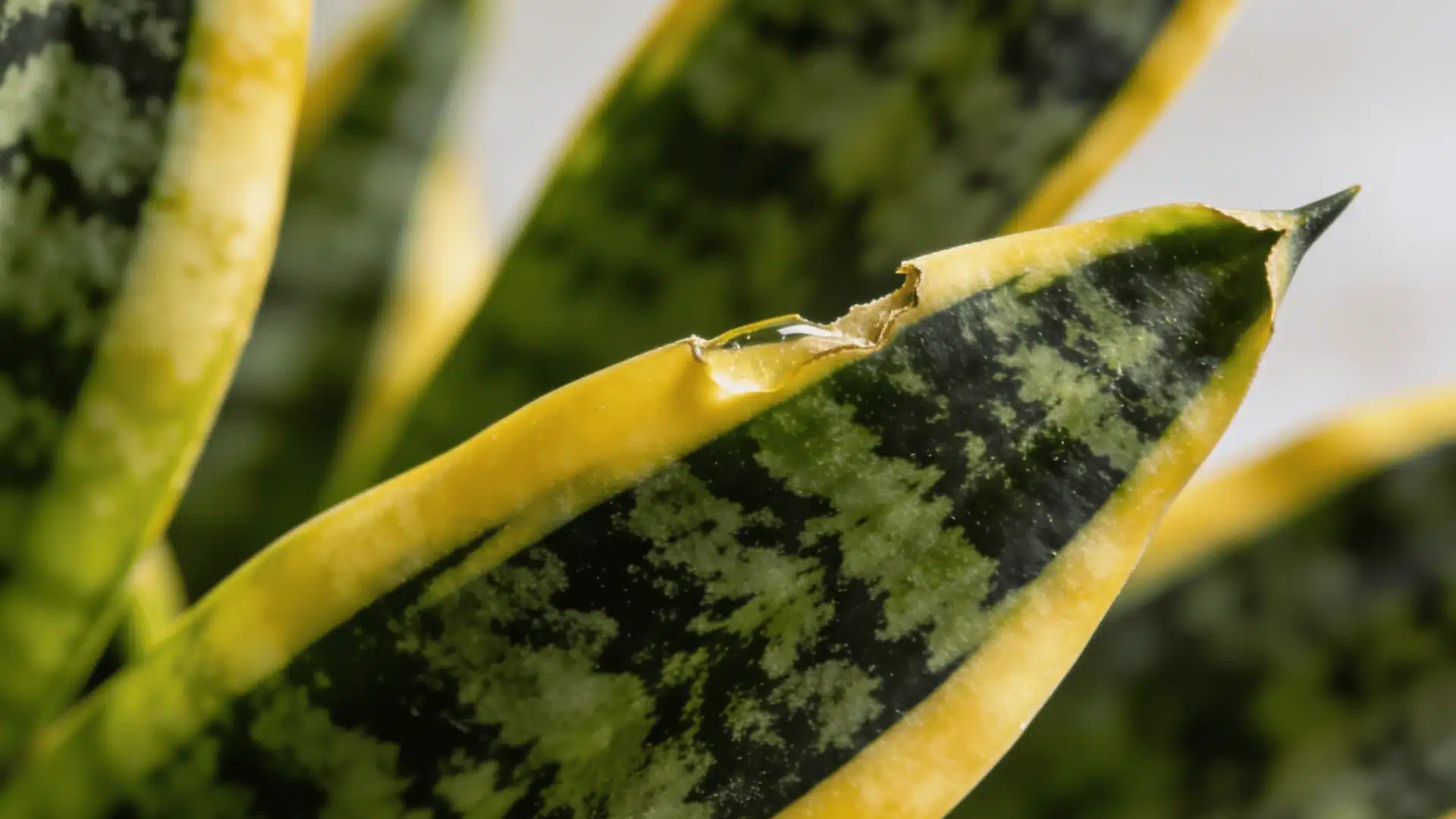
A quick lick on the outside of a leaf usually causes little to no reaction. The leaf surface contains only a small amount of saponin, and licking doesn’t release the sap stored inside.
Some cats drool briefly or show mild mouth irritation, then go back to normal. Many owners report that their cats were completely fine after a single lick.
Chewing is where the risk goes up. When a cat bites through a leaf, the saponin-rich sap is released directly into the mouth and swallowed into the digestive system.
That’s when vomiting, diarrhea, and more persistent drooling become likely. The difference between licking and chewing isn’t subtle. It’s the reason two cats in the same household can have totally different outcomes with the same plant.
If your cat only licked the plant, watch for 24 hours. If they chewed or swallowed any part of it, contact your vet for guidance.
If you’re unsure whether your cat only licked the plant or actually chewed and swallowed it, it’s safest to contact your veterinarian or a pet poison service for guidance based on your cat’s symptoms and the amount ingested.
Symptoms of Snake Plant Poisoning in Cats
Most cases of snake plant poisoning in cats resolve within 24–48 hours, but knowing what to watch for helps you act at the right time. Common symptoms include:
- Drooling: One of the first things you may notice, especially after licking or chewing. The mouth and throat become irritated, and saliva production increases.
- Vomiting: The stomach is reacting to the saponins. This can be mild (once or twice) or more persistent if a larger amount was consumed.
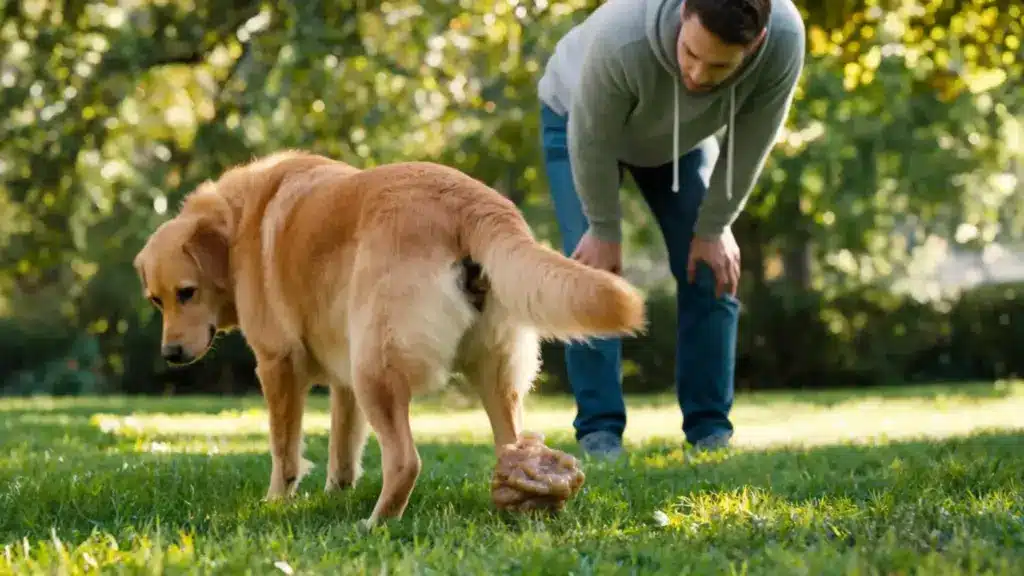
- Diarrhea: The gut lining is irritated. Loose stools may follow vomiting or appear on their own.
- Lethargy: A cat that seems unusually quiet, low-energy, or unwilling to move should be watched closely.
- Loss of appetite: Nausea often puts cats off their food. Skipping a meal after possible plant exposure is worth noting.
- Pawing at the mouth: A sign of oral irritation or that burning, numbing sensation in the mouth and throat.
- Swollen mouth or throat: Less common but possible. This one warrants immediate veterinary attention.
A cat that develops diarrhea alongside vomiting can become dehydrated faster than owners expect, particularly small or young cats.
Disclaimer: This section is for informational purposes only. If you suspect your cat has ingested a toxic plant, contact a licensed veterinarian before taking action.
What Cat Owners Say: Reddit Experiences with Snake Plants
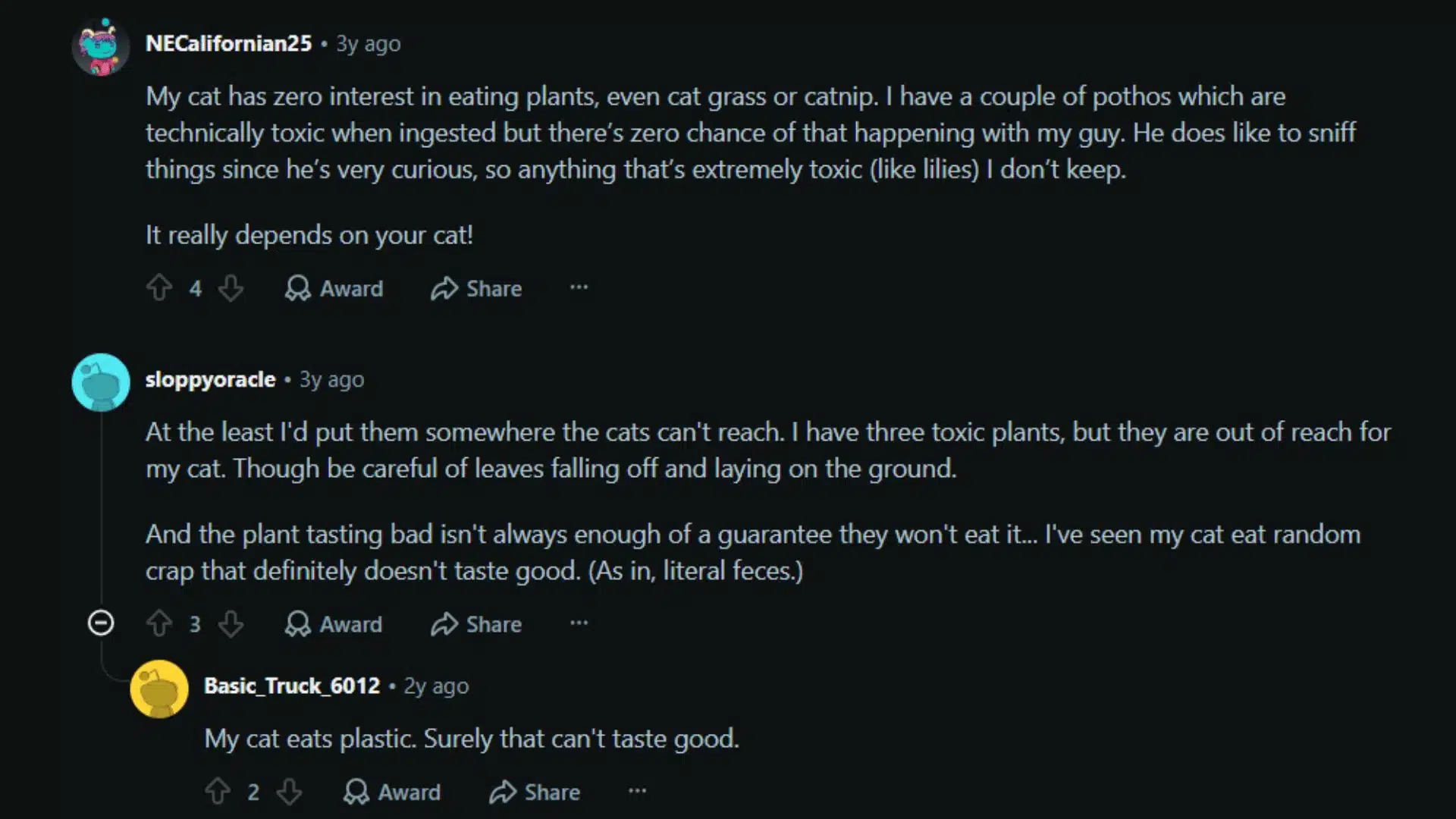
The Reddit community generally agrees that snake plants can be a concern for curious cats, but most real-world incidents are not severe.
Many cat owners who shared their experiences reported only mild symptoms after a licking or chewing incident, such as drooling, vomiting, or temporary stomach upset.
In most cases, the cats recovered within a day and returned to normal behavior without lasting effects. One owner described their Maine Coon chewing a snake plant leaf, vomiting shortly afterward, and acting perfectly fine the next morning.
More concerning stories usually involved kittens or cats that managed to chew multiple leaves before being noticed.
Several owners also mentioned that their cats’ repeated attempts to reach or knock over the plant caused ongoing stress.
The overall consensus is that occasional licking is rarely serious, chewing poses a greater risk, and households with persistent plant-chewing cats may be better off choosing pet-safe alternatives.
Should You Remove a Snake Plant If You Have Cats?
Yes, you should remove a snake plant if your cat chews plants, climbs often, or is still a kitten. Snake plants are toxic to cats, so keeping one indoors adds an avoidable risk when access cannot be fully controlled.
If your cat ignores houseplants and the snake plant stays in a closed room or secure cabinet, you may choose to keep it. Still, high shelves are not always safe because many cats can jump, climb, or knock pots over.
For most cat owners, the safer choice is to move the snake plant out of the home rather than rely on placement alone.
What to Do If Your Cat Eats or Licks a Snake Plant?
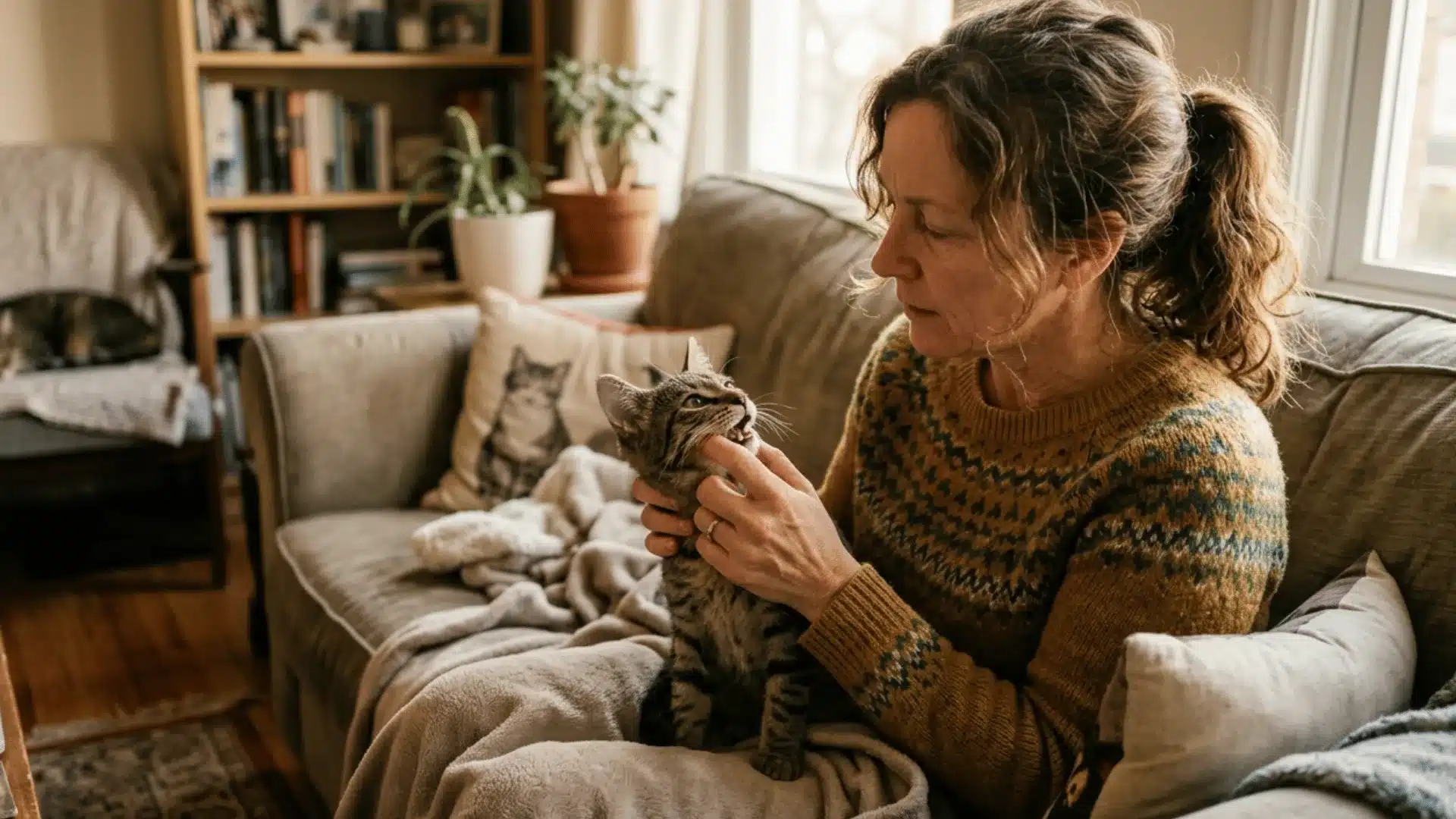
If your cat licks or eats a snake plant, quick action can reduce irritation, prevent further exposure, and help you decide when to seek vet care.
- Remove the plant: Move the snake plant away from your cat immediately. Place it in a closed room or outside the home so your cat cannot return to it.
- Check the mouth: Look for small leaf pieces around your cat’s mouth. Gently remove visible pieces, then wipe the mouth with a damp cloth if your cat allows it.
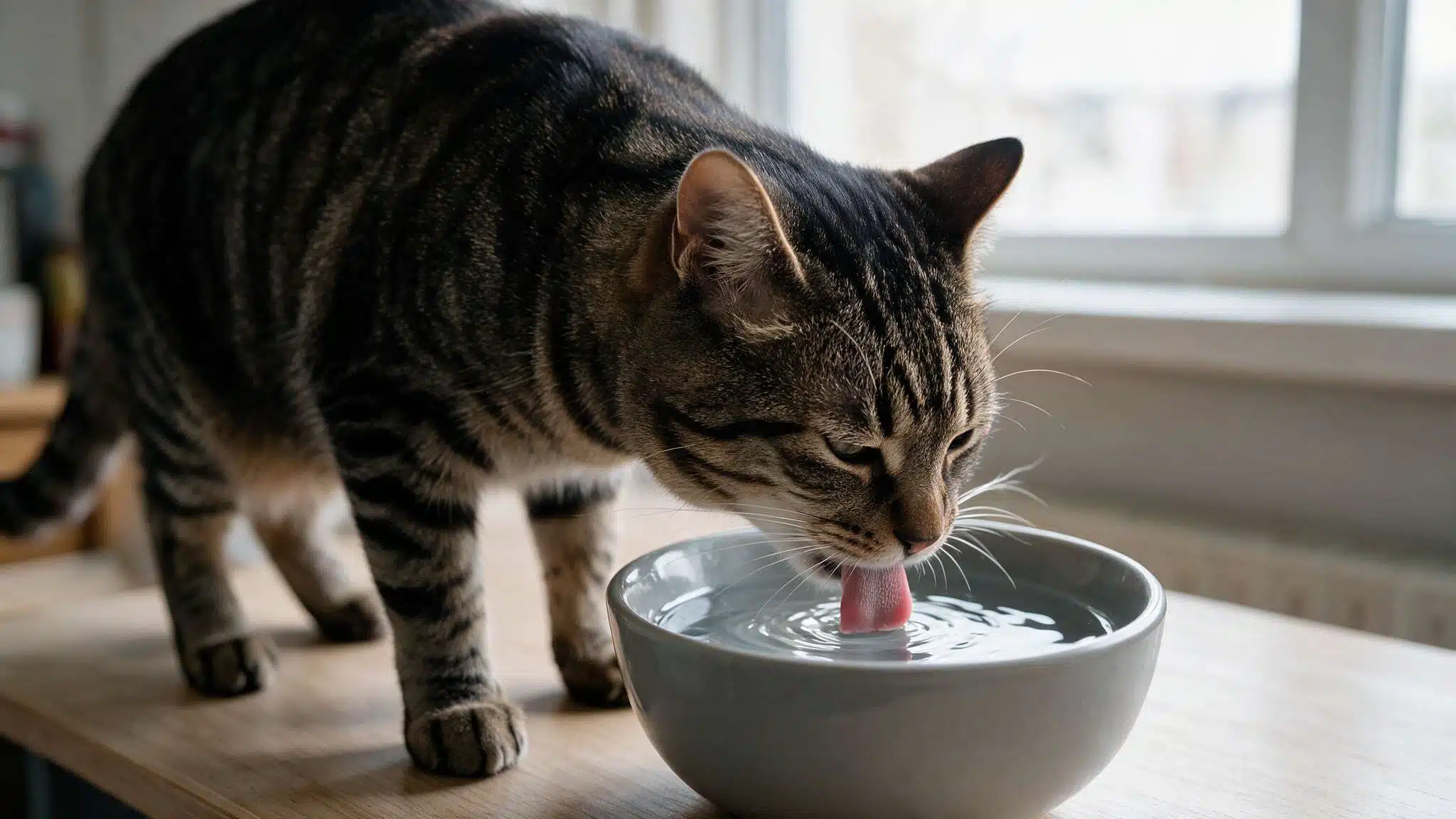
- Offer water: Give your cat fresh water to help clear the mouth. Avoid forcing water or food, especially if your cat seems nauseous or stressed.
- Monitor symptoms: Watch for drooling, vomiting, diarrhea, mouth irritation, loss of appetite, or unusual tiredness over the next 24 hours.
Best Cat-Safe Alternatives to Snake Plants
The good news: there are plenty of good-looking, low-maintenance plants that pose no threat to your cat. Here are some worth considering:
- Spider plant: Hardy, fast-growing, and completely non-toxic to cats. It handles neglect well and looks good in a hanging basket.
- Boston fern: A lush, full plant with no toxicity concerns. It does need more moisture than a snake plant, but the trade-off is peace of mind.
- Parlor palm: Slow-growing and safe. It has a similar upright, architectural quality to the snake plant and works well in low light.
- Rattlesnake plant (Calathea): Safe for cats and striking enough to fill the same visual role. Note that, despite the name, it is nothing like a snake plant in terms of toxicity.
- Prayer plant: Non-toxic, colorful, and interesting enough that cats tend to sniff it and walk away.
- Peperomia: A huge family of easy-care plants, most of which are safe for cats. Great for filling a space without worry.
If you are not sure about a plant you already have at home, the ASPCA’s toxic and non-toxic plant database is the most reliable place to check. It is worth bookmarking.
Another houseplant that often catches cat owners off guard is aloe vera. Despite its reputation for health benefits in humans, aloe vera can be toxic to cats if ingested.
How to Keep Cats Away From Snake Plants?
If removing the snake plant is not something you want to do, there are a few things that genuinely help.
- Place the plant in a room with a door that stays closed. This is the most reliable method. Shelves and counters work only until they do not.
- Hanging planters can work, but snake plants get heavy, so the pot must be secured properly. A falling planter creates a different safety risk.
- Bitter apple spray on the leaves deters many cats due the its unpleasant taste. Reapply after watering, though some cats ignore it completely.
Providing a safe alternative to chew can help redirect the behavior. Cat grass is a practical option that satisfies the urge to nibble without any risk. Catnip can also serve as a distraction.
If your cat still manages to nibble the plant and develops stomach upset, contact your veterinarian for guidance.
When Should You Call a Vet?
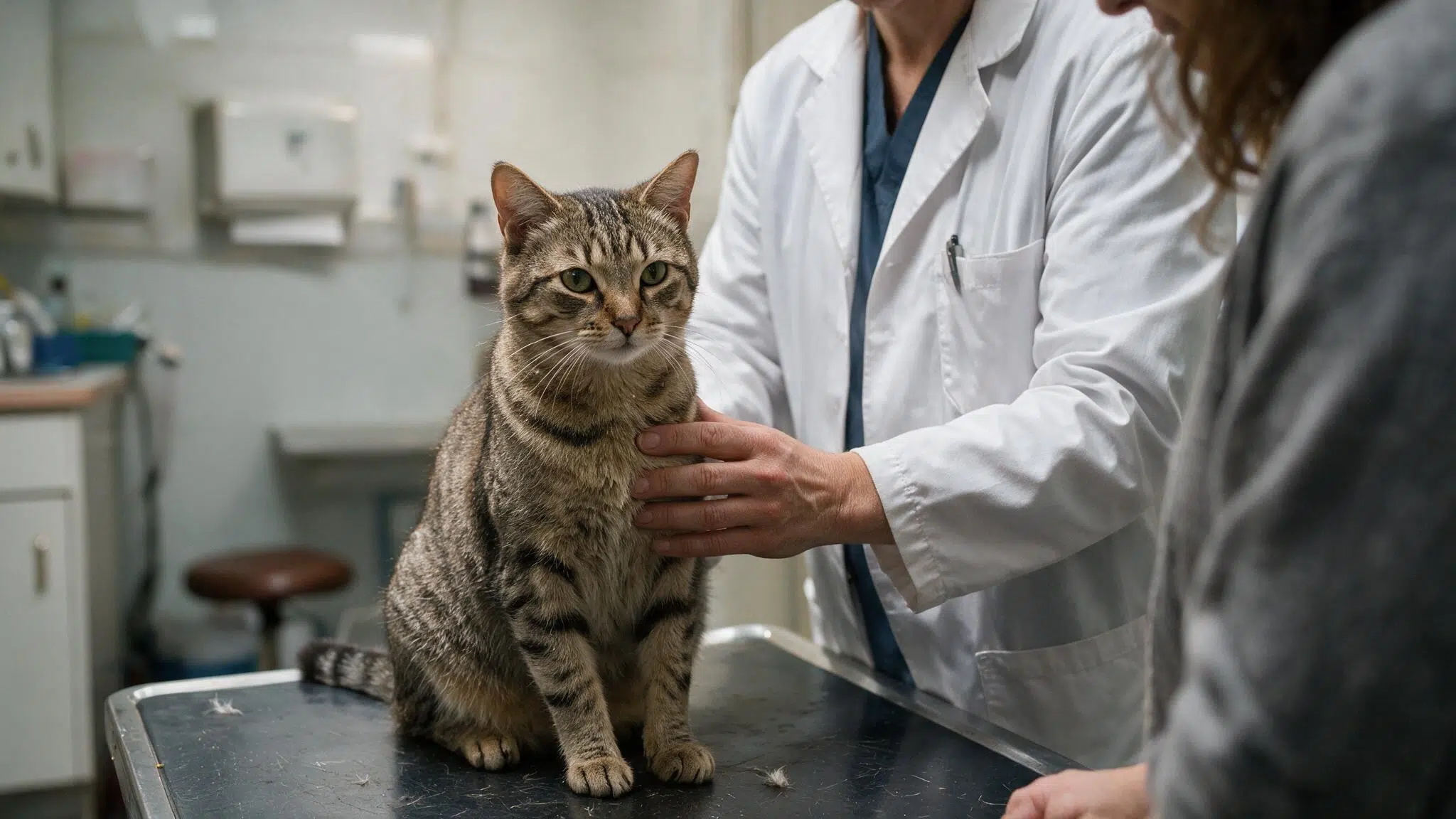
Most snake plant exposures are mild and resolve within 24-48 hours, but veterinary advice is recommended if your cat has chewed or swallowed any part of the plant.
Contact your vet promptly if vomiting is persistent, diarrhea is severe, your cat refuses food, or they seem unusually lethargic or weak.
Kittens, senior cats, and cats with underlying health conditions should be monitored more closely, as they can become dehydrated faster. Cats with pre-existing common cat illnesses are especially vulnerable and may react more severely.
Seek emergency care immediately if you notice swelling of the mouth, tongue, or throat, difficulty breathing, collapse, or any signs of severe distress.
If you are unsure how much of the plant was consumed, it is always safer to contact your vet for guidance rather than wait for symptoms to appear.
Conclusion
Snake plants may be beautiful, but they are not entirely risk-free for cat owners. Their saponin content can cause digestive irritation when ingested, leading to symptoms such as vomiting, drooling, and diarrhea.
Fortunately, most cases are mild and resolve with monitoring and supportive care, especially when action is taken quickly.
Whether you decide to keep your snake plant in a secure location or replace it with a pet-safe alternative depends on your cat’s behavior, curiosity level, and access to houseplants.
The key is to understand the risks and create an environment that keeps your pet safe without sacrificing your love of greenery.
Have you dealt with a cat and a snake plant at home? Share your story, tips, or questions in the comments below and join the conversation.
Frequently Asked Questions
Are Dried Snake Plant Leaves Still Toxic to Cats?
Yes. Dried snake plant leaves may still contain irritating plant compounds. Remove fallen pieces quickly, especially if your cat likes crunchy textures or chews dry leaves.
Why Do Cats Chew on Snake Plants?
Cats may chew on houseplants out of curiosity, boredom, instinct, or attraction to the movement and texture of the leaves. Some cats also seek plant material when experiencing mild digestive discomfort. Providing cat grass can help redirect this behavior.
Are All Snake Plant Varieties Toxic to Cats?
Yes, most snake plant varieties are considered unsafe for cats. Different types may look different, but they can still contain irritating compounds that upset digestion.