


If your dog struggles with anxiety, restless nights, or stress during thunderstorms and fireworks, you may have heard that melatonin can help, but safety should come first.
The good news is that for most healthy adult dogs, it can.
Still, before you reach for the bottle, it’s worth spending five minutes understanding how it works, how much is actually safe, which products to avoid, and when a vet should guide you.
In this blog, you’ll find safe melatonin dosage guidelines and answers to how much melatonin can I give my dog? along with conditions it may help with, side effects to watch for, and important safety precautions around product ingredients.
Understanding Melatonin for Dogs
Melatonin is a naturally occurring hormone produced by the pineal gland in a dog’s brain.
Its production increases in darkness, causing melatonin levels to rise at night and decrease during the day, helping regulate the sleep-wake cycle.
The hormone plays a broader role than sleep. It also affects seasonal coat changes, reproductive cycles, and, in dogs specifically, the hair growth cycle.
Because dogs already produce melatonin on their own, supplementing it doesn’t introduce anything foreign to their system. It’s more like a top-up than a drug.
For most healthy adult dogs, melatonin supplements are safe when given at the correct dose.
Can I Give My Dog Melatonin?
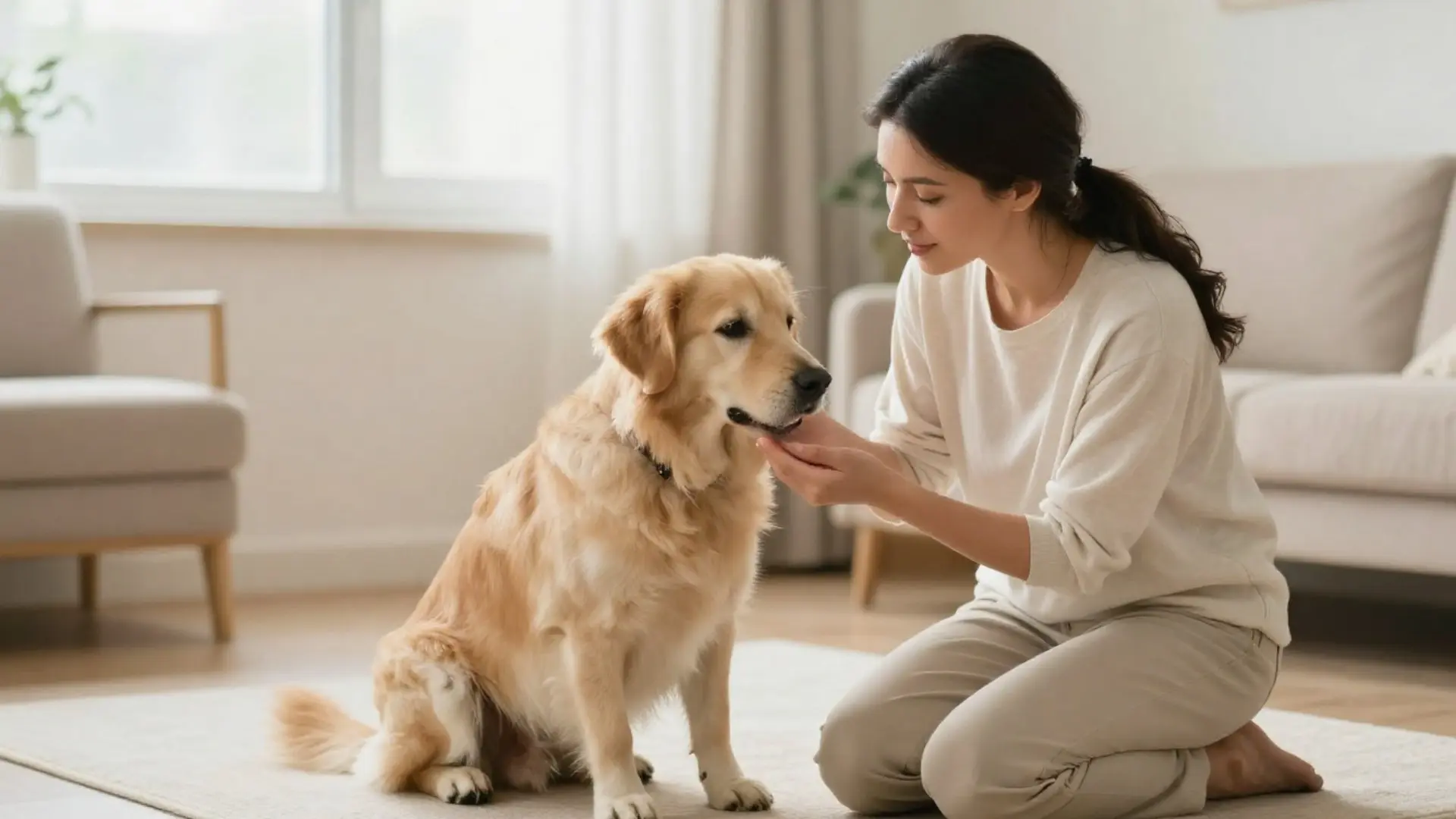
Yes, as dog owners usually consider melatonin when their pet has trouble relaxing, sleeping, or staying calm during stressful moments for the following purposes:
- Sleep Support: Some dogs struggle to settle at night, especially senior dogs or dogs with disrupted routines. Melatonin may help support a calmer sleep cycle when a vet confirms it is suitable.
- Mild Anxiety Relief: Dogs may feel nervous during fireworks, thunderstorms, car rides, grooming, or vet visits. Melatonin may help some dogs feel calmer, but it should not be treated as a cure for severe anxiety.
- Travel Stress: Long drives, flights, or unfamiliar places can make some dogs restless. A vet may suggest melatonin before travel if the dog needs gentle support to stay relaxed.
- Senior Dog Restlessness: Older dogs may pace, whine, or wake up often at night. Melatonin may help in some cases, but sudden changes in sleep should be evaluated because pain or illness could be involved.
- Certain Hair Loss Conditions: Vets sometimes use melatonin for specific non-allergic hair loss problems in dogs. This use should always be guided by a vet because not every coat or skin issue has the same cause.
How Much Melatonin Can You Give to Your Dog?
Here’s the part everyone is here for. Dosing is based primarily on body weight, and the chart below reflects what’s broadly used in veterinary practice:
| Dog Weight | Suggested Dose | Frequency |
|---|---|---|
| Under 10 lbs | 1 mg | Every 12–24 hrs |
| 10–25 lbs | 1.5 mg | Every 8–24 hrs |
| 26–99 lbs | 3 mg | Every 8–24 hrs |
| 100+ lbs | 6 mg | Every 8–24 hrs |
These are general starting-point guidelines based on commonly cited veterinary references. They are not a substitute for a veterinary recommendation. Your dog’s age, weight, current medications, and health history all affect what dose is appropriate.
Dogs who are restless during sleep often do well with an evening dose, but if the restlessness is new or getting worse, that is worth a vet visit first.
How to Give Melatonin to Your Dog?
Most dogs accept melatonin without much fuss when it’s hidden in something tasty. A few options that work well:
- Wrapped in food. Tuck a tablet into a small piece of cheese, a soft treat, or a smear of xylitol-free peanut butter.
- Pill pockets. These treat pouches are made specifically to hold medication and work well for dogs that fish out tablets.
- Direct placement. Place the tablet at the back of the tongue, gently hold the mouth closed, and stroke the throat to encourage swallowing.
- Liquid mixed into food. If you’re using a liquid formulation, mixing it into a small amount of wet food can make it easier to administer accurately.
Give melatonin with a small amount of food if possible. An empty stomach makes GI upset more likely. After giving the supplement, watch how your dog behaves during sleep in the first few uses you’re looking for any unusual restlessness or reactions so you can flag them to your vet.
Benefits of Melatonin for Dogs
Melatonin is mostly known as a sleep aid, but vets may also use it for anxiety, restlessness, coat problems, grooming stress, and some hormone-related conditions.
It is not a complete treatment for every dog, but it can be a helpful support when the cause is clear and the dose is approved by a veterinarian.
1. Anxiety and Noise Phobias
Melatonin may help some dogs stay calmer during stressful moments like thunderstorms, fireworks, car rides, vet visits, grooming, or being left alone.
It works best when a vet confirms the dose and timing, often before the stressful event begins. It may ease mild anxiety, but it will not fix serious fear or separation anxiety by itself.
Dogs with repeated panic still need training, routine changes, a safe space, and vet support.
2. Sleep Problems and Senior Dogs
Older dogs can struggle with broken sleep, nighttime pacing, whining, or confusion, especially when aging affects their normal routine.
Melatonin may help support a more settled sleep pattern when a vet says it is safe. It can be useful for senior dogs that wake often at night, but sudden restlessness should not be ignored.
Pain, illness, hearing loss, vision changes, or canine cognitive dysfunction may also be involved and need proper care.
3. Hair Loss Conditions
Vets sometimes recommend melatonin for certain coat problems, including Alopecia X and seasonal flank alopecia.
In these cases, it may support the natural hair growth cycle and help some dogs regrow hair over time. Still, it should not be used before the cause is confirmed.
If a dog is losing hair in patches, allergies, infections, parasites, thyroid disease, poor diet, stress, or skin irritation may be the real reason behind it.
4. Grooming and Nail Trimming Stress
Some dogs become anxious before grooming, bathing, brushing, or nail trimming. Melatonin may help them feel calmer during the appointment when a vet approves its use.
It can be useful for mild stress, but it is not enough for dogs that panic, growl, bite, or shake badly.
These dogs often need slow desensitization, positive training, shorter sessions, careful handling, extra patience, and sometimes stronger medication from a veterinarian too.
5. Atypical Cushing’s Disease
Melatonin may be used in some dogs with atypical Cushing’s disease because it may help manage certain hormone-related changes.
This is not a home treatment or a supplement to try without testing. A vet must diagnose the condition, check lab results, and decide whether melatonin belongs in the treatment plan.
It may be used with other care steps, but it should never replace veterinary treatment or follow-up care.
Side Effects of Melatonin in Dogs

Melatonin has a low risk profile in dogs, as most dogs tolerate it well, though side effects can occur.
It stays active in the system for up to 24 hours, so side effects from a nighttime dose can linger into the next day.
- Post-Sleep Lethargy: This is the most common one. Some dogs are groggier than usual the morning after a dose.
- Mild GI Upset: An empty stomach can make this more likely. Giving melatonin with a small amount of food helps.
- Itching or Skin Reactions: These are less common but shouldn’t be ignored, especially in the first few uses.
- Increased Heart Rate or Confusion: It is rare and more likely to happen in the case of higher doses. If you see either of these effects, then contact your vet.
Dogs with liver or kidney disease clear it more slowly, which is one reason lower doses matter for those dogs. Melatonin can increase the sedative effects of benzodiazepines, which are sometimes prescribed for anxiety and seizures.
It may also interact with succinylcholine, a muscle relaxant sometimes used during veterinary procedures.
This is not a reason to avoid melatonin. It is a good idea to have a quick conversation with your vet before you start, especially if your dog is already on medication.
When Not to Give Melatonin to Your Dog?
For healthy adult dogs, the risk profile is low. However, there are some situations in which melatonin dosage is not recommended.
- Puppies: There’s not enough safety data for young dogs, and their developing systems don’t need the interference.
- Pregnant or Nursing Dogs: Melatonin can affect reproductive hormone levels.
- Dogs with Undiagnosed Liver or Kidney Disease: Slower clearance increases the risk of prolonged side effects.
- Dogs with Undiagnosed Hormone Conditions: If hair loss or sleep changes are due to conditions such as hypothyroidism, melatonin won’t help and may delay the correct diagnosis.
- Dogs already on sedatives or flagged medications: Check with your vet before combining anything.
Things to Check Before You Buy Melatonin Products
If you are unsure whether a product is safe, choose a dog-specific formulation. These are designed to avoid harmful ingredients and are dosed appropriately for canine body weight. Before buying any melatonin product, check or keep these points in mind:
- Read the full ingredient list. Check every melatonin product before giving it to your dog. Do not assume a product is safe because it is sold in the pet supplies section.
- Gummies and flavored liquids carry the highest risk. These formats almost always require a sweetener, and xylitol is commonly used. Plain tablets are a much safer default.
- Melatonin itself is not inherently dangerous. The risk is in the additives. Verify there is no xylitol or other harmful ingredient before use.
- Look for a quality certification seal. The United States Pharmacopeia (USP), NASC, or NSF symbols indicate the product has been third-party tested and that what is on the label is in the bottle.
How to Choose The Right Melatonin Supplement for Your Dog?
The form factor matters more than most people realize. Here is how the main options are compared:
Tablets are the most predictable format. Dosing is precise, the ingredient list is usually short, and they are easy to hide in a treat. For most dogs, this is the safest and most straightforward option.
Chews and gummies are appealing to dogs and easy to give, but they require careful label reading. Some use xylitol, sucralose, or excess sugar to improve palatability.
Dog-specific chews from reputable manufacturers generally avoid the harmful ingredients, but always check.
Liquid melatonin offers flexible dosing for small dogs but carries the highest risk of xylitol contamination among formulations.
If you go this route, verify the full ingredient list before purchase.
Alternatives if Melatonin is Not the Right Fit
Melatonin works well for many dogs, but it is one option among several. If your dog doesn’t respond, can’t take it safely, or needs more comprehensive support, these are worth considering:
- Behavior training and desensitization: For noise phobias and anxiety, this addresses the root cause rather than softening the symptoms. A certified trainer or veterinary behaviorist is the right resource.
- Calming routines and environmental changes: Consistent bedtimes, low light in the evening, white noise, and a dedicated sleep space all support the body’s natural melatonin production.
- Anxiety wraps: Products like Thundershirts provide gentle, consistent pressure that can calm some dogs in high-stress situations.
- Exercise and enrichment: A well-exercised dog settles faster. Activity before an anticipated stressor can lower baseline anxiety going in.
- Vet-prescribed medications: For moderate to severe anxiety, trazodone, gabapentin, or other prescription options often work better than supplements. These are tools that match the scale of the problem, not a sign of failure.
What to Do If Your Dog Gets Too Much Melatonin?
Firstly, true melatonin overdoses in dogs are rare, and death from melatonin toxicity alone has not been documented.
But “rare” isn’t the same as “can’t happen,” and, more importantly, if the product contains xylitol, the situation is more serious, and you need to move faster.
Observe carefully for the signs that indicate that your dog may have had too much melatonin. These are:
- Extreme drowsiness or difficulty standing
- Vomiting or diarrhea
- Loss of coordination
- Agitation or unusual restlessness
- Weakness
If you know or suspect xylitol was in the product they consumed, treat it as an emergency. Xylitol poisoning can develop rapidly and requires immediate veterinary care.
Dogs who seem off for no clear reason should also get a closer look. Check what unusual dog behavior signs might be telling you before assuming melatonin is the culprit.
For any suspected overdose, call your vet’s emergency line, your nearest emergency animal clinic, or the ASPCA Animal Poison Control Center at (888) 426-4435 . Do not wait to see if symptoms pass. Have the product packaging ready so you can read the full ingredient list when you call.
Conclusion
Melatonin can make a real difference for the right dog.
Whether your pup is pacing during a storm, struggling to sleep through the night, or dealing with patchy coat loss from alopecia X, it’s one of the gentler options available, and that’s genuinely worth something.
What matters most is getting the dose right for your dog’s weight, choosing a product with a clean ingredient list, and looping in your vet before you start, especially if your dog is older or already on medication.
If you’re not sure whether melatonin is the right fit for your dog’s situation, your vet is the best place to start.
Have you tried melatonin for your dog’s anxiety or sleep issues? Share what worked (or didn’t) in the comments.
Frequently Asked Questions
Can I Give My Dog Melatonin So I Can Cut His Nails?
Melatonin may help mild nail trimming stress, but ask your vet first. A scared or reactive dog needs training, gentle handling, short sessions, and possibly stronger vet-prescribed support too.
Can I Give My Dog Human Melatonin?
Plain human melatonin may be safe for some dogs only with vet approval. Avoid gummies, flavored tablets, xylitol, added sleep ingredients, and any product with unclear labeling or dosing details.
Is Melatonin Better Than Calming Treats?
Melatonin is not always better than calming treats. The safer choice depends on ingredients, your dog’s health, the stress trigger, and your vet’s advice before use for safe support overall.