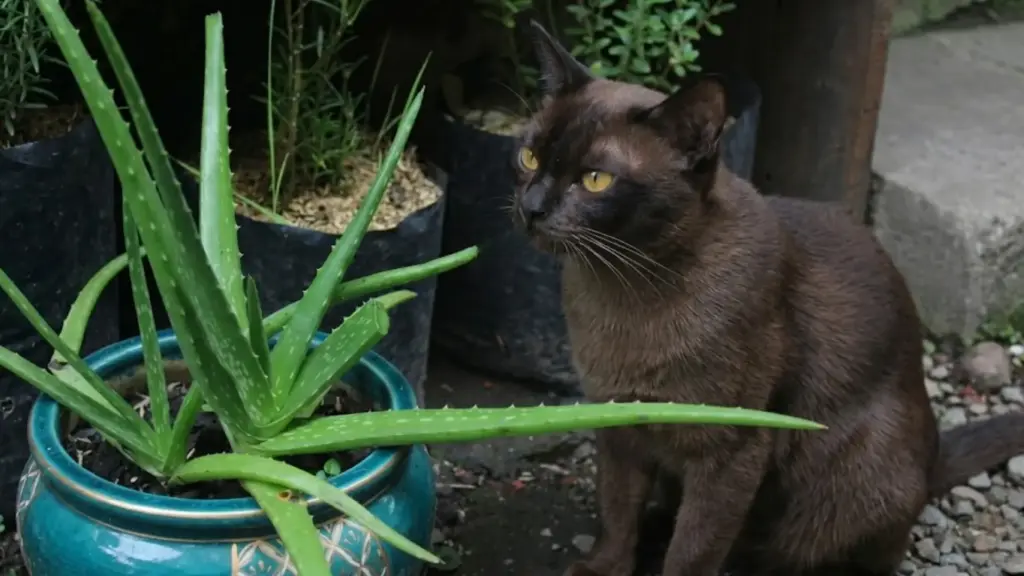
You know that tiny heart-drop moment when your cat leans toward a houseplant and takes a bite before you can stop them.
It feels harmless for a second, then worry rushes in. Is aloe vera toxic to cats becomes more than a search phrase when your pet is standing beside a chewed leaf.
Fresh blooms on the table, dried stems in a vase, and calming greenery by the window can suddenly feel less innocent.
Many cat owners never think about toxic flowers for cats until one curious nibble changes the mood at home.
Even the scent people love can raise concern, especially when the thought is, Is eucalyptus safe for cats?
Plants make a room feel warm, but a cat’s safety matters more. That quiet moment of concern is where better choices begin.
Is Aloe Vera Toxic to Cats?
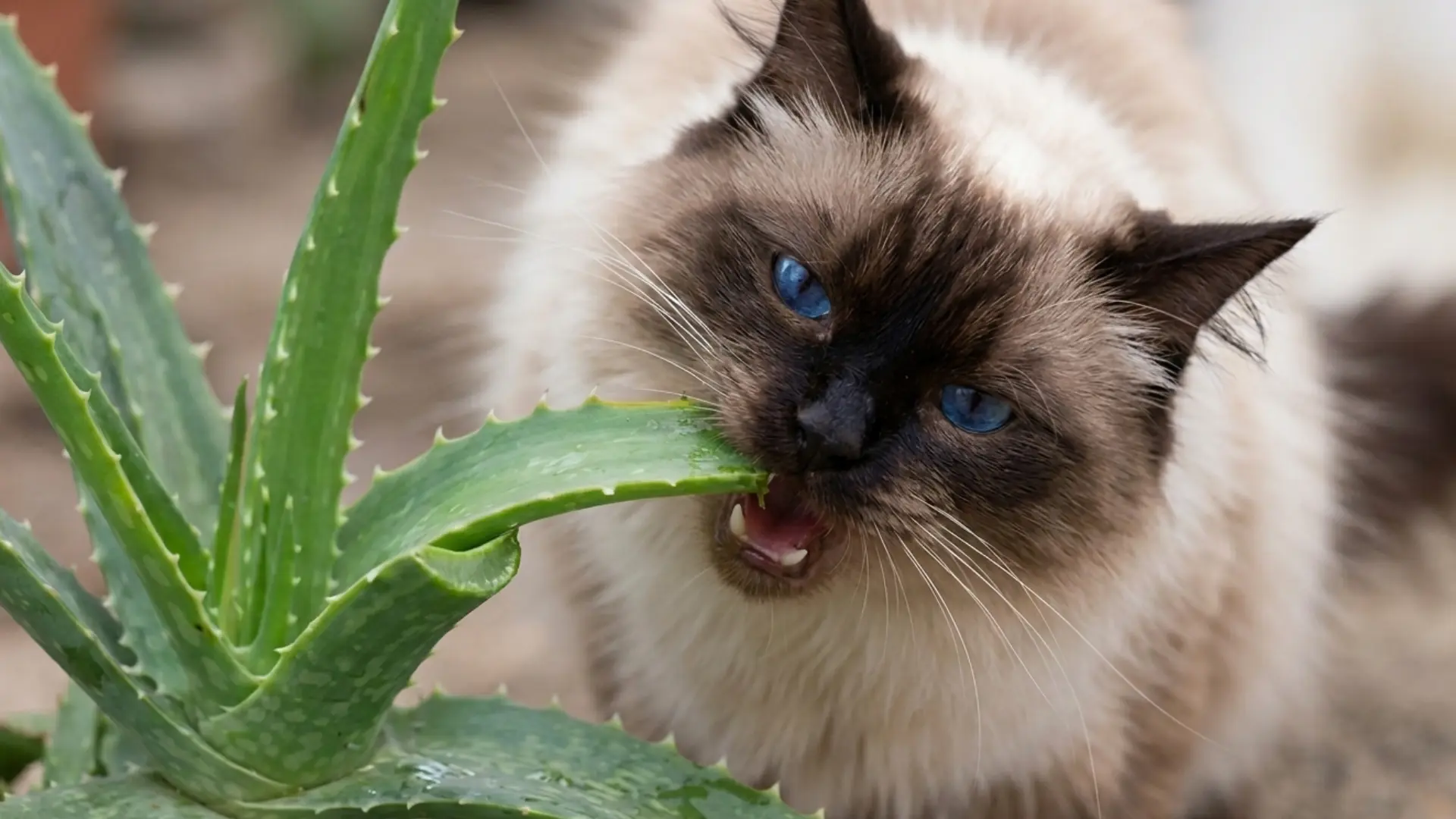
Yes, aloe vera is toxic to cats and should not be kept where they can chew it.
In my clinical experience, aloe vera is one of the plants that owners are most surprised to learn is dangerous
The plant contains compounds that may upset a cat’s stomach and cause vomiting, diarrhea, drooling, loss of appetite, or unusual tiredness.
Some cats may only take a small bite and seem fine at first, but it is still better to act quickly.
Remove the plant, check your cat’s mouth for pieces, and watch for any change in behavior. Do not give home remedies or try to make your cat vomit without a vet’s advice.
If your cat ate aloe vera, call your veterinarian or a pet poison helpline and share how much was eaten, when it happened, and what symptoms you notice.
Quick action can prevent bigger problems and protect your cat’s health.
Is Eucalyptus Safe for Cats?
No, eucalyptus is not safe for cats and should be kept away from them.
Fresh leaves, dried stems, sprays, candles, and eucalyptus oil can all cause problems if a cat chews, licks, or breathes too much of them.
Cats are very sensitive to strong plant oils, and eucalyptus can upset their stomach or affect their nervous system.
Diffusers can also be risky because tiny oil drops may settle on fur, furniture, or floors, and your cat may lick them while grooming.
If your cat eats eucalyptus or gets oil on its skin, move it away, wipe the area gently, and call your vet. Do not wait for symptoms to get worse, even if it seems normal today.
Toxic Flowers for Cats Every Owner Should Know
Some flowers look harmless in a vase, but they can be dangerous for cats if chewed, licked, or even brushed against. Before bringing any bouquet home, check the flower name and keep risky plants away from your cat.
1. Lilies

Lilies are one of the most dangerous flowers for cats because even a small amount can cause serious poisoning.
The petals, leaves, stems, pollen, and even vase water can be harmful. If a cat licks pollen from its fur or drinks lily water, it may still be at risk.
Lilies can cause vomiting, drooling, loss of appetite, tiredness, and severe kidney damage. Without fast treatment, lily poisoning can become life-threatening, so call a vet immediately if exposure happens.
2. Tulips
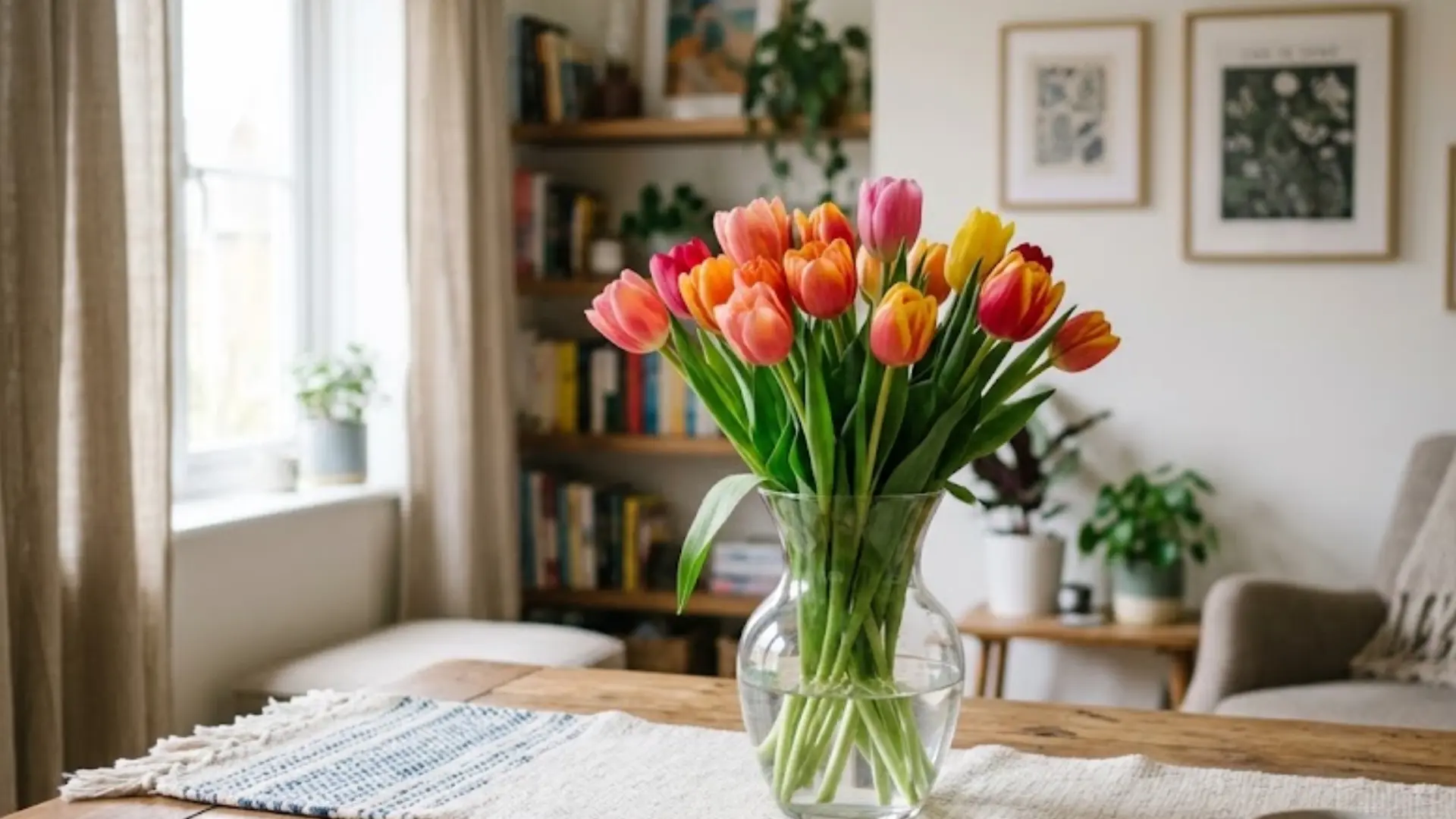
Tulips are dangerous for cats because they contain toxic compounds called tulipalin A and B.
These toxins are found in the whole plant, but the bulb has the highest amount, making it the riskiest part.
If a cat chews tulip leaves, petals, stems, or bulbs, it may develop vomiting, drooling, diarrhea, low energy, and loss of appetite.
Larger exposure can cause stronger reactions, so tulips should be kept away from cats.
3. Daffodils
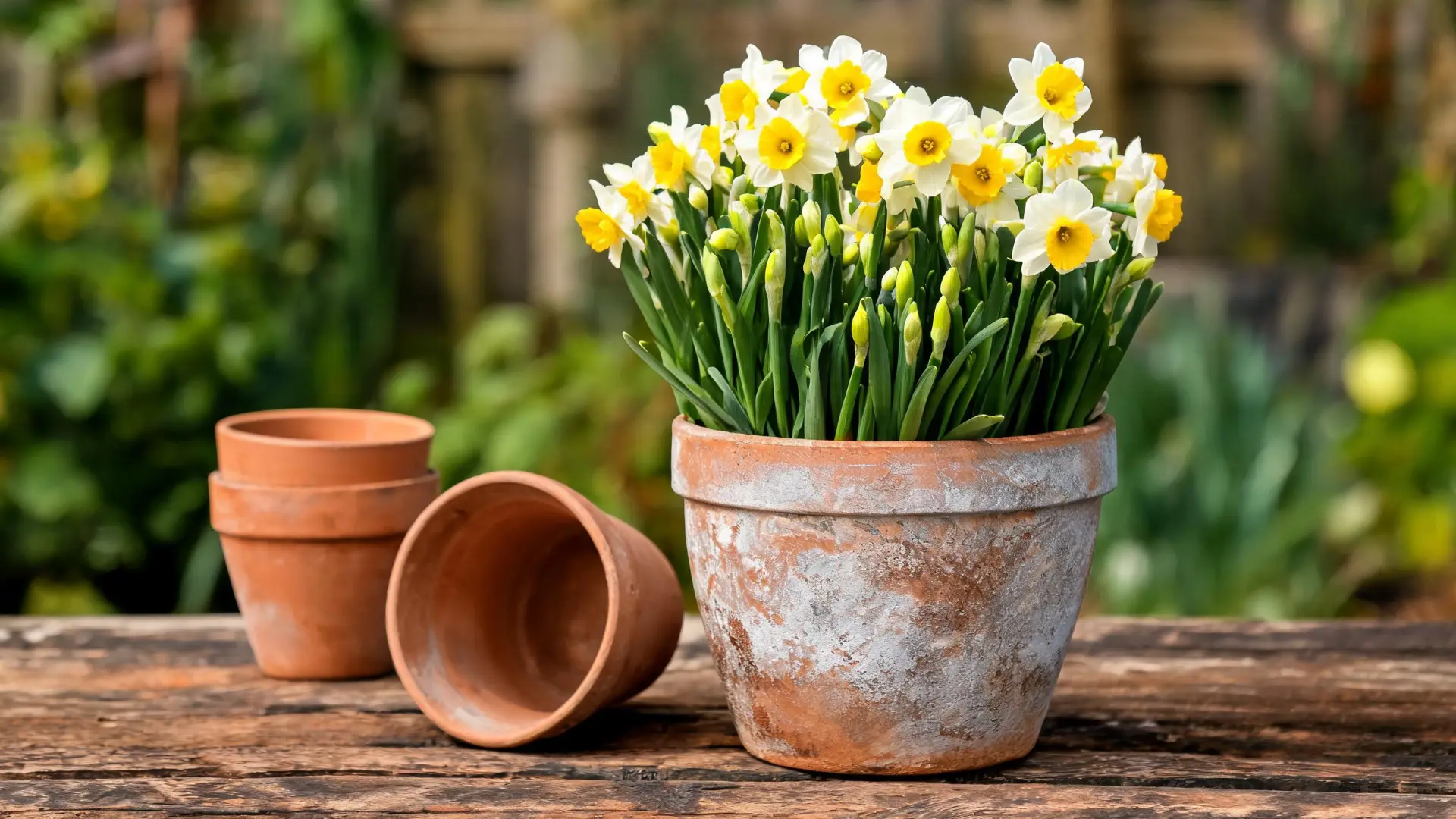
Daffodils are dangerous for cats because they contain lycorine and other harmful alkaloids.
The bulb is the most toxic part, but the flowers, leaves, stems, and vase water can also be unsafe.
Cats may be exposed by chewing the plant, digging near bulbs, or drinking water from a daffodil arrangement.
Because the toxic compounds can affect the body strongly, daffodils should not be kept in cat-friendly homes.
4. Chrysanthemums
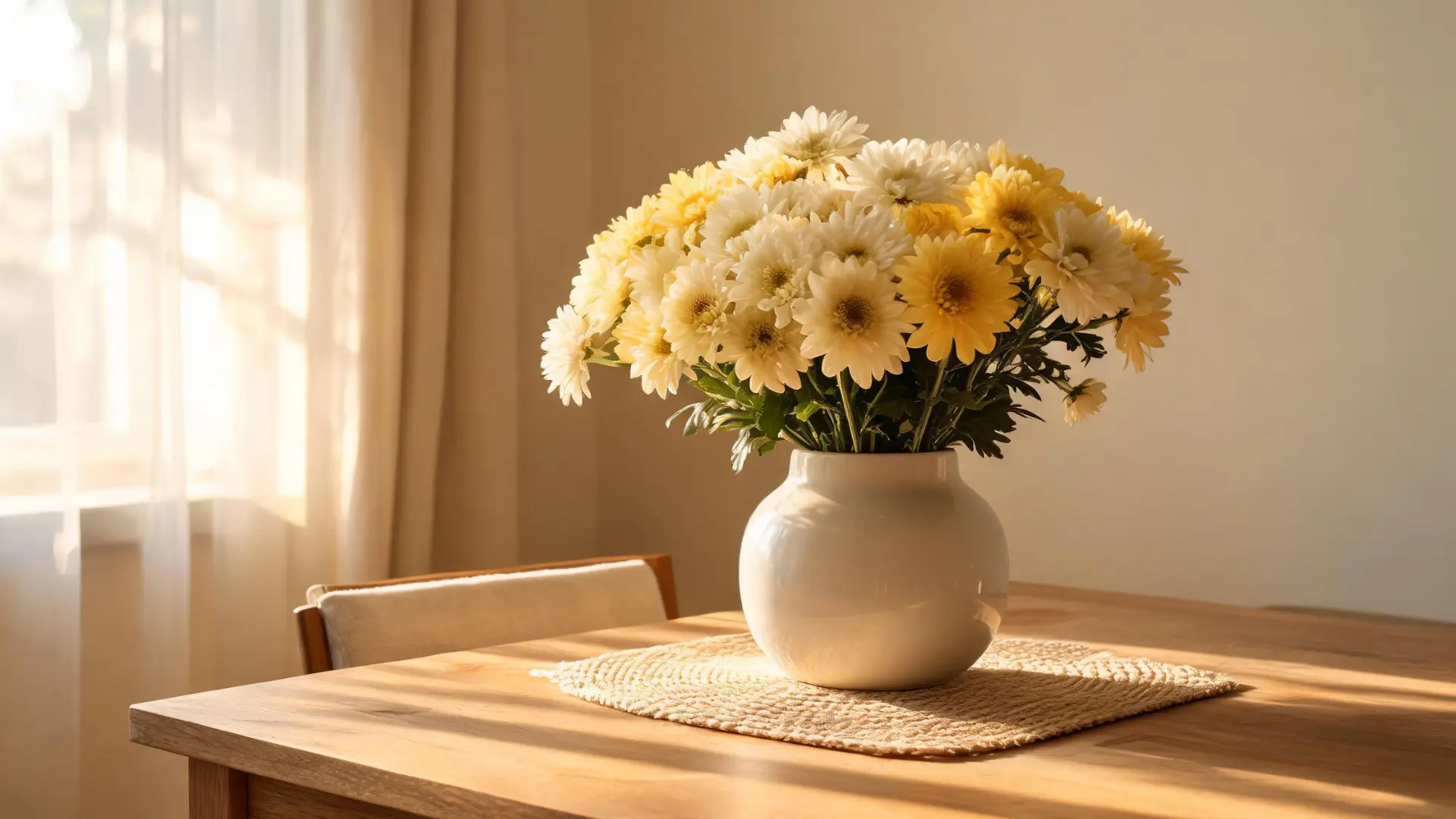
Chrysanthemums are unsafe for cats because they contain pyrethrins, sesquiterpene lactones, and other irritating compounds.
These flowers are common in bouquets, gardens, and fall decorations, which makes accidental contact more likely.
A cat may chew the petals, brush against the plant, or lick residue from its fur afterward. While chrysanthemums may look harmless, they can still create a toxic reaction in cats.
Keep them away from indoor spaces and garden areas your cat can reach.
5. Azaleas
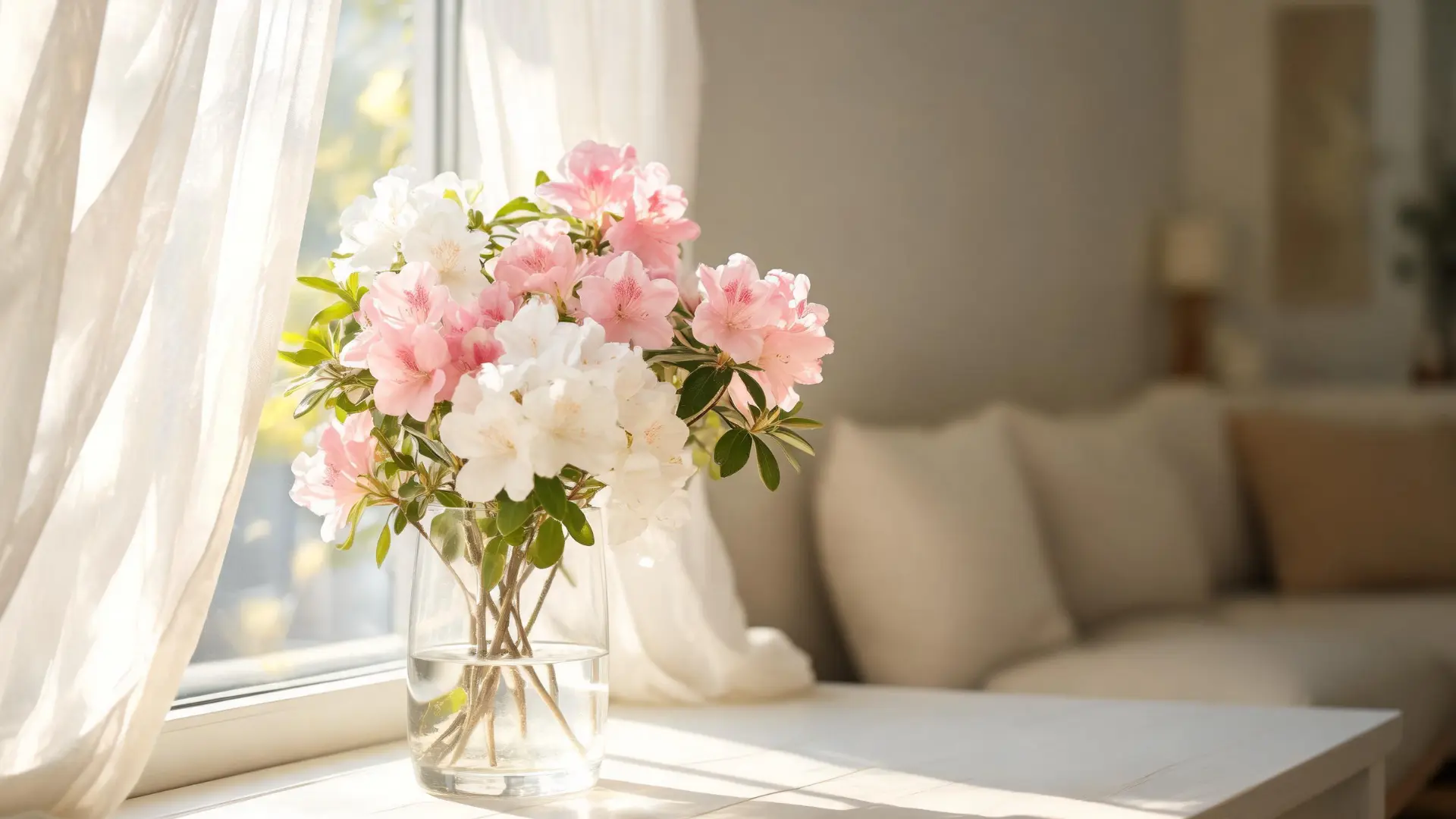
Azaleas are dangerous for cats because they contain grayanotoxins, which can interfere with normal body function after chewing or swallowing.
The entire plant should be treated as unsafe, including leaves, flowers, stems, and fallen pieces.
These shrubs are common in gardens and landscaping, so outdoor cats may find them easily. Even a small exposure can create a serious poisoning concern.
6. Amaryllis
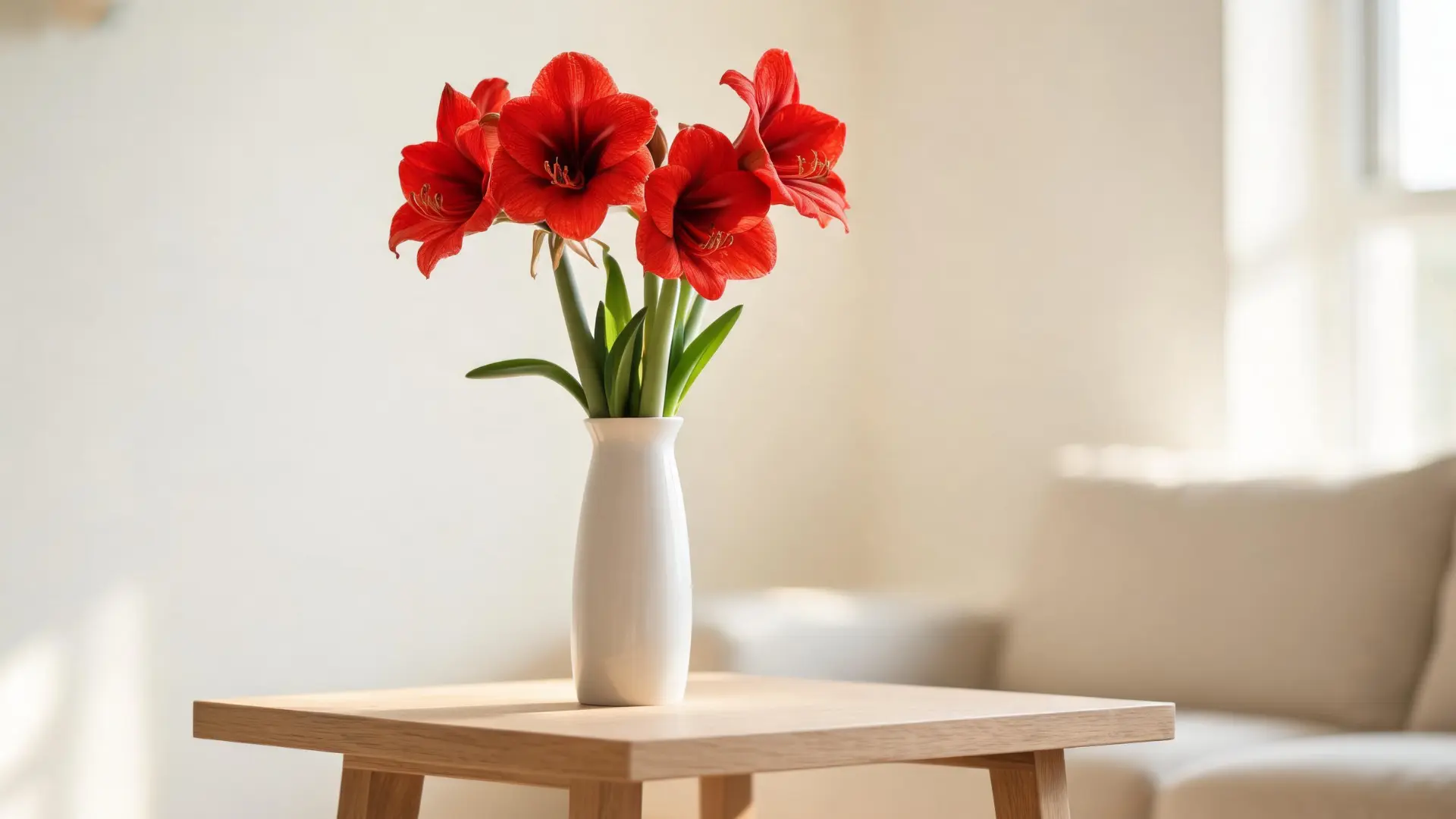
Amaryllis is dangerous for cats because it contains lycorine and other toxic compounds, with the bulb usually holding the strongest concentration.
The flower looks attractive in homes, especially during holidays, but every part should be kept away from cats.
A curious cat may chew the petals, leaves, stem, or bulb pieces from the soil. This exposure can lead to poisoning and a vet visit.
Use a fake amaryllis or a cat-safe plant instead if your cat likes chewing greenery.
7. Oleander
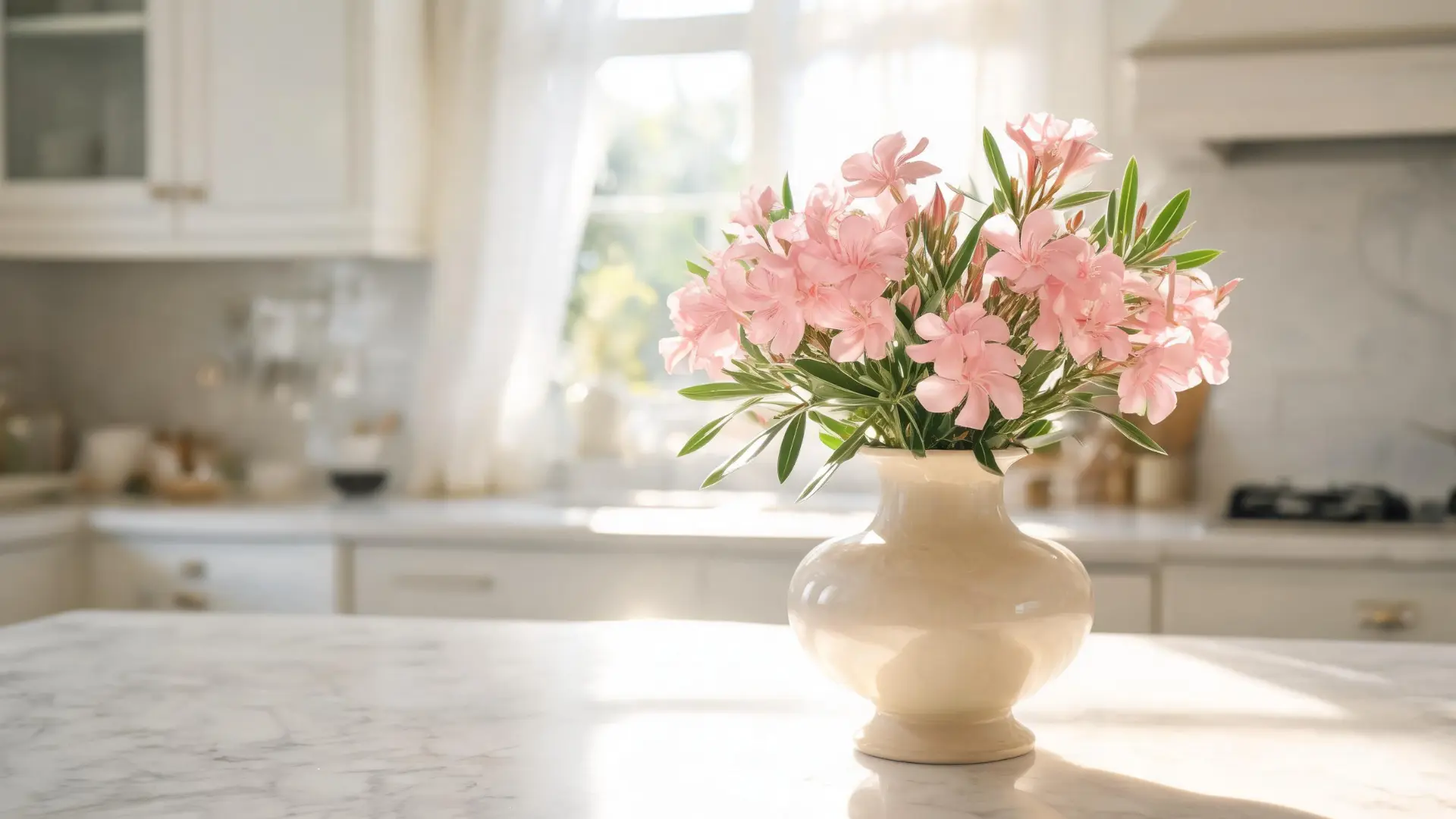
Oleander is highly dangerous for cats because it contains cardiac glycosides, which can affect the heart and other vital body functions.
The leaves, flowers, stems, branches, and dried pieces are all unsafe. This plant is often used in outdoor landscaping, so cats may come across it in yards, walkways, or garden beds.
Because oleander poisoning can become life-threatening, it should never be kept where cats can reach it.
Signs Your Cat May Have Eaten a Toxic Plant
Toxic plant signs can show up fast or slowly, depending on the plant and the amount eaten. Watch the cat closely after any plant chewing, especially if the plant name is unknown. Call a vet quickly if symptoms appear or if the plant is known to be toxic.
- Vomiting: Repeated throwing up after chewing a plant can signal stomach irritation, poisoning, or a stronger reaction needing veterinary advice.
- Diarrhea: Loose stool, sudden accidents, or belly discomfort may appear when a toxic plant irritates the digestive system after ingestion.
- Drooling: Extra saliva, lip licking, or foaming near the mouth may mean the plant caused oral burning or sudden nausea.
- Low energy: A tired, quiet, or weak cat after plant chewing may be reacting to toxins rather than simple sleepiness.
- Loss of appetite: Refusing food, treats, or water after chewing plants can point to nausea, mouth pain, or possible poisoning.
- Mouth irritation: Pawing at the mouth, gagging, or refusing food may happen after contact with irritating plant sap or leaves.
- Shaking or wobbling: Tremors, poor balance, or trouble walking can suggest a more serious reaction that needs urgent vet care.
Some of these symptoms, particularly skin redness, hives, and excessive scratching, can also point to skin reactions from plant contact, which are worth knowing about alongside toxic ingestion signs.
Why Do Cat Owners Say Aloe Vera is Not Worth the Risk?
Reddit cat owners shared mixed experiences with cats chewing aloe vera, but the safest message was clear: do not leave aloe within reach.
One owner said their kitten kept returning to the plant despite vinegar, citrus peels, foil, rocks, water spray, and extra playtime.
Some commenters said their cats ate aloe and seemed fine, while another shared that their cat threw up many times after eating aloe.
The most useful advice was to move the plant to a high shelf, hang it, place it in a closed room, or replace it with cat grass or a spider plant.
The real takeaway from these Reddit reviews is simple. A cat may look fine after chewing aloe, but that does not make the plant safe. Prevention is easier than panic, vet calls, and constant stress.
What to Do If Your Cat Eats a Toxic Plant?
If your cat eats a toxic plant, act quickly and stay calm. Some plants can cause mild stomach upset, while others can become serious fast. The safest step is to remove the plant, check your cat, and call a vet for clear advice.
- Remove the plant: Take the plant away immediately, stop more chewing, and keep your cat in a safe room now.
- Check your cat: Look for vomiting, drooling, weakness, mouth irritation, breathing changes, shaking, or unusual hiding after plant exposure quickly.
- Identify the plant: Take a clear photo of the plant, label the leaves, flowers, soil, and any chewed parts for the vet.
- Call the vet: Share your cat’s weight, symptoms, plant name, amount eaten, and time since chewing for better guidance. The ASPCA Animal Poison Control Center is available 24/7 at (888) 426-4435.
- Avoid home remedies: Do not force vomiting, give milk, oils, salt, or medicine unless your veterinarian clearly tells you.
How to Keep Cats Away from Unsafe Plants?
Cats are curious, so unsafe plants should never depend on luck or a high shelf alone. The goal is to remove risky plants, block access, and give your cat safer things to chew.
Start with the plants your cat already targets, then make the whole home less tempting and easier to manage.
- Remove toxic plants: Keep aloe vera, eucalyptus, lilies, pothos, and unknown plants out of rooms where your cat spends time.
- Use safe alternatives: Offer cat grass, catnip, or cat-safe plants to satisfy chewing habits without putting your pet at risk.
- Block plant access: Place plants in closed rooms, wall planters, glass cabinets, or areas your cat cannot reach easily.
- Cover the soil: Use large stones or plant covers to stop digging, chewing roots, or knocking pots over.
- Avoid scented oils: Skip eucalyptus oils, strong sprays, and diffusers in cat spaces because residue can settle on fur.
Unsafe plants are easiest to manage when prevention becomes part of the routine. Check bouquets before bringing them inside, because lilies and other flowers can be dangerous for cats.
Watch for bite marks, fallen leaves, and soil digging, especially with new plants.
Knowing the signs of a healthy cat also helps you catch changes faster when something seems off after plant exposure.
Conclusion
Keeping cats safe around plants starts with knowing which ones belong in the home and which ones do not.
Aloe vera is toxic to cats, eucalyptus is not safe for cats, and flowers like lilies, tulips, daffodils, chrysanthemums, azaleas, amaryllis, and oleander can create real danger.
The tricky part is that some cats may chew a plant and look fine at first, while others react quickly.
That is why prevention matters more than waiting for signs. Move risky plants out of reach, choose cat-safe alternatives, and call a vet if your cat eats something questionable.
A calm, prepared owner can prevent a scary moment from becoming worse.
Has your cat ever chewed aloe vera, eucalyptus, or another plant? Share your experience in the comments below. Your story may help.
Frequently Asked Questions
Why Does My Cat Keep Chewing Plants?
Many cats chew plants out of curiosity, boredom, texture, or habit. Safer choices like cat grass may redirect chewing without exposing them to toxins at home.
Are Dried Flowers Safer for Cats than Fresh Ones?
No, dried flowers can still hold toxic compounds, pollen, oils, or sharp pieces. Treat unknown dried arrangements as unsafe until you identify them properly first.
Can Eucalyptus Smell Bother Cats without Being Eaten?
Yes, strong eucalyptus scent or oil mist may irritate sensitive cats. Avoid diffusers, sprays, and scented decor in rooms where cats relax or groom.