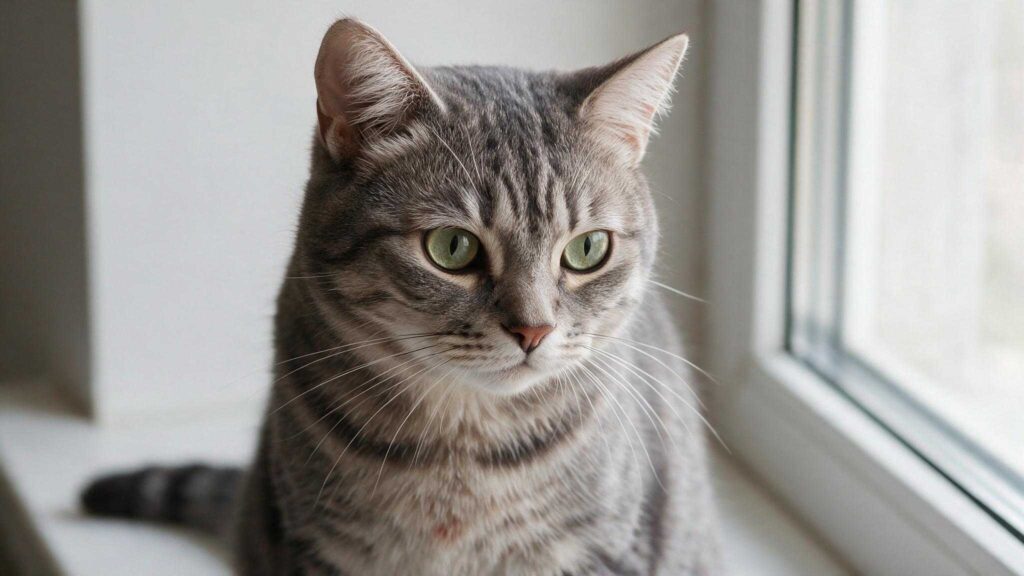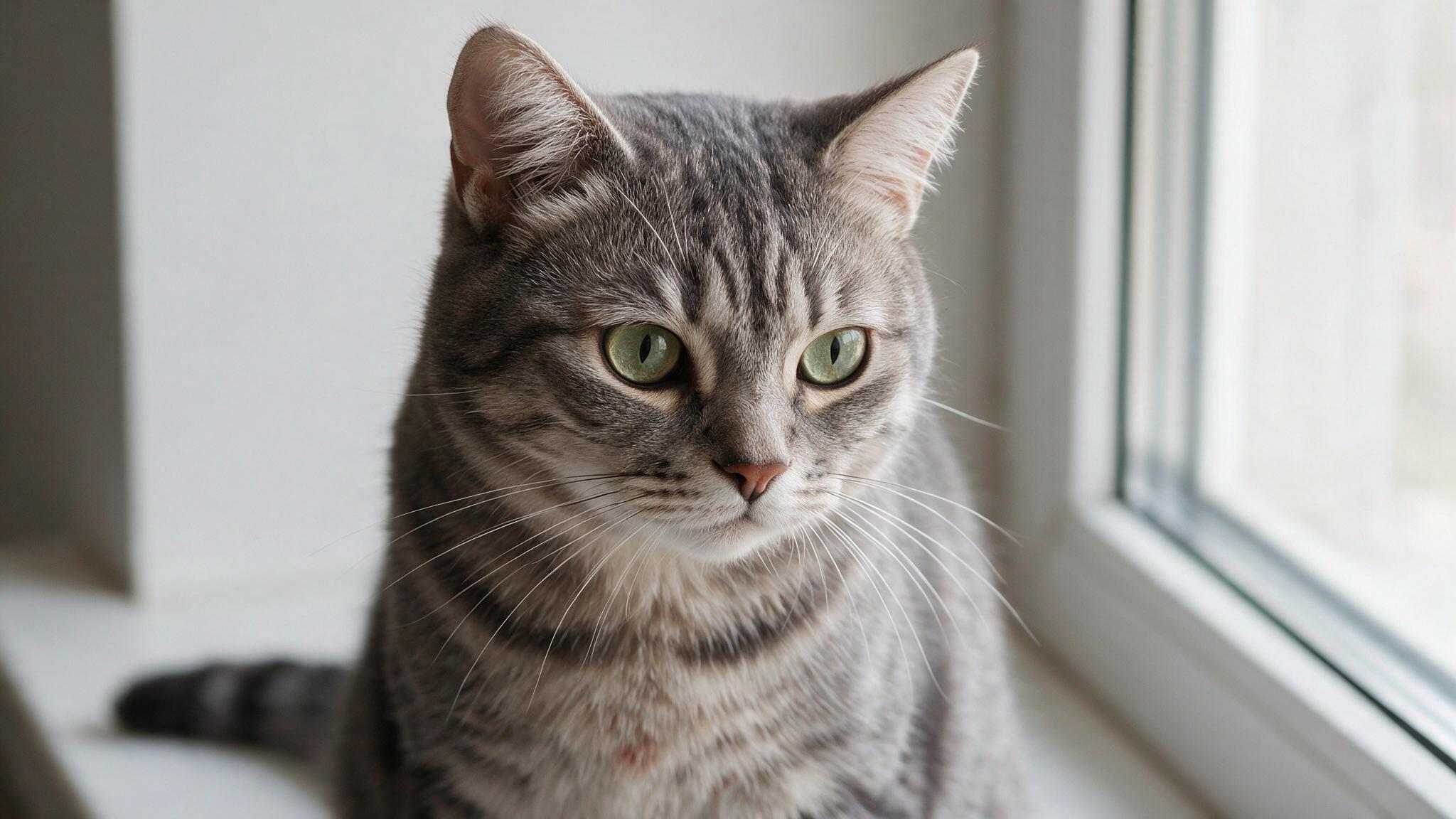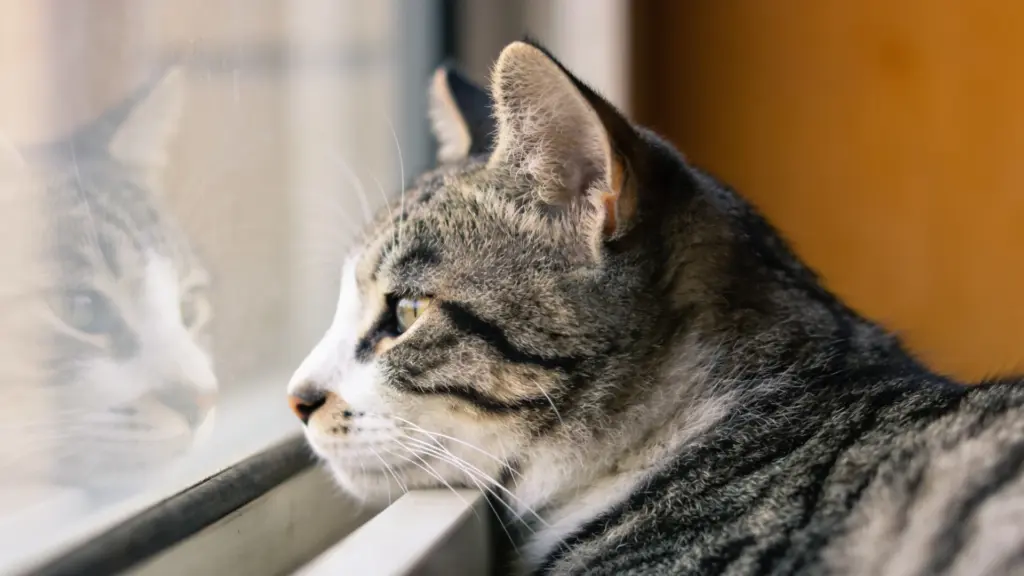
You are sitting on the couch when your cat suddenly freezes on the windowsill.
A bird lands outside, and then you hear it: that strange little chirp, somewhere between a squeak, a trill, and a chatter.
It is one of the most endearing sounds cats make, and it comes from a surprisingly active inner life.
Chirping is almost always tied to excitement, hunting instinct, frustration, or a form of communication your cat learned in kittenhood.
The good news is that cat chirping is almost always normal and harmless.
Once you understand why a cat chirps, especially at birds, that odd little sound starts to feel less mysterious and a lot more fascinating.
What Does a Cat Chirp Actually Sound Like?
A chirp is a short, high-pitched sound produced when a cat pushes air across its vocal cords with the mouth mostly closed.
The result is somewhere between a songbird’s warble and a small squeak, and it is usually quick enough that first-time cat owners miss it entirely.
According to International Cat Care, the chirp falls under the murmuring category of feline vocalizations, alongside purring.
Unlike a meow, which involves an open mouth and is directed almost exclusively at humans, the chirp is a more subtle, closed-mouth signal.
Research from cat behaviorist Dr. Susanne Schötz at Lund University’s Meowsic project found that cat meows range from roughly 221 Hz to 1,185 Hz in frequency.
That puts them in a similar acoustic range to many small birds and insects, which may partly explain the visual-audio confusion that triggers the behavior at windows.
The sound is short, typically lasting less than a quarter of a second per chirp, and cats often string several together in rapid bursts.
Why Do Cats Chirp: The Main Reasons
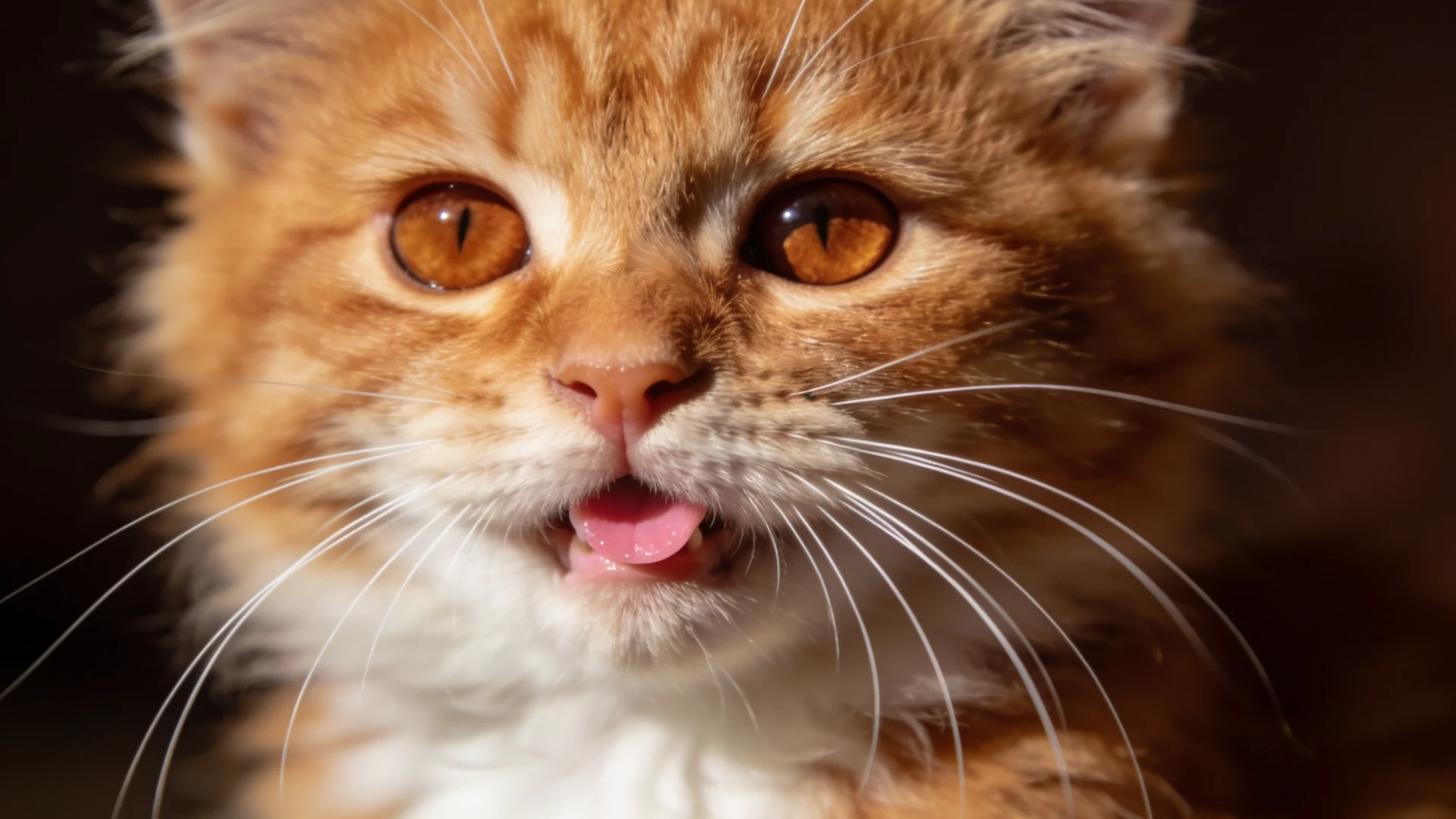
Cats chirp to express excitement about hunting, frustration, greeting, approval, or learned communication from kittenhood. This soft sound often signals curiosity, social comfort, and natural instinct in everyday cat behavior.
1. Hunting Excitement
Cats often chirp when they spot birds, bugs, or small animals because their hunting instinct switches on quickly.
Even indoor cats still carry the same prey drive as outdoor hunters. A moving bird outside the window or a fly crossing the room can trigger focused staring, twitching, and chirping.
The sound often means your cat is alert, interested, and ready to chase if given the chance.
2. Frustration
Chirping can also come from frustration when prey is visible but out of reach. This often happens when a cat sees birds through a window or notices insects behind glass.
The cat wants to stalk, chase, and pounce, but the barrier stops that natural response.
As a result, the chirp may sound sharper or more urgent, almost like your cat is reacting to unfinished hunting energy.
A cat that was previously quiet and starts chirping constantly without obvious triggers could be showing signs of cat anxiety or a health change worth flagging with your vet.
3. Mother and Kitten Communication
Mother cats use chirps and trills to guide kittens, call them closer, and teach them to pay attention.
Kittens learn these sounds early and may carry them into adulthood. That is why some adult cats chirp when they want a person to follow, notice something, or respond.
In this situation, chirping works like a gentle signal learned from early family communication and repeated later at home.
4. Greeting People
Many adult cats chirp as a friendly hello when someone enters the room, speaks to them, or comes home.
It is often softer than a meow and can feel more personal. Some cats use chirping to ask for attention without sounding demanding.
In this context, the sound usually means your cat feels comfortable, social, and happy to acknowledge your presence in a light, warm way.
5. Approval
Some cats chirp as a small sign of approval when they feel relaxed and connected.
This may happen when someone talks to them, sits nearby, opens a favorite door, or starts a familiar routine.
The sound can feel like a quiet feline nod, showing comfort and recognition. It is not always a request. Sometimes, it is simply your cat’s soft way of saying everything feels right.
Cat Chirp vs Chatter vs Trill: What Sound Are You Hearing?
Cat chirps, chatters, and trills can sound similar because they often happen when a cat is watching birds, insects, or quick movement. The easiest way to tell them apart is by the sound and the situation.
| Sound | How it is made | When it usually happens | What it means |
|---|---|---|---|
| Chirp | Short, birdlike, mouth mostly closed | Seeing prey, greeting, noticing something interesting | Excitement, curiosity, friendly attention |
| Chatter | Rapid jaw movement, clicking, mouth quivering | Prey visible but out of reach, like a bird through glass | Hunting drive, frustration, intense excitement |
| Trill | Rolling sound, like a purr with a melody, mouth closed | Greeting a person, acknowledging another cat | Affection, “follow me,” happy hello |
Why Do Cats Chirp at Birds and Bugs Specifically?
Cats chirp at birds and bugs because quick, unpredictable movement quickly wakes up the hunting instinct.
One theory says chirping comes from excitement and adrenaline, with sound spilling out when the hunt cannot happen.
Another theory involves the vomeronasal organ (also called Jacobson’s organ), a scent-processing structure in the roof of the mouth.
The rapid jaw movement during chirping may draw air across this organ, giving the cat chemical information about the prey it’s watching.
This theory remains speculative among researchers, but it adds a sensory dimension to the behavior beyond simple excitement. A more debated idea isvocal mimicry.
Watch for these hunting mode signals alongside the chirp:
- Wide pupils tracking movement
- Ears pointed forward
- Whiskers pushed forward
- Low, twitching tail
- Still body, weight forward
What Does Cat Chirping Mean in Different Situations?
Your cat learned that chirping moves things, and they are using it on you on purpose. The same chirp can mean very different things depending on context. Here is a practical decoder:
| Situation | What it usually means |
|---|---|
| Chirping of birds through a window | Prey drive activated, excitement mixed with frustration |
| Chirping at bugs or flies inside | Full hunting mode is triggered by small, fast movement |
| Chirping at a feather toy or laser | Play-hunting mode, same instinct, safer outlet |
| Chirping at you when you enter a room | Greeting, approval, or “come see this thing” |
| Chirping at another cat | Social signal, mild excitement, or gentle curiosity |
| Chirping before meals or at the food bowl | Anticipation, excitement about food that is coming |
Why Do Some Cats Chirp More Than Others?
Not every cat is a chirper, and that is completely normal. Breed, personality, and early socialization all shape how vocal a cat becomes.
Chirping is only one part of that wider vocal range, so a quiet cat is not automatically unhappy, sick, or missing an important behavior.
Some cats simply express themselves differently because of their.
- Breed: Siamese cats are famously vocal, while Bengal cats also tend to chirp and trill more often than quieter breeds like British Shorthairs.
- Personality: More extroverted and curious cats may chirp more because they vocalize excitement, frustration, or greetings more easily.
- Early socialization: Cats handled often as kittens may carry vocal habits into adulthood.
- Comfort level: Adopted cats may become chattier once they feel safe in their home.
Some breeds are more talkative, and some cats grow chattier once they feel secure. Still, sudden changes matter.
A vocal cat going quiet, or a quiet cat chirping constantly, may need a vet check, especially with appetite, energy, or litter box changes.
Why Do Cats Chirp More at Dawn and Dusk than At Any Other Time?
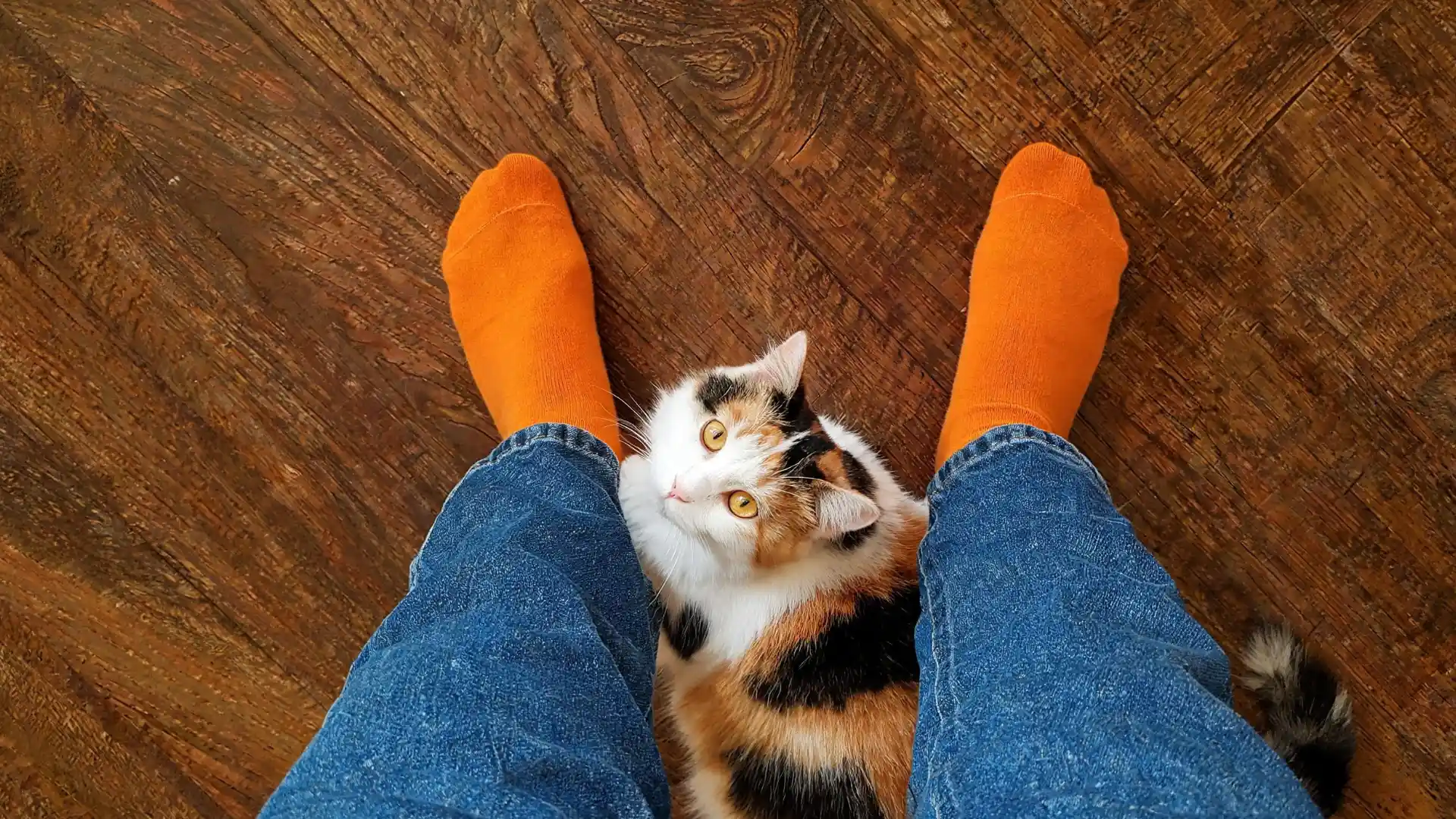
Cats chirp more at dawn and dusk because they are crepuscular, meaning their activity peaks during these transitional low-light hours rather than midday or deep night.
Their eyes are optimized for low-light conditions, and their hunting instincts align with when small prey like birds are most active and visible, according to VCA Animal Hospitals.
This overlap isn’t random: as morning light enters your window, birds begin feeding and calling, instantly triggering your cat’s hunting instinct.
The early-morning chirping isn’t difficult; it’s biology on schedule.
While indoor cats often adjust their rhythms to household routines through consistent feeding and evening play, the crepuscular pull remains strongest at a cat’s window during these two daily peaks.
To reduce dawn chirping disrupting sleep, try an interactive play session before bed to burn predatory energy, followed by a small meal.
This leverages the natural hunt-eat-sleep sequence cats follow in the wild, often shifting their most active period to a more human-friendly hour.
How to Respond When Your Cat Chirps?
Most cat chirping is normal, harmless, and honestly pretty charming. The best response is to enjoy it while giving your cat healthy ways to use that hunting energy, especially if chirping happens near windows, birds, or bugs.
- Enjoy the sound first because chirping is usually a natural part of cat communication and hunting excitement.
- Set up a bird-watching spot near a window so your cat can safely watch outdoor movement without needing to chase.
- Use feather toys and wands to mimic birds or bugs and help your indoor cat complete the chase-pounce-play cycle.
- Trill back gently when your cat chirps at you, as this can acknowledge their sound and support your bond.
- Notice sudden changes in chirping patterns, especially if the sound becomes excessive, anxious, or disconnected from any clear trigger.
- Speak with your vet if chirping changes suddenly or comes with hiding, appetite loss, stress signs, or other unusual behavior.
Working with your cat’s natural communication instincts pairs well with clicker training, which builds on the same principle of using clear, consistent signals to strengthen your bond.
Conclusion
Those tiny chirps can turn an ordinary moment into a small look inside your cat’s instincts, mood, and bond with the home around them.
The sound may seem funny at first, but it often shows a sharp mind reacting to movement, routine, comfort, or attention.
Paying attention to timing, body language, and sudden changes helps make the sound easier to read without overthinking every squeak.
Most of the time, chirping simply means a cat feels alert, interested, and engaged with the world. Give that energy safe outlets through play, window watching, and calm interaction.
Understanding why do cats chirp makes daily life with a feline companion feel even richer.
Have you noticed your cat chirping lately? Share your experience in the comments.
Frequently Asked Questions
Is It Normal for Kittens to Chirp?
Yes, kitten chirping is normal. Kittens learn chirps and trills early from mothers, using these sounds to communicate with littermates and human families during development.
Can Deaf Cats Chirp?
Yes, deaf cats can chirp. Their chirps may sound louder or different because they cannot hear themselves, but visual triggers can still cause chirping naturally.
Should I Be Worried if My Cat Stops Chirping Suddenly?
If your usually vocal cat suddenly stops chirping or goes quiet, watch closely. Ongoing silence, pain signs, stress, or illness deserve a vet visit soon.