

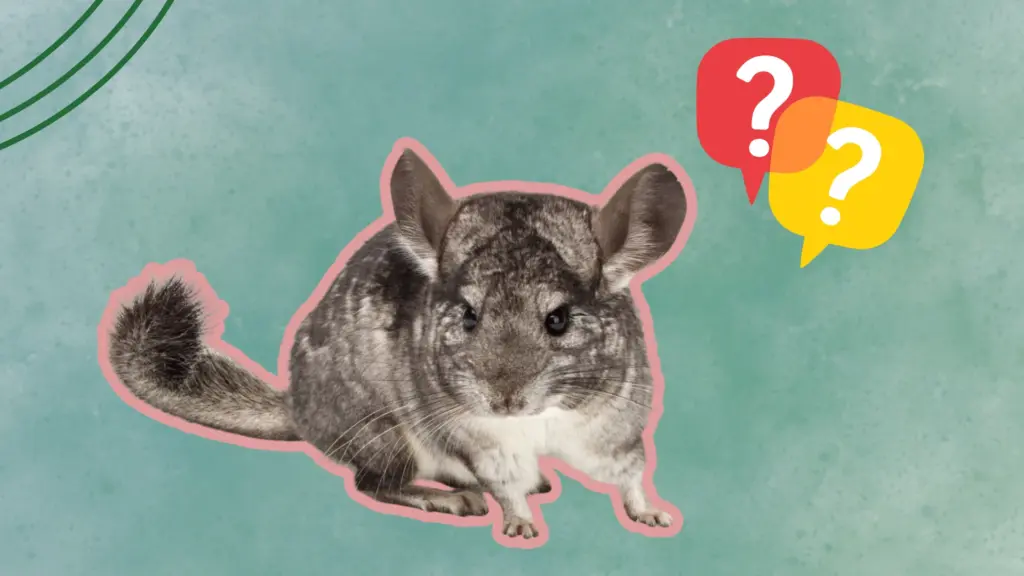
Bringing home a chinchilla can feel like welcoming a tiny ball of softness, energy, and personality into your life.
One day, they are hopping around their cage, nibbling hay, and watching you with those bright little eyes. Then a simple question comes up: how long will this sweet pet be part of your world?
The answer matters because the chinchilla’s lifespan is longer than many first-time owners expect. In my clinic, I’ve met owners who assumed a chinchilla would be a short-term commitment, similar to a hamster or gerbil.
They’re genuinely surprised when I tell them that these small pets can become long-term companions, and that makes their care feel even more meaningful.
Every meal, dust bath, cool room, and gentle moment plays a part in their health.
Average Lifespan of Chinchillas
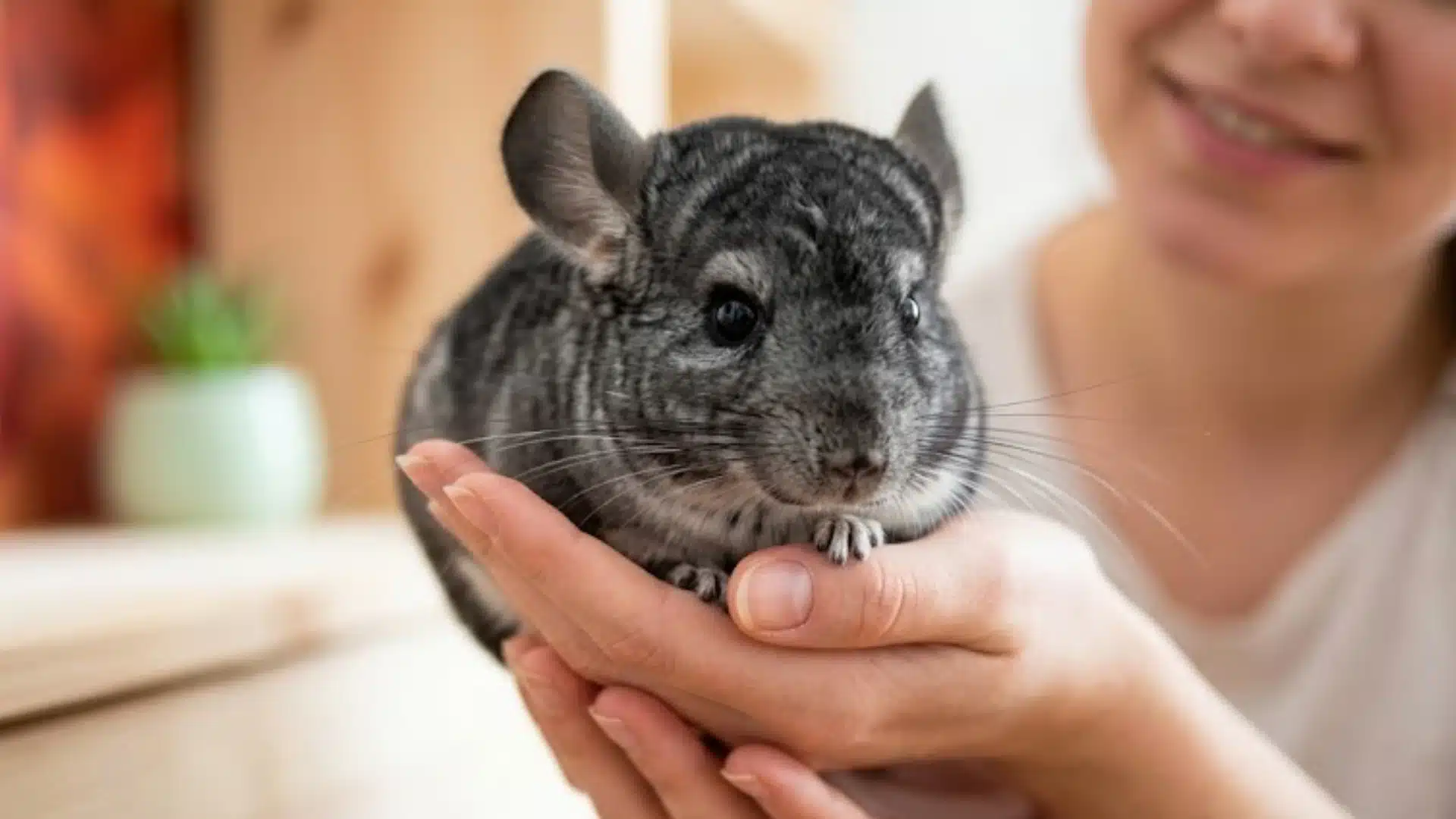
The average chinchilla lifespan is usually 10 to 20 years when kept as a pet with proper care.
Some chinchillas may live shorter lives because of poor diet, stress, unsafe housing, or untreated health problems.
Others can live close to 20 years or even longer when given the right food, clean water, safe temperatures, regular dust baths, and enough space to move around.
Wild chinchillas often have a shorter lifespan because they face predators, harsh weather, and limited food.
Pet chinchillas depend fully on daily care, so their lifespan is closely linked to their environment and routine.
A healthy chinchilla needs plenty of hay, chinchilla-safe pellets, chew toys, and a cool, dry cage.
Signs of a Healthy vs Aging Chinchilla
Chinchillas often stay active and curious for many years, but aging can bring slower movement, lower energy, and small changes in eating or grooming. The key is knowing what is normal aging and what may signal a health problem.
| Area to Check | Healthy Chinchilla | Aging or Warning Signs |
|---|---|---|
| Activity Level | Active, alert, jumps, climbs, and reacts to sounds | Slower movement, less climbing, hiding often, or sudden weakness |
| Appetite | Eats hay daily, drinks water, and shows interest in pellets | Eating less, dropping food, drooling, or sudden weight loss |
| Teeth | Chews normally with no drooling | Overgrown teeth, wet chin, trouble chewing, or pawing at mouth |
| Fur and Skin | Thick, soft, clean fur with no bald patches | Thin fur, bald spots, greasy coat, or skin irritation |
| Eyes | Bright, clear, and alert | Watery eyes, swelling, cloudiness, or discharge |
| Droppings | Firm, dry, regular droppings | No droppings, diarrhea, tiny droppings, or sudden changes |
| Movement | Steady balance, strong grip, smooth climbing | Limping, falling, stiffness, or poor balance |
| Behavior | Curious, responsive, and comfortable with routine | Sudden aggression, fear, unusual silence, or major routine changes |
Factors That Affect Chinchilla Lifespan
A chinchilla’s lifespan depends on daily care, not just age. These small pets need the right food, a safe cage, cool temperatures, low stress, and regular health checks. When these needs are met, chinchillas have a better chance of living a long, active, and comfortable life.
- Diet and Nutrition: Chinchillas need unlimited hay, clean water, and a small amount of quality chinchilla pellets. Hay supports digestion and helps keep their teeth worn down. Sugary treats, fruits, nuts, and human snacks should be avoided or kept very limited.
- Safe Cage Setup: A roomy cage gives a chinchilla space to jump, climb, and stay active. Solid shelves, safe bedding, chew toys, and regular cleaning help prevent stress, injury, and bacteria buildup. Choosing safe bedding is just as important for chinchillas as it is for other small pets.
- Temperature Control: Chinchillas can overheat easily because of their thick fur. A cool, dry room is best. Heat, humidity, direct sunlight, and poor airflow can put their health at risk.
- Stress Levels: Loud noises, rough handling, sudden changes, and unsafe surroundings can stress a chinchilla. A calm routine, gentle handling, and a quiet space help them feel secure.
- Exercise and Enrichment: Chinchillas need movement and mental activity. Shelves, tunnels, wooden toys, and supervised playtime can help prevent boredom and support better health.
- Vet Care: Chinchillas often hide illness, so regular visits to an exotic vet are helpful. Fast care is important if they stop eating, produce fewer droppings, lose weight, or act weak.
Common Health Issues with Chinchilla
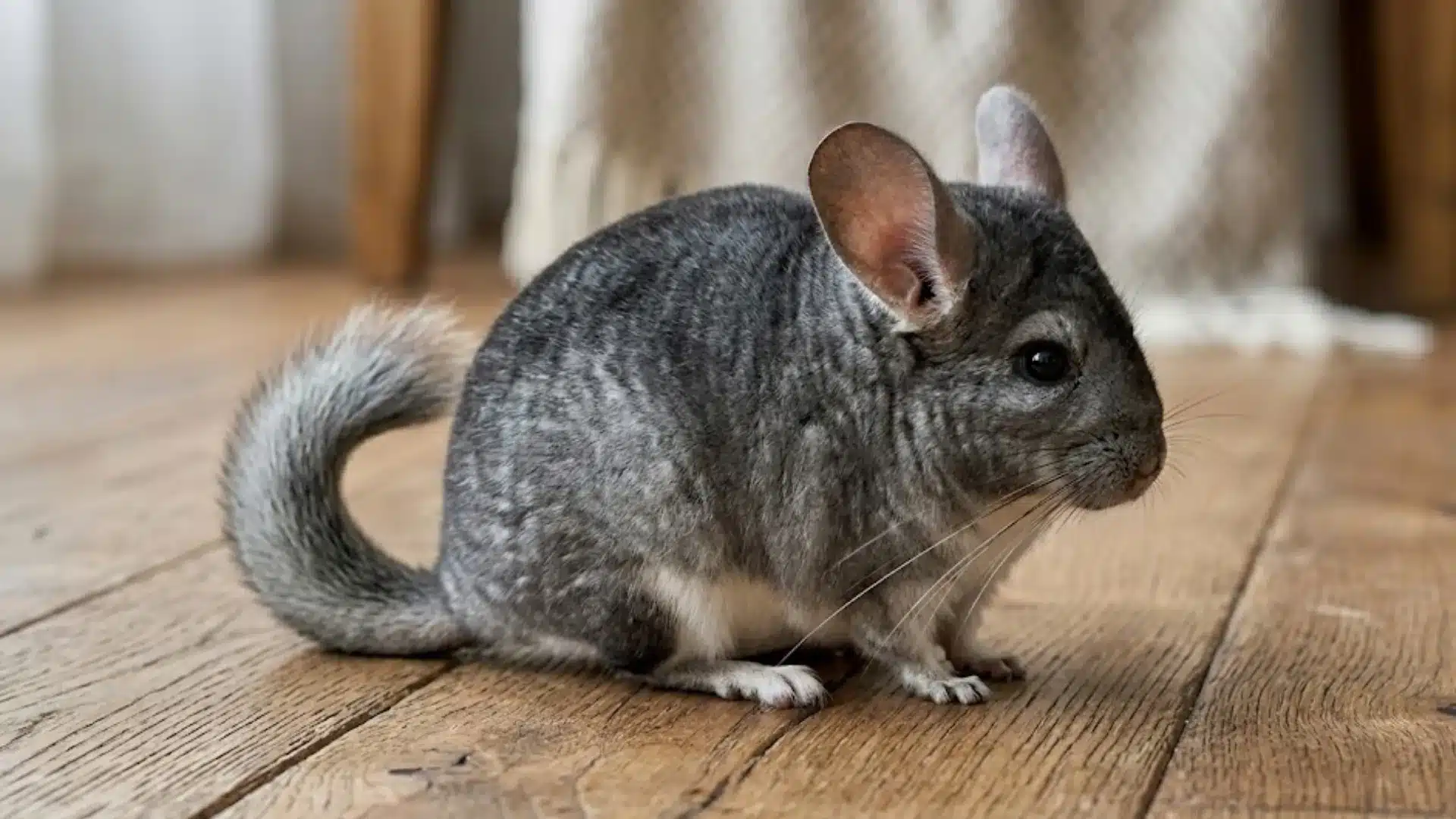
Many issues start small and become serious fast because chinchillas often hide pain or sickness. Watching eating habits, droppings, weight, breathing, and behavior can help catch problems early.
1. Fur Slip and Skin Problems
Fur slip happens when a chinchilla releases patches of fur, often due to fear, rough handling, or stress.
It is usually not dangerous, but it means the chinchilla felt threatened or was handled too tightly. Skin problems can also happen from damp bedding, poor cage cleaning, or too much moisture.
Watch for bald spots, flaky skin, redness, itching, or a greasy coat. Chinchillas need dust baths to keep their fur clean.
2. Respiratory Infections
Respiratory infections can affect chinchillas when they are kept in damp, dirty, cold, or poorly ventilated spaces.
Dusty bedding may also irritate their breathing. Signs include sneezing, wheezing, watery eyes, nasal discharge, low energy, and reduced appetite.
Breathing problems should be taken seriously because they can get worse quickly. If a chinchilla sounds congested or struggles to breathe, an exotic vet visit is needed as soon as possible.
3. Eye Problems
Eye problems in chinchillas may come from dust, injury, dental issues, infection, or cage irritation. Healthy eyes should look bright, clear, and open.
Warning signs include watery eyes, swelling, redness, cloudiness, discharge, or keeping one eye closed.
Sometimes dental roots can affect the eyes, so eye symptoms should not be ignored.
4. Foot Injuries
Foot injuries can happen when a chinchilla lives on wire flooring or rough cage surfaces. Their feet are delicate, and constant pressure can cause redness, sores, swelling, or infection.
This condition is often linked to poor cage setup or dirty bedding.
A chinchilla with sore feet may move less, avoid jumping, or act uncomfortable when standing. Any open sore, limping, or swelling should be checked by a vet.
5. Malocclusion
Malocclusion is one of the most common and serious health threats to a chinchilla’s lifespan.
It occurs when the teeth no longer meet properly and begin to overgrow, which can lead to infections, jaw abscesses, and an inability to eat.
Chinchillas with any signs of dental problems should be seen by an exotic vet immediately, as anesthesia and X-rays are often needed to fully assess the mouth and tooth roots.
The tricky part is that dental disease often progresses silently. By the time an owner notices drooling or weight loss, the problem can already be advanced. Hay is genuinely the best preventive tool here.
Daily Care Tips to Extend Lifespan
A chinchilla can live a long and healthy life when daily care stays simple, steady, and safe. Good food, clean housing, cool temperatures, gentle handling, and regular health checks all support a better chinchilla lifespan.
- Offer Unlimited Hay: Fresh timothy hay supports digestion, helps wear down growing teeth, and keeps a chinchilla’s gut moving properly every day.
- Use Quality Pellets: Choose plain chinchilla pellets without seeds, dried fruit, or colorful extras because sugary mixes can upset digestion.
- Keep Water Fresh: Provide clean water daily in a bottle or bowl, and check often for leaks, dirt, or blocked spouts.
- Limit Treats: Treats should be rare and simple because too much sugar can cause stomach issues, weight gain, and poor long-term health.
- Control Room Temperature: Keep the room cool and dry because chinchillas can overheat quickly in warm, humid, or poorly ventilated spaces.
- Provide a Roomy Cage: A large cage with safe levels gives chinchillas space to jump, climb, stretch, and stay physically active.
- Avoid Wire Flooring: Solid shelves and safe flooring protect delicate feet from sores, pressure marks, swelling, and painful injuries.
- Offer Dust Baths: Dust baths keep the coat clean and dry, but too many baths may dry out the skin.
- Schedule Vet Checks: Regular exotic vet visits help spot dental, digestive, weight, or breathing problems before they become serious.
Conclusion
A chinchilla’s lifespan can be longer than many new owners expect, which makes proper care a real commitment.
These pets are not just cute cage companions; they need patience, a calm space, and daily attention to stay healthy through every life stage.
The best part is that small habits can make a big difference over time. When care feels consistent, chinchillas often become more comfortable, active, and trusting.
For anyone thinking about bringing one home, the goal should be more than helping them live longer. It should be helping them live well.
Every chinchilla has its own personality, routine, and needs.
Have you cared for a chinchilla before? Share your experience, tips, or questions in the comments below.
Frequently Asked Questions
Why Can’t Chinchillas Touch Water?
Chinchillas have very dense fur that holds moisture easily. Wet fur can dry slowly, causing chills, skin irritation, fungal problems, and serious discomfort.
What is the Softest Animal in the World?
Chinchillas are often considered one of the softest animals in the world because their dense fur has many fine hairs growing from each follicle.
Do You Need 1 Or 2 Chinchillas?
Chinchillas can live alone or in bonded pairs. One chinchilla needs daily attention, while two need careful introductions, enough cage space, and monitoring.