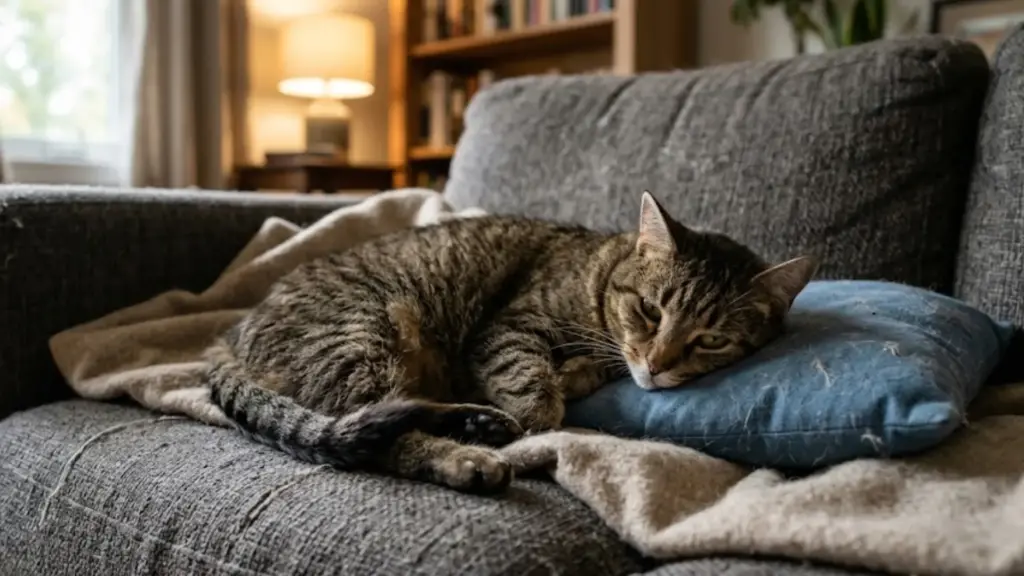
It usually starts with something small. A few sneezes, watery eyes, or a cat sleeping more than usual. At first, it may seem harmless, easy to ignore, or just a passing cold.
But cat flu symptoms can change quickly, especially in kittens, older cats, or cats with weaker immune systems.
Many cat owners only realize something is wrong when their pet stops eating, struggles with congestion, or suddenly becomes less playful and active.
That moment of worry is something almost every pet owner understands.
Cats cannot explain how they feel, which makes it even more important to notice early changes.
Learning to recognize cat flu symptoms early can help you respond faster, keep your cat more comfortable, and reduce the risk of the illness becoming more serious.
Is Cat Flu the Same as Human Flu?
Cat flu is a common term used for upper respiratory infections in cats that affect the nose, eyes, mouth, and throat.
In clinical practice, I see it most often in cats coming from shelters, multi-cat households, or outdoor environments where the viruses spread easily between animals.
Feline herpesvirus (FHV-1) and feline calicivirus (FCV) cause most of the cat flu cases.
Secondary bacterial infections from Bordetella bronchiseptica or Chlamydia felis can make symptoms worse. These viruses only affect cats and cannot be treated the same way as human flu.
Some cats recover quickly, while kittens, older cats, or cats with weak immune systems may develop more serious symptoms.
Common Cat Flu Symptoms to Watch For
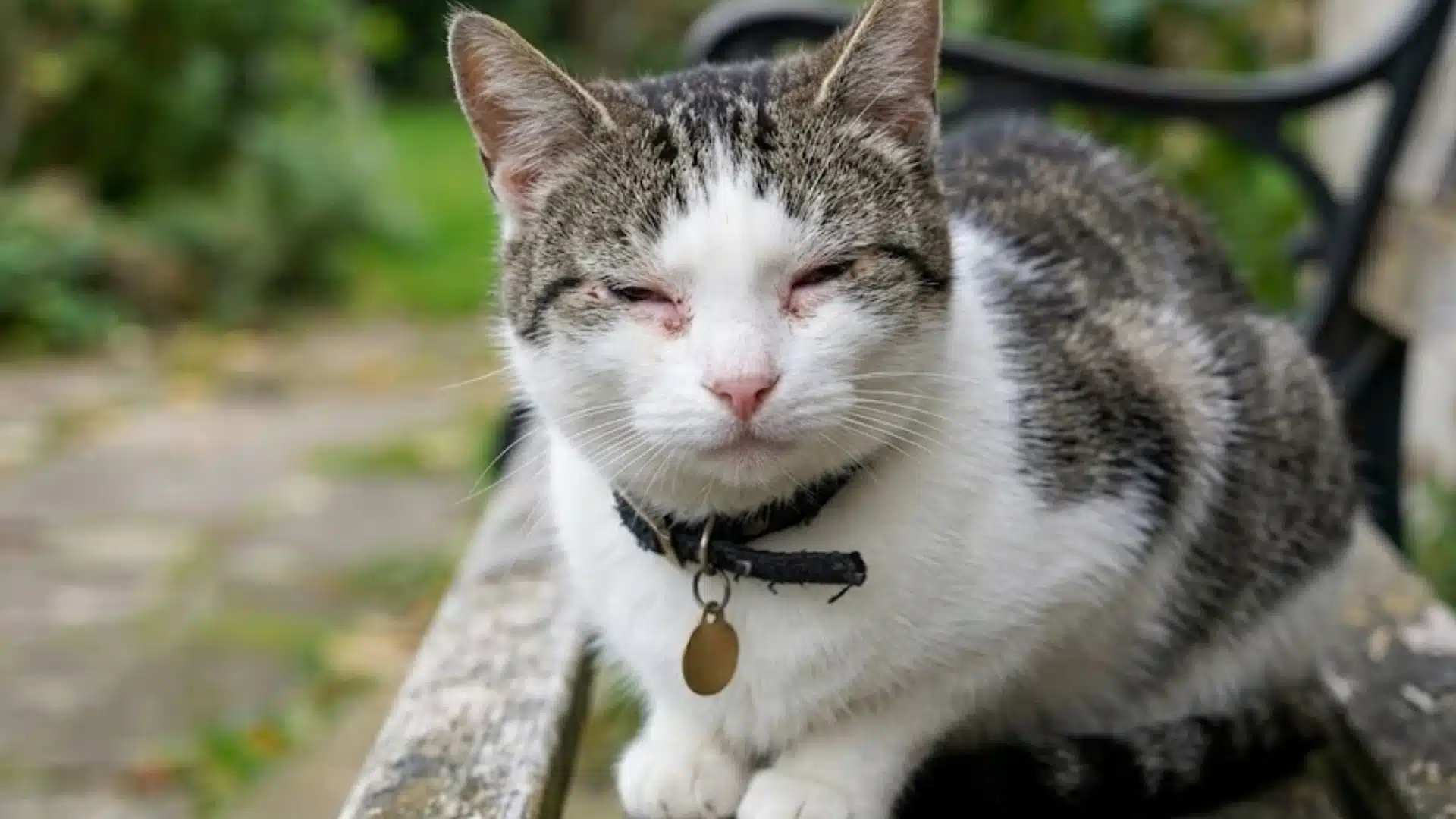
Cat flu symptoms can range from mild sniffles to more serious breathing and eating problems. Some signs appear early and may seem harmless at first, while others can quickly become uncomfortable for your cat.
1. Sneezing
Sneezing is often one of the earliest and most noticeable signs of cat flu. A cat may start sneezing occasionally at first, but the sneezing can become more frequent as the infection develops.
Some cats may also have a stuffy nose or make sniffling sounds between sneezes.
Frequent sneezing usually happens because the virus irritates the nasal passages and upper airways.
While mild sneezing may not seem serious, repeated sneezing combined with watery eyes, tiredness, or appetite loss can point to a developing respiratory infection.
2. Runny Nose
A runny nose is another very common symptom of cat flu. In the early stages, the discharge is usually clear and watery.
As the infection becomes stronger, the mucus may turn thicker and appear yellow, green, or cloudy. Cats with blocked noses may struggle to smell food properly, which can reduce their appetite.
You may also notice crust forming around the nostrils or frequent licking around the nose.
Persistent nasal discharge, especially when paired with sneezing or breathing changes, should be monitored closely for worsening infection signs.
3. Watery or Weepy Eyes
Many cats with cat flu develop watery, sticky, or weepy eyes. The eyes may look red, swollen, or irritated, and some cats begin squinting because of discomfort.
In some cases, the infection can lead to conjunctivitis, which causes inflammation around the eye area. Thick discharge may collect in the corners of the eyes and dry into crusts.
Cats may also paw at their faces more often when the irritation becomes uncomfortable.
Eye symptoms should not be ignored because untreated infections can sometimes lead to more serious eye complications.
4. Fever
Cats with cat flu may develop a fever, which can make them feel weak, tired, and less active than usual. A cat with a fever may sleep more, avoid playing, or hide in quiet places around the home.
Their ears or body may feel warmer than normal when touched gently.
Fever is the body’s natural response to fighting infection, but it can also lead to dehydration and discomfort if it continues for too long.
Combined with sneezing, appetite loss, or breathing issues, fever may signal that the illness is becoming more severe.
5. Loss of Appetite
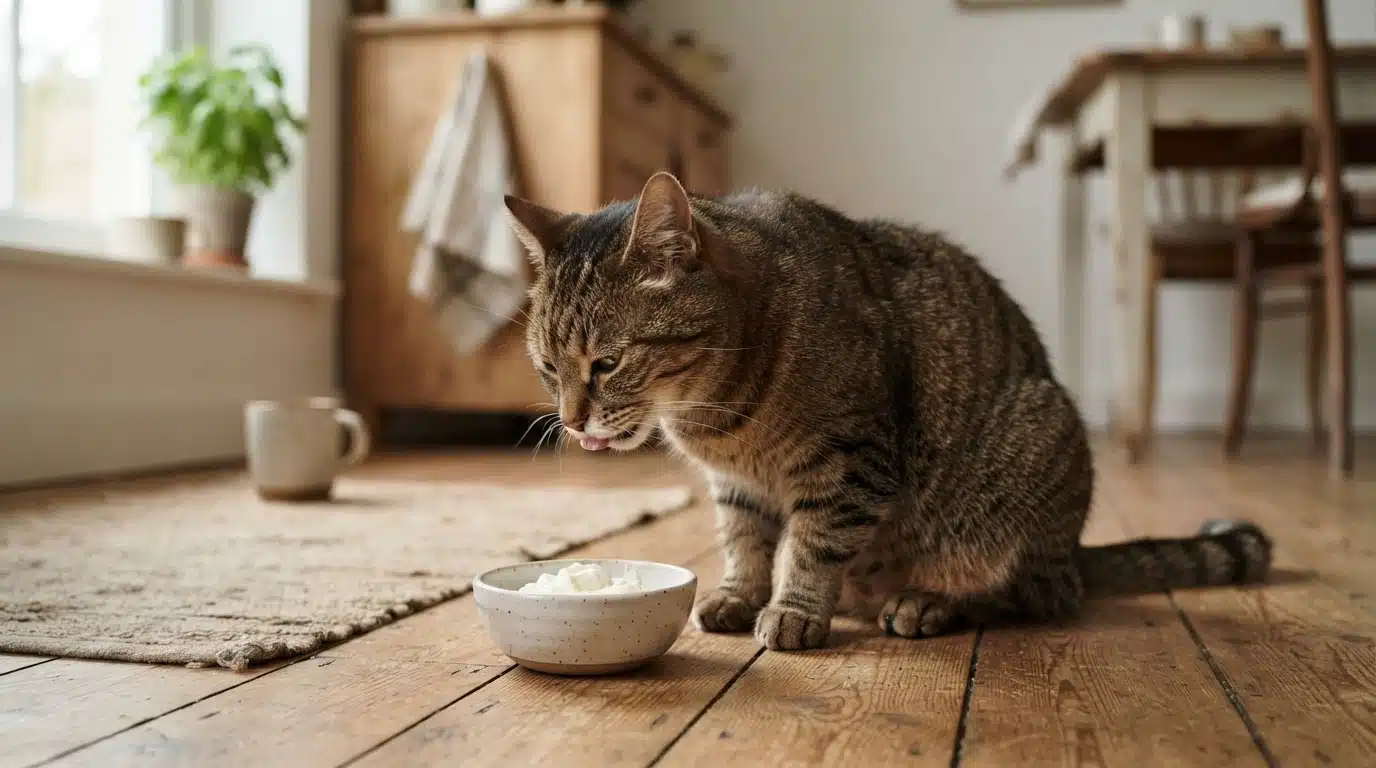
Loss of appetite is very common in cats with flu because congestion makes it difficult for them to smell food properly.
Cats rely heavily on smell when eating, so a blocked nose can quickly reduce interest in meals. Mouth pain, sore throats, or ulcers may also make chewing uncomfortable.
Some cats may only eat small amounts, while others stop eating completely.
This can become dangerous, especially for kittens or older cats. If a cat refuses food for more than a short period, veterinary advice is usually recommended to prevent weakness or dehydration.
6. Drooling or Mouth Ulcers
Some cats with cat flu develop painful ulcers on the tongue, gums, or inside the mouth, especially when feline calicivirus is involved.
These sores can make eating, drinking, or grooming uncomfortable. Cats may begin drooling more than usual because of the irritation and pain in the mouth area.
You might also notice bad breath, pawing at the mouth, or difficulty chewing food. In some cases, the ulcers appear as small red or white sores.
Persistent drooling or mouth discomfort should be checked by a vet to help manage pain and prevent worsening symptoms.
7. Coughing or Noisy Breathing
Cat flu can sometimes affect the airways enough to cause coughing, wheezing, congestion, or noisy breathing. A cat may sound stuffy while resting or breathing through the nose.
Some cats make raspy sounds, especially when sleeping or after activity.
Mild congestion can happen with many respiratory infections, but loud breathing or frequent coughing should be watched carefully.
Breathing problems may become more serious if the infection spreads deeper into the respiratory system.
How Long Do Cat Flu Symptoms Last?
Cat flu symptoms usually last between 1 and 3 weeks, depending on the cause of the infection and the overall health of the cat.
Mild cases may improve within a few days with rest, fluids, and proper care, while more severe infections can take longer to recover from.
Kittens, older cats, and cats with weak immune systems often experience symptoms for a longer period and may need veterinary treatment.
Some cats continue to carry the virus even after recovery, which means symptoms can return during stress or illness later in life.
Sneezing, watery eyes, or mild congestion may occasionally flare up again in carrier cats.
If symptoms become worse, last longer than expected, or affect eating and breathing, it is important to contact a veterinarian for proper advice and treatment.
Is Cat Flu Contagious?
Yes, cat flu is highly contagious and can spread easily from one cat to another through sneezing, saliva, eye discharge, nasal mucus, shared food bowls, bedding, litter trays, and close contact.
Cats living in shelters, rescue centers, or multi-cat homes are at a higher risk because the viruses spread quickly in shared spaces.
Humans usually cannot catch common cat flu viruses, but people can accidentally spread the infection between cats by touching contaminated surfaces, clothing, or hands.
Some cats continue carrying the virus even after recovery and may still spread it during periods of stress or illness.
Keeping infected cats separated, cleaning shared items regularly, and washing hands after contact can help reduce the spread.
Vaccination also lowers the risk of severe illness and helps protect other cats nearby.
Cat Flu vs. Cold-Like Symptoms: How to Tell the Difference
Cat flu and mild cold-like symptoms can look similar in the beginning, which is why many cat owners feel unsure at first. This simple comparison can help you notice the differences more easily.
| Symptom Area | Mild Cold-Like Symptoms | Cat Flu Symptoms |
|---|---|---|
| Sneezing | Occasional sneezing | Frequent or repeated sneezing |
| Nose Discharge | Clear and light mucus | Thick mucus that may turn yellow or green |
| Eyes | Mild watery eyes | Red, swollen, sticky, or weepy eyes |
| Energy Levels | Slight tiredness | Weakness, hiding, or sleeping more than usual |
| Appetite | Usually normal | Reduced appetite or refusal to eat |
| Breathing | Normal breathing | Congestion, wheezing, or noisy breathing |
| Mouth Problems | Rare | Drooling or mouth ulcers may appear |
| Fever | Uncommon | Fever and warm body are more common |
| Duration | Improves quickly | May last one to three weeks |
| Severity | Usually mild | Can become serious in kittens or older cats |
What Helps a Cat With Flu Symptoms at Home?
Cats with mild flu symptoms often feel more comfortable with supportive home care and plenty of rest. While home care cannot replace veterinary treatment for severe cases, simple steps can help reduce discomfort and support recovery during the early stages of illness.
- Keep Your Cat Warm and Comfortable: Provide a quiet, warm resting area away from noise, cold air, and stress to help your cat recover more comfortably.
- Clean the Eyes and Nose Gently: Use a soft, damp cloth to wipe away discharge from the eyes and nose to reduce irritation and improve breathing.
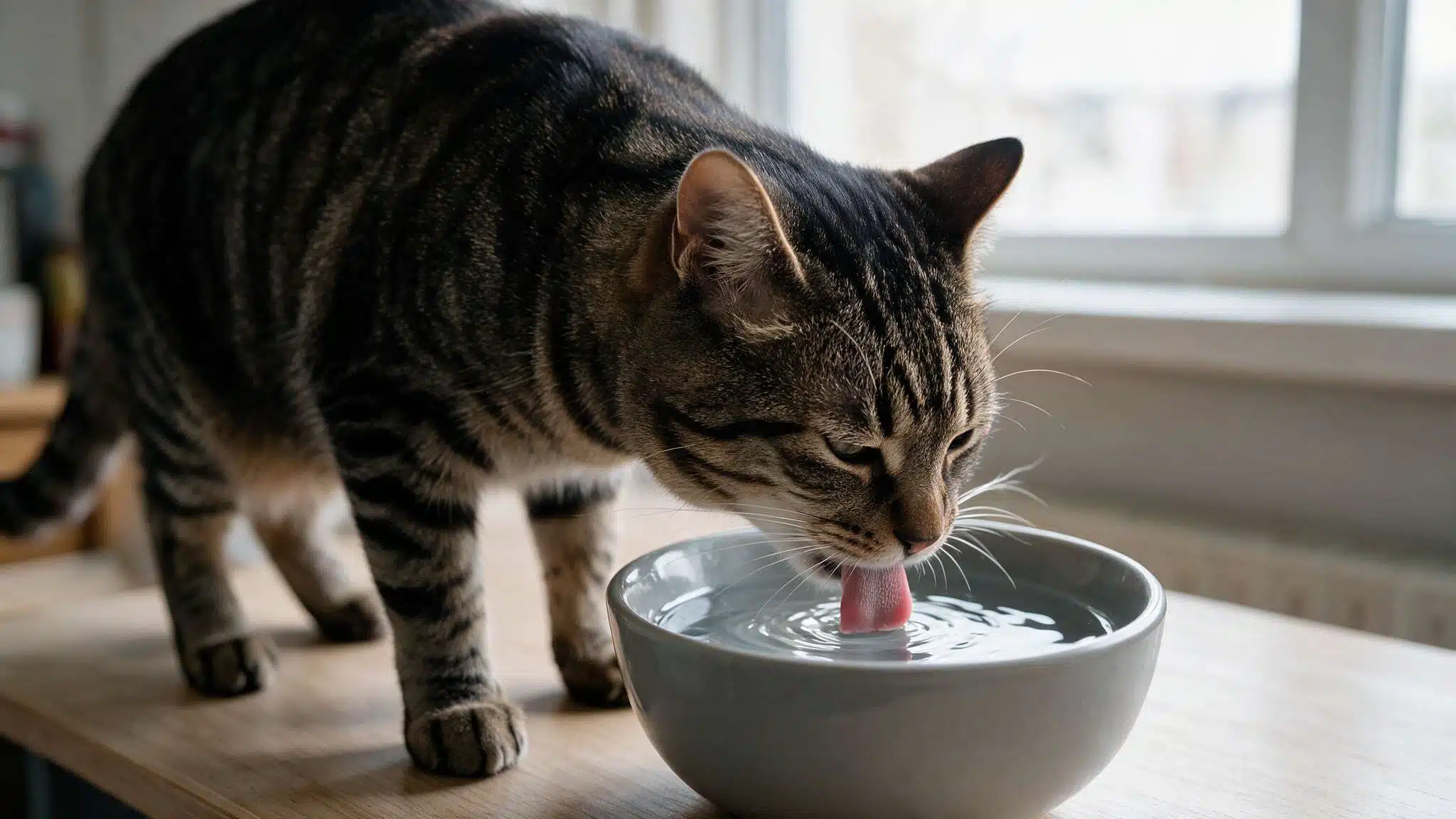
- Encourage Eating and Drinking: Offer strong-smelling wet food and fresh water regularly since congestion can reduce appetite and interest in food.
- Limit Contact With Other Cats: Keep sick cats separated from healthy pets to help prevent the infection from spreading through close contact or shared items.
- Monitor Breathing and Energy Levels: Watch for worsening symptoms like heavy breathing, severe weakness, or refusal to eat, as these may require veterinary care quickly.
The tips above are for supportive home care during mild cases. They are not a substitute for veterinary treatment. If symptoms worsen, persist beyond a few days, or your cat stops eating or drinking, contact a vet.
When to Call a Vet?
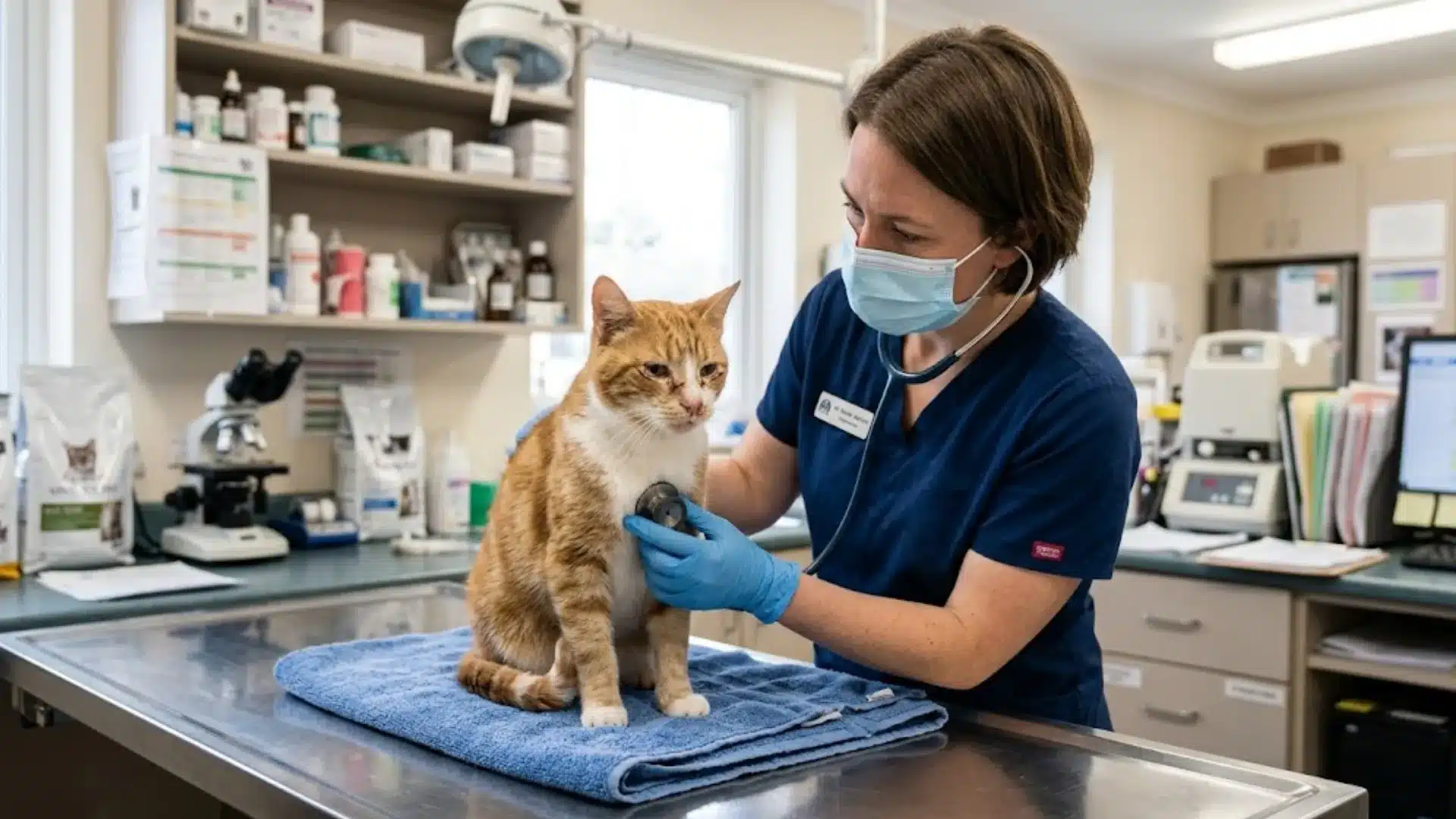
Some cat flu symptoms can be managed at home in mild cases, but certain warning signs should never be ignored.
Cats can become dehydrated, weak, or develop breathing problems quickly, especially kittens, older cats, and cats with existing health conditions.
- Your cat stops eating or drinking for more than a day
- Breathing becomes noisy, fast, or difficult
- Eye or nose discharge becomes thick, yellow, or green
- Your cat seems extremely weak, tired, or hides constantly
- Mouth ulcers, heavy drooling, or trouble swallowing appear
- Symptoms last longer than one to two weeks
Early veterinary care can help prevent complications and make recovery easier for your cat. Even mild symptoms should be monitored closely because cat flu can sometimes worsen quickly.
A vet can recommend proper treatment, hydration support, and medications if the infection becomes more severe or painful.
How Vets Diagnose Cat Flu?
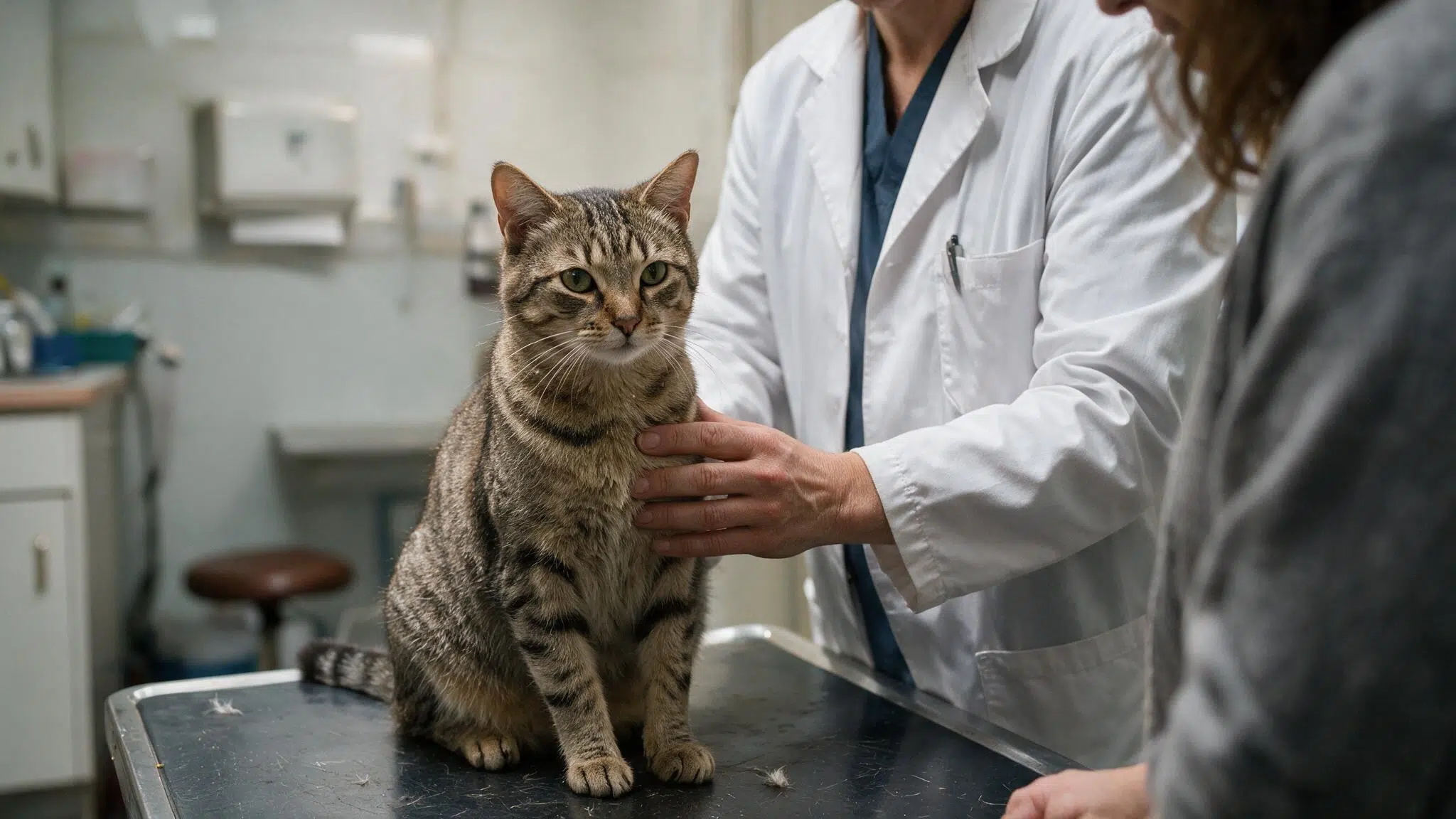
Vets usually diagnose cat flu by examining the cat’s symptoms and checking the eyes, nose, mouth, throat, breathing, temperature, and overall energy levels.
They often ask questions about recent contact with other cats, changes in appetite, sneezing, coughing, or eye discharge.
In many mild cases, the symptoms alone are enough to identify cat flu.
If the infection appears severe, keeps returning, or does not improve with treatment, the vet may take swabs from the mouth, eyes, or nose to test for viruses like feline herpesvirus or calicivirus.
Some cats may also need blood tests or chest scans if breathing problems are present.
Diagnosing the illness early helps vets recommend the right treatment, reduce discomfort, and prevent the infection from becoming more serious or spreading to other cats.
Can Cat Flu Be Prevented?
Vaccination is the most reliable way to reduce the risk of cat flu and limit how severe the illness becomes.
The FVRCP vaccine, which covers feline viral rhinotracheitis (herpesvirus), calicivirus, and panleukopenia, is considered a core vaccine for cats and is recommended for both kittens and adult cats.
Vaccination does not guarantee a cat will never get cat flu, but it significantly lowers the chance of severe illness.
In my practice, vaccinated cats who do develop symptoms typically recover faster and experience milder signs than unvaccinated cats.
Your vet can advise on the right vaccination schedule based on your cat’s age, lifestyle, and health history.
Certain breeds with naturally flatter faces, such as Persians, may be more prone to respiratory issues in general, so preventive care and early vaccination matter even more for these cats.
Conclusion
Recognizing cat flu symptoms early can make a big difference in helping your cat feel comfortable and recover faster.
Every cat responds differently, especially kittens and older cats, so paying attention to changes in behavior is important.
Some cats recover quickly with rest and supportive care, while others may need veterinary treatment and closer monitoring during recovery.
Knowing what to watch for can help you feel more confident and prepared if your cat ever becomes unwell.
Have you ever cared for a cat with cat flu? Share your experience or tips in the comments below.
Frequently Asked Questions
Is Cat Flu Worse During Cold Weather?
Cold weather itself does not cause cat flu, but seasonal temperature changes and indoor crowding may increase stress and make respiratory symptoms feel more uncomfortable for cats.
Why Does My Cat Smell Different During Cat Flu?
Cats with cat flu may develop unusual breath or body odor because nasal discharge, mouth ulcers, drooling, or reduced grooming can change their normal scent temporarily.
Can Cat Flu Affect a Cat’s Voice?
Yes, some cats develop a hoarse or quieter meow during cat flu because throat irritation, congestion, and inflammation can affect their normal vocal sounds for several days.