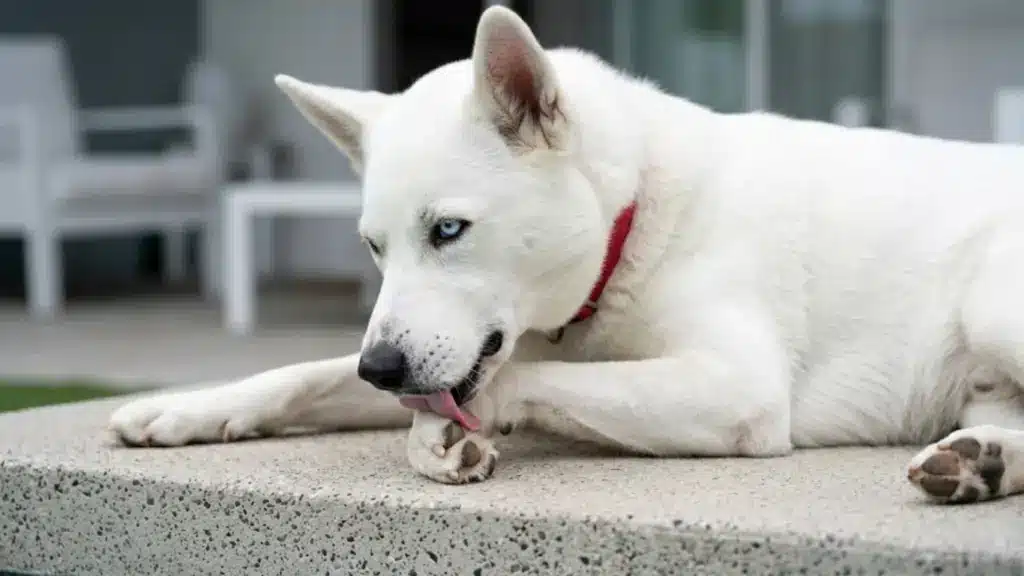
There is something unsettling about watching your dog lick their paws over and over, especially at night when the house is quiet, and you are not sure whether to be worried or not.
A few licks after a walk or a meal are nothing to worry about. But when it keeps coming back, or when the skin starts looking red, smelling foul, or staying damp between the toes, your dog is telling you something is not right.
I have worked with enough dog owners to know that this is one of those problems that is easy to dismiss early and frustrating to deal with once it has gotten worse.
The good news is that most cases are manageable once you understand what is driving the licking.
In this guide, you will learn the most common reasons behind dog licking paws, how to check the paws at home, which home remedies actually work, what to avoid putting on those paws, and when a vet visit makes sense.
Why Do Dogs Lick Their Paws So Much?
Dogs lick their paws for many different reasons, and some causes are more serious than others. Light licking can be normal grooming after walks, meals, or playtime.
But constant licking may happen because the skin feels itchy or irritated.
Food allergies and seasonal allergies are common triggers, especially when dogs react to grass, pollen, or certain ingredients in their diet.
You can also read more about allergic dermatitis in dogs if your dog often scratches, chews, or develops red skin.
Fleas, mites, or ticks can also make the paws very uncomfortable. In some cases, the paw pads become dry or cracked because of weather, rough surfaces, or hot pavement.
Small cuts, burns, splinters, or grass seeds stuck between the toes may also lead to nonstop licking.
Yeast or bacterial infections are another possible cause and often come with redness, smell, or damp skin between the toes.
When Dog Licking Paws Becomes a Problem?
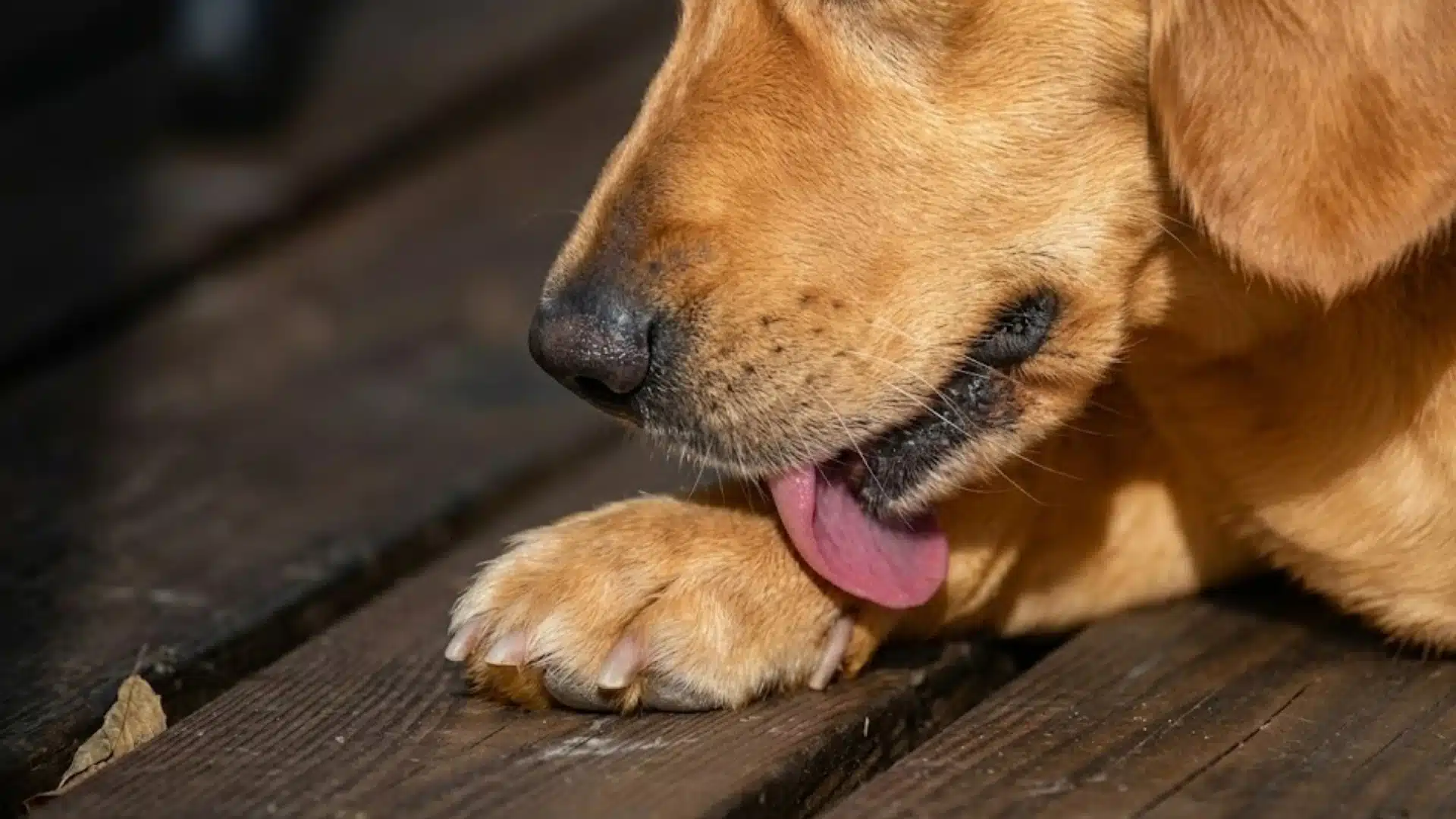
Paw licking becomes a problem when it turns frequent, leaves visible marks, or starts affecting how your dog walks, sleeps, or rests.
1. Licking Happens Continuously
If your dog licks their paws every day, it may no longer be simple grooming. Daily licking can mean the paw feels itchy, sore, dry, or irritated.
Some dogs also lick out of stress or boredom, especially when they are left alone for long hours. The main thing to watch is the pattern.
If the licking keeps coming back at the same time, happens after walks, or stays focused on the same paw, there may be an underlying cause that needs attention.
2. Redness or Swelling Appears
Redness or swelling is a clear sign that the paw is irritated. The skin may look pink, warm, puffy, or tender when touched.
This can occur due to allergies, insect bites, minor injuries, trapped debris, or infection. If your dog keeps licking the area, the swelling may get worse.
It can also break the skin, making healing harder. Red or swollen paws should not be ignored, especially if your dog pulls away, whines, or keeps going back to the same spot.
If swelling is the main sign, this guide on swollen paws in dogs can help you understand what may be going on before you call the vet.
3. Paw Smells Bad
A bad smell from the paw can point to yeast or bacteria. This often happens when the skin between the toes stays damp from licking, bathing, rain, or muddy walks.
The smell may be musty, sour, or stronger than usual. Some dogs may also have greasy skin, redness, or discharge around the toes.
A light smell after outdoor play is different. But if the odor stays even after gentle cleaning and drying, it may need vet treatment before the skin gets worse.
4. Fur Turns Brown or Rusty
Brown or rusty fur around the paws often comes from constant licking. Saliva can stain light fur over time, especially when the same area stays wet for long periods.
This staining does not always mean infection, but it does show that licking has been happening often. The skin under the stained fur may also be red, sore, or damp.
If the color keeps spreading, or the paw starts to smell, check for allergies, irritation, yeast, or moisture trapped between the toes.
5. The Dog Limps or Avoids Walking
Limping is a stronger warning sign because it often means pain. Your dog may avoid putting weight on one paw, walk slowly, stop during walks, or refuse stairs.
This can happen from cuts, burns, cracked pads, thorns, swelling, nail injuries, or joint pain. Some dogs lick the paw because they are trying to soothe the sore spot.
If limping does not improve quickly, gets worse, or your dog refuses to walk, a vet should check it as soon as possible.
6. Skin Looks Raw or Wet
Raw or wet skin means the licking has already irritated the paw. The area may look shiny, red, open, sticky, or damp between the toes.
This can become painful and may lead to infection if it keeps getting worse. Dogs often lick raw skin even more because it feels itchy or sore, which creates a cycle.
Keeping the paw dry may help for a short time, but raw skin usually needs proper care, especially if there is swelling, smell, or bleeding.
How to Check Your Dog’s Paws at Home?
A simple paw check can help you spot irritation, injury, swelling, or trapped debris early before the licking becomes more painful or harder to control.
- Between the toes: Gently spread the toes and look for redness, swelling, grass seeds, dirt buildup, moisture, or anything trapped between the skin folds.
- Paw pads: Check the paw pads for dryness, cracks, peeling skin, burns, rough texture, or sore spots that may cause discomfort while walking.
- Cuts or thorns: Look closely for tiny cuts, splinters, thorns, glass pieces, or sharp objects that may be stuck inside the paw or pad.
- Smell or discharge: Notice any strong smell, sticky discharge, dampness, or greasy buildup between the toes, since these can point to infection or irritation.
- Pain when touched: Watch how your dog reacts when the paw is touched. Pulling away, whining, or limping may show that the area feels painful.
- One paw or all paws: Check whether the licking affects one paw or several, because this can help identify injury, allergy, or skin-related problems.
Dog Licking Paws: Simple Home Remedies That May Help
Some simple home care steps may help reduce paw licking, especially when the problem is linked to dirt, moisture, mild irritation, or boredom.
Rinsing the paws after walks can wash away pollen, dust, grass, and other irritants that may irritate the skin.
After cleaning, use a soft towel to dry the paws properly, especially between the toes, where moisture can stay trapped.
An e-collar may help stop constant licking for a short time while the skin calms down. Keeping the nails trimmed can also reduce pressure and discomfort while walking.
Clean bedding often to lower dirt, allergens, and bacteria around the paws. Try to reduce lawn chemical exposure by avoiding treated grass areas during walks.
Some dogs also lick more when bored or stressed, so adding playtime, short walks, training games, or mental activities may help keep them calmer and distracted.
Can Anxiety Make Dogs Lick Their Paws?
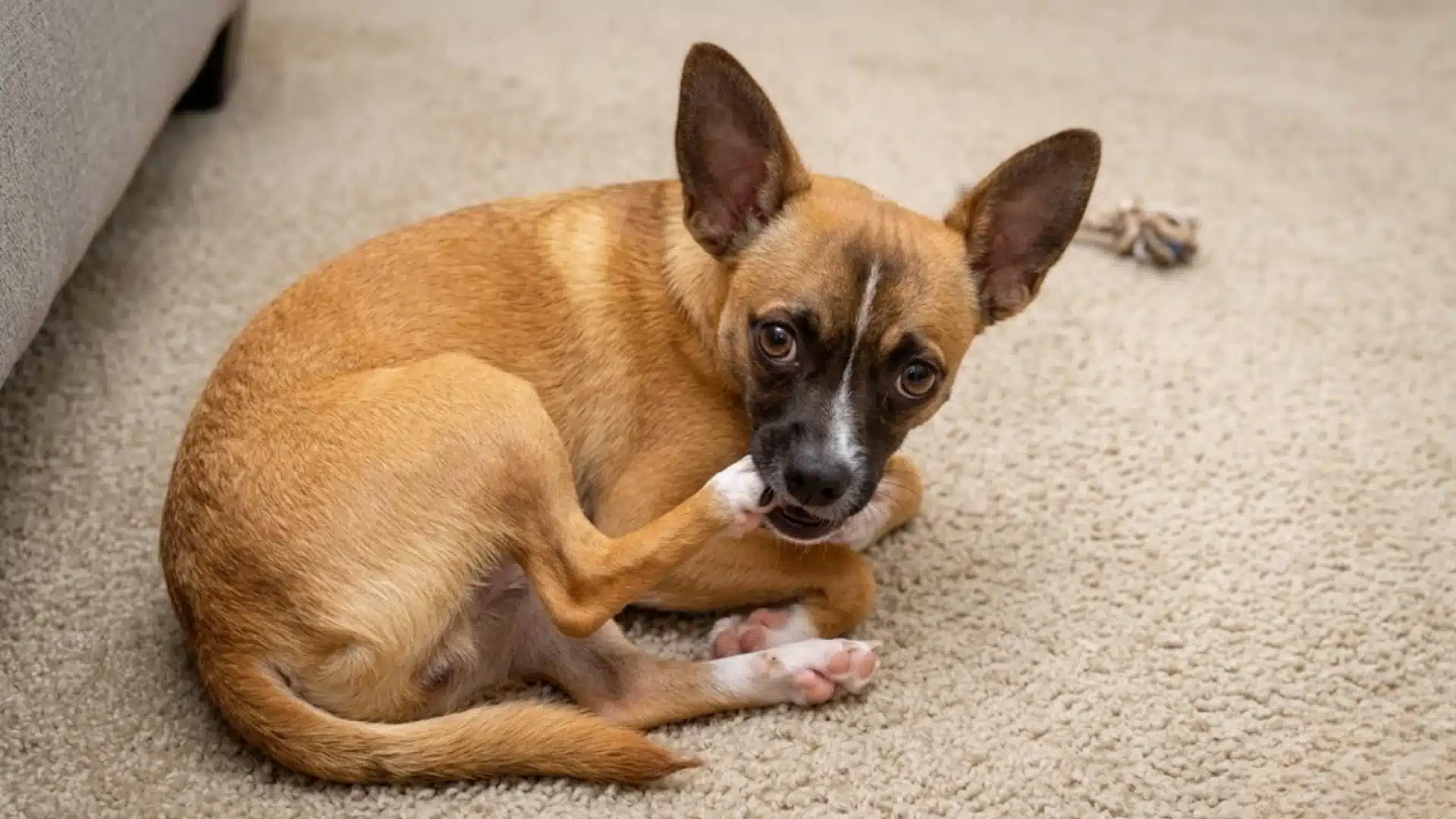
Yes, anxiety can make dogs lick their paws more than usual.
Some dogs start boredom licking when they do not get enough play, walks, or mental activity during the day.
The licking may become a habit because it feels calming to them. Stress licking can also happen after changes at home, loud sounds, new pets, or unfamiliar situations.
In some cases, dogs with separation anxiety lick their paws when left alone for long periods. They may also pace, whine, bark, or damage things around the house.
Over time, constant licking can irritate the skin and create sores. A steady routine can help reduce this behavior by making dogs feel more secure.
Daily walks, puzzle toys, training sessions, and interactive play can keep the mind busy and lower stress. Calm attention and regular activity often help stop anxiety-related licking before it becomes worse.
How to Prevent Paw Licking from Coming Back?
Small daily habits can help protect your dog’s paws and lower the chances of licking becoming a repeated problem over time.
- Wipe paws after walks: Gently wiping the paws after outdoor walks can remove pollen, dust, mud, grass, and chemicals that may irritate the skin.
- Keep paws dry: Dry paws carefully after walks, baths, or rain because trapped moisture between the toes can lead to irritation or infection.
- Stay consistent with flea control: Regular flea and tick prevention helps avoid itching, bites, and skin irritation that may trigger nonstop paw licking.
- Use gentle grooming habits: Avoid harsh shampoos or strong cleaning products, since sensitive skin can become dry, itchy, or uncomfortable after grooming.
- Watch seasonal allergy patterns: Notice if licking gets worse during certain seasons, since pollen, grass, or weather changes may be causing irritation each year.
What Not to Use on Your Dog’s Paws
Not every remedy that shows up in a quick search is safe for dogs, and a few common ones can make the situation noticeably worse.
- Hydrogen peroxide damages healthy tissue alongside bacteria, which slows healing. It should be avoided on paw wounds or sores.
- Undiluted essential oils, including tea tree oil, are toxic to dogs even in small amounts absorbed through the skin. Keep them away from paws entirely.
- Human antifungal creams may seem like a reasonable fix for yeast, but many contain ingredients that are not safe for dogs to ingest, and dogs will nearly always lick anything applied to their paws.
- Alcohol-based or strongly scented wipes strip the natural oils from paw skin and can worsen dryness and cracking over time, especially on sensitive pads.
When in doubt, ask your vet before applying anything new to your dog’s paws. A quick call is faster than managing a reaction.
When to See a Vet?
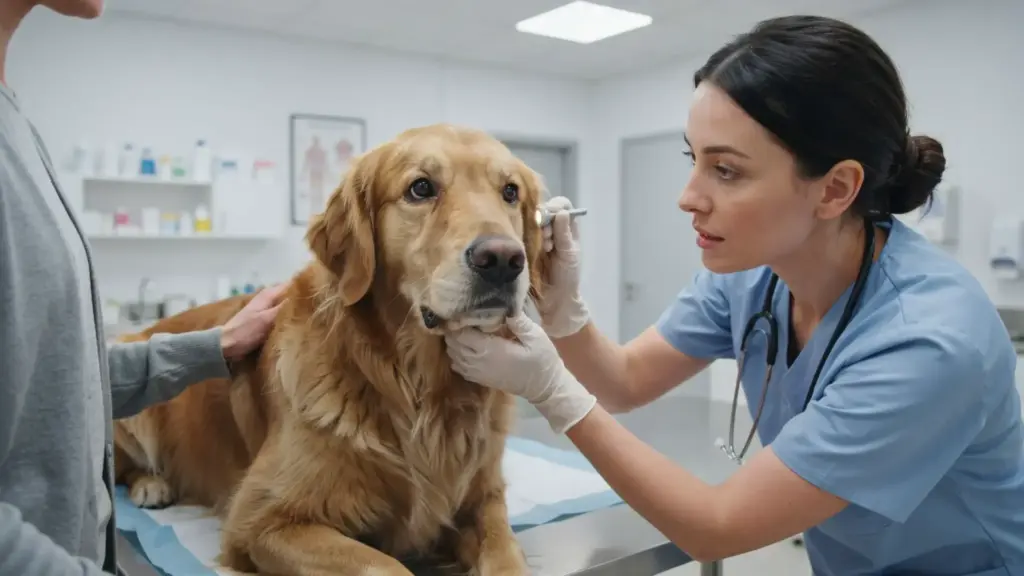
Some paw licking problems can be managed at home for a short time, but certain signs mean your dog should see a vet soon.
Bleeding from the paw may come from cuts, torn nails, burns, or deeper injuries that need proper treatment.
Swelling can point to infection, allergies, insect bites, or something stuck inside the paw. A bad smell is often linked to yeast or bacterial infection, especially when the skin stays damp.
Limping is another warning sign because it usually means pain or discomfort while walking. Open sores or raw skin should also be checked before they become infected.
Constant licking that does not stop after basic care may mean there is an underlying health problem causing irritation.
A vet can examine the paws closely, identify the real cause, and suggest the safest treatment before the condition becomes more painful or difficult to manage.
Conclusion
Paw licking can be harmless at first, but it is worth watching when it becomes frequent or intense. The cause may be simple, like dirt, dry skin, or boredom.
It may also be medical, such as allergies, parasites, infection, injury, or pain.
In this guide, you learned why dogs lick their paws, when it becomes a problem, how to check the paws at home, which simple remedies may help, and when a vet visit makes sense.
If dog licking paws keeps happening, start by checking for redness, smell, swelling, cuts, or anything stuck between the toes.
Basic care may help in mild cases, but repeated licking should not be ignored.
What do you think is causing your dog’s paw licking? Share your experience in the comments so other pet parents can learn from it too.
Frequently Asked Questions
Can I Put Socks on My Dog to Stop Paw Licking?
Yes, dog socks may help for short periods, but they should not be the main fix. They can stop direct licking while the paw heals, but the cause still needs to be found. Make sure the socks fit well and do not trap moisture.
Can Dog Boots Help with Paw Licking?
Dog boots can help if outdoor surfaces are causing irritation. They protect paws from hot pavement, rough ground, salt, and dirty areas. Start slowly, because many dogs need time to get used to wearing them.
Should I Shave the Fur Between My Dog’s Toes?
Trimming extra fur can help if dirt, moisture, or debris gets trapped between the toes. Do not shave too close to the skin, though. If the area is red or sore, let a groomer or vet handle it.
Can I Put Apple Cider Vinegar Directly on My Dog’s Paws?
Not undiluted. Always mix one part apple cider vinegar with three parts water before applying to the paws. Also, avoid using it on broken, raw, or cracked skin, since it will sting and can slow healing rather than help it.