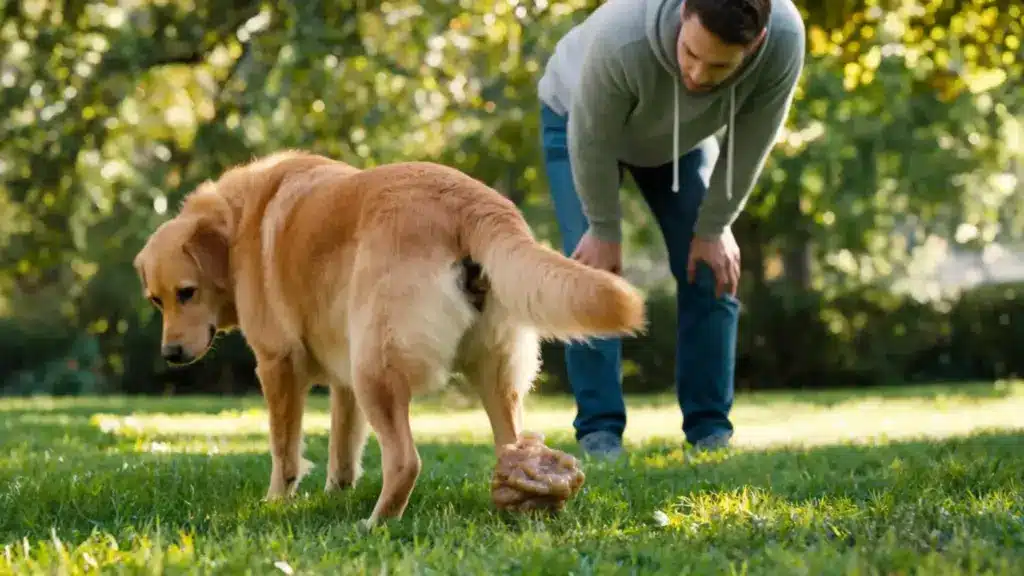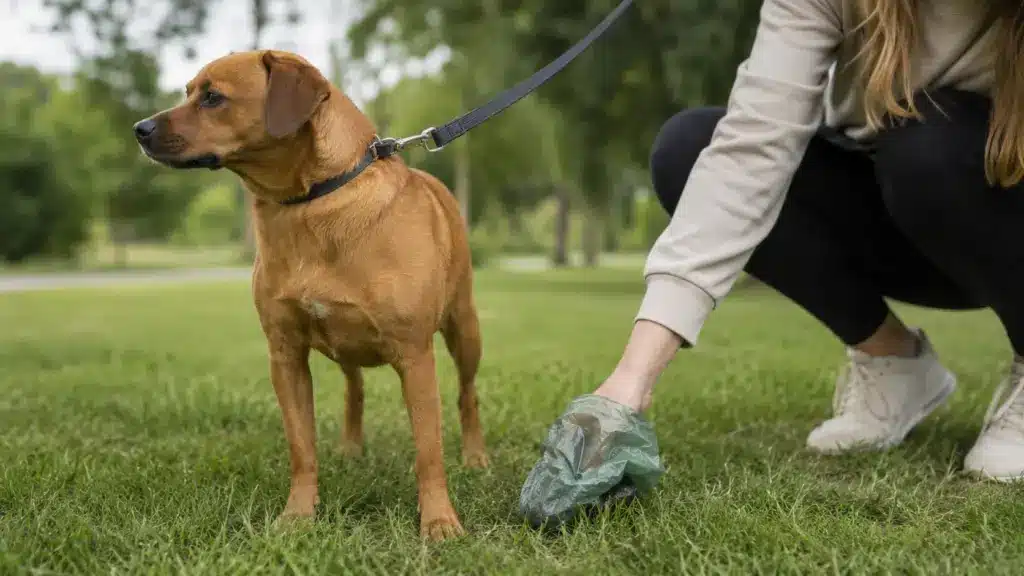
You’re picking up after your dog as you do on any other day, and then something makes you stop. Maybe it looks like a strand of pasta. Maybe it looks like tiny white grains of rice.
Your stomach drops, and that reaction makes complete sense. Seeing worms in dog poop is unsettling, but it’s also a problem vets deal with every single day.
In my years of practice, I’ve watched genuinely devoted pet parents walk through the door convinced they had somehow failed their dog.
They hadn’t. Worms don’t care how clean your house is or how much you love your pet, but the good news is that most intestinal worms can be treated once the parasite is identified.
This guide covers what each type looks like, how dogs get them, the safest treatment steps, and how to keep worms from coming back.
How Dogs Get Worms
Dogs can get worms without being dirty, neglected, or obviously sick.
A clean, well-cared-for dog can still pick up parasite eggs or larvae from outdoor spaces, fleas, shared areas, or infected animals.
Parasite eggs and larvae can stay in grass, soil, dog parks, shared yards, and walking areas, so normal walks or playtime can be enough for exposure.
Fleas can also spread worms when a dog licks or grooms itself and swallows an infected flea. This is why flea control matters, especially if worms keep coming back after treatment.
Dogs that eat rodents, birds, or other small animals may pick up worms from infected prey. Standing water, puddles, and dirty outdoor areas can also increase the risk.
Puppies can get worms from their mother before birth or while nursing. That is why many vets recommend early deworming, even when a puppy looks healthy.
Shoes bring eggs indoors; hookworm and roundworm eggs stick to shoe soles. For more information on identifying early symptoms, see our guide on signs of hookworms in dogs.
Types of Worms in Dog Poop
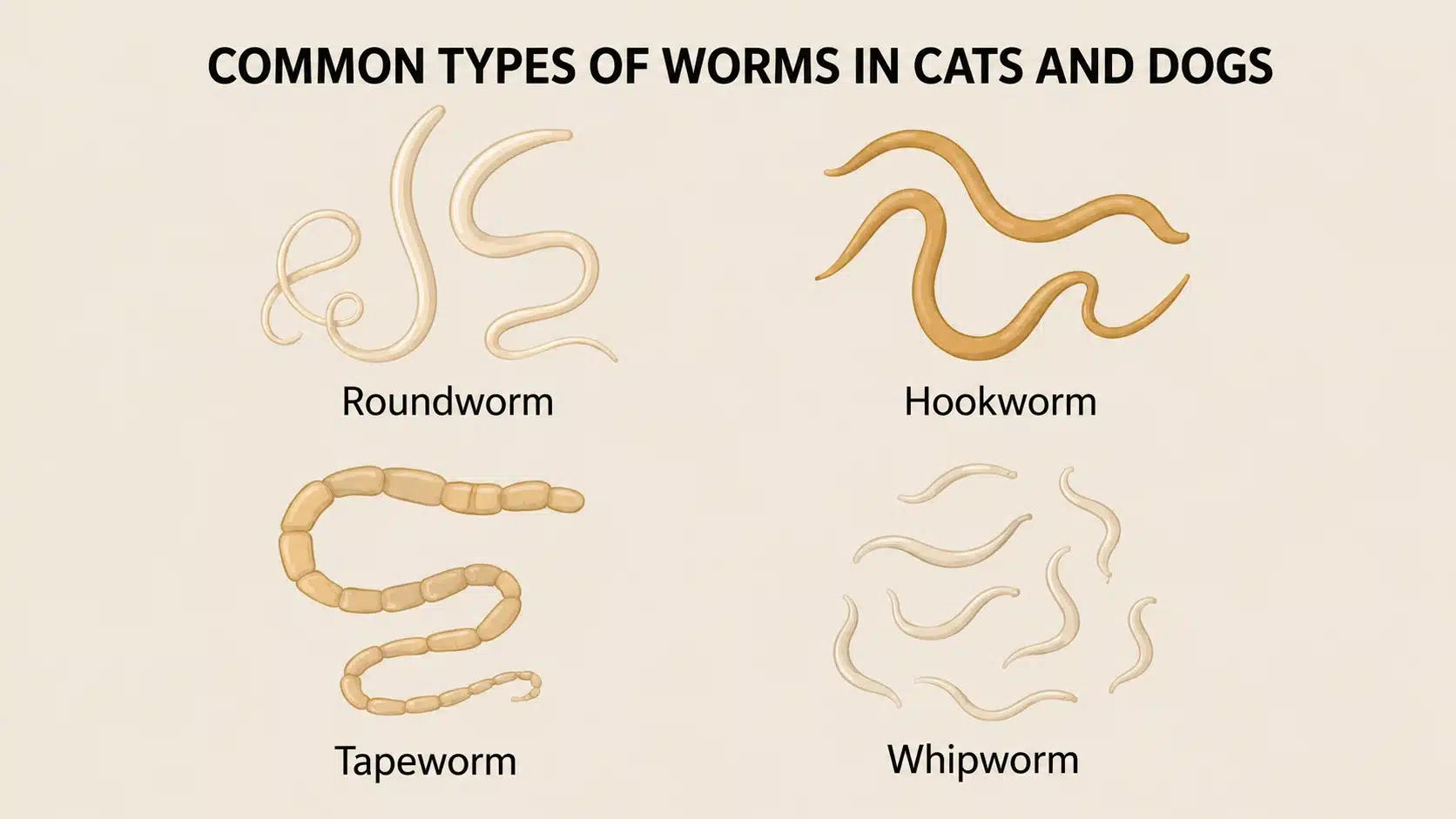
The appearance depends on the type of worm. Some are easy to notice, while others leave only microscopic eggs that a vet can find through testing.
- Roundworms: Usually look like pale, spaghetti-like strands and may appear in stool or vomit. They are more common in puppies, so young dogs should be checked quickly if you notice anything unusual.
- Tapeworms: Usually look like small, flat, rice-like segments. You may notice them in stool, near your dog’s rear, or on bedding, and fresh segments may move before drying into tiny yellowish specks.
- Hookworms: Usually too small to see with the naked eye. A fecal vet test is needed because the eggs are microscopic, and the infection may not be obvious from appearance alone.
- Whipworms: Thin and difficult to spot in stool. They are often missed visually, so testing is usually needed if your dog has ongoing digestive changes or possible exposure.
Can worms in dog poop spread to humans?
Yes, some dog worms can spread to people, though transmission is uncommon with basic hygiene.
Roundworms can cause a condition called toxocariasis in humans, which may affect the eyes or internal organs.
Hookworm larvae can penetrate skin on contact with contaminated soil, causing an itchy, winding rash known as cutaneous larva migrans.
Tapeworms can infect humans if they accidentally swallow an infected flea.
Children, gardeners, and anyone who spends time barefoot in areas where dogs defecate face the highest risk.
Washing hands after handling your dog, cleaning up waste promptly, and keeping your dog dewormed are the most effective ways to reduce the risk.
Signs of Worms in Dog Poop
Some dogs act normally during the early stage of a worm infection. Others may show changes depending on the worm type, parasite load, age, and overall health.
Common signs to watch for include:
- Visible worms or rice-like segments in stool
- Worms in vomit
- Scooting or licking around the rear
- Swollen belly
- Dull coat
- Diarrhea or soft stool
- Vomiting
Puppies can be affected more seriously than healthy adult dogs. They may develop vomiting, diarrhea, a pot-bellied look, poor coat quality, weight loss, or slow growth.
Hookworms need quick attention because they feed on blood. In severe cases, they may lead to anemia, weakness, dark stools, and low protein levels.
Worms in Dog Poop: Best Treatment Methods
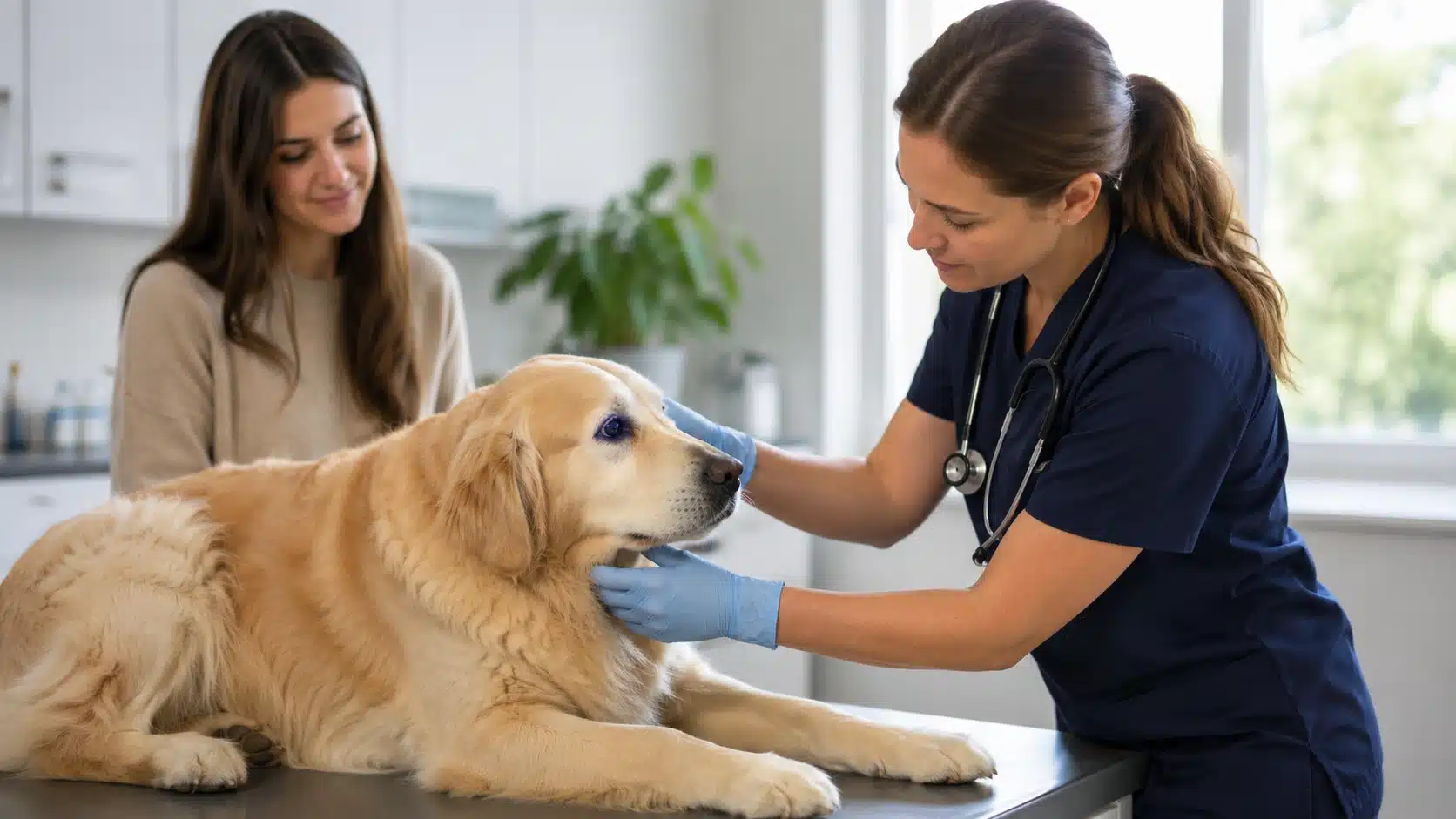
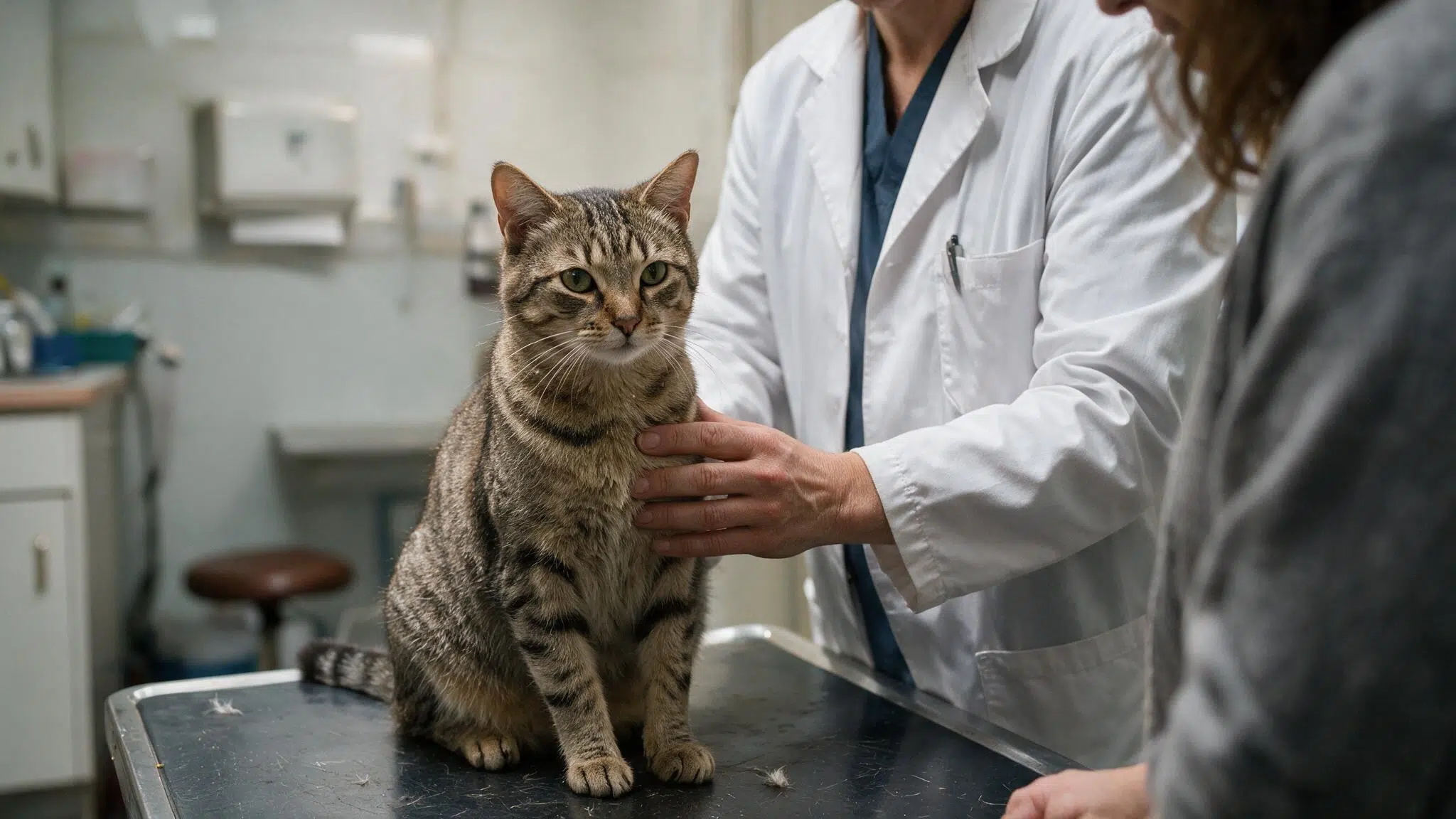
Treating worms starts with the right diagnosis. Once your vet confirms the parasite type, they can choose the safest dewormer and help prevent the infection from coming back.
1. Call Your Vet and Collect a Fresh Sample
If you see worms in dog poop, call your vet and collect a fresh stool sample as soon as possible. A fresh sample gives your vet a better chance of correctly identifying the parasite.
Try to collect the sample before it dries out or gets mixed with dirt, grass, or litter. Do not try to guess the worm type based on appearance alone, as different parasites can look similar.
The wrong dewormer may not clear the infection. A vet-guided diagnosis is the safest first step.
2. Get a Fecal Test Done
Your vet may run a fecal test to check for parasite eggs under a microscope. This helps confirm the worm type and choose the right treatment.
Sometimes, one test may not catch everything. Some parasites do not shed eggs every day, so your vet may suggest repeat testing.
A fecal test also helps rule out other digestive issues that can look similar. This is useful if your dog has diarrhea, vomiting, weight loss, or soft stool along with visible worms.
3. Handle the Sample Safely
Place the stool sample in a clean bag or sealed container. Keep it away from children, other pets, and food surfaces.
Wash your hands well after collecting it. Fresh samples are usually more useful, so try to bring it to the vet as soon as you can.
If you cannot go right away, ask your vet how to store the sample. Do not leave it open in the yard or inside the house, as it may spread contamination.
4. Use the Right Dewormer
Your vet will prescribe a dewormer based on the specific parasite, your dog’s weight, age, and health. Some worms need one type of medication; others need a different treatment entirely.
Many require multiple doses because dewormers kill adult worms but don’t always reach developing larvae.
Don’t stop treatment early unless your vet says so. Skipping doses can allow the infection to continue or return.
5. Know What to Expect After Treatment
You may see dead or dying worms after treatment. It can look unpleasant, but it often means the medication is working.
Some dogs may also have mild loose stool or temporary stomach upset. Your vet may recommend a follow-up fecal test to confirm the infection is fully cleared.
Call your vet if vomiting, diarrhea, weakness, or poor appetite become severe or last longer than expected. A short reaction can happen, but worsening symptoms need attention.
6. Be Careful with Over-the-Counter Dewormers
Over-the-counter dewormers can be tempting, but they do not treat all types of worms. A product that works for one parasite may not work for another.
Some products may also miss certain life stages. If the infection continues, your dog may stay at risk, and reinfection can become easier.
Using the wrong product can waste time and delay proper care. This matters more for puppies, senior dogs, small dogs, and dogs with pale gums or weakness.
7. Use Natural Options only as Support
Pumpkin, carrots, and gentle fiber-rich foods may support stool quality for some dogs. They should not replace fecal testing or proper deworming.
A real worm infection needs vet-guided treatment. Natural options can support recovery, but they cannot reliably clear intestinal parasites on their own.
Avoid giving oils, herbs, or supplements without first asking your vet. Some home remedies can upset your dog’s stomach or interfere with proper treatment.
Why Preventing Worms in Dog Poop Matters
Prevention matters because worms can come back even after treatment. Dogs may be re-exposed through fleas, soil, shared outdoor spaces, infected waste, or prey animals.
Monthly preventive measures can lower the risk of recurrent infections. Your vet can suggest the right option based on your dog’s age, weight, lifestyle, and local parasite risk.
Routine stool checks also help catch infections early. This is useful because some worms are not visible until the infection becomes more developed.
Clean outdoor habits make a big difference, too. Pick up waste quickly, keep play areas clean, cover sandboxes, and teach children to wash their hands after touching pets or playing outside.
Flea control is just as important, especially for preventing tapeworms. If fleas are still present, worms can return even after your dog has been treated.
Best Ways to Prevent Re-infection
Prevention works best when you focus on the full cycle: your dog, fleas, waste, soil, and shared spaces.
- Use monthly preventives: Ask your vet for a parasite preventive that fits your dog’s age, weight, lifestyle, and local risk. Many monthly preventives protect against more than one type of worm.
- Do routine fecal exams: Regular stool checks help catch infections before worms become visible. Puppies and dogs that spend more time outdoors may need testing more often than adult indoor dogs.
- Clean up waste quickly: Pick up after your dog in the yard, on walks, and in shared spaces. Parasite eggs can move from stool into soil, where dogs and people may later come into contact with them.
- Control fleas year-round: Fleas can spread tapeworms when dogs swallow infected fleas while grooming. If fleas are still present, reinfection can happen even after treatment.
- Keep play areas safe: Cover sandboxes, clean outdoor areas, and teach children to wash their hands after playing outside or touching pets. This lowers the risk of exposure from contaminated soil or sand.
- Limit wildlife exposure: Dogs that hunt, eat rodents, dig in soil, or drink from puddles may face a higher risk.
When Your Dog Needs a Vet
Some worm infections can be treated at home, but certain symptoms should never be ignored.
Contact your vet if your dog has visible worms, rice-like segments near the tail, diarrhea, vomiting, weight loss, or a swollen belly.
- Blood in stool or black stool
- Pale gums or unusual weakness
- Breathing trouble
Hookworms are especially dangerous because they feed on blood and can cause anemia. Before cleaning up, take a clear photo and save a fresh stool sample in a sealed container.
Both can help your vet identify the parasite and choose the correct treatment.
Conclusion
Finding worms in dog poop is upsetting, but it does not mean you failed your dog.
Even clean, loved, well-cared-for dogs can pick up parasites from soil, fleas, prey, parks, or their mother as puppies.
The safest next step is simple: call your vet, collect a fresh stool sample, and avoid guessing the treatment.
Most intestinal worms can be treated, but the right medication depends on the type of parasite.
Prevention matters just as much as treatment. Flea control, quick cleanup, routine fecal exams, safe play areas, and puppy deworming schedules all help reduce the risk of worms returning.
If your dog has visible worms, diarrhea, vomiting, pale gums, or a swollen belly, do not wait and hope it clears on its own.
Ask your vet what to do next, and share this guide with another dog parent who may need it.
Frequently Asked Questions
Should I Keep My Dog Away From Other Pets If They Have Worms?
Yes, limit close contact until your vet confirms the worm type and treatment plan. Clean up waste quickly and avoid shared contaminated spaces when possible.
Can Worms Come Back After Treatment?
Yes. Worms can return if your dog is exposed again through fleas, contaminated soil, prey animals, or infected waste. This is why prevention, flea control, and follow-up testing matter after deworming.
Can I Still Cuddle My Dog If They Have Worms?
You can still comfort your dog, but be careful with hygiene. Wash your hands after touching your dog, cleaning waste, or handling bedding.