One second, the dog is peacefully lying on the floor. Next, it is racing through the house like a furry tornado with no brakes.
Those fast laps around the house can look funny, confusing, entertaining, and sometimes a little alarming for dog owners watching the sudden burst of energy unfold indoors.
While occasional zoomies are usually harmless, sudden changes in behavior or signs of discomfort should never be ignored by pet owners, especially if they happen repeatedly.
The answer to: why do dogs get the zoomies often comes down to energy release, excitement, stress relief, instinct, and emotional overflow after certain activities or situations.
Zoomies are normal in most dogs, especially puppies and active breeds, but they can become unsafe near stairs, slippery floors, small children, sharp furniture, or crowded spaces inside the home.
What are Dog Zoomies?
Dog zoomies, officially called Frenetic Random Activity Periods (FRAPs), are sudden bursts of running, spinning, and chaotic movement that dogs use to release pent-up energy or stress.
Veterinarians often call these episodes Frenetic Random Activity Periods, or FRAPs, and they are usually a normal part of canine behavior.
Most dogs experience zoomies when they feel excited, playful, relieved, or pent-up.
Puppies tend to get them more often because they naturally have higher energy levels and less self-control.
During zoomies, dogs may race around furniture, sprint across the yard, or dart from room to room without warning.
While the behavior can look chaotic, it is typically harmless and lasts only a few minutes before the dog calms down again.
In many cases, zoomies are simply a healthy way for dogs to release physical and emotional energy.
Why Do Dogs Get the Zoomies?
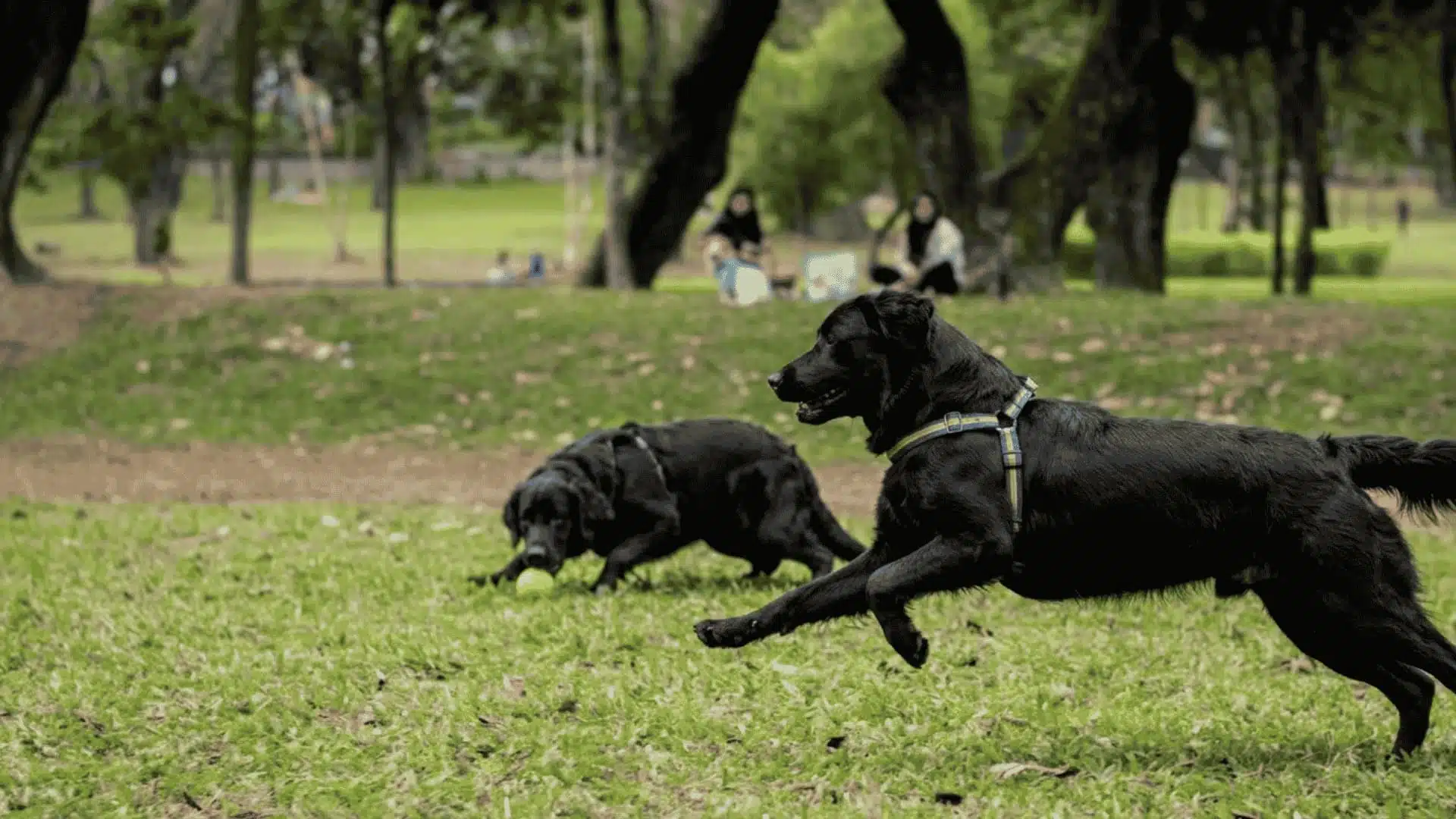
Dogs usually get the zoomies when they need to release built-up physical energy or strong emotions.
These sudden bursts of running and excitement are often completely normal and can happen during everyday moments that overstimulate or excite a dog.
1. Pent Up Energy
Dogs that spend too much time indoors or do not get enough exercise often release their unused energy all at once. This is especially common in puppies and active breeds that naturally have higher energy levels.
After long naps, crate time, or quiet periods during the day, many dogs suddenly sprint around the house or yard to burn off extra energy.
If your dog gets zoomies because they seem bored or restless, interactive toys for dogs can help turn that extra energy into something calmer and more focused.
2. Excitement and Happiness
Many dogs get zoomies during exciting moments because they express emotions physically.
I have noticed that playtime, seeing their owner return home, or even getting ready for a walk can trigger a sudden burst of excitement.
Instead of staying calm, dogs often release that happiness through running, spinning, and playful behavior. Zoomies are commonly a sign that a dog feels energetic, engaged, and emotionally stimulated.
3. Stress Relief After Baths or Grooming
Zoomies often happen after baths, grooming sessions, or veterinary visits because dogs use movement to release stress and discomfort.
Wet fur, unfamiliar handling, or overstimulation can make dogs feel restless.
Once the stressful moment ends, they may suddenly sprint around to shake off tension and return to feeling comfortable again. Many owners notice this behavior immediately after drying their dog.
4. Natural Canine Behavior
Zoomies are also linked to normal canine instincts and play behavior.
I have seen many dogs use movement to communicate excitement, release emotions, and stay physically active. Young dogs especially rely on bursts of playful activity as part of healthy development.
In most cases, occasional zoomies are simply a normal way for dogs to express themselves and enjoy moments of freedom and stimulation.
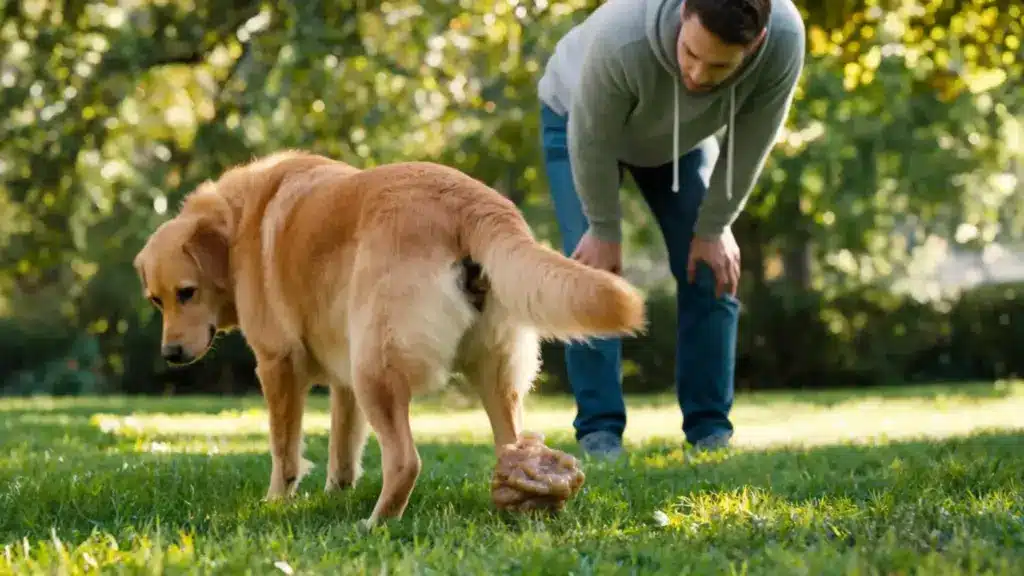
5. The Post-Potty Burst
Some dogs also get zoomies right after going to the bathroom. This sudden burst of energy often happens because they feel relieved and more comfortable after releasing built-up pressure.
In many cases, dogs also learn to associate potty breaks with praise, treats, outdoor freedom, or playtime, which can make them excited afterward.
Puppies especially tend to sprint around after pooping because they naturally have higher energy levels.
These quick zoomie sessions are usually harmless and completely normal unless they become excessive, aggressive, or paired with signs of discomfort or digestive problems.
Are Zoomies a Sign of a Happy Dog?
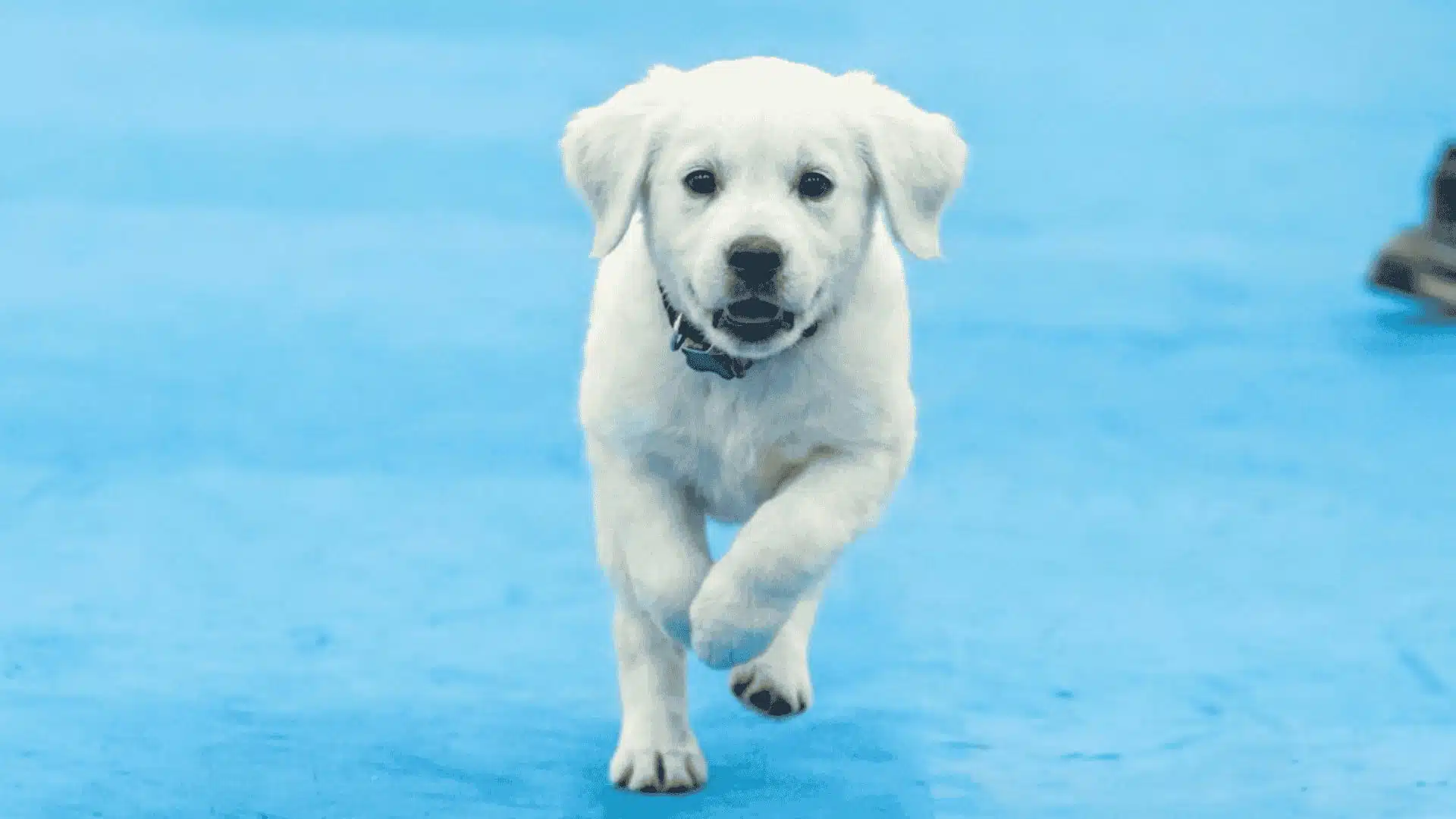
Yes, zoomies are often a sign that a dog feels excited, playful, comfortable, or emotionally stimulated.
Many dogs experience zoomies during happy moments, such as when their owner comes home, plays outside, or gets attention from people they trust.
I have noticed that these sudden bursts of energy usually happen when a dog feels safe enough to express excitement freely.
Puppies, especially, display happy zoomies because they naturally express positive emotions through physical activity. However, not all zoomies are linked only to happiness.
Some dogs also get zoomies after stressful situations like baths, grooming, or vet visits as a way to release tension. The difference usually comes down to body language.
Relaxed posture, playful behavior, and a quick recovery afterward are common signs of healthy, happy zoomies.
Should You Encourage or Stop Dog Zoomies?
Most dog owners do not need to stop zoomies unless the behavior becomes unsafe. In many cases, zoomies are a healthy way for dogs to naturally release excess energy and stress.
- A happy, excited dog will look loose and wiggly, with a bouncy stride, a flopped-out tongue, and a natural tuck of the rear end as they run. When they slow down, they will often play bow or bounce around you.
- A stressed or frightened dog zooms differently. Their body will be tense, eyes wide, and tail tucked tightly to the belly even after stopping. Their head may hang low with ears pulled back.
I usually suggest letting dogs run in a safe outdoor space or an open indoor area, since it can support their physical and mental well-being.
However, owners should still manage the environment to prevent injuries caused by slippery floors, stairs, or sharp furniture.
Instead of yelling or punishing the dog, it is better to redirect excessive energy through walks, training games, puzzle toys, or structured play sessions.
A consistent walk routine also helps, and leash training basics can make those daily energy outlets safer and easier for both of you.
When Should I Be Worried About My Dog’s Zoomies?
Dog zoomies are usually harmless, but there are times when they may signal a problem.
You should pay attention if the zoomies happen constantly, seem unusually aggressive, or are followed by limping, whining, heavy panting, or signs of pain.
Sudden, frantic running combined with scratching, biting the tail, or rubbing the body could point to allergies, fleas, irritation, or discomfort.
In older dogs, frequent zoomies may sometimes be linked to anxiety, confusion, or health conditions that need medical attention.
It is also important to watch for unsafe behavior like crashing into furniture, slipping on floors, or running into walls, as this can lead to injuries.
If your dog cannot calm down after zoomies or shows other unusual symptoms like vomiting, loss of appetite, or weakness, contacting a veterinarian is the safest step for proper evaluation and peace of mind.
Tips for Managing Dog Zoomies Safely
Dog zoomies are usually harmless, but managing them properly can help prevent injuries and reduce overly chaotic behavior indoors. Creating healthy routines and safe outlets for your dog’s energy makes zoomies easier to handle without stopping the behavior completely.
- Daily Exercise: Regular walks, play sessions, and outdoor activity help dogs burn excess energy before it builds up into intense zoomies.
- Mental Stimulation: Puzzle toys, sniff games, and obedience training keep dogs mentally engaged and reduce boredom-related hyperactivity.
- Safe Open Spaces: Clear areas with fewer obstacles help prevent dogs from slipping, crashing into furniture, or hurting themselves during zoomies.
- Consistent Routine: Dogs often behave better when feeding times, naps, walks, and play sessions happen on a predictable schedule.
- Calm Evening Activities: Avoid highly stimulating games right before bedtime, especially with puppies that tend to get nighttime zoomies.
- Positive Redirection: Instead of yelling or chasing the dog, redirect extra energy into fetch, tug games, or short training exercises.
- Watch for Overstimulation: Frequent uncontrollable zoomies paired with anxiety, panting, or destructive behavior may signal stress or insufficient daily activity.
Conclusion
Dog zoomies may look chaotic, but in most cases, they are a completely normal part of canine behavior.
Dogs often use these sudden bursts of energy to release excitement, stress, happiness, or pent-up physical energy, which helps explain why dogs get the zoomies so often after playtime, baths, or exciting moments.
Throughout this blog, we covered what zoomies are, the most common triggers behind them, why they happen after certain activities, and when owners should manage the behavior more carefully.
I have also shared how safe environments, regular exercise, mental stimulation, and healthy routines can make zoomies easier to handle.
Understanding your dog’s energy patterns helps you respond with confidence instead of concern.
Does your dog have a funny zoomie routine or favorite trigger moment? Share your experience in the comments below.
Frequently Asked Questions
Can Senior Dogs Get the Zoomies?
Yes, older dogs can still get zoomies occasionally. However, sudden, intense running in senior dogs should be monitored carefully, as joint pain or mobility issues may increase injury risk.
Do Certain Dog Breeds Get Zoomies More Often?
High-energy breeds like Border Collies, Labrador Retrievers, and Huskies tend to experience zoomies more frequently because they naturally require more physical activity and mental stimulation.
How Long Do Dog Zoomies Usually Last?
Most Zoomie episodes last anywhere from a few seconds to several minutes. Dogs typically calm down naturally once they release their built-up excitement or energy.