

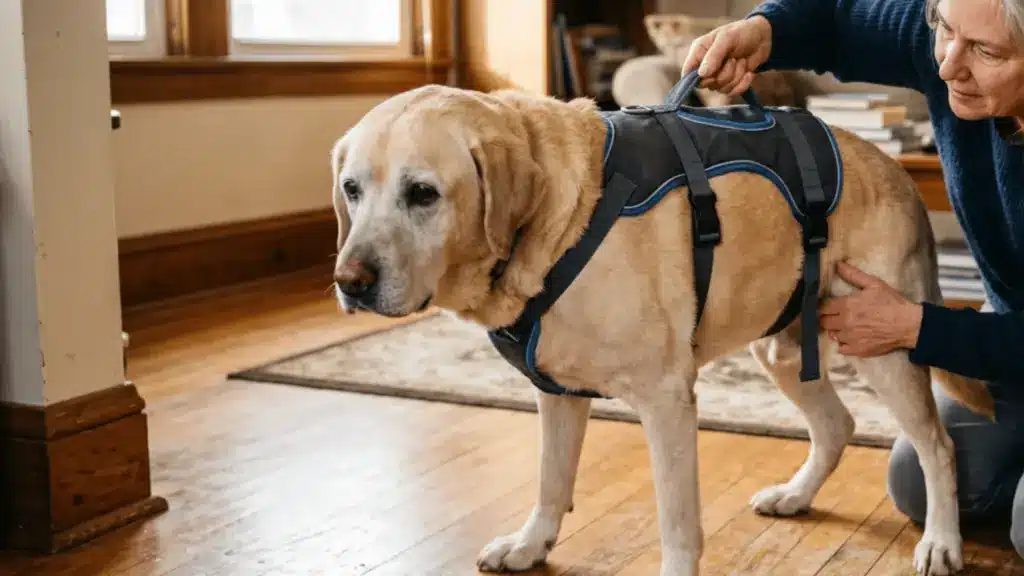
Your dog tries to stand up, and their back legs just give out. That moment can stop your heart.
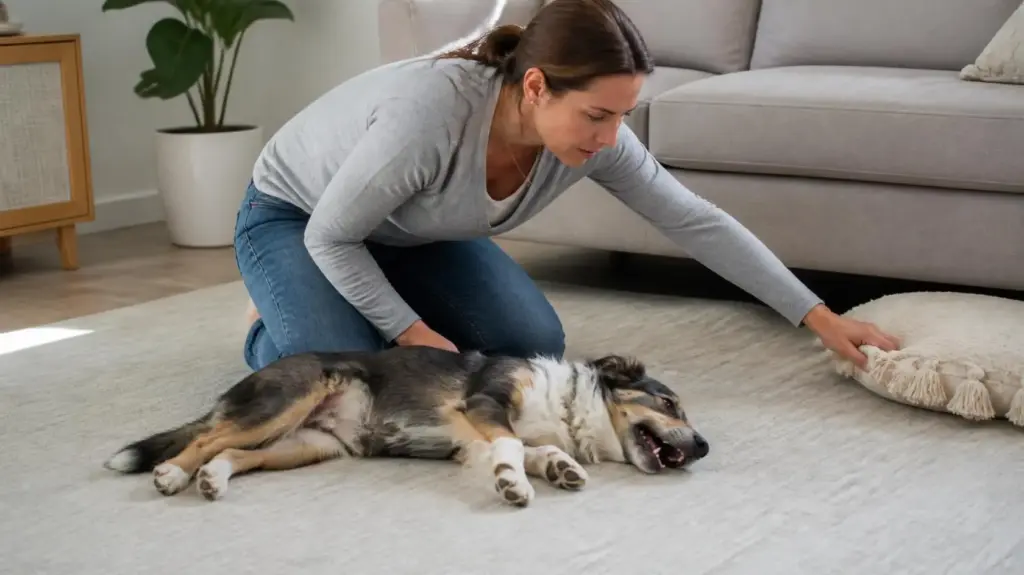
If you have noticed your old dog’s back legs collapsing, you are not alone, and you are right to take it seriously.
As a veterinarian with over years of experience treating dogs through every stage of life, I have seen this symptom more times than I can count, and I understand how frightening and heartbreaking it can feel when your loyal companion starts struggling to move.
In this blog post, I will walk you through the most likely reasons this happens, how it is diagnosed, and the real, practical steps you can take to help your senior dog live more comfortably.
Why are My Old Dog’s Back Legs Collapsing?
When a senior dog’s back legs start giving out, it is almost never “just old age.” There is usually a medical reason behind it, and identifying that reason is the first step toward getting your dog the help they need.
Back leg weakness in older dogs is one of the most common concerns I hear from pet owners, and the good news is that most causes are manageable with the right approach.
The collapse or weakness you are seeing is typically a sign that something is affecting the muscles, nerves, joints, or spine.
The underlying issue matters because treatment varies significantly depending on the root cause.
Common Causes of Dogs’ Back Legs Giving Out
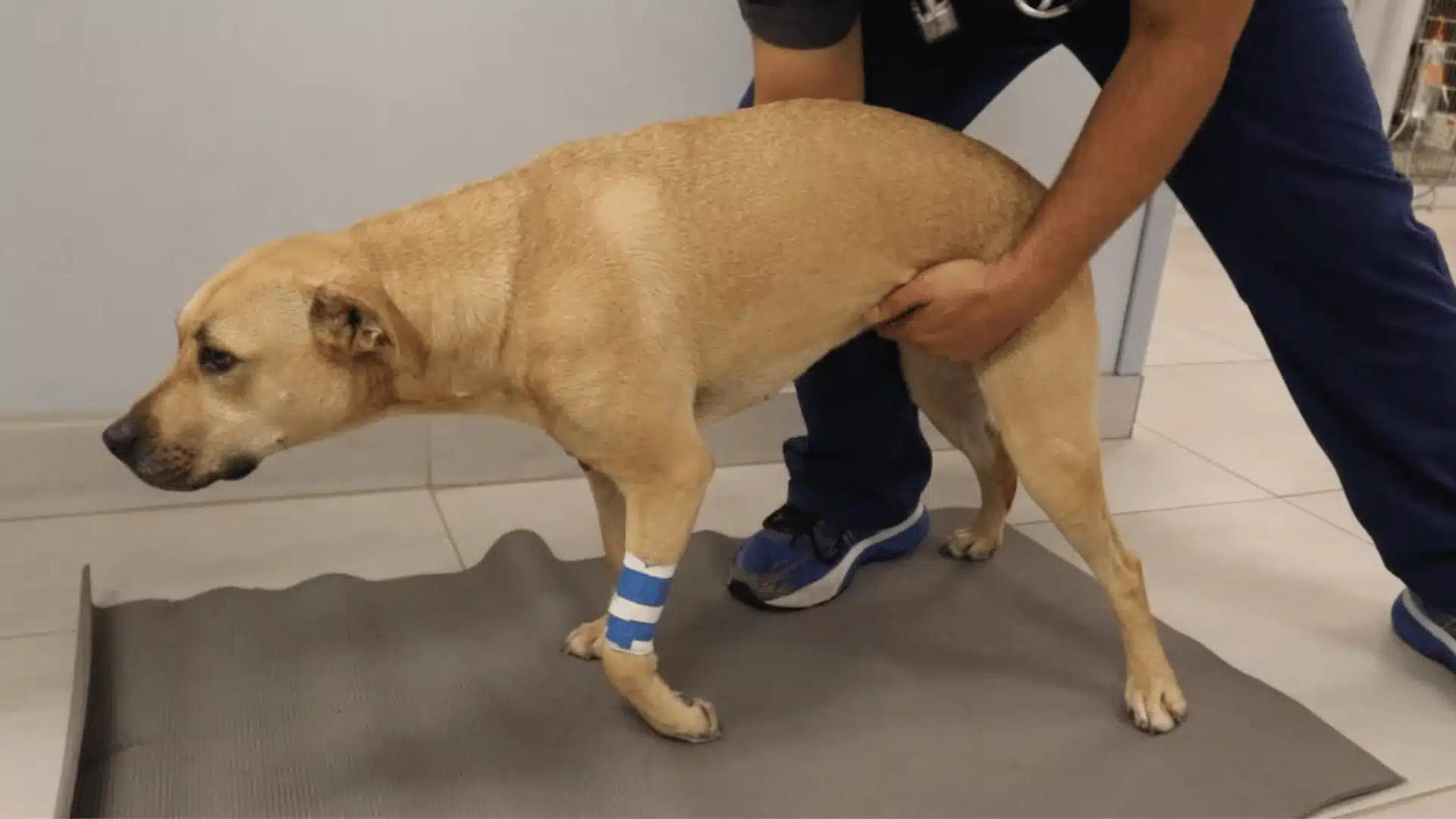
Several age-related conditions can cause dogs’ back legs to give out, ranging from joint pain to neurological disorders that gradually reduce strength, coordination, and mobility.
1. Degenerative Myelopathy
Degenerative myelopathy is a progressive spinal cord disease commonly seen in older dogs, especially German Shepherds, Corgis, and Boxers.
The condition usually begins with subtle coordination problems like paw dragging, stumbling, or difficulty balancing on stairs.
In many cases, owners initially mistake these symptoms for normal aging. Unlike arthritis, DM is generally painless, but the weakness slowly worsens over time and can eventually lead to complete collapse of the back legs.
Early supportive care may help maintain comfort and mobility longer.
2. Hip Dysplasia and Arthritis
Hip dysplasia and arthritis frequently work together to reduce mobility in senior dogs. When the hip joint becomes unstable and inflamed, dogs may struggle to bear weight on their back legs comfortably.
This pain can make it appear as though the legs are collapsing underneath them. Larger breeds are especially vulnerable as they age.
In my practice, many older dogs improve noticeably with anti-inflammatory medication, weight management, joint supplements, and physical therapy.
The goal is to reduce pressure on painful joints so daily movement becomes less of a fight.
3. Intervertebral Disc Disease
Intervertebral disc disease happens when spinal discs rupture or bulge, placing pressure on the spinal cord.
This condition is especially common in Dachshunds, Beagles, and other long-bodied breeds.
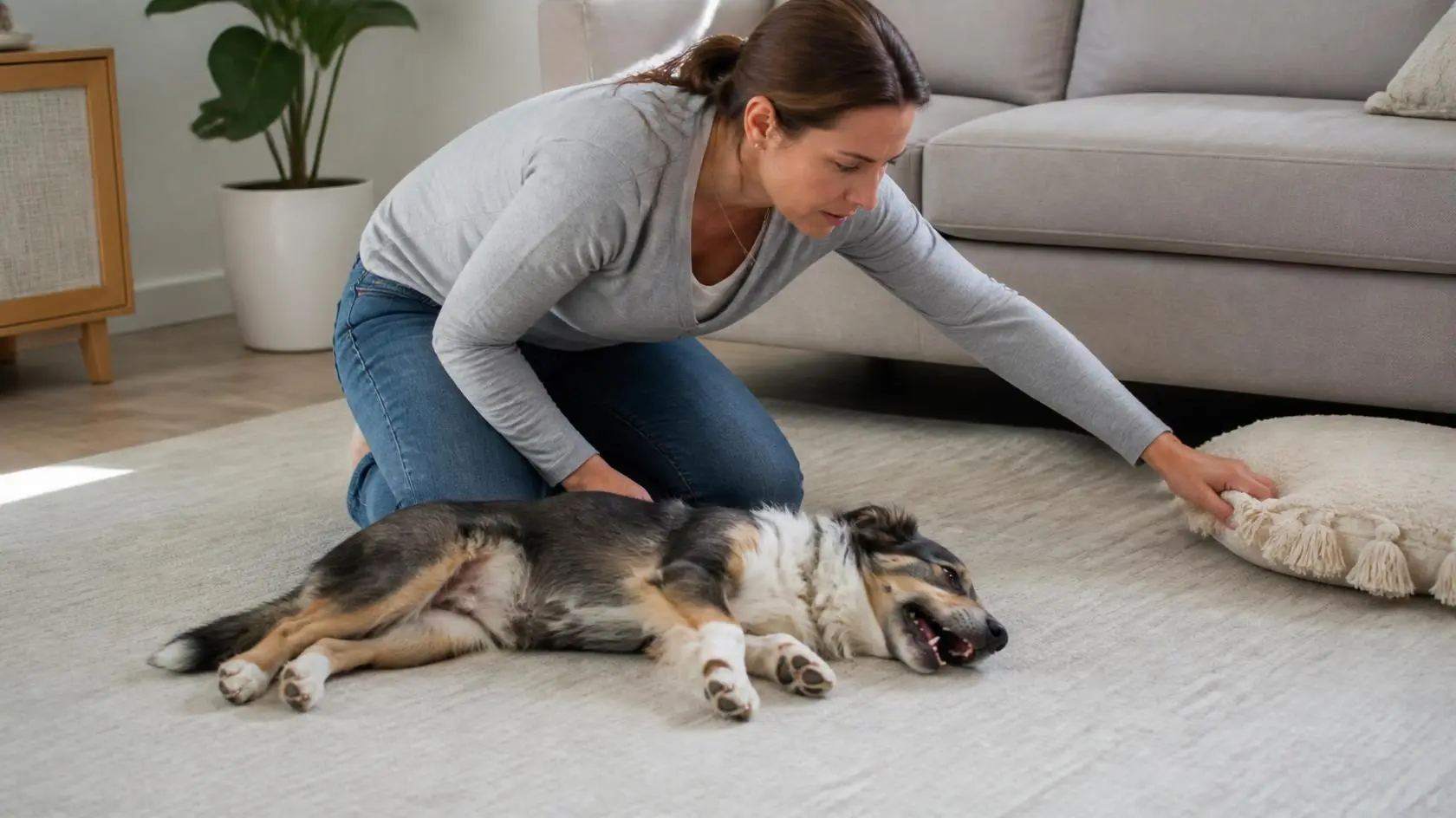
Unlike slower conditions such as degenerative myelopathy, IVDD can develop very suddenly. A dog may appear completely normal one day and lose hind leg function the next.
Many dogs also show signs of pain, trembling, or reluctance to move. Quick veterinary treatment is extremely important because early intervention may significantly improve recovery chances.
4. Spinal Stenosis
Lumbosacral stenosis develops when the lower spinal canal narrows and compresses nearby nerves. This pressure can lead to weakness, pain, and instability in the hind legs.
Many affected dogs struggle to rise after resting, hesitate before jumping into cars, or occasionally lose balance while walking.
Large-breed dogs are more commonly diagnosed with this condition as they age. Depending on severity, treatment may include anti-inflammatory medication, rehabilitation exercises, lifestyle adjustments, or surgery aimed at relieving pressure on the spinal nerves.
5. Muscle Loss in Senior Dogs
As dogs age, they naturally lose muscle mass and overall strength, especially if activity levels decline.
This age-related muscle loss, called sarcopenia, can make standing, climbing stairs, and walking much harder for senior dogs.
Weak muscles also reduce stability, increasing the risk of slipping and collapsing. In many cases, gentle exercise routines, physical rehabilitation, and proper nutrition help slow this decline.
Understanding when dogs are considered seniors can help you start proactive care before significant muscle loss sets in.
When to Seek Urgent Veterinary Care
Most hind leg weakness in senior dogs develops gradually. But some signs mean you shouldn’t wait for a scheduled appointment:
- Sudden complete loss of hind leg function (possible IVDD)
- Crying out in pain, trembling, or refusing to move
- Loss of bladder or bowel control alongside leg weakness
- Rapid worsening over hours rather than days or weeks
If your dog shows any of these signs, get to a vet or emergency animal clinic the same day. With conditions like IVDD, every hour matters.
How Veterinarians Diagnose Hind Leg Weakness?
When a dog owner brings in their senior pet with back leg collapse, I follow a systematic diagnostic process. Understanding what to expect can help you prepare for that vet visit.
A thorough physical and neurological exam comes first. I assess reflexes, pain response, muscle tone, and coordination. Based on those findings, I typically recommend one or more of the following:
- X-rays: Useful for detecting arthritis, hip dysplasia, and spinal changes
- MRI or CT scan: Provides detailed imaging of the spinal cord and discs
- Blood panels: Rule out systemic diseases like diabetes, hypothyroidism, or Cushing’s disease
- EMG (electromyography): Evaluates muscle and nerve function in complex neurological cases
Getting a diagnosis is critical. Treating the wrong condition wastes time, money, and most importantly, delays relief for your dog.
Treatment Options for Senior Dogs with Hind Leg Weakness
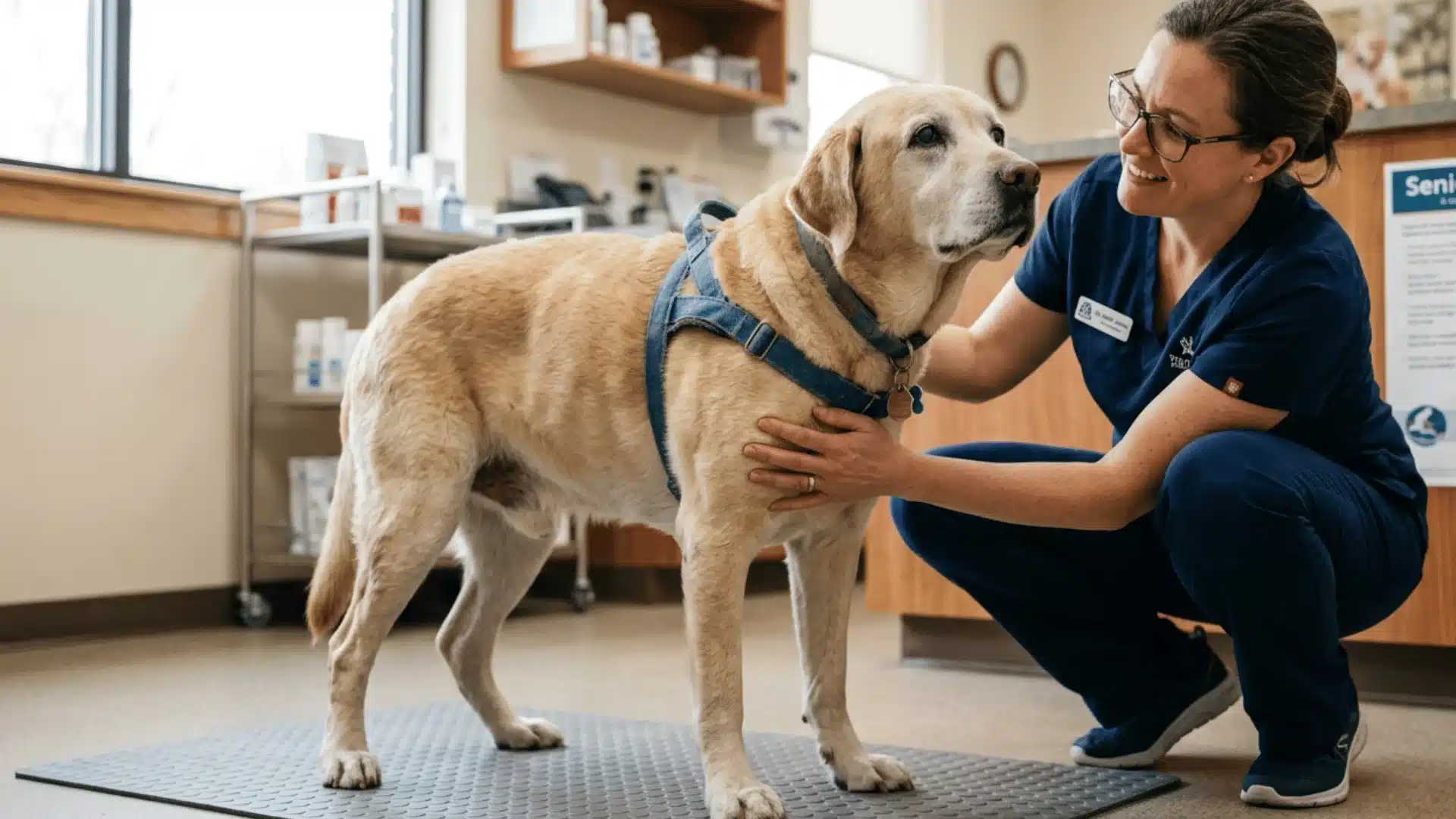
Supportive treatments can help senior dogs regain comfort, improve mobility, and maintain independence by reducing pain, strengthening muscles, and supporting long-term joint and nerve health.
1. Medical Management: Medications That Can Help
Several medications are commonly used to manage the causes of old dog back legs collapsing:
- NSAIDs (non-steroidal anti-inflammatory drugs): Reduce inflammation and pain from arthritis and joint disease
- Gabapentin: Helps manage neuropathic pain associated with spinal conditions
- Corticosteroids: Used short-term for acute disc herniations or inflammation
- Disease-modifying osteoarthritis agents (DMOAs): Support joint cartilage health over time
Never give your dog human pain medications like ibuprofen or acetaminophen. These are toxic to dogs, even in small amounts.
2. Physical Rehabilitation and Hydrotherapy
Physical rehabilitation for dogs has advanced tremendously in recent years. Certified canine rehabilitation practitioners use targeted exercises, massage, and hydrotherapy (underwater treadmill) to rebuild strength and improve coordination.
I have seen dogs who were barely able to stand regain the ability to walk independently after a consistent rehabilitation program.
It takes patience and commitment, but the results can be remarkable.
3. Assistive Devices: Wheelchairs and Harnesses
For dogs with severe or irreversible hind limb weakness, mobility aids can significantly improve the quality of life. Rear-support harnesses allow owners to assist their dog during walks.
Custom dog wheelchairs, yes, they exist, and can give dogs with complete hind limb paralysis the freedom to move around independently.
I’ve had clients who initially resisted the wheelchair idea; it felt too extreme, too final.
Then they watched their dog zoom around with obvious joy in that cart, and the conversation changed completely.
4. Acupuncture and Holistic Approaches
As a practitioner with a focus on holistic medicine, I often incorporate acupuncture into treatment plans for dogs with neurological or musculoskeletal conditions.
Research supports its use for pain management and, in some cases, nerve regeneration.
Omega-3 fatty acids, particularly EPA and DHA from fish oil, also have solid evidence behind them for reducing inflammation and supporting nerve health in aging dogs.
What Other Pet Owners are Saying on Reddit?
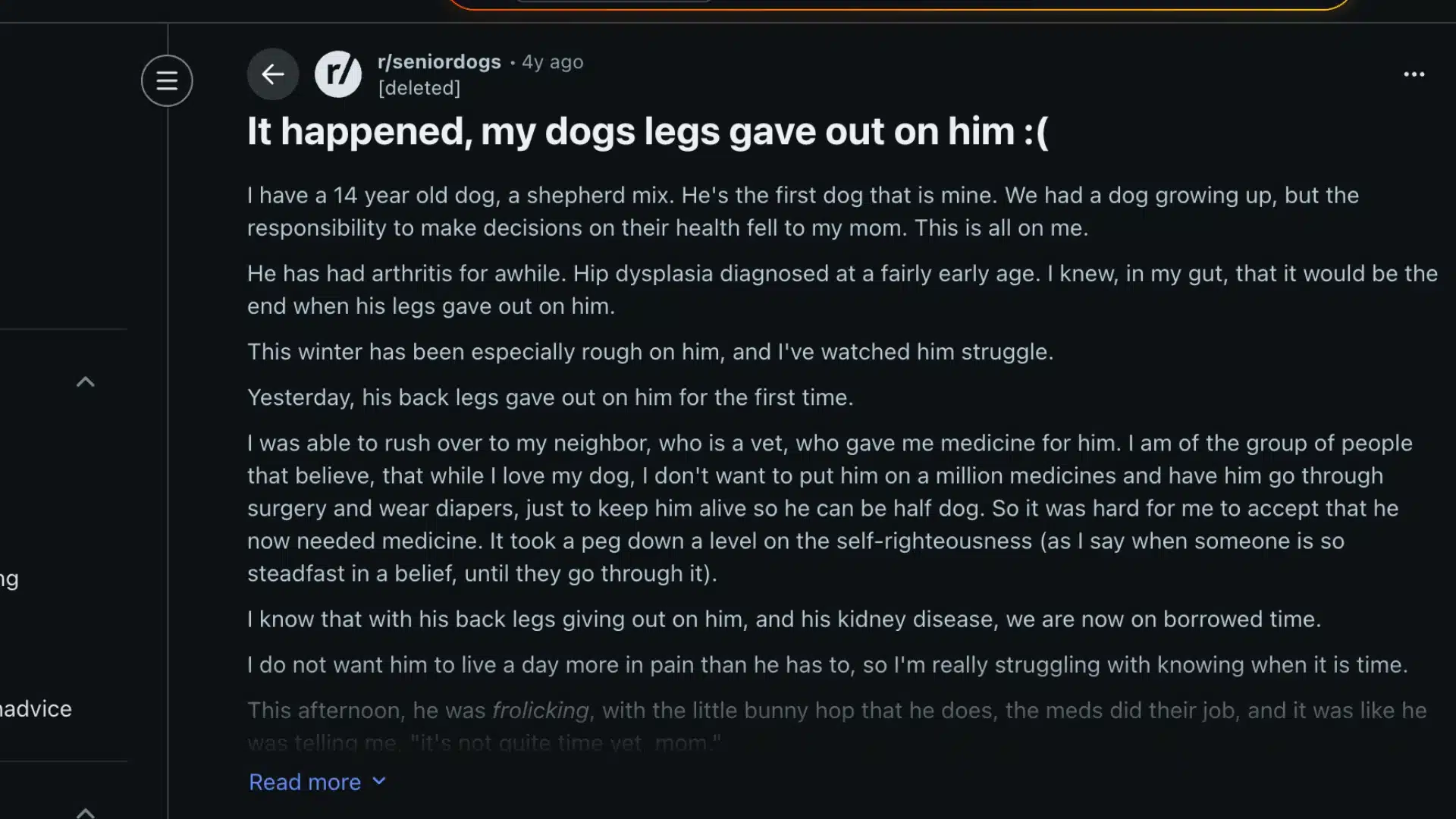
Many senior‑dog owners describe back‑leg collapse as one of the most emotionally draining parts of caring for an aging dog.
They recount watching a bright‑minded pet struggle to stand, slip on floors, or slowly lose balance, sometimes needing slings, harnesses, or wheelchairs just to move.
On Reddit, threads in communities are filled with candid stories of owners arranging rugs, ramps, and medications to keep their dogs comfortable, while also wrestling with guilt and grief over this gradual decline.
These real‑life accounts help families realize they are not alone in facing this painful but common stage of a dog’s life
Tips for Supporting Your Senior Dog at Home
Making simple changes at home can significantly reduce the risk of falls and improve your dog’s daily comfort:
- Non-slip flooring: Place yoga mats, carpet runners, or anti-slip rugs on hardwood and tile floors to give your dog better traction
- Ramps instead of stairs: Use pet ramps for getting on and off furniture or into the car, reducing strain on weak hind limbs
- Raised food and water bowls: Lower-neck positioning reduces spinal strain during meals
- Orthopedic dog beds: Memory foam or orthopedic beds support joints and reduce pressure sores from prolonged lying down
- Consistent, gentle exercise: Short, daily walks maintain muscle mass without overexerting a dog with hind leg issues
- Regular vet check-ins: Monitoring progression every 3-6 months allows timely adjustments to the treatment plan
If your dog can still move around with some help, gentle enrichment activities can keep them mentally stimulated even when physical exercise is limited.
Conclusion
Watching your old dog’s back legs collapse is one of the more emotional parts of caring for a senior pet.
But understanding the possible causes, getting a proper diagnosis, and exploring supportive treatment options can help your dog stay comfortable and maintain a better quality of life.
Whether the issue is arthritis, degenerative myelopathy, disc disease, or age-related muscle weakness, there are still meaningful ways to support your companion through this stage.
Many senior dogs continue enjoying affection, short walks, playtime, and family interaction, even with mobility challenges.
Early care, home adjustments, and the right veterinary support can make a noticeable difference in daily comfort and confidence.
If your dog has experienced back leg weakness or collapsing episodes, feel free to leave a comment and share your experience.
Frequently Asked Questions
Can a Dog Live with Weak Back Legs?
Yes, many dogs live comfortably with weak back legs when supported through pain management, mobility aids, physical therapy, and regular veterinary monitoring.
Why Does My Old Dog Collapse After Standing Up?
Older dogs may collapse after standing because of arthritis, nerve compression, muscle weakness, poor balance, or reduced blood circulation affecting hind leg stability.
Do Slippery Floors Make Hind Leg Weakness Worse in Dogs?
Yes, hardwood and tile floors reduce traction, making dogs with weak back legs more likely to slip, fall, and lose confidence while walking.