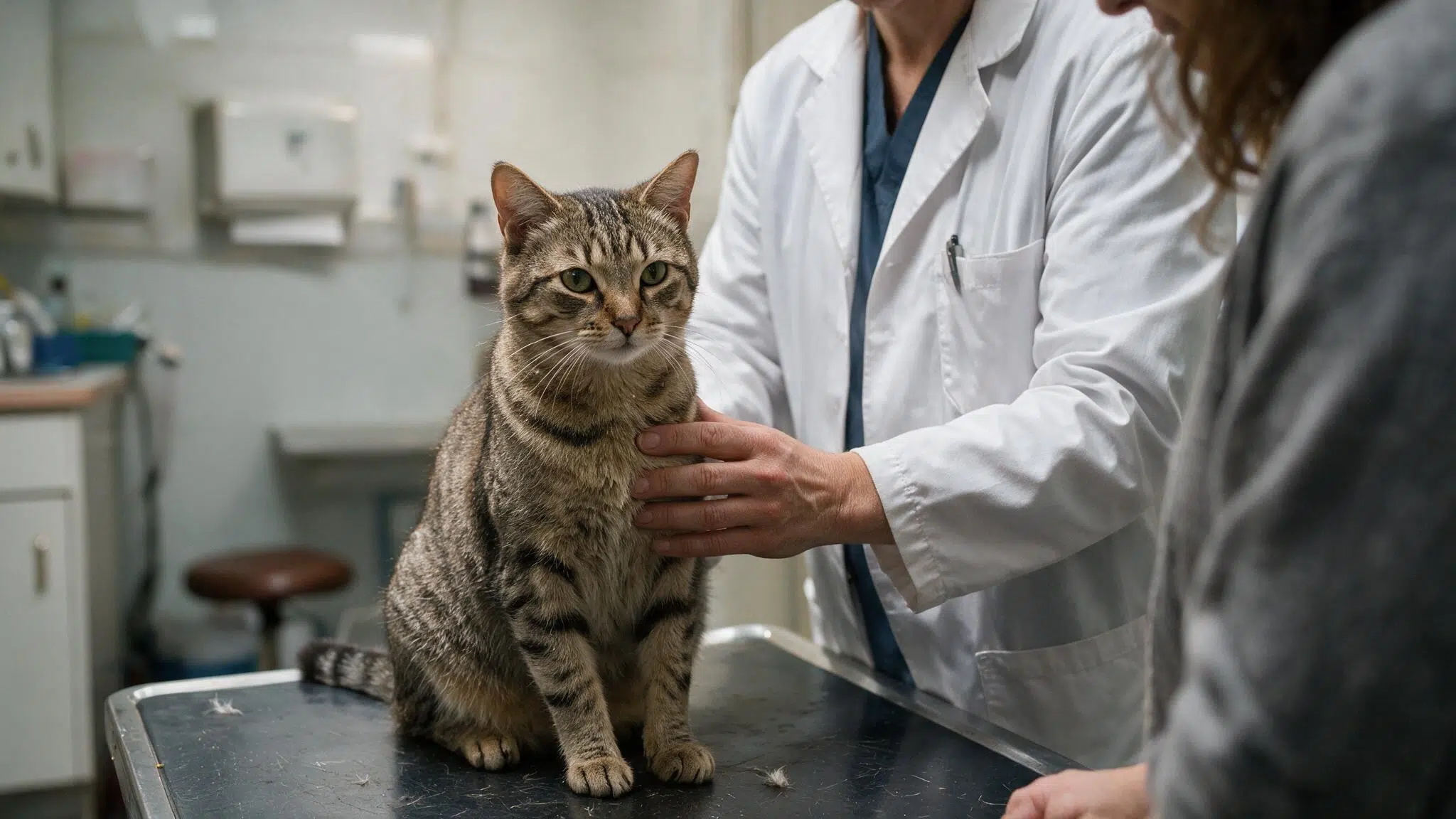



Most cat owners notice small changes in their pet’s behavior but often brush them off as nothing serious.
A missed meal, unusual silence, or sudden irritation may not seem like a big deal at first. But sometimes, these small signs point to something far more serious.
Over the years I’ve spent treating cats in clinical practice, the cases that stuck with me most were the ones where the owner had noticed something days earlier but couldn’t name what was wrong.
That hesitation cost time that the cat didn’t have. Rabies symptoms in cats can begin quietly and then worsen very quickly, leaving little time to react. This is what makes the condition so dangerous.
There is a strong need to understand what is normal and what is not in a cat’s health. The moment of doubt is where awareness matters most.
Knowing what to look for can help prevent panic and guide better decisions. It is not just about spotting symptoms; it is about recognizing when a situation needs immediate attention.
What is Rabies in Cats?
Rabies in cats is a serious viral disease that attacks the brain and nervous system. It spreads mainly through the saliva of an infected animal, usually after a bite.
Once the virus enters the body, it travels through the nerves and slowly reaches the brain, where it causes severe damage.
This condition can affect all mammals, including humans, which makes it a major health concern. Rabies symptoms in cats do not appear immediately, and a cat may seem normal for weeks after exposure.
However, once the symptoms start, the disease progresses quickly and is almost always fatal. There is no cure at that stage, which is why early prevention is so important.
Vaccination plays a key role in protecting cats from rabies. Even indoor cats can be at risk in rare cases, so regular vet care and awareness can help reduce the chances of infection.
Unvaccinated cats of any living situation face real risk, which is why following a consistent kitten vaccine schedule remains the most important line of defense.
How Do Cats Get Rabies?

Cats get rabies when the virus enters their body, most often through a bite from an infected animal.
Wild animals like bats, raccoons, foxes, and skunks are common carriers, and they can pass the virus through their saliva.
When a cat is bitten, the virus moves through the nerves toward the brain.
In some cases, scratches or open wounds exposed to infected saliva can also spread the disease, though this is less common.
Rabies symptoms in cats do not show up right away, which makes early exposure hard to notice.
Outdoor cats face a higher risk because they are more likely to encounter wildlife. However, indoor cats are not completely safe, especially if a bat enters the home.
Lack of vaccination increases the chances of infection, making prevention a key part of keeping cats protected from this deadly disease.
Symptoms of Rabies in Cats
In my clinic, the behavioral shift is often the first thing owners describe when they bring in a cat they are worried about. Knowing what to watch for starts with understanding what healthy behavior actually looks like. Reviewing the signs of a healthy cat can help you catch deviations faster.
- Behavior Changes: Sudden mood shifts, including unusual aggression, fearfulness, or extreme affection without any clear reason.
- Loss of Appetite: Reduced interest in food or complete refusal to eat, even in cats that normally have strong appetites.
- Excessive Drooling: Constant saliva buildup due to difficulty swallowing, often mistaken for dental or oral issues.
- Hydrophobia (avoidance of water): Some infected cats will avoid drinking water entirely, partly due to the painful spasms triggered by swallowing attempts. This is one of the more specific signs associated with late-stage rabies.
- Restlessness or Anxiety: Increased pacing, hiding, or inability to stay calm in familiar surroundings.
- Unusual Vocalization: Loud, persistent meowing or strange sounds that are different from the cat’s normal voice.
- Weakness and Paralysis: Gradual loss of muscle control, starting in the legs and spreading to other parts of the body.
- Seizures: Sudden, uncontrolled movements or convulsions as the brain becomes more affected.
- Lack of Coordination: Trouble walking straight, stumbling, or appearing disoriented while moving around.
How Rabies Affects a Cat’s Body?
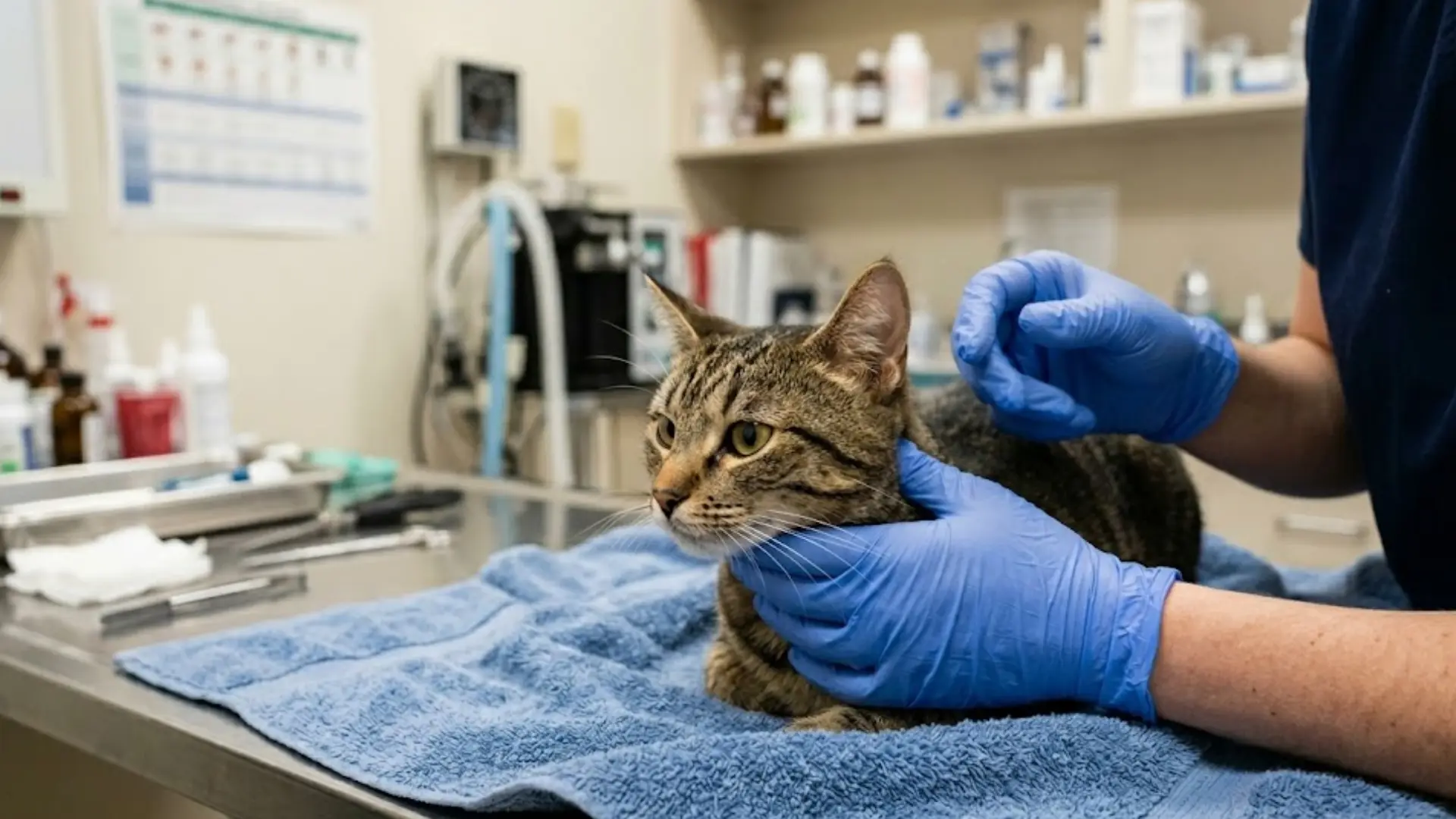
Rabies affects a cat’s body by attacking the nervous system, especially the brain and spinal cord.
After entering through a bite, the virus travels along the nerves instead of the bloodstream, which makes it harder to detect early.
As it reaches the brain, it causes inflammation that leads to serious changes in behavior, movement, and basic body functions.
This is why rabies symptoms in cats often include confusion and loss of coordination. The virus also affects the muscles that control swallowing, which leads to drooling and difficulty eating or drinking.
As the condition worsens, paralysis can begin, usually starting in the legs and spreading through the body. Breathing becomes difficult in the final stage, leading to death.
Since the damage happens inside the brain and nerves, it cannot be reversed once symptoms appear, making early prevention the only effective protection.
Timeline of Rabies in Cats
Understanding how rabies develops over time helps in recognizing the urgency of the situation. Rabies symptoms in cats do not appear immediately after exposure, which often leads to delayed action. The disease follows a clear progression, moving from a silent phase to severe symptoms within a short period.
| Stage | Timeframe | What Happens |
|---|---|---|
| Incubation Period | 2 to 8 weeks (sometimes longer) | No visible symptoms; the virus travels through nerves toward the brain |
| Early Stage | 2 to 4 days | Mild fever, low energy, behavior changes, reduced appetite |
| Furious Stage | Few days | Aggression, restlessness, unusual vocal sounds, sudden attacks |
| Paralytic Stage | 2 to 4 days | Weakness, paralysis, drooling, difficulty swallowing, and breathing |
| Final Outcome | Within 10 days after symptoms | Severe brain damage leads to coma and death |
Immediate Steps if You Suspect Rabies in Your Cat
If rabies is suspected, quick action is necessary to protect both the cat and everyone nearby. Rabies symptoms in cats can worsen rapidly, and the risk of transmission to humans is serious. Staying calm while taking the right steps can help prevent further harm.
- Avoid Direct Contact: Do not touch, handle, or try to comfort the cat, as bites or scratches can spread infection.
- Isolate the Cat Safely: Keep the cat in a secure, enclosed area away from people and other animals immediately.
- Contact a Veterinarian: Call a vet or local animal control right away for guidance on the next steps.
- Do Not Attempt Treatment: Avoid giving food, water, or medication, as this can increase risk and stress the cat.
- Warn Others Nearby: Inform family members or neighbors to stay away and avoid any interaction with the cat.
- Seek Medical Advice if Exposed: If bitten or scratched, wash the area and contact a doctor without delay.
Is There Any Treatment for Rabies in Cats?
According to the American Veterinary Medical Association, there is no effective treatment for rabies in cats once symptoms appear.
Although it can still be prevented if the cat is vaccinated. Rabies symptoms in cats progress quickly after they begin, leading to serious health decline within days.
Because of the high risk to humans and other animals, veterinarians usually recommend humane euthanasia to prevent further suffering and stop the spread of the virus.
In very rare cases, if a cat is exposed but not yet showing symptoms, immediate action such as a booster vaccination or strict quarantine may help reduce the risk.
In my experience, the owners who fare best in these situations are the ones who call the moment they know their cat has come into contact with a wild animal, not after they notice symptoms.
At that point, there are still meaningful options. However, this only works before the virus reaches the brain.
This is why prevention is critical. Keeping vaccinations up to date is the most reliable way to protect cats from rabies and avoid a situation where no treatment options are available.
Conclusion
Understanding rabies symptoms in cats is not just about knowledge; it is about acting at the right time. The signs can start small but progress quickly, making early awareness extremely important.
From how the virus spreads to the stages it follows, every detail plays a role in keeping a cat safe.
Prevention through vaccination remains the strongest protection, while quick action can reduce risks for everyone involved.
Staying alert to behavior changes can make all the difference when something feels off. Every cat owner wants to feel prepared, not caught off guard.
Have you ever noticed unusual behavior in your cat that made you pause and think? Share your experience or questions in the comments below.
Frequently Asked Questions
Can Humans Get Rabies from Cats?
Yes, humans can get rabies from infected cats through bites, scratches, or saliva exposure. Immediate medical care is critical, as untreated rabies is almost always fatal.
Is Rabies More Common In Certain Seasons?
Rabies cases can increase during warmer months when wildlife activity rises, increasing the chances of encounters between cats and infected animals outdoors.
What Happens if a Vaccinated Cat is Exposed?
A vaccinated cat may still require a booster shot and observation period, but vaccination greatly reduces the chance of developing rabies after exposure.