

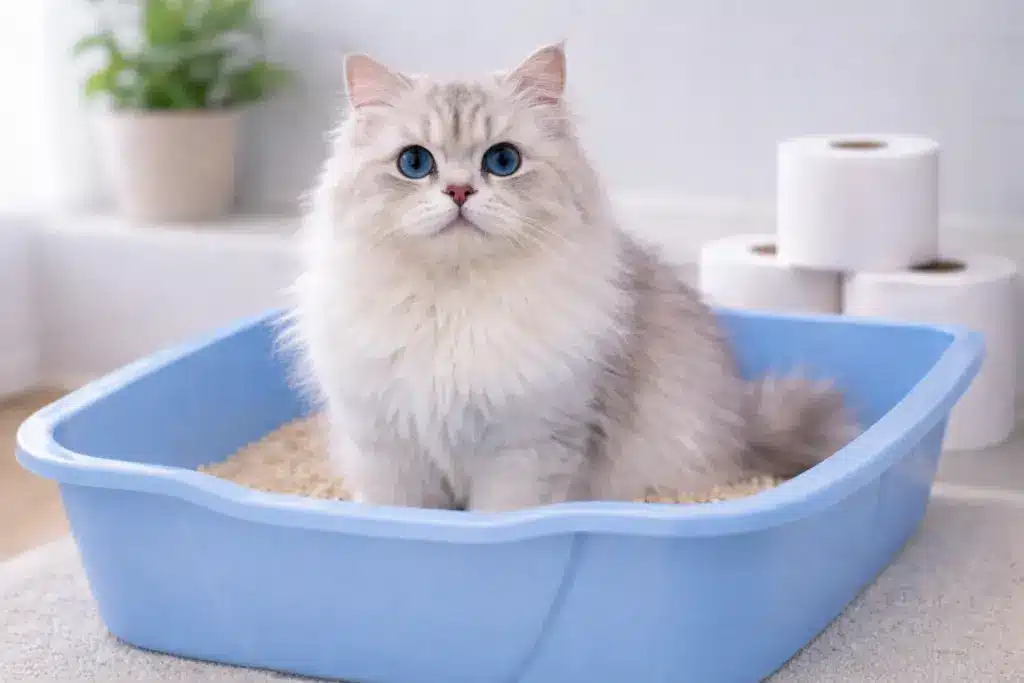
A messy litter box is never a good sign.
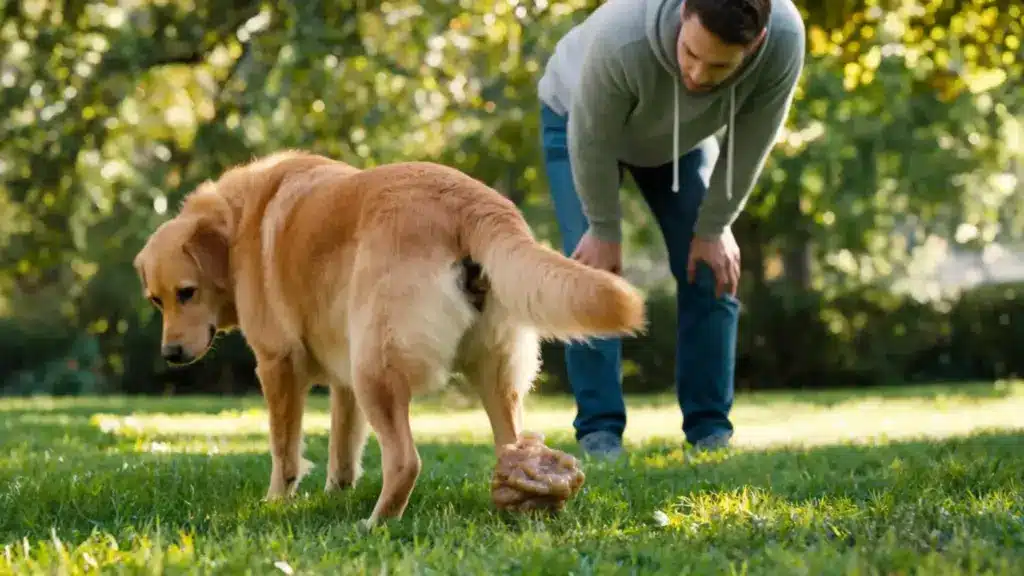
If you’ve noticed loose or watery stools from your cat, it can feel stressful and confusing.
As a licensed veterinarian with over a decade of clinical experience in Minnesota, I’ve treated thousands of cats with digestive issues, from one-off stomach upsets to chronic conditions that required months of management.
Cat diarrhea treatment is something most cat owners end up searching for at least once.
The tricky part is that diarrhea can range from a minor stomach upset to a warning sign of something more serious.
Left alone, it can quickly lead to dehydration and make your cat feel much worse.
That’s exactly why I put together this article. It walks you through safe home remedies, the right diet changes, helpful medications, and clear signs that mean a vet visit is needed.
You’ll also find out what NOT to give your cat, because some common human products are actually toxic to cats.
My goal is to give you clear, practical steps so you can act fast and help your cat recover.
Is It Serious? A Quick Check Before Anything Else
Before reading further, take 30 seconds to assess where your cat stands right now.
If you notice blood or black-tar-like stool, persistent vomiting, refusal to eat or drink, visible lethargy or weakness, or if your cat is under 6 months or over 12 years, skip home remedies and contact your vet immediately.
If none of those apply and your cat is still eating, drinking, and behaving mostly like themselves, home-based cat diarrhea treatment is a reasonable starting point.
But keep a close eye on things; they can change quickly, especially in the first 24 to 48 hours.
In my clinic, I always tell owners to trust their gut on this one. If something feels off about your cat’s behavior beyond the loose stools, don’t wait. An early visit often prevents a much bigger problem down the line.
Warning Signs Linked to Cat Diarrhea
Certain symptoms with diarrhea may indicate a serious issue. Monitoring stool color, energy levels, and vomiting patterns can help decide if urgent veterinary care is needed.
| Symptom | What It May Mean |
|---|---|
| Blood in stool | Possible bleeding, needs vet |
| Black tarry stool | Possible upper GI bleed |
| Repeated vomiting | Digestive upset requiring care |
| Lethargy | Signs of dehydration or illness |
| Yellow or greasy stool | Possible pancreatic or liver issue |
| Mucus-coated stool | Large intestine inflammation |
I keep a simple log of date, stool consistency, appetite, and energy. A 2- to 3-day log helps vet significantly.
What Causes Diarrhea in Cats?
Diarrhea in cats occurs when food moves too quickly through the digestive tract, preventing proper absorption of water and nutrients. Multiple triggers exist.
- Sudden diet changes or new treats: Rapidly altering a pet’s diet or introducing unfamiliar treats can lead to digestive upset and discomfort.
- Food allergies or intolerances: Some pets may be sensitive to specific proteins or ingredients, leading to gastrointestinal reactions.
- Parasites: Infestations by parasites such as roundworms, hookworms, or Giardia can cause stomach issues and digestive disturbances.
- Bacterial or viral infections: Infections that affect the gut lining can lead to irritation and cause gastrointestinal symptoms.
- Stress factors: Situations such as travel, the introduction of a new pet, or changes within the home environment can induce stress, impacting a pet’s digestive health.
- Chronic conditions: Ongoing health issues such as inflammatory bowel disease (IBD), pancreatitis, or hyperthyroidism can lead to persistent gastrointestinal problems.
In my Minnesota practice, the single most common trigger I see, especially between November and January, is sudden diet changes tied to holiday meals.
Owners share turkey scraps or gravy, and within 12 to 24 hours, the litter box tells the story. It happens so often that I bring it up during every fall wellness visit now.
How to Treat Cat Diarrhea at Home?
For mild diarrhea in cats, maintain regular feeding and gentle stomach care, as fasting can lead to serious liver issues, such as hepatic lipidosis.
1. Switch to a Bland Diet
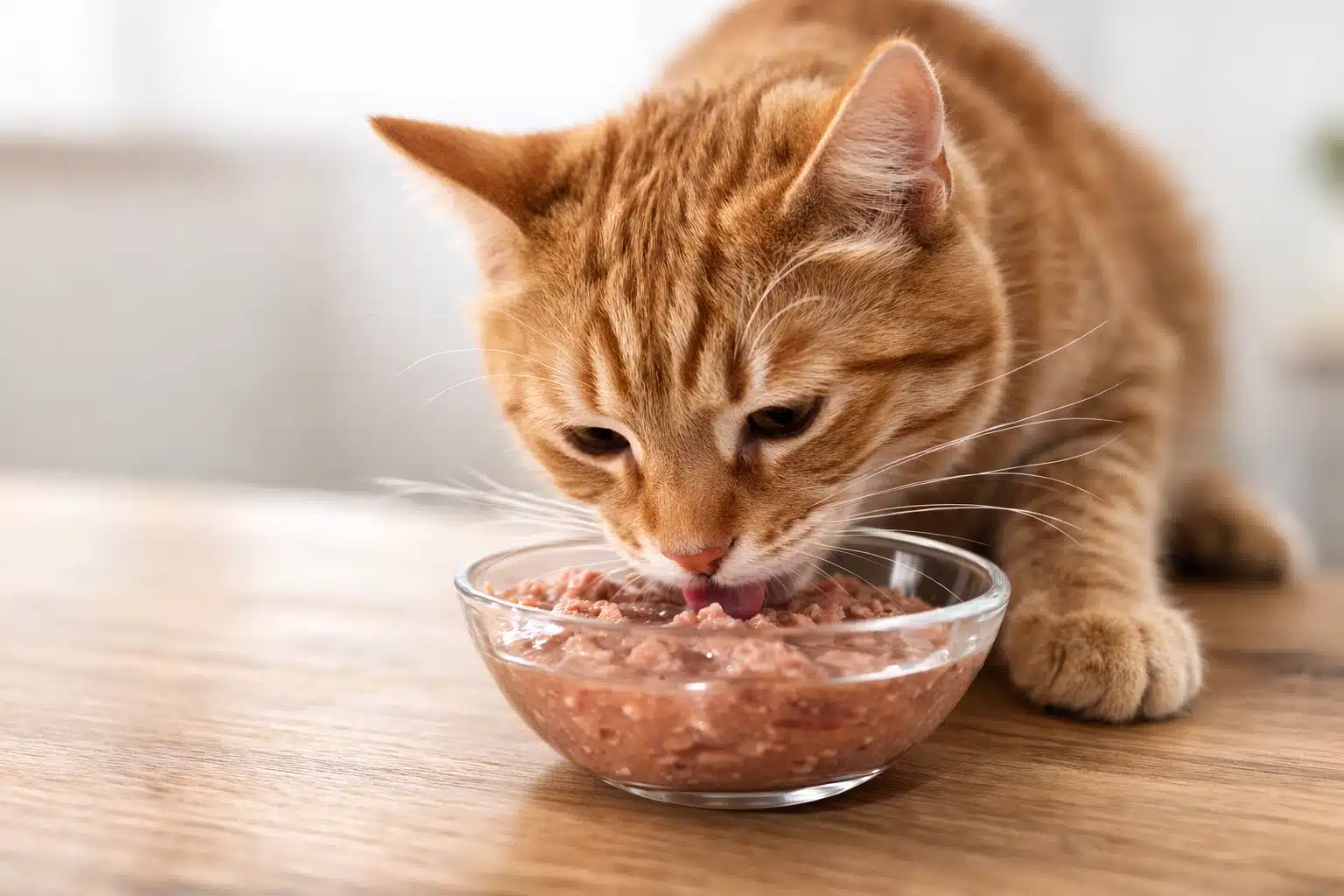
A bland diet is one of the most common steps in cat diarrhea treatment at home.
Plain boiled chicken (no skin, no bones, no seasoning) mixed with a small amount of plain white rice works well for short-term feeding.
Some cats benefit from veterinary-prescribed gastrointestinal diets tailored to sensitive stomachs or chronic conditions.
If a recent change in food triggered the problem, going back to the old food often helps. Keep treats and table scraps off the menu until stools return to normal.
In my experience, chicken works for most cats, but I’ve had a handful of patients who react poorly to it, likely due to an undiagnosed sensitivity to chicken protein.
For those cats, plain boiled turkey or white fish (like cod) tends to be a safer starting point.
If bland food doesn’t settle things within 48 hours, it’s usually time to involve your vet rather than keep experimenting with proteins.
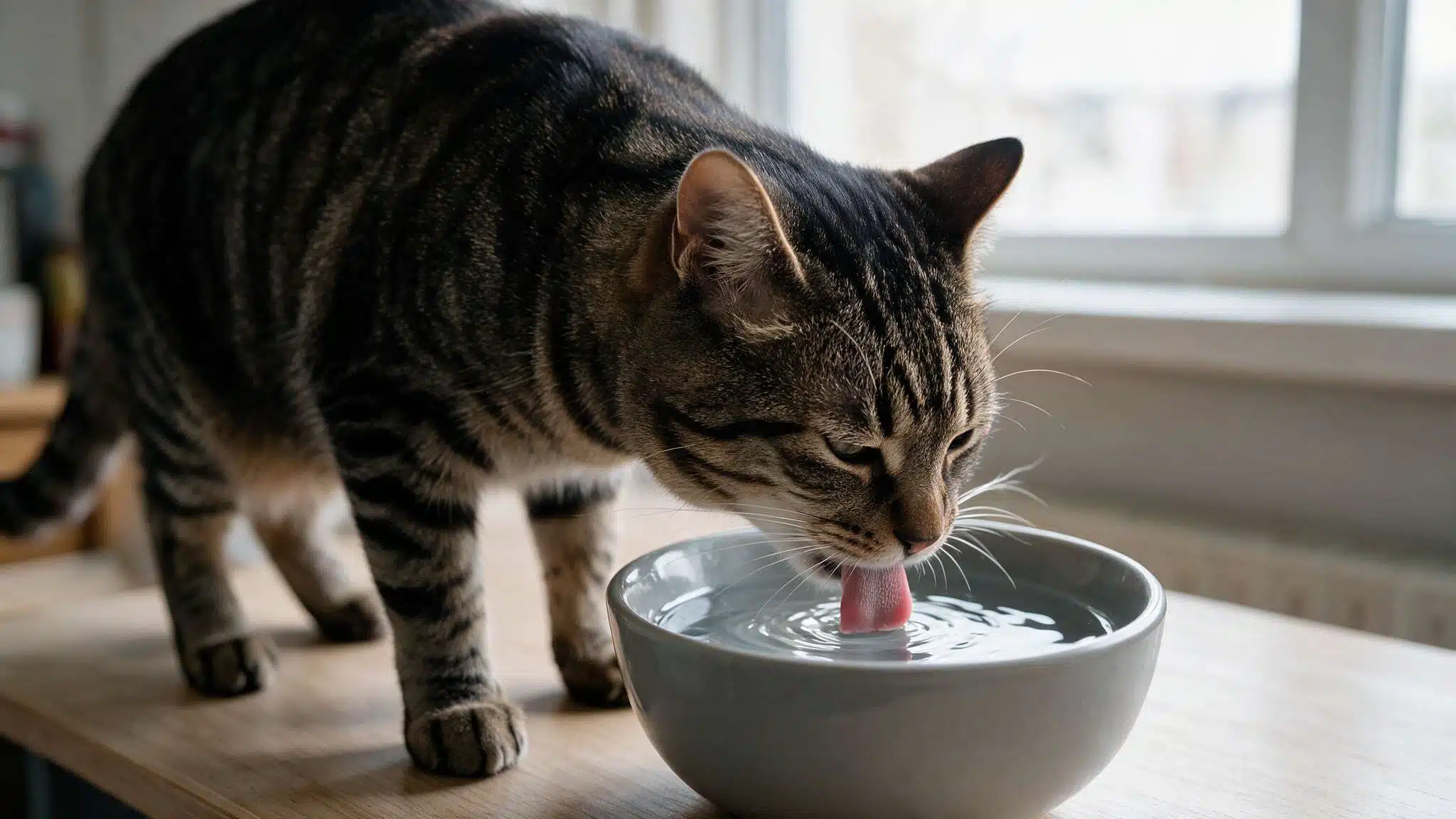
2. Keep Your Cat Hydrated
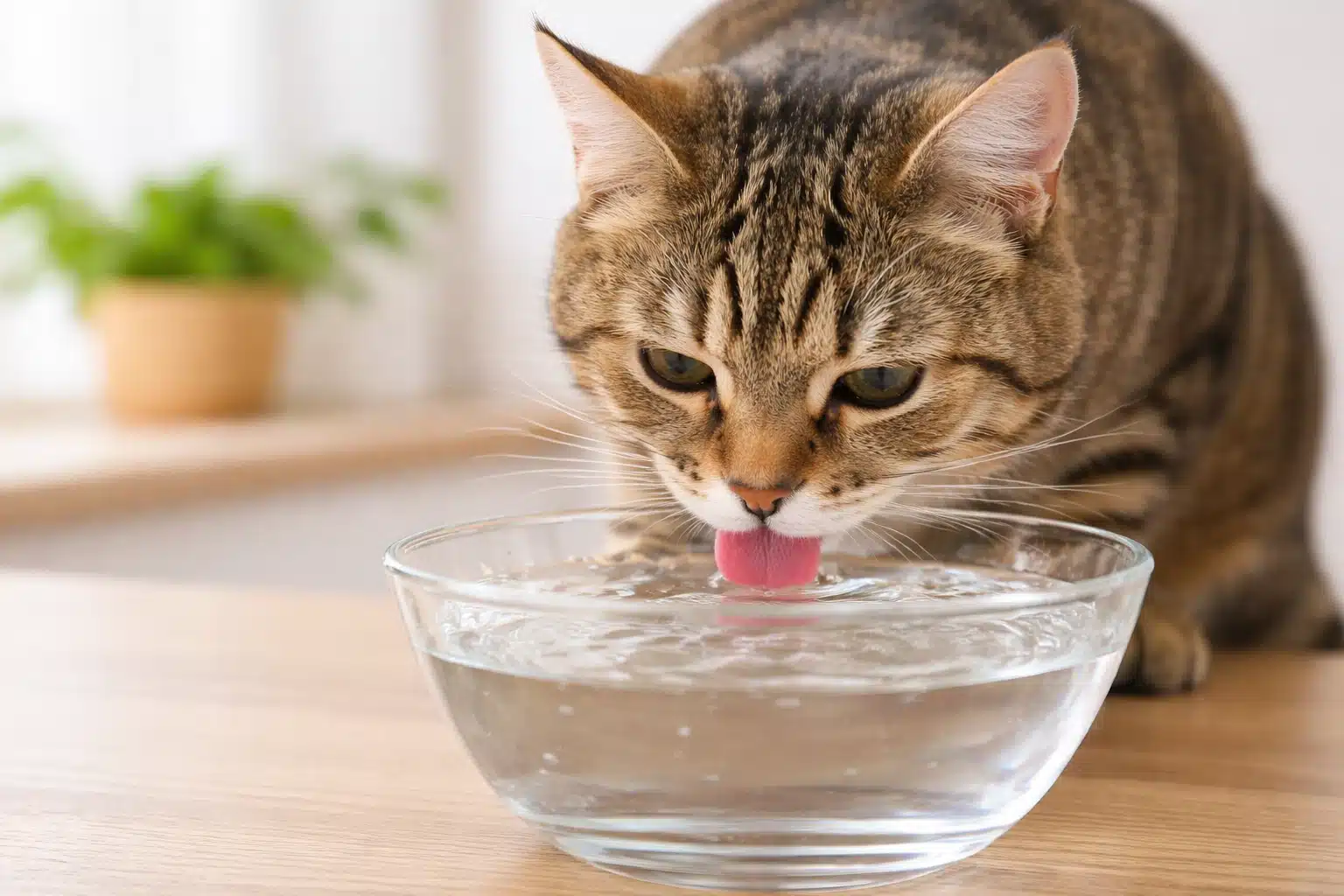
Diarrhea can quickly pull water from a cat’s body, leading to dehydration, which poses significant risks, especially for kittens and older cats.
To help mitigate this, place fresh, clean water in multiple locations around the house and offer diluted, low-sodium chicken broth (free of onion and garlic) to encourage drinking.
Additionally, temporarily switching from dry kibble to canned wet food can enhance fluid intake.
Ensuring proper hydration not only supports the overall treatment of cat diarrhea but also helps speed up the recovery process.
3. Add a Cat-Safe Probiotic
Probiotics help restore the balance of healthy bacteria in the gut. Stress, illness, and antibiotics can all wipe out beneficial bacteria, prolonging diarrhea.
Choose a probiotic supplementmade specifically for cats from a trusted brand.
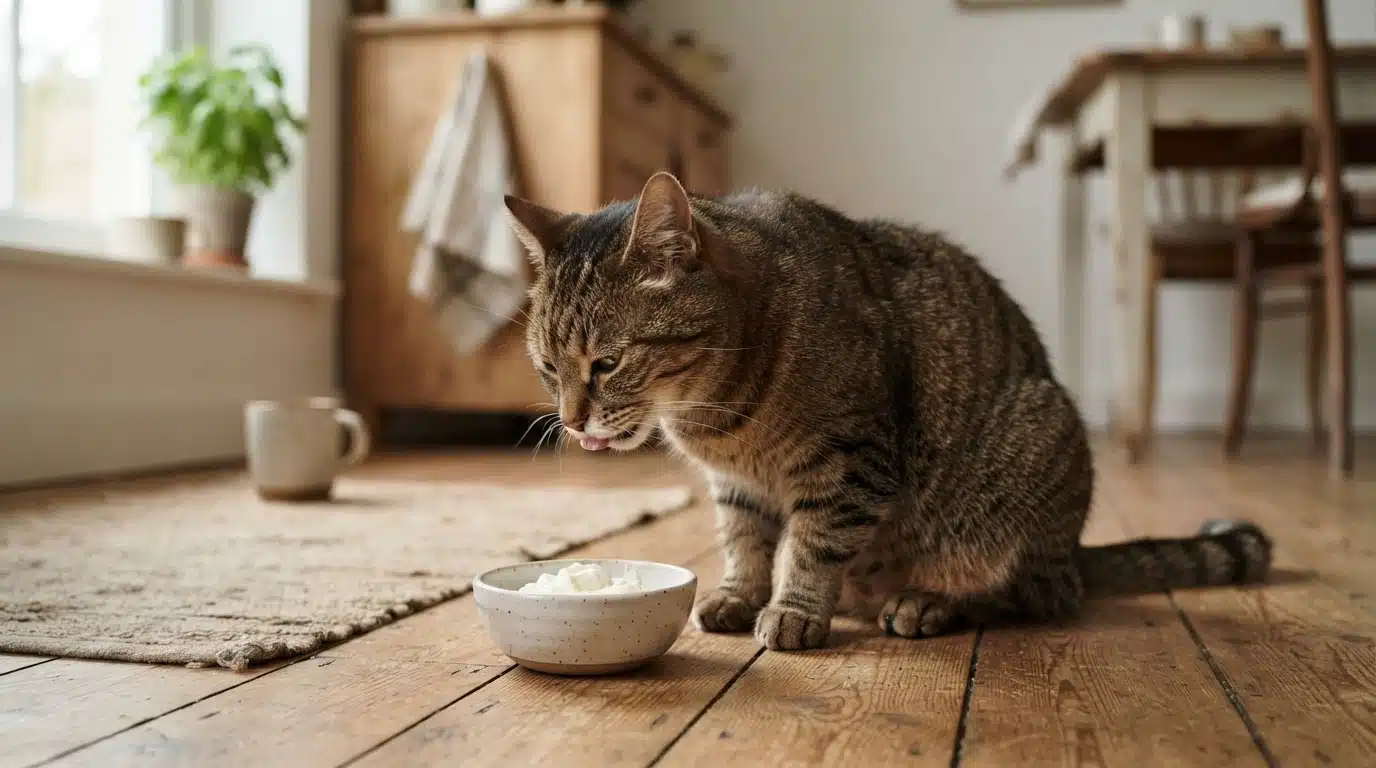
Human probiotics and yogurt are not helpful for felines. Yogurt, in particular, contains dairy and sugar that can worsen the issue.
A good probiotic is a simple addition that supports long-term digestive health as part of any cat diarrhea treatment plan.
One thing I correct almost weekly in my practice: owners buying human probiotic capsules and sprinkling them on cat food, assuming “bacteria are bacteria.”
The strains in human supplements are selected for the human gut, not the feline gut.
Products like FortiFlora or Proviable are formulated with strains that have been studied in cats. It’s a small distinction that makes a real difference in results.
4. Use Fiber Supplements
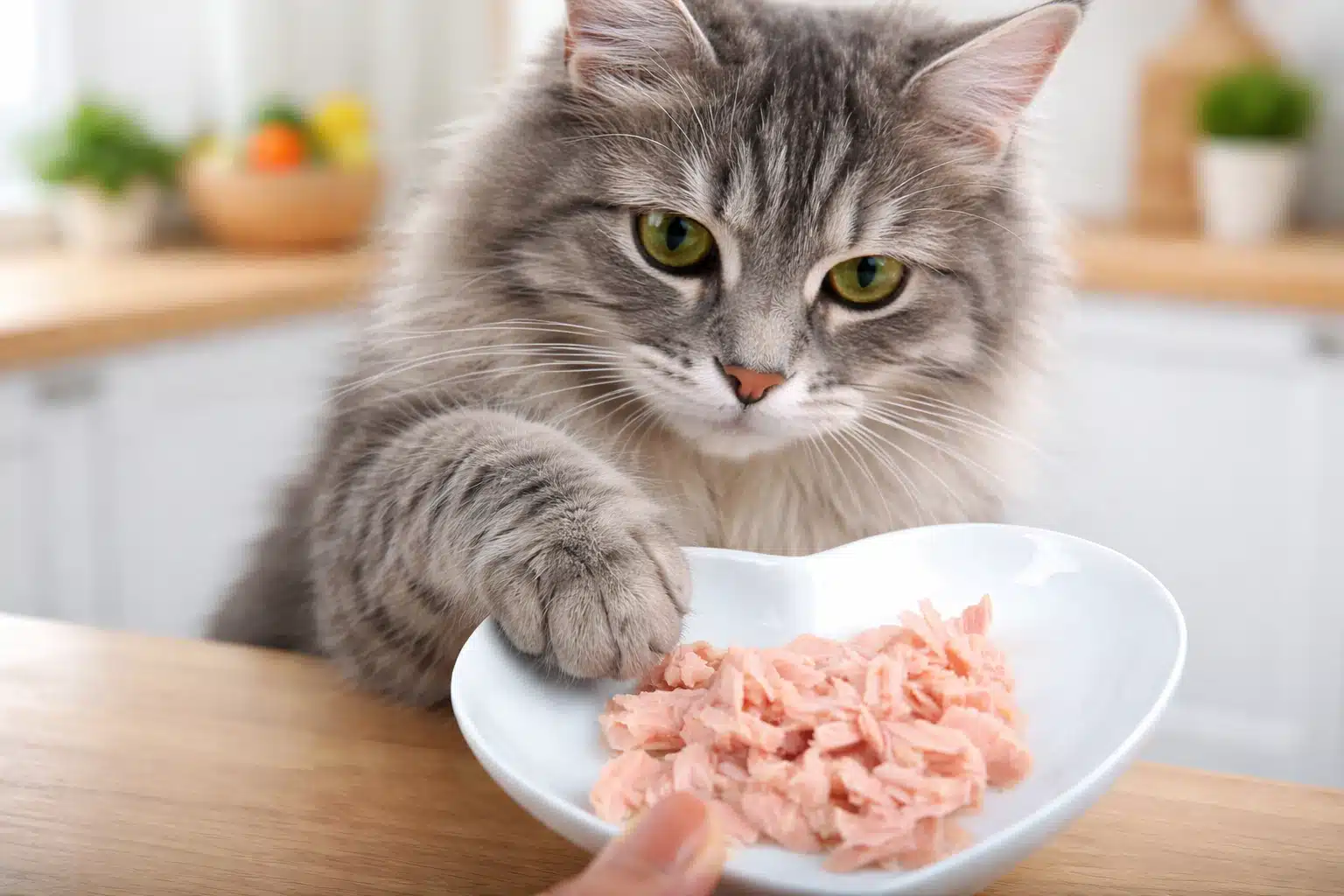
Fiber can help firm up loose stools and regulate bowel movements. The plain canned pumpkin (not pie filling) is a common and safe option.
Start with 1 to 2 teaspoons mixed into food per day. Unflavored psyllium husk is another option that works well for cats who produce small, frequent stools.
Not all cats benefit from fiber; some thrive on low-fiber, highly digestible diets, especially those that produce large stool volumes during flare-ups.
Slippery elm bark is another option that some holistic veterinarians recommend.
It forms a mucilage coating that can soothe the intestinal lining. If you want to try it, use a veterinary-grade product and confirm the dosage with your vet first, as concentrations vary widely between brands.
Cat Diarrhea Medications
When home remedies alone don’t work, a vet may prescribe medication. The type of medication depends on the root cause of the problem.
Common options used in cat diarrhea treatment include:
- Metronidazole: An antibiotic with anti-inflammatory properties, often used for bacterial infections and IBD. Cornell Feline Health Center lists it among the most commonly prescribed GI medications for cats.
- Kaolin-pectin products: Over-the-counter options that can coat the intestinal lining and firm up stool. Always confirm the product still contains kaolin-pectin, as some U.S. formulas have changed ingredients.
- Dewormers: Prescribed when parasites like roundworms or coccidia are the cause. The Companion Animal Parasite Council recommends year-round parasite prevention and regular fecal testing.
- Anti-nausea medications: Used when vomiting accompanies diarrhea.
Never give your cat any medication without first checking with a vet. Dosages and safety vary widely between cats and humans.
How to Prevent Diarrhea in Cats: Home Remedies
Prevention is always easier than treating cat diarrhea. A few simple habits can keep the digestive system running smoothly and reduce the chances of a flare-up.
- Transitioning Foods: Gradually mix the new food with the old over 7 to 10 days to help your pet adjust without digestive issues.
- Parasite Prevention: Keep your pet protected from parasites with vet-recommended dewormers and year-round flea treatments.
- Stress Reduction: Reduce your pet’s stress by establishing a consistent daily routine and providing quiet spaces where they can rest undisturbed.
- Avoiding Toxins: Ensure a safe environment by removing toxic plants and chemicals from your home, as substances like lilies, cleaning sprays, and certain pesticides can cause stomach problems.
In multi-cat households, I isolate any cat with diarrhea from shared litter boxes, clean everything with unscented soap, and avoid harsh chemicals to prevent the spread of infections.
What NOT to Give a Cat With Diarrhea?
This section is vital for pet owners addressing cat diarrhea.
Many human medications are dangerous for cats. Pepto-Bismol (bismuth subsalicylate) is toxic, as it can cause severe health issues, while Kaopectate poses similar risks.
Imodium (loperamide) should only be given if prescribed by a vet, as it can mask serious conditions.
Avoid giving cats cow’s milk, dairy, human yogurt, spicy or fatty foods, and treats until their gut has healed, since many cats are lactose intolerant and certain foods can irritate them.
Always stick to vet-approved products for safety.
When to Call the Vet?
Not all cases of cat diarrhea can be managed at home, and it’s crucial to recognize when to seek professional help.
Contact a vet immediately if diarrhea lasts for more than 48 hours without improvement, if blood is present in the stool, or ifthe cat is vomiting repeatedly.
Additionally, look for signs of dehydrationsuch as sunken eyes, dry gums, or skin that remains tented when pinched.
Seek medical attention if the cat stops eating or drinking entirely, or if it is a kitten, a senior cat, or one with a chronic illness like diabetes or kidney disease.
According to VCA Animal Hospitals, severe or prolonged diarrhea can lead to dangerous fluid loss.
What Happens at the Vet’s Office?
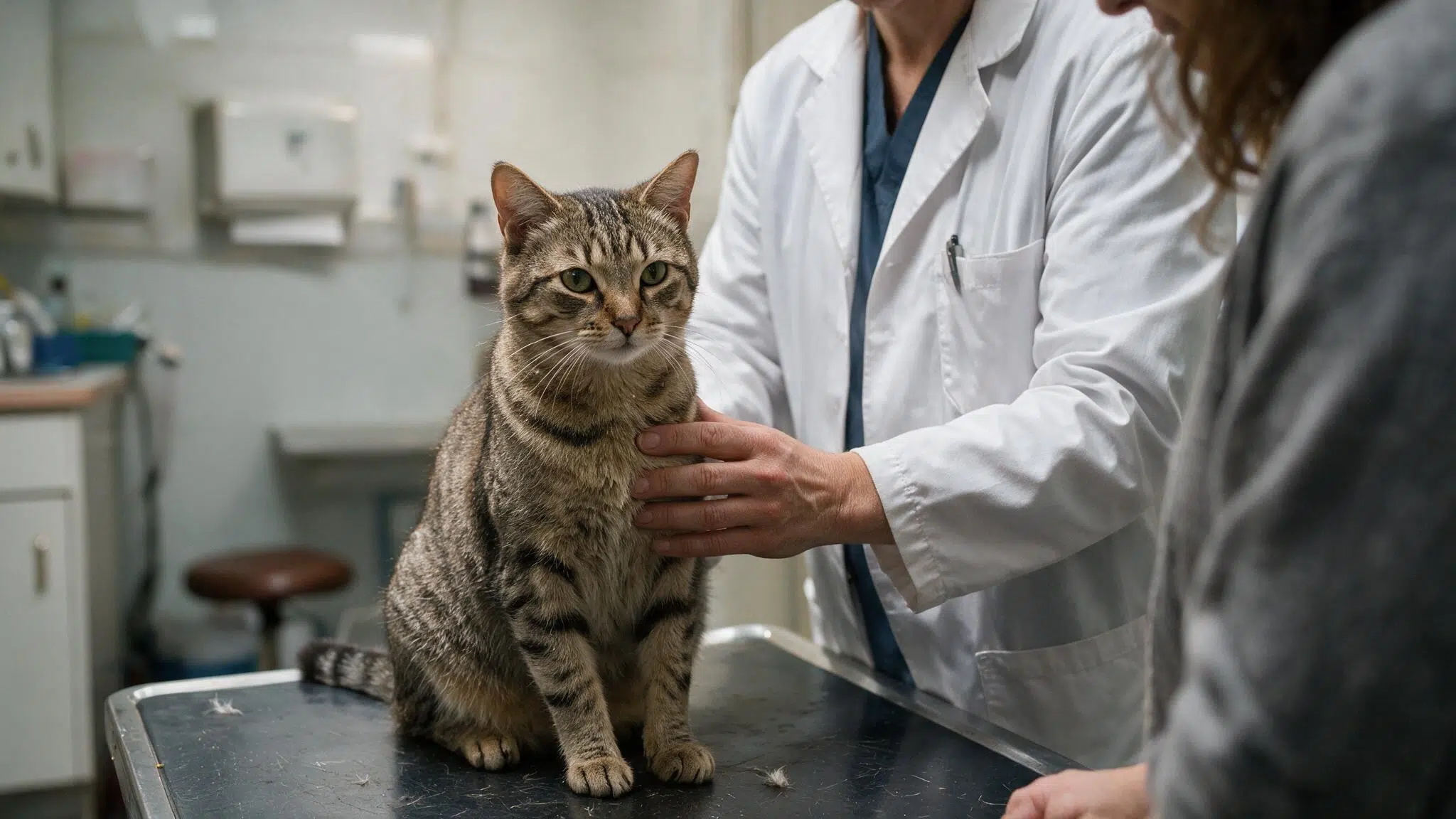
When home-based cat diarrhea treatment isn’t working, a vet visit is the next step. Knowing what to expect can make the appointment less stressful for both you and your cat.
1. Fecal Testing and Lab Work
The first thing most vets request is a fresh stool sample. Bring one along to the appointment if possible.
A tip that saves time every single visit: collect the freshest stool sample you can find in the litter box, place it in a sealed plastic bag, and keep it in the fridge (not the freezer) until your appointment.
A sample that’s less than 12 hours old gives the most reliable results.
I can’t count how many times a visit has been delayed because the owner didn’t bring a sample, and we had to wait for the cat to produce one in-clinic.
Fecal testing checks for parasites, bacteria, and protozoa such as Giardia and coccidia. The vet may run a fecal flotation test, antigen testing, or a stool culture depending on the symptoms.
Blood work is also common. It helps rule out metabolic causes like hyperthyroidism, kidney disease, or liver problems that often show up as chronic diarrhea.
A complete blood count (CBC) and chemistry panel give the vet a clear snapshot of overall health.
2. Imaging and Advanced Diagnostics
If lab results are normal but the diarrhea persists, the vet may recommend further testing.
Abdominal X-rays can reveal blockages from swallowed objects, abnormal gas patterns, or structural issues. An ultrasound provides a more detailed view of the intestinal walls, pancreas, and liver.
For stubborn chronic cases, an endoscopy or biopsy may be needed.
This involves taking a small tissue sample from the intestinal lining to test for conditions such as IBD or intestinal lymphoma.
These tests are typically done under anesthesia and are reserved for cases that don’t respond to initial treatments.
3. Common Vet Treatments
Based on the diagnosis, a vet will create a targeted treatment plan for cat diarrhea. Common approaches include:
- Prescription diets with hydrolyzed or novel proteins for food sensitivities
- Subcutaneous or IV fluids to correct dehydration quickly
- Oral antibiotics like metronidazole or tylosin for bacterial infections or IBD
- Corticosteroids like budesonide for confirmed inflammatory bowel disease
- Dewormers specific to the parasite identified in fecal testing
Cats discharged post-treatment typically go home with anti-nausea meds, probiotics, and a bland diet. Follow-up fecal tests are usually scheduled 2 to 4 weeks later to confirm that the infection or parasite has cleared.
After Recovery: Getting Back to Normal
Once your cat’s stools have returned to a firm, formed consistency for at least 3 consecutive days, you can begin transitioning them back to their regular food.
Mix 75% bland diet with 25% regular food on days 1 and 2. Move to 50/50 on days 3 and 4. Then shift to 75% regular food for another 2 days before returning to full portions.
Rushing this step is one of the most common mistakes I see in practice.
An owner sees firm stools for one day, switches back to the old food immediately, and the diarrhea returns within 24 hours.
The gut lining needs time to fully recover before it can handle richer or more complex food again.
Conclusion
Dealing with a cat’s upset stomach is never fun, but I hope this article made cat diarrhea treatment feel a lot less overwhelming.
From bland diets and probiotics to knowing which medications are safe, small actions can make a big difference. Most pet owners start with gentle home care and closely monitor their pet for any changes.
If things don’t improve within 48 hours, or if you see blood, vomiting, or signs of dehydration, please call your vet right away.
Your cat depends on you to notice when something is off.
Acting early and using the right approach keeps minor issues from turning into bigger problems. Found this article helpful?
Share it with a fellow cat parent or leave a comment below with your experience.
Frequently Asked Questions
Is Diarrhea in Kittens More Dangerous Than in Adult Cats?
Kittens are especially vulnerable to dehydration. If a kitten has diarrhea for more than 12 to 24 hours,consult a vet. Avoid fasting them, as they need regular meals to maintain blood sugar levels.
Can Antibiotics Cause Diarrhea in Cats?
Antibiotics can kill harmful bacteria but also disrupt beneficial gut bacteria, leading to diarrhea in cats. If this occurs, consult your vet about a cat-safe probiotic to restore gut balance.
Is Cat Diarrhea Contagious to Other Pets?
Diarrhea caused by parasites or infections can spread among cats, especially through shared litter boxes. Isolate sick cats and clean the litter box often to minimize risk.