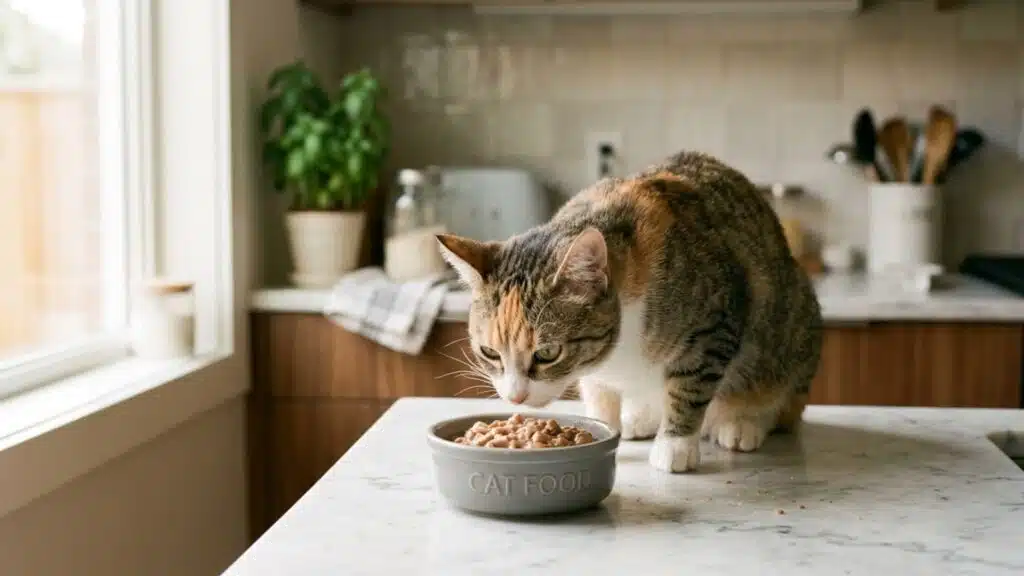
You’re standing in the pet store, staring at rows of cat food while your picky little tyrant at home refuses to eat anything twice. Then you spot Sheba.
Sleek packaging, neat portions, and it just looks better than the rest. But that question hits you instantly: Is Sheba cat food good, or is it just clever branding?
A lot of cat owners fall into this exact loop. It looks premium, feels convenient, and cats seem to love it.
But what about the ingredients, the long-term impact, and even if it’s actually worth feeding every day?
As a veterinarian who has reviewed pet nutrition labels for over the years and fielded countless exam-room questions about grocery store wet foods, I can tell you: the answer is more nuanced than the packaging suggests.
This breakdown cuts through the noise. No hype, no vague claims. Just a clear look at what Sheba really offers and whether it deserves a spot in your cat’s bowl.
What is Sheba Cat Food?
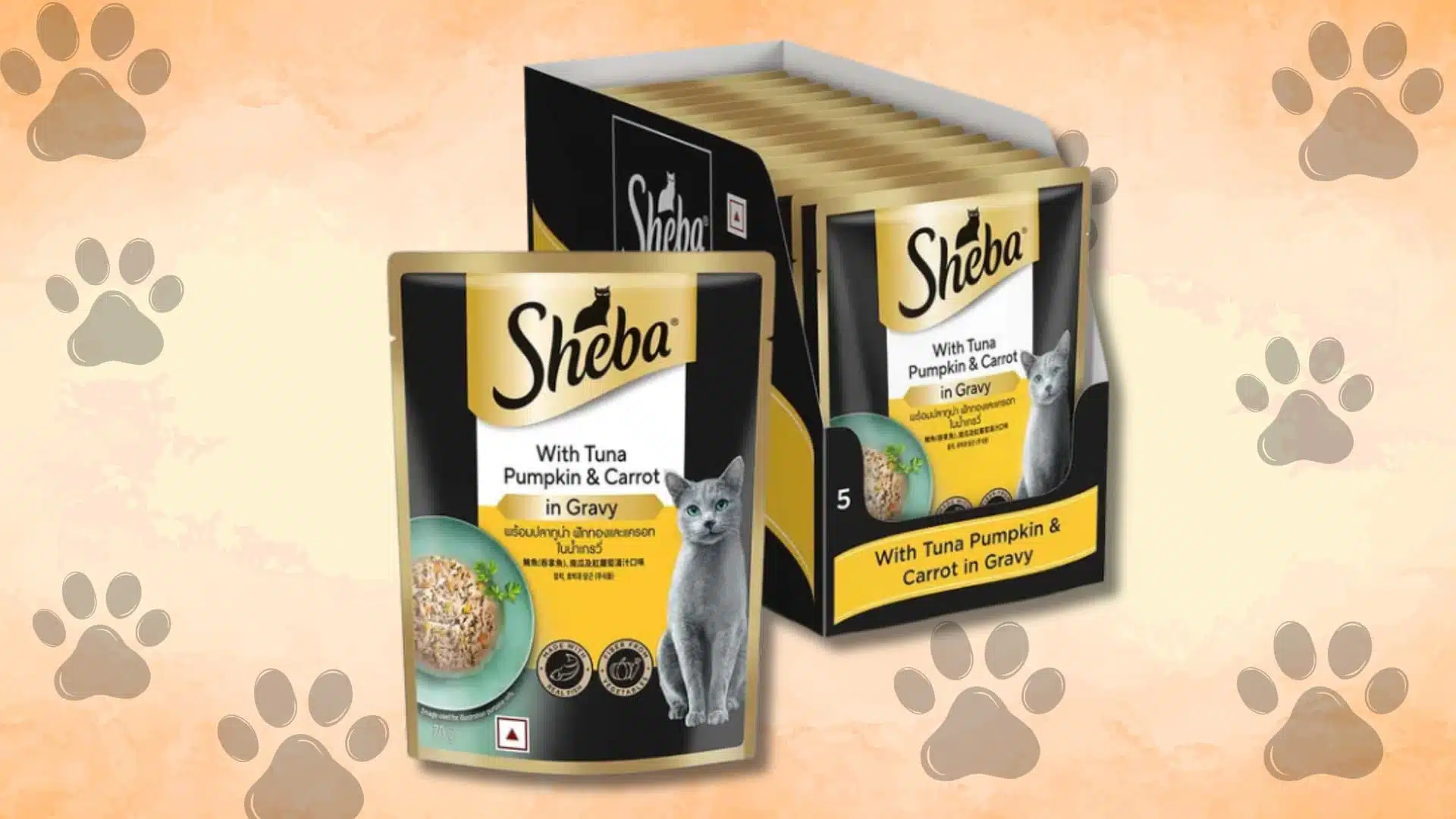
Sheba is positioned as a premium wet cat food brand that focuses on taste, texture, and convenience rather than complex nutrition claims. It is mainly known for its soft, meat-based meals that appeal to picky eaters.
Sheba is manufactured by Mars, Inc., the world’s largest pet food company, which also owns Royal Canin, Whiskas, and Iams. Most Sheba products are made in the United States at the brand’s Fort Smith, Arkansas, facility.
Sheba produces only wet cat food and treats. It does not offer any dry kibble. The treats line includes Meaty Tender Sticks, which are produced in Thailand rather than the US, making them the only exception to the domestic manufacturing footprint.
The current lineup falls under the Perfect Portions product system, which includes four sub-ranges:
- Cuts in Gravy: chunky texture with 43.7% dry matter protein; includes animal plasma and glycine for digestion
- Premium Pâté: smooth consistency; slightly higher protein at 44.6% dry matter; includes DHA-rich kitten variants
- Gravy Indulgence: extra gravy for palatability; contains dried egg products; 42.3% dry matter protein (lowest of the range)
- Bistro: flavored sauce-based options; similar nutritional profile to Cuts in Gravy
What really makes Sheba stand out is its presentation and ease of use. It is built for simplicity, especially for owners dealing with fussy cats.
The packaging feels upscale, the food looks closer to real meat than typical options, and there is no need to store leftovers.
Is Sheba Cat Food Actually Good?
Yes, but with a few caveats. Sheba cat food is good when it comes to taste and convenience, and most cats tend to love it.
It works especially well for picky eaters or as an occasional meal when you want something your cat will actually finish.
Importantly, all Sheba wet food recipes are labeled “complete and balanced,” meaning they meet the Association of American Feed Control Officials (AAFCO) nutrient profile guidelines for all life stages, maintenance, or growth.
That is a meaningful baseline; it means the food is not nutritionally empty. That said, it is not perfect for every situation.
If your cat has specific dietary needs, allergies, or requires a highly balanced, long-term nutrition plan, Sheba may not be the best standalone option.
It is better used as a supplement or rotation food rather than a complete daily diet for cats with special health concerns.
Ingredients Breakdown: What’s Really Inside Sheba Cat Food?
Before trusting any cat food, it’s worth looking past the label and into what actually goes into each serving your cat eats daily.
1. Real Meat or Fish Content
Sheba does include real meat or fish as a primary ingredient in many of its recipes, which is a positive sign for protein intake.
A representative Cuts in Gravy recipe lists chicken or salmon among the top five ingredients, and dry matter protein is above 40% across all lines.
Roughly 14% above the AAFCO minimum for adult cats. This helps support muscle maintenance and overall energy levels in cats.
2. Moisture Content Helps Hydration
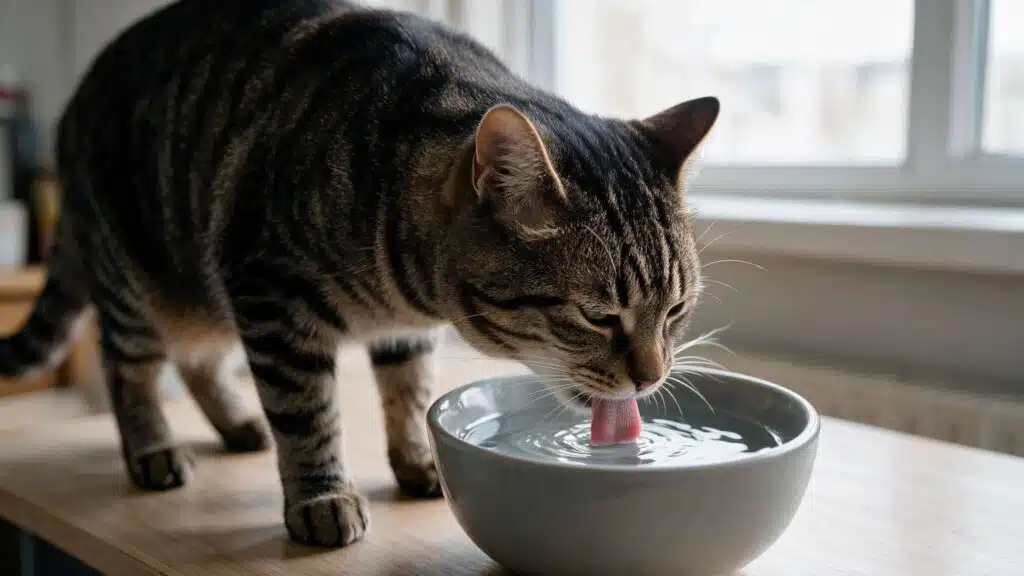
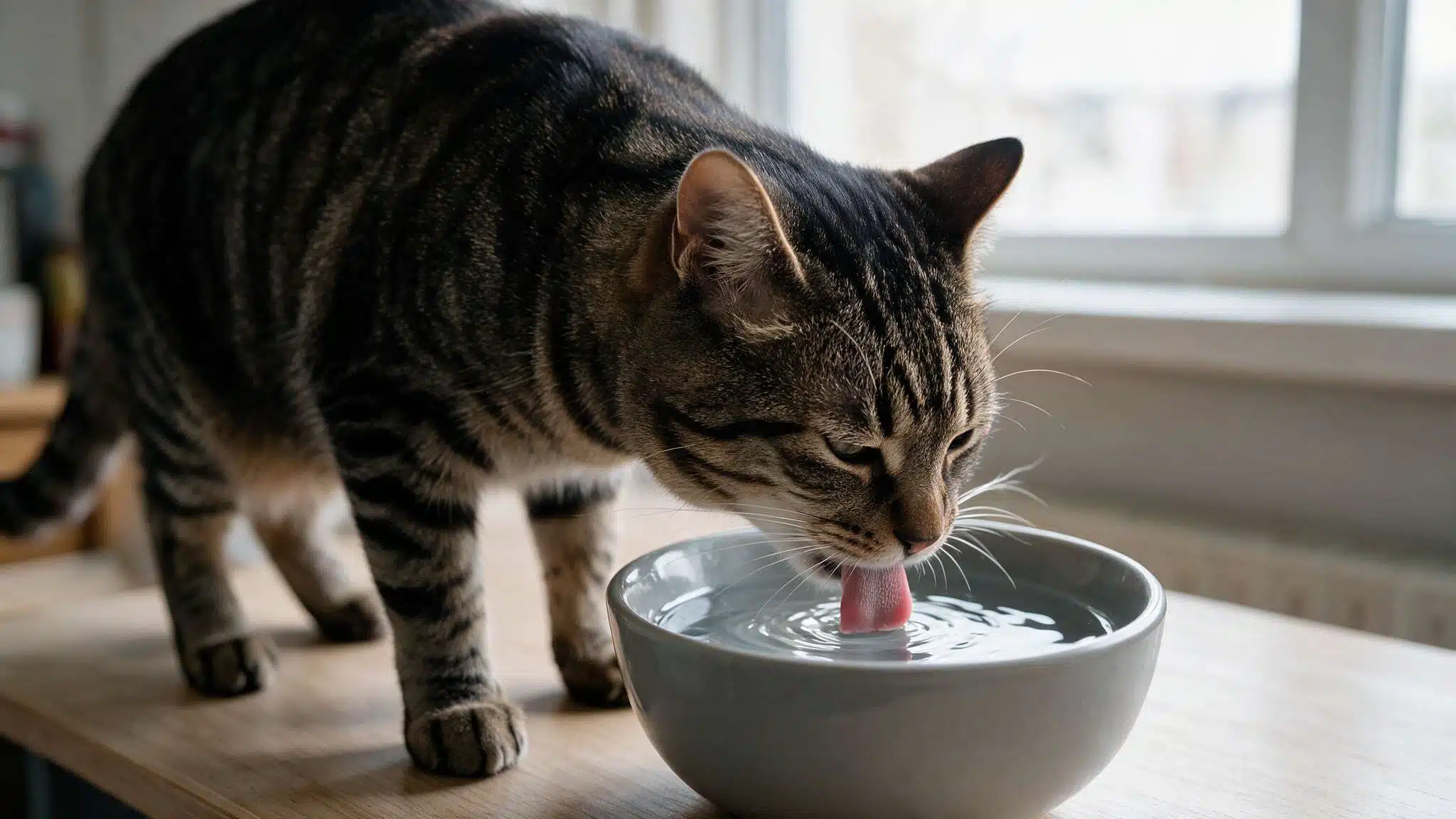
One major advantage of Sheba is its high moisture content, which helps keep cats hydrated.
Since many cats do not drink enough water on their own, wet food like this helps support kidney function and urinary health.
This is particularly relevant for cats with a history of lower urinary tract disease (FLUTD) or early-stage chronic kidney disease (CKD), where increasing water intake through food is one of the first interventions I recommend in practice.
Wet food is just one piece of the picture. If you are putting together your cat’s daily routine from scratch, Cat Essentials covers the bowls, feeding setup, and other items worth having before you settle on a food plan.
3. Meat By-Products
Sheba recipes often include meat by-products, which can be a mixed bag in terms of quality. Always read the specific label rather than assuming uniformity across the range.
These are parts of the animal not typically labeled as whole meat, and while they can still provide nutrients, the lack of clarity can be concerning.
Worth noting: by-products are not inherently harmful. Organs such as the liver and the kidneys can be nutritionally dense. The issue is that “meat by-products” is a broad term that offers no specificity about what is actually included. Some Sheba formulas have reduced by-product use in recent years, though this varies by recipe line.
4. Artificial Additives
Some Sheba variants contain added colors (including caramel color), guar gum as a thickener, and tapioca starch, a carbohydrate binder with limited nutritional value.
While these are approved for pet consumption, cats with documented guar gum sensitivity can experience vomiting, constipation, or bloating.
If your cat shows GI upset shortly after starting Sheba, the ingredient list is worth cross-checking before assuming a more serious cause.
5. Sourcing Transparency
One noticeable drawback is the limited transparency around ingredient sourcing. Mars follows its own Responsible Sourcing Program and Supplier Code of Conduct, which provides some oversight, but Sheba does not publicly disclose the geographic origin of individual ingredients.
One credible bright spot: since 2021, Sheba has committed to using 100% sustainably sourced fish across its product range, verified through the Monterey Bay Aquarium Seafood Watch program.
Brands that openly share sourcing details tend to build more trust, so the lack of full transparency on other ingredients may leave some owners hesitant.
Is Sheba Cat Food Healthy for Cats?
Sheba offers a fairly balanced nutritional profile with protein, fats, vitamins, and minerals that support everyday health in cats.
Each recipe carries an AAFCO “complete and balanced” designation, which means it meets minimum established standards for vitamins, minerals, amino acids (including taurine), and macronutrients.
Most recipes include decent protein from animal sources and relatively low levels of fillers, which is a plus for muscle maintenance and energy.
Its biggest strength is hydration. With around 75–85% moisture, it helps cats stay hydrated and supports kidney and urinary health, especially for those who do not drink enough water.
Where it falls short is ingredient clarity and overall quality. Compared to high-end brands, it lacks transparency and cleaner formulations, making it less ideal as a long-term premium diet.
Pros and Cons of Sheba Cat Food
Before deciding whether Sheba fits your cat’s routine, it helps to weigh its everyday benefits against a few limitations that may matter in the long term.
| Pros | Cons |
|---|---|
| Highly appealing taste for picky cats | Ingredient quality is not top-tier |
| High moisture (75–85%) supports hydration | Some lines contain meat by-products |
| Easy portion control with no leftovers | Limited options for special medical diets |
| Soft texture suitable for all life stages | Vague sourcing on non-fish ingredients |
| Widely available in stores and online | Can become expensive as a sole diet |
| AAFCO “complete and balanced” certified | Not ideal as the only long-term food for cats with health conditions |
| Zero recalls since brand inception, clean FDA safety record | Some users report formula inconsistencies across batches |
| 100% sustainably sourced fish since 2021 | Caramel color and guar gum may cause issues in sensitive cats |
| No grains, corn, or common allergens in most recipes | Spoilage reports linked to shipping/storage conditions; inspect packaging on delivery |
Is Sheba Good for Kittens, Adults, or Senior Cats?
Sheba is designed to support different life stages, but how well it works depends on your cat’s age, health, and feeding routine.
For kittens, the Premium Pâté Kitten sub-range offers higher protein and DHA omega-3s to support brain development and growth, and carries an AAFCO “growth” designation, meaning it is formulated specifically for the kitten life stage rather than just being a smaller portion of adult food.
For adult cats, it works best as a regular wet food option, especially for hydration and taste.
Senior cats often benefit from its soft, easily palatable texture, which helps maintain appetite in cats with dental issues or reduced smell acuity.
However, it should be avoided or limited for cats with medical conditions, strict dietary needs, or when a vet recommends a more specialized nutrition plan.
Real Cat Owner Experiences
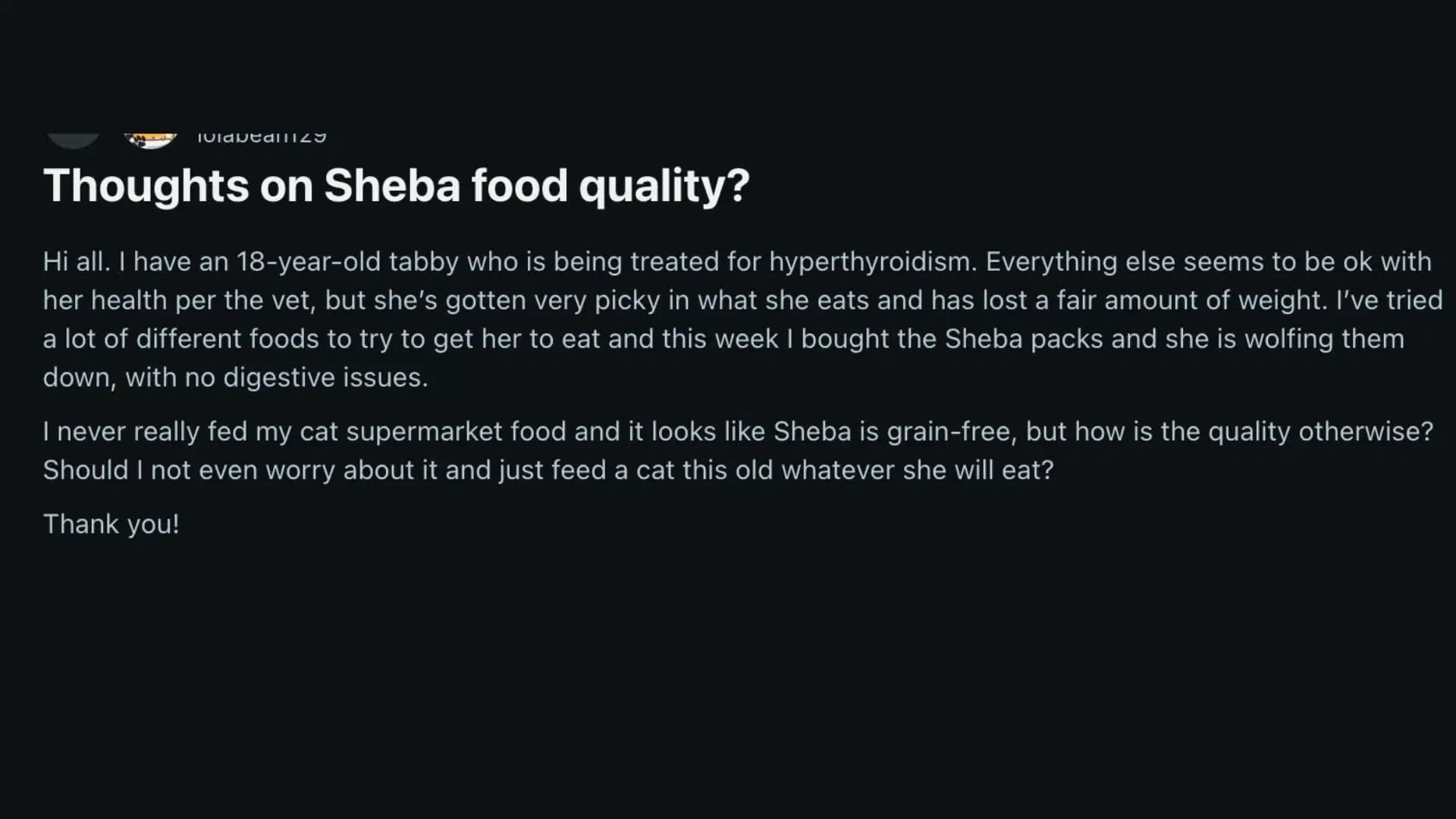
Many users report that their picky cats eat Sheba without fuss, which is a big win when other foods are ignored.
At the same time, there is clear skepticism about feeding it long-term, especially given portion sizes and overall nutrition.
One user even questioned the feeding recommendations, saying the suggested daily amount feels excessive and possibly driven by sales rather than actual needs.
Some commenters also pointed out that while their cats enjoy it, they prefer to rotate Sheba with higher-quality brands to balance nutrition.
A few even noticed minor digestive changes over time, prompting them to reconsider daily use. Overall, the sentiment leans practical.
People like Sheba for taste and convenience, but they do not fully trust it as a complete, everyday diet without considering better-quality alternatives.
What Do Vets Say About Sheba Cat Food?
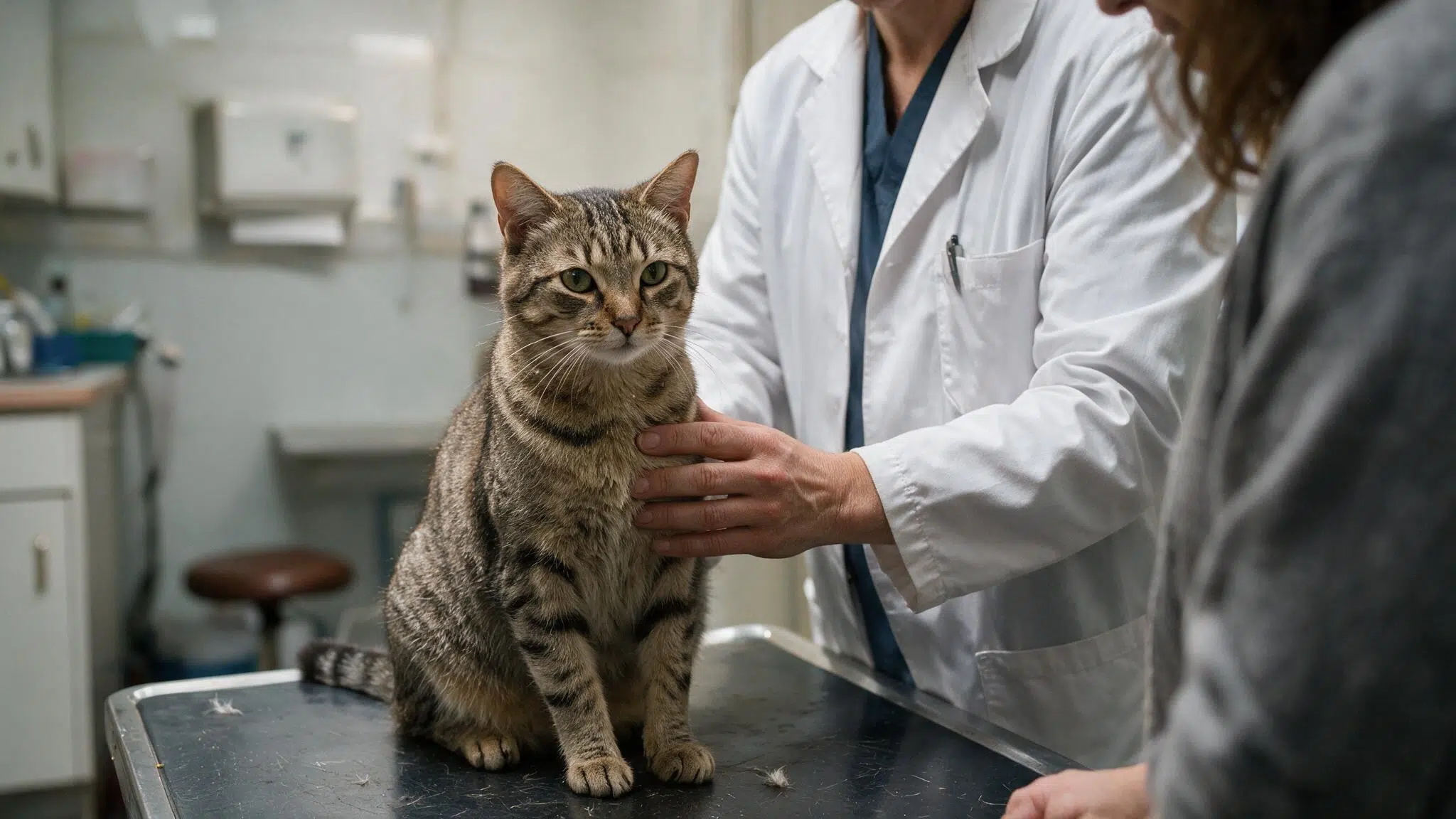
Veterinarians generally have a positive but balanced view of Sheba. They often support wet food in general because it helps with hydration, digestion, and urinary health, especially for cats that do not drink enough water.
From my own clinical experience, I have most often recommended Sheba in two contexts: as a palatability bridge for cats recovering from illness who need encouragement to eat, and as part of a deliberate rotation diet for healthy adult cats.
In both cases, it performs well precisely because cats readily accept it. What I do not recommend is using it as the exclusive diet for cats managing chronic kidney disease, pancreatitis, struvite or oxalate urinary crystals, or severe food allergies; those conditions require more tightly controlled nutritional profiles than Sheba currently offers.
When it comes to Sheba specifically, vets acknowledge that it provides decent protein and meets basic nutritional standards.
The common recommendation is simple: Sheba works well as part of a mixed diet or occasional feeding option, but may not be the best long-term staple for cats with specific health needs.
Sheba vs. Similar Brands: How Does It Stack Up?
If you are deciding between Sheba and other wet food options in a similar price range, here is a quick comparison to orient your decision:
| Brand | Avg. Protein (DM%) | AAFCO Complete? | Grain-Free? | Recall History | Price/oz (approx.) |
|---|---|---|---|---|---|
| Sheba Perfect Portions | ~43–44% | Yes | Yes | None | ~$0.45 |
| Fancy Feast Classic | ~40–45% | Yes | Mostly | None | ~$0.35 |
| Blue Buffalo Wilderness | ~50%+ | Yes | Yes | Several | ~$0.55 |
| Purina Pro Plan | ~45–50% | Yes | Some lines | Limited | ~$0.50 |
| Weruva | ~45–55% | Yes | Yes | None | ~$0.70+ |
Should You Feed Sheba Cat Food Every Day?
Feeding Sheba daily can work in some cases, but it depends on how you use it. The main benefits are consistent hydration and strong palatability, which help cats actually finish their meals.
A rotation strategy I use with my own patients is the 70/30 approach: 70% of daily wet food intake from a higher-quality or prescription-appropriate brand, and 30% from a palatable bridge food like Sheba.
This preserves the hydration and eating consistency benefits of Sheba while improving the overall nutrient density and ingredient quality of the diet.
If budget is a constraint, which it is for many owners, even a 50/50 rotation is significantly better than feeding a single mid-tier food exclusively.
If you are still building out your cat’s routine beyond food, it helps to have the right tools in place from day one. Complete cat care setup walks you through everything your cat needs, along with a solid feeding plan.
Relying on it as the only food long-term may not give the best ingredient quality or nutritional balance, especially for cats with specific needs. The key is moderation and variety rather than full dependence.
Conclusion
So, is Sheba cat food good? The answer depends on how you use it. It delivers on taste, convenience, and hydration, making it a solid choice for picky eaters or for a varied diet.
Its clean recall record, AAFCO certification, and commitment to sustainably sourced fish all add credibility to the brand beyond its marketing.
However, when you look more deeply into ingredient quality and long-term nutrition, it may not be the strongest option as a daily staple.
As a vet, my bottom line is this: Sheba earns its place in the rotation but not the throne. Use it strategically, particularly for picky eaters, recovery feeding, or as a palatability complement to a higher-quality primary food.
For cats with chronic illness, always loop in your vet before making it a dietary staple.
If you balance it with higher-quality foods, Sheba can fit well into your cat’s routine without issues. The key is moderation and variety rather than full dependence.
What has your experience been with Sheba? Drop your thoughts and questions in the comments below.