

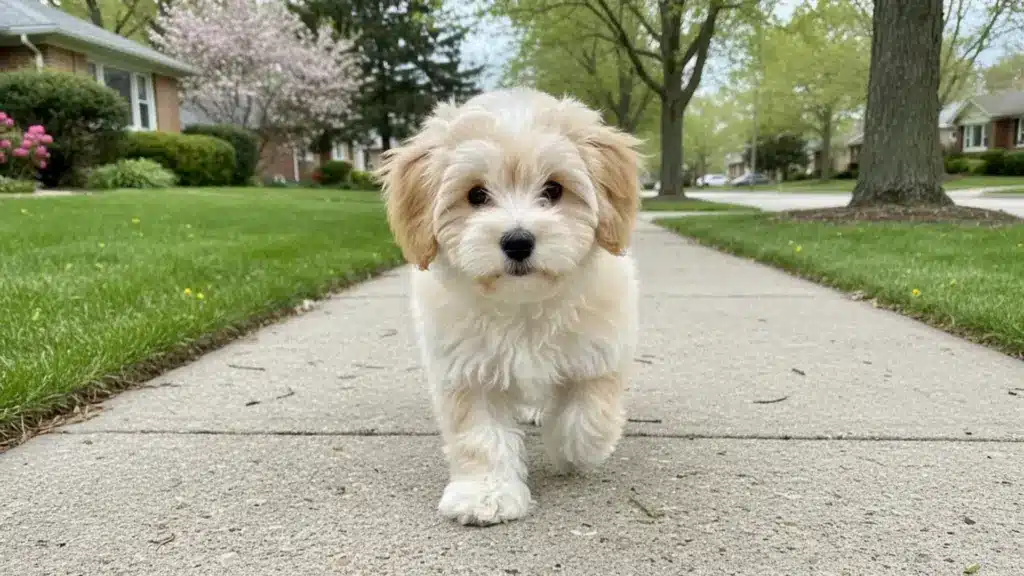
People often stop mid-stride when they see one of these fluffy companions trotting down the sidewalk, convinced a childhood plush toy has somehow come to life.
The resemblance is so striking that it immediately sparks curiosity. If you have been asking yourself what a teddy bear dog is, you are definitely not alone.
While they might look like they belong in a toy store display, these adorable pups are very real and increasingly popular in households everywhere.
Thinking about bringing one home? This blog provides a full breakdown of what makes these dogs so special and the specific breeds that fit into the teddy bear dogs category.
You will find out the everyday realities of bringing this cuddly, cute companion into your home.
What is a Teddy Bear Dog?
Whenever people ask me what a teddy bear dog is, I always smile because the name says it all.
A teddy bear dog is not an official breed recognized by the American Kennel Club. It is a widely used, affectionate term for any small dog, whether a purebred or a designer hybrid, that has been bred or groomed to look like a living stuffed animal.
These pups typically feature a round, flat face, large expressive eyes, a dense and incredibly soft, fluffy coat, and compact body proportions that make them irresistible to cuddle.
The term gained traction in the early 2000s as designer hybrid dogs, especially the Shichon, captured hearts across the United States.
Breeders began intentionally combining affectionate parent breeds, which can be found in the AKC Toy Group, such as the Shih Tzu, Bichon Frise, Maltese, and Toy Poodle, to produce low-shedding, gentle companions with an unmistakable plush appearance.
Having spent years volunteering at rescues and speaking with breeders across New England, I have seen firsthand how instantly these dogs connect with people.
There is something about that face that makes even the most reserved person crouch down for a closer look.
What Makes a Dog a Teddy Bear Dog: Key Traits
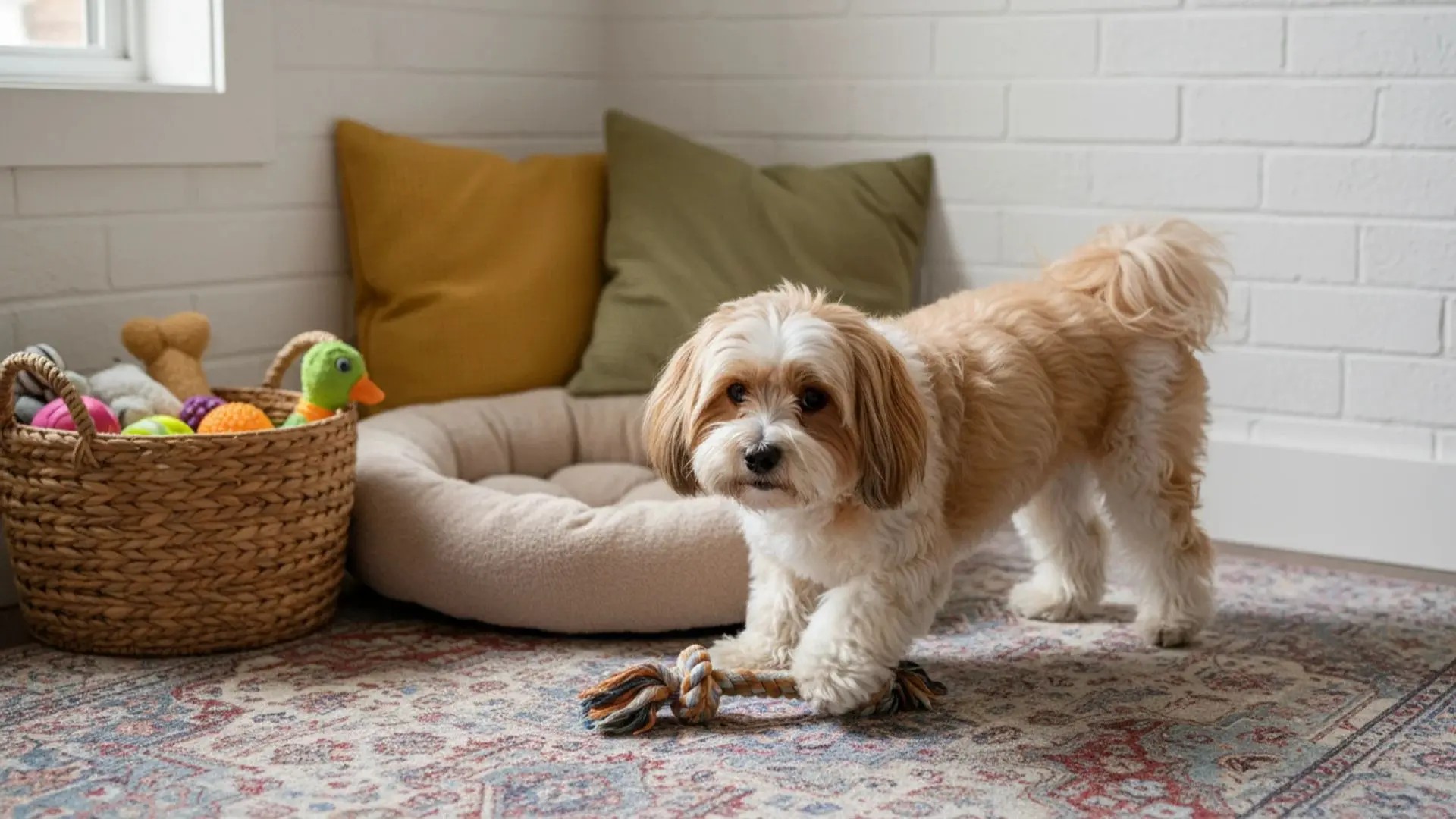
“Teddy bear dog” is not a breed name you will find in any official registry. It is a category, and what earns a dog a place in it comes down to a very specific set of qualities.
From the way they look to how they act with your family at the end of a long day, these dogs share far more than just an uncanny resemblance to a plush toy.
1. Physical Traits
The first thing anyone notices about a teddy bear dog is that face. Round, wide-eyed, and soft in a way that makes it genuinely hard not to stop mid-stride and take a second look.
Whether you are looking at a Shichon, a Cavapoo, or a Maltipoo, most of these dogs share a recognizable cluster of features that give them their signature appearance.
- A rounded skull paired with a short, flat muzzle
- Large, dark, expressive eyes set wide apart on the face
- A small, button-like nose sitting perfectly at the center
- A dense, fluffy coat that tends to be soft, wavy, or lightly curled
- A compact frame that typically stays between 8 and 20 pounds fully grown
That coat is also a big reason why families with mild pet allergies are drawn to these dogs.
Many of the breeds most closely associated with the teddy bear look, including Poodle mixes, Bichon Frises, and Maltese, fall into the broader category of adorable small dog breeds that are frequently described as low or non-shedding.
The American Kennel Club explains that while no dog is fully hypoallergenic, low-shedding coats produce significantly less dander, which is the main cause of pet-related sensitivities.
2. Temperament and Behavior
One of the teddy bear puppies I met at a rescue in Burlington followed me around for a full hour before I even sat down. The moment I did, she was in my lap. That kind of behavior is remarkably common across these breeds.
In conversations with trainers across New England, the phrase I kept hearing was that these dogs simply want to be near you, and they mean it in the most literal sense possible.
- Deeply affectionate with every member of the household, not just one person
- Calm and gentle around children and elderly family members
- Generally friendly with other pets when socialized from a young age
- Eager to please, which makes short training sessions genuinely enjoyable
The flip side of that deep bond is that these dogs can struggle when left alone for extended periods.
The ASPCA explains that separation anxiety can appear as persistent barking, destructive chewing, or other distress behaviors that occur when a dog is separated from its primary caregiver.
3. Lifespan and Health Considerations
One of the genuinely appealing things about teddy bear dogs is their longevity. Most of the popular breeds and mixes in this category have a lifespan of around 12 to 16 years, which is typical for small dogs.
That said, there are a few health tendencies worth knowing before you bring one home. Flat-faced (Brachycephalic) breeds, such as those with Shih Tzu lineage, can be prone to breathing difficulties.
Many small breeds in this category are also susceptible to patellar luxation, a condition where the kneecap slips out of position.
Smaller mouths tend to crowd teeth, which means building dental hygiene into their care routine early is especially important.
And if your dog has a Cavalier King Charles Spaniel heritage, they are more prone to the risks of mitral valve disease.
Their small frames make them more vulnerable to injury from jumping off furniture or from accidental drops, so a little everyday mindfulness goes a long way.
These are not fragile dogs by any stretch. In my experience, they tend to be surprisingly resilient. But like any small breed, they do best with thoughtful, consistent care.
3. Coat and Grooming Needs
That beautiful, fluffy coat is central to the teddy bear dog’s whole identity, but it does come with some responsibility attached.
The genuinely good news is that most of these dogs shed very little, so your couch cushions and dark clothing stay relatively clean. The commitment on your end is keeping those coats soft, tangle-free, and properly maintained.
- Brush at least 3 to 4 times a week to prevent mats from forming, especially around the ears and legs. Choosing the right brush for their coat type makes a real difference. A pin brush works well for wavy coats, while a slicker brush handles curls and mild tangles more effectively.
- Schedule a professional grooming session every six to eight weeks
- Ask your groomer specifically for the “teddy bear cut,” the rounded face, and even body trim
- Clean around the eyes regularly to prevent tear staining, which is common in light-coated varieties
Most teddy bear dogs are quite comfortable being groomed, especially when it becomes a routine from puppyhood.
Over the years, I have heard more than a few owners describe brushing their dog as the most relaxing part of their evening, which honestly tracks perfectly with how these little dogs operate.
Most Popular Teddy Bear Dog Breeds
Each one in the teddy bear dogs category earns its place through a combination of appearance, temperament, and the qualities families tend to love most about these dogs.
1. Shichon: Shih Tzu × Bichon Frise
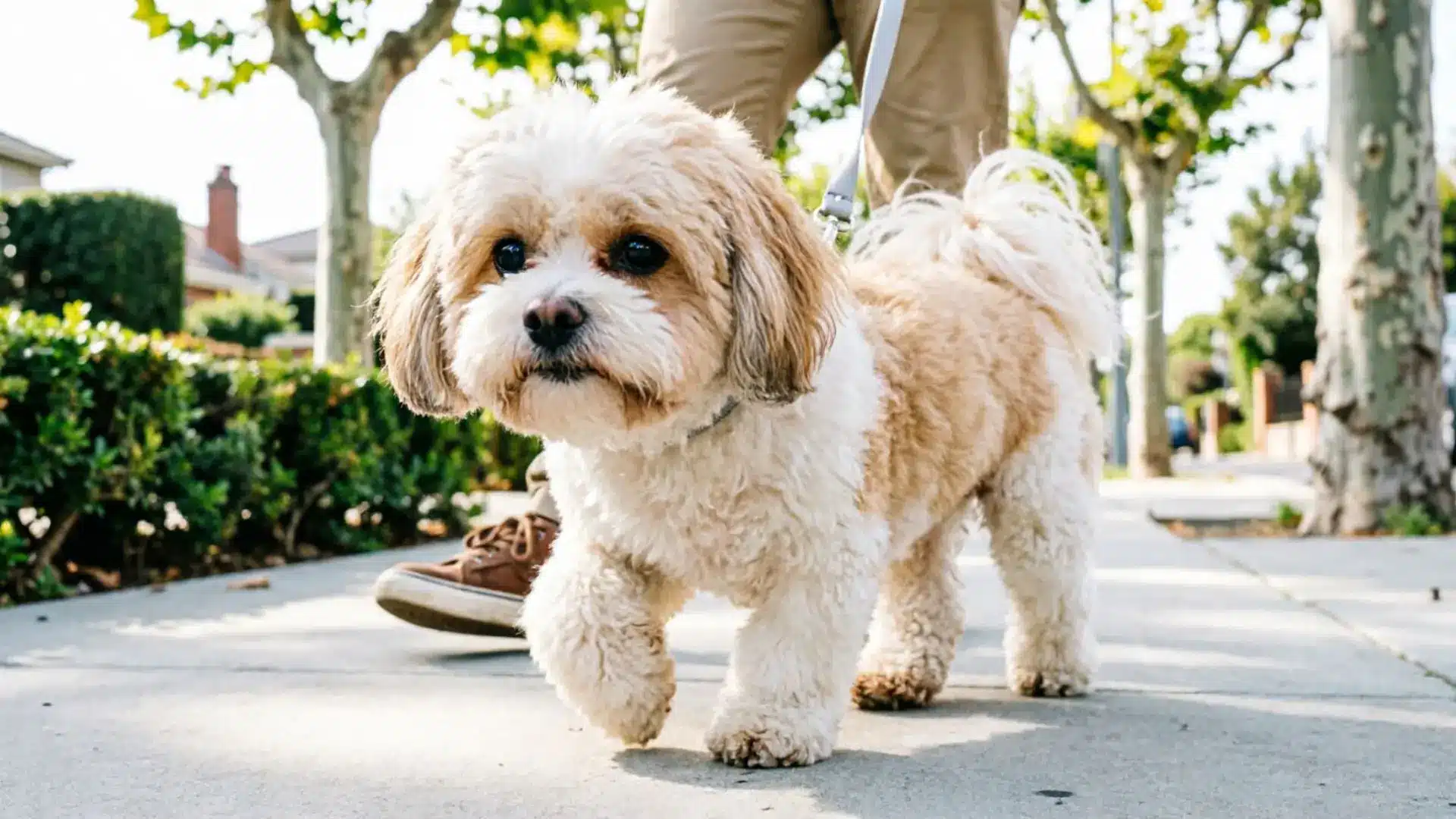
If one dog started the whole teddy bear craze, it is the Shichon. Also called the Zuchon, this designer mix emerged in the early 2000s and quickly became the gold standard for the teddy bear look.
Temperament-wise, they are affectionate, highly adaptable, and genuinely gentle, which makes them strong candidates for therapy dog work.
Breeders I have spoken with across New England describe the Shichon as the easiest dog they have ever placed with a family, and based on what I have observed at shelters, I believe it.
- Weight: 9-16 lbs
- Coat: Silky, wavy, low-shedding, common in white, cream, brown, or tri-color
- Best for: allergy-prone households, seniors, apartment dwellers, therapy work
2. Cavapoo: Cavalier King Charles Spaniel × Poodle
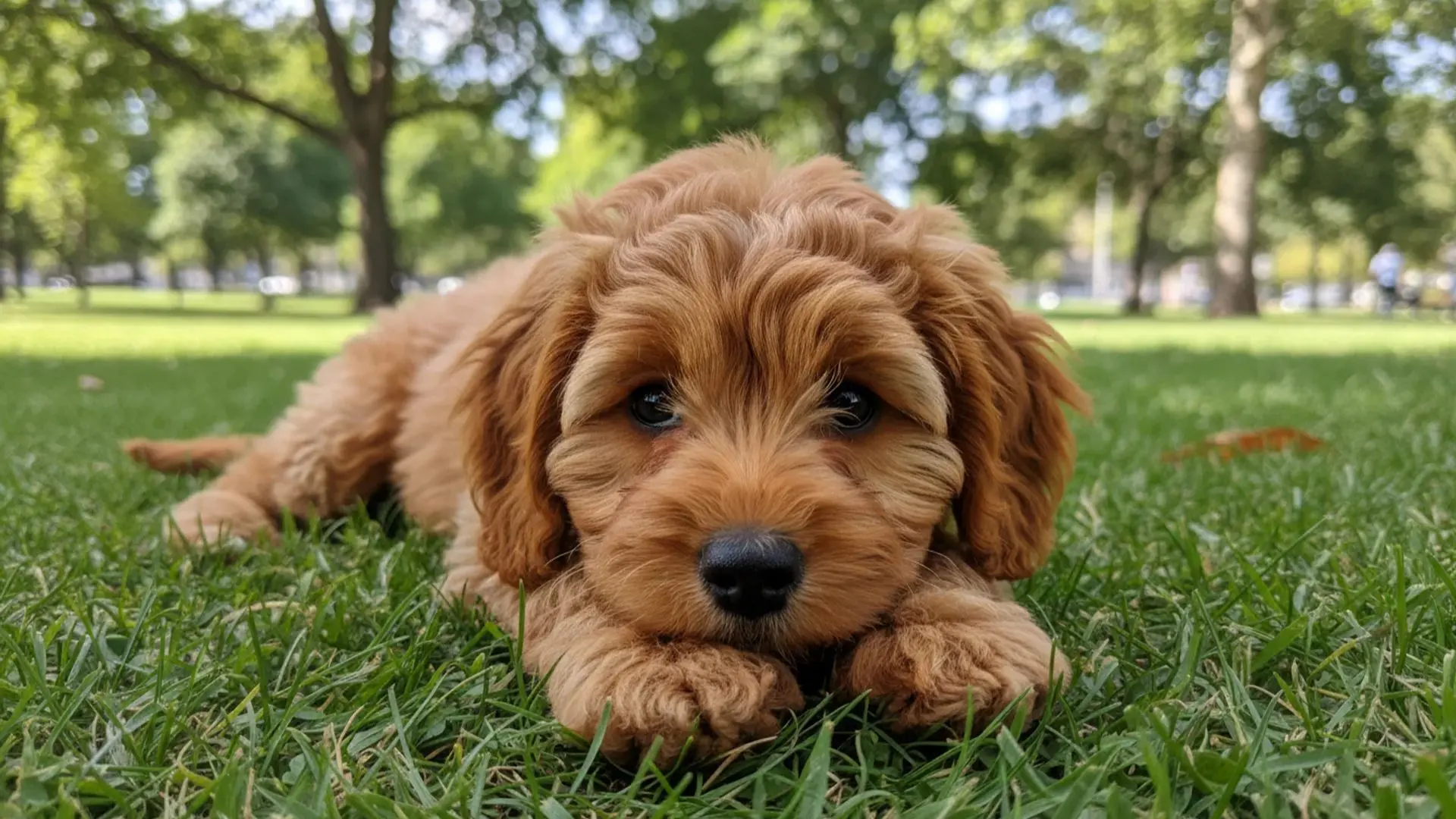
The Cavapoo is one of the most popular designer breeds in the United States right now, and once you meet one, it is easy to understand why.
What truly sets the Cavapoo apart is its temperament. The Cavalier King Charles Spaniel side brings a warmth and patience that makes this dog exceptionally gentle with young children and older adults alike.
According to the American Kennel Club’s breed information on Cavalier King Charles Spaniels, adaptability is the breed’s hallmark trait, and the Cavapoo inherits that quality fully, right through to adulthood.
- Weight: 8-25 lbs
- Coat: Curly to wavy, low-shedding, commonly red, Apricot, Blenheim, and Black
- Best for: Families with young kids, seniors, first-time owners
3. Maltipoo: Maltese × Toy Poodle
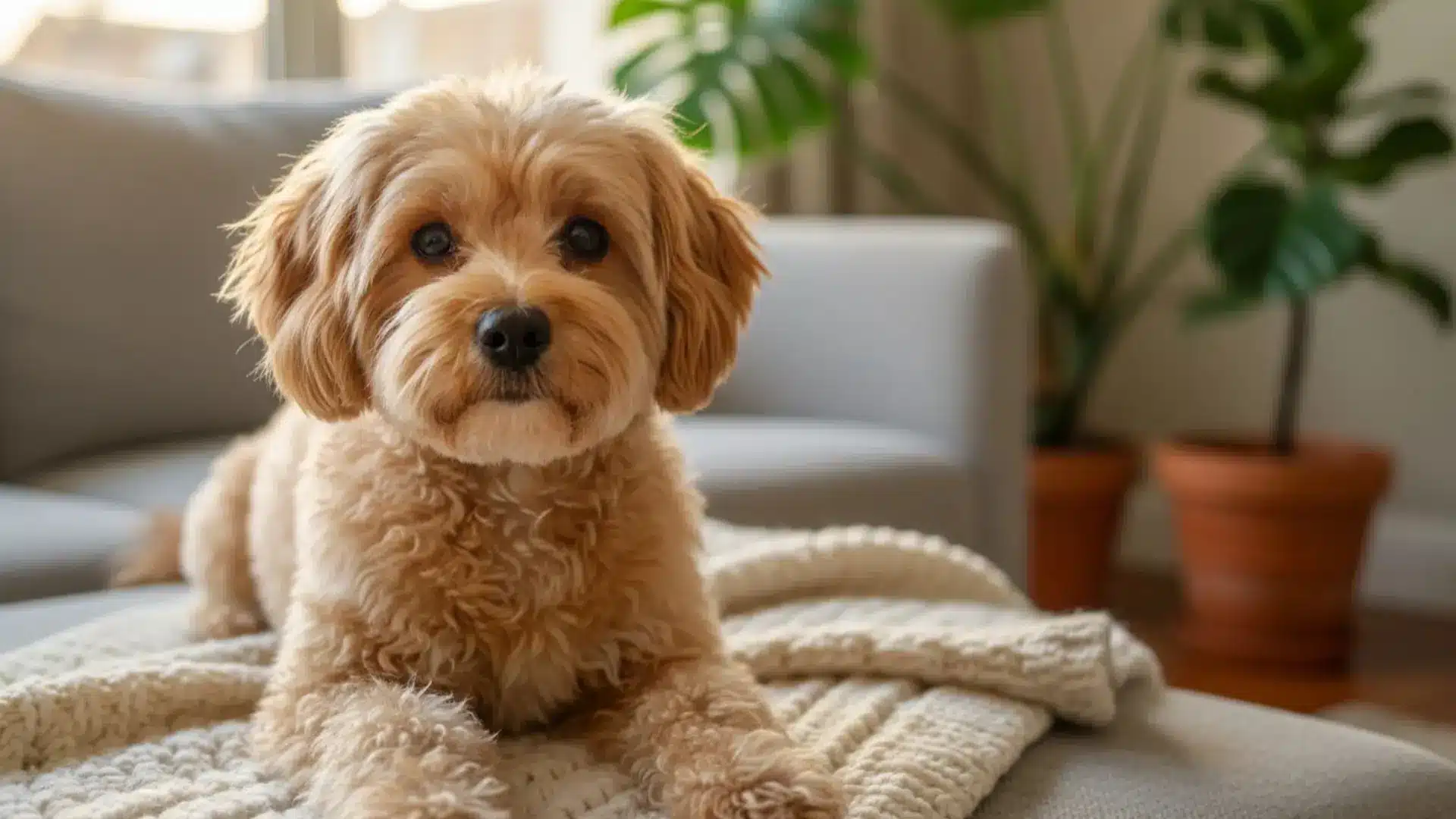
The Maltipoo is proof that big personalities come in very small packages. Maltipoos are deeply social creatures. They bond intensely with their people and genuinely flourish when included in daily life.
They enjoy a good walk and indoor play sessions in equal measure, landing them squarely in the moderate energy category.
One thing I consistently tell families considering a Maltipoo is that they need company. Leave them alone too long and they will find ways to communicate that frustration, usually through barking or chewing.
- Weight: 5-20 lbs
- Coat: Curly or fluffy, white or cream, hypoallergenic-friendly
- Best for: Singles, couples, apartment living, allergy sufferers
4. Bichon Frise
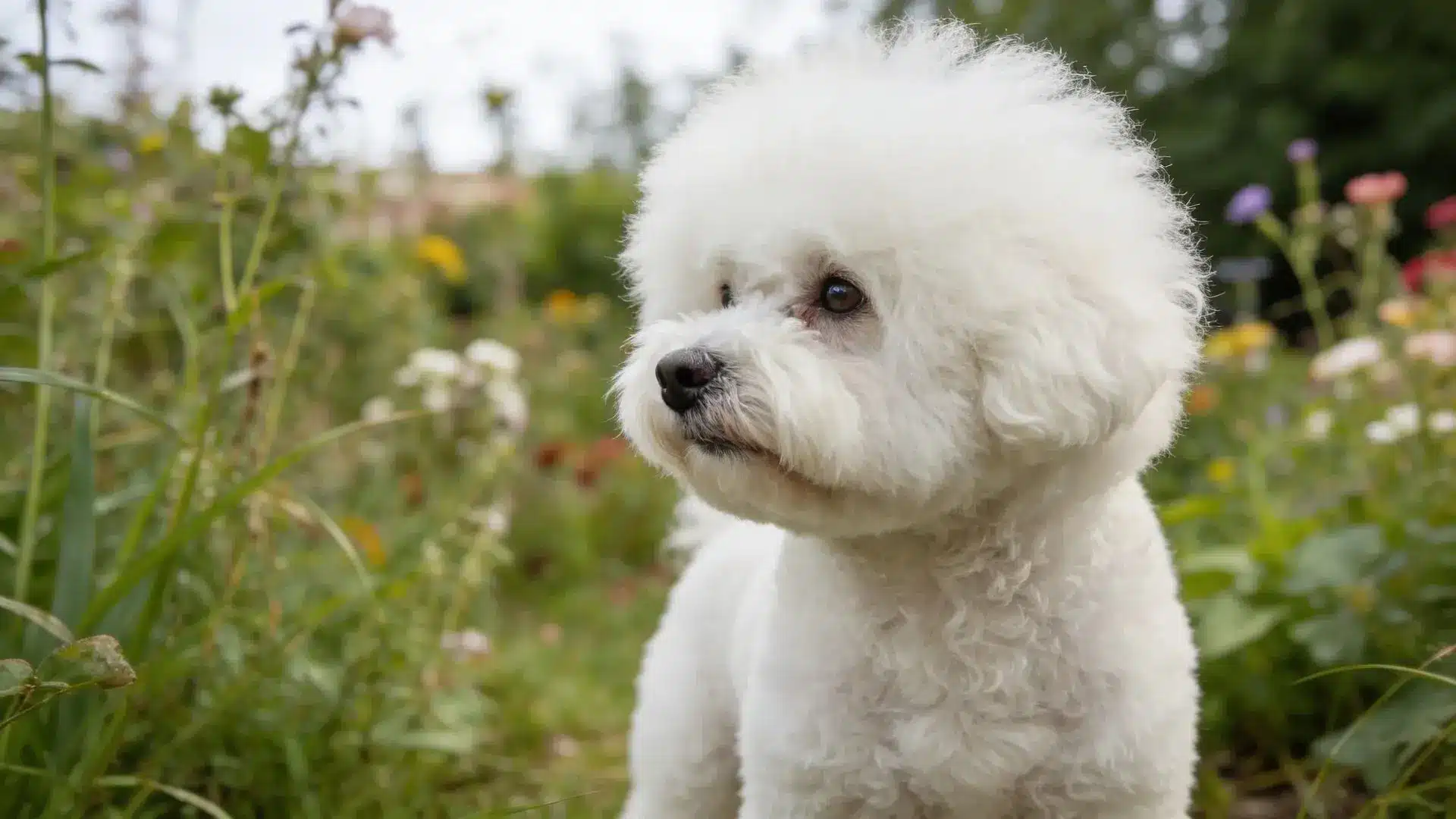
The Bichon Frise is not a hybrid but an AKC-recognized purebred with a history stretching back to the Mediterranean in the 13th century.
Its powder-puff white coat, round dark eyes, and perpetually cheerful expression make it one of the most instantly recognizable teddy bear dogs.
Playful, child-friendly, very low-shedding, and utterly devoted, the Bichon Frise is essentially the blueprint that every teddy bear mix is working from.
- Weight: 12-18 lbs
- Coat: Dense, curly, powder-white, minimal shedding, commonly white or cream
- Best for: Families, allergy sufferers, multi-pet households
5. Pomeranian
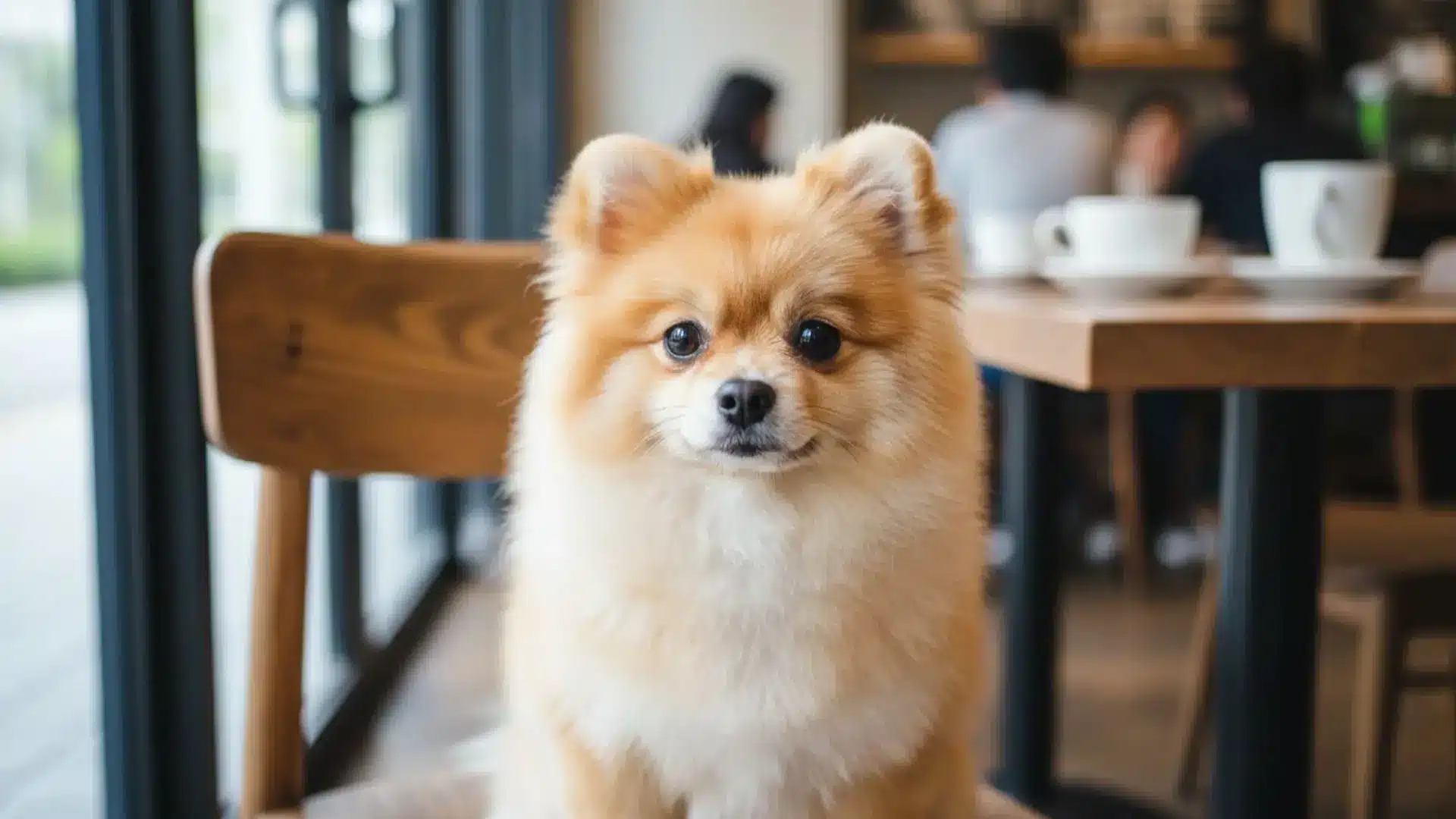
The Pomeranian earns its place on this list through a combination of natural fluff and a little grooming magic.
When trimmed into the popular “teddy bear cut,” their rounded faces and compact bodies create an appearance almost indistinguishable from a stuffed animal.
Unlike most dogs on this list, Pomeranians have a double coat that does shed, so regular brushing is non-negotiable. They are also among the more vocal breeds in this category.
- Weight: 3-7 lbs
- Coat: Thick double coat, moderate shedding, commonly orange, black, white, cream, and red
- Best for: Singles, apartment living, experienced small-dog owners
6. Yorkipoo: Yorkshire Terrier × Poodle
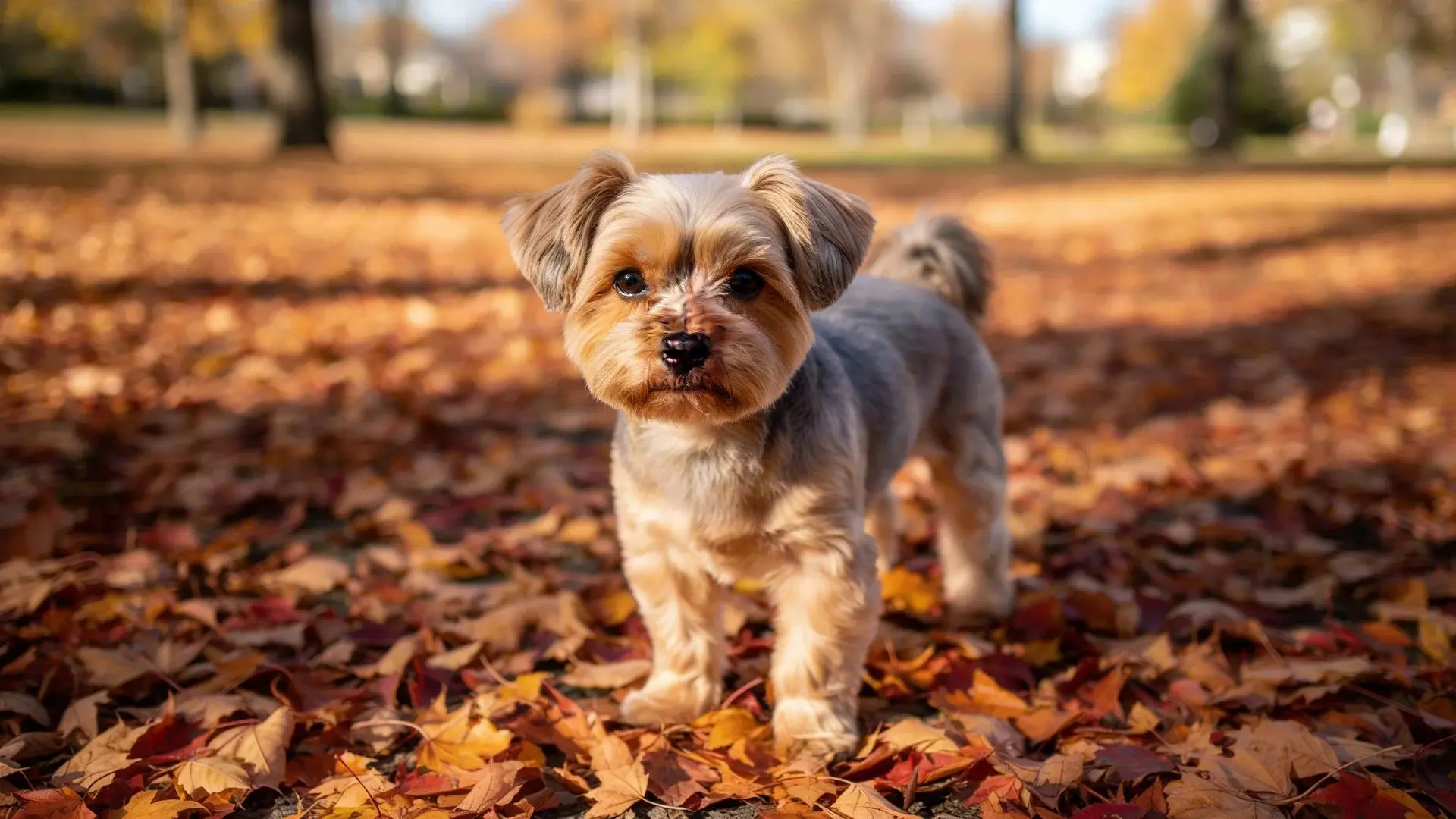
The Yorkipoo is for the person who wants their teddy bear dog to come with a little spice. They are confident and full of character. The kind of dog that trots into a room like it owns the place.
Yorkipoos are sharp, trainable, and endlessly entertaining, making them suitable for people who want an interactive companion rather than a purely laid-back lap dog.
Trainers I have met tend to describe them as “surprisingly easy once you earn their respect.”
- Weight: 3-14 lbs
- Coat: Silky, low-shedding, commonly black/gold, chocolate/brown, and Apricot and Cream
- Best for: Active singles, small families, experienced owners
7. Schnoodle: Miniature Schnauzer × Poodle
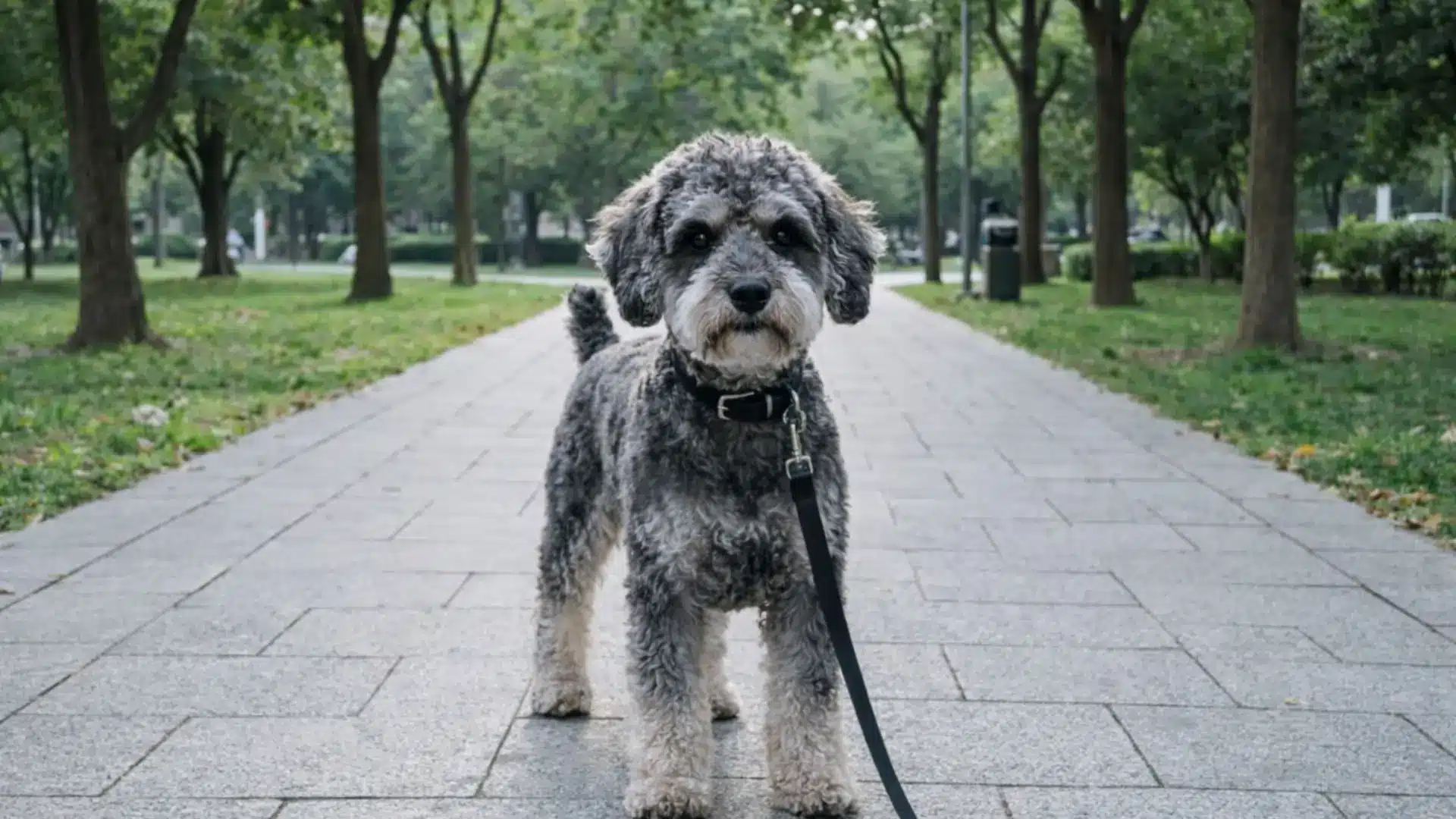
The Schnoodle does not always make the top of the teddy bear list, but it absolutely should. It has that distinctive plush quality people associate with the teddy bear look.
What makes the Schnoodle genuinely different is its personality. It is smarter and more energetic than most other dogs on this list, inheriting the Schnauzer’s loyalty and the Poodle’s intellect.
As the IAABC Foundation explains, mental stimulation is just as important as physical exercise for high-intelligence breeds, and the Schnoodle is a fitting example. Puzzle feeders and regular training sessions keep this dog genuinely content.
- Weight: 6-20 lbs (Miniature variety)
- Coat: Wavy, low-shedding, commonly black, white, grey, and silver
- Best for: Active families, owners who enjoy training and enrichment activities
8. Lhasa Apso
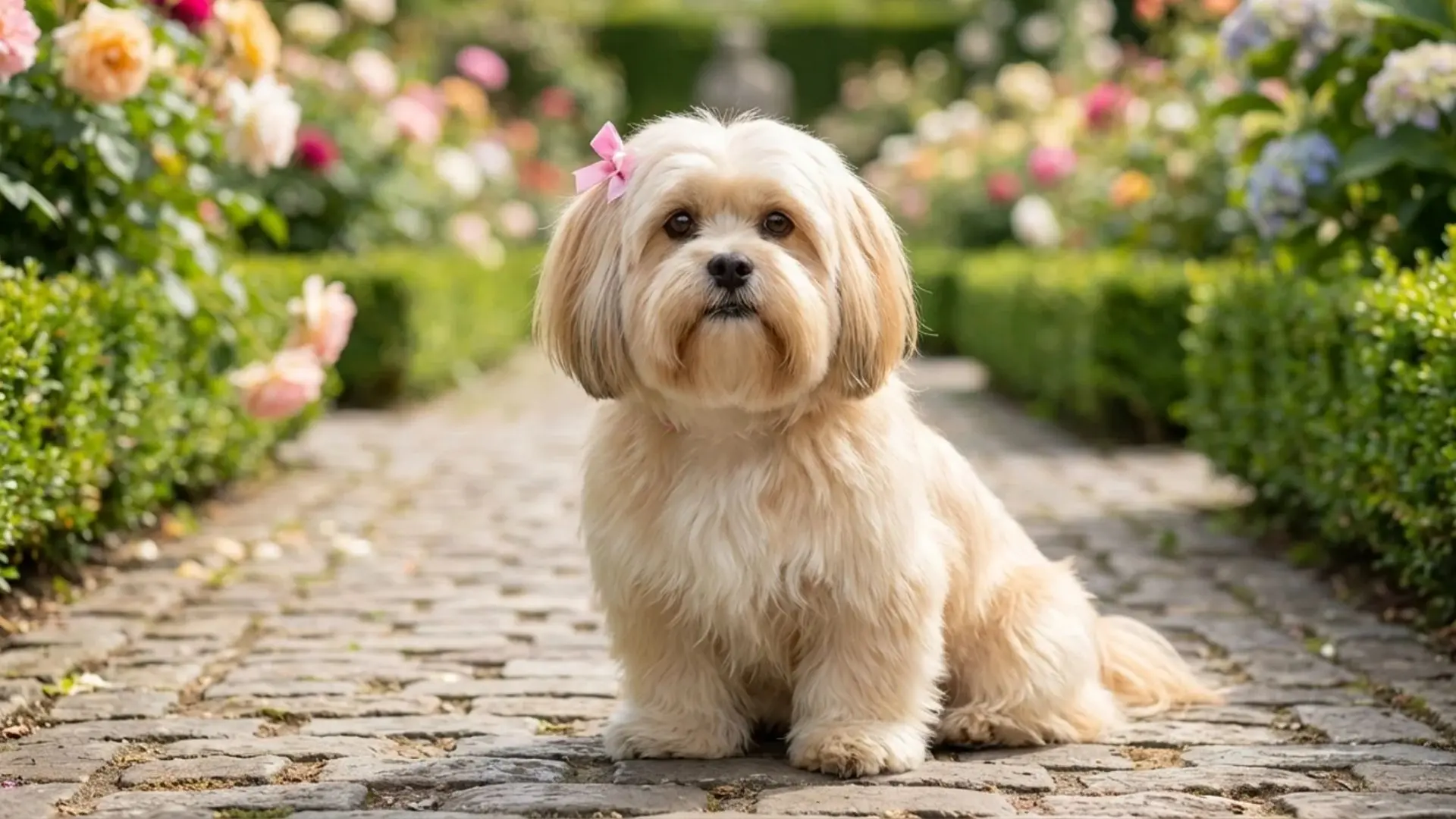
The Lhasa Apso is one of the oldest companion breeds in recorded history, originally bred as a sentinel dog in Tibetan monasteries.
When trimmed into a puppy or teddy cut, it gives them an undeniably plush, almost regal appearance. The AKC describes them as “confident and complex” for good reason.
Their temperament is more independent and watchful than most other breeds on this list. They are not dogs that follow you from room to room.
They will come to you for affection on their own terms, which some owners find refreshing, and others find challenging.
- Weight: 12-18 lbs
- Coat: Long and silky, stunning in a teddy cut, commonly black, golden, gray, and white
- Best for: Experienced dog owners looking for a more self-possessed companion
9. Poochon: Bichon Frise × Poodle
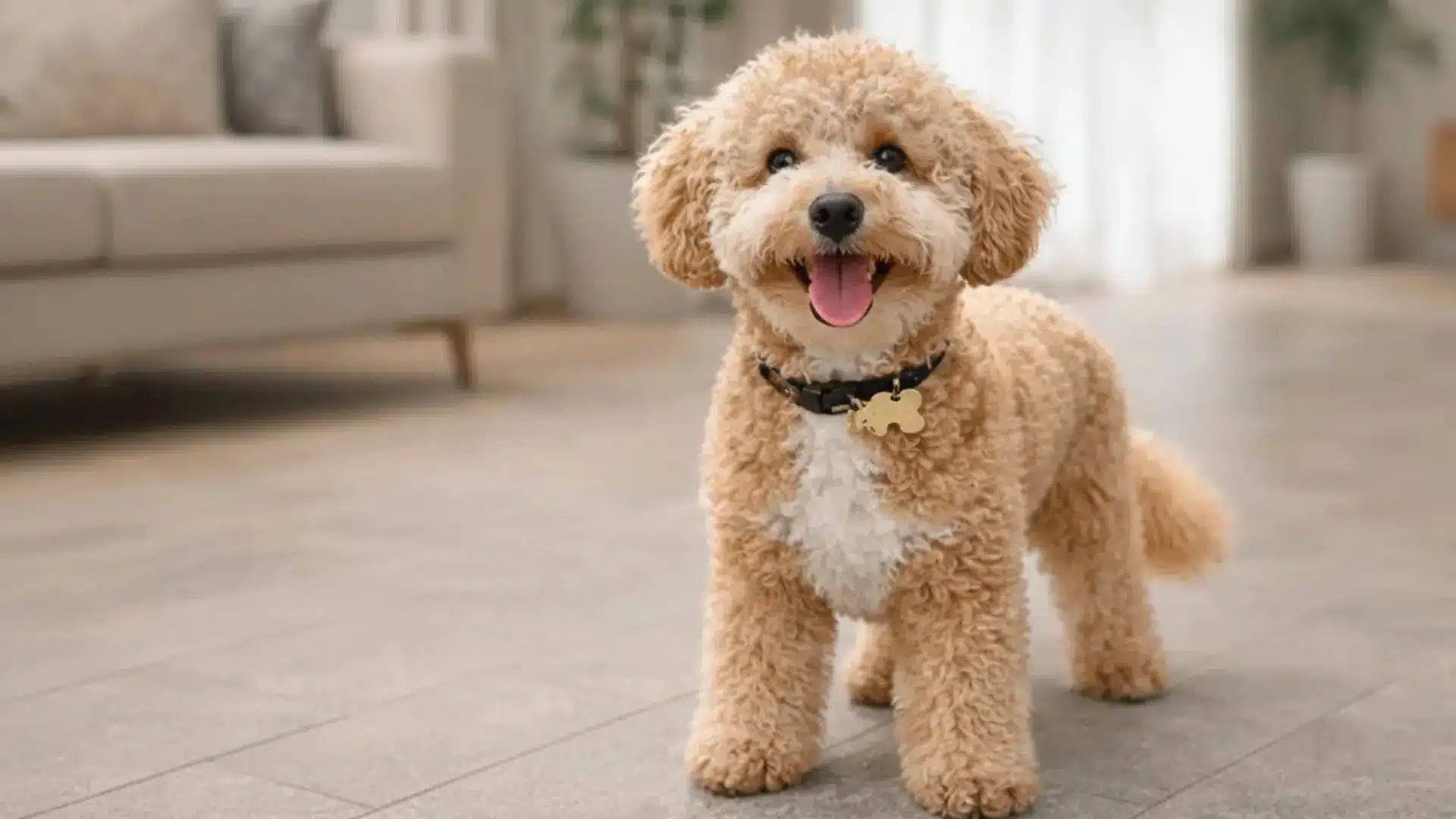
Also known as the Bichpoo, the Poochon is arguably the most allergy-friendly dog on this entire list, and it looks every bit the part.
Compact, round-headed, with button eyes and an extremely low-shedding coat, the Poochon is a genuine choice for households where allergies are a consistent concern.
They are sociable, gentle, and notably easy to train, and based on the families I have spoken with who own them, they tend to be among the most easygoing dogs to live with day-to-day.
- Weight: 6-17 lbs
- Coat: Fluffy, very low-shedding, allergy-friendly, commonly white, apricot, black, and cream
- Best for: Allergy-prone households, families, first-time owners
Pros and Cons of Owning a Teddy Bear Dog
In my conversations with trainers across New England, the phrase I heard most about teddy bear dogs was simply “they just want to be near you.”
That is the heart of what you are signing up for with one of these breeds. But like any dog, they come with real responsibilities alongside the rewards.
| Pros of Owning a Teddy Bear Dog | Cons of Owning a Teddy Bear Dog |
|---|---|
| Their deeply affectionate, people-focused nature makes these dogs constant companions | Strong attachment can lead to separation anxiety if left alone too long |
| Gentle and calm temperament makes them a great fit for families with children or elders. | They can become clingy and too dependent on human interaction |
| Short daily walks and indoor playtime usually keep them happy and well-balanced. | Boredom can lead to chewing or attention-seeking habits if mental stimulation is lacking. |
| Learn commands quickly, especially when trained with rewards and positive reinforcement techniques. | Several breeds in this category can be stubborn about potty training. Consistency and patience are essential. |
| Generally friendly with other pets. Suitable for multi-pet households | Poor early socialization can lead to shyness or nervousness around unfamiliar animals |
| Low-shedding coats mean cleaner homes and are suitable for people with allergies. | Coat type often requires frequent brushing and professional grooming. |
| Compact size. Suitable for urban and suburban living situations. | A smaller size can make them physically delicate, so rough play or unsupervised interactions. |
| Loyal companionship builds strong emotional connections, often providing comfort for individuals and families alike. | Their popularity has created demand that fuels irresponsible breeding. Sourcing from a reputable breeder or rescue is important to avoid preventable health issues. |
How to Choose the Right Teddy Bear Dog Breed
Choosing the right teddy bear dog comes down to matching the breed’s personality and energy to your actual daily routine, not just the dog that photographs best.
From my years volunteering in shelters and speaking with breeders and families across the country, I have learned that these dogs bring immense joy when the fit feels natural.
Consider your lifestyle first. If you live in an apartment or smaller home and want a calm companion who does not need long runs, breeds like the Maltipoo or Malshi often do beautifully.
Families with young children usually thrive with a patient and gentle Cavapoo or Cavachon. Seniors and singles who crave quiet affection frequently fall in love with a laid-back Shichon.
Think honestly about grooming commitment, because most teddy bear puppies need regular brushing and professional trims to stay looking cuddly. Also, reflect on how much time you spend at home, since these affectionate dogs can struggle when left alone for long hours.
Great matches include apartment dwellers, first-time owners, families with kids, and seniors seeking a loving lap dog. They may not suit very active people who want a jogging partner or anyone unable to provide daily companionship.
If you are ready to welcome a devoted little shadow who gives endless love in return, a teddy bear puppy could be the perfect addition to your family.
Care Tips for Your Teddy Bear Dog
Caring for a teddy bear puppy is easier when you build simple daily habits that keep them healthy, happy, and looking adorable.
In my years working with shelters and helping families, I have seen these little dogs thrive with consistent routines and plenty of love. Here are the most important things to focus on.
- Grooming for the Signature Teddy Bear Look: Brush your puppy 3 to 4 times a week to prevent matting in their soft, fluffy coat. Schedule professional grooming every 6 to 8 weeks to maintain that classic rounded cut. Gently wipe their eyes daily to manage common tear staining.
- Feeding and Nutrition: Offer high-quality small-breed puppy food on a consistent schedule. Most teddy bear puppies do well with three to four small meals a day when young. Always provide fresh water and avoid free-feeding to prevent weight gain in their compact bodies.
- Exercise and Playtime: Give your dog 20 to 30 minutes of daily walking plus indoor play sessions. These dogs have moderate energy levels and stay happy with short strolls and interactive toys. Mental stimulation matters just as much as physical activity for the sharper breeds in this category, so puzzle feeders and training games are well worth incorporating.
- Use Positive Reinforcement: Use treats, praise, and short sessions. It is proven to be the most efficient method of dog training. These pups are eager to please but can show a stubborn streak in some mixes. Start early socialization for the best results. Early socialization, introducing your puppy to new people, sounds, and environments during the first few months, is one of the most valuable investments you can make in their long-term temperament.
- Health and Vet Care: Schedule regular veterinary checkups and stay current on preventive care. Prioritize dental hygiene with daily brushing or veterinary-approved dental chews, as small breeds are especially prone to plaque buildup and periodontal disease. Ask your vet about breed-specific screenings relevant to your dog’s parentage, particularly if you have a flat-faced mix or a breed with known cardiac history.
- Daily Companionship: These affectionate dogs need regular social interaction. They do best when included in family activities and not left alone for long stretches.
Conclusion
Bringing one of these plush companions into your home is about much more than just their undeniable cuteness.
Ultimately, answering what a teddy bear dog is goes beyond their fluffy coats and button noses. It is about embracing a devoted, affectionate friend who simply wants to share your daily life.
They thrive on connection and give back every ounce of love they receive. While their grooming takes effort and they demand your time, the reward of an unbreakable bond makes it entirely worthwhile.
The key is choosing a breed that honestly fits your lifestyle and sourcing that dog responsibly. Do both of those things, and you will have a loyal, devoted companion for years to come.
Do you already share your home with one of these pups, or are you looking to adopt one soon? Share your favorite breed or mix in the comments below!
Frequently Asked Questions
Are Teddy Bear Dogs Prone to Excessive Barking at Home?
Many mixes are vocal, acting as alert watchdogs. However, consistent early training easily minimizes nuisance barking and keeps them quiet.
Can Teddy Bear Dogs Live in Hot Climates Comfortably?
Most adapt well with access to air conditioning, shaded outdoor spaces, and shorter walks during peak heat hours. Flat-faced mixes with Shih Tzu or Pekingese lineage can be more sensitive to heat due to their brachycephalic anatomy, so extra caution applies in warm months.
At What Age Do Teddy Bear Puppies Reach Full Size?
Most reach their adult size between 9 and 12 months, though some fill out slightly until around 14 months, depending on the breed mix.
Can Teddy Bear Dogs Travel Well on Airplanes?
Their small size often qualifies them for in-cabin travel, but always check airline-specific pet policies before booking, as requirements vary by carrier.