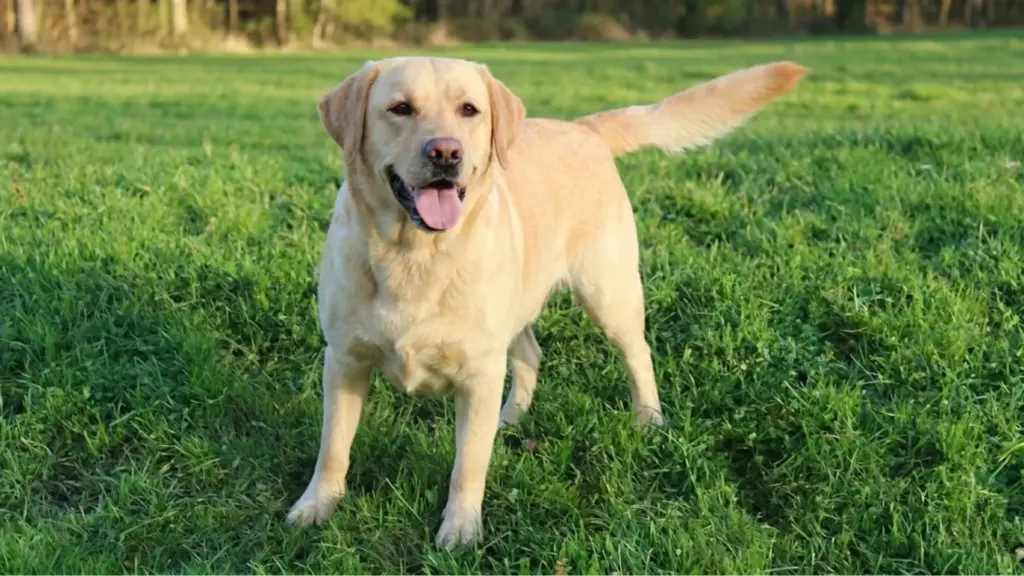
You come home after a long day, and your dog rushes to the door, tail moving nonstop.
It feels like pure happiness in motion, but have you ever paused and thought: why do dogs wag their tails when happy, or if that wag always means the same thing?
Many dog owners assume a wagging tail equals joy, yet dogs use their tails to express much more than excitement.
That simple movement can carry signals about comfort, curiosity, or even uncertainty.
Understanding dog tail meaning can change the way you see your pet’s behavior and help you respond better in everyday moments.
Once you start noticing the small details, those tail wags begin to tell a story you may have been missing all along.
What Does it Mean When a Dog Wags Its Tail?
When a dog wags its tail, it is not just showing happiness.
Tail wagging is a way dogs communicate their feelings and reactions to what is happening around them.
Many people assume a wagging tail always means a friendly dog, but that is not always true.
A dog can wag its tail when excited, nervous, unsure, or even slightly irritated. To understand the real meaning, it is important to look at how the tail is moving.
The speed of the wag, the direction, and the position of the tail all give clues. Fast and loose wagging often shows excitement, while slow or stiff movement can signal caution.
A high tail wag may show confidence, while a low wag can indicate fear.
As the American Kennel Club notes, tail wagging serves much the same function as a human smile or a polite greeting; it is a visual signal shaped by how dogs see and respond to the world around them.
Why Do Dogs Wag Their Tails When Happy?
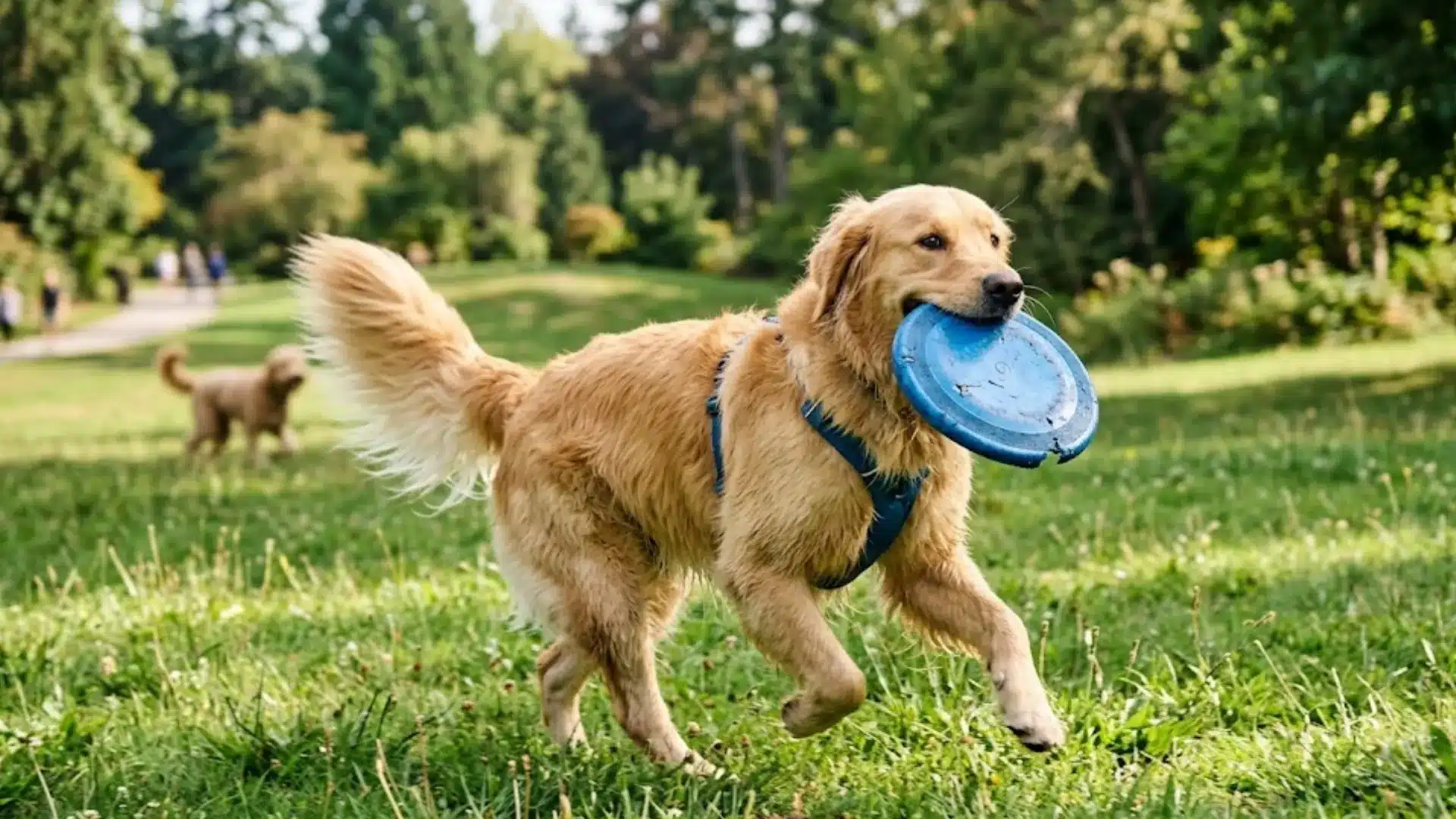
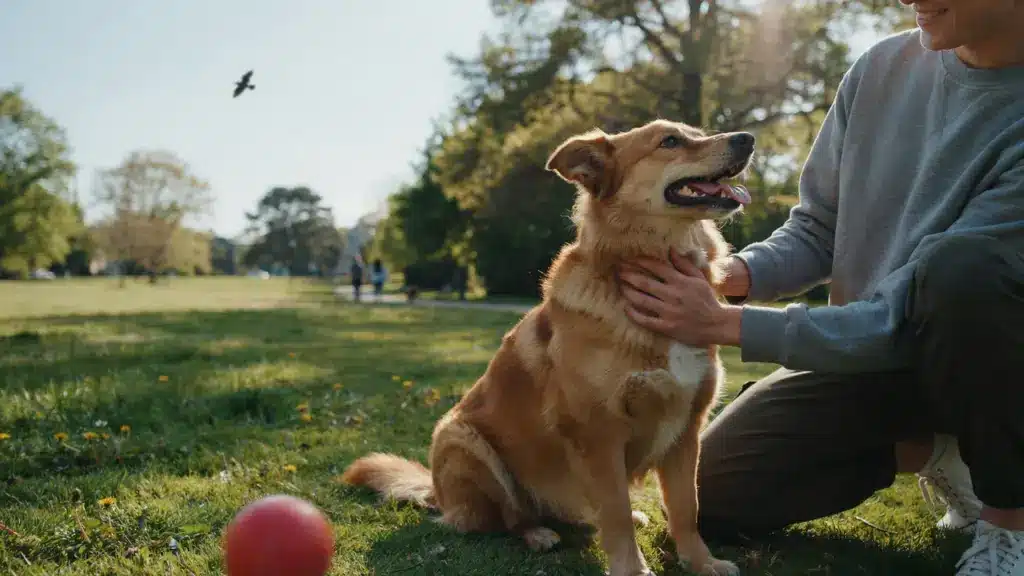
Dogs wag their tails when happy because it is a natural way to express positive emotions.
When a dog feels excited, relaxed, or connected, the body releases energy, and tail wagging becomes a simple physical response.
This often happens when greeting owners, playing, going for walks, or expecting food or treats.
Tail wagging also comes from their history as pack animals, where body signals helped communicate safely with others.
A loose wag shows friendliness and helps avoid conflict while building trust with humans and other dogs. It acts as a social signal that says the dog feels comfortable and open to interaction.
Wagging also works as an emotional release, allowing dogs to show excitement without using sound.
During moments of joy, such as playtime or bonding, the tail moves naturally as part of that feeling. This makes tail wagging one of the clearest signs of a happy and engaged dog.
Puppies are not born with this behavior. According to Best Friend Animal Society, tail wagging typically begins to develop around 2 to 4 weeks of age, as puppies start engaging socially with their littermates.
Before that point, the tail mainly helps with balance rather than communication.
From real experience working with dogs, one thing becomes clear very quickly: a truly happy wag is not just about the tail. It shows up in the entire body.
Different Types of Tail Wags and What They Mean
Not all tail wags look the same, and each style can tell a different story about how a dog feels. Dog owners often notice patterns in how their pets move their tails in everyday situations.
1. Wide, Loose Wag
A wide, loose wag is one of the easiest signs to recognize; the tail moves freely from side to side in a relaxed and smooth motion.
This usually means the dog feels happy, comfortable, and open to interaction. You will often see this wag when a dog greets a familiar person or plays in a safe environment.
The body is usually relaxed, and the dog may even approach with a soft expression. This type of wag signals friendliness and trust, making the dog approachable and at ease in the moment.
2. Helicopter Wag (Circular Motion)
The helicopter wag is easy to spot because the tail moves in a full circular motion instead of side to side. This type of wag shows extreme happiness and excitement.
It is often seen when dogs greet their favorite people after some time apart. The entire back end of the dog may move along with the tail, showing pure joy.
In my training sessions, I have seen dogs reserve this wag exclusively for one specific family member, their absolute favorite person.
If your dog gives you the helicopter and no one else gets it, that is about as strong an emotional signal as a dog can send.
Finding enrichment activities that bring out their joy can strengthen this bond even further and keep that tail spinning for years to come.
3. Short, Quick Wag
A short, quick wag is usually more controlled and less expressive than other types. The tail moves in small, fast motions, often while the dog stays still or focused on something.
This can signal alertness or curiosity as the dog may be trying to understand a new sound, smell, or movement. It does not always mean the dog is friendly or relaxed.
In some cases, it can show uncertainty; therefore, watching the rest of the body, such as ears and posture, helps give a clearer idea of what the dog is feeling.
Does the Direction of Tail Wagging Matter?
Yes, the direction of a dog’s tail wag can actually matter, and studies suggest it is linked to how the brain works.
A dog’s brain has two sides, and each side controls different emotions.
When a dog wags its tail more to the right side, it is often feeling positive emotions like comfort, excitement, or happiness.
This is commonly seen when dogs interact with their owners or something familiar.
On the other hand, when the tail wags more to the left, it may signal negative feelings such as stress, fear, or uncertainty. This can happen in new or uncomfortable situations.
While the difference can be subtle and not always easy to notice, it adds another layer to understanding dog behavior.
Research from PubMed shows that the direction of a dog’s tail wag is not random and is linked to how the brain processes emotions.
Like many animals, dogs have brain asymmetry, meaning each side of the brain controls different emotional responses. This directly affects how the tail moves.
Looking at tail direction along with body language helps give a clearer picture of what a dog is truly feeling.
Dog Tail Wagging Positions and Their Meanings
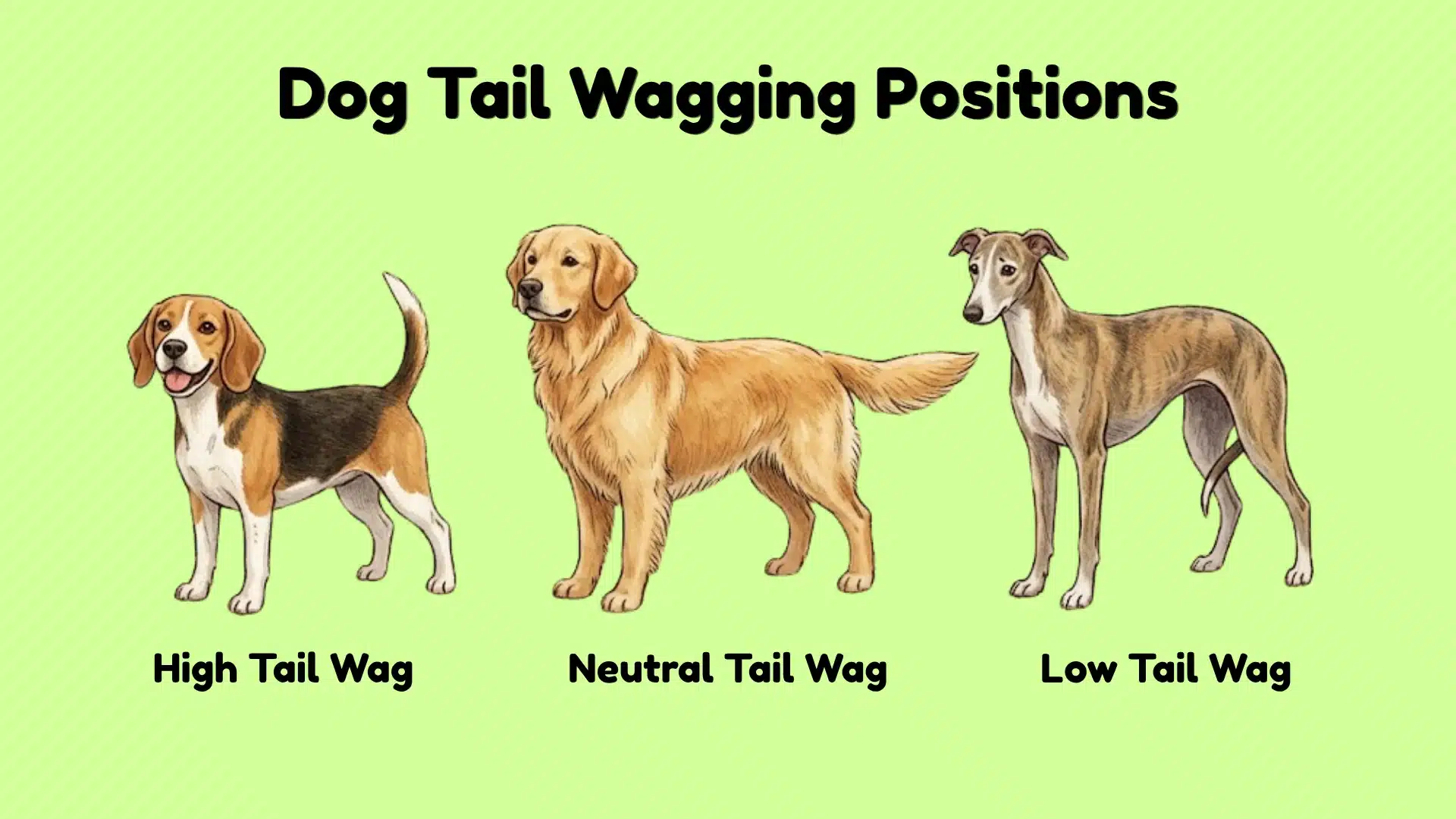
A dog’s tail position plays a big role in understanding what the wag actually means. It is not just about movement but also about where the tail is held.
1. High Tail Wag
A high tail wag usually means the dog is feeling confident and alert. The tail is raised above the normal level and moves with purpose.
This can show excitement or a strong interest in something nearby.
However, it is not always a friendly sign. In some cases, a high wag can also signal dominance or a warning, especially if the body looks stiff.
The dog may be watching closely or reacting to something it sees as important. It is best to observe the full body language before assuming the dog is happy or approachable.
2. Neutral Tail Wag
A neutral tail wag is one of the most relaxed and easygoing signals a dog can show. The tail sits at its normal resting position and moves gently from side to side.
This often means the dog feels calm, safe, and comfortable in its environment. You will usually see this type of wag at home or around familiar people and places.
The dog is not overly excited or stressed, but instead, it is simply content. This is a good sign that the dog is approachable and in a balanced emotional state.
3. Low Tail Wag
A low tail wag often shows that a dog is feeling unsure, cautious, or submissive. The tail is held below its normal position and moves slowly or slightly.
This can happen when a dog is in a new situation or feels uncomfortable. It may also be a sign of anxiety or mild fear.
The dog might avoid eye contact or stay still while observing what is happening. This type of wag is not a sign of happiness, and it is important to give the dog space and allow it to feel safe before trying to interact.
Dog Tail Wag Meanings at a Glance
Instead of guessing, you can use simple patterns like tail position and wag style to get a clear idea of how your dog feels in the moment. This quick reference helps you spot signs of happiness, alertness, or stress right away.
| Tail Position | Wag Style | Likely Meaning |
|---|---|---|
| Neutral (parallel to ground) | Wide, loose, sweeping | Happy, relaxed, friendly |
| Neutral to slightly raised | Circular (helicopter) | Excited, strong positive bond |
| Straight out behind | Held still or slight wag | Alert, curious |
| High / raised | Short, stiff, controlled | Dominant, assertive, or warning |
| Low / below neutral | Slow, small movements | Submissive, nervous, or fearful |
| Tucked between legs | Slight or no wag | Fear, anxiety, submission |
How to Read Your Dog’s Body Language Along with Tail Wagging?
Understanding a dog’s tail wag is helpful, but it is not enough on its own. To truly know what a dog is feeling, you need to look at the full body.
Dogs communicate through a mix of signals, and each part adds meaning.
For example, ear position can reveal a lot; when ears are held forward, it often shows interest or alertness, while flattened ears can signal fear or discomfort.
Facial expression also matters: a relaxed face with soft eyes usually means the dog is calm, while a tense face may show stress.
Posture and movement give even more clues. A loose, wiggly body often means the dog feels safe and happy. In contrast, a stiff stance can be a warning sign.
The Humane Society of Missouri also points out an interesting detail: dogs do not wag their tails when alone.
They wag only in front of people or other dogs, which confirms that tail wagging is a deliberate form of social communication rather than a reflexive motion.
By combining these signals with tail movement, it becomes much easier to understand your dog and respond in the right way.
Signs That Tail Wagging Does Not Mean Happiness
In many situations, dogs wag their tails to express stress, fear, or even to signal a warning. It is important to look beyond the wag and notice how the tail moves along with the dog’s overall body.
- Stiff, Rigid Wag: The tail moves slowly with little flexibility, often paired with a tense body. This can signal caution or possible aggression.
- High and Tight Wag: A raised tail with short, controlled movements may show dominance or alertness rather than friendliness.
- Low, Slow Wag: The tail stays low and moves gently, which often indicates nervousness, insecurity, or submission.
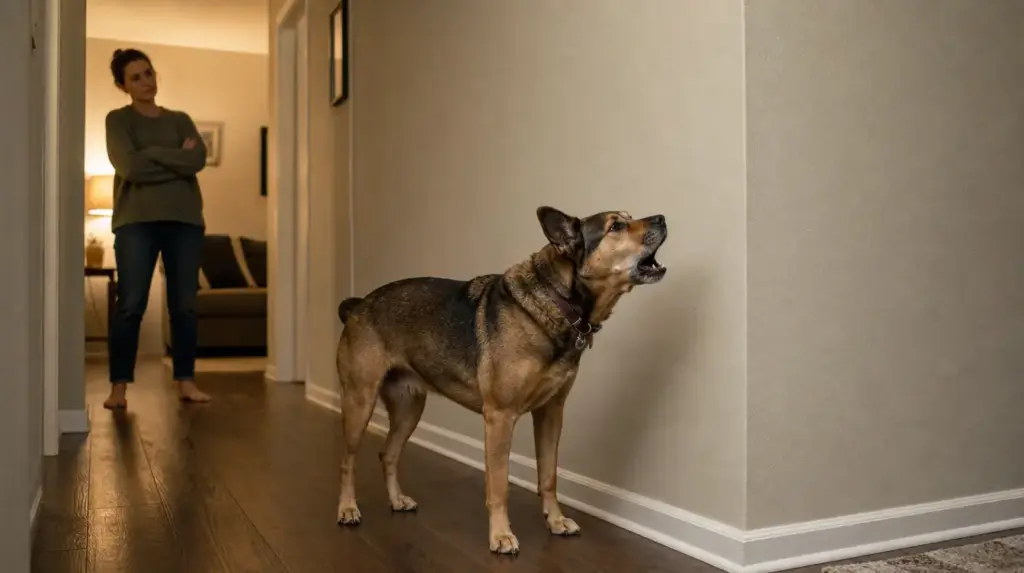
- Fast Wag with Tension: Rapid wagging combined with barking or stiff posture can mean overstimulation or stress, not joy.
- Tucked Tail with Slight Wag: A tail held close to the body with small movements often signals fear or discomfort.
- Uneven or Jerky Wag: Irregular movement may show confusion, uncertainty, or emotional imbalance.
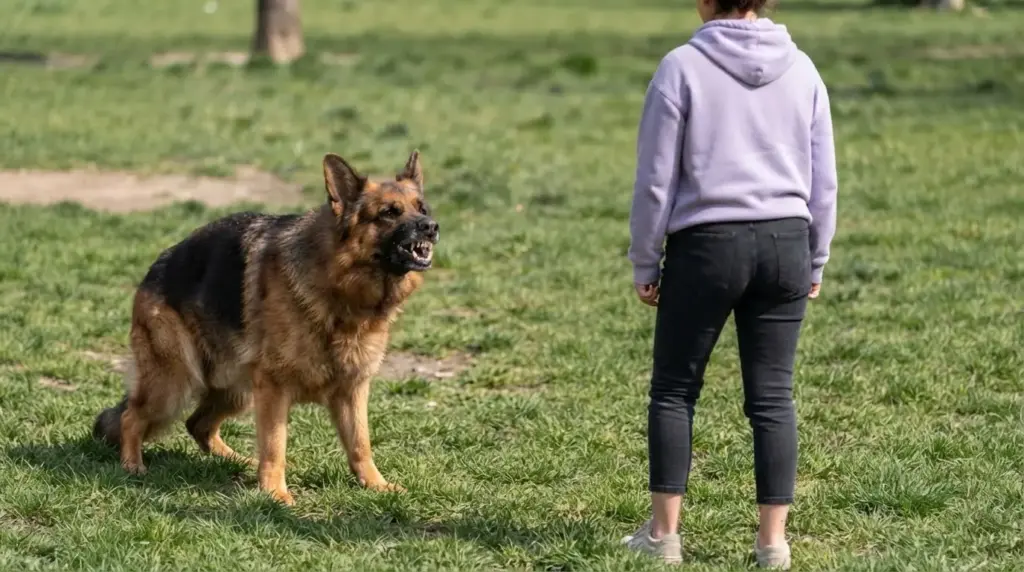
One of the most important lessons I share with clients involves a scenario I have encountered more than once in training: a dog with a wagging tail biting or snapping.
It catches people completely off guard because they trusted the wag. But a fast, stiff wag with dilated pupils and forward posture is arousal, not friendliness, and arousal can tip into aggression in seconds.
A wagging tail means the dog is engaged. What it is engaged with, and how it feels about that, is what everything else tells you.
Conclusion
Understanding why dogs wag their tails when happy helps build a deeper connection with your dog and prevents common misunderstandings.
Tail wagging is not just about joy; it reflects a range of emotions shaped by movement, position, and body language.
Paying attention to these details makes everyday interactions safer and more meaningful.
A relaxed wag, combined with a soft face and loose posture, often shows comfort and trust. On the other hand, stiff or low wags may signal caution or stress.
The key is to observe the full picture, not just the tail, as every dog is different, and learning these signals takes time and patience.
Have you noticed your dog wagging its tail in a way that surprised you? Share your experience in the comments below.
Frequently Asked Questions
Why Do Dogs Wag Their Tails While Lying Down?
Dogs may wag their tails while lying down to show comfort, affection, or mild excitement. It often happens when they feel relaxed but still want to respond to people or their surroundings.
Why Do Dogs Wag Their Tails When They Are Dying?
In some cases, dogs may still wag their tails due to reflex actions or emotional recognition. It can be a final response to familiar voices, comfort, or presence.
Does Tail Docking Affect How Dogs Communicate?
Yes, tail docking can affect how dogs communicate. Since tail movement is a key signal, dogs with docked tails may rely more on body posture, ears, and facial expressions to express emotions.
What Dog Breeds Are Prone To Depression?
Breeds like Labrador Retrievers, German Shepherds, Cocker Spaniels, and Border Collies can be more prone to depression due to high emotional sensitivity and strong attachment to owners.