

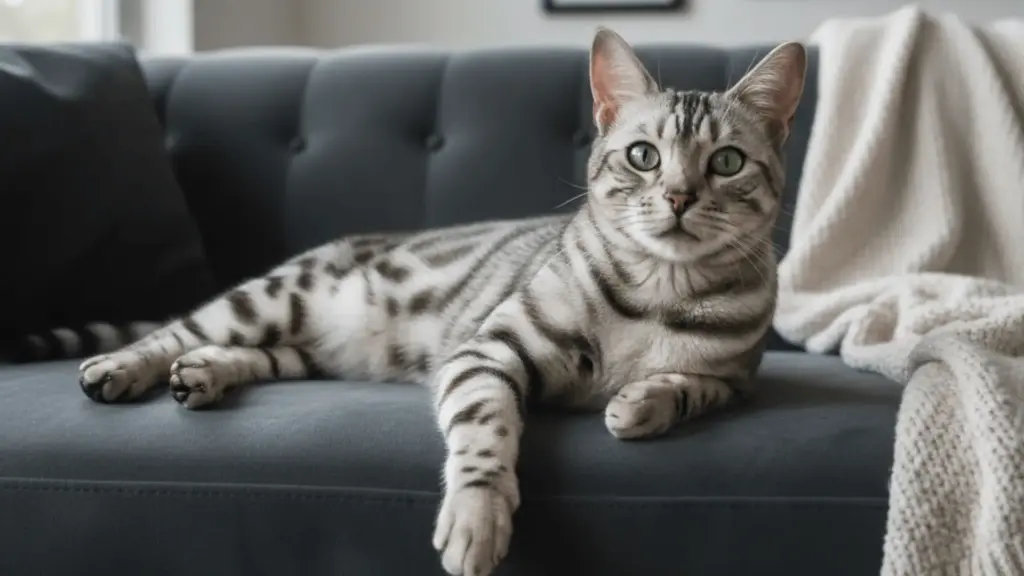
A striking coat can make any cat stand out, but few breeds attract attention quite like the Silver Bengal.
The cool-toned fur, bold black markings, and wild appearance often make people pause and take a second look.
Yet appearance alone does not define this breed. Many potential owners become curious about temperament, care needs, and the true commitment required before bringing one home.
The silver Bengal cat is known not only for its unique color but also for its high intelligence, strong energy, and interactive personality.
Silver Bengal cats typically cost between $2,000 and $5,000 from a reputable TICA-registered breeder, with show-quality or breeding-quality cats going higher.
They are rarer than brown Bengals because the silver coat requires a specific inhibitor gene.
Trusted starting points for finding silver Bengal kittens in the United States include the TICA Breeder Directory, the Bengal Cat Club, and breed-specific rescue platforms like Rescue Me.
This blog post covers everything you need to evaluate before committing.
What Makes a Silver Bengal Cat Different?
A silver Bengal cat is a Bengal that carries the “I” gene, which removes warm tones from the coat.
This gene suppresses yellow and red pigmentation in the hair while leaving black pigment intact, producing the cool silver or ash base the breed is known for.
Silver was introduced into the Bengal breed in the 1990s through crossbreeding with the American Shorthair.
Instead of the typical brown background, the coat appears silver, ash, or light gray with dark black or charcoal markings.
The strong contrast between the light base and bold spots or marbling creates a wild-looking appearance that many people compare to a snow leopard.
Many people refer to this color as a grey Bengal cat, but silver and grey typically describe the same variation.
True silver Bengals should not show brown or golden tones. Patterns may include spotted, rosetted, charcoal, or marble.
A cat carrying two copies of the inhibitor gene will show even less warm pigment and is particularly valued in breeding programs for producing consistently silver offspring.
Aside from coat color, the Bengal breed’s personality, intelligence, energy level, and care needs remain the same across color variations.
Silver Bengal Cat’s Appearance
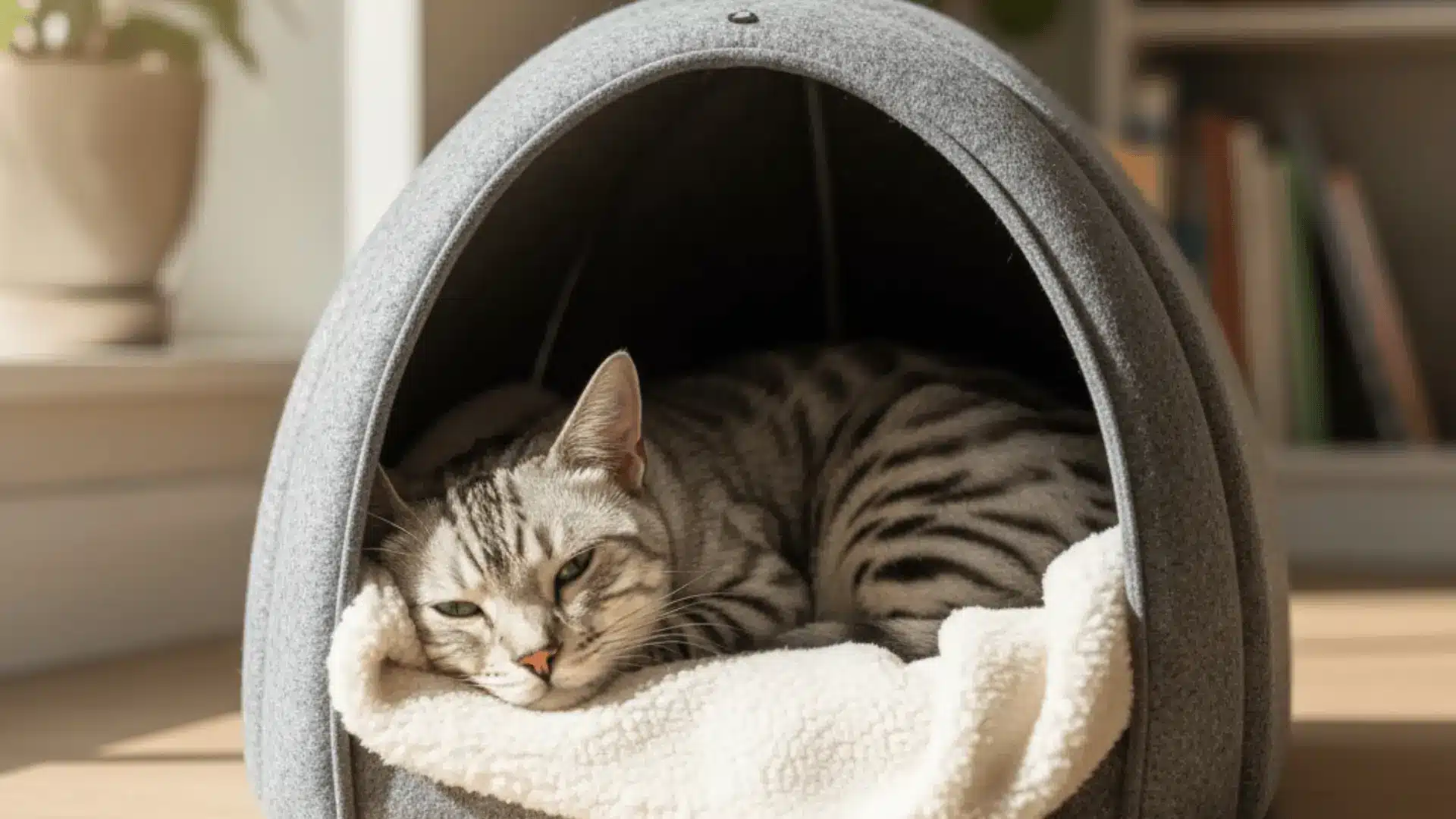
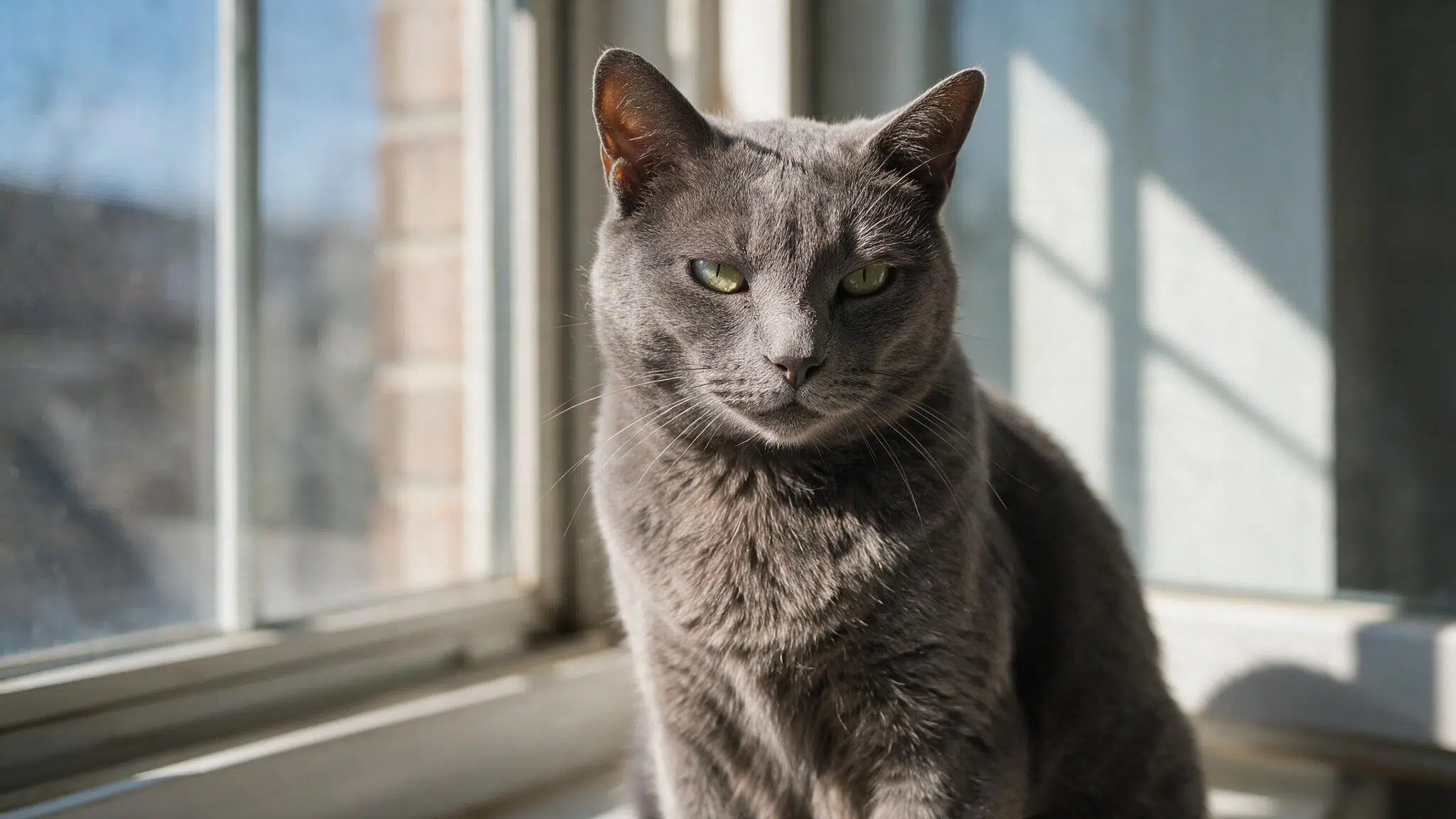
The silver Bengal cat stands out for its cool-toned coat and strong contrast markings.
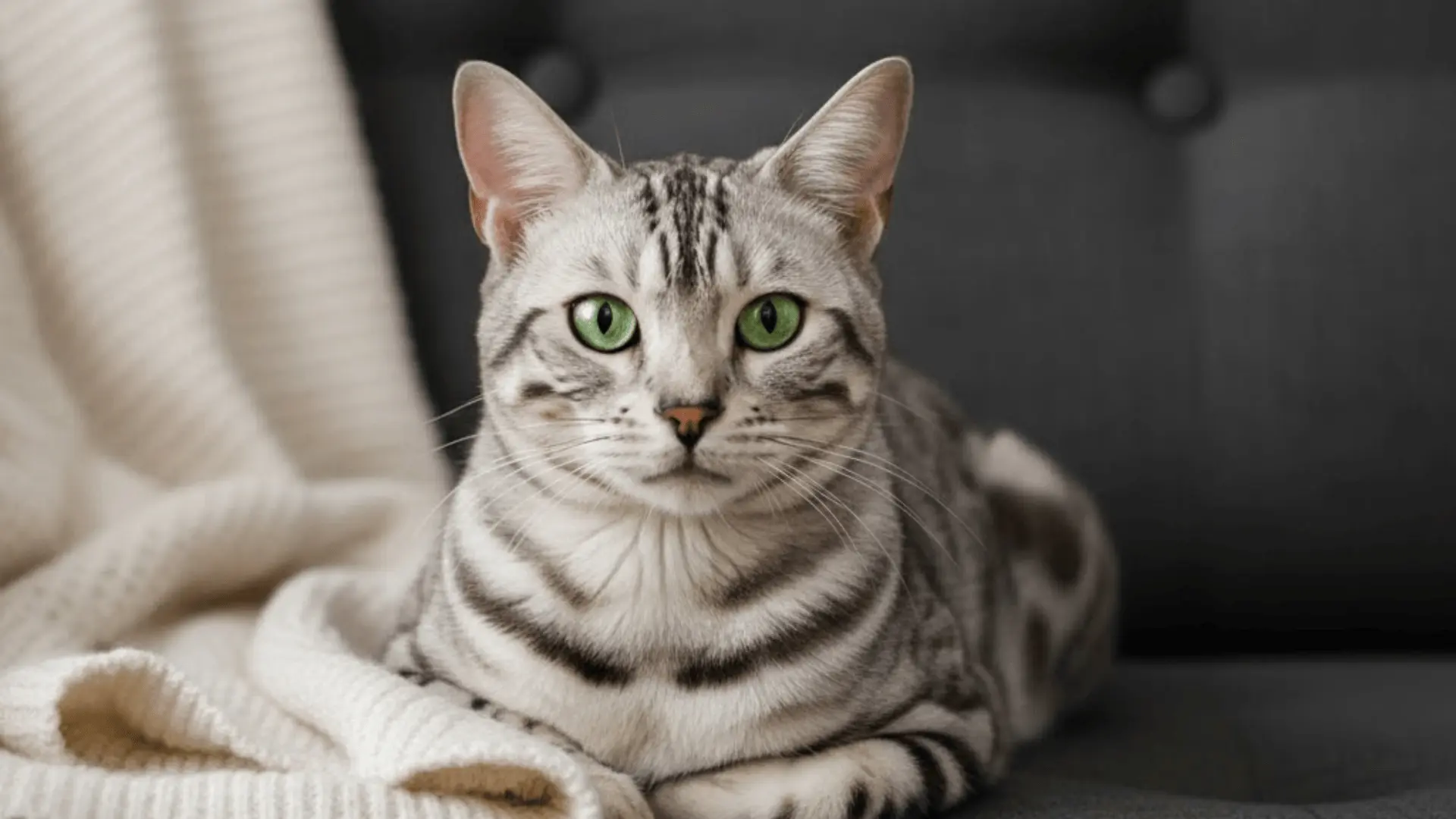
The base color ranges from pale silver white to light gray, paired with dark black or deep charcoal patterns. Unlike brown Bengals, the silver variation does not show warm golden hues.
There are several recognized pattern types:
- Silver spotted: Distinct spots or rosettes scattered across the body, often with a two-toned fill that resembles wild leopard markings.
- Silver charcoal: A darker mask on the face, sometimes called “Zorro markings,” with a cape along the back and more dramatic, high-contrast rosettes filled with solid black rather than outlined.
- Silver marble: Flowing, horizontal swirls rather than spots, creating a bold pattern along the sides.
- Silver snow: A silver cat that also carries the snow gene, producing an icy, cool-white coat with muted markings that become more defined with age.
Eye color can vary. Common shades include green and gold. Green eyes paired with a high-contrast silver coat are considered especially desirable by breeders and often influence kitten pricing.
Bengal cats are the only domestic breed that carries rosette markings, a trait inherited from their Asian leopard cat ancestry. On a silver base coat, these rosettes tend to appear especially crisp and dramatic.
Silver Bengal Cat Quick Facts
Here is a quick and simple overview to help readers understand what makes this cat special, from its appearance to its personality and overall companionship traits.
| Fact | Details |
|---|---|
| Scientific / Breed Origin | Domestic cat × Asian Leopard Cat (Prionailurus bengalensis); silver introduced via American Shorthair crossbreeding in the 1990s |
| Lifespan | 12 to 16 years |
| Adult Weight | 8 to 15 pounds; males are typically larger than females |
| Coat Type | Short, dense, low-shedding |
| Recognized Patterns | Spotted, rosetted, marble, charcoal, silver snow |
| Temperament | Highly intelligent, active, interactive, and loyal |
| Good With Children / Pets | Yes, with a proper introduction |
| Price Range (pet quality) | $2,000 to $5,000 from reputable breeders |
| TICA Status | Recognized, silver is an accepted Bengal color under TICA standards |
What to Expect From a Silver Bengal Cat’s Personality
The silver Bengal cat is known for high intelligence and constant curiosity.
This breed learns quickly, responds well to training, and often picks up routines faster than many other domestic cats.
Puzzle feeders, climbing structures, and interactive play sessions are part of daily life with this breed.
Energy levels are high. Silver Bengals enjoy running, jumping, and climbing, often seeking elevated spaces inside the home.
Without enough activity, boredom can lead to destructive behavior.
Some Bengal owners describe them as more dog-like than cat-like in the way they follow their people around, learn their names, and seek active engagement throughout the day.
Bonding is strong and interactive. Many form close attachments to their owners and prefer being involved in household activities.
They can do well with respectful children and other pets if introduced properly.
Bengals are also known for their fascination with water, and it is not unusual for a silver Bengal to join you at the sink or dip a paw into a water bowl before drinking.
Silver Bengal Cat Health and Lifespan
The Silver Bengal Cat is generally considered a healthy breed, but, as with all purebred cats, certain genetic conditions can occur.
One of the more recognized concerns is hypertrophic cardiomyopathy, a heart condition that responsible breeders screen for.
Progressive retinal atrophy and patellar luxation may also appear in some lines. Choosing a breeder who conducts health testing greatly reduces risk.
With proper care, the average lifespan ranges from 12 to 16 years, and many live even longer in well-maintained indoor environments.
Routine veterinary visits are essential. Annual exams, vaccinations, and early screening help detect issues before they become serious. A high-quality, protein-rich diet supports muscle tone and overall health.
Silver Bengal Cat: Daily Living Needs
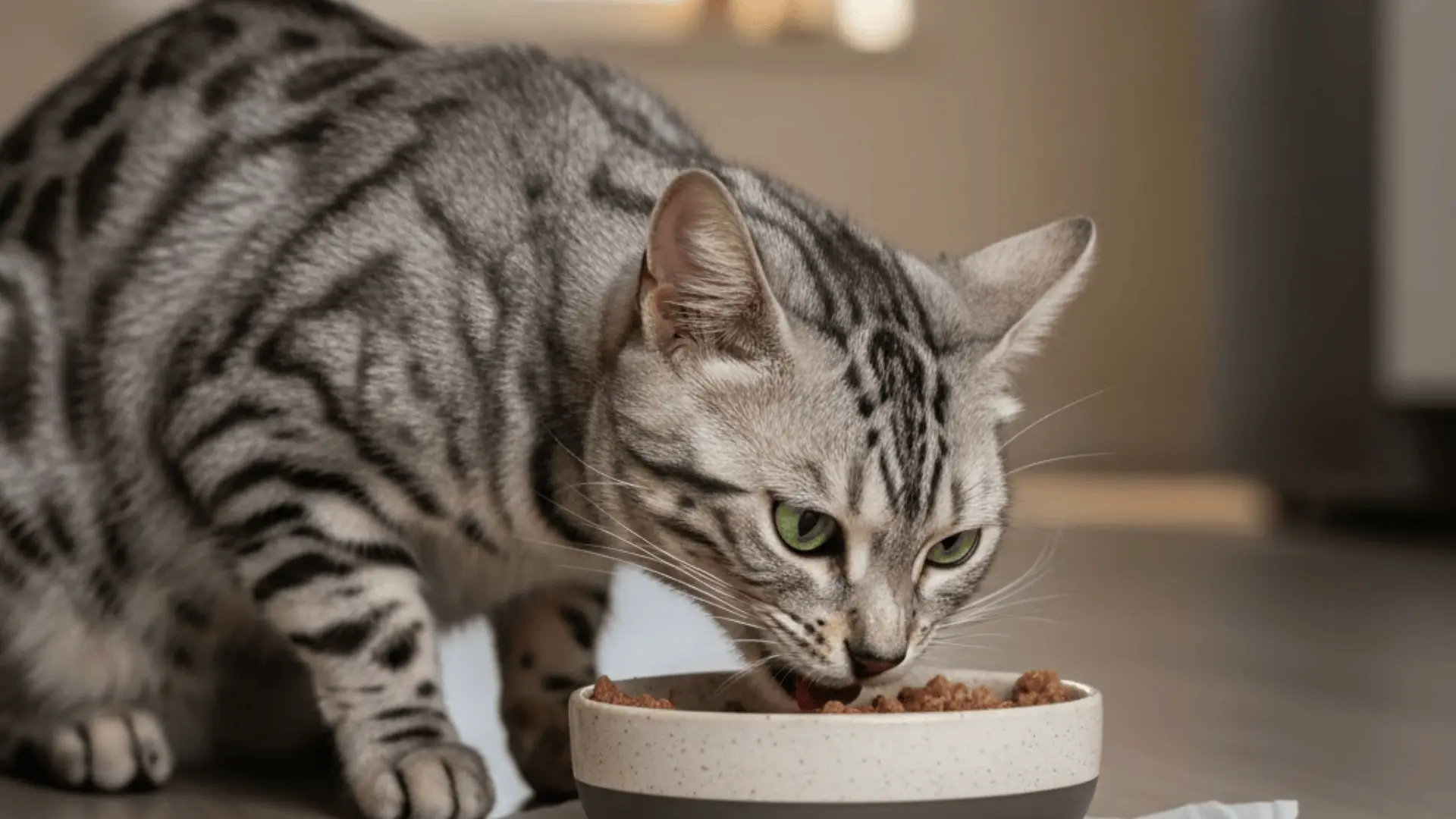
Caring for a Silver Bengal Cat requires consistency and structure. This is not a low-maintenance breed, and daily involvement makes a noticeable difference in behavior and health.
A high-protein diet is essential to support muscle tone and energy levels. Many owners choose a combination of quality dry and wet food for hydration.
Feeding is often divided into two measured meals per day for adults, while kittens may need three to four smaller meals to support growth.
The short coat sheds lightly and usually requires weekly brushing to remove loose hair and reduce dander. Regular nail trimming and dental care should also be part of the routine.
Mental stimulation is critical. Climbing trees, scratching posts, and puzzle toys help prevent boredom. If you’re setting up for the first time, our guide to cat essentials every owner needs is a practical starting checklist.
How Much Does a Silver Bengal Cat Cost?
Silver Bengal cats are among the more expensive Bengal color variations because of their rarity.
The inhibitor gene required to produce the silver coat is not universally present across Bengal bloodlines, which limits supply.
$2,000 to $5,000 for pet-quality kittens from reputable TICA-registered breeders.
Show-quality kittens with exceptional contrast, well-defined rosettes, and documented champion bloodlines can exceed this range. Breeding-quality cats with verified health clearances may cost $5,000 to $10,000 or more.
Kittens from champion lines or parents with verified health testing often come with higher price tags. Coat pattern also influences value.
High-contrast markings and clear silver tones with no warm undertones are more desirable and priced accordingly.
Beyond the kitten price, initial setup costs should be considered.
Supplies such as a litter box, scratching posts, cat trees, quality food, vaccinations, microchipping, and spaying or neutering procedures can add several hundred dollars to the total investment.
Ongoing monthly expenses typically run between $100 and $300, covering food, litter, routine care, and enrichment supplies.
Where to Buy or Adopt a Silver Bengal Cat?
These are some trusted online platforms for buying or adopting a silver Bengal cat in the United States.
1. TICA Breeder Directory
The International Cat Association, known as TICA, maintains an official breeder directory for registered catteries across the United States.
This platform allows buyers to search specifically for Bengal breeders who follow association standards.
Many listed breeders provide details on available litters, health testing, registration status, and show-quality lines.
TICA focuses on breed integrity and responsible breeding practices, making it a reliable starting point for serious buyers.
While the site does not sell kittens directly, it connects potential owners with breeders who register their cats through TICA and follow established breeding guidelines.
2. Bengal Cat Club
The Bengal Cat Club is a breed-specific organization dedicated to promoting ethical Bengal breeding and education.
Its website provides breeder referrals, educational resources, and information about breed standards. Some member breeders list upcoming litters or provide contact details for inquiries.
The club promotes responsible ownership and encourages buyers to ask detailed questions before purchasing.
This platform is helpful for those seeking a Silver Bengal Cat from breeders who are actively involved in the Bengal community and committed to maintaining breed health and quality.
3. Petfinder
Petfinder is a nationwide adoption platform that connects users with animal shelters and rescue groups.
While purebred Silver Bengal Cats are less common in rescues, Bengals and Bengal mixes occasionally appear.
Users can filter by breed, location, age, and other preferences. Each listing typically includes photos, personality descriptions, and adoption requirements.
Petfinder works directly with shelters and nonprofit rescues rather than breeders.
For buyers open to adopting a Bengal cat instead of purchasing a kitten, this site offers the opportunity to give a Bengal a second home.
4. Adopt A Pet
Adopt A Pet is another large adoption marketplace that partners with shelters and rescue organizations across the United States.
The website allows users to search by breed, including Bengal cats, and refine results by distance and age. Listings usually include health information, temperament notes, and adoption fees.
While Silver Bengal kittens are rare in rescue listings, adult Bengals sometimes become available due to rehoming situations.
This platform suits individuals interested in adopting rather than buying from a breeder, and it provides direct contact with the organization that manages each cat.
5. Rescue Me
Rescue Me is a breed-specific rescue network that lists Bengal cats available for adoption across the United States.
The platform allows users to select their state and view Bengals currently in need of new homes.
Listings often include basic details such as age, temperament, health status, and contact information for the individual or rescue group handling the placement.
Rescue Me is not a breeder directory and does not sell kittens. Instead, it focuses on rehoming and adoption.
For those open to adopting an adult Silver Bengal Cat or Bengal mix, this site provides direct access to rescue opportunities nationwide.
6. GoKitty
GoKitty is an online marketplace focused specifically on purebred cats. Breeders can create profiles, post available kittens, and share details about pedigree, vaccinations, and pricing.
Buyers can search for Bengal kittens by state and review photos, breeder descriptions, and contact information.
Unlike association directories, GoKitty operates more like a classified listing site, so due diligence is important.
It provides broader access to available Silver Bengal kittens but requires careful review of breeder credentials, health testing documentation, and registration details before making any commitment.
Red Flags When Buying a Silver Bengal Kitten
Because silver Bengals command high prices, this is a segment of the market where scams and unethical breeders are present. Knowing what to watch for protects buyers from costly mistakes.
- No TICA or CFA registration: Reputable silver Bengal breeders register their litters. Ask for documentation and verify it directly with the registry if needed.
- No health testing records: Responsible breeders test breeding cats for HCM, PRA, and PK-def. If a breeder cannot provide documentation, that is a significant warning sign.
- Kittens available before 12 weeks: Bengal kittens should not leave their litter before 12 weeks. Breeders who release kittens at 6 or 8 weeks are prioritizing sales over kitten welfare.
- Prices that seem too low: Genuine silver Bengal kittens rarely cost less than $1,500. Unusually low prices often indicate unregistered cats, poor health screening, or misrepresented coloring.
- No contract or deposit policy: Reputable breeders use written contracts. Absence of any formal agreement is a red flag.
- Reluctance to answer questions: A trustworthy breeder welcomes detailed questions about health testing, socialization practices, and kitten development. Evasive or vague responses are a warning sign.
What to Expect when Buying a Silver Bengal Kitten?
Buying a silver Bengal kitten involves more than selecting the one with the best markings.
Responsible breeders ensure kittens are healthy, vaccinated, and properly socialized before leaving for a new home.
Most kittens are ready for adoption between 12 and 16 weeks. This time allows them to develop social skills and receive early vaccinations.
Buyers should always receive vaccination records, deworming details, and basic health documentation. Some breeders also provide a veterinary health certificate.
Many breeders require a contract and a deposit to reserve a kitten. Clear communication and written policies are good signs of a reliable breeder.
It is also worth asking whether the breeding cats are SBT (Stud Book Tradition) Bengals, meaning they are at least four generations removed from the Asian Leopard Cat ancestor.
SBT status is preferred for domestic pet suitability and is required for TICA championship showing.
Legal note: Bengal ownership is regulated in a small number of U.S. states and municipalities, particularly for early-generation cats (F1 through F3).
If you live in Hawaii, Georgia, or certain cities, check local ordinances before purchasing. F4 and later Bengals are legal in most of the country, but confirming local rules before committing is always a good step.
Is a Silver Bengal Cat Right for You?
Bringing home a silver Bengal cat is a long-term commitment that goes far beyond the initial purchase. This breed thrives in active households where daily interaction is part of the routine.
Time commitment is significant. Regular play sessions, mental stimulation, grooming, and attention are necessary to maintain balanced, healthy behavior.
Financial responsibility should also be considered carefully. Beyond the purchase price, ongoing costs include high-quality food, routine veterinary visits, toys, climbing structures, and possible emergency care.
Lifestyle compatibility matters most. Busy schedules, long hours away from home, or limited living space without vertical enrichment may not be ideal.
Households where someone is home for a good portion of the day tend to suit Bengals better than those where the cat would be alone for 8 to 10 hours consistently.
A second cat or compatible dog can help, but a silver Bengal still needs human interaction as a core part of its daily routine.
I’ve spoken with owners who added a second Bengal specifically to keep their first one occupied, and most said it made a noticeable difference in destructive behavior within the first few weeks.
Conclusion
Before committing to a Silver Bengal Cat, pause and ask a few honest questions. Is there enough time each day for active play and interaction?
Is the budget prepared for quality food, routine vet care, and unexpected medical costs?
Is the home ready for a high-energy, intelligent breed that climbs, runs, and demands engagement?
Preparation should include scratching posts, tall cat trees, secure windows, proper litter setup, and a quiet space for adjustment. Planning ahead reduces stress for both the kitten and the owner.
Most importantly, remember that this is a 12 to 16-year responsibility, not a short-term decision. A Silver Bengal Cat needs consistent care and involvement.
Still thinking about bringing one home? Share thoughts or questions below and join the conversation with fellow Bengal enthusiasts.
Frequently Asked Questions
Do Silver Bengal Cats Change Color as They Grow?
Yes, Silver Bengal kittens can go through coat changes as they mature. Young kittens may appear darker or be in a fuzzy-coat stage, often called “fuzzies.”As they grow, the coat usually clears, and the silver background with dark markings becomes more defined.
Are Silver Bengal Cats Hypoallergenic?
No cat is truly hypoallergenic, and silver Bengals are no exception. Their short, low-shedding coat does mean less dander compared to many breeds, and some allergy sufferers tolerate them reasonably well.