Teething is a key stage in a kitten’s development, and understanding the process of a cat’s baby teeth is essential for pet owners.
In this blog, I will walk you through when teething begins, the signs and symptoms to watch for, and how kittens manage discomfort.
I will also provide useful tips for caring for a teething kitten, including how to offer chew toys and soothe sore gums.
Additionally, I’ll discuss when to seek veterinary advice and what to expect as baby teeth fall out and adult teeth emerge.
By the end of this blog, you will have a solid understanding of how to support your kitten through the teething phase, ensuring they are comfortable and healthy throughout the process.
With the right guidance, this stage becomes easier to manage and supports healthy dental development.
When Do Kittens Start Teething?
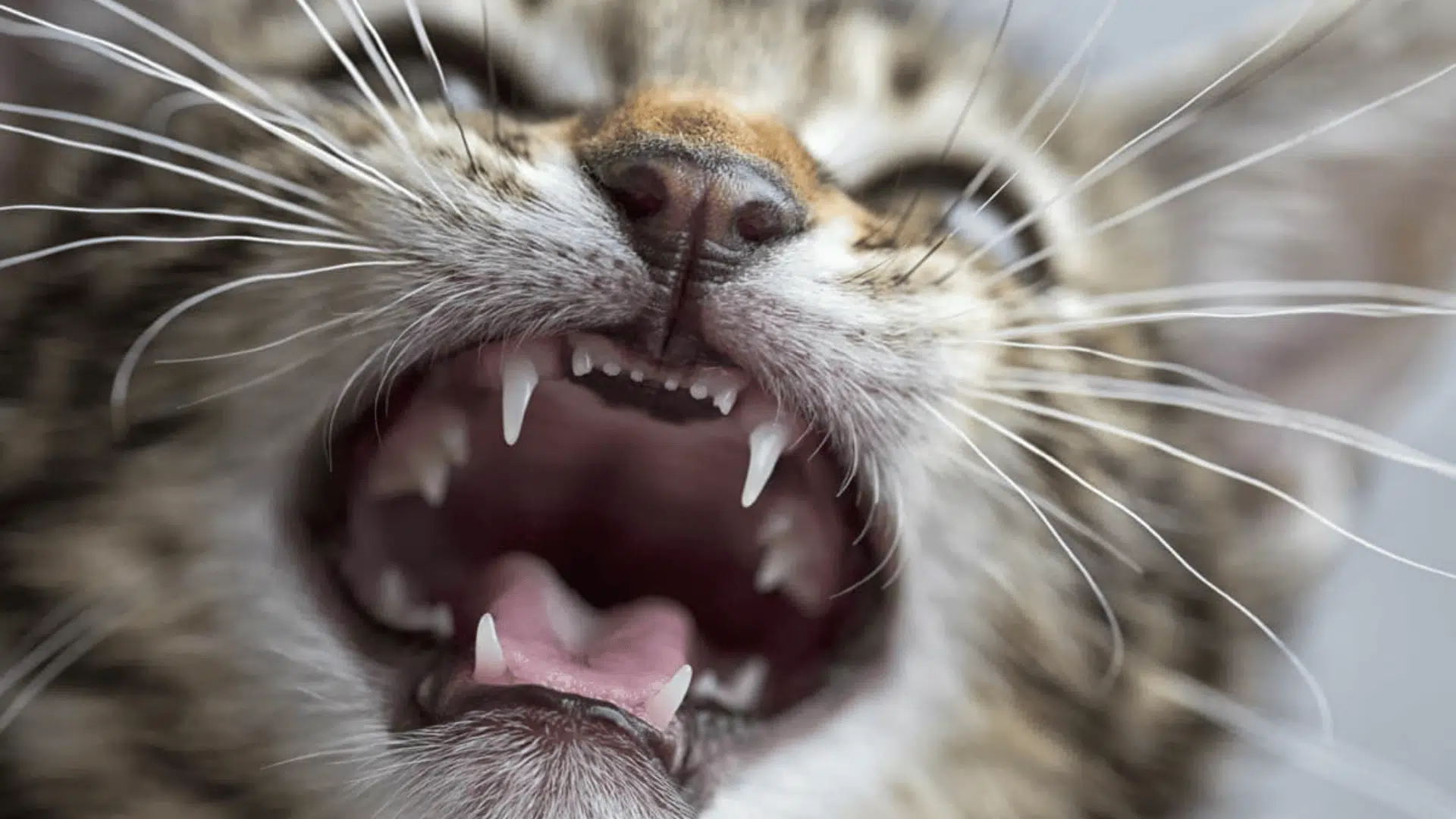
Teething is a natural part of a kitten’s development, typically starting around three to four months of age.
The process of a kitten’s baby teeth emerging marks the beginning of a kitten’s transition to adulthood.
During this period, kittens begin to lose their tiny, sharp baby teeth, making way for the stronger adult teeth that will last a lifetime.
Understanding when kittens start teething and what to expect can help owners provide the necessary care to make this phase more comfortable.
As the teething stage progresses, kittens may experience discomfort, leading to increased chewing behavior.
This is a critical time to ensure they have appropriate chew toys to relieve their sore gums.
Knowing the signs of teething can help owners support their kittens and ensure they stay healthy as their teeth grow in.
Signs and Symptoms of Teething in Kittens

Teething can be uncomfortable for kittens, and recognizing the signs and symptoms of cat baby teeth emerging helps owners manage the process effectively.
1. Increased Chewing Behavior
As cat baby teeth begin to emerge, kittens will start chewing on anything they can find to relieve the discomfort.
This natural behavior helps soothe sore gums during the teething process. Kittens may target furniture, toys, or even their own paws.
To prevent damage to household items, providing a variety of appropriate chew toys is crucial.
These toys should be safe and designed for kittens to help alleviate gum irritation while promoting healthy dental development.
2. Drooling and Excessive Salivation
Excessive drooling or salivation is common when kittens are teething. The pain of cat baby teeth emerging can lead to increased saliva production.
You may notice your kitten’s chin or neck becoming damp, with some kittens drooling more than others.
Wiping away excess saliva regularly and keeping your kitten’s fur dry can help prevent skin irritation.
Drooling usually subsides once the teething phase passes, but keeping your kitten clean is important during this time.
3. Irritability and Fussiness
Teething can make kittens more irritable and fussy as they experience gum discomfort.
The emergence of cat baby teeth often leads to mood swings, causing kittens to act restless or more vocal than usual.
This behavior can be a challenge for owners, but it’s important to provide extra comfort and patience during this time.
Offering soft bedding, extra cuddle time, and distraction with toys can help calm a teething kitten and ease their discomfort during this phase.
4. Swollen or Bleeding Gums
Swollen gums are a typical sign of teething as the cat baby teeth push through the gums.
The pressure of the new teeth coming in may cause the gums to become red, inflamed, or even bleed slightly.
This is generally a normal part of the teething process. However, it’s important to monitor the kitten for signs of excessive bleeding or infection.
Using soft toys or massaging the gums gently can help reduce swelling and provide relief.
5. Loss of Appetite
A common symptom of teething in kittens is a temporary loss of appetite. As their cat baby teeth emerge, the discomfort can make them hesitant to eat, particularly hard food.
Kittens may find it painful to chew on dry food or kibble, so they may refuse to eat or become selective.
To help, offering soft food, wet food, or kibble softened with water can make mealtime easier and more comfortable.
It’s important to monitor their food intake to ensure they’re getting proper nutrition during this phase of teething.
How to Care for a Teething Kitten
Teething can be a difficult stage for kittens, and proper care helps reduce discomfort as their baby teeth begin to emerge. During this time, kittens may show changes in behavior because of sore gums and irritation.
Providing the right support can make this stage easier and help the kitten stay comfortable.
One helpful step is offering safe chew toys made for kittens. These toys help soothe sore gums and also prevent kittens from chewing on furniture or other household items.
Some owners also use soothing products such as kitten-safe teething gels or sprays. These products are made to ease gum pain and provide relief during the teething stage.
Diet adjustments can also help. Softening dry food or serving wet food makes eating easier for kittens whose gums feel sensitive.
With proper care, attention, and the right supplies, the teething stage becomes easier to manage.
Common Issues During Kitten Teething
Teething in kittens can lead to a few common problems related to cat baby teeth that owners should be aware of.
- Gum Pain and Discomfort: The process of cat baby teeth emerging can cause significant gum pain and discomfort, making kittens irritable.
- Chewing on Unwanted Objects: Kittens may chew on furniture, cords, or shoes as they seek relief from their teething discomfort.
- Swallowing Baby Teeth: Kittens sometimes swallow their baby teeth, which is usually harmless but should be monitored.
- Feeding Challenges: The discomfort from teething may cause kittens to avoid hard food and prefer softer options.
- Potential for Infection: If gums remain swollen or bleeding for too long, there is a risk of infection, requiring veterinary attention.
Should You Be Concerned About Kitten Teething?
Teething is a natural part of kitten development, as cat baby teeth gradually fall out to make way for adult teeth.
While this process is typically smooth, there are certain situations where concern might arise.
Most of the time, teething causes only temporary discomfort, such as irritability or chewing behavior.
However, if the kitten experiences excessive pain, bleeding gums, or signs of infection, it could be a sign of a more serious issue.
If the discomfort seems prolonged or the kitten refuses to eat, it may indicate a problem that requires professional attention.
By monitoring the kitten’s behavior and keeping an eye on gum health.
It becomes easier to determine when teething is simply part of growth and when it might be time to seek veterinary advice.
Conclusion
Teething is a natural phase in a kitten’s development, marked by the transition from cat baby teeth to adult teeth.
In this blog, I’ve covered the common signs and symptoms of teething, such as increased chewing, drooling, and swollen gums.
Providing appropriate chew toys, adjusting their diet, and monitoring their gum health are essential steps in managing this process.
It’s important to understand when teething is normal and when it may signal a problem that needs professional care.
By following these guidelines, owners can help their kittens transition through teething more comfortably and ensure they grow into healthy adult cats.
Has your kitten started teething? Share your experiences or tips for managing this phase in the comments below.
Frequently Asked Questions
How Long Does the Kitten’s Teething Process Last?
The teething process usually lasts from around 3 to 6 months, as kittens transition from baby teeth to adult teeth.
Can Teething Cause Behavioral Changes in Kittens?
Yes, teething can make kittens more irritable, fussy, or clingy due to the discomfort of emerging adult teeth.
Are There Any Risks to a Kitten Swallowing Baby Teeth?
Swallowing baby teeth is usually harmless, but it’s important to monitor the kitten to ensure they aren’t swallowing anything dangerous.