

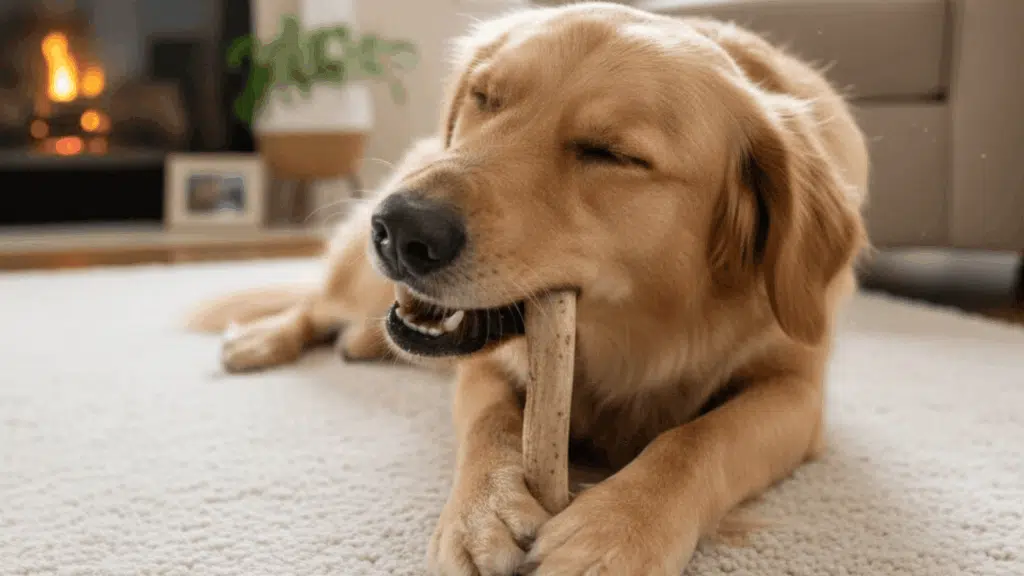
If your dog seems to chew on anything they can find, from shoes to furniture, you might be thinking about getting them a deer antler as a chew toy.
Deer antlers are often marketed as a natural, long-lasting option for dogs, promising to keep them busy and entertained.
But before you rush to grab one off the shelf, you may wonder: Are deer antlers safe for dogs?
The truth is, it’s not as simple as yes or no. While they do offer some benefits, they also come with real risks, especially when it comes to your dog’s dental health.
In this blog, I’ll tell you both the ups and downs of giving your dog deer antlers so that you can make an informed decision for their safety and happiness.
What are Deer Antlers for Dogs?
Deer antlers are the hard, bony structures that deer grow and shed every year. They are often collected after deer naturally shed them or harvested from farmed deer.
They’ve become trendy because they’re natural, long-lasting, and chemical-free, making them an appealing choice for many dog owners.
There are different types of deer antlers available for dogs, such as whole antlers, split antlers, and antler tips.
Whole antlers are the hardest, while split ones expose softer marrow inside. However, the key question remains: Are deer antlers safe for dogs?
Types of Deer Antlers for Dogs
Deer antlers come in various forms, each offering different benefits and risks for dogs. Here are five common types of deer antler chews available for your dog:
- Whole Antlers: The entire antler is very hard and long-lasting. It’s durable but can cause tooth damage if your dog chews aggressively.
- Split Antlers: Cut the in half to expose the softer marrow inside. Easier to chew than whole antlers, but they still carry a risk for your dog’s teeth.
- Antler Tips: The tips of antlers are typically softer and better suited for gentle chewers. They are a good alternative for smaller or less aggressive chewers.
- Antler Burrs: The knobby base where the antler attaches to the skull. It’s rougher and may be softer, but it still causes choking if chewed improperly.
- Cut Rounds/Slices: Cross-sections of the antler, often smaller and more manageable for dogs to handle. They are less likely to break teeth, but can still pose risks if swallowed in large pieces.
Differences Between Deer, Elk, and Reindeer Antlers
When choosing antlers for your dog, it’s important to understand the differences between deer, elk, and reindeer antlers. A breakdown of how they compare:
| Feature | Deer Antlers | Elk Antlers | Reindeer/Caribou Antlers |
|---|---|---|---|
| Size | Smaller | Larger | Largest |
| Density | Denser | Slightly less dense | More porous |
| Marrow Content | Less marrow | More marrow | Higher marrow-to-bone ratio |
| Best for | Small to medium dogs | Large, powerful chewers | Gentler chewers |
| Price | More affordable | More expensive | More expensive and less common |
| Longevity | Lasts a long time, but it’s the hardest to chew | Lasts longer due to size and marrow content | May splinter more easily, but lasts a decent time |
Are Deer Antlers Safe for Dogs?
The safety of deer antlers for dogs is a concern for pet owners. While antlers are natural and long-lasting, they can pose significant risks, especially to dogs that chew aggressively.
One of the biggest concerns is the hardness of antlers, which can lead to broken teeth.
Dogs with weaker teeth or those who chew with excessive force are at a higher risk of dental damage.
Though they offer some benefits, such as providing minerals and satisfying the chewing instinct, the risks of tooth fractures, choking hazards, and digestive issues from swallowing antler pieces can’t be ignored.
Constantly monitor your dog while they chew on antlers, and consult your vet if you’re unsure about their suitability for your pet.
Always supervise your dog during chew time to ensure their safety and well-being.
Health Risks of Deer Antlers for Dogs
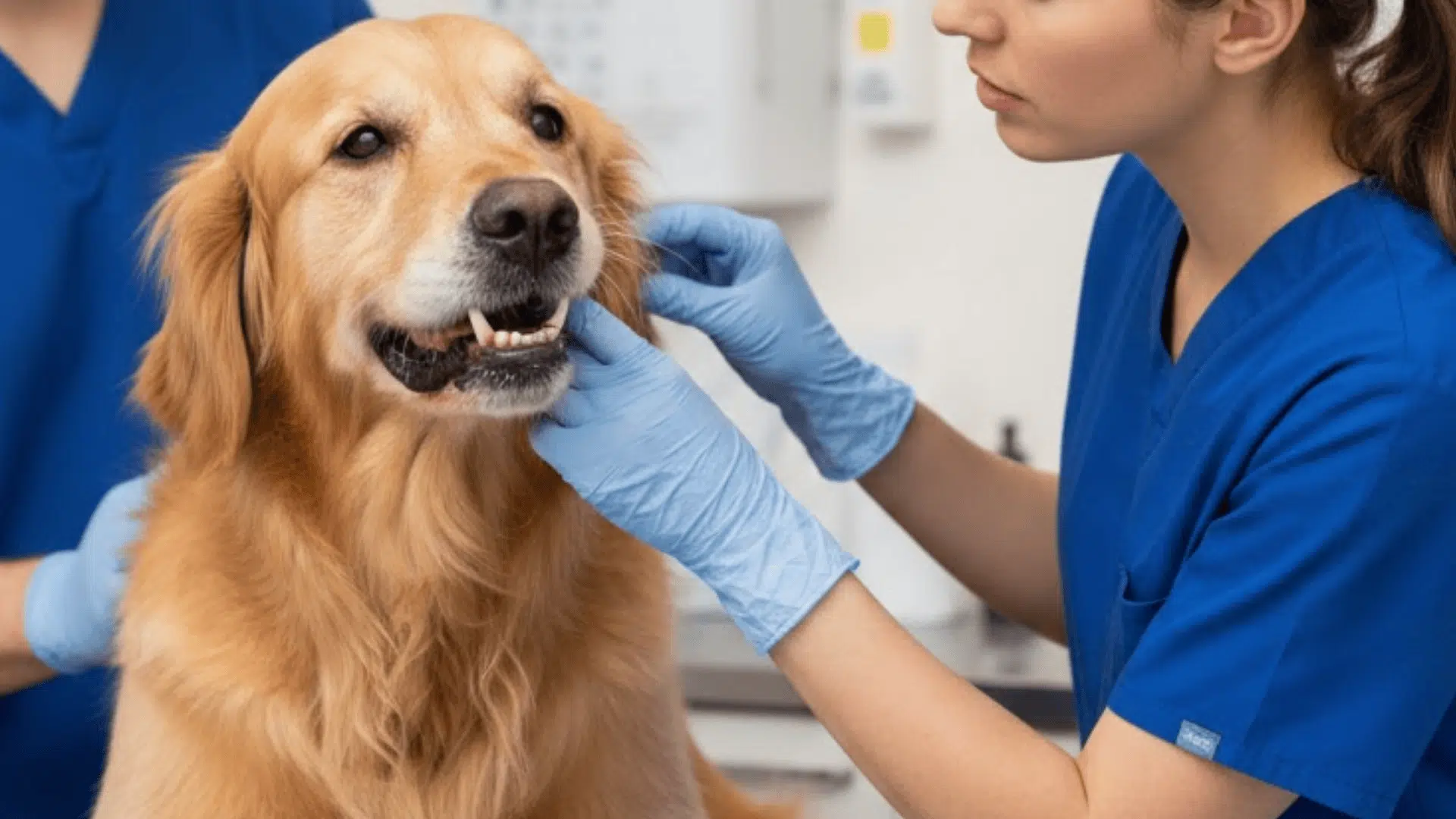
While antlers are a popular natural chew, they carry hidden risks that can lead to serious health issues for your dog. Here’s what you need to understand:
1. Dental Health Concerns
Antlers are significantly more complex than your dog’s teeth, making them a significant risk for tooth fractures.
Slab fractures, which affect the premolars and molars, are the most common dental injuries caused by antlers.
These fractures are painful and often require expensive dental surgery, which can cost between $800 and $1,500 per tooth.
Most veterinary professionals recommend against antler chews because of the risk of dental damage.
2. Choking and Obstruction Hazards
As dogs chew on antlers, they break down into smaller pieces that can pose serious choking risks.
If swallowed, these pieces can get lodged in your dog’s throat, requiring immediate veterinary intervention.
Even worse, antler chunks don’t break down in the stomach and can create dangerous intestinal blockages.
Power chewers are at the highest risk, as they are more likely to chew off and swallow larger chunks.
3. Physical Injuries from Sharp Edges
When antlers break, they develop sharp, jagged edges that can cut your dog’s gums, tongue, or the inside of their mouth.
This can lead to painful lacerations and bleeding. Additionally, aggressive chewing on antlers can cause jaw pain, muscle strain, and even TMJ (temporomandibular joint) issues.
Small pieces of antler may also be inhaled, causing aspiration pneumonia, which can lead to severe breathing problems.
4. Warning Signs
If your dog has been injured while chewing on an antler, there are several warning signs to look out for.
Pawing at the mouth, reluctance to eat or drink, excessive drooling, and visible chips or cracks in teeth are common indicators of dental injuries.
If you notice any of these symptoms, remove the antler immediately and contact your veterinarian to prevent further damage.
Safer Alternatives to Deer Antlers
If you’re looking to avoid the risks of deer antlers but still want to keep your dog entertained, there are plenty of safer chew options. Here are some to consider:
- Softer natural chews: Bully sticks and yak chews are softer than antlers, which lowers the risk of cracked teeth. Supervise your dog to prevent swallowing large pieces.
- Rubber chew toys: Kong toys and softer Nylabones are tough enough for strong chewers while staying gentle on teeth. You can also stuff them with treats.
- Dental chews: Greenies and Whimzees help clean teeth and reduce plaque while giving dogs something safe to chew.
- Edible natural chews: Sweet potato chews and dehydrated chicken feet are softer options that provide nutrients and are easier on teeth.
- Frozen Kong treats: Fill a Kong with yogurt or fruit and freeze it. This keeps dogs busy longer and offers a safer chewing option.
Conclusion
The question of “are deer antlers safe for dogs?” is not as straightforward as it seems.
While deer antlers can be a tempting option for dog owners, the risks they pose to your dog’s dental health and overall safety are significant.
From tooth fractures to choking hazards, these natural chews come with hidden dangers that should not be overlooked.
Fortunately, there are plenty of safer alternatives to deer antlers, such as softer natural chews, rubber toys, and dental treats, that can provide the same chewing satisfaction without the risk.
Always remember to supervise your dog during chew time and choose the right toys for their needs.
Have you tried deer antlers for your dog? Drop your comments below and share your experience!