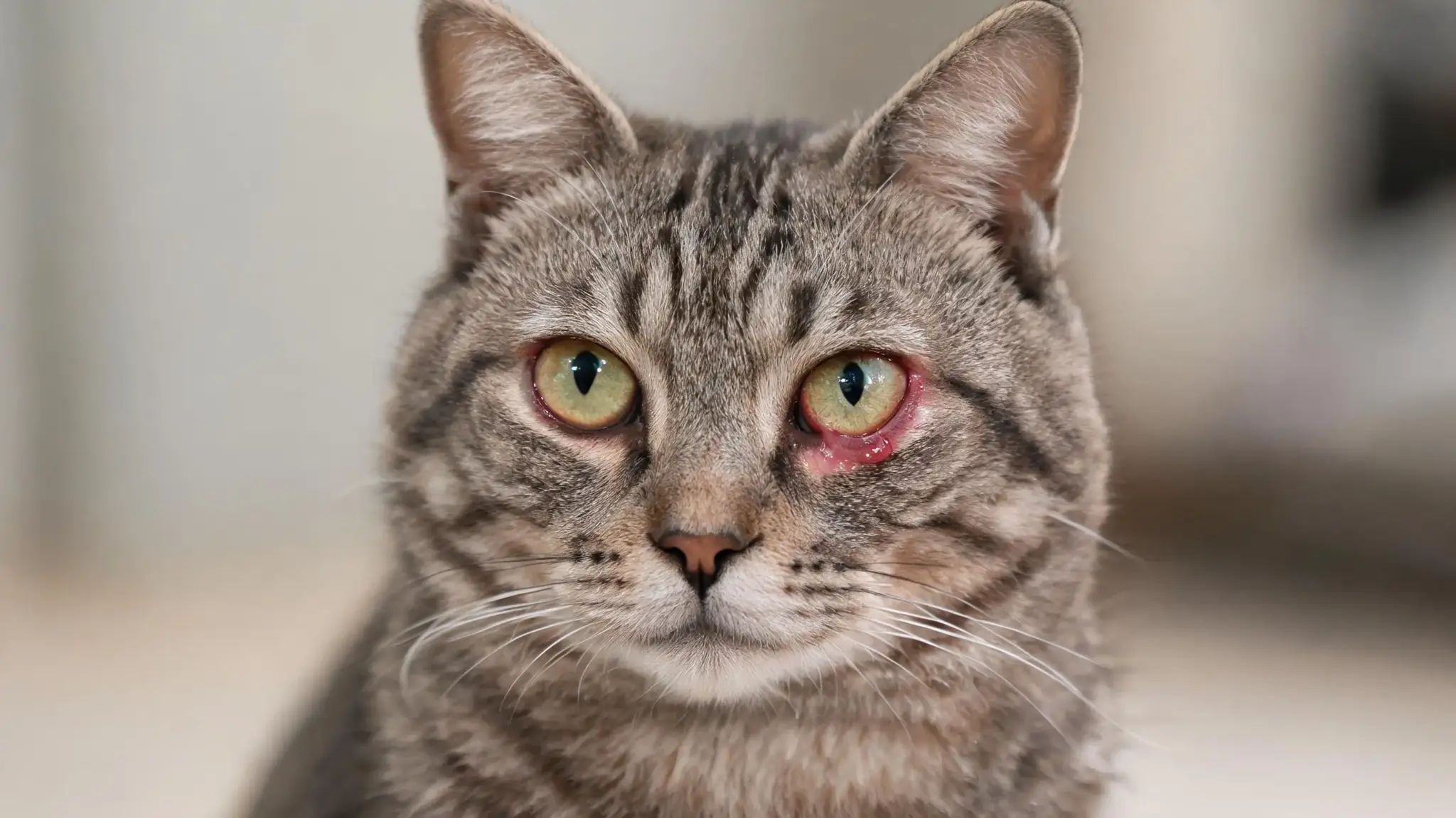
You love cats. Your allergies do not. That constant sneezing, itchy eyes, and tight chest can make the idea of owning a cat feel impossible.
The good news is that hypoallergenic cat breeds may offer a middle ground. While no cat is completely allergen-free, certain breeds produce fewer allergy-triggering proteins, making them a better match for sensitive owners.
If you have been asking what cats are hypoallergenic or even if Russian Blue cats’ hypoallergenic claims are actually true, you are not alone.
Many future pet parents want a realistic answer before bringing a cat home.
In this blog, I will break down which hypoallergenic cat breeds are worth considering, what makes them different, and how to choose the right one without risking your health or comfort.
What Does “Hypoallergenic” Really Mean?
When people talk about hypoallergenic cat breeds, they often assume it has something to do with fur length or shedding. That is not the real issue.
The main trigger behind cat allergies is a protein called Fel d 1. Cats produce this protein in their saliva, skin glands, and urine.
When they groom themselves, the protein sticks to their fur and skin flakes, which then spread into the air.
This is why even hairless cats can cause reactions. Some breeds simply produce lower levels of Fel d 1, which may reduce symptoms.
That is what makes certain cats more tolerable for allergy sufferers, though never completely allergy-free.
Popular Hypoallergenic Cat Breeds
If you are searching for hypoallergenic cat breeds, let’s take a look at what cats are hypoallergenic or at least considered lower risk.
1. Siberian
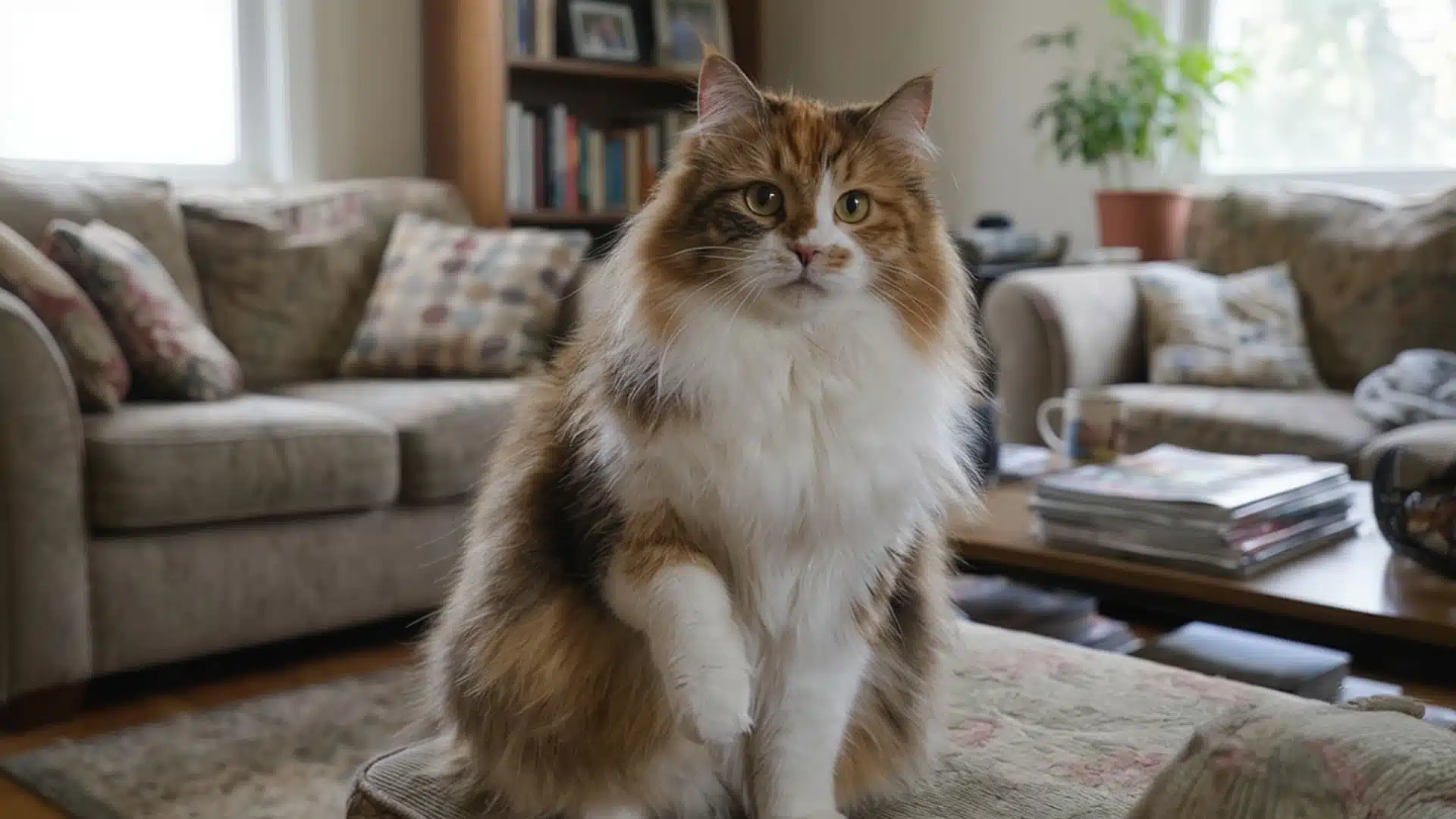
The Siberian is a large, long-haired cat that can trigger allergies in many people. Despite its thick triple coat, this breed is often noted for producing lower levels of Fel d 1 compared to many others.
Their fur is dense and plush, but with consistent brushing, loose hair can be managed effectively, making them more tolerable than their fluffy appearance suggests.
- Lifespan: 11 to 15 years
- Personality: Playful, confident, affectionate, and family-oriented.
- Who it is best for: Families or active households willing to commit to regular grooming.
2. Russian Blue
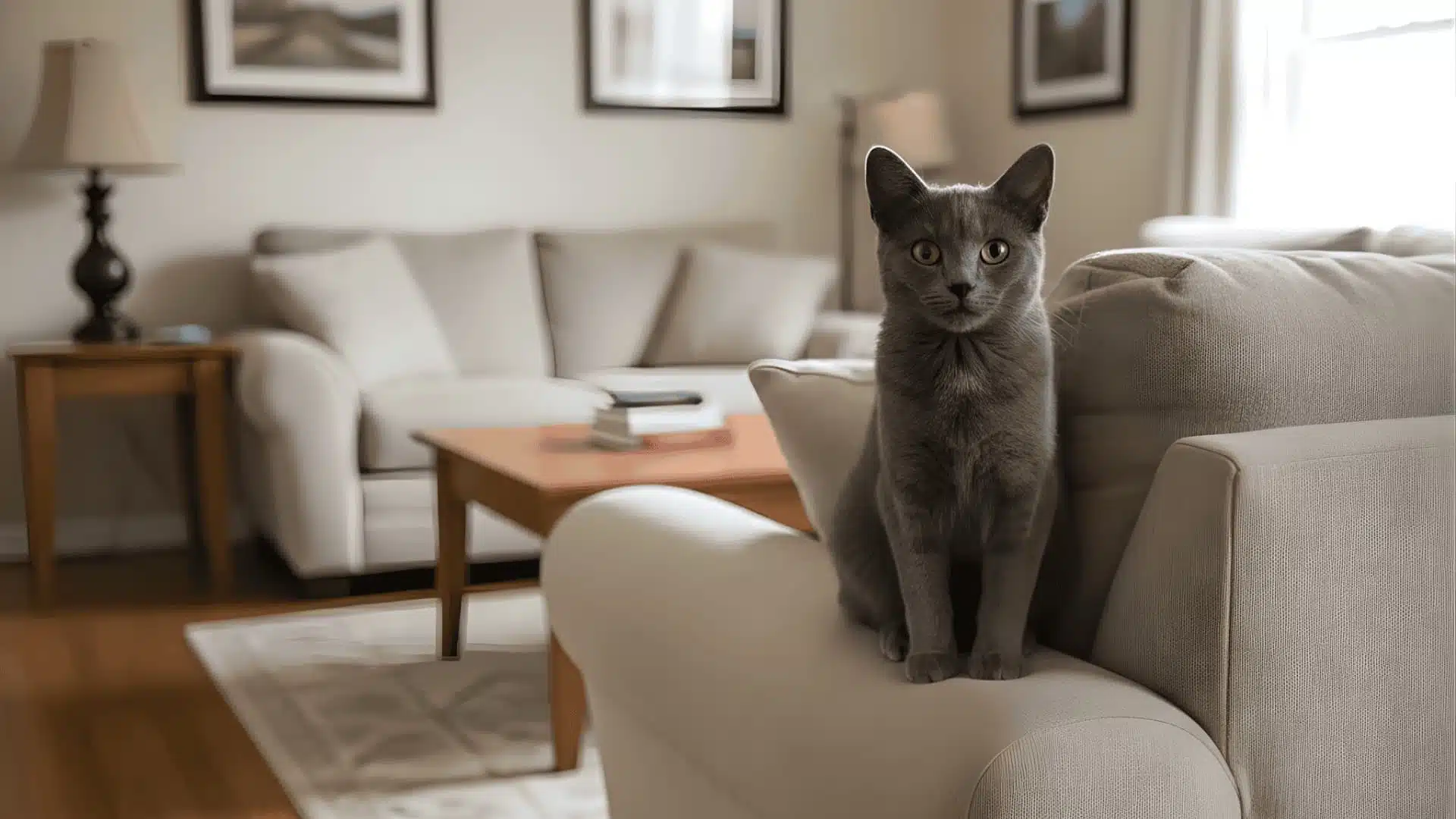
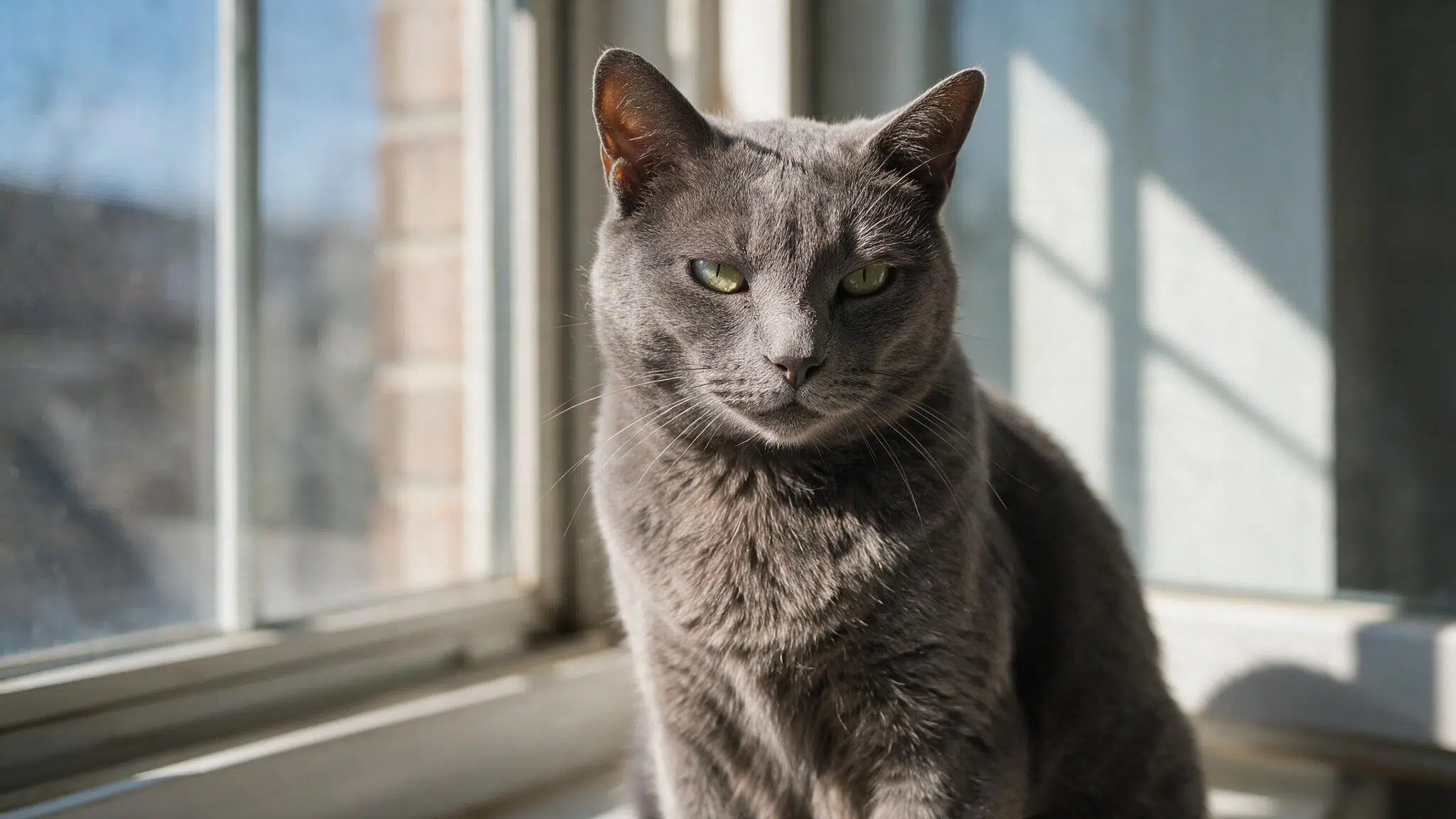
The Russian Blue is a medium-sized, short-haired cat breed known for its plush blue-gray coat and bright green eyes.
Many people specifically ask, are Russian Blue cats hypoallergenic, because of their strong reputation.
This breed has a dense double coat that sheds in a controlled manner and tends to keep dander closer to the body rather than releasing it into the air quickly.
- Lifespan: 15 to 20 years
- Personality: Quiet, loyal, observant, and deeply attached to their owner.
- Who it is best for: Calm homes, apartments, or individuals seeking a low drama companion.
3. Balinese
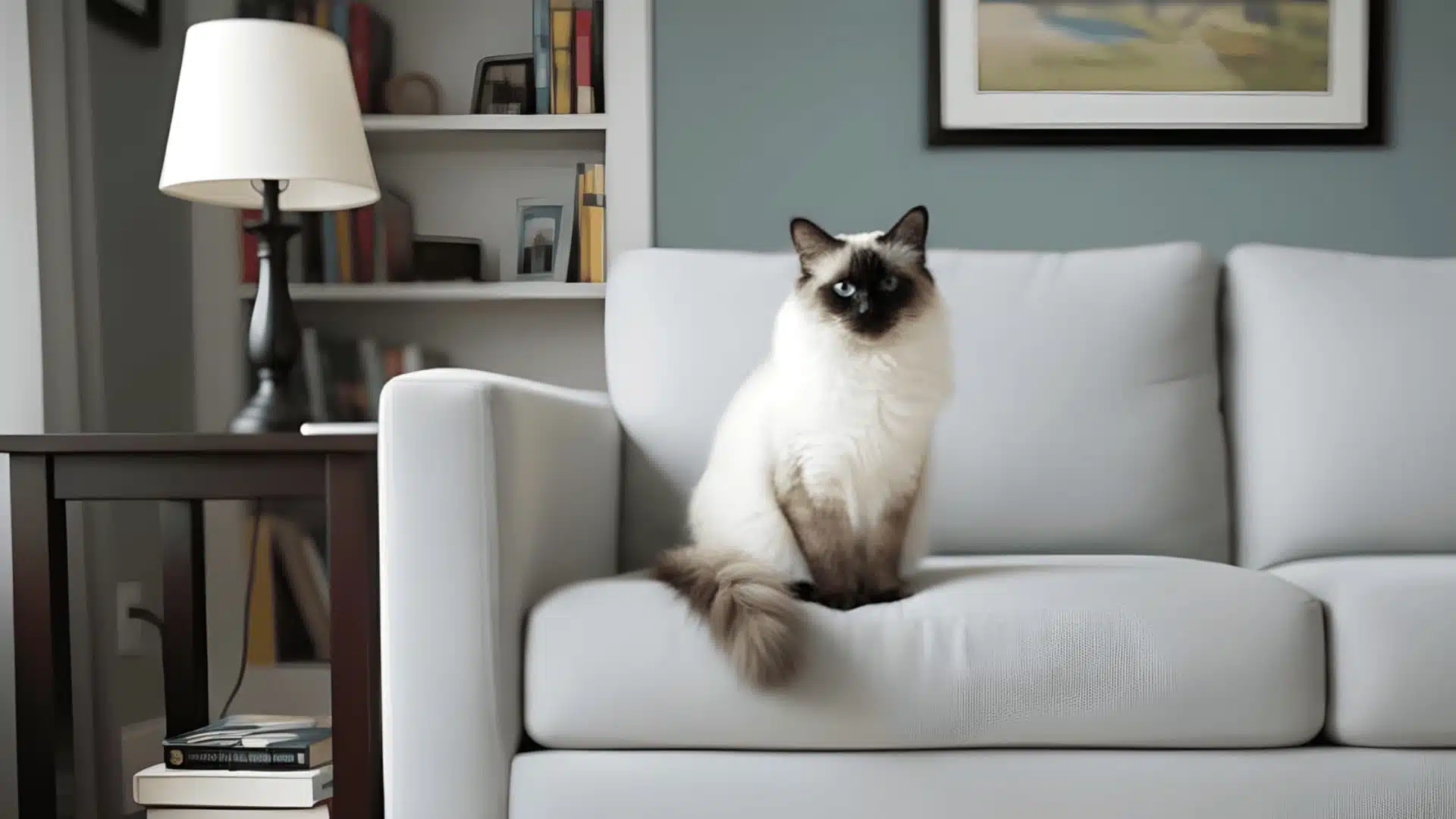
The Balinese looks like a traditional long-haired cat, yet it is often associated with lower protein production.
Unlike heavy-coated breeds, it lacks a thick undercoat, which can reduce loose fur around the home.
Their silky coat requires regular brushing, but shedding is generally manageable compared to other long-haired cats.
- Lifespan: 12 to 20 years
- Personality: Vocal, intelligent, affectionate, and highly interactive.
- Who it is best for: Owners who want a social and expressive cat.
4. Bengal
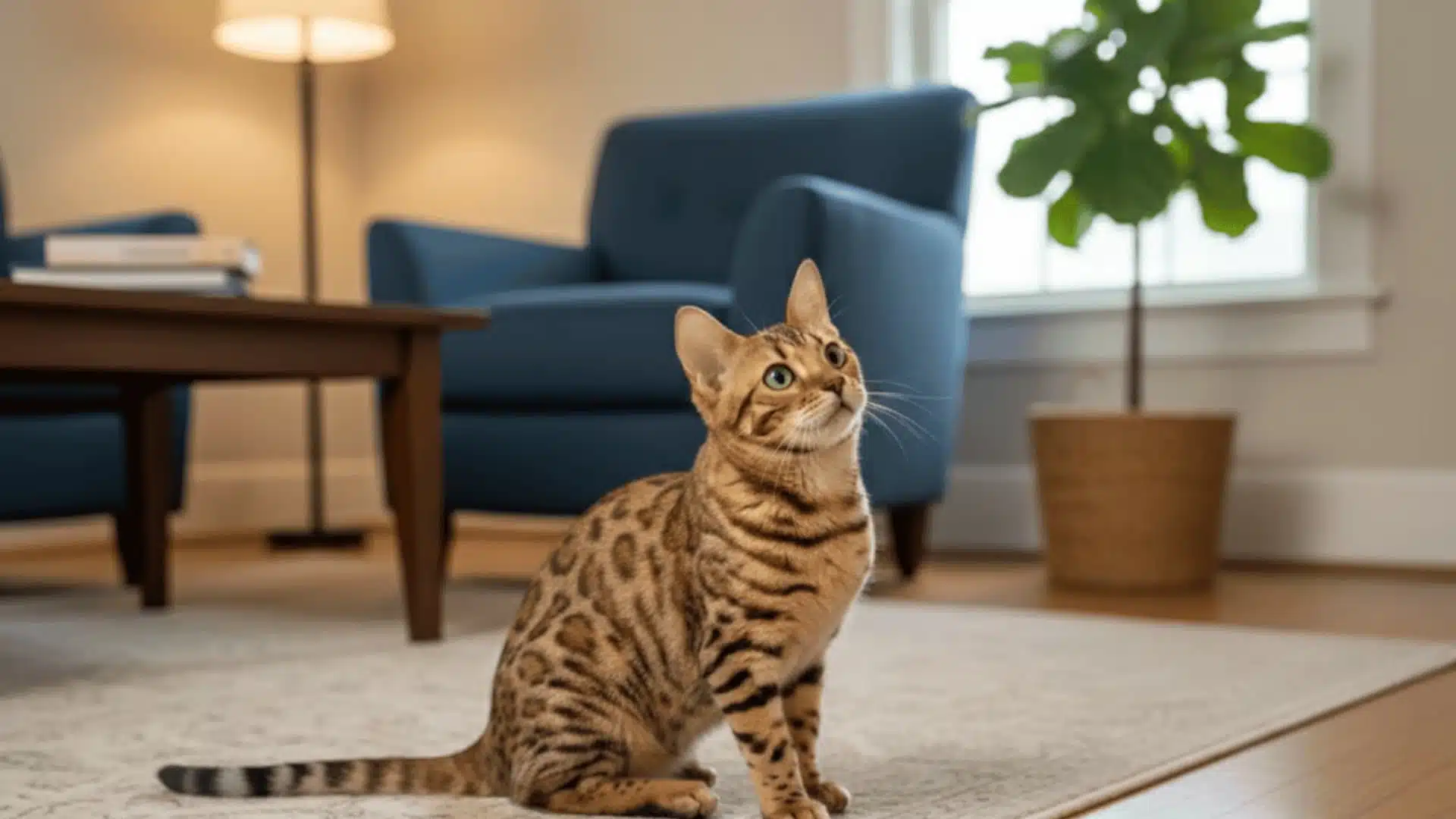
The Bengal is known for its sleek, short coat that lies close to the body and sheds less than many traditional breeds.
Its tight fur texture helps limit visible hair around the house. Grooming is minimal, which makes maintenance straightforward.
Their athletic build and active nature make them stand out among hypoallergenic cat breeds.
- Lifespan: 12 to 16 years
- Personality: Energetic, curious, bold, and highly active.
- Who it is best for: Experienced or active owners who can provide stimulation and play.
5. Sphynx
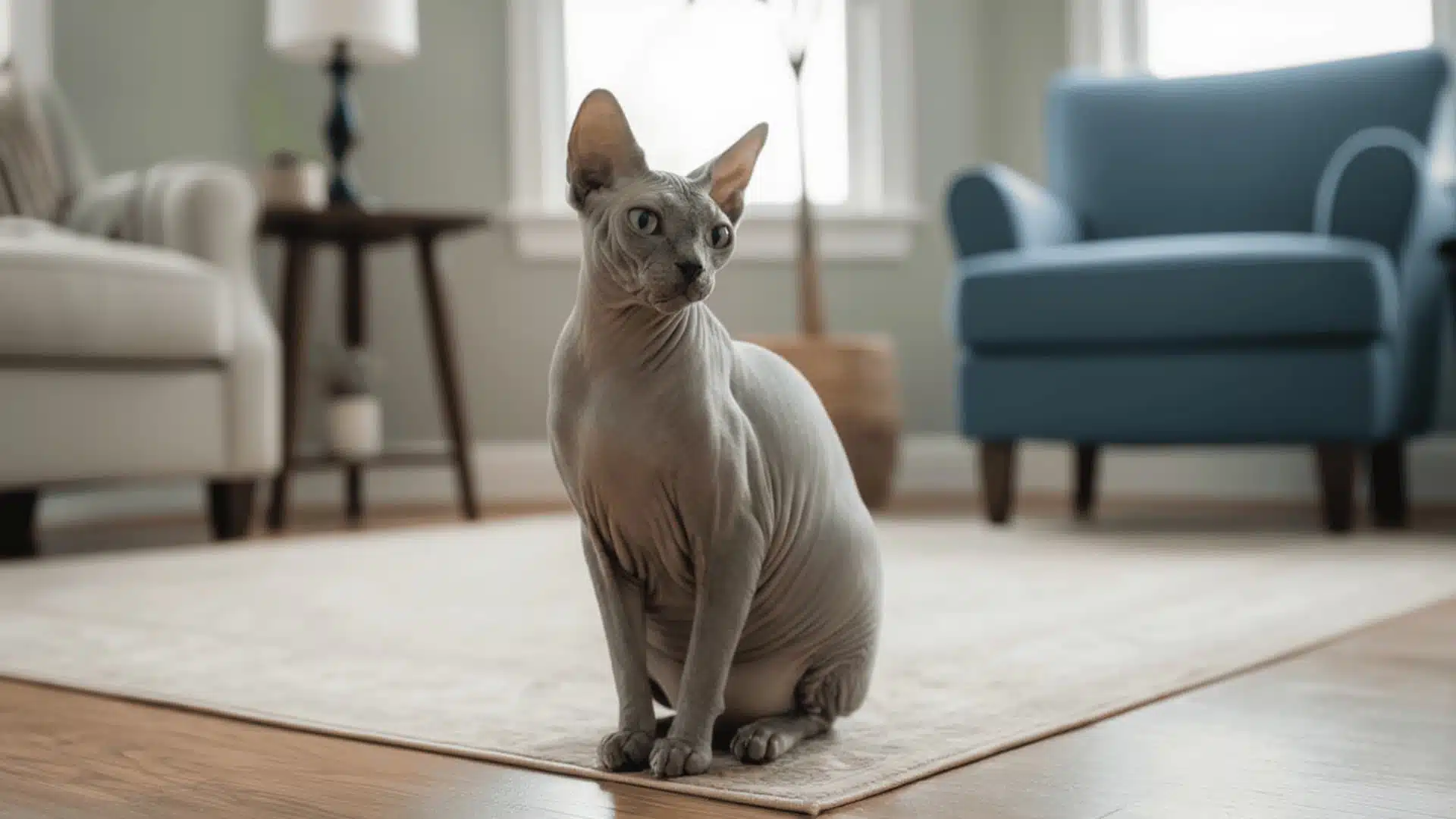
The Sphynx is hairless, which eliminates traditional shedding, but it still requires consistent care. Skin oils build up quickly and must be removed through regular bathing.
While there is no fur to shed on furniture or clothing, maintenance is more hands-on than for coated breeds.
For some allergy sufferers, reduced airborne hair makes a noticeable difference.
- Lifespan: 8 to 14 years
- Personality: Outgoing, affectionate, attention-seeking, and lively.
- Who it is best for: Owners committed to routine grooming and close interaction.
6. Devon Rex
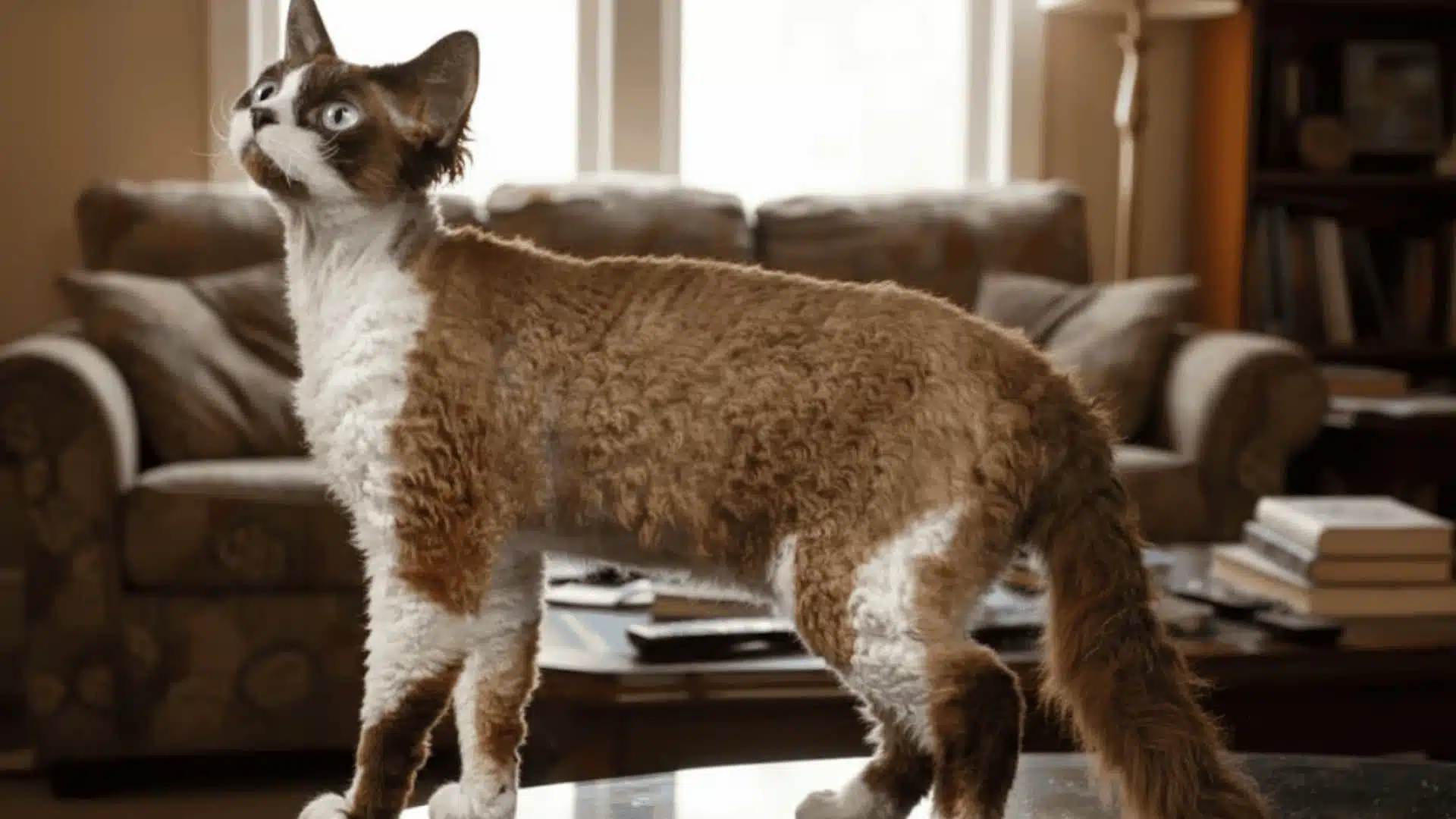
The Devon Rex has a soft, wavy coat made of fine fur that sheds far less than most cats. Its lightweight curls reduce the amount of loose hair found in the home.
Grooming is simple and usually limited to gentle brushing. Their unique appearance and manageable coat make them a frequent mention in discussions about hypoallergenic cat breeds.
- Lifespan: 9 to 15 years
- Personality: Mischievous, affectionate, social, and people-focused.
- Who it is best for: Families or individuals wanting an engaging companion.
7. Cornish Rex
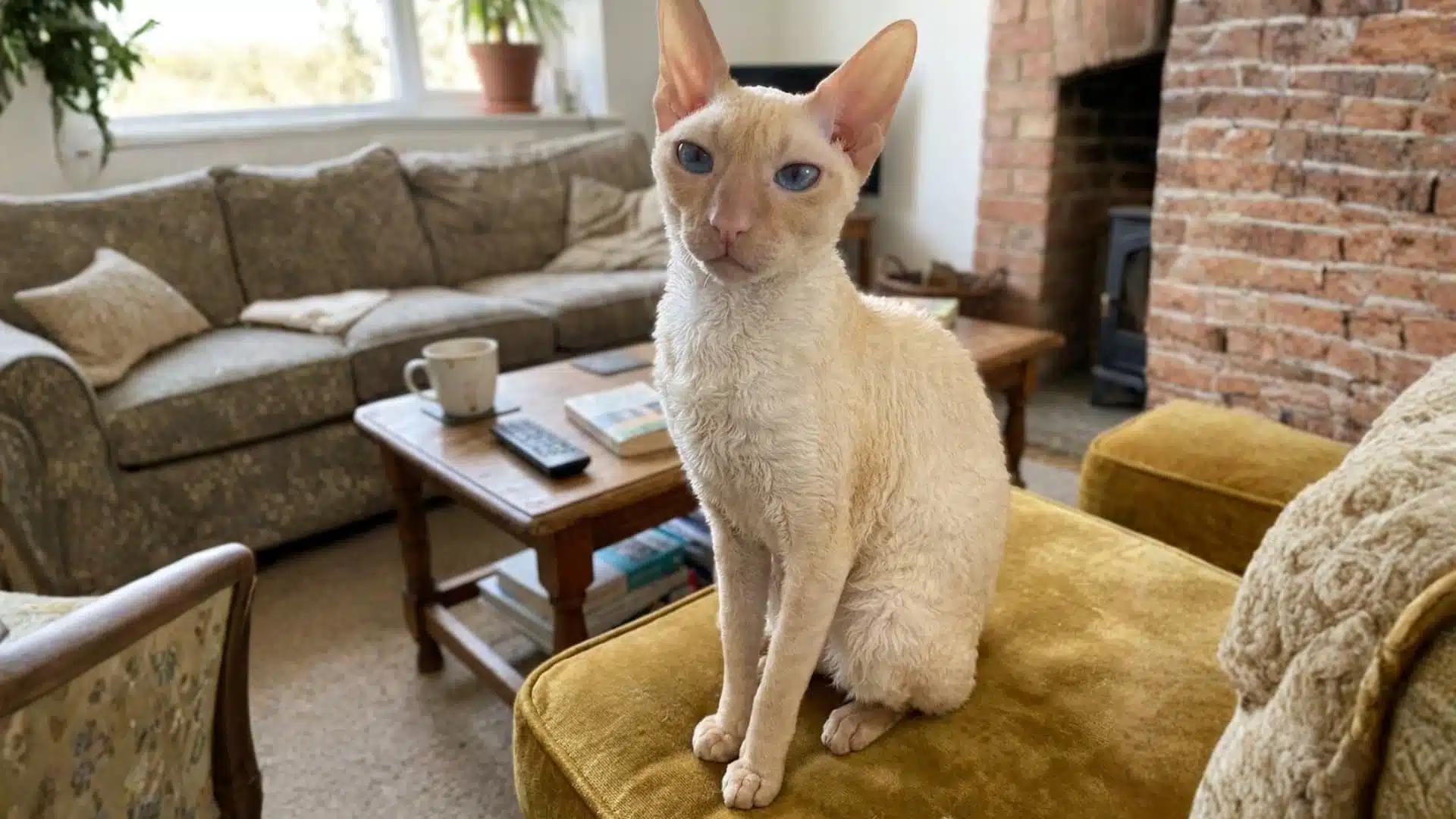
Unlike most cats, the Cornish Rex has only one layer of fur instead of three. This single coat layer reduces shedding and loose hairs around furniture and clothing.
Their coat feels soft and fine, and grooming needs are minimal. The reduced fur volume often makes them easier to manage indoors.
- Lifespan: 11 to 15 years
- Personality: Agile, energetic, outgoing, and playful.
- Who it is best for: Owners who enjoy an active and interactive pet.
8. Oriental Shorthair
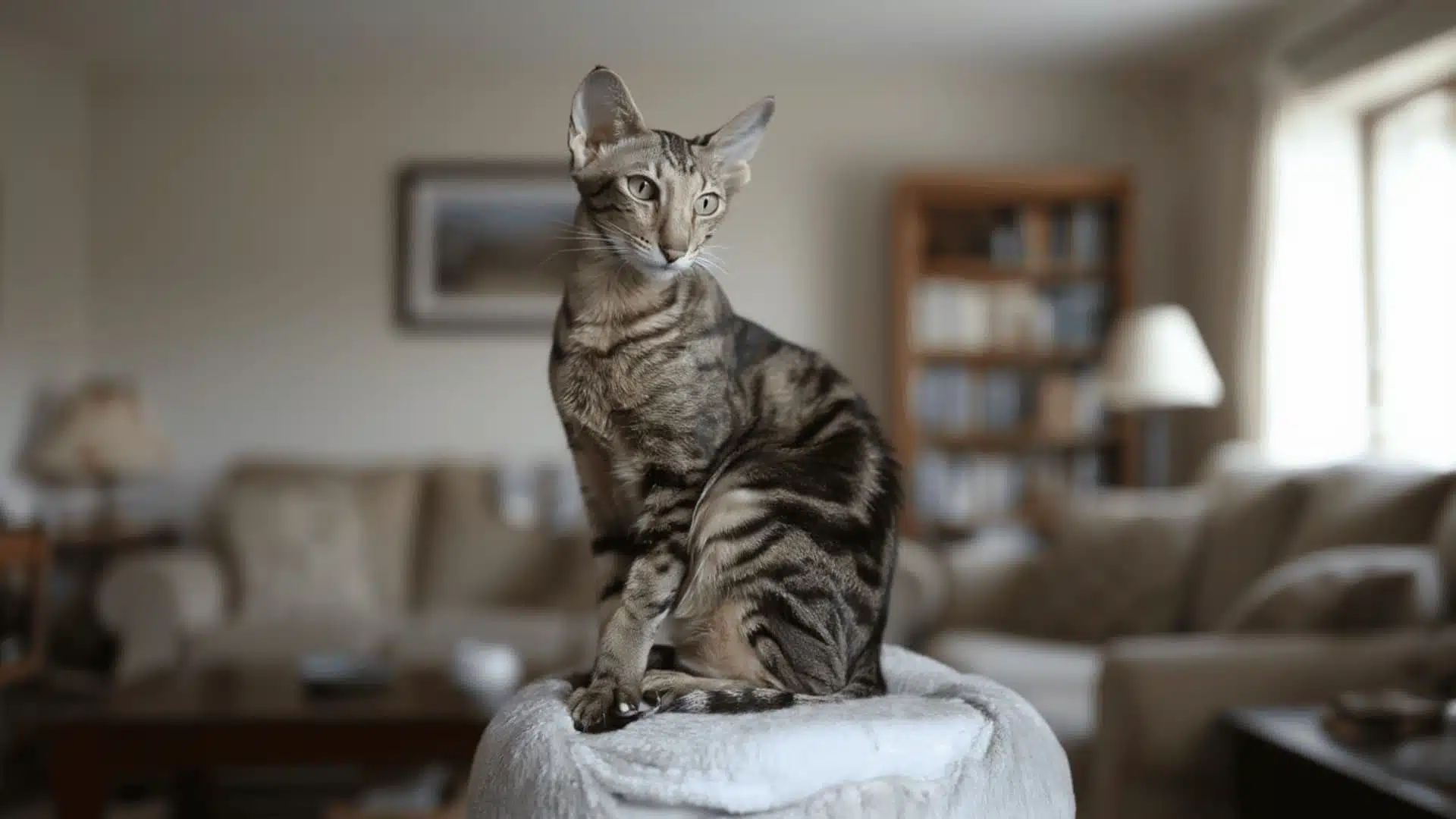
The Oriental Shorthair has a thin, fine coat that lies flat against its body, which naturally results in less shedding than breeds with heavier coats.
Because there is no thick undercoat, loose hair is easier to manage and less noticeable on furniture and clothing.
Grooming is simple and usually limited to occasional brushing. Its sleek frame and low-maintenance coat make it practical for indoor living.
- Lifespan: 12 to 15 years
- Personality: Vocal, loyal, curious, and highly attached to owners.
- Who it is best for: People who enjoy a talkative and interactive cat.
9. Burmese
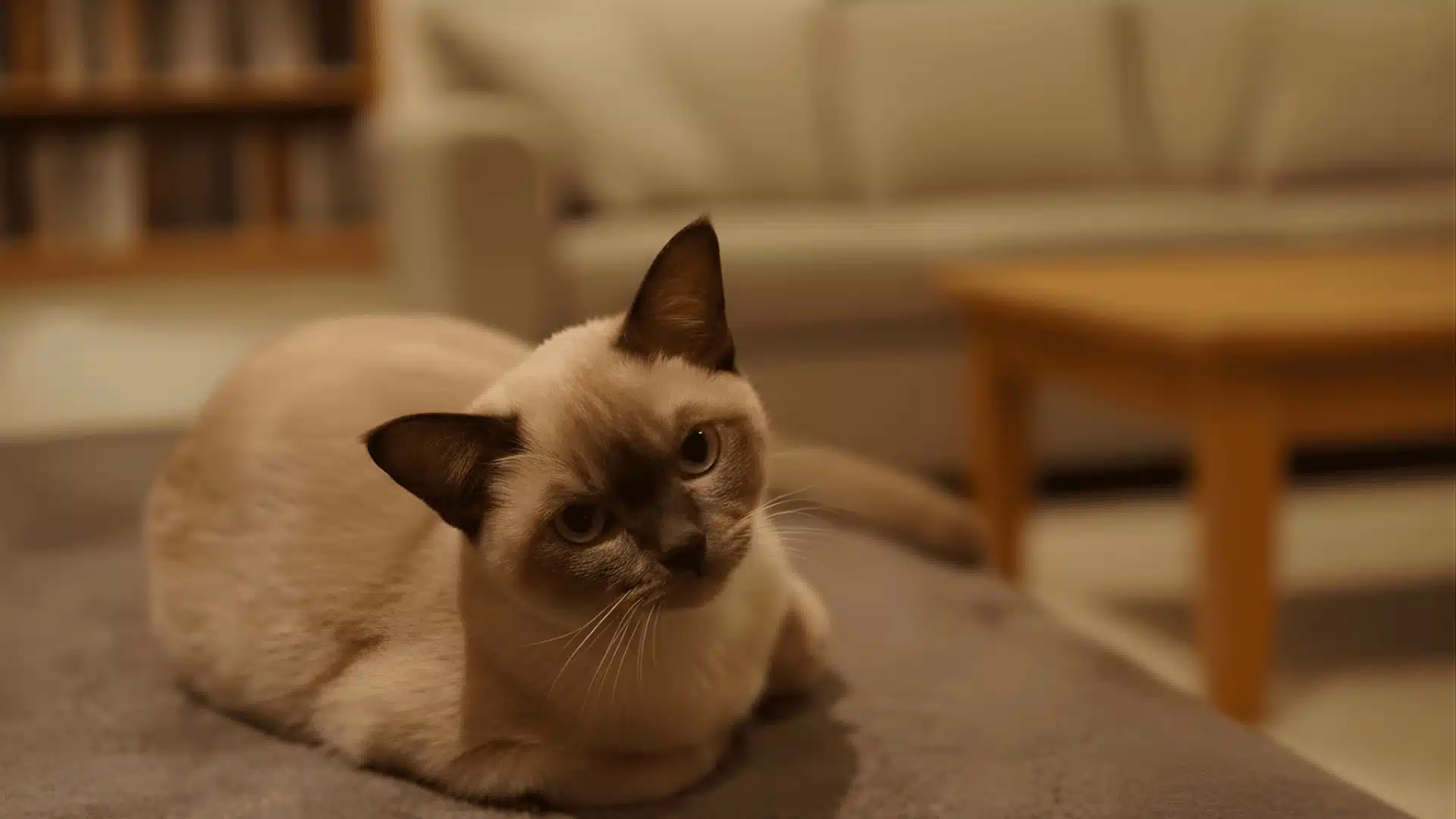
Burmese cats have a short, satin-like coat that sheds in a controlled and predictable way throughout the year.
Their smooth fur lies close to the body, reducing the amount of loose hair that spreads around the home. Weekly brushing is typically enough to keep the coat healthy and tidy.
Their manageable grooming routine makes them appealing to owners who prefer low-effort maintenance.
- Lifespan: 14 to 16 years
- Personality: Affectionate, adaptable, social, and people-loving.
- Who it is best for: Families, couples, or first-time cat owners.
10. Javanese
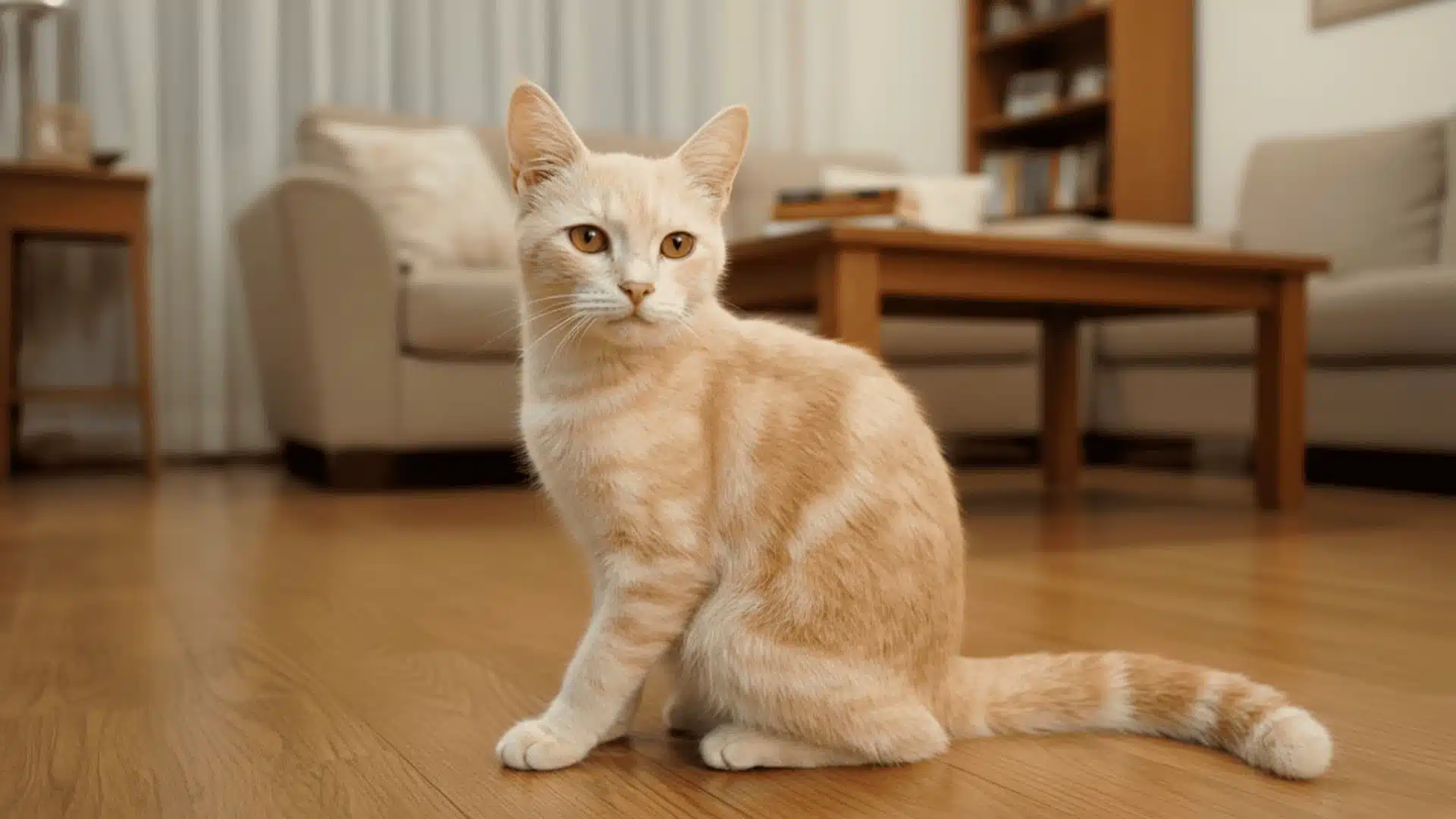
The Javanese stands out for lacking a dense undercoat, so less fur is released into the air than in many long-haired breeds.
Its silky medium-length coat is lighter and more manageable, making shedding easier to control with regular brushing.
While grooming is still required, fur spread is generally moderate and not overwhelming for most households.
- Lifespan: 12 to 15 years
- Personality: Intelligent, lively, playful, and interactive.
- Who it is best for: Owners who want an active and responsive companion.
11. LaPerm
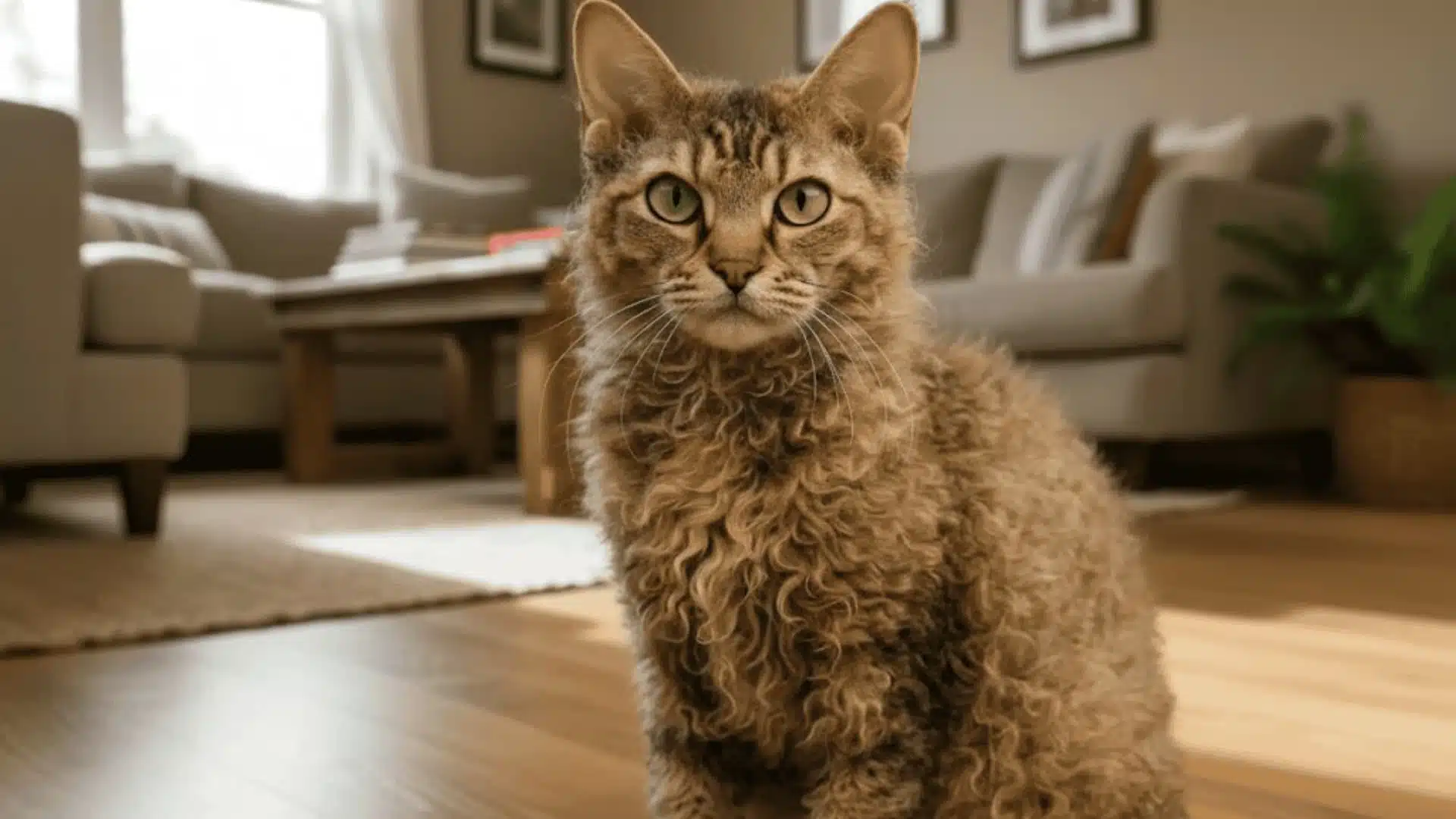
LaPerm cats are recognized for their soft, curly coats that differ from traditional straight fur. These loose curls can help reduce how much hair visibly spreads around the home.
Shedding is typically lighter than that of many other breeds, though occasional grooming is needed to prevent tangles and maintain coat health.
Their unique texture makes them stand out both visually and practically.
- Lifespan: 10 to 15 years
- Personality: Gentle, affectionate, calm, and adaptable.
- Who it is best for: Apartment dwellers or smaller households.
12. Ocicat
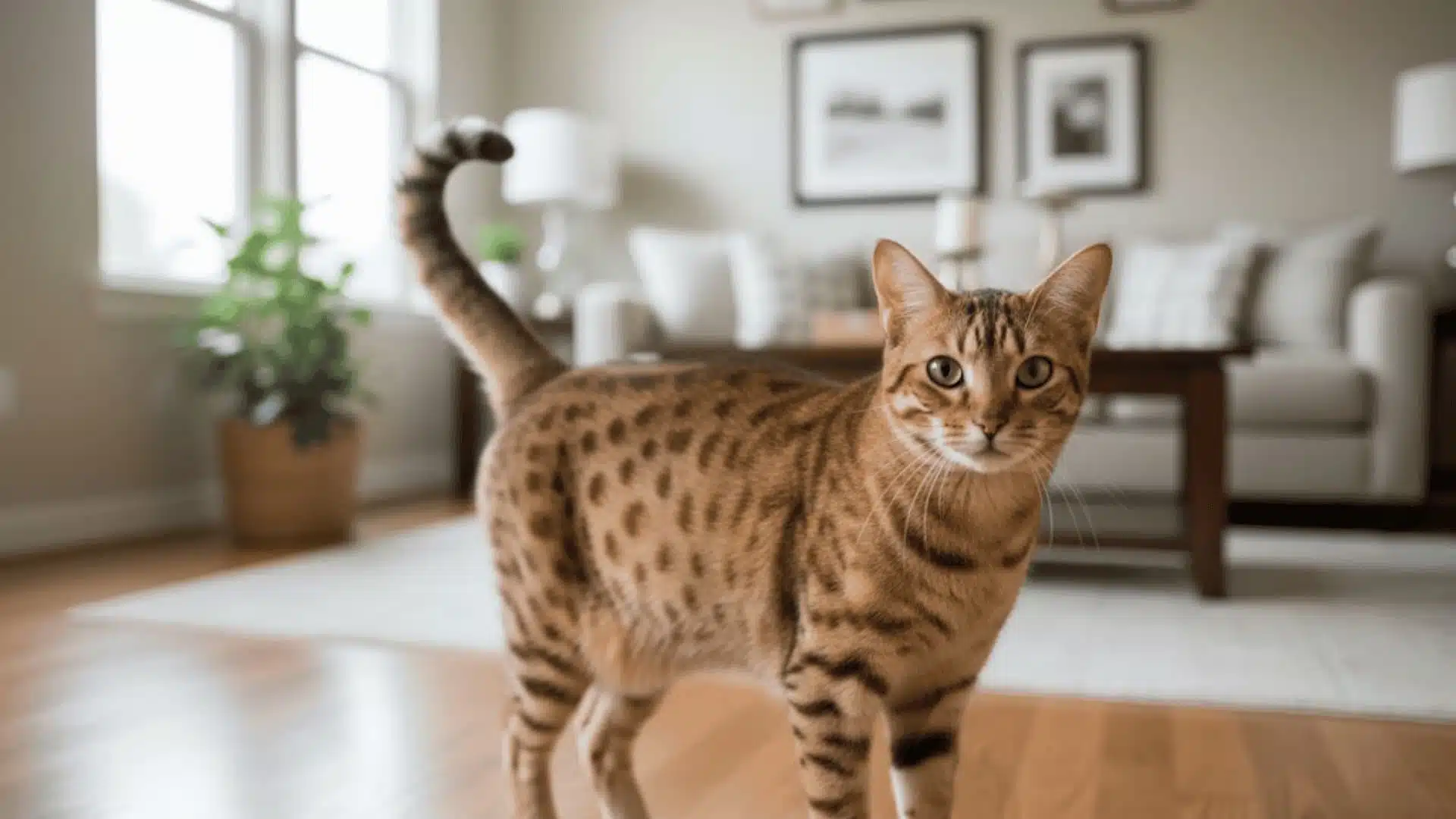
The Ocicat has a sleek, short coat that sheds lightly and is easy to maintain with minimal effort. Although it has a wild, spotted appearance, its grooming needs are simple and straightforward.
Regular light brushing helps control loose hair and keeps the coat smooth. Compared to heavier-coated breeds, visible fur buildup around the home is usually limited.
- Lifespan: 12 to 18 years
- Personality: Confident, social, energetic, and bold.
- Who it is best for: Active households that enjoy interactive pets.
13. Siamese
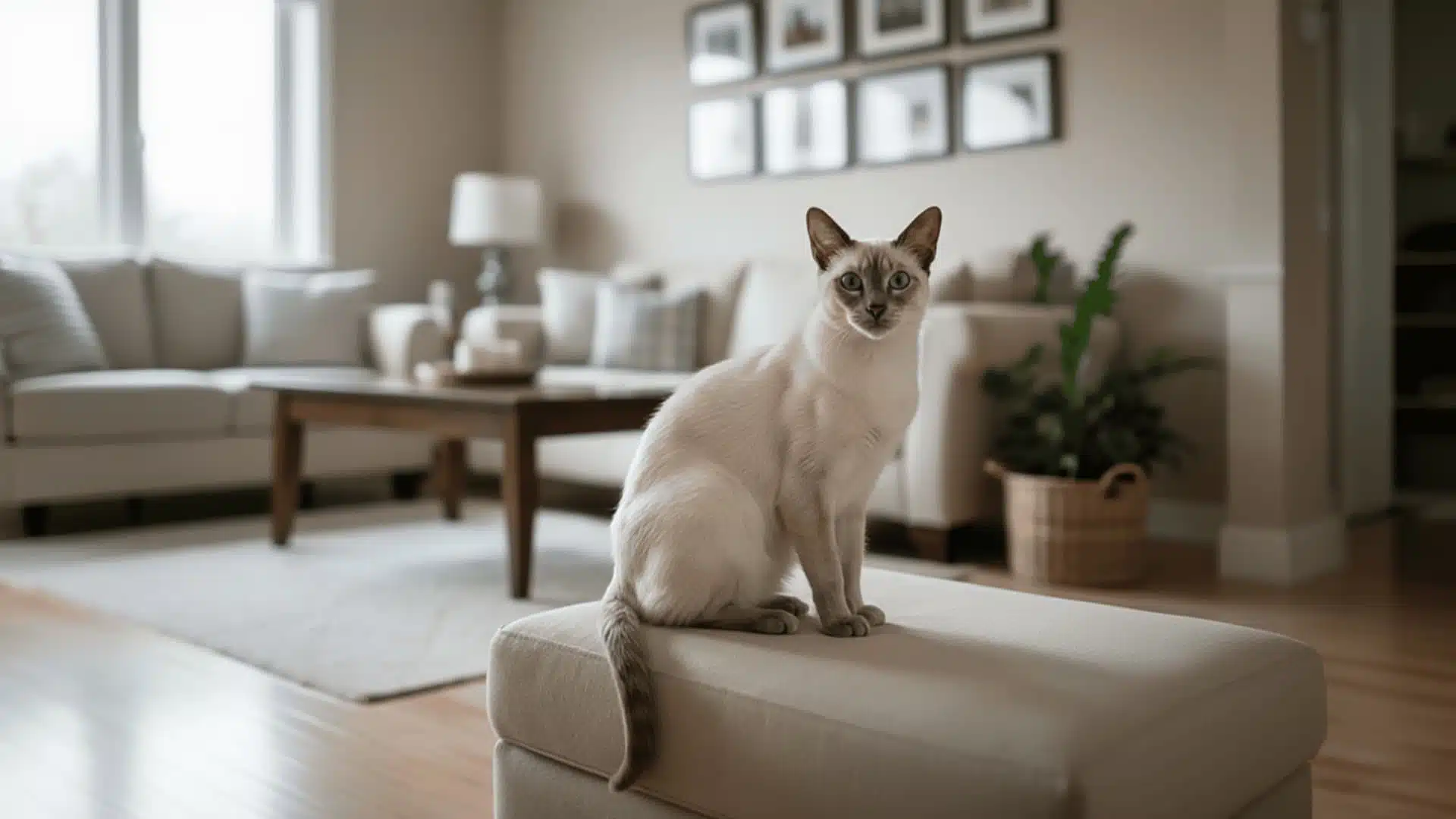
The Siamese is often mentioned when people search for hypoallergenic cat breeds because of its short, fine coat that sheds less noticeably.
The fur lies close to the body and does not require extensive grooming.
With minimal undercoat and a lightweight structure, maintenance is simple, making them easier to manage in apartments or smaller homes.
- Lifespan: 12 to 20 years
- Personality: Vocal, affectionate, intelligent, and deeply bonded to owners.
- Who it is best for: People who want a highly social and attached companion.
How to Check for Cat Allergies Before Adoption?
Before bringing a cat home, take practical steps to understand how your body reacts to it.
Spend time with the specific breed you are considering, ideally in close contact for at least an hour, to notice both immediate and delayed symptoms.
If possible, try fostering first. Living with a cat in your own space for a few days gives you a realistic idea of how your allergies respond over time.
You should also consider medical allergy testing, which can confirm the severity of your sensitivity.
Finally, speak directly with breeders about allergen levels in their cats and ask if any testing has been done to support claims of lower Fel d 1 production.
Practical Tips for Living with Cats When You Have Allergies
Living comfortably with a cat is possible when you consistently control allergens and design your home environment to minimize daily exposure.
- Create cat-free zones, especially in the bedroom, to give your immune system regular breaks from constant allergen exposure during sleep and rest hours.
- HEPA air Purifier: In the main living areas to capture airborne dander and reduce circulating allergen particles throughout your home.
- Regular grooming session: a non-allergenic person to reduce loose hair and surface dander before they spread indoors.
- Wash your hands after petting: To avoid transferring allergens to sensitive areas like your eyes and nose.
- Maintain hardwood floors: When possible, follow a regular cleaning routine that includes vacuuming with a HEPA filter and damp dusting surfaces.
Conclusion
Living with allergies does not mean giving up on the idea of a cat. The key is understanding how different breeds affect your body and choosing wisely.
Hypoallergenic cat breeds are not completely allergen-free, but many produce lower levels of the proteins that trigger reactions.
That difference can make daily life far more comfortable for sensitive owners. Spend time with the breed, test your reactions, and prepare your home properly.
With the right planning, hypoallergenic cat breeds can turn the dream of cat ownership into a realistic and enjoyable part of your life.
If you have tried any of these breeds or have questions, drop your thoughts in the comments below.