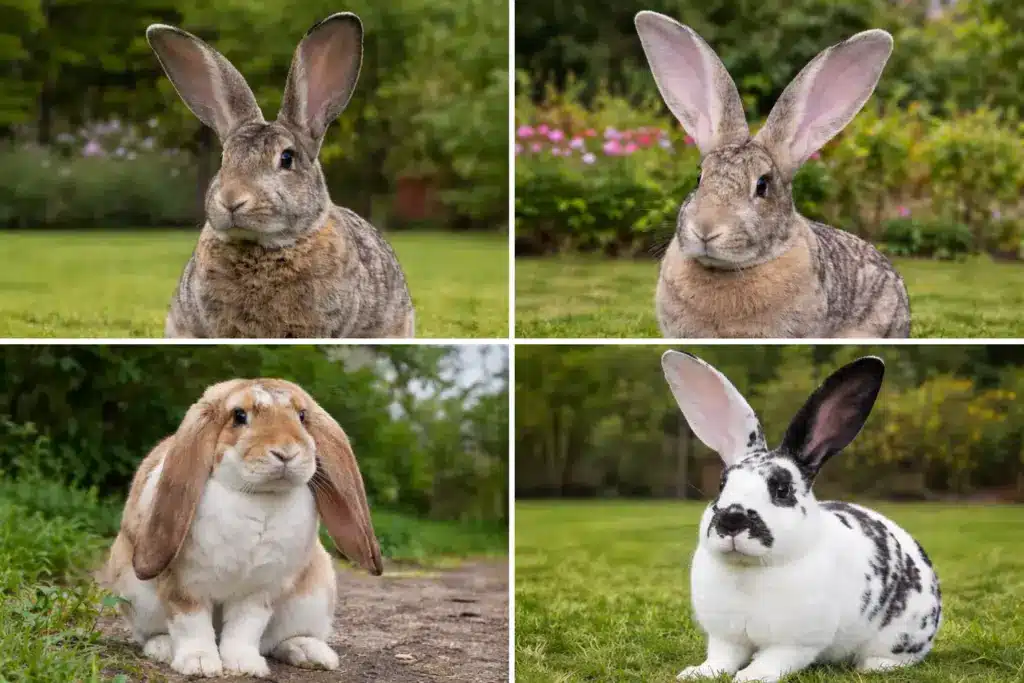
A rabbit that weighs as much as a small dog often surprises first-time owners.
Large rabbit breeds stand out not only for their impressive size but also for their calm and social nature.
These gentle giants can stretch across a full living room rug and still nudge for attention like a tiny bunny.
Many families search for a big rabbit that offers both companionship and character without constant hyperactivity.
Understanding large rabbit breeds means looking beyond size alone. Temperament, housing space, feeding costs, and grooming needs all play a major role in daily care.
This blog explains how big bunny breeds differ from smaller rabbits and what to expect before welcoming a big rabbit into a home.
The right preparation makes ownership rewarding and manageable.
What Defines Large Rabbit Breeds?
Large rabbit breeds are classified primarily by weight, body length, and overall bone structure.
In general, rabbits weighing between 9 and 12 pounds are considered large, while those exceeding 13 pounds often fall into the giant category.
Many big rabbit types can reach 15 to 20 pounds at full maturity. Body length is also greater, with stretched frames, broad heads, and thick, sturdy legs that support their heavier build.
Their bone density is noticeably stronger than that of smaller rabbits. The key difference between standard large rabbit breeds and giant varieties lies in scale.
Large breeds are substantial but manageable in most homes, while giant breeds require more space, higher food intake, and reinforced housing due to their size.
Growth rate is another factor. A big bunny breed grows rapidly during the first six months but may not reach full size until 12 to 18 months, with some giants continuing to fill out closer to two years of age.
Things to Consider Before Choosing a Big Rabbit
Owning a large rabbit requires space, budgeting, and long-term commitment.
- Housing Space Requirements: Large rabbits need spacious enclosures to move comfortably.
- Feeding Costs and Hay Consumption: Large rabbits eat significant amounts of hay, greens, and pellets daily.
- Grooming Commitment: Regular brushing and nail trimming are needed to manage shedding and health.
- Lifespan and Long-Term Responsibility: Large rabbits can live 5–10 years but require consistent care.
- Exercise and Activity Needs: Large rabbits require daily space to move, hop, and stay physically active.
- Health Monitoring: Bigger rabbits may face joint or weight issues, making regular health checks important.
Popular Large Rabbit Breeds
These large rabbit breeds vary in size, structure, and temperament, but all require spacious housing, proper nutrition, and consistent care.
1. Flemish Giant
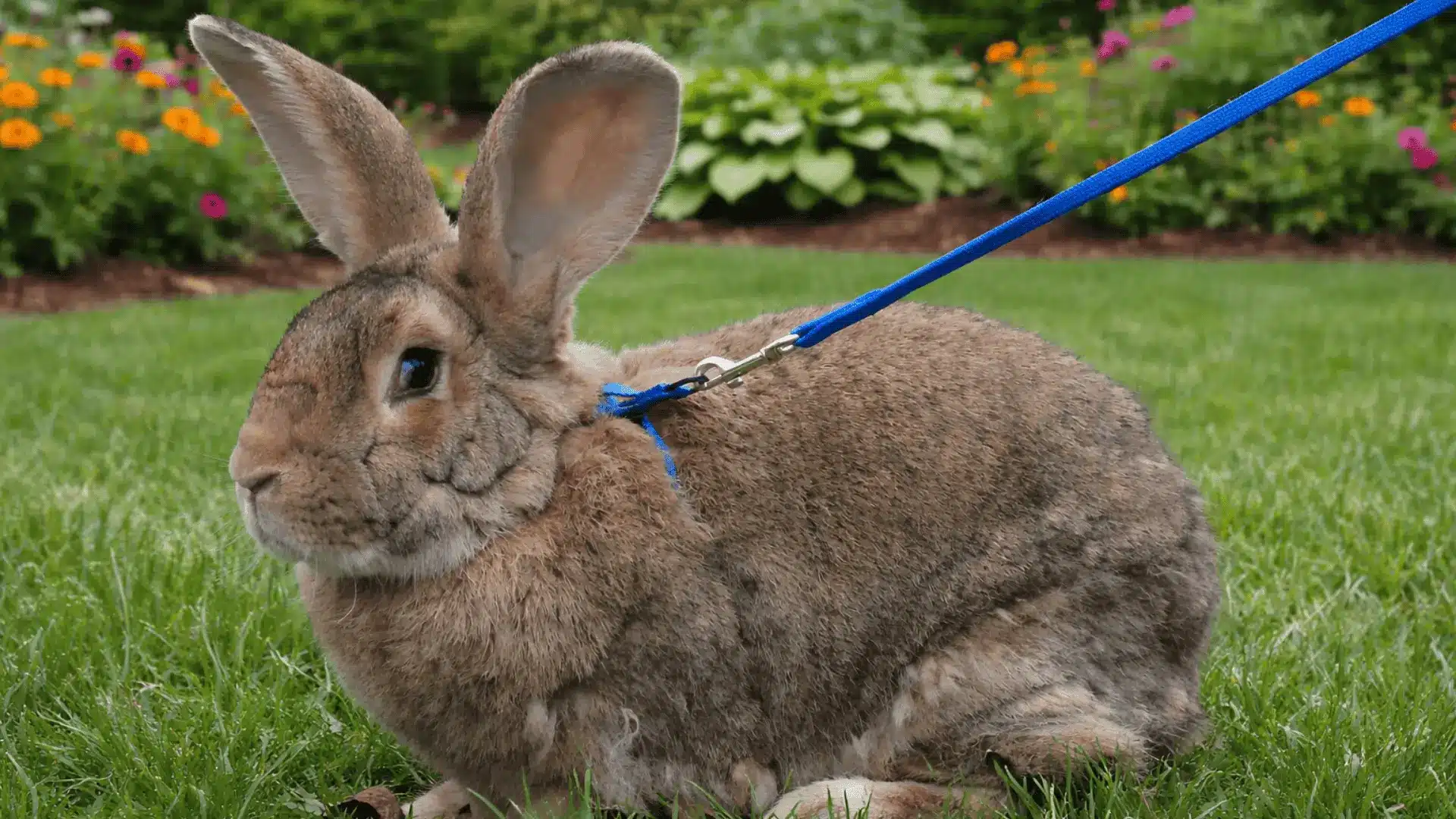
The Flemish Giant is one of the most recognized large rabbit breeds, with adults typically weighing 14 to 20 pounds.
Body length can exceed 30 inches, supported by a semi-arched body type and dense bone structure. This big rabbit matures slowly and may not reach full size until 18 months.
Temperament is generally docile and tolerant, making it suitable for supervised family environments. Housing must provide reinforced flooring due to the weight load on hocks.
Diet consists of unlimited timothy hay, measured high fiber pellets, and leafy greens. Common health concerns include obesity, sore hocks, and spinal strain.
2. Continental Giant

The Continental Giant is closely related to the Flemish Giant and often exceeds 16 pounds, with some individuals reaching 22 pounds.
It features a semi-arched body, powerful hindquarters, and substantial bone mass. Growth is rapid during the first year, with continued development through 18 months.
This breed is active and requires structured exercise to prevent weight gain. Handling should support the hindquarters to avoid lumbar injury.
A spacious indoor enclosure with non-slip flooring is recommended. Daily hay intake is high. Regular weight monitoring helps prevent joint stress and cardiovascular strain.
3. French Lop
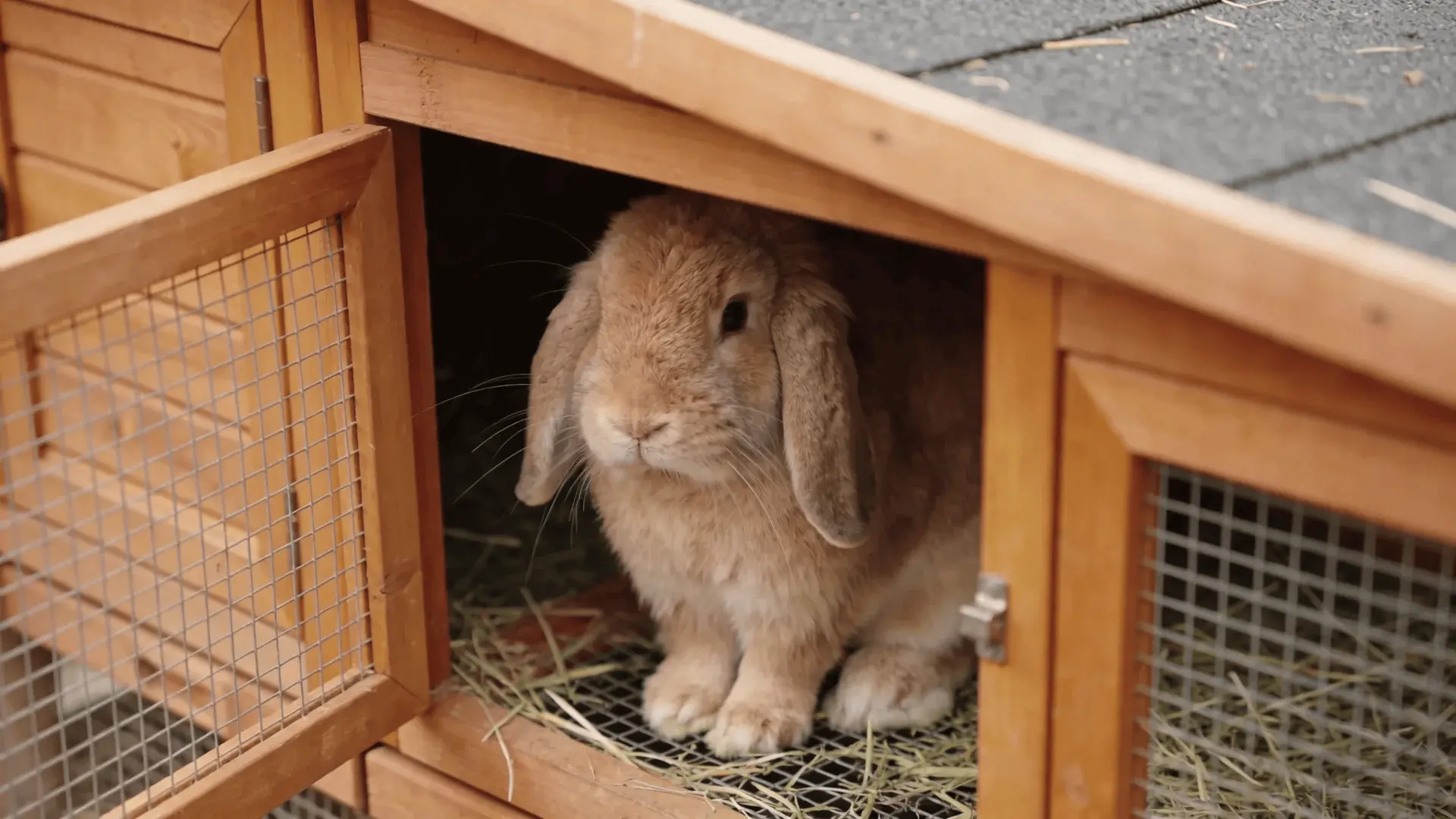
The French Lop is a heavy-bodied lop breed weighing 10 to 15 pounds. It has a commercial body type, thick shoulders, and long, pendulous ears that typically measure 5 to 8 inches.
This large breed of bunny is known for calm behavior and a steady temperament. Due to ear length, regular inspection is required to prevent otitis externa.
Housing must allow full extension of the body and proper ear clearance. Diet includes high-fiber hay and controlled portions of pellets.
French Lops are prone to obesity if overfed. Nail trimming and routine grooming are essential due to body mass.
4. Checkered Giant
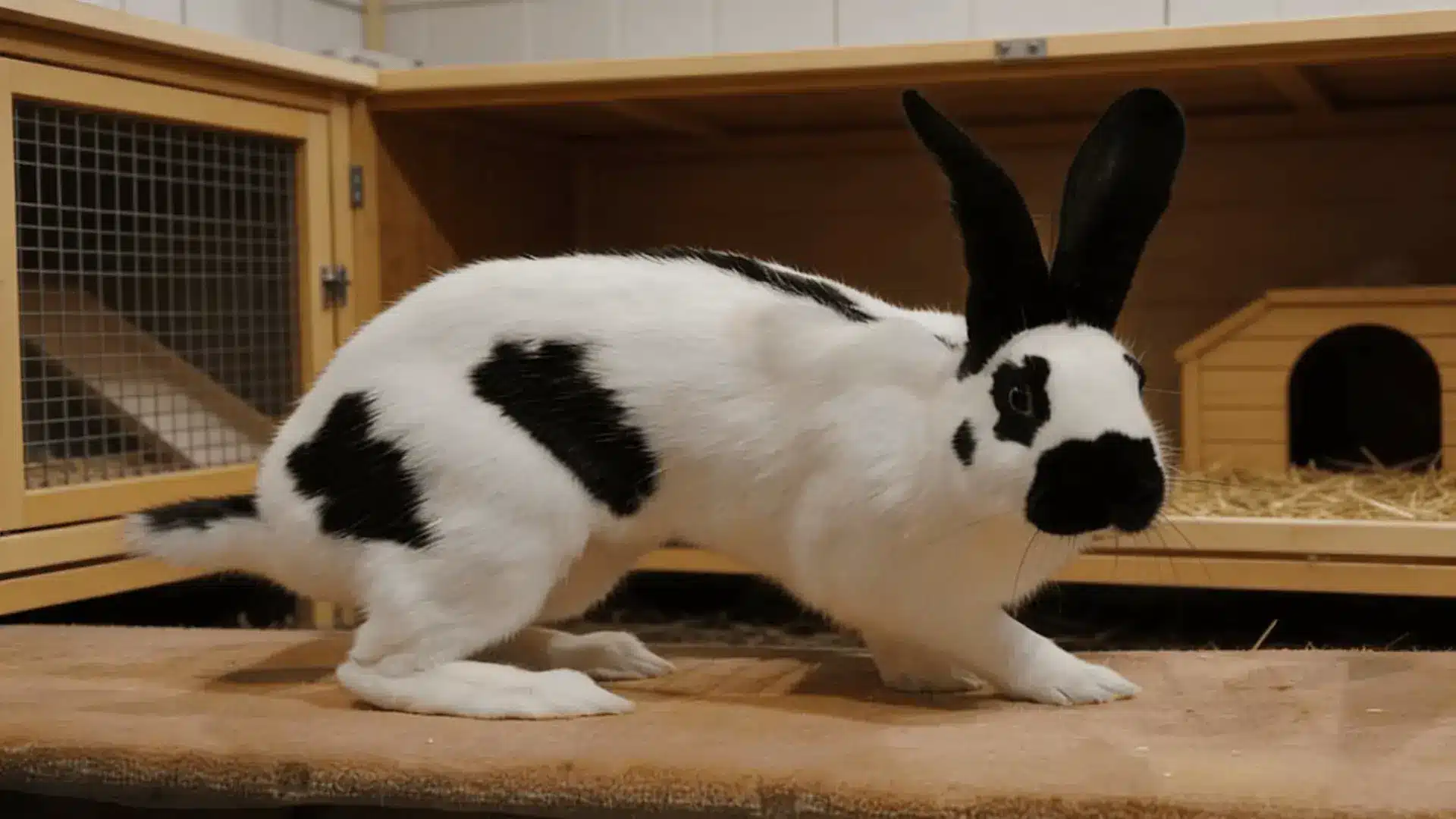
The Checkered Giant weighs between 11 and 16 pounds and has a fully arched body type. It is recognized for its distinct butterfly nose marking, spine stripe, and colored eye circles.
This breed has a leaner frame than other giant rabbits and exhibits higher activity levels. It requires ample floor space and daily movement to maintain muscle tone.
Due to an athletic build, a secure enclosure is essential. Diet should emphasize hay to support gastrointestinal motility.
This breed matures at around 12 to 14 months. Temperament is alert and responsive rather than overly passive.
5. Giant Chinchilla
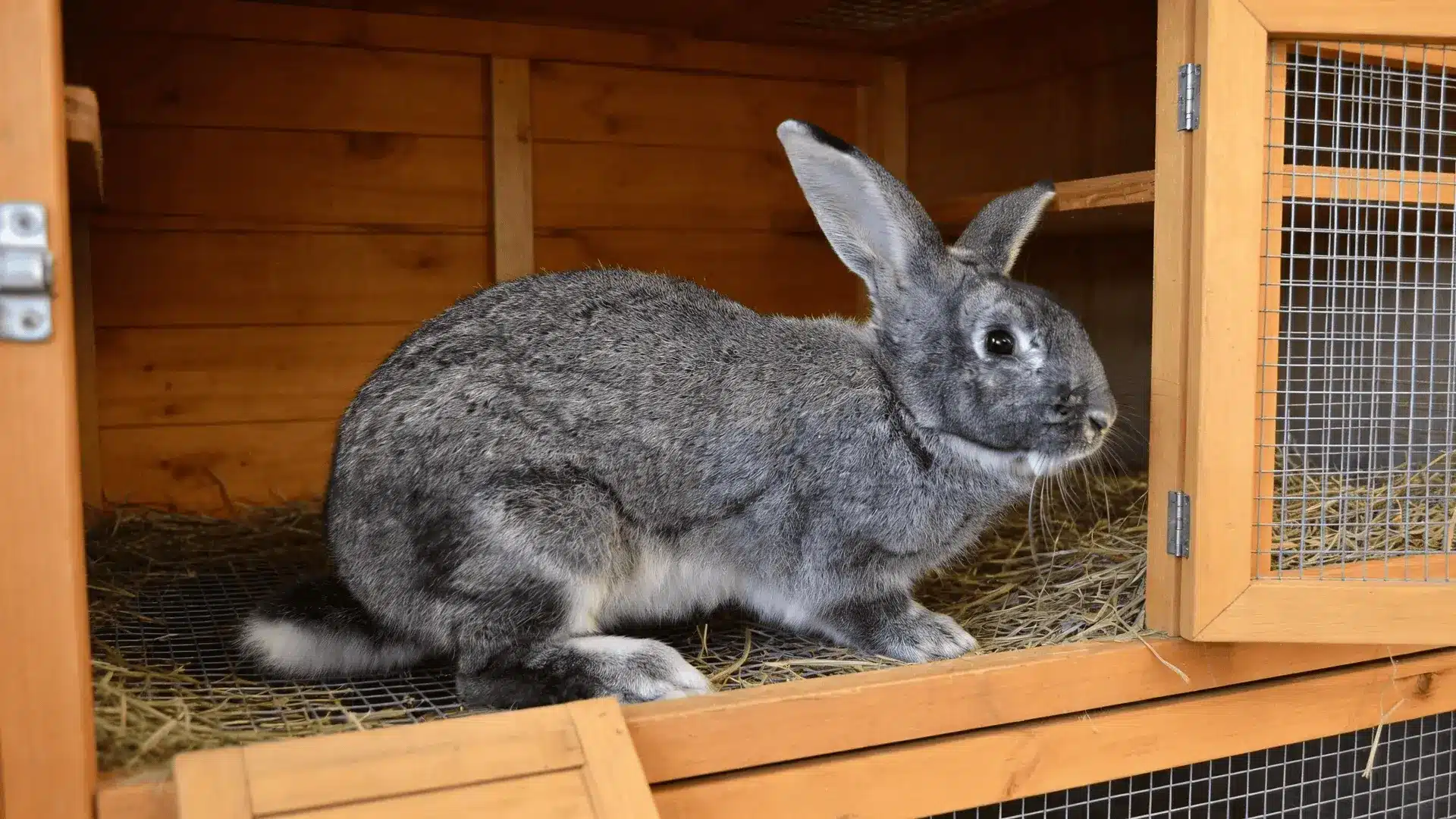
The Giant Chinchilla typically weighs 12 to 16 pounds and has a commercial body type with dense, rolled-back fur.
Coat coloration resembles the chinchilla pattern with slate undercolor and pearl-tipped guard hairs.
This large rabbit breed is known for its steady disposition and adaptability to indoor housing. Fur density requires regular brushing during seasonal shedding.
Diet should remain hay-based to prevent gastrointestinal stasis. Growth continues through the first year.
Due to a heavier frame, flooring must be solid to avoid pododermatitis. Regular dental checks are recommended to monitor incisor alignment.
6. British Giant
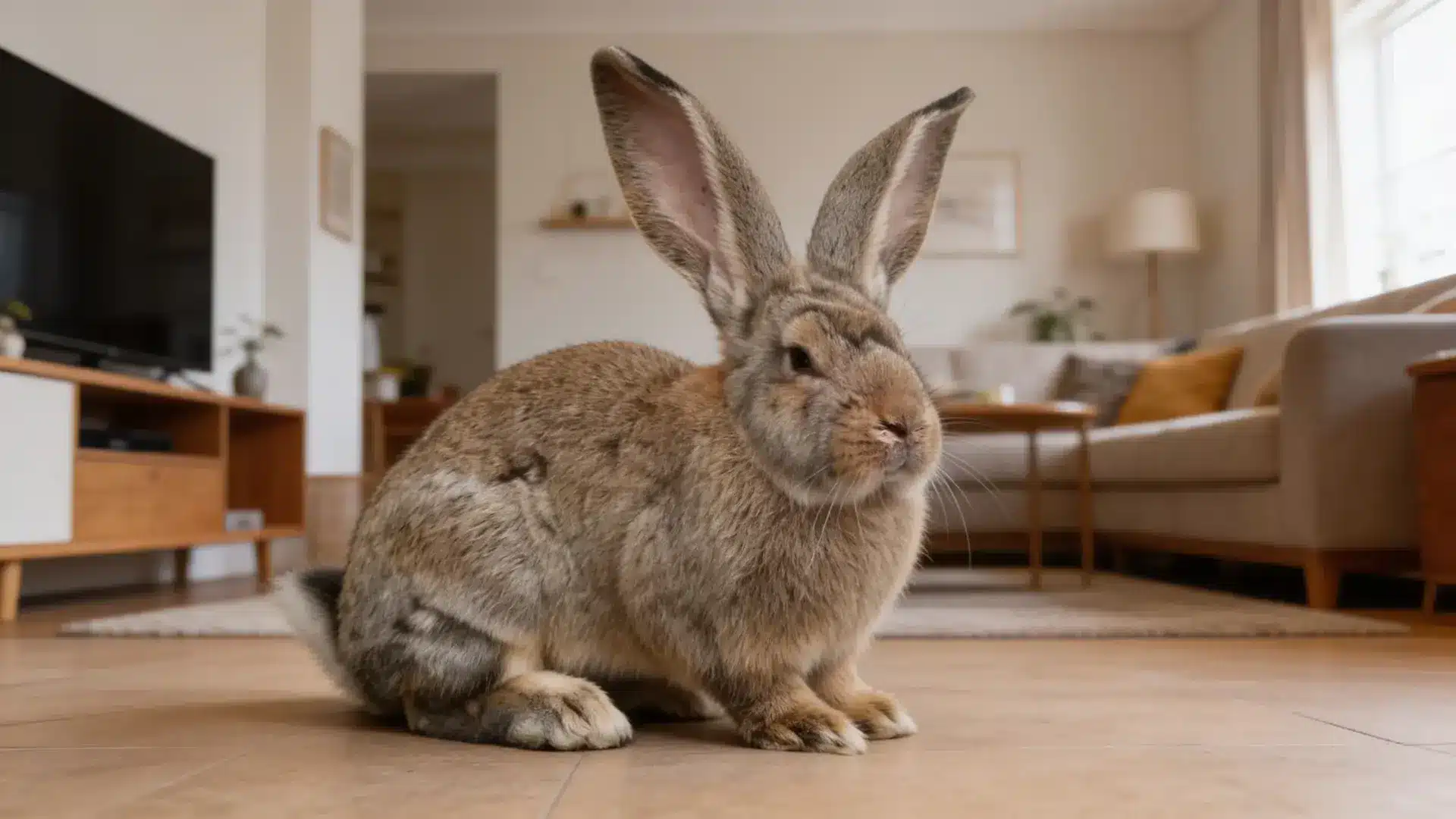
The British Giant weighs between 12 and 15 pounds and features a semi-arched body with strong hind legs.
Coat colors vary widely, including black, blue, and opal. This big rabbit is generally calm and manageable with consistent handling.
Adequate enclosure size is critical due to body length. Flooring should support weight distribution to reduce hock pressure.
Diet consists of unlimited grass hay, controlled pellets, and fresh greens. Growth reaches maturity near 12 to 15 months.
British Giants require moderate grooming depending on coat thickness. Regular exercise prevents excess fat accumulation.
7. Spanish Giant
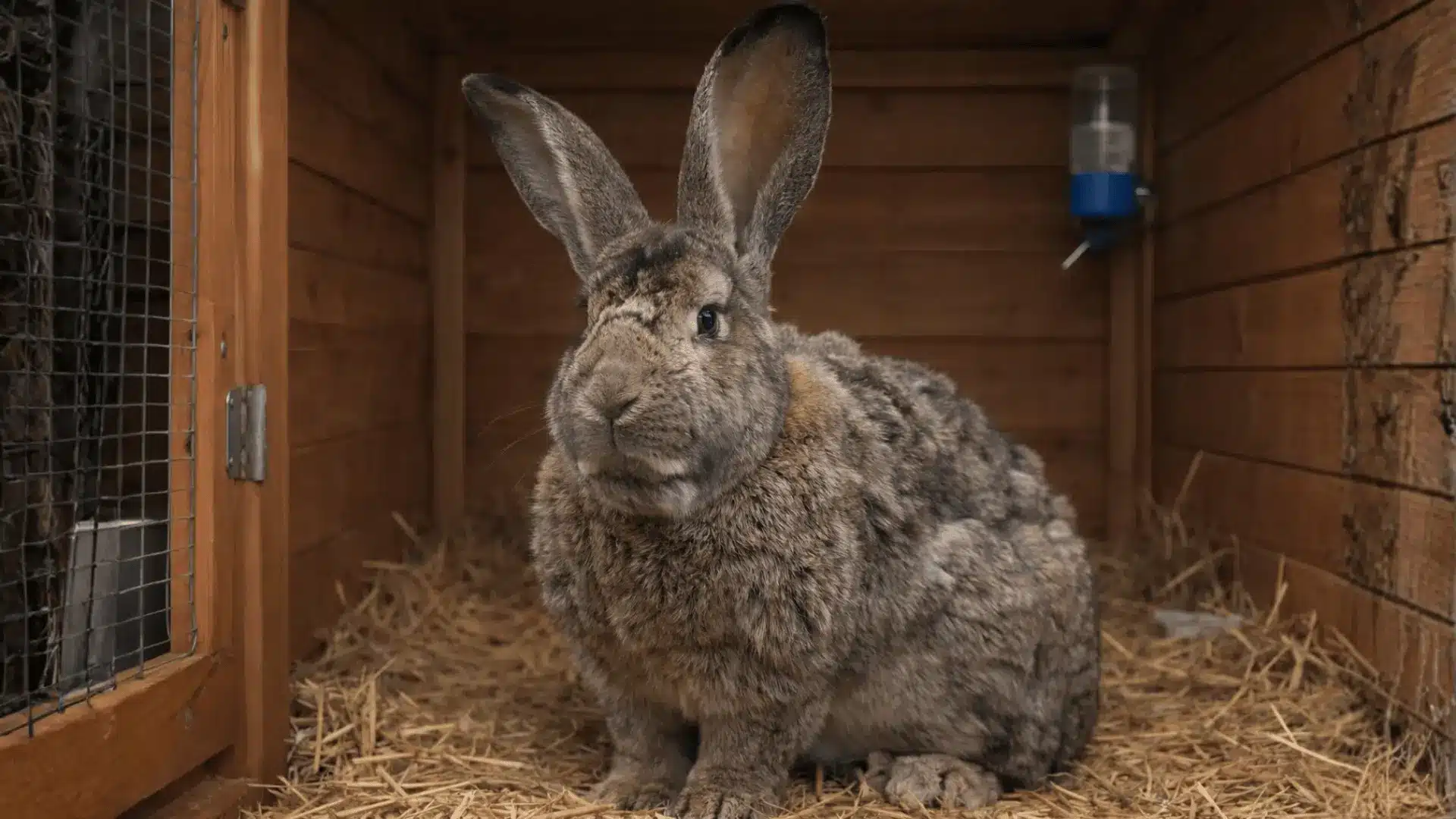
The Spanish Giant is a heavy commercial-type rabbit, often weighing 12 to 16 pounds. It has broad shoulders, a deep loin, and thick bone density.
This breed adapts well to temperate climates but requires protection from excessive heat due to its body mass.
Housing must allow adequate ventilation and floor space. Temperament is typically calm with a steady handling response.
High-fiber hay is essential for maintaining gut motility. Pellet intake should be measured carefully. Growth rate is steady, reaching adult size around one year. Joint health monitoring is recommended.
8. German Giant
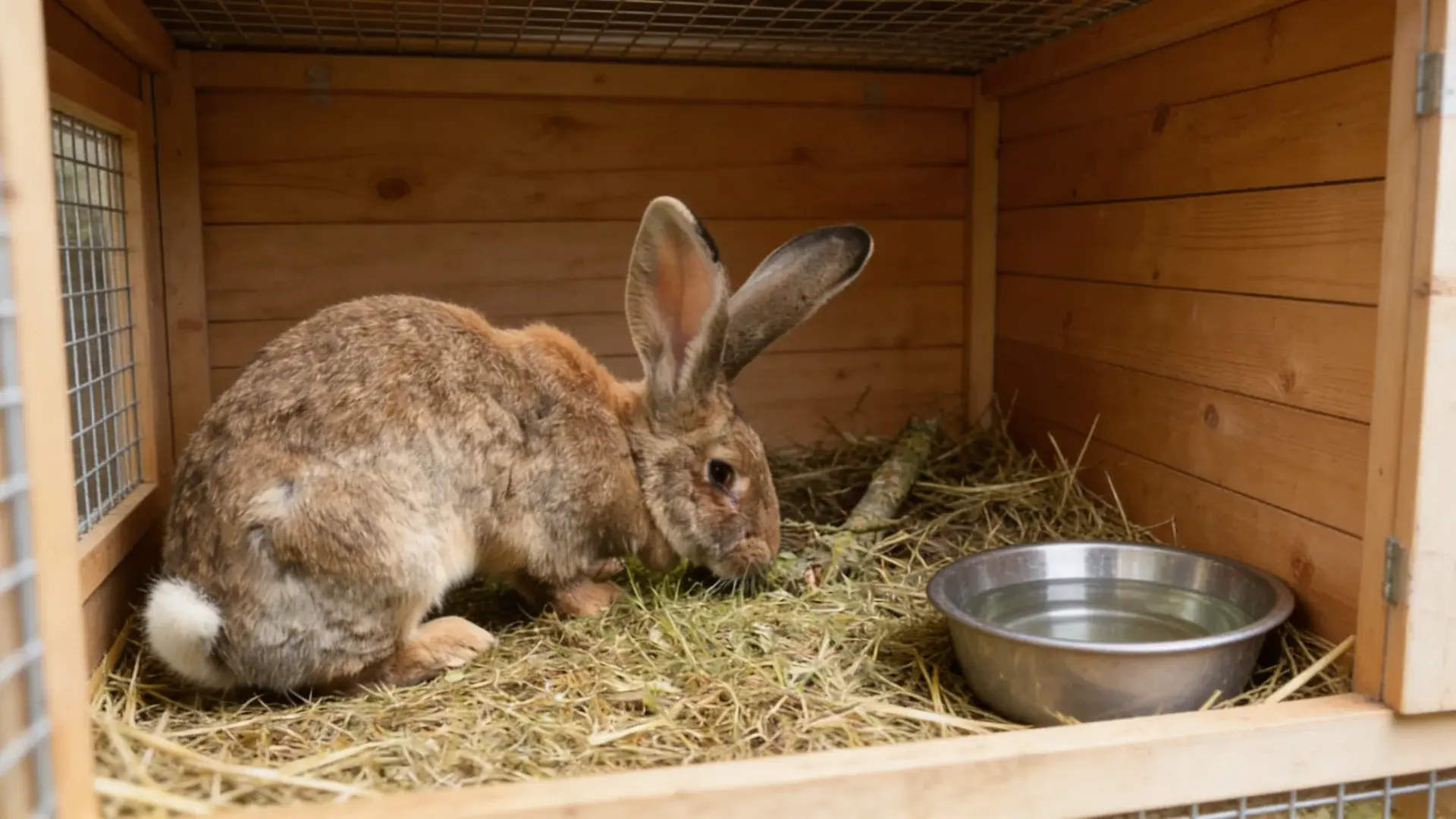
The German Giant often exceeds 15 pounds and can reach 20 pounds under proper management.
It resembles the Flemish Giant but may display more compact muscle distribution. Growth continues up to 18 months.
This large rabbit breed requires reinforced enclosures due to size and strength. Handling must always support the hindquarters to prevent vertebral injury.
Daily hay intake is substantial. Balanced pellet feeding prevents rapid weight gain.
German Giants are prone to pressure sores if housed on wire flooring. Regular body condition scoring helps maintain optimal health.
9. American Chinchilla
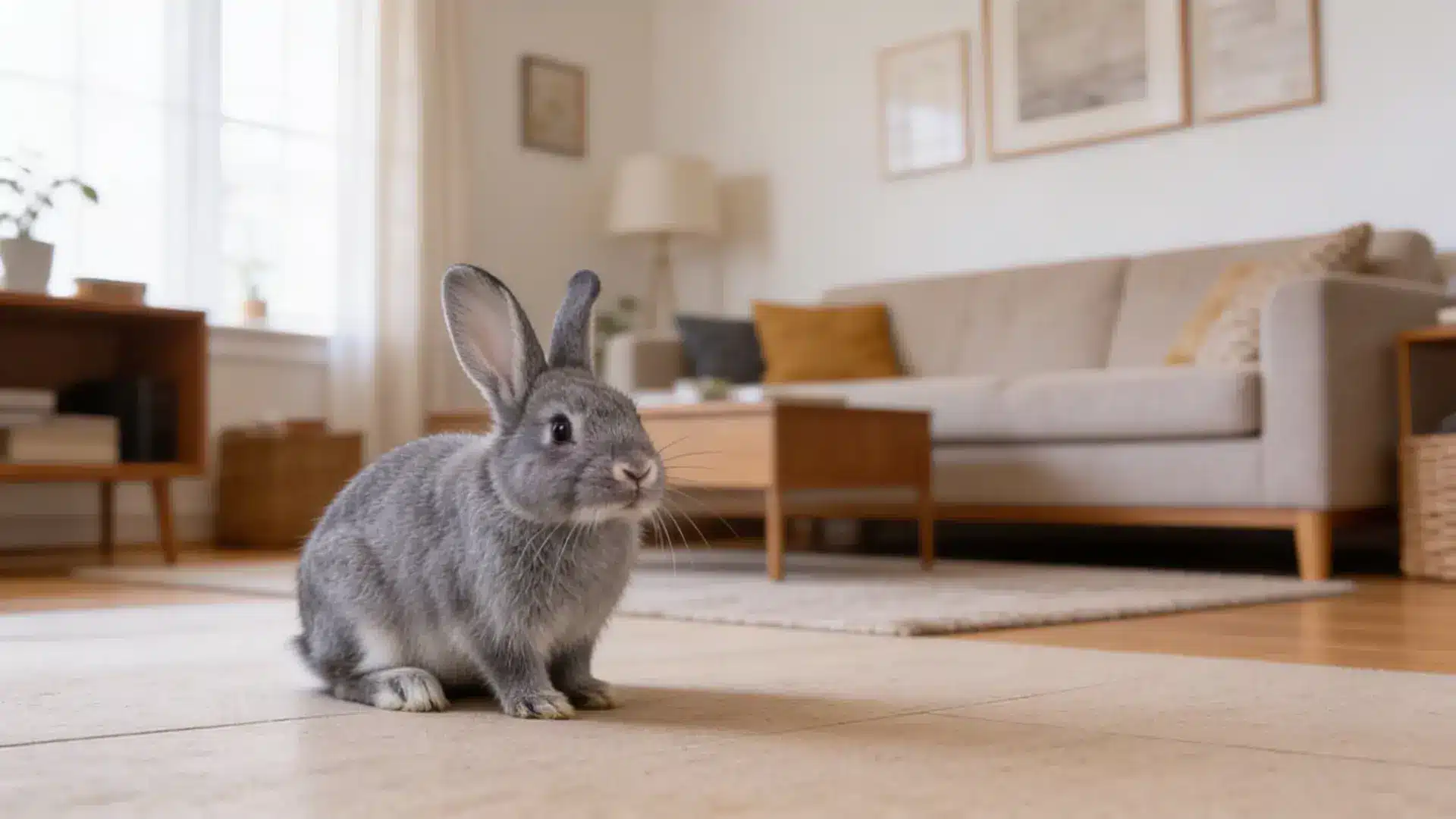
The American Chinchilla weighs 9 to 12 pounds, placing it in the large category rather than the extreme giant category.
It has a commercial body type and dense, silver-gray coat with distinct banded fur shafts.
Temperament is generally calm and suitable for experienced owners. Enclosure size must accommodate full-body stretch and hopping movements.
Hay remains the primary dietary component. Pellet portions should be controlled to avoid obesity.
Coat requires routine brushing during shedding cycles. Maturity occurs at approximately 10 to 12 months.
10. English Lop
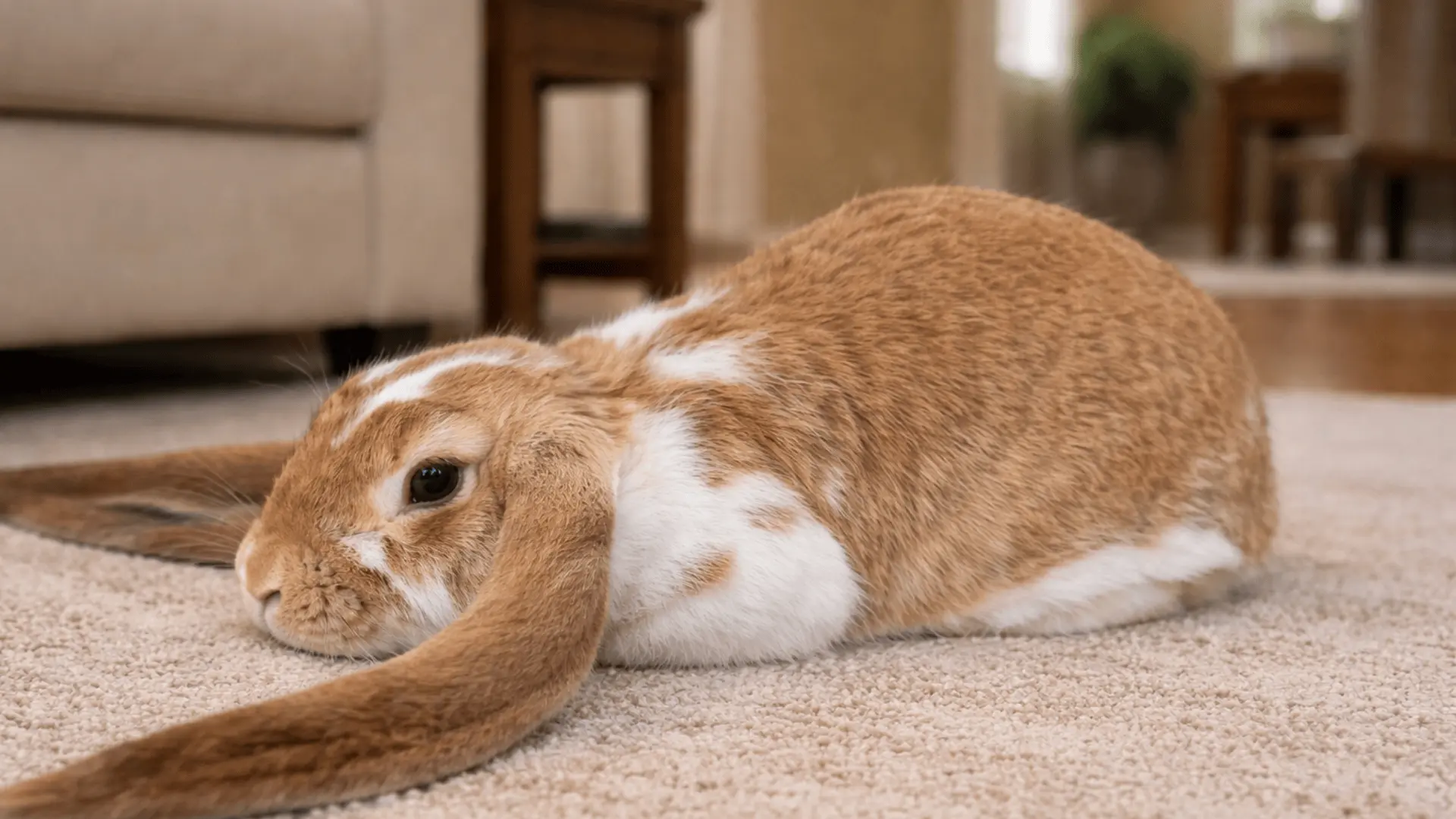
The English Lop weighs 9 to 11 pounds and is known for exceptionally long ears that can reach 20 inches.
The body is slender with an arched profile. Due to the ear’s length, the flooring must remain clean and dry to prevent infections or abrasions.
Regular ear inspection is mandatory. This big rabbit requires moderate exercise and careful handling. Hay-based diet supports digestive function.
Pellet feeding must remain controlled. English Lops are sensitive to temperature extremes. Housing should remain indoors in regulated climates.
11. Blanc De Bouscat
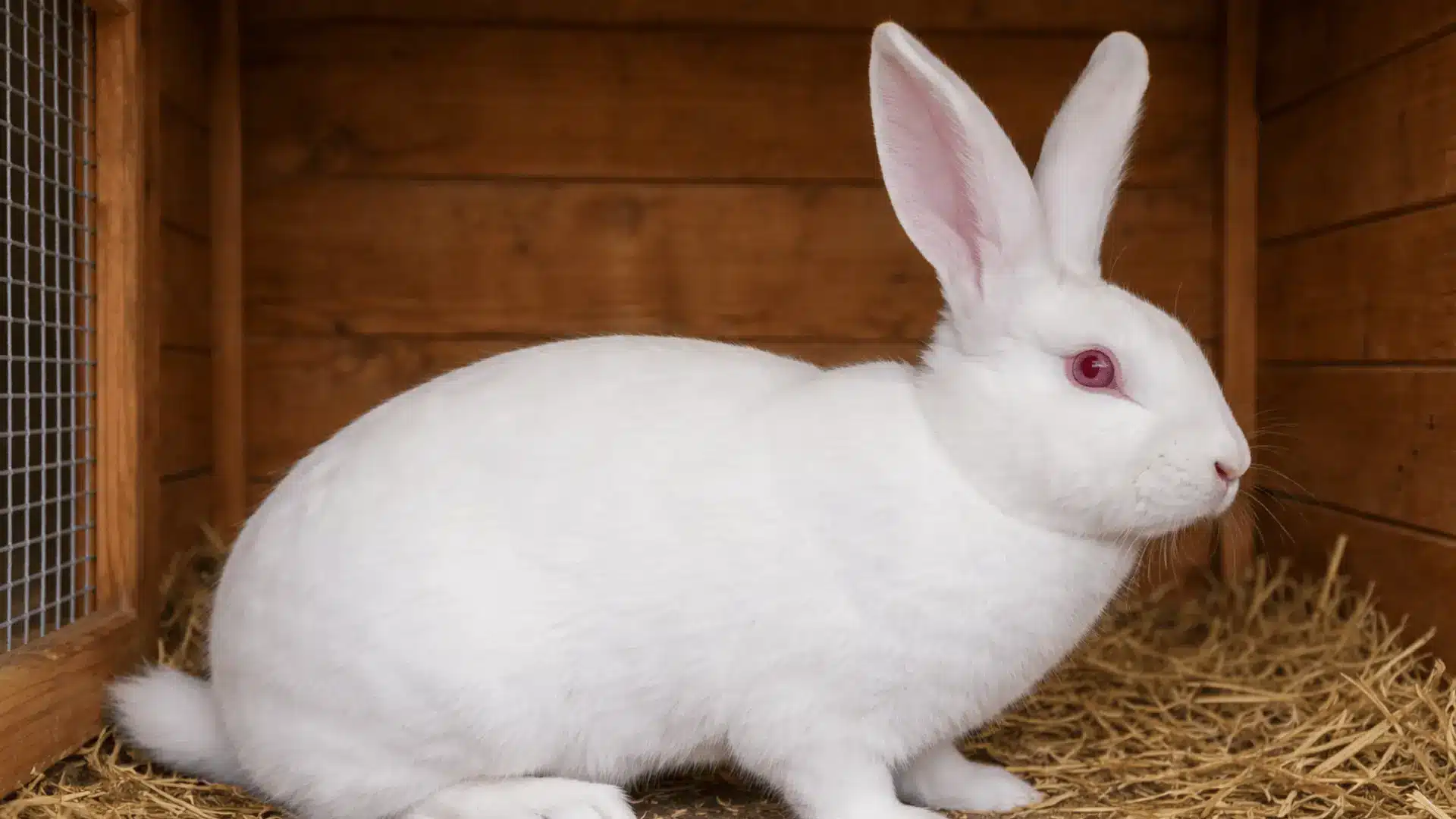
The Blanc De Bouscat weighs 11 to 15 pounds and has a commercial body type, with dense white fur and ruby-red eyes.
Bone structure is heavy and balanced. This breed displays a calm temperament and steady behavior. Spacious housing prevents stress and supports movement.
Solid flooring reduces the risk of sore hocks. Diet should consist primarily of grass hay with limited pellets. Regular brushing maintains coat condition.
Growth reaches maturity near 12 months. Routine health checks help monitor weight and dental alignment.
12. Silver Fox
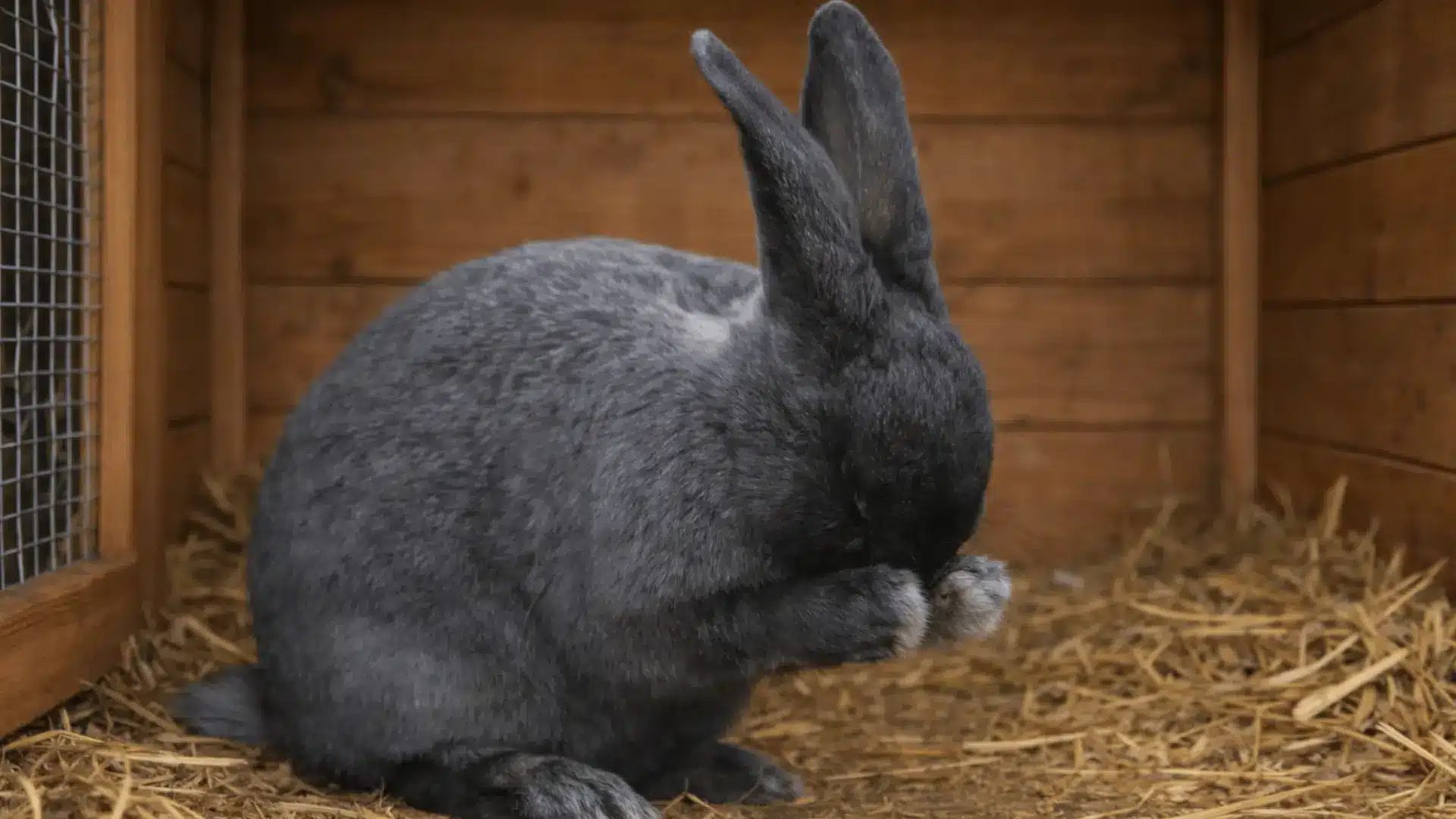
The Silver Fox weighs 9 to 12 pounds and has a commercial body with distinctive stand-up fur.
Guard hairs extend beyond the undercoat, creating a silvered appearance. This large rabbit breed is known for docile behavior and good maternal traits.
Enclosures must provide adequate horizontal space. Hay is the primary dietary requirement, supported by measured pellets.
Grooming needs are moderate despite the dense coat. Silver Fox rabbits mature around 10 to 12 months. Monitoring for obesity and dental overgrowth is recommended.
13. Flemish Giant Mix
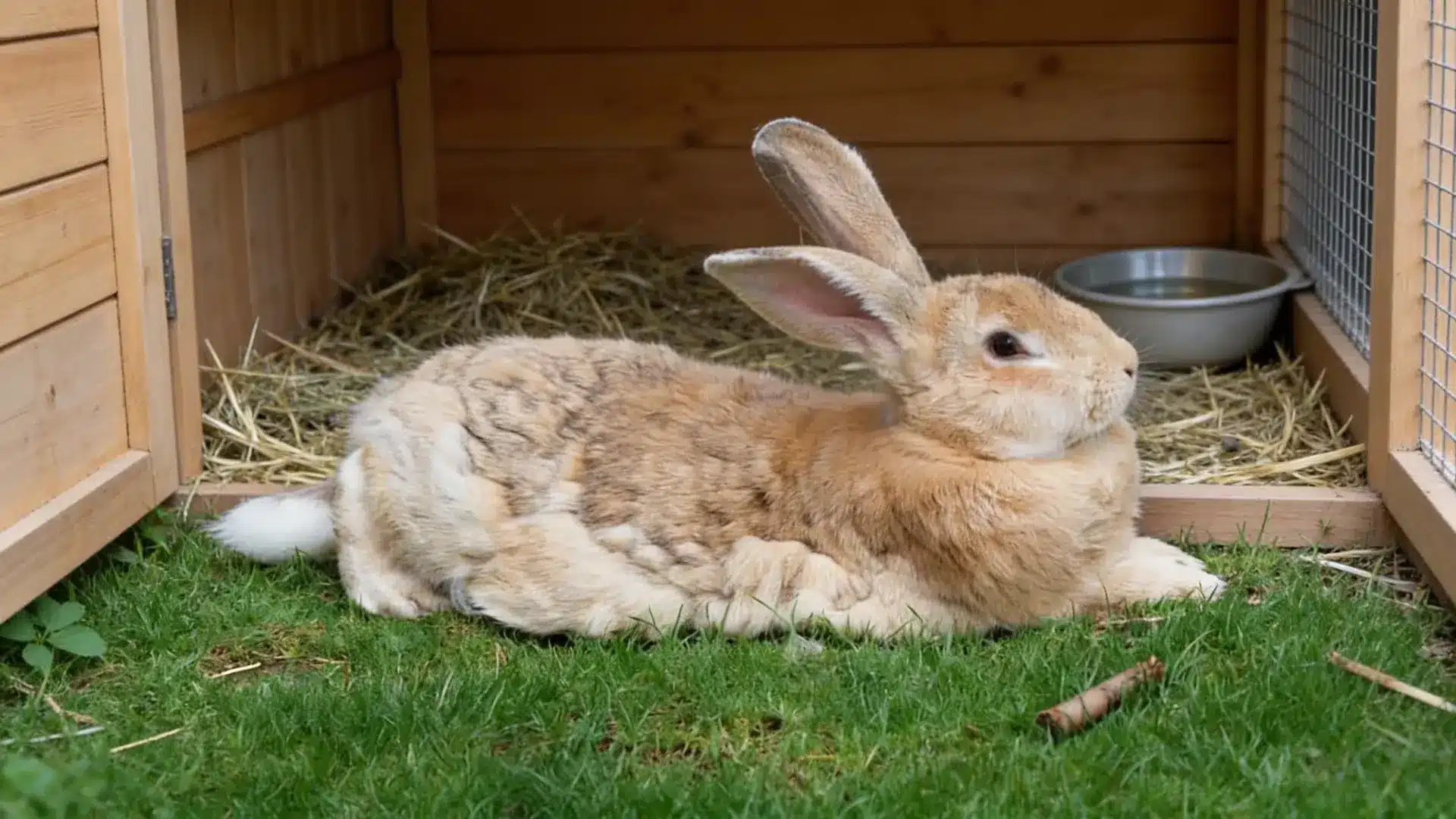
A Flemish Giant mix often weighs between 12 and 18 pounds, depending on lineage. Body type varies, but usually retains heavy bone mass and a large frame.
Growth timeline follows giant patterns, reaching full size after 12 to 18 months. Temperament depends on cross genetics, but is frequently calm and manageable.
Housing must match the expected adult size. Diet requires consistent hay availability and controlled pellet intake.
Regular veterinary evaluation ensures joint and spinal health remains stable throughout adulthood.
Care Guide for Large Rabbit Breeds
Proper care keeps large rabbit breeds healthy, active, and comfortable throughout their lives.
- Housing Requirements: Each big rabbit needs at least 12 square feet of enclosure space plus daily exercise time. Solid flooring, such as mats or sealed wood, prevents sore hocks and joint strain.
- Feeding A Big Bunny: A hay-based diet should make up about 80 percent of daily intake, with unlimited timothy or orchard grass hay available at all times.
- Grooming and Maintenance: Brushing is required at least once a week and more often during seasonal shedding to reduce fur buildup. Nails typically need trimming every 4 to 6 weeks.
- Health and Veterinary Care: Common issues in big rabbit breeds include obesity, arthritis, sore hocks, and spinal stress due to body weight. Regular weight checks and visits to a veterinarian experienced in rabbit medicine.
Large Rabbit Breeds Vs Small Rabbits
Large rabbit breeds and small rabbits differ in temperament, space needs, costs, and handling requirements.
| Factor | Large Rabbit Breeds | Small Rabbits |
|---|---|---|
| Temperament | Calm and steady. Often tolerate handling well. | More energetic and alert. Can be skittish. |
| Space | Need large enclosures and strong flooring. | Require less space but still need exercise. |
| Cost | Higher hay and pellet consumption. | Lower overall feeding costs. |
| Handling | Must support the hindquarters due to weight. | Easier to lift but still needs proper support. |
| Supervision | Supervision is needed due to size and strength. | Supervision is needed due to speed and fragility. |
Are Large Rabbit Breeds Good for Families?
Large rabbit breeds can be suitable for families when expectations and supervision are clear.
Their calm, steady temperament often makes them more tolerant of gentle interaction than highly energetic small rabbits.
However, their size and weight mean young children should not lift or carry them without adult assistance. Improper handling can cause spinal injury or joint stress.
Close supervision is essential during playtime. Children should be taught to sit on the floor while interacting and to support the rabbit’s hindquarters when touching or petting.
Bonding potential is strong. Many big rabbit breeds form close attachments to household members and respond well to consistent handling, routine feeding schedules, and daily social interaction.
Conclusion
Large rabbit breeds stand out for their impressive size, steady temperament, and strong bonding ability.
Many big bunny breeds are calm, social, and highly responsive to routine care, but their body mass demands proper housing, reinforced flooring, and consistent supervision.
A big rabbit also requires a hay-based diet, regular grooming, and access to a veterinarian experienced in rabbit medicine.
Space, budget, and long-term commitment must all be considered before adoption. These rabbits can live for years and depend fully on structured daily care.
Choosing the right breed means matching size and temperament with the home environment. Careful planning leads to a rewarding companionship that fits both the rabbit and the household.
Thinking about adding one to your family? Share your thoughts or questions in the comments below.