

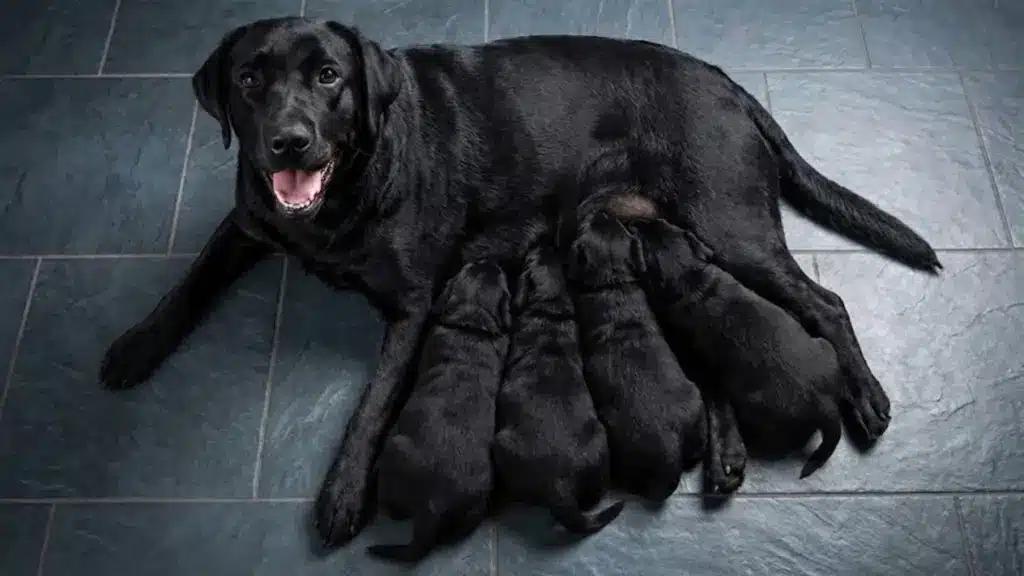
Mastitis in dogs is one of those health issues that can catch pet owners off guard. When it comes to dog health, nursing and milk gland problems are often overlooked.
Mastitis mostly affects dogs that are nursing puppies, but it can happen in other cases, too. The issue can start small and turn serious if ignored.
Pain, fever, and discomfort are common, and puppies can also be affected if the milk supply changes. I know how stressful it can feel when something seems off with your dog.
That is why understanding this condition matters. In this blog, you will learn what causes mastitis, the signs to watch for, how vets diagnose it, and the treatment options available.
You will also get tips on recovery, care, and prevention so you can act early and protect your dog’s health.
What Is Mastitis in Dogs
Mastitis is a condition where the mammary glands become swollen, painful, and infected. It usually happens when bacteria enter the glands through small cuts or openings in the skin.
This leads to inflammation and problems with milk flow. The condition mainly affects female dogs, especially those that are pregnant or nursing puppies.
Dogs that have recently given birth are at higher risk because their glands are active and sensitive.
Mastitis typically occurs during the nursing period, but it can also appear during weaning or in dogs that had a false pregnancy.
In some cases, it may develop if puppies stop feeding suddenly or if milk builds up inside the glands. The condition can range from mild swelling to serious infection if left untreated.
Common Causes of Mastitis in Dogs
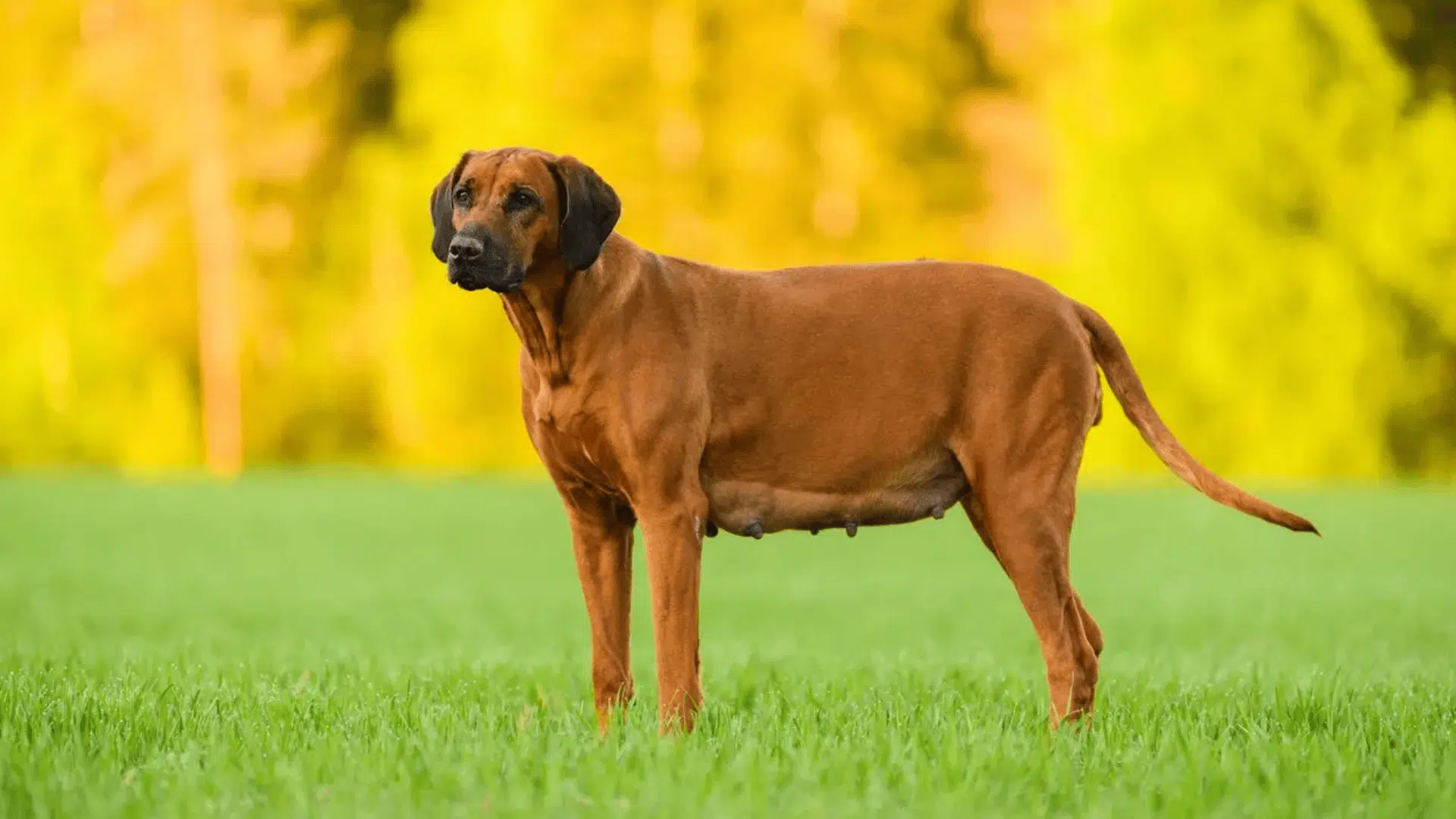
Mastitis does not appear without reason. It often develops due to everyday issues related to nursing, hygiene, or physical stress on the mammary glands.
1. Bacterial Infections
Bacterial infections are the most common cause of this condition. Germs can enter the mammary glands through small cracks or wounds on the nipples.
These openings may form during frequent nursing or rough feeding by puppies. Once bacteria get inside, they multiply quickly and cause swelling, heat, and pain.
If not treated on time, the infection can spread and make the dog weak or feverish.
2. Injuries to the Mammary Glands
Physical injuries can also lead to mastitis in dogs. Puppies with sharp nails or teeth may scratch the skin while feeding.
Even minor injuries can allow bacteria to enter the tissue. Dogs may also injure themselves by lying on hard or dirty surfaces.
These injuries often go unnoticed at first but slowly worsen. Over time, the damaged area becomes sensitive and infected.
3. Poor Hygiene
Poor hygiene plays a big role in causing this condition. Dirty bedding, unclean living areas, and damp surfaces expose nursing dogs to harmful bacteria.
When a dog lies down, germs can easily reach the nipples and surrounding skin. This increases the chance of infection.
Puppies can also carry bacteria from dirty floors to the glands while feeding. Keeping the area clean and dry lowers the risk.
4. Weaning-Related Issues
Problems during weaning can trigger mastitis in dogs. When puppies stop nursing suddenly, milk can build up inside the glands.
This causes pressure, swelling, and discomfort. Trapped milk creates a warm environment where bacteria grow easily.
The risk increases if weaning is rushed or uneven, and some glands may stay full while others empty. Gradual weaning helps the body adjust and reduces milk buildup.
Signs and Symptoms of Mastitis in Dogs
Knowing the warning signs helps catch the problem early. These symptoms often appear gradually and can affect both the dog’s body and behavior.
- Swollen mammary glands: The glands may look enlarged, firm, or uneven. They often feel warm or painful when touched.
- Redness or skin changes: The skin around the glands may turn red, tight, or shiny. In some cases, sores or scabs may form.
- Behavior changes: Dogs may seem restless, irritated, or protective of their belly. Some may refuse to let puppies nurse.
- Abnormal milk appearance: Milk may look thick, yellow, bloody, or contain clots. This is a clear sign that something is wrong.
- General health issues: Fever, low energy, loss of appetite, or weakness can appear as the infection progresses.
How Vets Diagnose the Problem
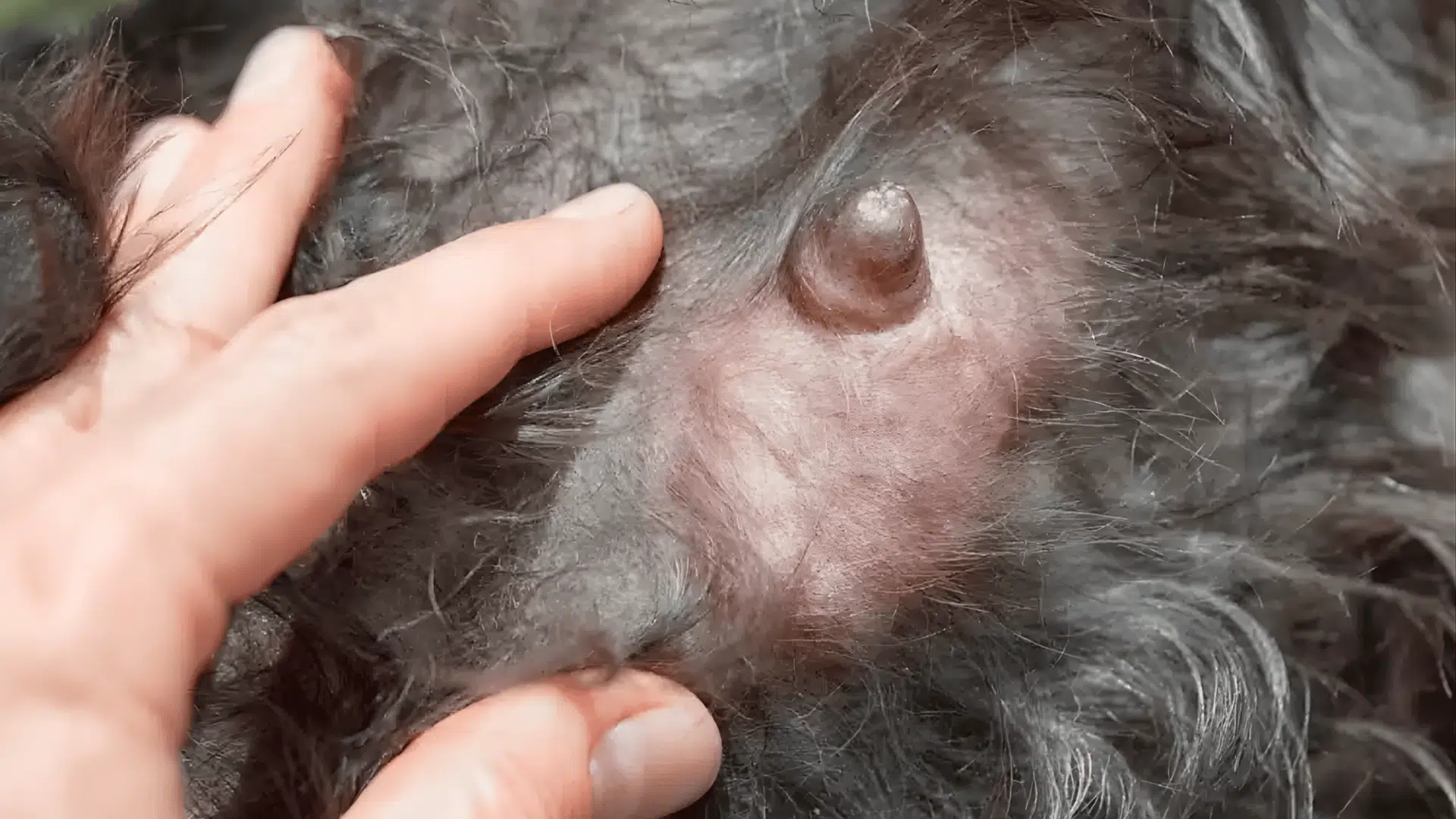
Vets start by checking the dog through a physical examination. They look for swelling, heat, redness, and pain in the mammary glands.
This helps them understand how severe the issue is. A milk sample may then be taken for testing, as this allows the vet to identify bacteria and choose the right treatment.
Blood work is also common in moderate or severe cases. It helps detect infection, inflammation, or fever inside the body. In some situations, other diagnostic tools are used.
These may include ultrasound or imaging to check for abscesses or blocked glands. Each step gives the vet a clearer picture of what is happening.
Proper diagnosis ensures the condition is treated correctly and reduces the risk of problems returning later.
Treatment Options for Mastitis in Dogs
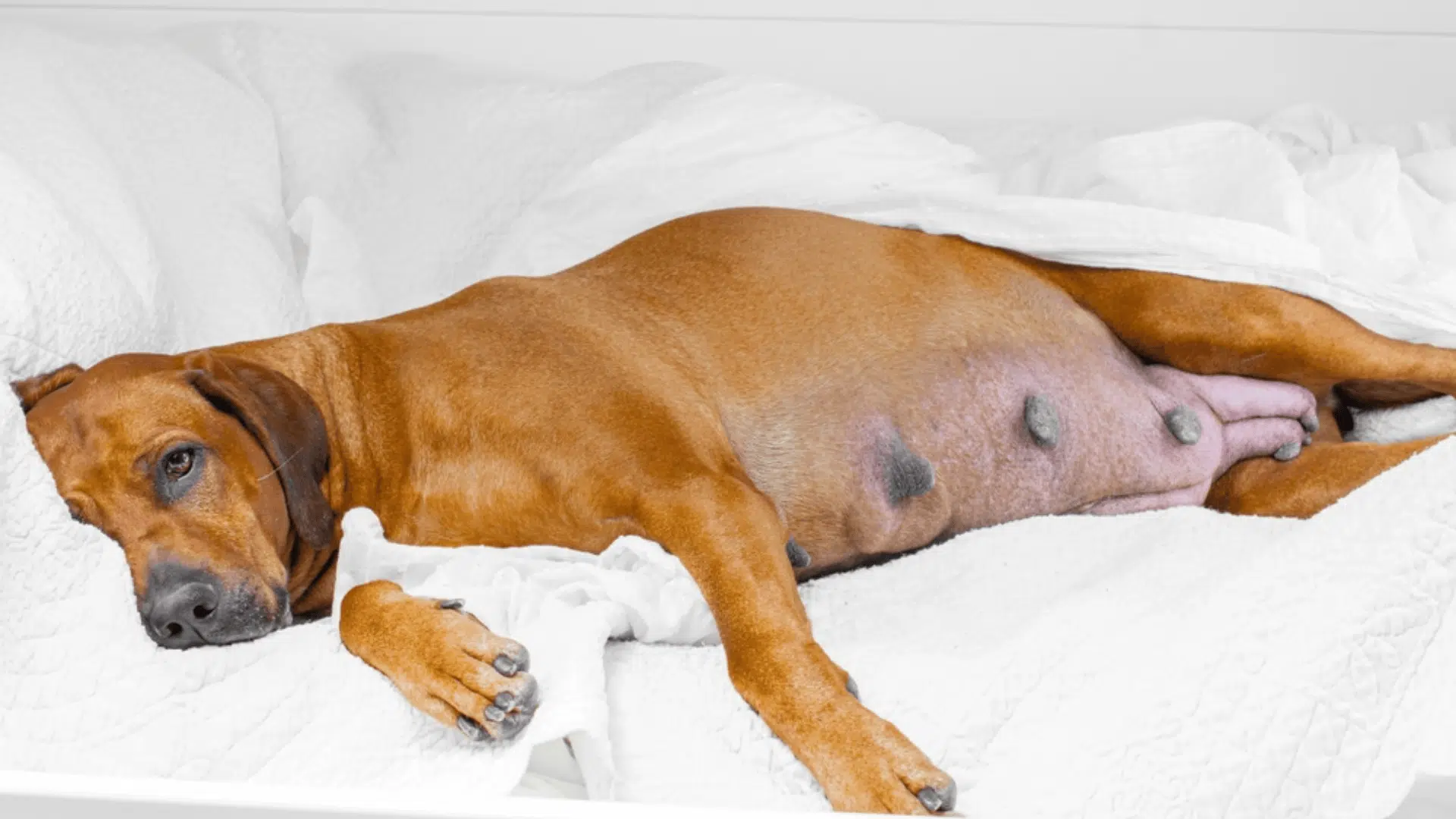
Treatment focuses on controlling infection, easing discomfort, and making sure puppies remain safe. The exact method depends on how severe the condition is and how early it is treated.
1. Antibiotics
Antibiotics are commonly used to treat bacterial infections in the mammary glands. A vet usually prescribes them after a physical exam or milk testing.
These medicines help clear the infection and prevent it from spreading to other glands. It is very important to complete the full course as advised.
Stopping early can cause the infection to return or worsen. Only vet-approved antibiotics should be used to keep the dog and puppies safe.
2. Pain Management
Pain management plays a big role in recovery. Mastitis can cause significant discomfort, making it hard for the dog to rest or care for her puppies.
Vets may prescribe safe pain relief medicines that reduce swelling and soreness. This helps improve comfort and lowers stress levels.
Human painkillers should never be given, as they can be harmful. Proper pain control supports healing and improves the dog’s overall condition.
3. Warm Compresses
Warm compresses are often recommended as supportive care. Applying gentle warmth to the affected glands helps improve blood flow and milk drainage.
This can reduce pressure, swelling, and pain over time. Compresses should be warm, not hot, and applied for short periods several times a day.
This method works best when combined with medical treatment and careful monitoring of the glands for changes.
4. Continued Nursing vs. Bottle Feeding Puppies
Deciding whether puppies should continue nursing depends on the severity of the condition. In mild cases, nursing can help empty the glands and prevent milk buildup.
In more serious infections, nursing may expose puppies to harmful bacteria. In such situations, bottle feeding is safer.
A vet will guide this decision based on milk quality, infection level, and the dog’s comfort during feeding.
Recovery and Aftercare for Mastitis in Dogs
Recovery time depends on how early the condition is treated and how severe it is. Mild cases may improve within a few days, while more serious infections can take a few weeks to heal fully.
During recovery, the dog should be monitored closely. Check the mammary glands daily for reduced swelling, normal skin color, and less pain.
Appetite and energy levels should also slowly return to normal. Any worsening signs should be reported to the vet right away.
Preventing repeat cases is an important part of aftercare. Keeping the area clean, managing nursing properly, and following all vet instructions helps reduce future risk.
Regular checkups and gradual weaning also support long-term health and comfort.
Prevention Tips for Mastitis in Dogs
Preventing this condition is often easier than treating it. Simple daily care, clean surroundings, and proper nursing habits can lower the risk significantly.
- Clean living area: Keep bedding, floors, and resting spaces clean and dry. Wash bedding often to reduce bacteria exposure around the mammary glands.
- Regular gland checks: Check the mammary glands daily for swelling, redness, or cuts. Early spotting helps prevent small issues from turning into infections.
- Proper nursing balance: Make sure all glands are being used during feeding. Rotate puppies if needed to prevent milk buildup in unused glands.
- Gradual weaning process: Wean puppies slowly to avoid sudden milk retention. This helps the dog’s body adjust and reduces pressure in the glands.
- Spaying considerations: Spaying reduces the risk of hormone-related mammary issues. It also lowers the chance of future nursing-related infections and complications.
Conclusion
Mastitis in dogs is a condition that needs quick attention and proper care. This blog covered what the condition is, which dogs are affected, and when it usually occurs.
You also learned about common causes, clear warning signs, and how vets diagnose the problem. Treatment options, recovery steps, and prevention tips were explained to help reduce stress and confusion.
Early detection plays a big role in healing and comfort. Catching the issue early can prevent pain, protect puppies, and avoid serious health problems.
If you notice swelling, behavior changes, or abnormal milk, a vet visit should not be delayed. Acting fast can make recovery smoother and safer for your dog.
Have you ever noticed any of these signs in your dog or had concerns during nursing periods? Drop your thoughts or experience in the comments below.