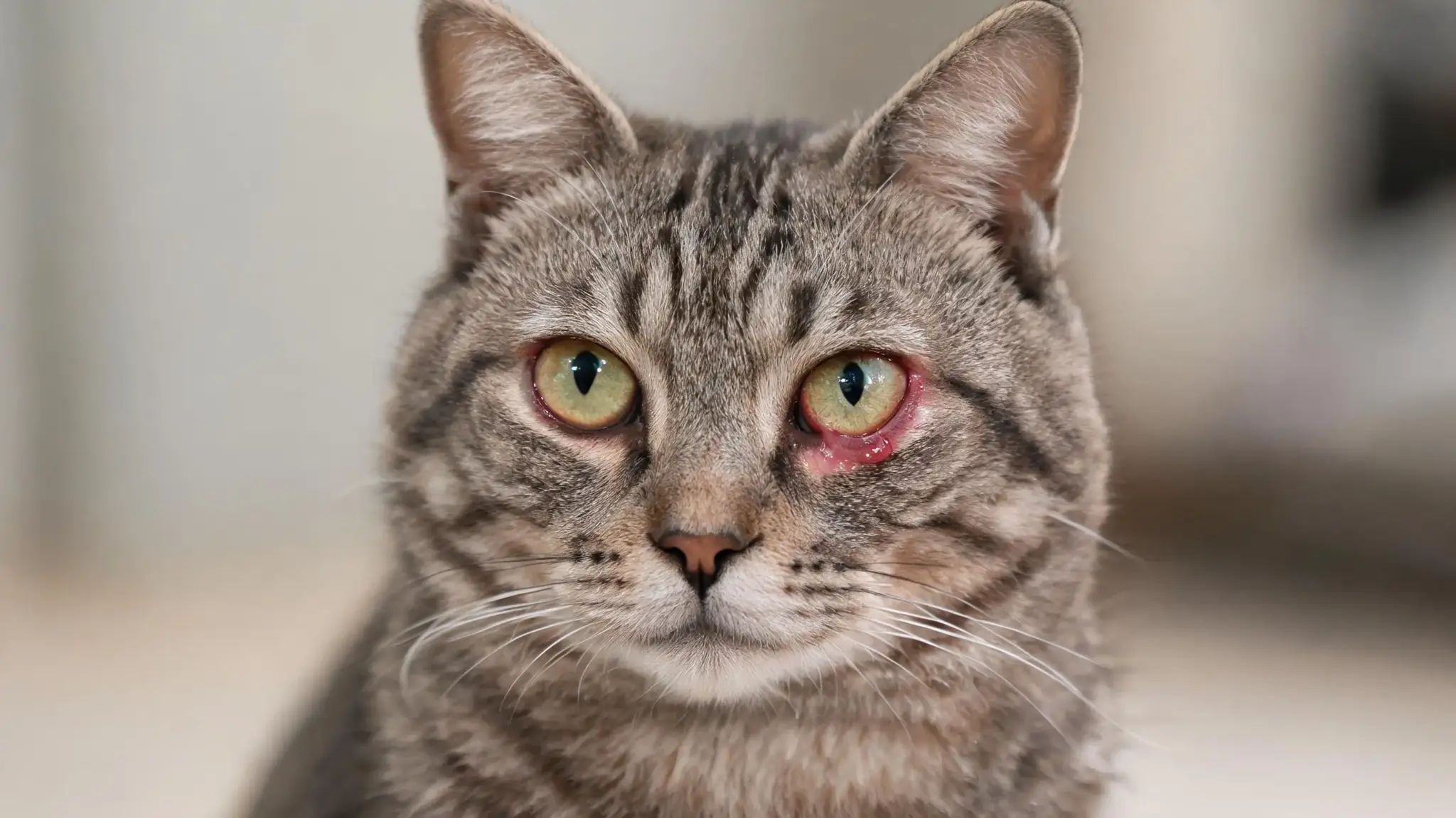
Sneezing, itchy eyes, and constant congestion often make the decision to own a cat a tough one.
Cat allergies are very common, yet many people still believe a fully allergy-free cat exists. That belief creates false hope and confusion.
Some cats naturally spread fewer allergens around the home due to coat type, shedding patterns, and grooming habits. Others produce lower levels of the protein that triggers reactions.
These differences can make daily life more comfortable for households with sensitive members.
Understanding what actually affects allergy symptoms helps set realistic expectations and prevents disappointment.
Choosing the right cat, along with proper care, can significantly reduce discomfort and make cat ownership feel more manageable rather than overwhelming.
What are the Causes of Cat Allergies?
Cat allergies are mainly caused by a protein called Fel d 1. This protein is produced in a cat’s saliva, skin, and oil glands.
When cats groom themselves, saliva spreads onto the fur. As the fur dries, tiny skin flakes, known as dander, are released into the air and settle on surfaces throughout the home.
These particles are the main reason many people react to cats.
Shedding increases how far these allergens spread, since loose fur carries both saliva and dander.
This is why cats for people with allergies are often breeds that shed less or produce lower levels of Fel d 1.
While no breed is completely allergy-free, hypoallergenic cats can reduce exposure and make symptoms easier to manage in allergy-sensitive homes.
Best Cats for People With Allergies
This list highlights cat breeds that tend to shed less or produce fewer allergens, making them easier to live with in allergy-aware homes.
1. Siberian
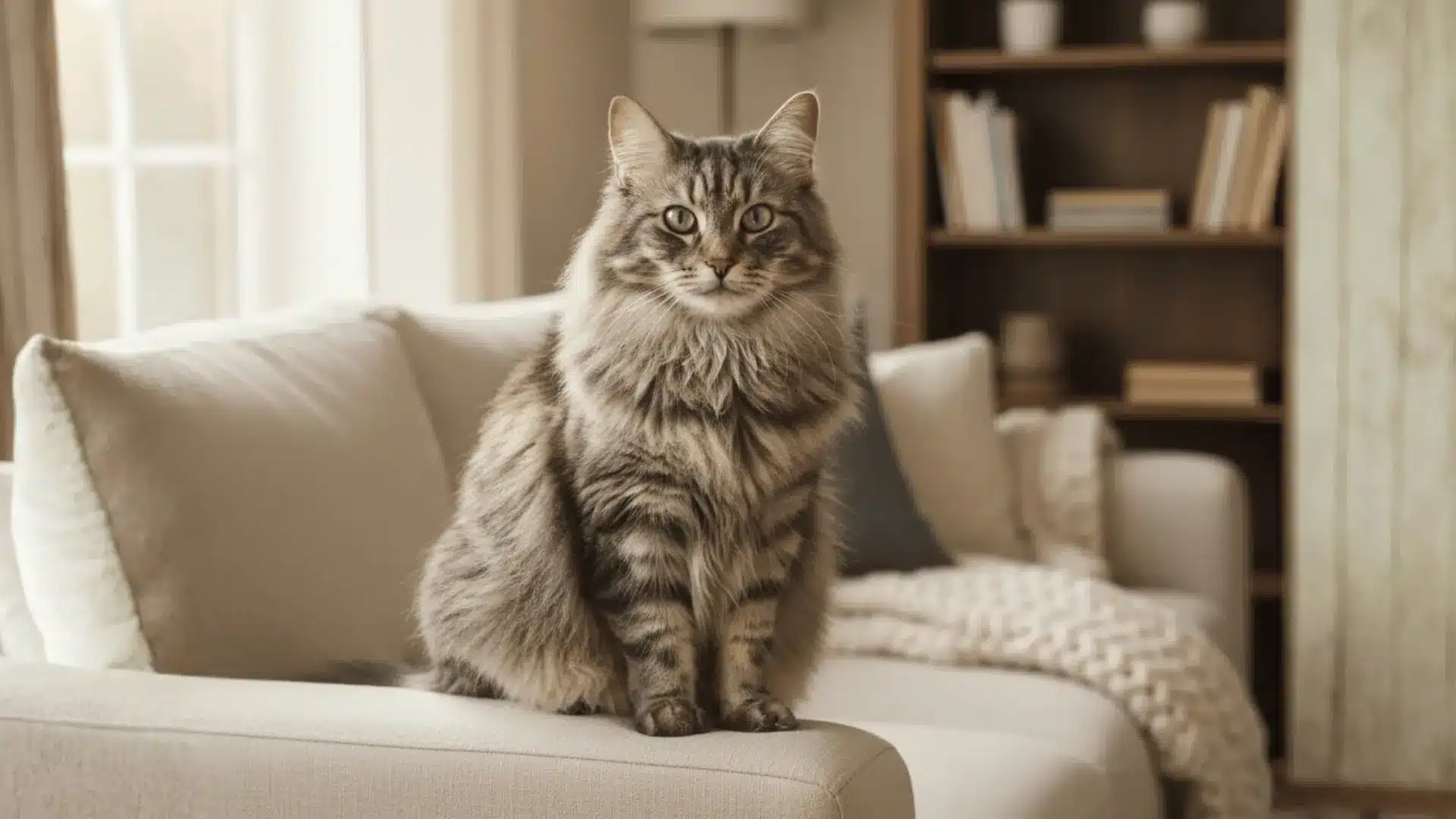
Siberian cats have a thick, long coat, which may seem surprising for allergy concerns, but many produce lower levels of the Fel d 1 protein.
Shedding is seasonal rather than constant, which helps limit allergen spread during most of the year.
This breed is known for a gentle, social temperament and adapts well to indoor living. For people with cat allergies, Siberians are often considered one of the more manageable options.
While not completely allergy-free, they are often considered hypoallergenic because they produce fewer allergens than many other long-haired breeds.
2. Balinese
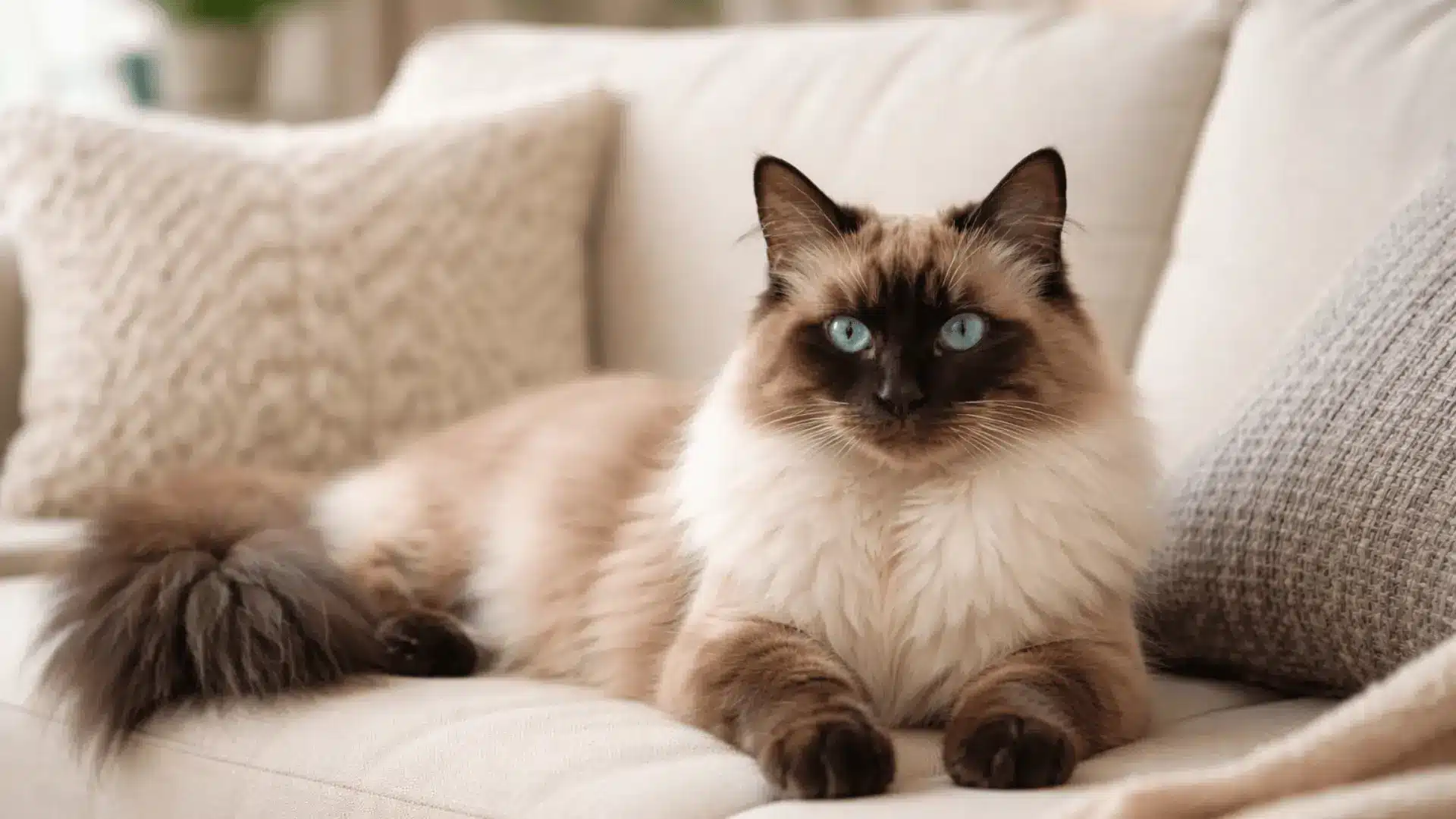
Balinese cats have a medium-length coat with no heavy undercoat, which helps reduce loose hair around the home.
Shedding remains relatively low compared to many other long-coated breeds. This breed is known for an affectionate, social, and vocal temperament, often forming strong bonds with owners.
Balinese cats are often considered hypoallergenic because they tend to produce lower levels of the Fel d 1 protein.
For cats in allergy-aware households, this combination of low shedding, manageable grooming needs, and friendly behavior can make daily life more comfortable.
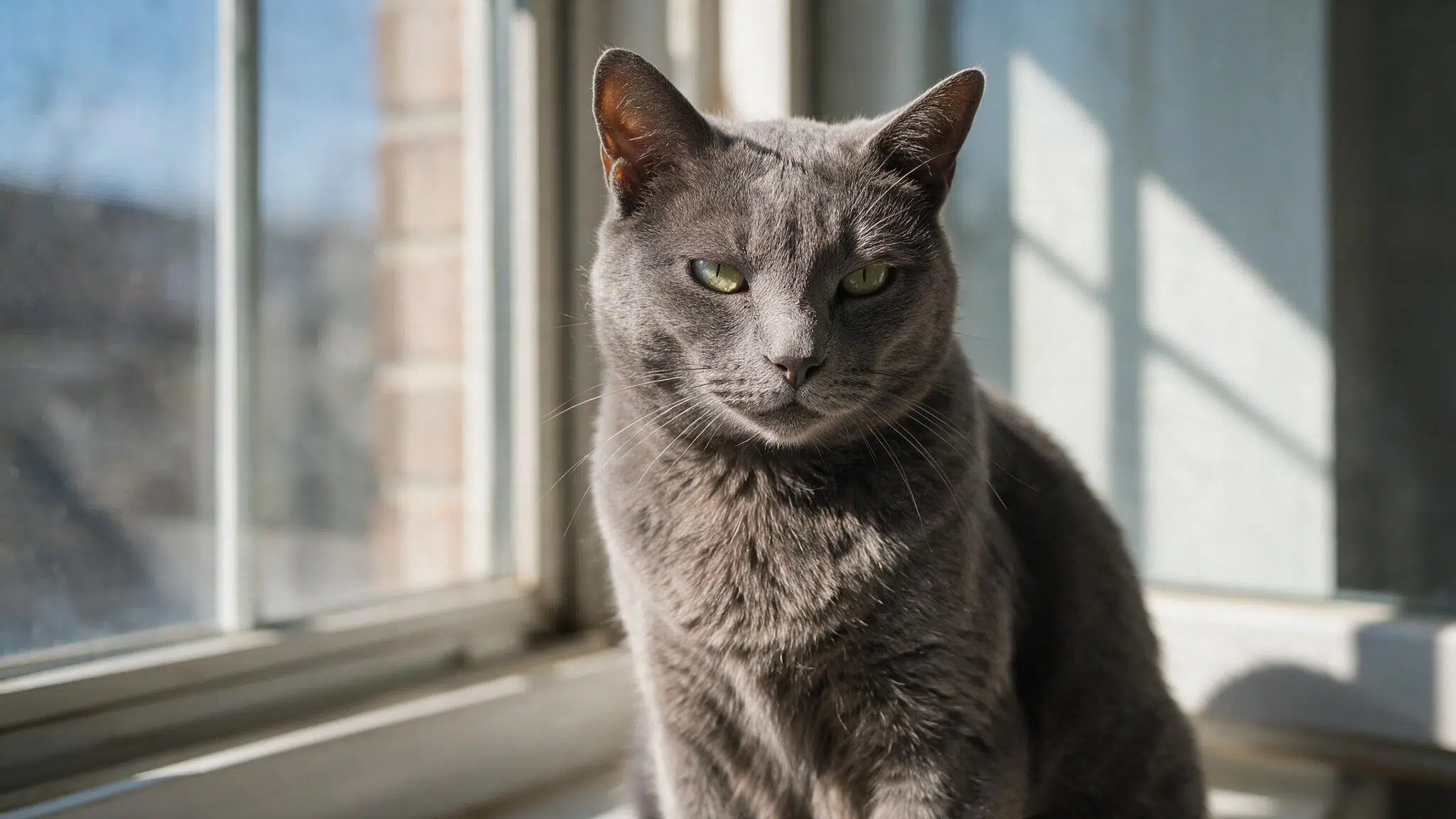
3. Russian Blue
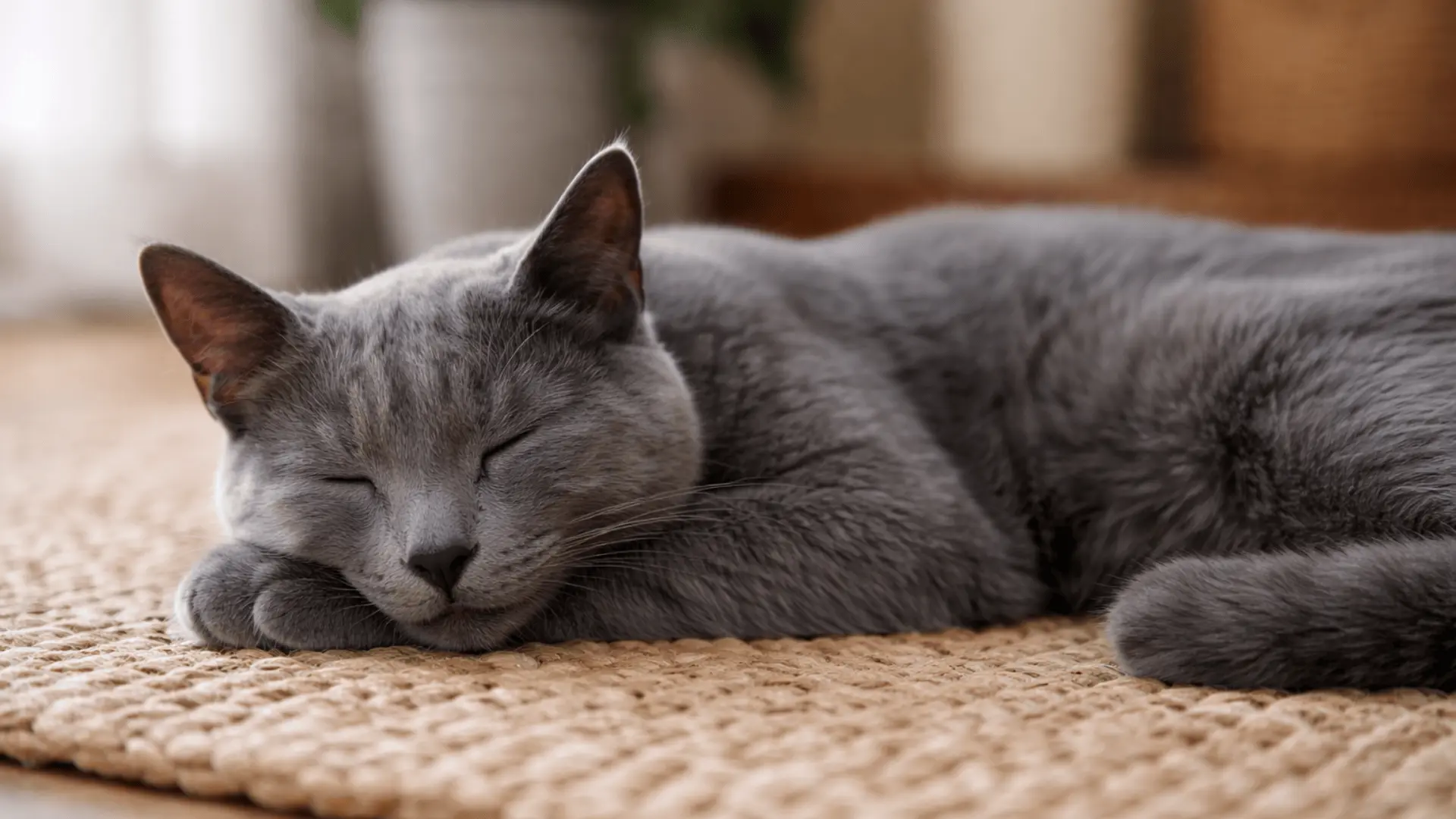
Russian Blue cats have a short, dense coat that sheds lightly throughout the year, which helps reduce loose fur in the home.
Russian Blues tend to be quiet, gentle, and slightly reserved, preferring calm environments.
Their grooming needs are minimal, which limits the spread of allergens on surfaces.
For cats in allergy-sensitive households, this combination of low shedding, reduced allergen production, and a calm temperament can make daily life more comfortable.
4. Bengal Cats
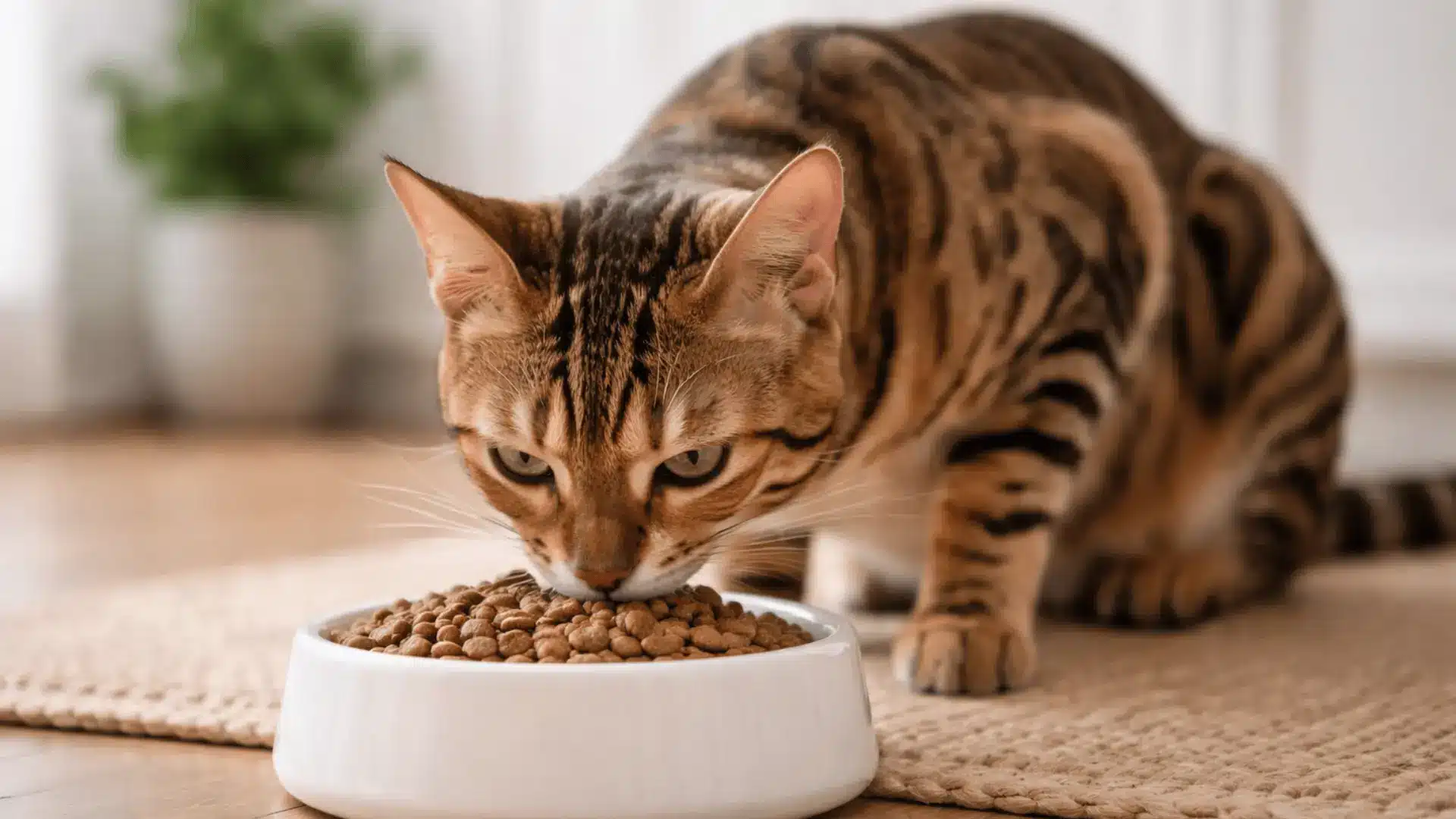
Bengal cats have a short, sleek coat that sheds very little, which helps limit loose fur around the home.
Their coat requires minimal brushing, reducing the spread of saliva and dander on surfaces. Bengals are highly active, curious, and playful, often spending more time moving than grooming themselves.
Less self-grooming can lower the amount of allergen transferred onto the coat.
For people with allergies, Bengals may be easier to manage because they shed less and build fewer allergens, especially in homes with regular cleaning routines and good airflow.
5. Devon Rex
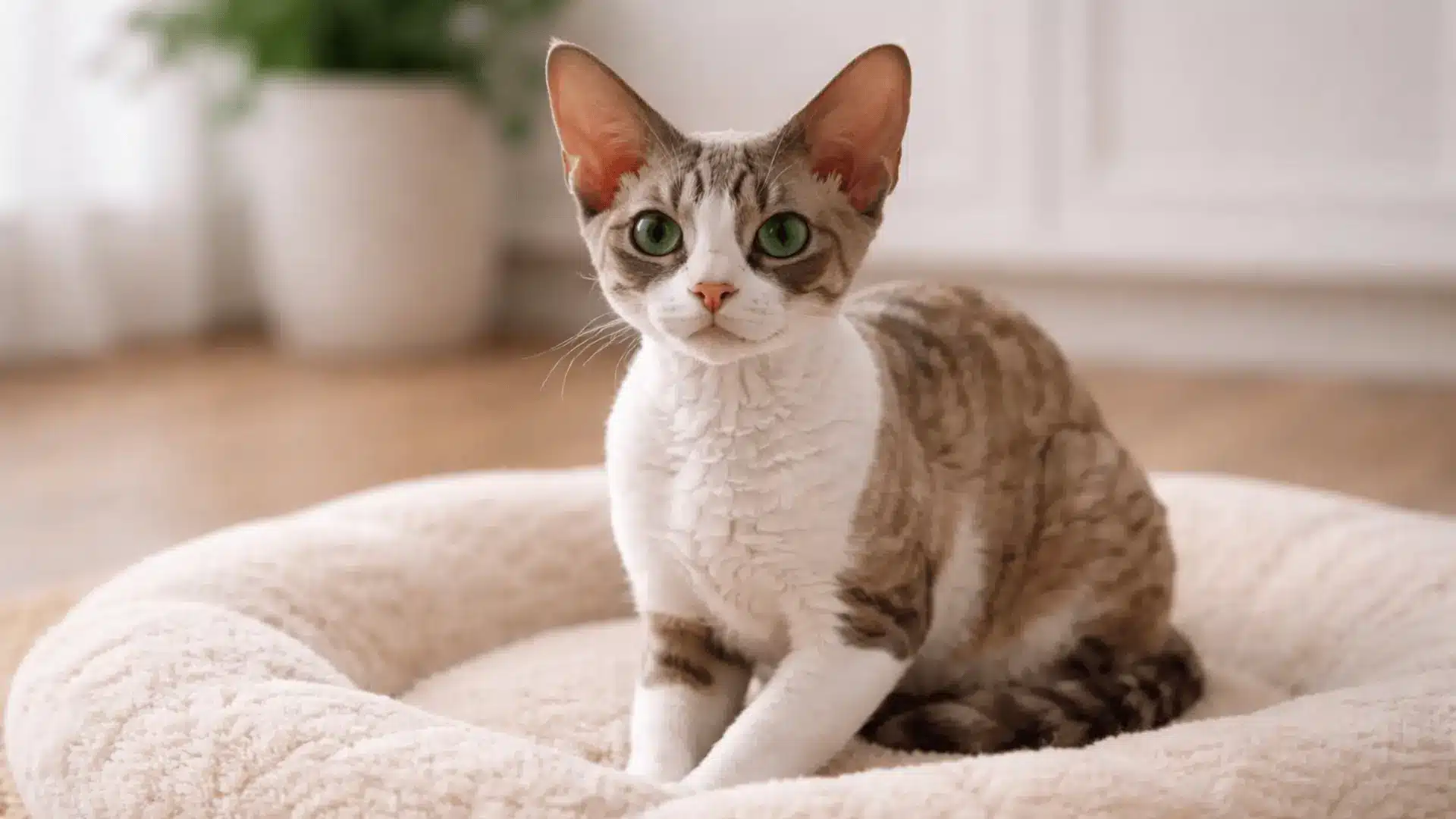
Devon Rex cats have a soft, curly coat made of very fine hair, resulting in minimal shedding compared to many other breeds.
Because there is less loose fur, fewer allergens are spread around the home. This breed also produces less dander, which is why it is often considered hypoallergenic.
Devon Rex cats are highly social and playful, and they enjoy close contact with people.
For cats, people with allergies, their low-shedding coat and manageable grooming needs can help keep indoor allergen levels more under control.
6. Cornish Rex
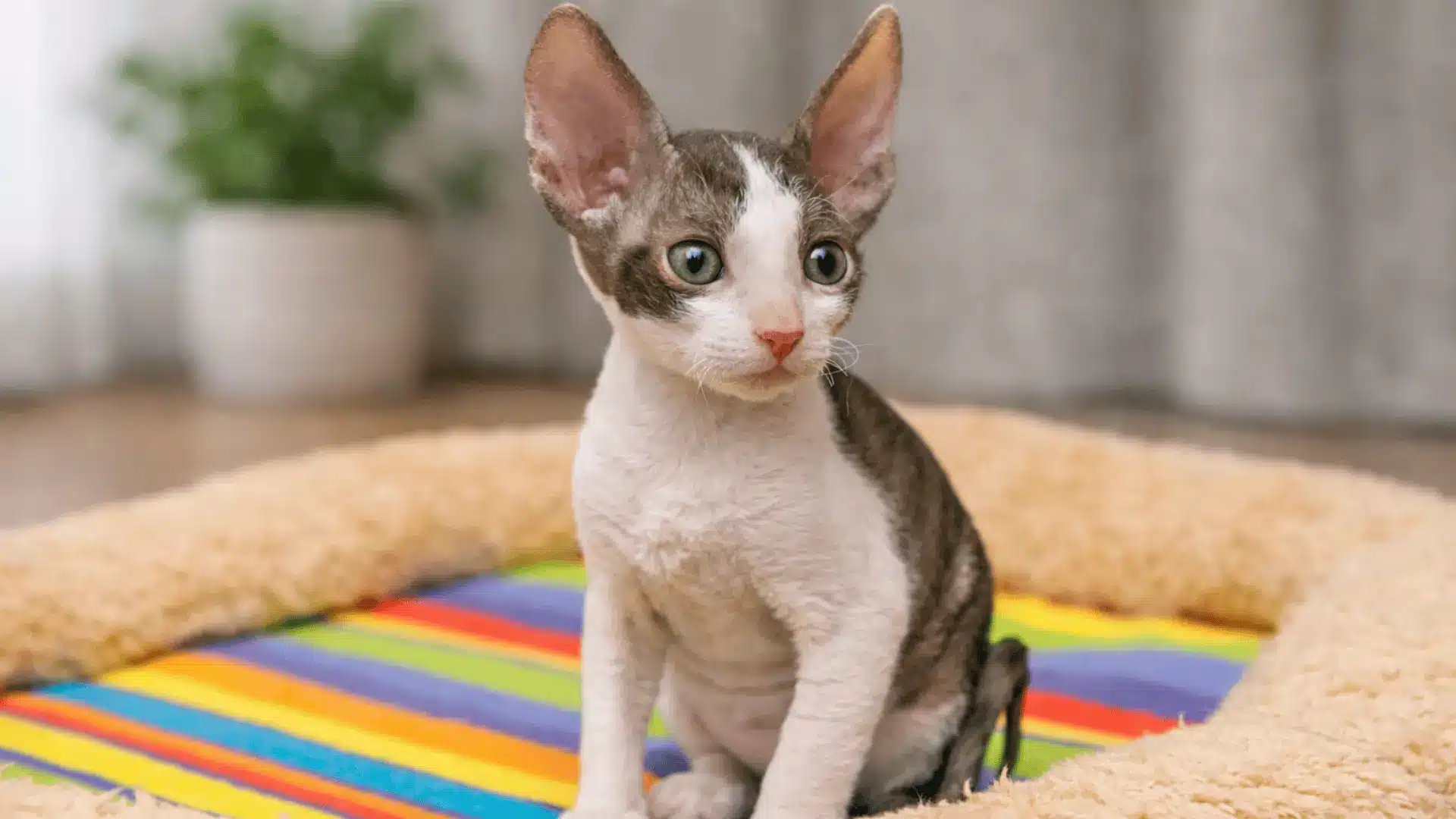
Cornish Rex cats have a very short, single-layer coat that lacks an undercoat, which greatly reduces shedding.
With less loose fur, fewer allergens are carried through the home. This breed is often considered hypoallergenic because it sheds less dander.
Cornish Rex cats are active, curious, and highly social, and they enjoy regular interaction with their owners. Their grooming needs are minimal, which helps limit allergen buildup on surfaces.
For people with allergies, this mix of low shedding, manageable care, and a friendly temperament makes daily living easier.
7. Sphynx
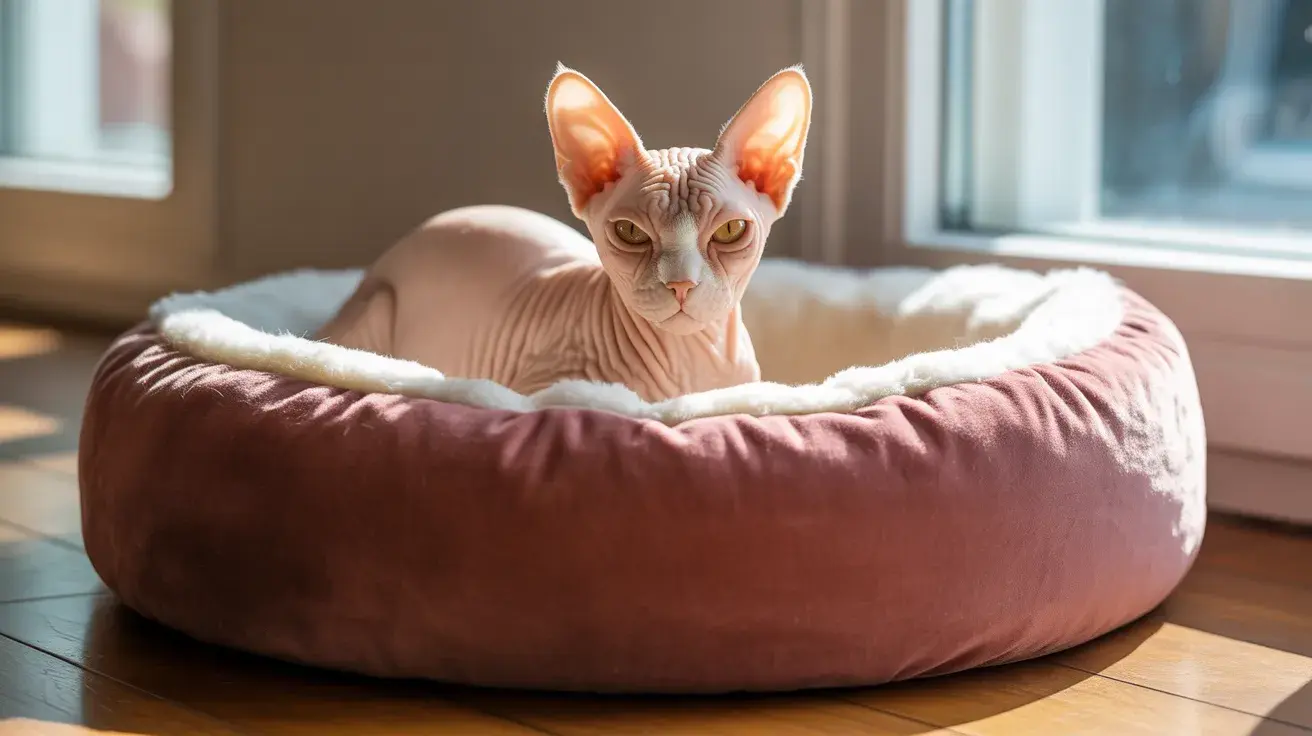
Sphynx cats are hairless, which means there is no fur-based shedding spreading allergens around the home.
However, allergens remain on the skin due to natural oils and saliva. Regular wiping or bathing is important for controlling allergen buildup.
Sphynx cats are known for a very affectionate, social, and people-focused temperament, often seeking warmth and attention.
For people with cat allergies, this breed can be easier to manage when proper skin care routines are followed.
Sphynx cats are often listed as hypoallergenic for controlled environments.
8. Oriental Shorthair
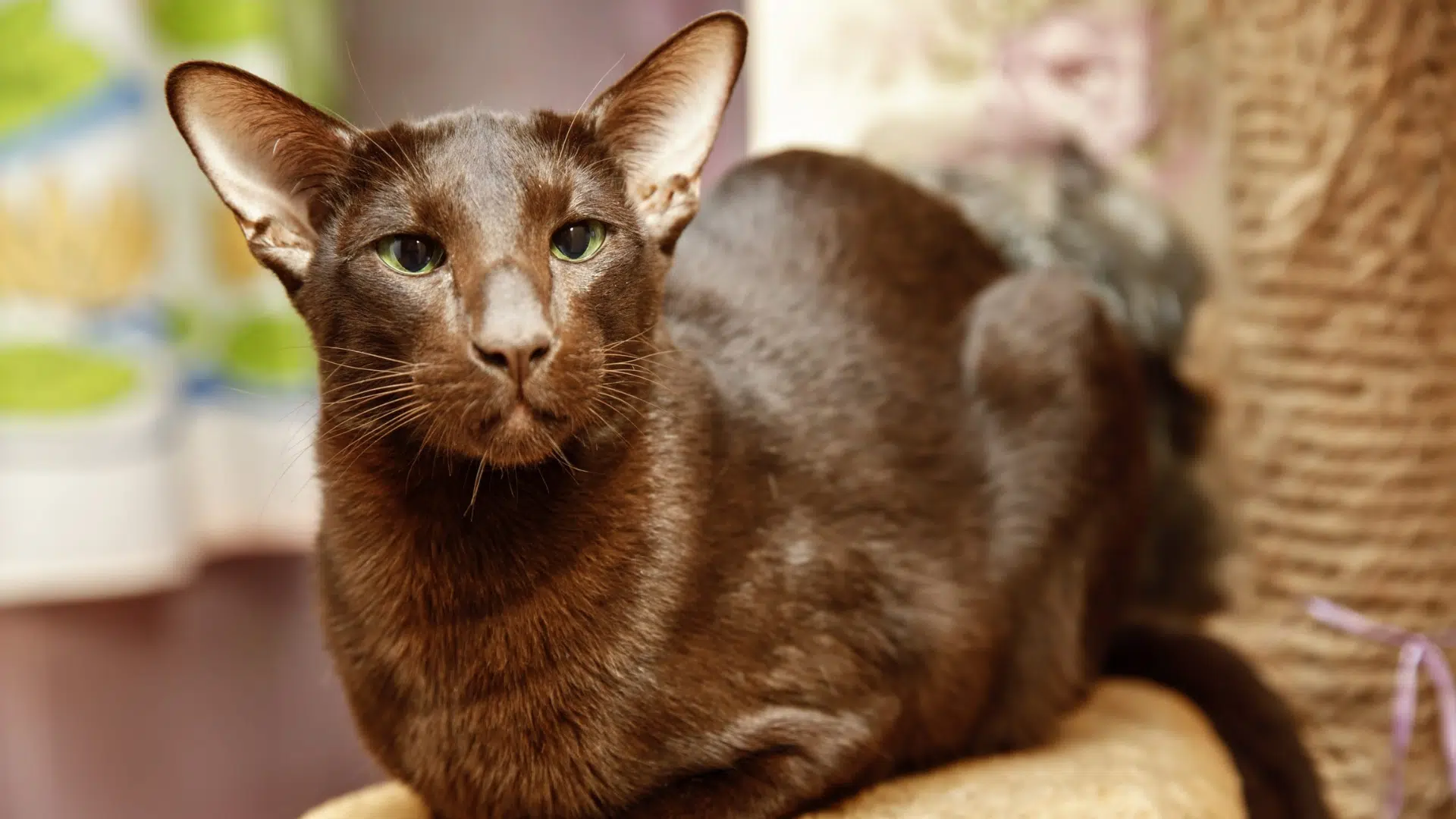
Oriental Shorthair cats have a very short, close-fitting coat that sheds minimally, helping reduce loose fur in the home.
With less shedding, allergens such as saliva and dander are less likely to spread across surfaces.
This breed is highly active, social, and vocal, often staying engaged with people rather than engaging in excessive self-grooming.
Grooming needs remain simple, which supports better allergen control. For people with cat allergies, Oriental Shorthairs can be a practical choice.
They are often grouped with hypoallergenic cats because they shed fewer allergens when properly cared for.
9. Javanese
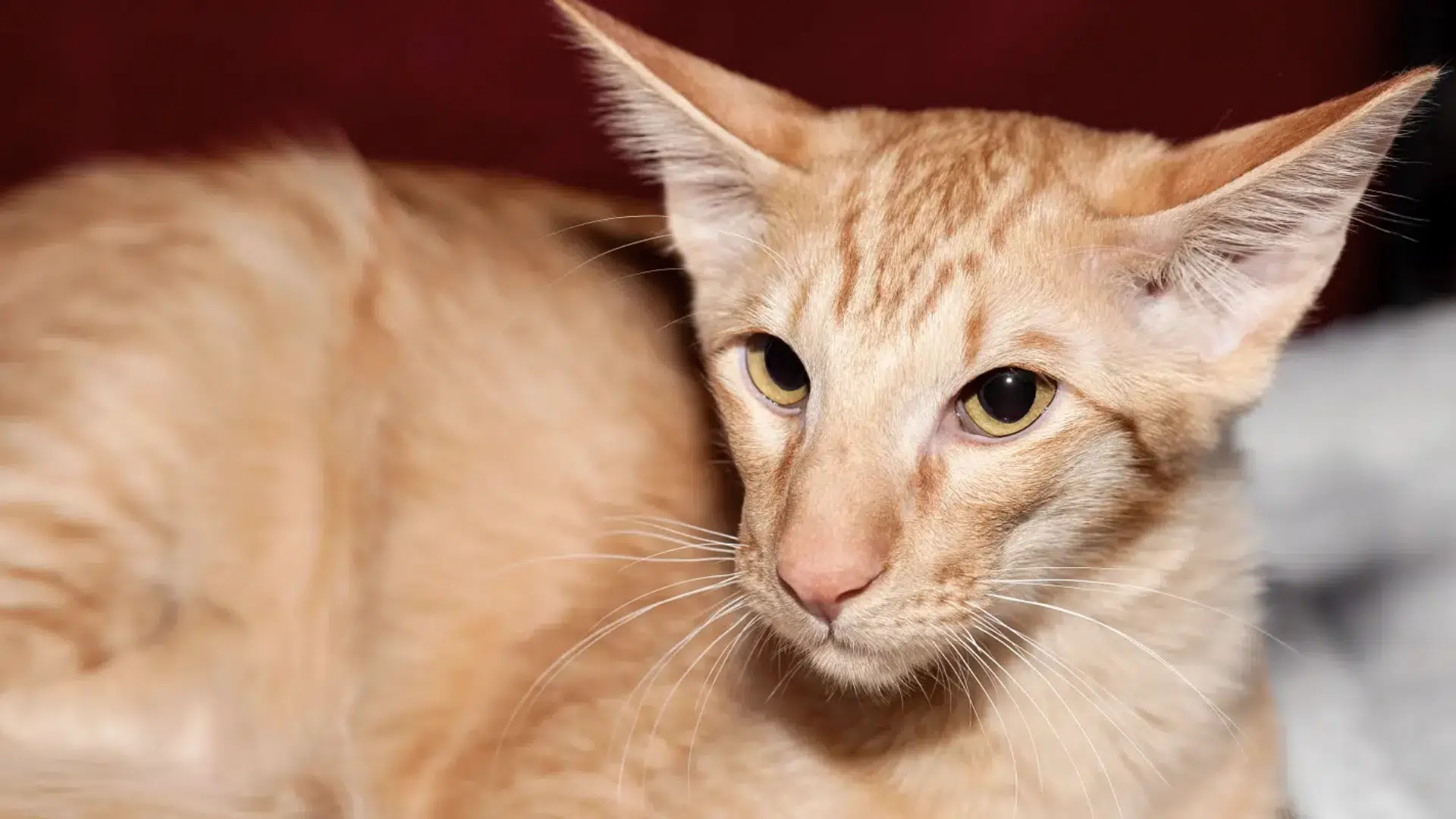
Javanese cats have a single coat with no undercoat, which helps keep shedding low and limits loose fur around the home.
With less fur to carry saliva and dander, allergen spread remains more controlled.
This breed is known for being intelligent, social, and closely bonded with household members. Javanese cats enjoy interaction but do not require frequent grooming.
For people with allergies, these traits make daily cat care more manageable.
Javanese cats are often grouped with hypoallergenic cats because of their reduced shedding and lower allergen buildup in indoor spaces.
10. Siamese
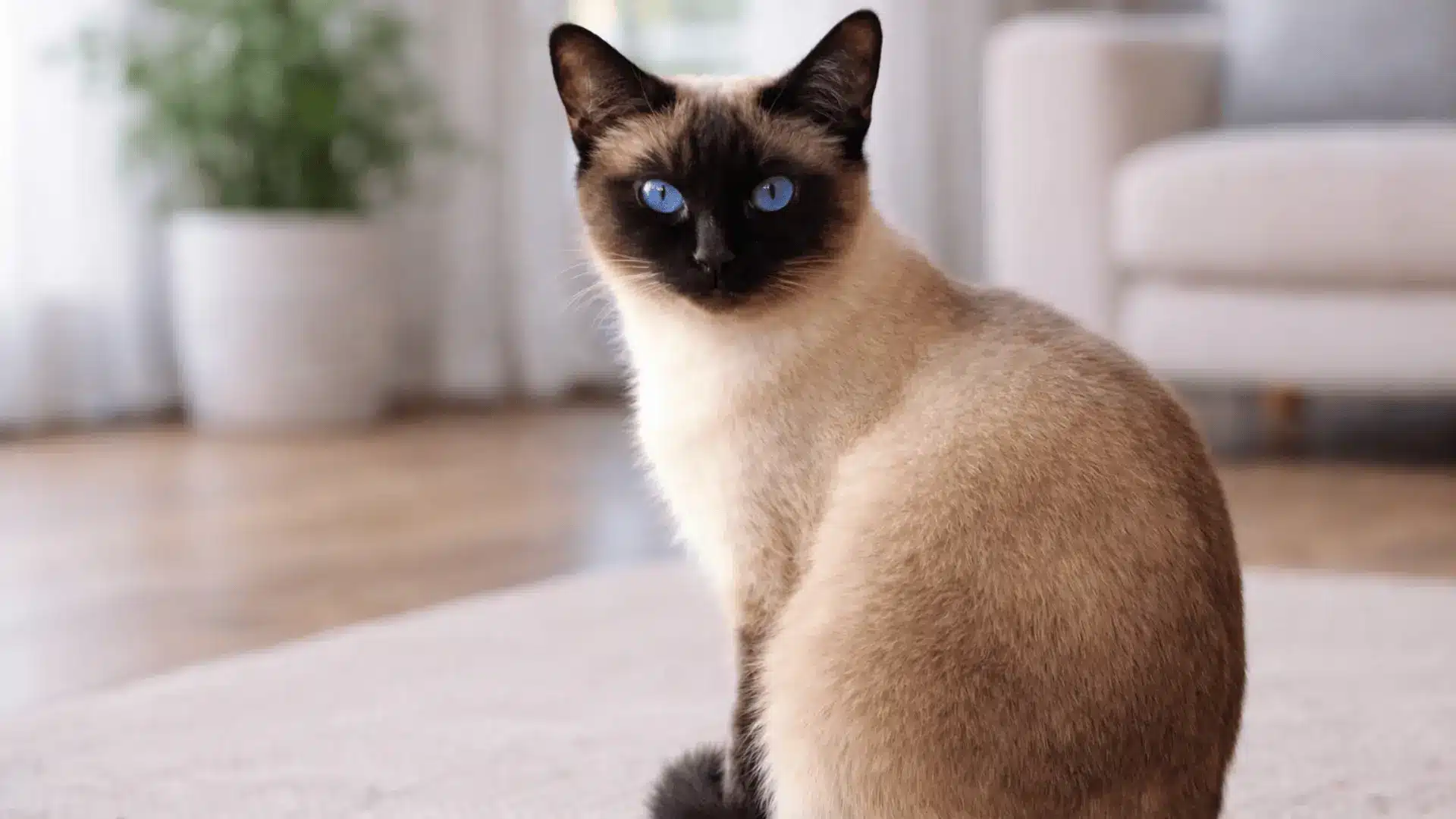
Siamese cats have a short, fine coat that sheds less than many other breeds, which helps limit loose fur indoors.
With lower shedding, saliva and dander are less likely to spread across furniture and fabrics.
This breed is known for a highly social, vocal, and people-focused temperament, often staying close to daily activity rather than hiding. Grooming needs remain simple and easy to manage.
For cats for people with allergies, Siamese cats can be a practical option. They are often considered hypoallergenic cats because they produce less allergen in controlled homes.
11. Burmese
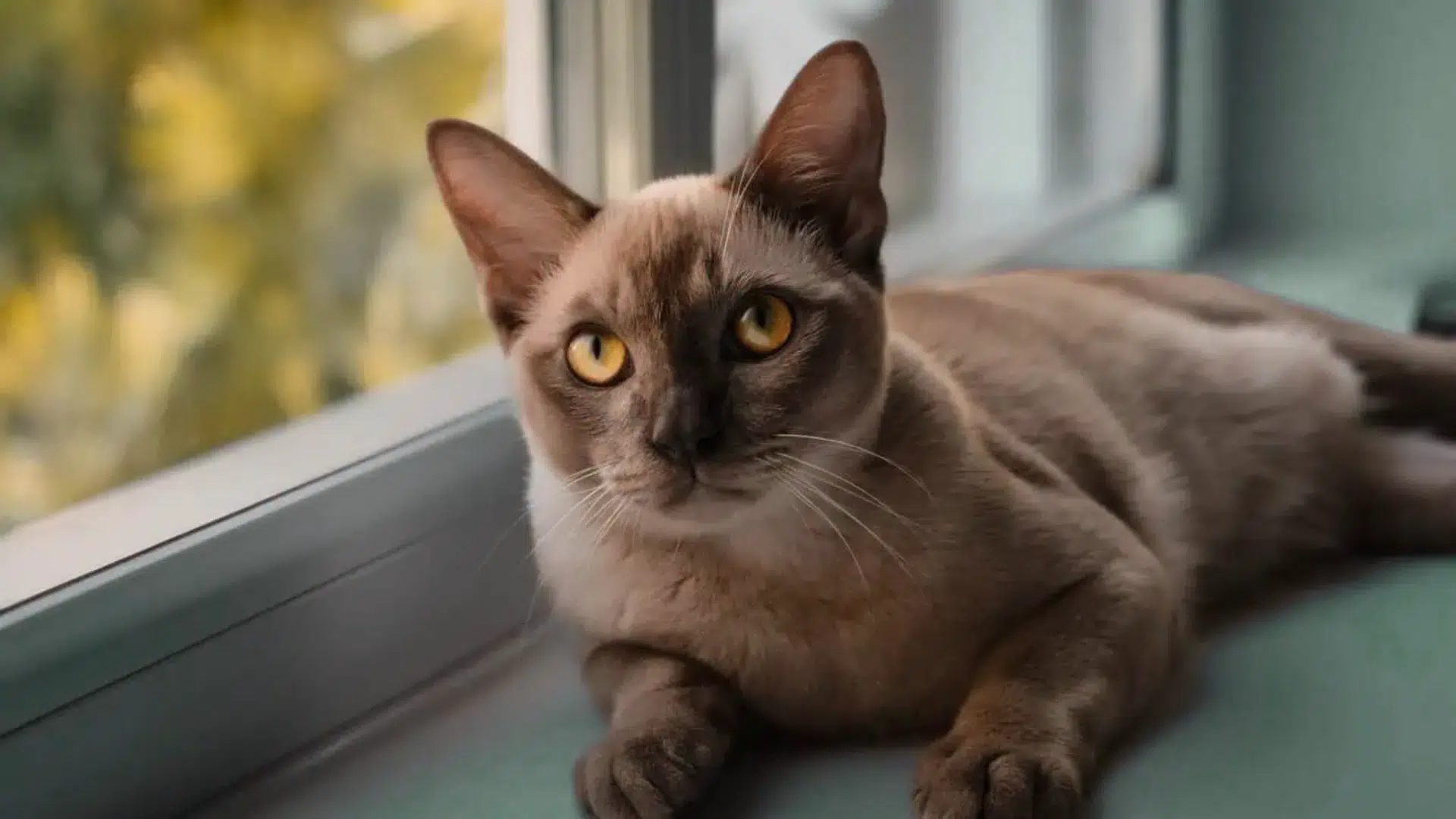
Burmese cats have a smooth, short coat that sheds lightly throughout the year, which helps reduce loose fur inside the home.
With less shedding, saliva and dander are less likely to spread onto furniture and fabrics.
This breed is known for a calm, affectionate, and people-focused temperament, often staying close without excessive self-grooming.
Grooming needs remain simple and easy to manage. For cats for people with allergies, Burmese cats can be a comfortable choice.
They are often considered hypoallergenic cats because they shed fewer allergens in well-maintained indoor spaces.
12. Ocicat
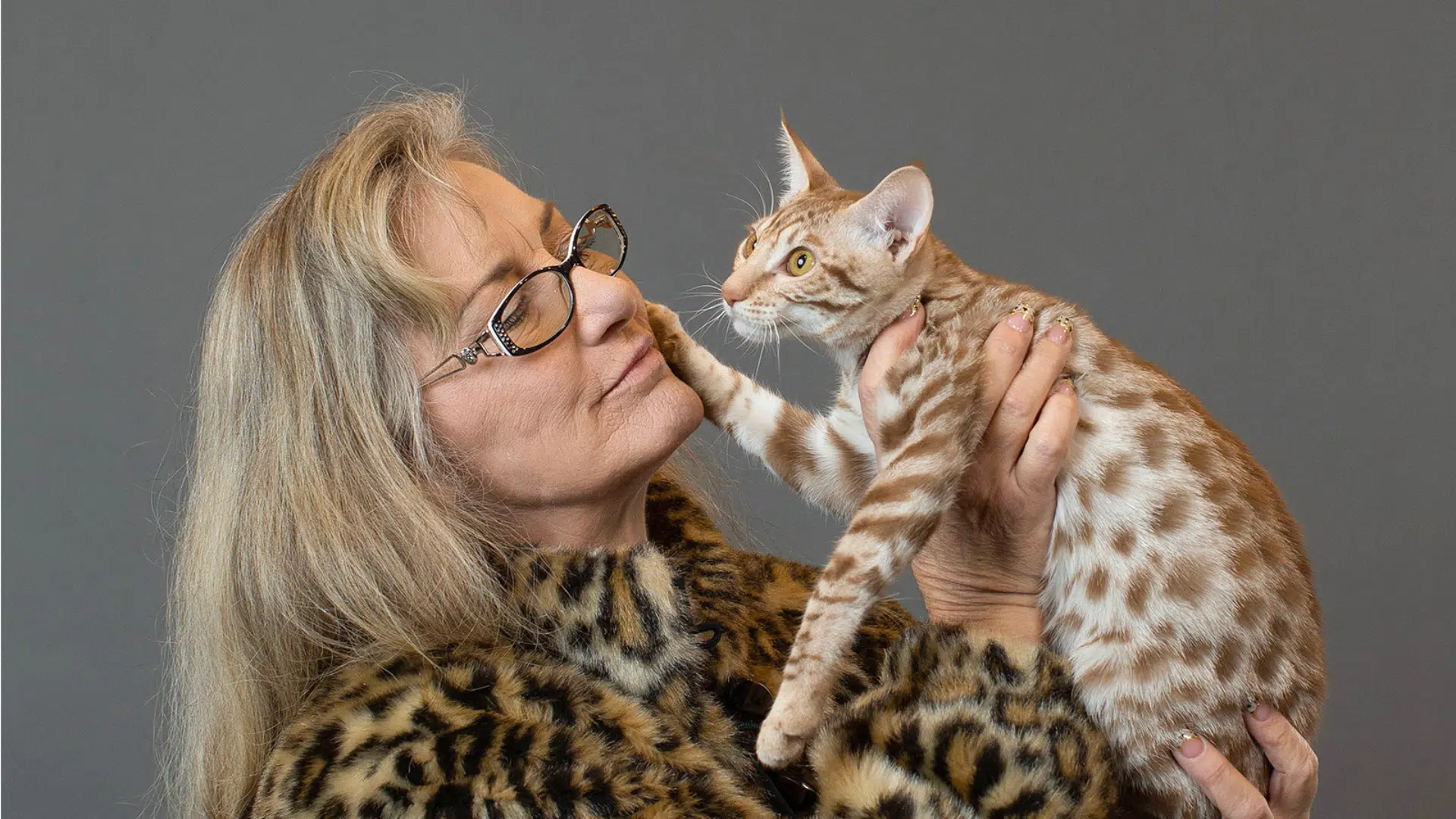
Ocicat cats have a short, tight coat that sheds very little, which helps limit loose fur inside the home.
With reduced shedding, fewer allergens are carried onto furniture, clothing, and floors. This breed is active, confident, and people-oriented, often staying involved in daily household activities.
Ocicats do not require heavy grooming, which supports better allergen control.
For cats, this balance of low shedding and manageable care can help people with allergies.
Ocicats are sometimes grouped with hypoallergenic cats because they produce less allergen in well-maintained indoor spaces.
13. LaPerm
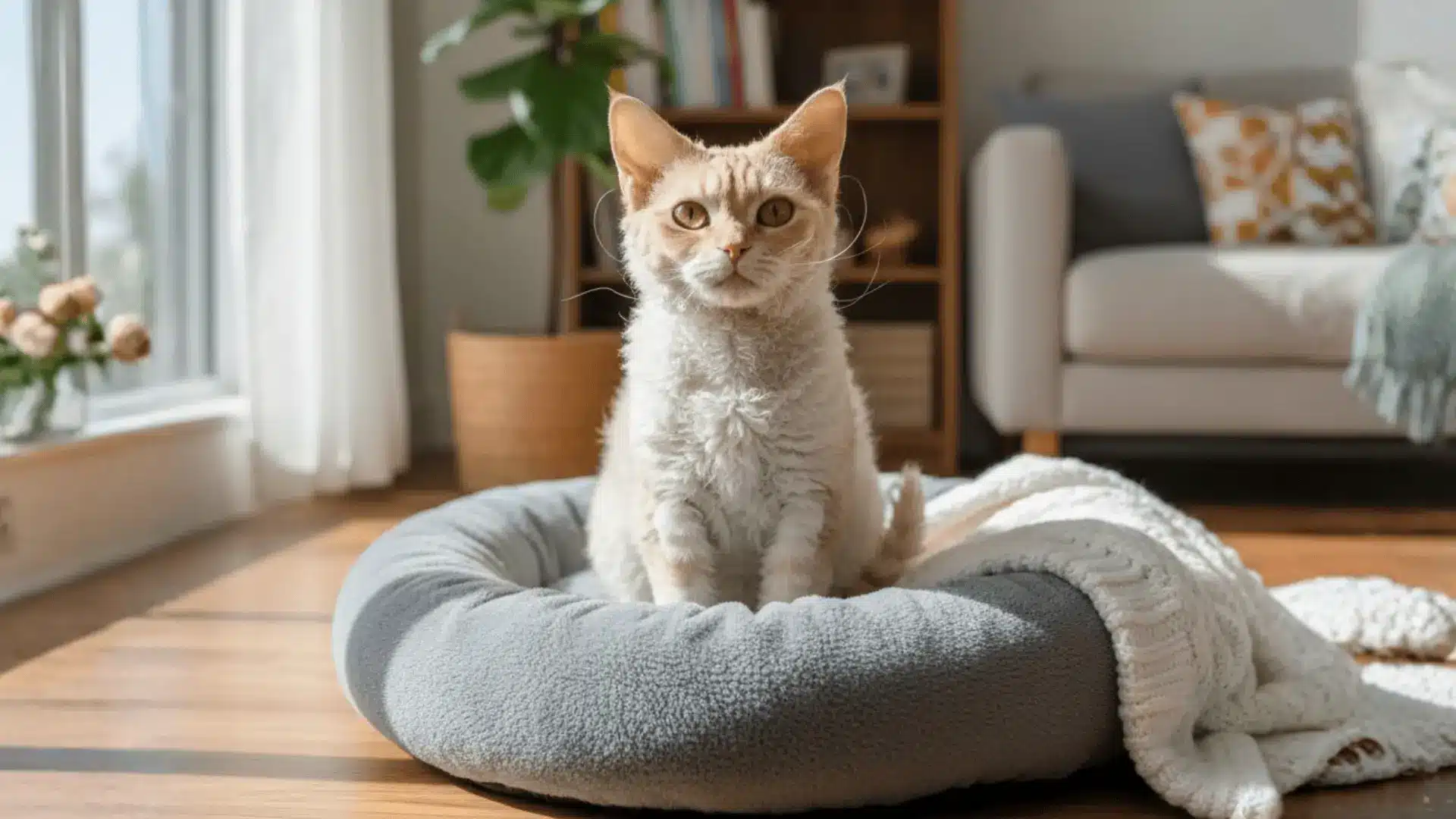
LaPerm cats have a soft, curly coat that can be short or long, but they tend to shed less than many traditional breeds.
The loose curls help trap some dander close to the body rather than spreading it quickly around the home. Grooming needs are moderate, usually requiring light brushing to prevent tangles.
LaPerm cats are affectionate, gentle, and people-oriented, often enjoying close interaction.
For cats for people with allergies, LaPerms may be easier to manage due to lower shedding and controlled allergen spread in well-maintained indoor environments.
14. Abyssinian
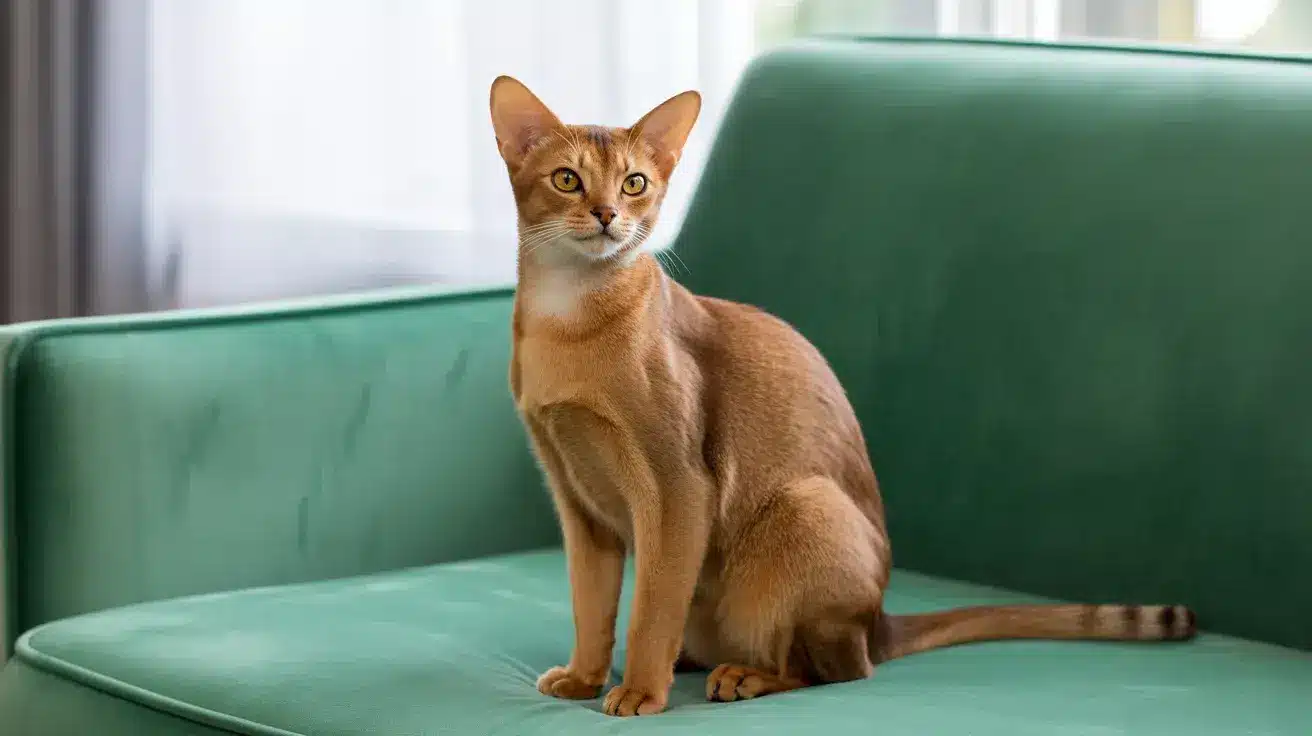
Abyssinian cats have a short, fine coat that lies close to the body and sheds minimally. Because there is less loose fur, saliva and dander are not spread as widely throughout the home.
This breed is active, intelligent, and curious, often staying engaged in play and movement. Grooming requirements are simple, which supports better allergen control.
While not fully allergy-free, Abyssinians are sometimes considered hypoallergenic due to their reduced shedding.
For allergy-sensitive households, their low-maintenance coat and energetic temperament can make daily living more manageable.
15. Tonkinese
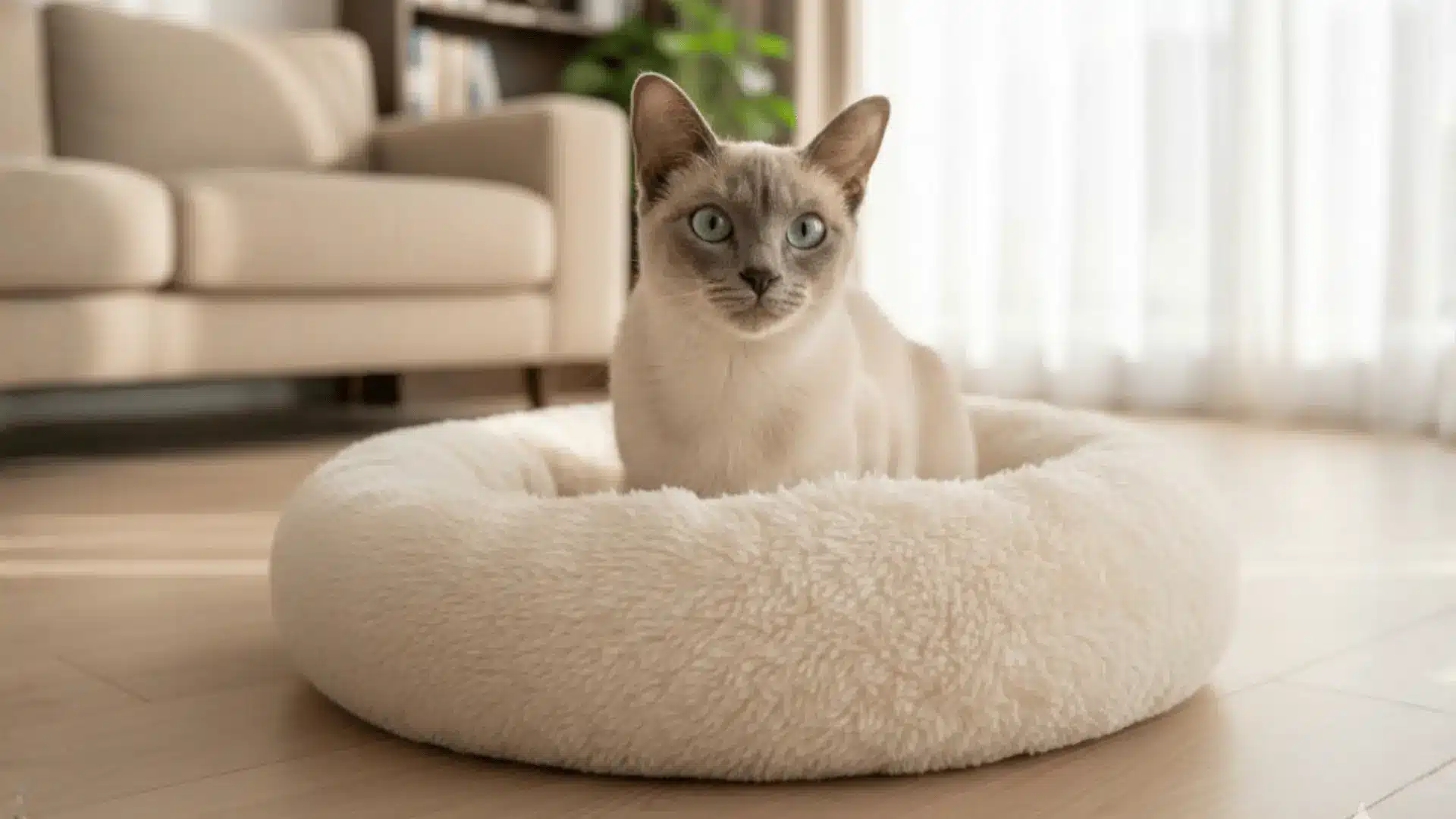
Tonkinese cats have a short, smooth coat that sheds lightly, helping limit loose fur indoors.
With reduced shedding, allergen spread can be easier to control through regular cleaning routines.
This breed is social, affectionate, and highly interactive, often forming strong bonds with household members. Grooming remains simple and requires minimal maintenance.
For people with allergies, Tonkinese cats may be a suitable option in homes with consistent care.
They are sometimes grouped with hypoallergenic cats due to lighter shedding and manageable indoor allergen levels
Grooming and Home Care Tips to Reduce Allergens
A few consistent grooming and home care habits can greatly reduce allergen buildup and improve comfort in allergy-sensitive homes.
- Brushing: Brush the cat several times a week to remove loose fur and dander before they spread throughout the home.
- Cleaning: Vacuum floors, furniture, and curtains frequently, using a HEPA filter to reduce allergen buildup.
- Washing: Clean cat beds, blankets, and soft furnishings weekly to keep allergens under control.
- Air Filters: Use air purifiers in bedrooms and common areas to improve indoor air quality.
- Diet: Provide a balanced, high-quality diet to support healthy skin and limit excess dander production.
Factors to Consider Before Choosing a Cat
Careful evaluation before adoption helps ensure the right match for both allergy comfort and long-term compatibility.
- Allergy Severity: Assess the severity of symptoms before selecting a breed.
- Symptom Management: Mild reactions may improve with proper care, while stronger symptoms may require stricter controls or medical guidance.
- Indoor Exposure: Consider how much time will be spent indoors, as longer exposure can increase allergen contact.
- Adoption Testing: Spend time with a specific cat to evaluate its actual reactions rather than relying solely on breed reputation.
- In Person Meeting: Observe shedding levels, grooming habits, and temperament before committing.
Conclusion
Choosing cats for people with allergies requires realistic expectations, careful planning, and consistent care.
No cat removes allergy concerns entirely, but the right breed can greatly reduce daily discomfort when paired with proper grooming and a clean living space.
Coat type, shedding level, and allergen production all play a role, but individual reactions matter just as much.
Meeting a cat before adoption, maintaining regular brushing routines, and managing indoor air quality can make a noticeable difference over time.
Thoughtful choices lead to better comfort, fewer reactions, and a more enjoyable bond between cat and owner.
With the right match, living with a cat need not feel stressful or overwhelming. Every home and allergy level is different, which is why informed decisions matter most.
Have you lived with hypoallergenic cats or managed allergies with a cat at home? Share thoughts and tips in the comments below.