Questions about when to spay a cat rank among the most common calls I get in my Minnesota practice, especially from owners who just welcomed a surprise litter of kittens.
The topic covers two separate decisions: the right age for a first-time spay, and the safe window for spaying a cat after having kittens. Timing affects her recovery, her hormone-related health risks, and whether she becomes pregnant again sooner than expected.
In fifteen years of performing these surgeries, on cats as young as eight weeks and as old as nine, I have learned that timing depends on the cat in front of me, not one blanket rule. Here is what actually determines it: kitten or nursing mother.
Why Spaying Your Cat Matters
Before choosing a specific spay date, it helps to understand what the surgery does and why vets recommend it as routine preventive care. Spaying removes a female cat’s ovaries and uterus, stopping heat cycles and preventing pregnancy.
The procedure is done under general anesthesia, and most healthy cats go home the same day.
Beyond preventing litters, the ASPCA’s veterinary guidance on spaying and neutering notes that spaying can end heat-driven behaviors like yowling and roaming, lower the risk of mammary tumors, and prevent pyometra, a serious uterine infection that can become life-threatening.
These benefits are the main reason I recommend spaying to nearly every cat owner I see, regardless of whether their cat lives strictly indoors.
Deciding When to Spay a Cat by Age
Age is usually the first question owners bring to me, and the right answer depends on whether we are talking about a young kitten or an adult cat that was never spayed before now at all.
1. Kittens
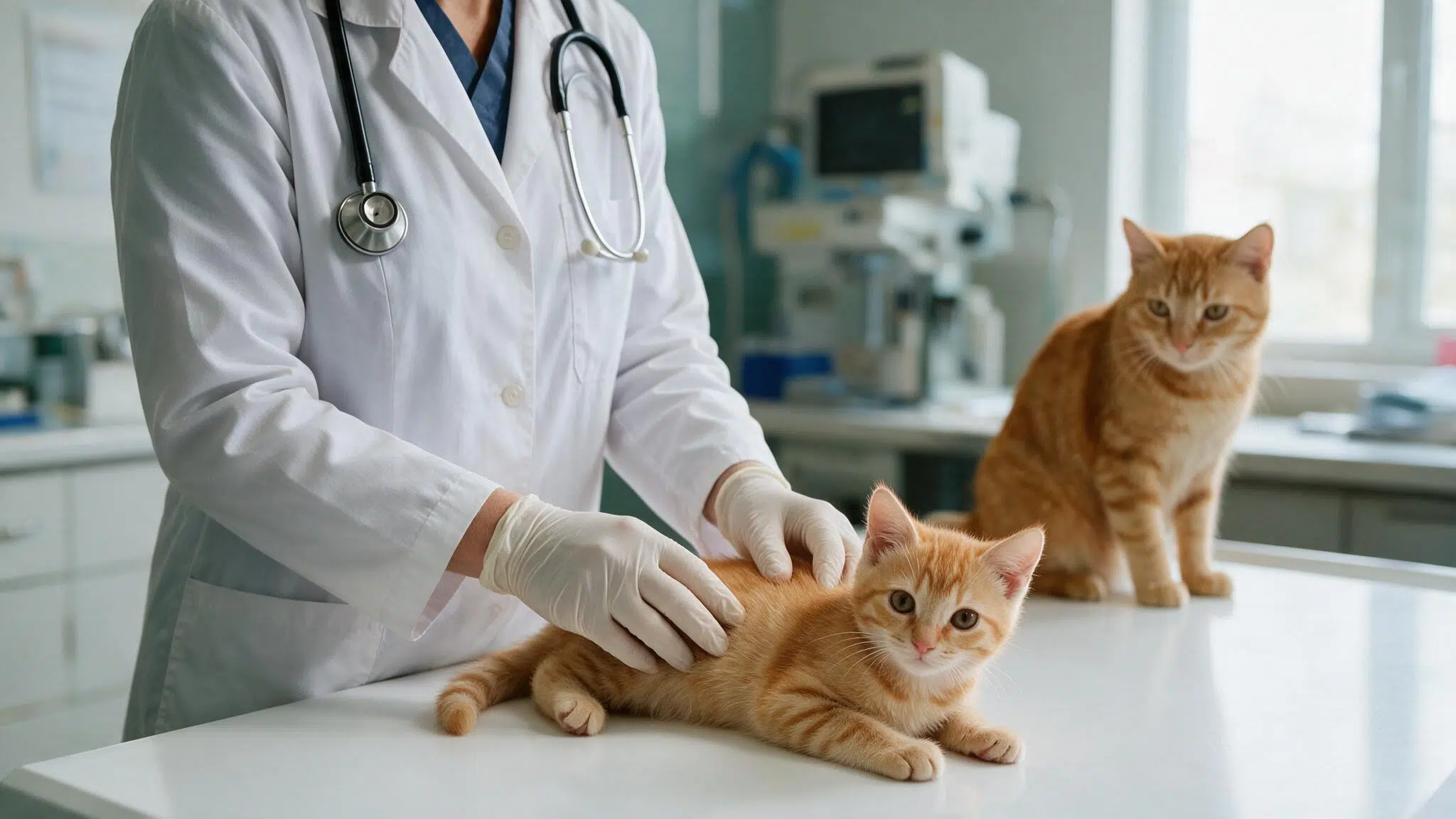
Many shelters and low-cost clinics perform pediatric spays on kittens as young as eight weeks old, provided the kitten is healthy and meets minimum weight requirements. For cats spayed through a regular veterinary clinic, most veterinary organizations, such as AAFP, recommend the procedure before five months of age, ideally before the first heat cycle begins.
Spaying before that first cycle offers the strongest reduction in future mammary tumor risk, which is one of the main reasons early timing gets so much attention from vets like me.
2. Adult Cats

An adult cat who missed that early window still has options. Cats can be spayed well into adulthood, and even into their senior years, as long as a pre-surgical health check shows she can safely handle anesthesia.
I run bloodwork on every senior cat before recommending surgery, just to check her organ function first.
Age alone rarely rules out the surgery. Recovery may simply take a little longer, and I tend to monitor older patients more closely afterward.
When to Spay a Cat After She Has Kittens
This is the question I hear most often from owners whose cat had an unplanned litter, and it deserves more detail than most articles give it.
Postpartum Stage | What Typically Happens |
|---|---|
Weeks 1 to 2 | Nursing full time, surgery postponed |
Weeks 3 to 6 | Weaning begins, kittens start eating solid food |
Weeks 6 to 8 | Traditional safest window for surgery |
After weaning | Milk production drops, recovery becomes easier |
Most vets, myself included, have traditionally preferred waiting until kittens are weaned, since active nursing increases blood flow to the mammary glands and can complicate healing.
A cat can also cycle back into heat within just a few weeks of giving birth, sometimes before her kittens are even weaned. While you wait, it’s worth reading up on a typical kitten recovery timeline, so you know what to expect once her own spay is scheduled.
Can You Spay a Nursing Mother Cat? What the Evidence Actually Shows
This is where veterinary opinion is shifting, and I think owners deserve the full picture, not one outdated rule.
The traditional guidance, waiting until kittens are fully weaned around six to eight weeks, is still what most private practice vets recommend, largely because nursing tissue carries more blood flow and bleeds more easily during surgery.
However, a growing number of shelter medicine veterinarians now spay nursing mothers safely, and current evidence does not show that surgery reliably stops her milk supply the way many owners assume.
In my own practice, I still default to waiting until weaning for a healthy owned cat with no urgency, since it is the lower-risk path when there is no reason to rush.
But if you are fostering, working with a rescue, or your cat’s health requires earlier surgery, ask your vet directly whether an earlier spay makes sense for her specific situation.
What Affects the Right Timing for Your Cat
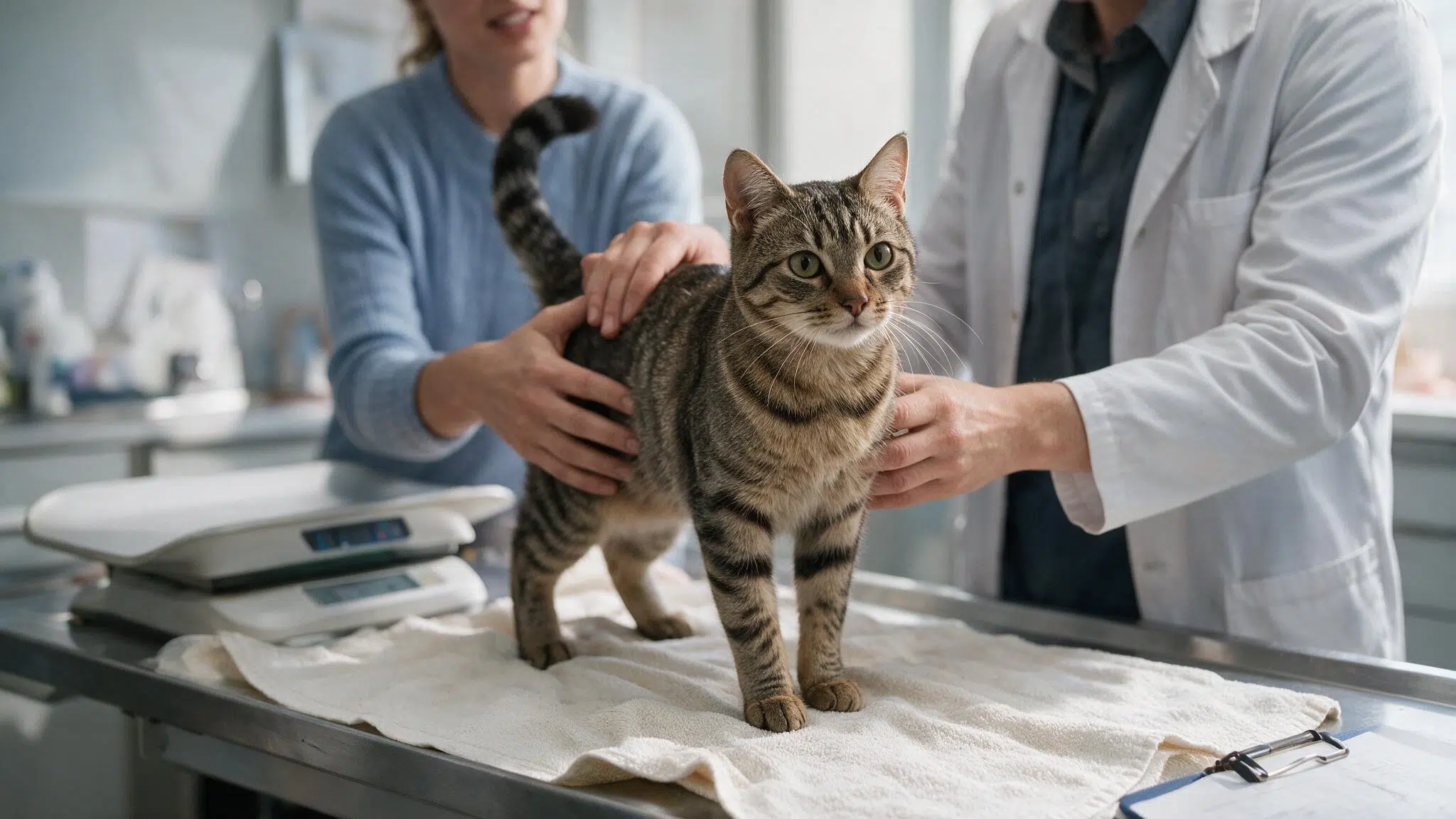
Every cat is a little different, and I never give a timing recommendation without weighing her full picture first. A handful of factors consistently guide that decision every time in my exam room each week.
- Age and weight: Kittens must reach a minimum weight before anesthesia is safe.
- Overall health: Existing illness or infection usually delays surgery.
- Pregnancy status: A pregnant cat needs a separate conversation about risks.
- Nursing status: Mother cats need time with kittens before scheduling surgery.
- Heat cycle timing: Spaying mid-cycle carries slightly more surgical risk.
These factors often overlap in real cases, which is exactly why I recommend a direct conversation with your vet rather than simply picking a date off a calendar on your own each time. It also pays to keep her vaccination schedule current, since her overall health status factors into the final call.
Understanding Sexual Maturity and Heat Cycles
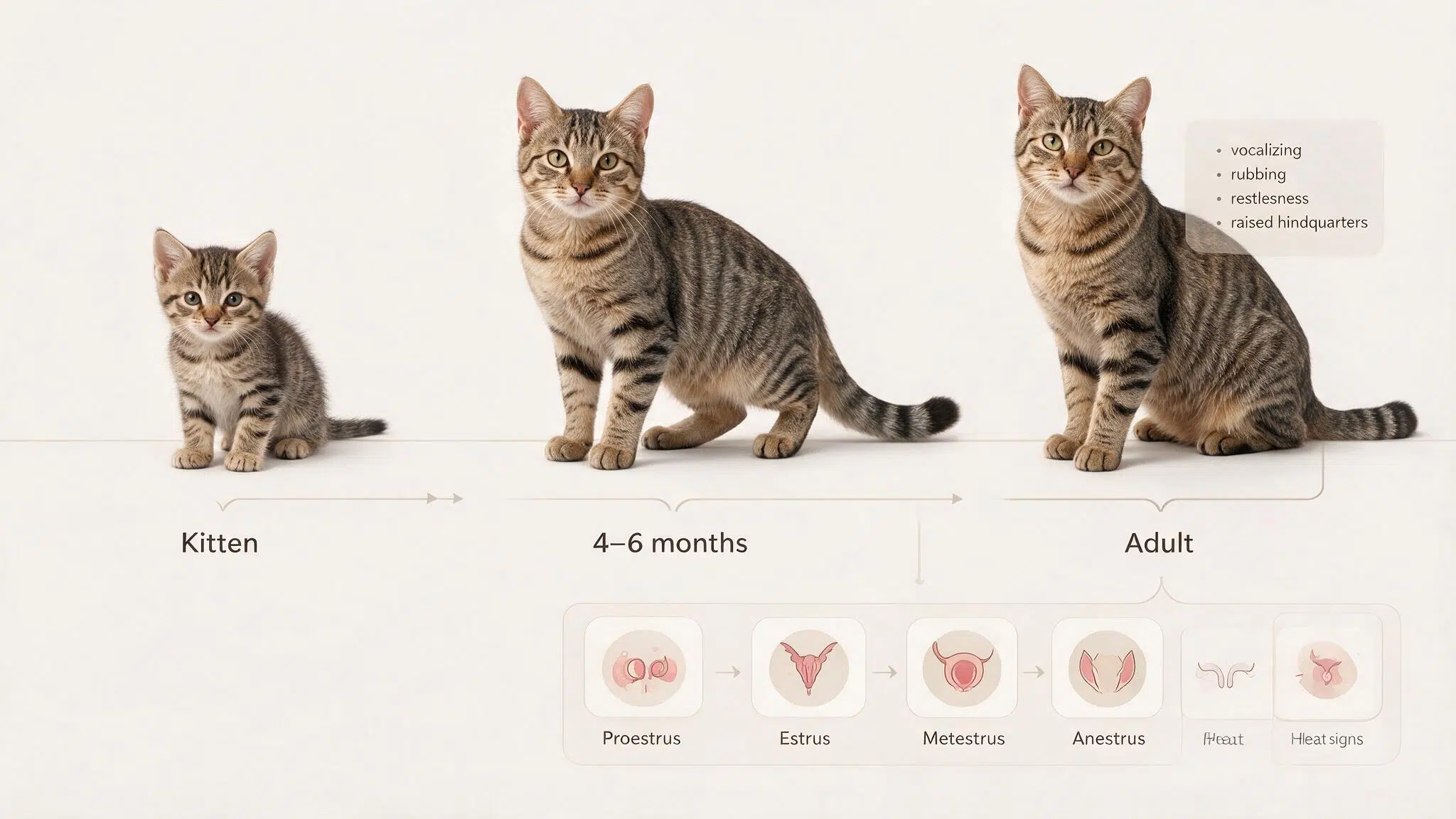
Much of the confusion around spay timing comes from owners underestimating how quickly cats can reach full sexual Much of the confusion around spay timing comes from owners underestimating how quickly cats reach sexual maturity, so I address this directly with every new cat owner I see.
Female cats can enter their first heat cycle as early as four to six months old, sometimes earlier depending on breed and season. Signs include increased vocalization, restlessness, unusual affection, rolling on the floor, and attempts to escape outside.
Pregnancy can happen during that very first cycle, which is part of why many vets push for spaying before it arrives.
Recognizing these signs early gives you a real head start, especially with a mother cat who could cycle again before you expect it. If her cycle lines up with her surgery date, it’s worth understanding the risks of operating mid-cycle beforehand.
Debunking Common Spay Myths
I hear the same handful of myths repeated in my exam room every month, and clearing them up often makes the decision easier for hesitant owners who want clear, honest guidance.
1. “She Should Have One Litter First”
This is one of the most persistent myths I encounter, and veterinary research doesn’t support it. No proven health benefit comes from letting a cat have a litter before being spayed.
In fact, waiting through even one pregnancy delays the protective effect spaying has against mammary tumors and adds the risks of pregnancy and delivery itself, which are not without complications of their own.
2. “Indoor Cats Do Not Need It”
Owners of indoor-only cats sometimes assume spaying is unnecessary since their cat has no access to males. In practice, cats are talented escape artists, and even a single slipped-out afternoon during heat can lead to pregnancy.
Spaying also prevents pyometra and reduces cancer risk regardless of whether a cat ever goes outside, so indoor status alone is not a reason to skip it or delay the conversation with your vet.
3. “Early Spaying Stunts Growth”
This concern comes up often with pediatric spay programs, but current research does not support the idea that early spaying harms normal development. Cats spayed as young as eight weeks, when healthy and at an appropriate weight, generally grow and develop typically.
Veterinary teams follow specific safety protocols designed around a kitten’s smaller size and faster metabolism, which keeps the surgery just as safe as spaying an older cat.
4. “Older Cats Cannot Be Spayed”
Age alone is rarely a disqualifying factor. What actually matters is a cat’s current health status, which is why I always run pre-surgical bloodwork on senior cats before recommending the procedure.
Many cats in their senior years handle spaying just fine with proper monitoring, though recovery time and anesthesia protocols may be adjusted to fit their specific needs and any underlying conditions we uncover during testing.
None of these myths hold up against current veterinary guidance, so I would rather owners make this decision based on their cat’s actual health than outdated advice passed down secondhand for years.
Preparing Your Cat Before Surgery
A little research across organizations like ASPCA and a little preparation on your end both go a long way toward making surgery day smoother for both you and your cat, so I always send owners a short checklist beforehand.
- Schedule a pre-surgical exam so your vet can confirm she is healthy enough for anesthesia.
- Follow fasting instructions carefully, since food in the stomach increases anesthesia risk.
- Ask about pain management and post-surgery medication ahead of time.
- Set up a quiet, confined recovery space at home before the surgery date.
- Have a cone or recovery suit ready to prevent licking at the incision.
Walking through this checklist before the appointment can ease owner concerns while also giving your cat the best chance for a comfortable recovery afterward. Preparing ahead reduces stress, keeps important details organized, and helps you feel confident about each step before and after the procedure.
What Recovery Looks Like After Surgery
Recovery expectations vary a little by age and health, but most cats follow a predictable pattern. I walk every owner through this before they take their cat home.
Recovery Stage | What Happens |
|---|---|
First 24 hours | Grogginess, reduced appetite, and quiet resting are normal |
Days 2 to 7 | Incision monitoring, restricted jumping and running |
Around 10 to 14 days | Follow-up check, incision fully healed, return to normal activity |
Most cats bounce back faster than owners expect, often acting like themselves within a day or two. Still, keeping activity limited for the full window protects the incision from reopening.
Aftercare Tips and Mistakes to Avoid
Good aftercare speeds up healing quite considerably, but a few avoidable mistakes still trip up otherwise careful owners during the first two weeks after surgery, so it helps to know what to watch for closely.
Keep her indoors in a quiet space away from other pets and stairs. Check the incision daily for redness, swelling, or discharge, and stick to her regular food unless your vet says otherwise. Leave the cone on until the incision fully closes.
The most common mistakes I see are letting her jump onto furniture too soon, removing the cone early, and skipping the follow-up visit. Even one unsupervised sprint can reopen a freshly healing incision.
Careful aftercare, paired with a little patience during those first two weeks, makes the biggest difference in how smoothly and comfortably her recovery goes overall, so it is always worth the extra effort.
Timing Her Spay with Confidence
No single day works for every cat, which is why I ask different questions of every owner who calls my clinic. A kitten’s readiness depends on her weight and age, while spaying a cat after having kittens depends on her kittens’ weaning progress and her own recovery.
Knowing when to spay a cat, kitten, or new mother still starts with one conversation with your vet, not a date you pick alone. If your cat just had kittens and you are still working out her timeline, ask too early rather than wait too long.
If you’re unsure, reread the postpartum section above and leave a comment with her situation for more specific guidance.
Frequently Asked Questions
Can a Nursing Mother Cat Be Spayed Before Her Kittens Are Fully Weaned?
It is possible, and shelter veterinarians do this regularly, but most private practice vets still prefer waiting until weaning to lower surgical risk. Ask your own vet whether earlier surgery fits your cat’s specific health and situation.
Will Spaying Affect My Cat’s Milk Supply if She is Still Nursing?
Current evidence does not show that surgery reliably stops her milk production. Many nursing cats continue caring for their kittens normally after being spayed, though your vet can advise on her specific case.
Can a Cat Be Spayed While She is in Heat?
Yes, though many vets prefer to wait until her cycle ends, since increased blood flow to reproductive tissue during heat adds a small amount of surgical risk.
Will Spaying Change My Cat’s Personality?
Most owners notice little to no personality change. What usually decreases are hormone-driven behaviors like yowling and escape attempts tied to heat cycles, not her core temperament.
What Signs Tell Me My Cat Has Fully Recovered from a Postpartum Spay?
Look for a closed, dry incision, a return to her normal appetite and energy, and comfortable movement without limping or guarding her belly. Most cats reach this point within about two weeks.