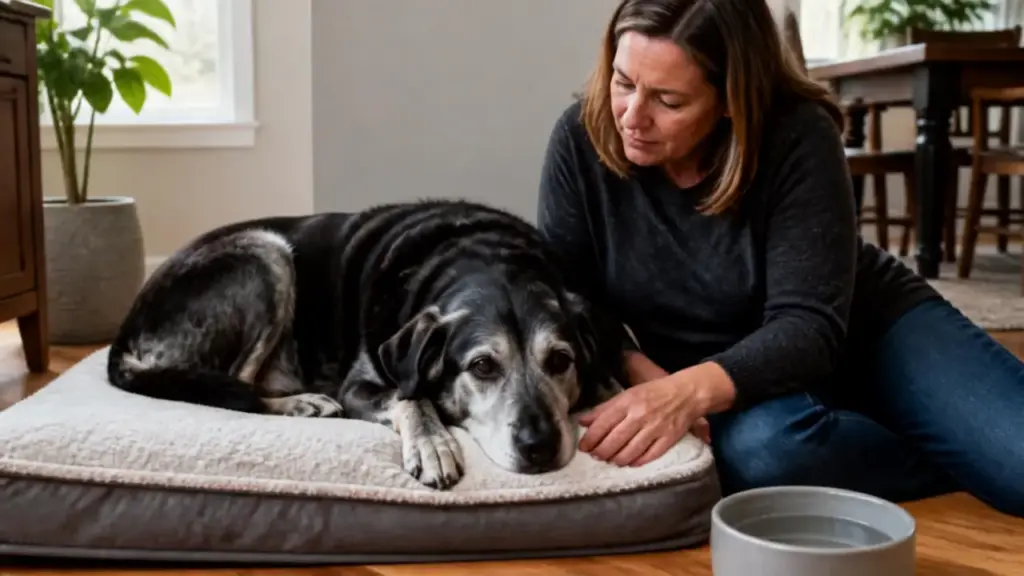
I have treated thousands of dogs in my Minnesota practice, and many pet owners bring me post-spay concerns.
If your dog seems quieter, eats less, walks carefully, or has swelling near her incision, you may wonder whether she is healing normally or showing a sign of trouble.
Some changes are expected after surgery, while others can point to infection, pain, bleeding, or another complication that needs veterinary care. Knowing the warning signs after spaying dog can make those first days easier to judge.
And so today, you will find which changes are usually part of recovery, which symptoms deserve a call to your veterinarian, and which signs may require urgent care.
What is Spaying?
Spaying is a surgery that prevents a female dog from becoming pregnant. During the procedure, a veterinarian removes the ovaries and uterus through an incision in the abdomen.
The skin may look like the only part that needs to heal, but deeper tissues are recovering too. This is the part most owners don’t expect: the outside can look fine while the abdominal muscles underneath are still knitting back together for a week or more.
I tell every client the same thing: healing isn’t just about the incision; diet, rest, and a calm environment at home matter just as much. That’s why your dog may be sleepy, mildly sore, or less interested in food for a short time after coming home.
The incision should stay closed and look calmer as the days pass. Your vet will usually ask you to limit running, jumping, and rough play so healing tissues aren’t pulled apart. You may also go home with pain medicine, a cone, and simple instructions for checking the incision each day.
Warning Signs After Spaying Dog
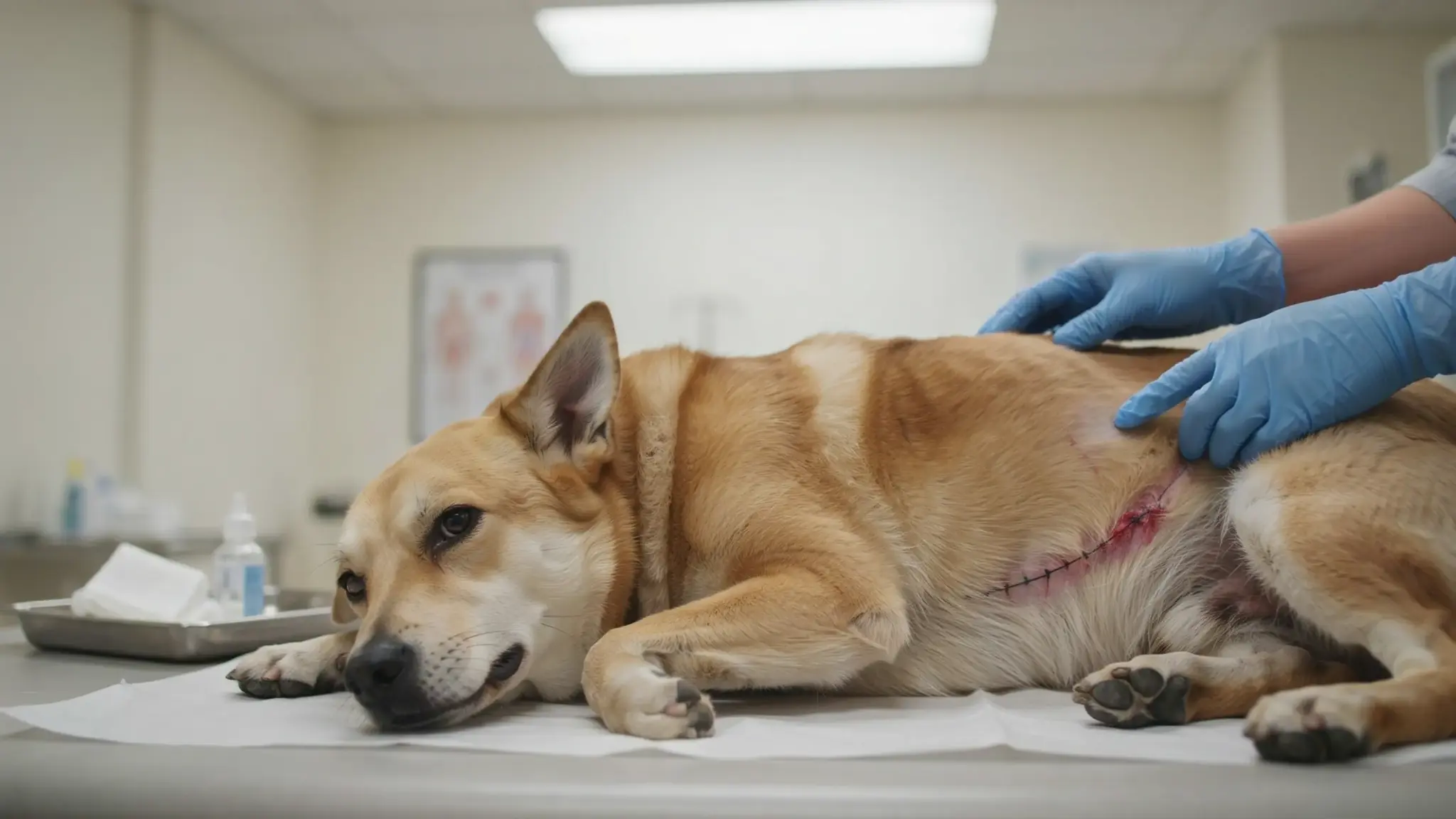
Most people search this topic because something has changed after surgery and they are unsure if it matters. These are the signs I would want an owner to notice first.
1. Worsening Redness and Swelling
A little pinkness can be normal around a fresh incision, especially during the first day or two. What matters more than the color itself is the direction it’s moving: redness that keeps spreading or swelling that keeps growing over 24–48 hours is different from a static, mild pink line.
Warmth and tenderness add to the concern. These changes don’t always confirm an infected surgical wound on their own, but they’re reason enough to call your vet and describe exactly what you’re seeing.
2. Discharge or Bad Odor
A healing incision is usually dry or has very little moisture. Yellow, green, or cloudy discharge is different, especially if it smells bad. Ongoing bloody fluid is also worth reporting if it is more than a tiny spot.
Instead of wiping the area with household products, take a clear photo and contact the clinic so your vet can judge the change properly. Studies looking at wound infection risk factors back up why I’d rather have a client text me a photo than describe it over the phone; I can judge discharge far better by sight than by description.
3. Incision Opening or Bleeding
The edges of the incision should stay together while the skin heals. If they start separating, sutures or staples come loose, or you can see underlying tissue, this is a wound-closure failure (medically called incisional dehiscence) and needs same-day veterinary attention; it does not resolve on its own.
Steady bleeding is also abnormal and can, on rare occasions, mean your dog is losing blood internally, so keep her quiet, prevent licking, and call the clinic, since movement can put more strain on a compromised incision. Of everything on this list, dehiscence is the one I take most seriously; it’s rare, but it’s never a wait-and-see situation for me.
4. Pain That Keeps Getting Worse
One case that’s stuck with me: a Labrador who seemed fine on day one but was shaking and guarding her belly by day three; that pattern, not the pain itself, was the red flag.
Whining, heavy panting at rest, guarding the belly, or struggling to settle can mean pain is more severe than expected, especially paired with another symptom appearing at the same time. This is also never the moment to reach for over-the-counter pain relievers made for people; let your vet choose what’s safe for her instead.
5. Lethargy or Unusual Weakness
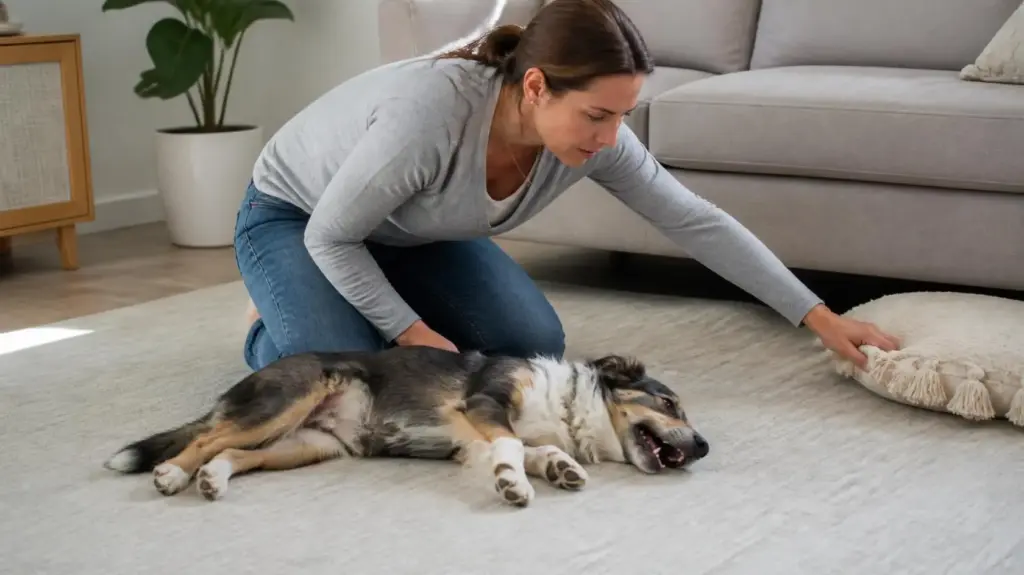
Sleepiness after anesthesia is common at first, but severe tiredness that lasts more than a couple of days is different. Watch for signs that your dog is becoming weaker, less responsive, or reluctant to get up for food or water.
Low energy matters more when it shows up with pale gums, worsening pain, poor appetite, or incision changes, rather than gradually easing as your dog recovers.
Lethargy paired with pale gums can point to blood cell count dropping, and it’s the combination that gets me calling an owner back within the hour, not by the end of the day.
6. Appetite Loss or Repeated Vomiting
A smaller appetite on the first evening can happen after anesthesia, but repeated meal refusal deserves a call to your veterinarian. The same is true for vomiting that keeps happening or diarrhea that does not settle—both are among the complication types tracked in a large multi-year study of spay surgery outcomes.
These signs can matter even when the incision looks fine, because not every post-surgery problem shows up at the skin. I ask my own clients for a quick appetite update the morning after surgery; it’s a small habit, but it’s caught more early problems for me than almost anything else on this list.
Note: One unusual sign does not always mean infection. What matters is the pattern. If symptoms are getting stronger, appearing together, or returning after improvement, let your veterinarian know promptly today.
What Affects How Fast Your Dog Heals
Not every dog heals at the same pace, and knowing why can help you set realistic expectations instead of comparing your dog to a neighbor’s.
- Age: Puppies and young adult dogs typically heal faster than senior dogs.
- Breed size: Larger and giant breeds often need more time for deeper tissue layers to fully strengthen.
- Weight: Overweight dogs carry more strain on the incision and face a higher risk of complications.
- Timing of surgery: Dogs spayed while in heat have more blood flow to the reproductive organs, which can mean more surgical bleeding and a slightly longer recovery. This is one reason many vets prefer to wait until a dog is out of heat when scheduling isn’t urgent.
- Activity level: High-energy dogs are more likely to strain the incision if exercise restriction isn’t enforced closely.
- Underlying health conditions: Dogs with clotting disorders, thyroid disease, or other chronic conditions may need closer monitoring during recovery.
None of these factors mean your dog will have problems; they just explain why one dog is back to normal in five days while another still needs the cone at day ten. When I do a follow-up exam, weight and activity level are usually the first two things I check, since they explain most of the variation I see between patients.
When is It an Emergency?
Most post-spay concerns can start with a phone call to your regular vet. A few signs are different because they can point to heavy bleeding, shock, or another serious problem.
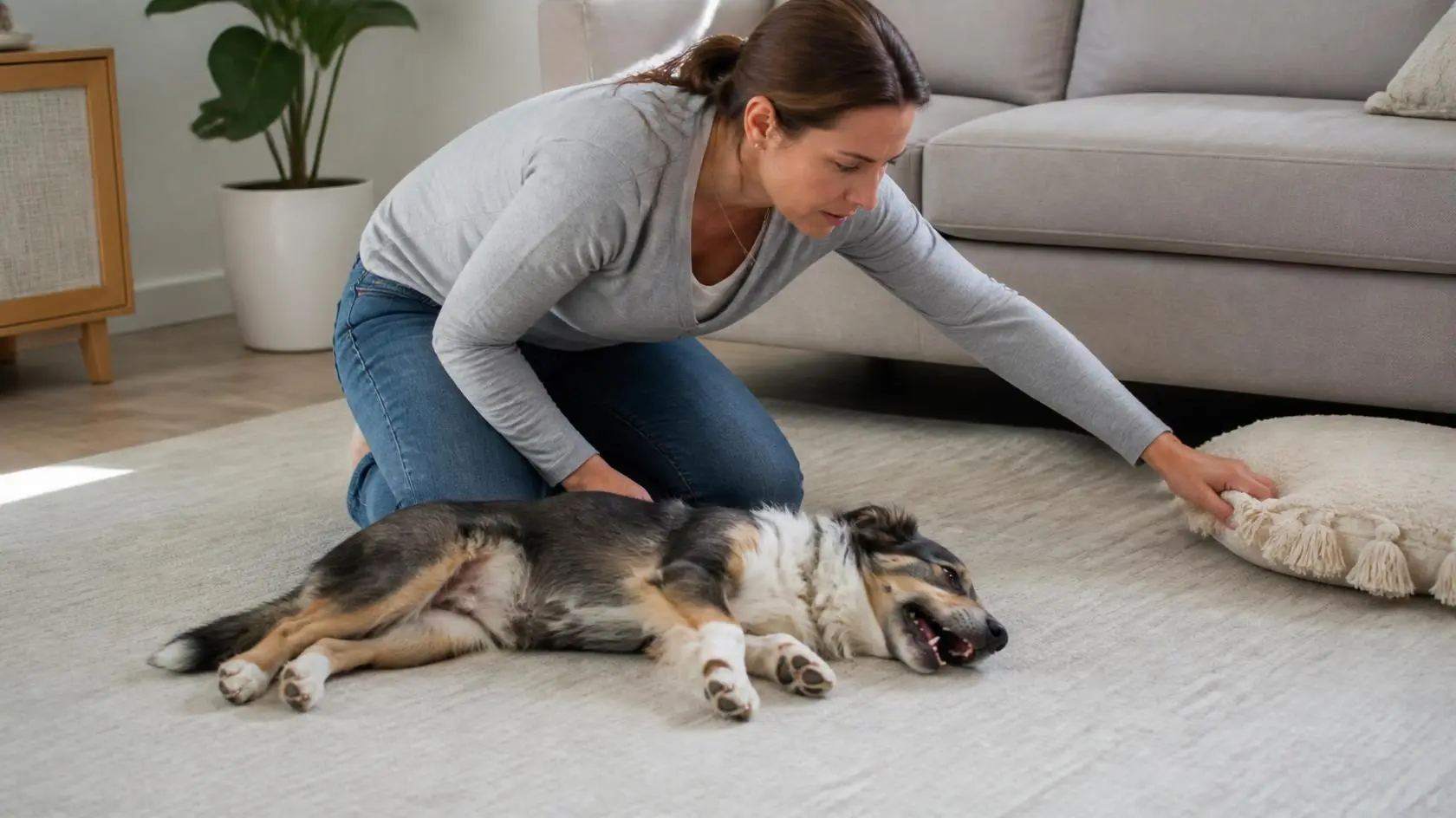
- Collapse: Your dog collapses, cannot stand, or becomes suddenly too weak to move normally.
- Bleeding: Blood keeps dripping or flowing from the incision instead of stopping.
- Incision: The wound opens widely, or you can see tissue beneath the skin.
- Gums: The gums look very pale or white, especially if they feel weak or collapse.
- Breathing: Your dog struggles to breathe, breathes unusually hard, or seems unable to settle.
- Response: Your dog becomes unresponsive, extremely disoriented, or unusually difficult to wake.
Caution: If your regular clinic is closed and your dog collapses, has trouble breathing, bleeds heavily, or becomes unresponsive, contact an emergency veterinary hospital rather than waiting until morning.
What Spay Recovery Looks Like by Day
Recovery is not identical for every dog, but most owners find it helpful to know what usually changes over the first two weeks. The pattern should generally move toward improvement.
Stage | What You May Notice | Typical Timing |
|---|---|---|
First day | More sleep, mild soreness, and a smaller appetite | First 24 hours |
Early recovery | Appetite and interest in normal routines start returning | Days 2–3 |
Mid recovery | Movement becomes easier, and the incision should look calmer | Days 4–7 |
Later recovery | Surface healing is further along, though deeper tissues still need care | Days 10–14 |
These time frames are only a general reference. Your dog’s age, health, surgery, and activity can affect healing, so the instructions from your own veterinary team should always come first.
Everyday Care Tips During Recovery
Beyond watching for problems, a few daily habits make complications far less likely in the first place:
- Keep the cone on consistently: even a few unsupervised minutes is enough for a dog to reach stitches.
- Confine activity: a crate, small room, or leash-only bathroom breaks prevent jumping and running.
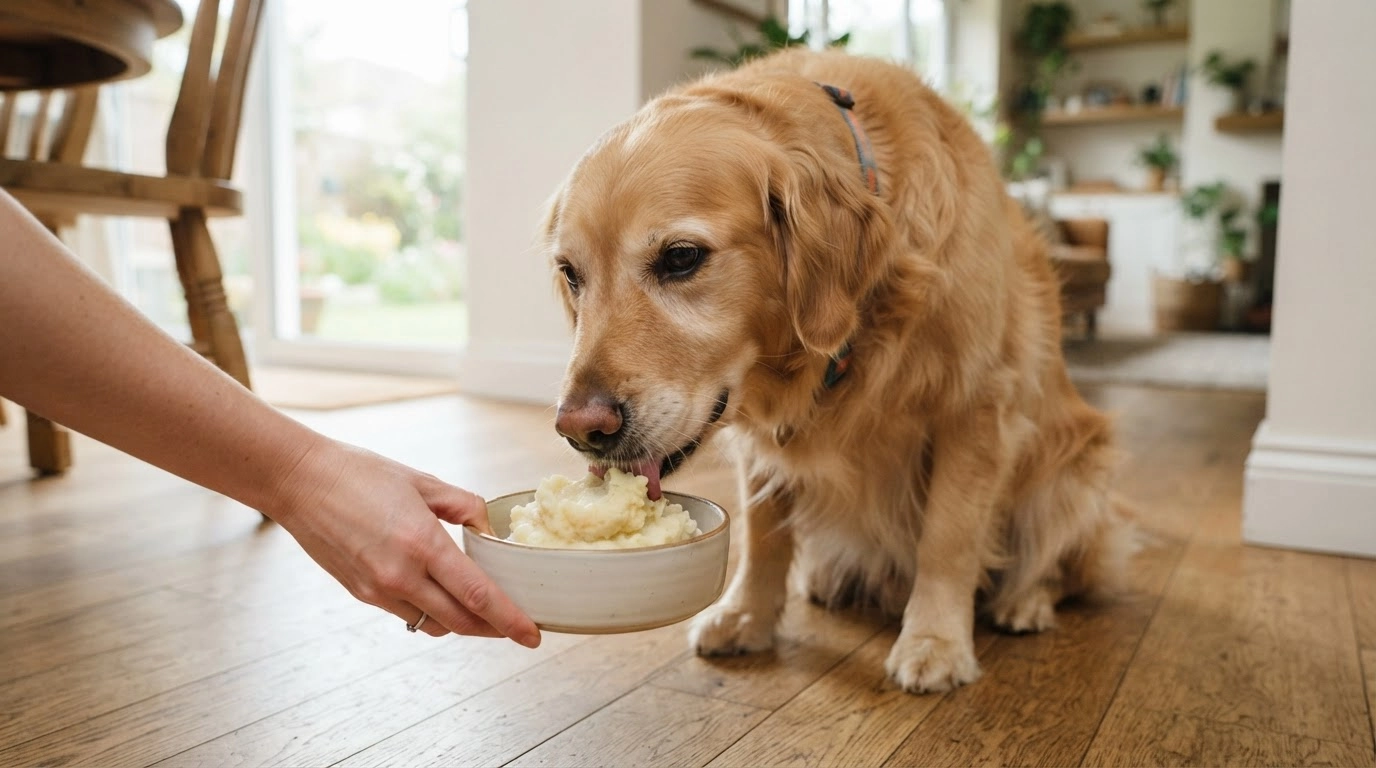
- Feed a light first meal: a smaller portion the evening of surgery is easier on a stomach still clearing anesthesia.
- Check the incision at the same time each day: this makes it much easier to notice a real change versus normal day-to-day variation.
- Separate her from other pets temporarily if they tend to lick, nudge, or play roughly.
I tell my own clients: set a phone reminder to check the incision every morning with your coffee. It takes ten seconds and catches problems early, before they become emergencies.
And since I spend a lot of my week on grooming consultations too, I’ll add one more habit: keep the fur trimmed short around the incision. It makes the wound easier for me to assess at a glance, and easier for you to keep clean until bathing is allowed.
What to Do After a Warning Sign
If your dog is stable but something looks wrong, a few simple steps can protect the incision and help your veterinary team understand what has changed before you arrive there.
- Rest: Stop running, jumping, and rough play, then settle your dog somewhere quiet.
- Protect: Use the cone or recovery garment if your dog can reach the incision.
- Record: Take a clear photo in good light and note when you first saw the change.
- Call: Tell the clinic when surgery happened, what you noticed, and how your dog is acting.
- Avoid: Do not put creams, disinfectants, or household products on the wound unless your vet told you to.
- Medication: Do not give human pain medicine or any unprescribed drug.
Caution: Do not give human pain medicine unless your veterinarian specifically tells you to. Some common human medicines can be harmful to dogs.
What Real Dog Owners Say About Spay Recovery
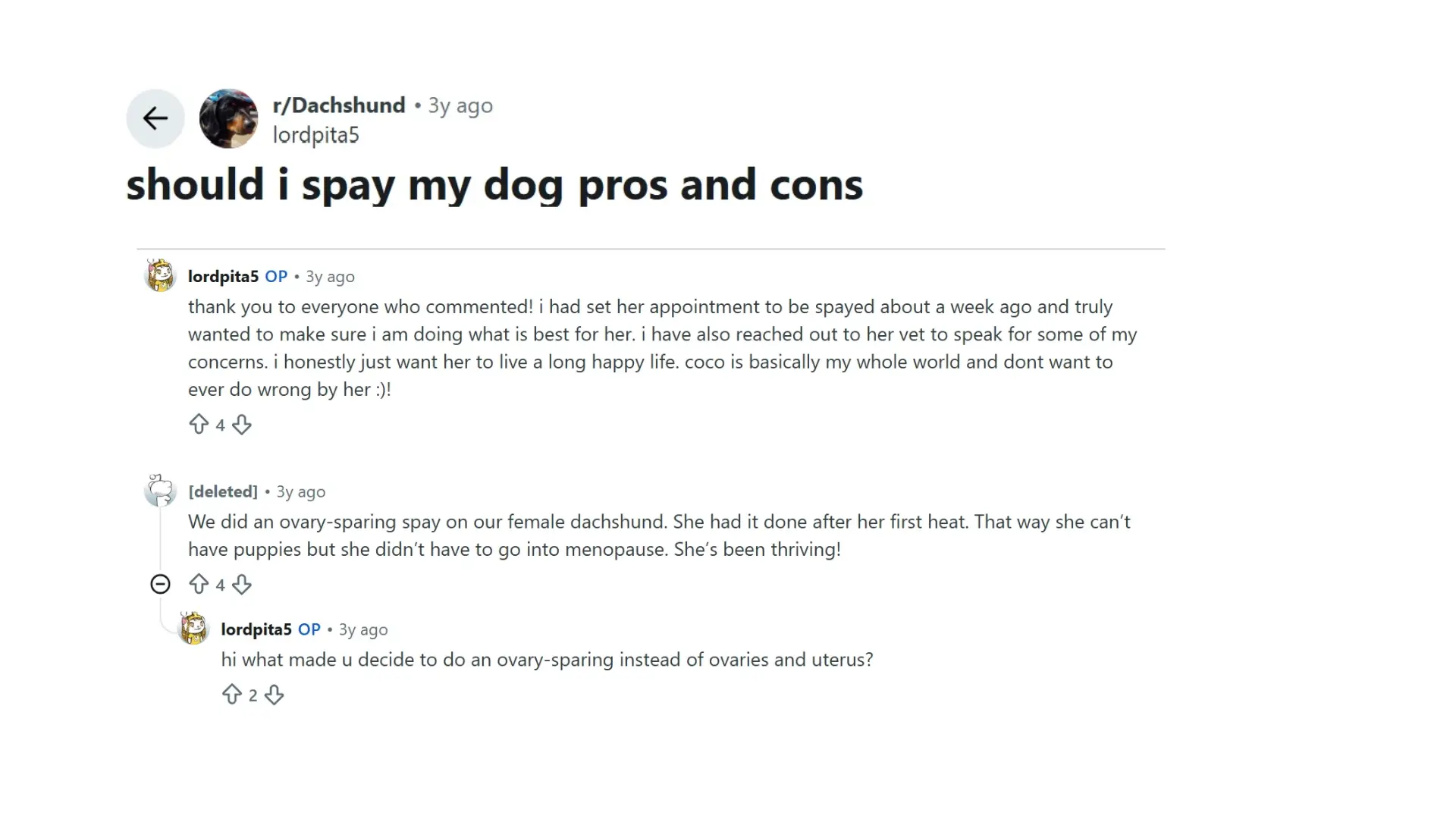
Dog owners on Reddit often share the same concerns that come up before a spay appointment. In this discussion, one Dachshund owner said she had already scheduled the surgery but still wanted reassurance that she was making the best decision for her dog. She also said she had spoken with her veterinarian about her concerns.
Another owner shared a different experience, explaining that their female Dachshund had an ovary-sparing spay after her first heat and had been doing well afterward. The original poster then asked why they chose that procedure instead of removing both the ovaries and uterus.
The discussion shows how owners may compare different surgical options, but personal experiences should not replace advice from your own veterinarian.
How Vets Check Post-Spay Problems
When you call or visit the clinic, your veterinarian will usually start by asking when the surgery happened and what’s changed since your dog came home.
They’ll typically examine the incision for swelling, warmth, discharge, bleeding, pain, or separation, and check temperature, gums, hydration, heart rate, and overall comfort.
If the concern seems deeper than the skin, your vet may suggest bloodwork or imaging to look for inflammation, fluid, or another internal issue, though not every dog needs extra testing.
Sometimes a five-minute hands-on exam is all it takes for me to confirm a wound is healing normally; that’s true for the majority of the “is this normal?” calls I get. In other cases, the incision, your dog’s behavior, and test results together guide what treatment or follow-up makes sense.
Final Thoughts
The calls that actually worry me aren’t the frantic ones; they’re the quiet pattern that builds over two or three days before an owner finally calls.
Warning signs after spaying dog matter less as single moments and more as a trend: worsening pain, spreading redness, or a wound that won’t stay closed are reasons to call, not wait until morning.
Genuine post-spay complications are rare, and most dogs are back to themselves within two weeks. My rule for clients has always been the same: trust the pattern, not the panic, and never talk yourself out of a phone call.
Got a recovery question of your own? Leave it in the comments or share with the people who need to read this.
Frequently Asked Questions
Can My Dog Have a Bath After Spaying?
Keep the incision dry until your veterinarian says it is safe to bathe. Many dogs need to avoid baths until the skin has healed, often around 10 to 14 days.
When Are Stitches Removed After Spaying?
External stitches or staples are often removed around 10 to 14 days after surgery. Dissolving stitches usually stay under the skin and do not need removal.
Is Constipation Normal After Spaying?
A delayed bowel movement can happen after surgery because food intake and activity are lower. Call your vet if your dog strains, seems painful, or also vomits.
Why Does My Dog’s Belly Look Bruised After Spaying?
Some bruising or discoloration around the incision is common in the first several days, especially in dogs with thinner or lighter-colored skin, and usually fades on its own. It’s different from swelling that keeps growing.
Can Spaying Be Done While a Dog is in Heat?
It’s technically possible, but many vets prefer to wait until a dog is out of heat, since increased blood flow to the reproductive organs during heat can make the surgery slightly more complicated and increase bleeding risk. If timing is flexible, most vets will suggest scheduling around the cycle.