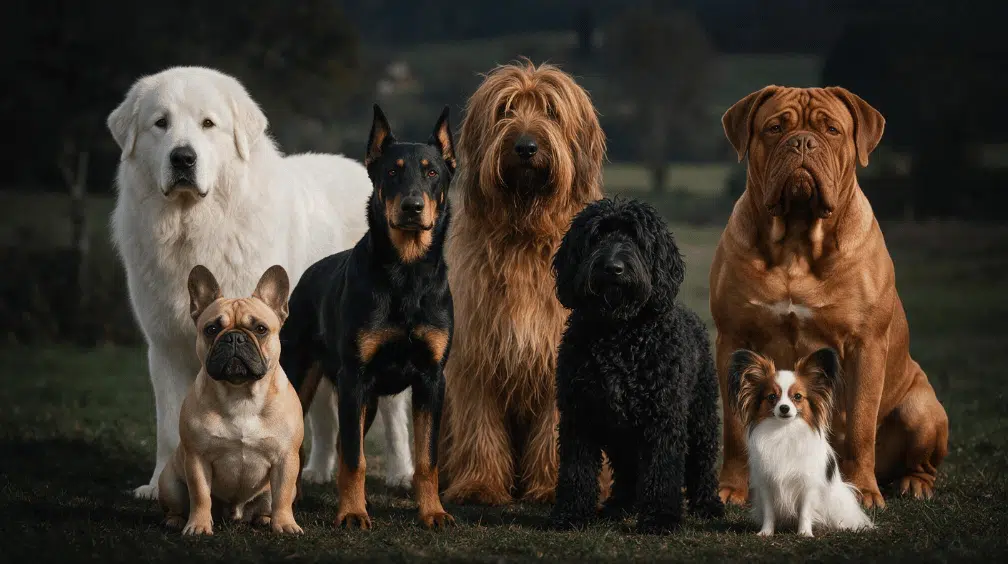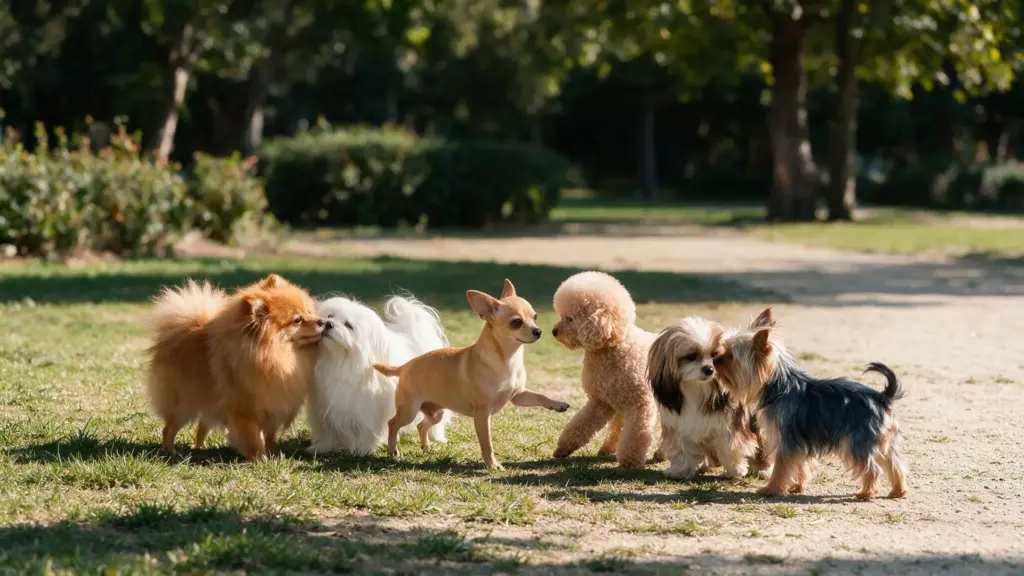
I’ve sat in on more “which small dog should I get” conversations than I can count, and here’s the mix-up I hear most: people assume every toy dog acts the same because they’re all tiny. They don’t. Toy dog breeds run from couch-loving lap warmers to dogs that would happily run circles around a Labrador if you let them.
That gap between size and personality is exactly why picking by looks alone backfires so often.
I’ll walk through all 24 breeds currently recognized in the American Kennel Club’s Toy Group, what actually separates them in energy, grooming, and temperament, and why the word “teacup” deserves a much closer look before you fall for it.
By the end, you’ll know which toy breeds fit a quiet apartment, which ones need a job to do, and how to spot the difference between a real toy breed and a marketing gimmick.
What Actually Makes a Dog a “Toy” Breed?
“Toy” is an official AKC classification, not just a size description. There’s no single weight cutoff that applies across the board; some all toy dog breeds stay under six pounds their whole lives, while others settle in around fifteen or eighteen.
What actually ties this group together is a shared history: these dogs were bred first and foremost for companionship, not for a job like herding or retrieving.
Their family trees are more varied than most people expect. Some toy breeds descend from terrier stock bred down in size, others come from spaniel or sighthound lines, and a few were built to be lapdogs from the very start. That mixed ancestry is why energy levels and personalities swing so widely within one group.
One thing I run into a lot when I’m out talking with breeders: a small dog isn’t automatically a Toy Group dog. The Bichon Frise and Boston Terrier are both plenty small, but they sit in the Non-Sporting Group, not Toy.
Size alone doesn’t earn a breed the label, though if you’re curious about other appealing compact breeds outside this group, they’re worth a look too.
Why Toy Dog Breeds Aren’t as Uniform as They Look
Small doesn’t mean interchangeable. A few places where this group splits hard:
- Build: Some breeds are fine-boned and built for speed, like the Italian Greyhound. Others, like the Pug, are stocky and solid.
- Coat: This group covers everything from completely hairless to silky, curly, or thick and double-layered, and each type asks for a different grooming routine.
- Activity level: Some toy breeds are content lounging most of the day. Others carry far more drive than their size lets on, and do best with engaging puzzle-style toys to burn off that energy indoors.
- Daily routine: A Chihuahua owner and a Havanese owner are, in a lot of ways, living two different daily schedules, even though both dogs technically fall under “toy breed.”
Those differences come through clearly once you look at each breed on its own, so that’s where I’ll take you next.
The AKC Toy Group Breeds
Here’s every breed currently recognized in the AKC Toy Group, from the fine-boned to the surprisingly sturdy. Each one brings its own mix of looks, personality, and daily upkeep.
1. Affenpinscher
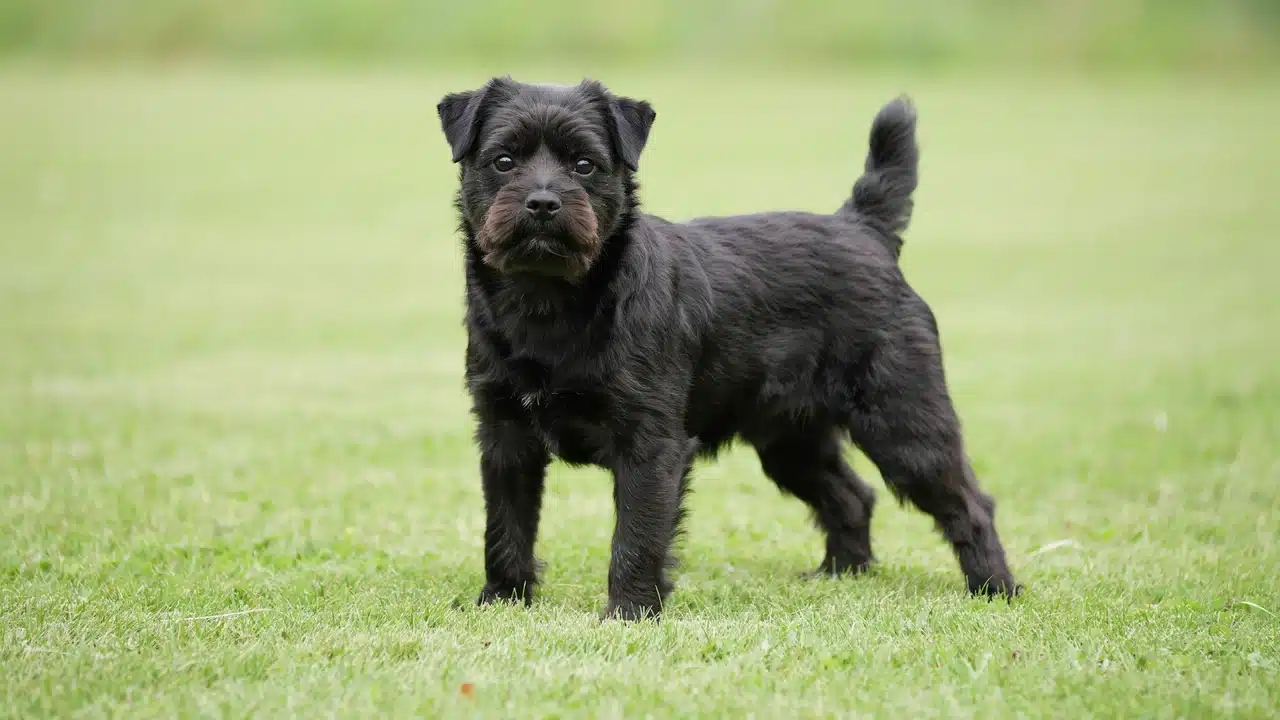
| Trait | Detail |
|---|---|
| Average height | 9–11.5 inches |
| Average weight | 7–10 pounds |
| Temperament | Bold, curious, mischievous |
| Best suited for | Owners who enjoy a confident, opinionated little dog |
Small and sturdy with a wiry coat and a monkey-like face, the Affenpinscher has a personality far bigger than its frame.
It needs moderate daily activity and regular coat upkeep to avoid matting. This is a dog that likes being included in things, not tucked in a corner.
2. Biewer Terrier
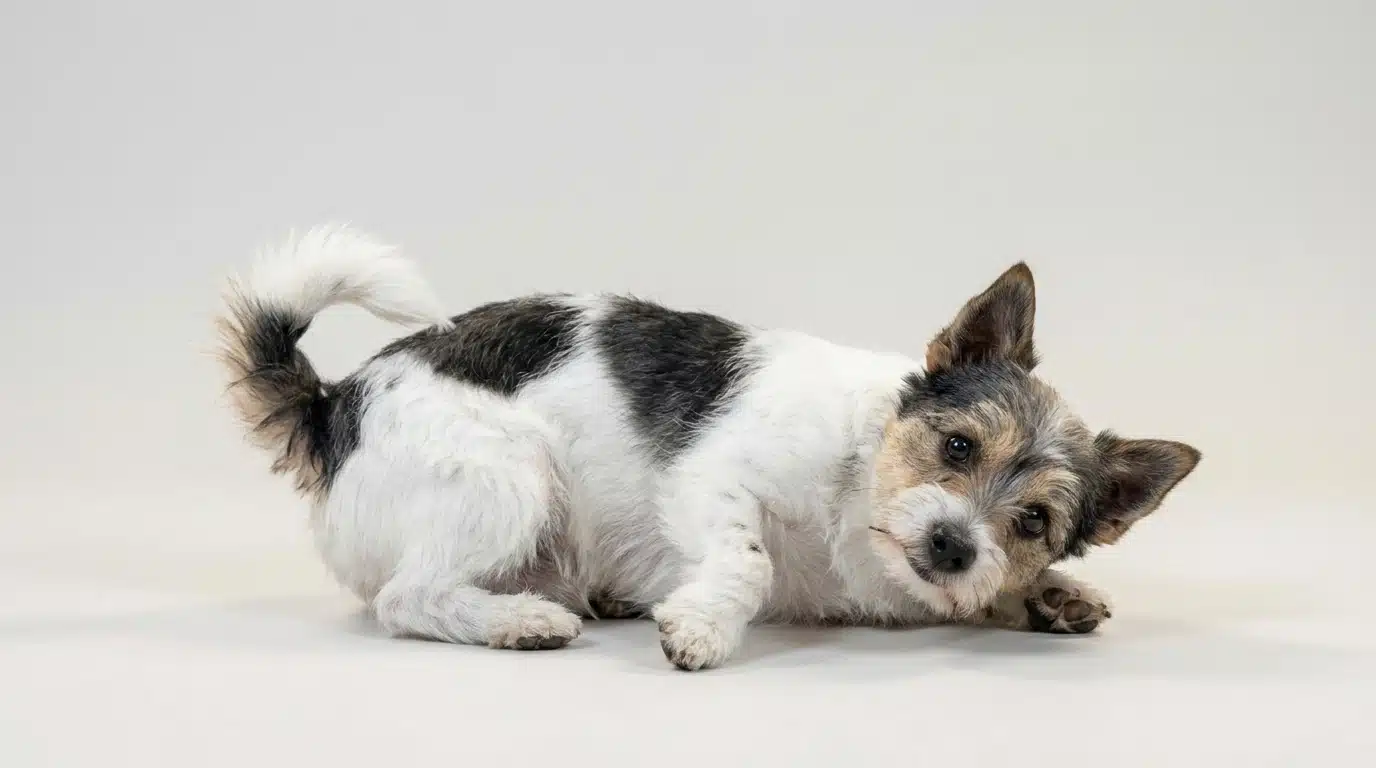
| Trait | Detail |
|---|---|
| Average height | 7–11 inches |
| Average weight | 4–8 pounds |
| Temperament | Playful, social, affectionate |
| Best suited for | Owners who are often home and enjoy regular grooming sessions |
The long, tri-colored coat is the standout feature, and keeping it looking good takes real commitment, including the cost of routine grooming if you go the professional route.
Beyond the coat, this is a friendly, people-focused little dog that does best indoors and doesn’t love being left alone for long stretches.
3. Brussels Griffon
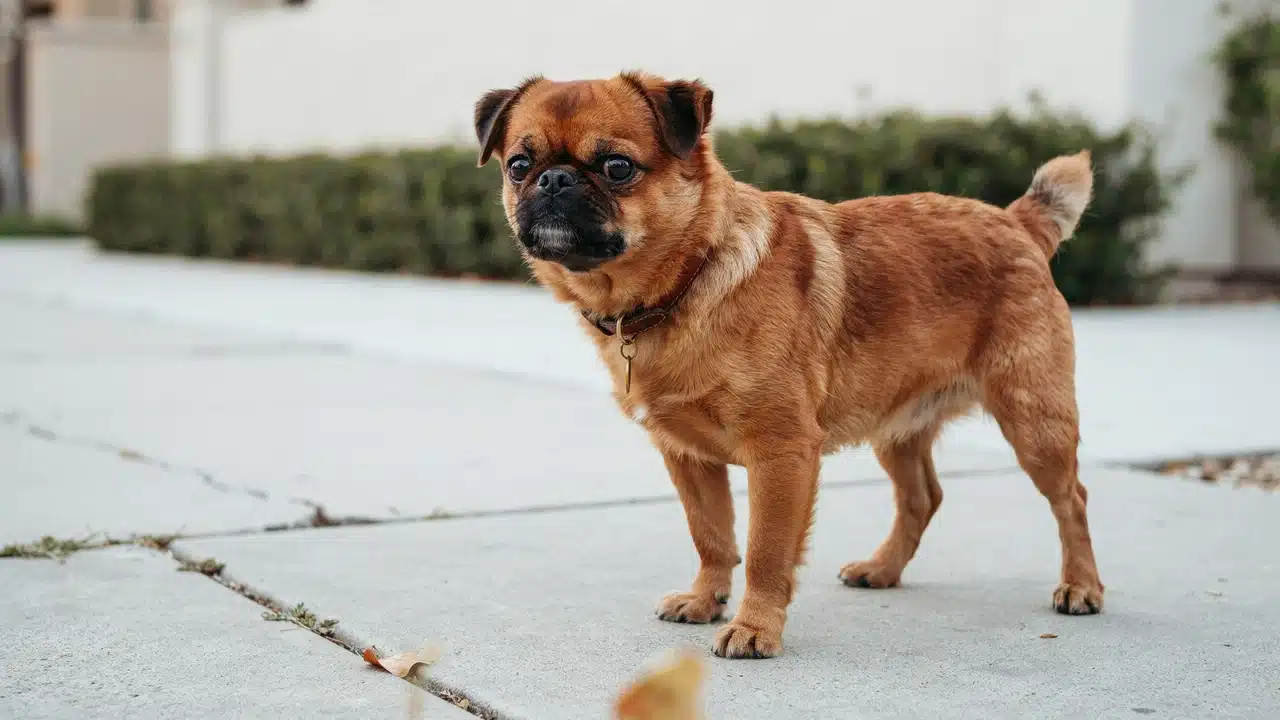
| Trait | Detail |
|---|---|
| Average height | 7–8 inches |
| Average weight | 8–10 pounds |
| Temperament | Attentive, lively, deeply attached |
| Best suited for | Owners who spend a lot of time at home |
With a rough or smooth coat and an expressive, almost human-like face, the Brussels Griffon bonds hard to its people.
Grooming needs shift depending on coat type. This breed tends to struggle when left alone often, so it fits best with someone around most of the day.
4. Cavalier King Charles Spaniel
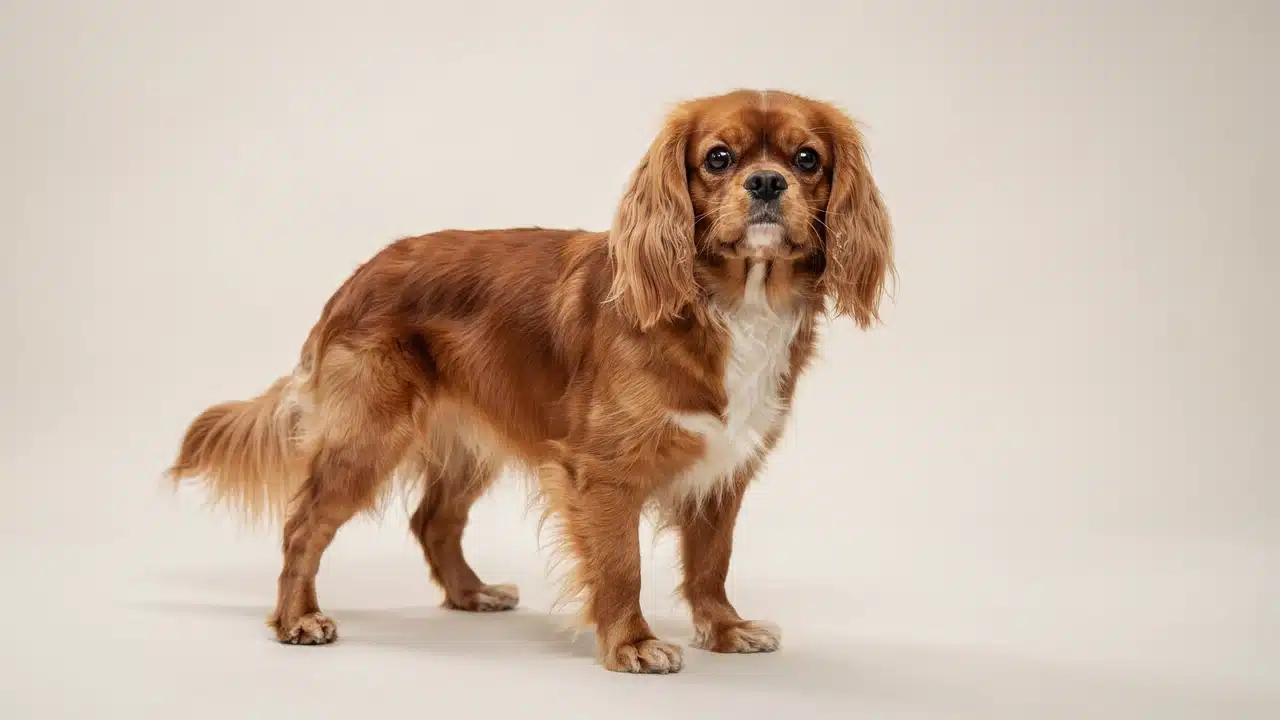
| Trait | Detail |
|---|---|
| Average height | 12–13 inches |
| Average weight | 13–18 pounds |
| Temperament | Gentle, social, eager to please |
| Best suited for | Families wanting an affectionate, adaptable companion |
Larger than most Toy Group dogs, the Cavalier is proof that this category isn’t just about staying under twelve pounds.
It has moderate exercise needs, a coat that needs regular brushing, and a personality built almost entirely around staying close to its family, the kind of temperament that shows up a lot among calmer, lower-energy breeds.
5. Chihuahua
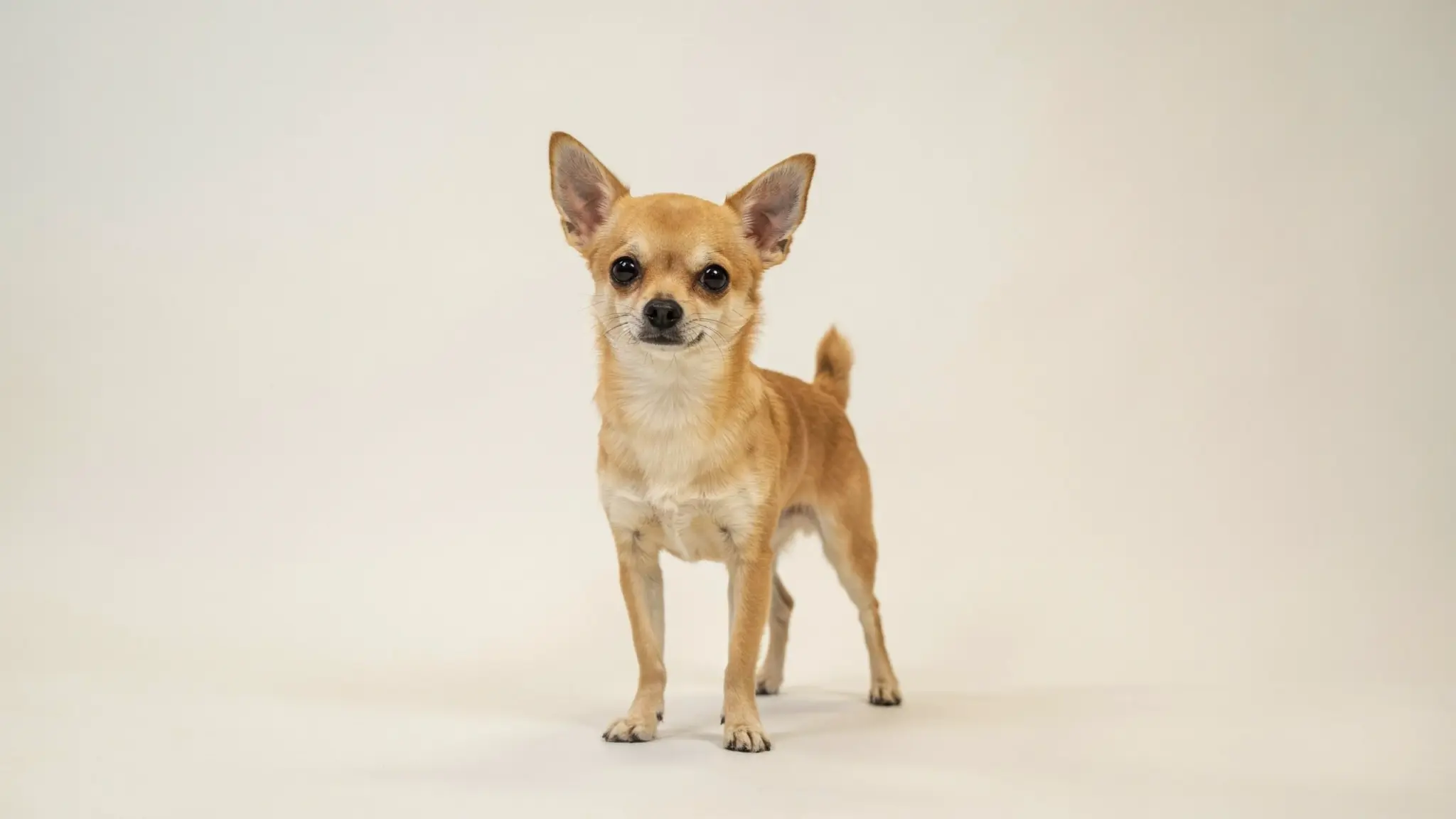
| Trait | Detail |
|---|---|
| Average height | 5–8 inches |
| Average weight | 2–6 pounds |
| Temperament | Alert, confident, loyal |
| Best suited for | Owners ready for consistent training and cold-weather care |
One of the smallest recognized breeds, the Chihuahua comes in smooth and long-coat varieties. It’s confident well beyond its size, needs modest space, and gets cold fast, a sweater in winter isn’t optional in a lot of climates.
6. Chinese Crested
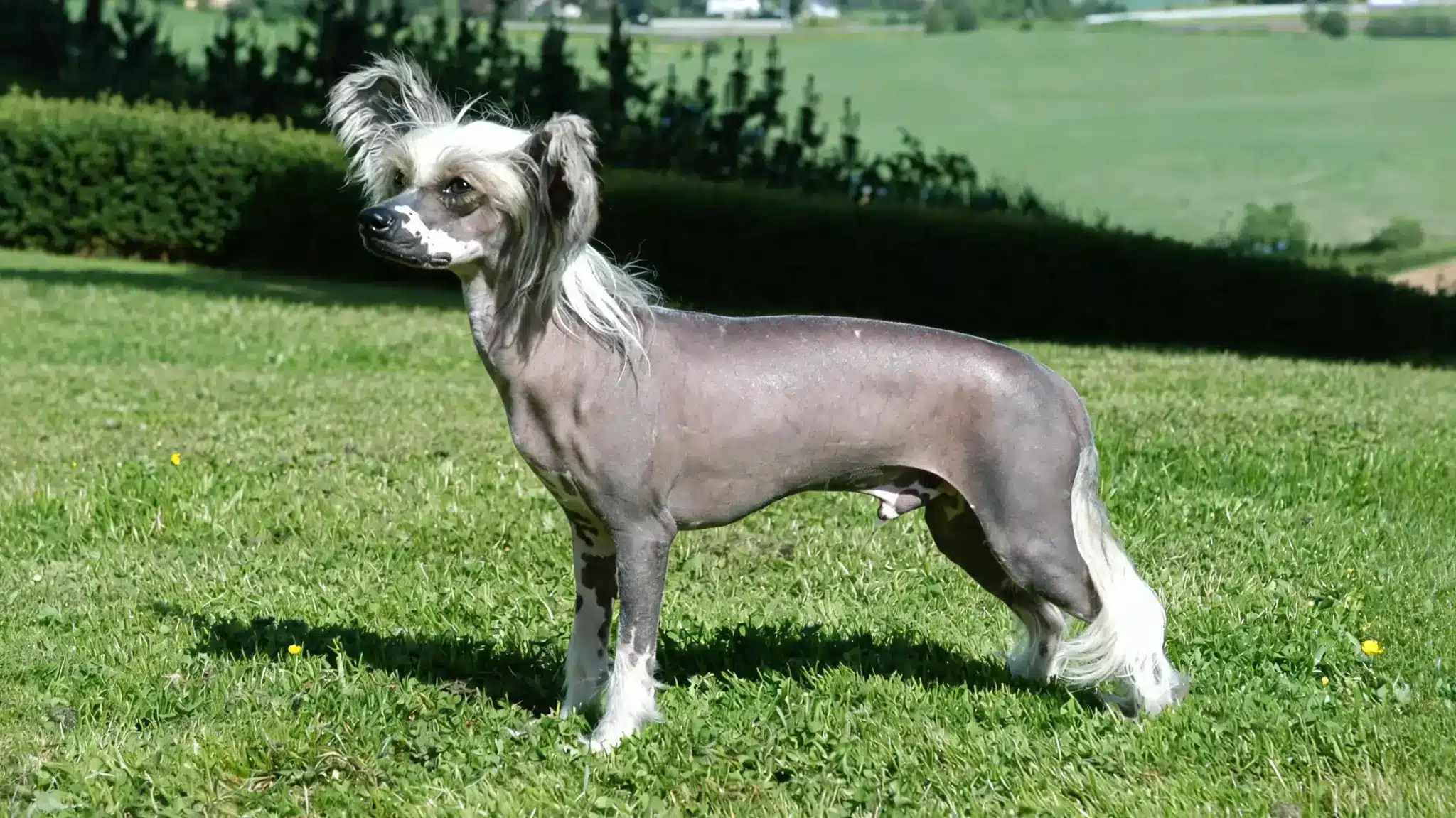
| Trait | Detail |
|---|---|
| Average height | 11–13 inches |
| Average weight | 8–12 pounds |
| Temperament | Affectionate, gentle, alert |
| Best suited for | Owners comfortable with skin or coat care routines |
Hairless and Powderpuff varieties look almost nothing alike, yet they’re the same breed.
The Hairless variety needs sun and cold protection for exposed skin, while the Powderpuff needs regular brushing. Both types are affectionate and do best with close companionship.
7. English Toy Spaniel
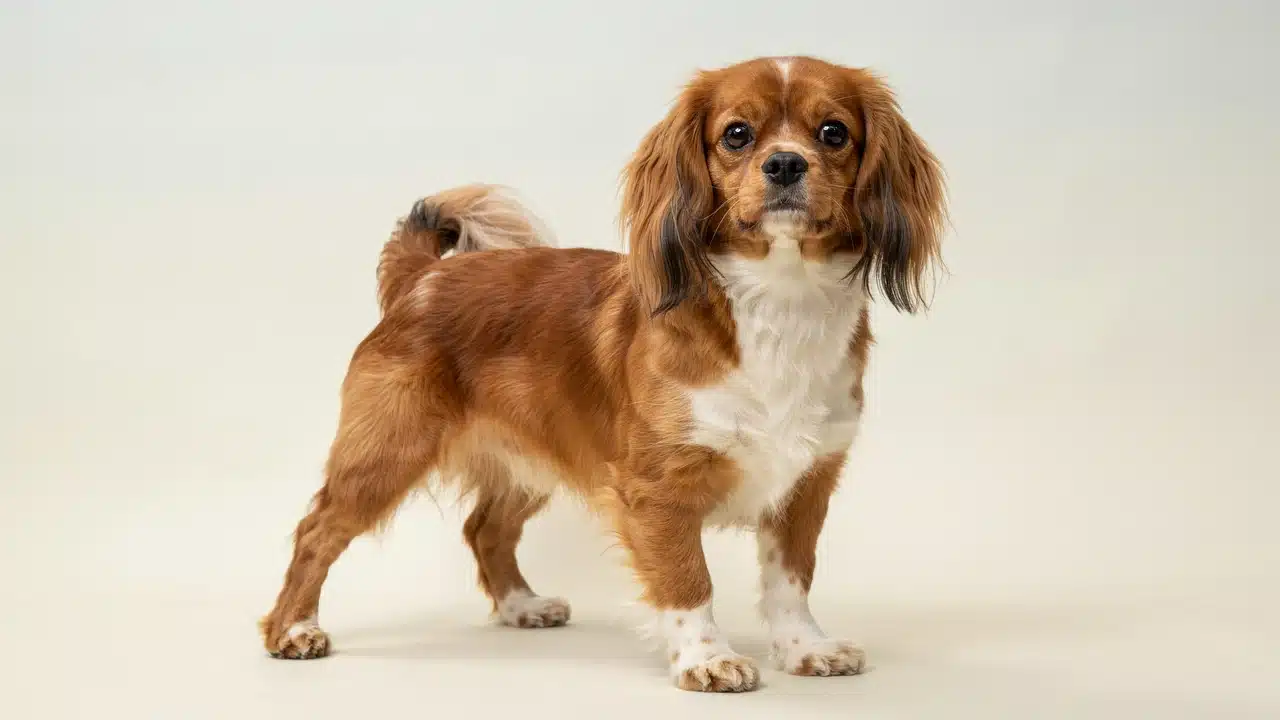
| Trait | Detail |
|---|---|
| Average height | 9–10 inches |
| Average weight | 8–14 pounds |
| Temperament | Quiet, gentle, companionable |
| Best suited for | Owners wanting a calmer lapdog personality |
Compact and silky-coated, this breed gets confused with the Cavalier a lot, but it tends to carry a quieter, more reserved temperament. Grooming and exercise needs sit at a moderate level, which makes it a fairly low-maintenance companion overall.
8. Havanese
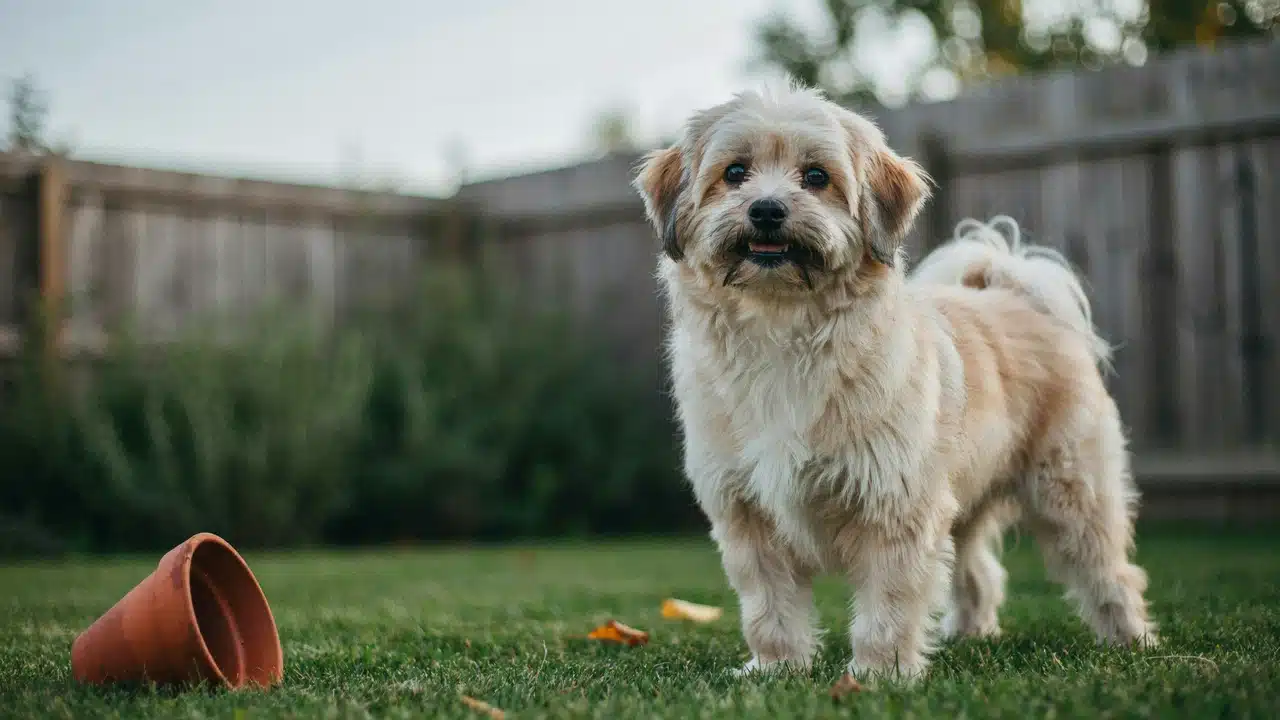
| Trait | Detail |
|---|---|
| Average height | 8.5–11.5 inches |
| Average weight | 7–13 pounds |
| Temperament | Friendly, sociable, people-oriented |
| Best suited for | Families and apartment dwellers alike |
The Havanese carries a long, soft coat and a personality built for company. It adapts well to different living situations and activity levels, though the coat needs regular grooming to prevent tangles.
9. Italian Greyhound
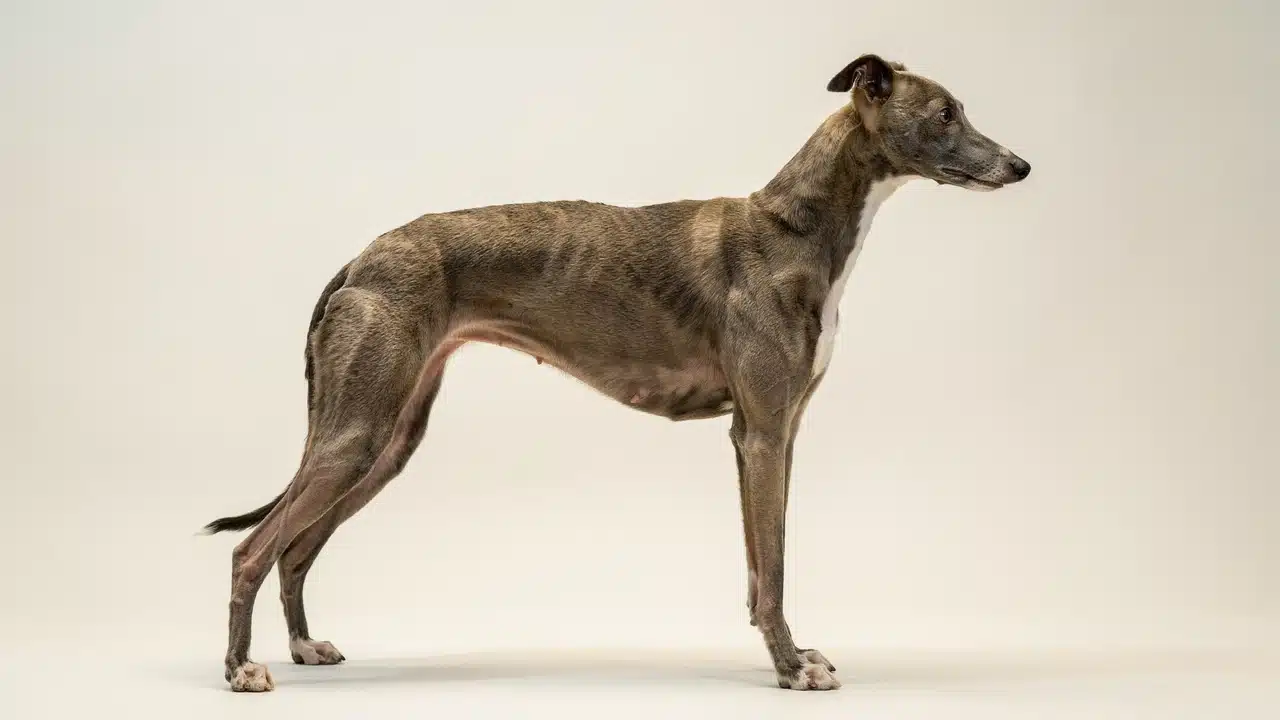
| Trait | Detail |
|---|---|
| Average height | 13–15 inches |
| Average weight | 7–14 pounds |
| Temperament | Athletic, sensitive, affectionate |
| Best suited for | Owners who can offer safe running space |
Built like a miniature sighthound, this breed is far finer-boned than most others on this list. It genuinely needs room to run and gets cold easily thanks to its short coat, so a jacket in chilly weather is a practical necessity, not a fashion statement.
10. Japanese Chin
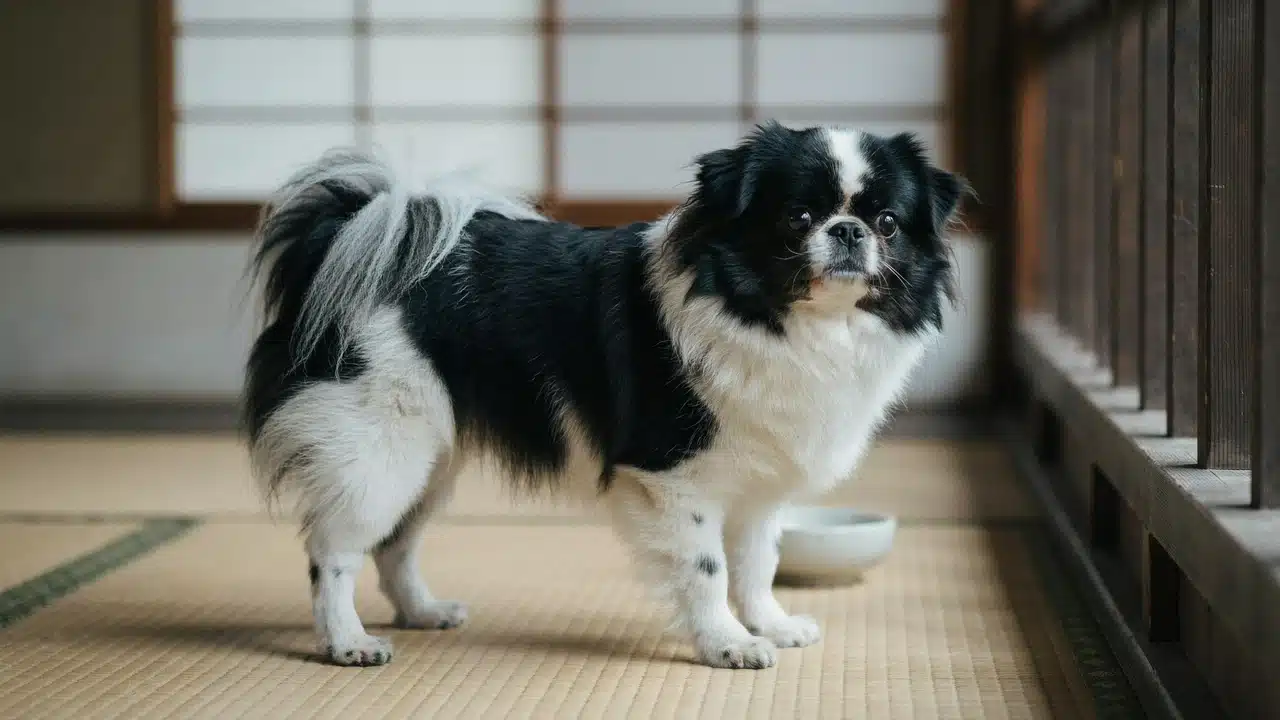
| Trait | Detail |
|---|---|
| Average height | 8–11 inches |
| Average weight | 4–11 pounds |
| Temperament | Companionable, alert, calm |
| Best suited for | Owners wanting a quieter indoor companion |
Distinctive facial markings and a silky coat give the Japanese Chin an unmistakable look. Exercise needs stay modest, grooming is moderate, and this breed generally prefers a settled indoor life over an active outdoor one.
11. Maltese
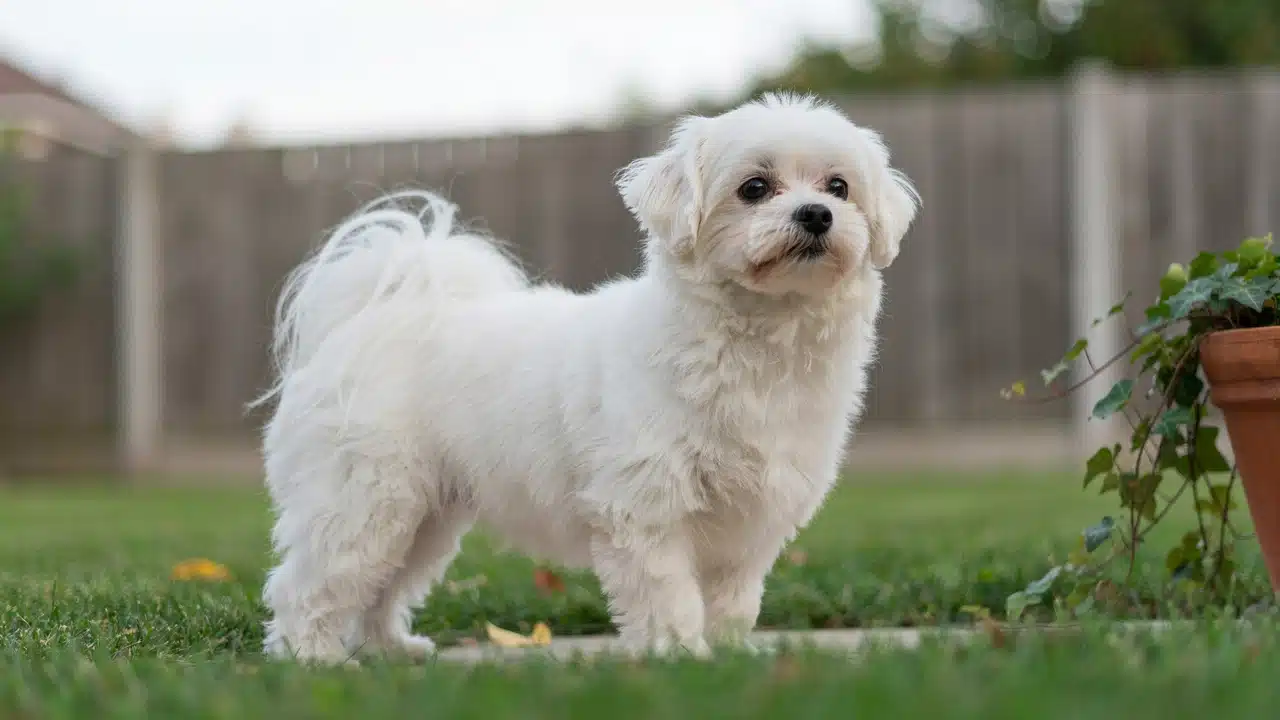
| Trait | Detail |
|---|---|
| Average height | Under 9 inches |
| Average weight | Under 7 pounds |
| Temperament | Affectionate, gentle, lively |
| Best suited for | Indoor living with daily companionship |
The long, flowing white coat is what most people picture when they think of this breed, and keeping it that way takes real daily effort. Beyond the coat, the Maltese is an affectionate, people-focused companion suited well to indoor life.
12. Manchester Terrier (Toy)
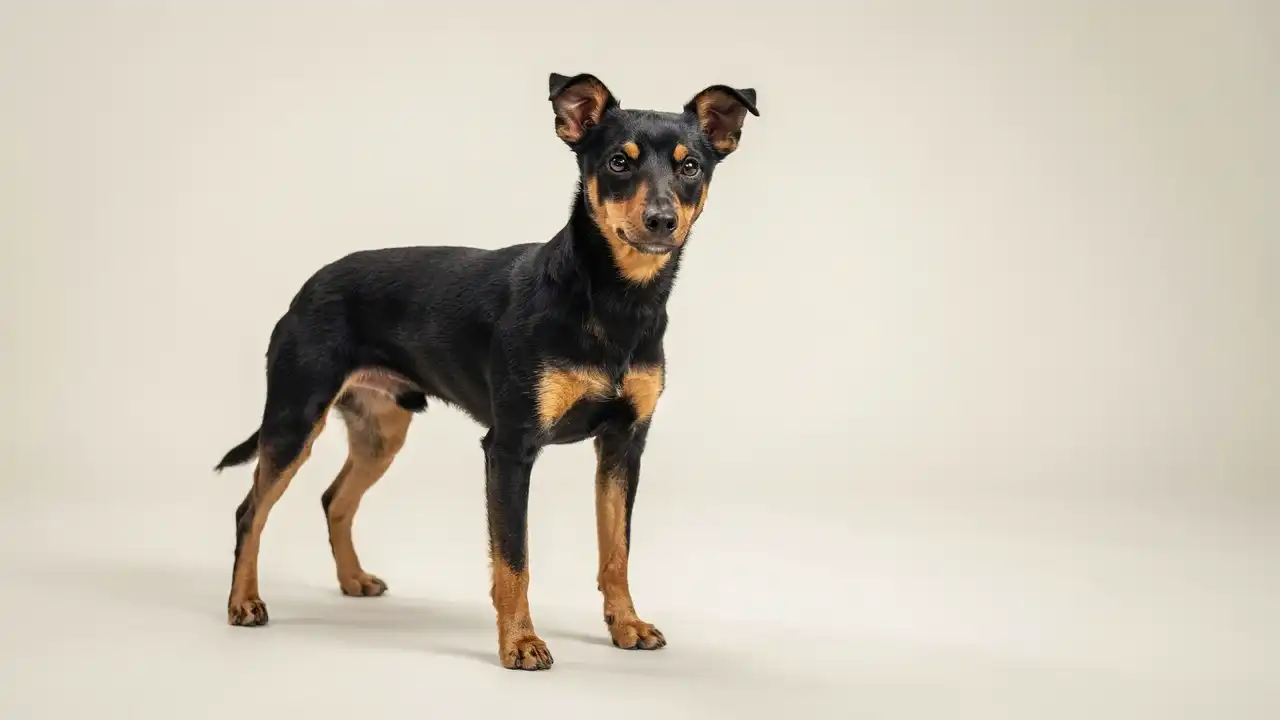
| Trait | Detail |
|---|---|
| Average height | Up to 12 inches |
| Average weight | Under 12 pounds |
| Temperament | Alert, athletic, spirited |
| Best suited for | Owners who enjoy an active, mentally engaged dog |
Note the “(Toy)” label, this refers to the toy-sized variety of the Manchester Terrier, not a separate breed. Sleek black-and-tan coloring, a genuinely athletic build, and a terrier’s sharp attention define this dog.
Grooming stays simple, but exercise and mental stimulation matter a lot here.
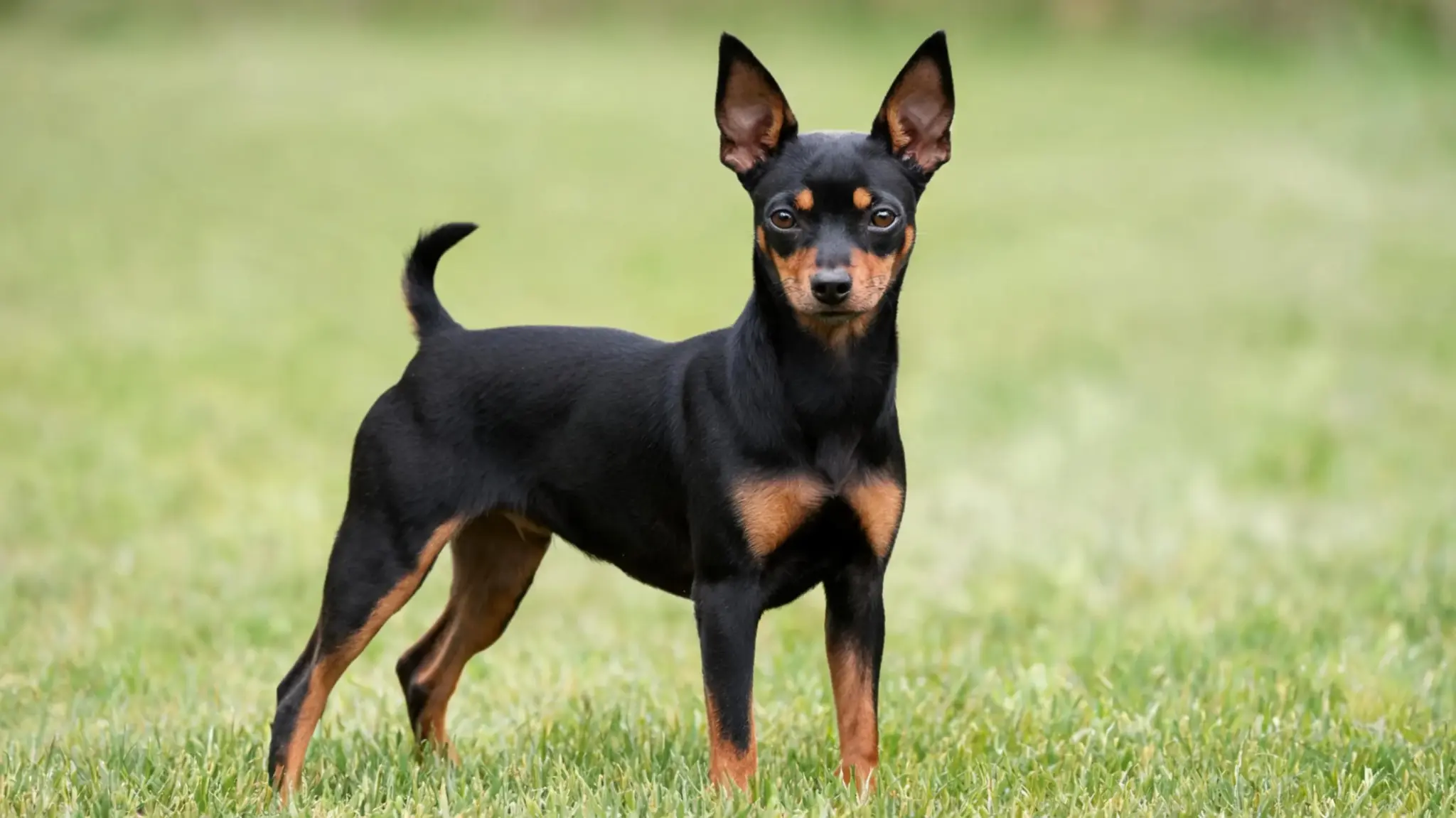
13. Miniature Pinscher
| Trait | Detail |
|---|---|
| Average height | 10–12.5 inches |
| Average weight | 8–10 pounds |
| Temperament | Bold, energetic, fearless |
| Best suited for | Owners ready for an active, confident personality |
Don’t let the compact frame fool you; this breed carries more activity needs than its size suggests. The short coat keeps grooming simple, but consistent training matters given how bold and independent this dog can be.
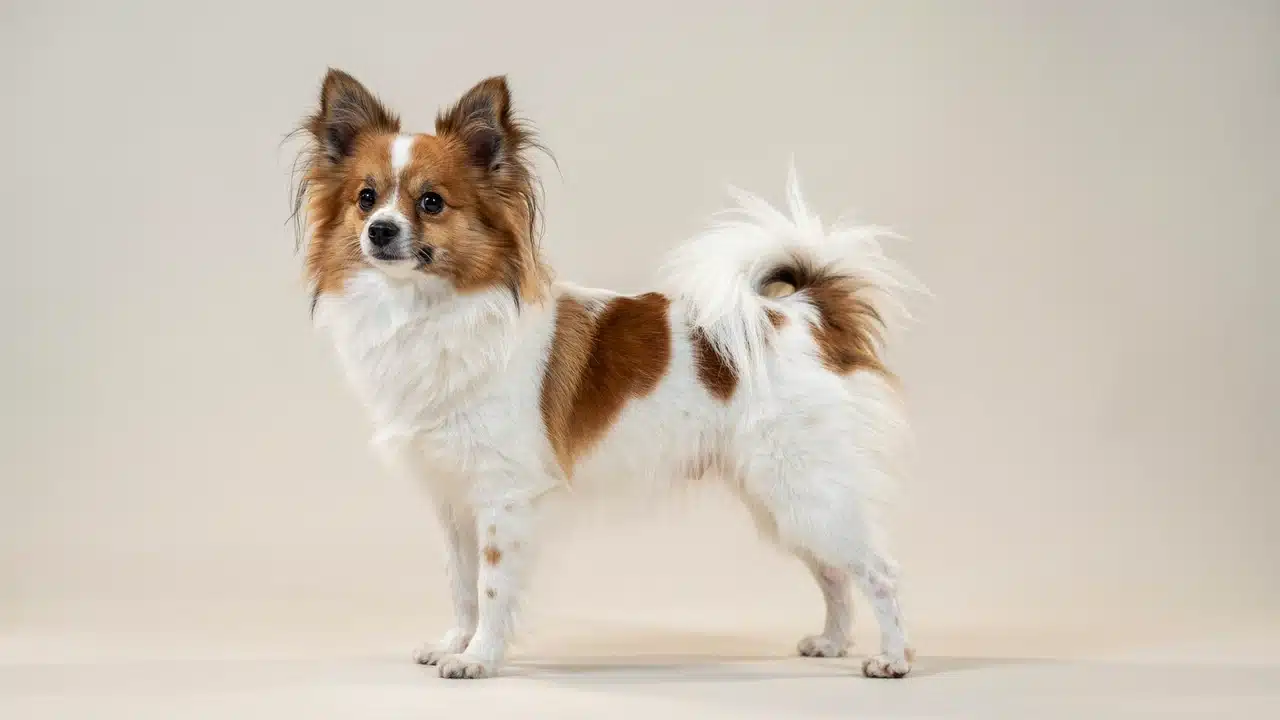
14. Papillon
| Trait | Detail |
|---|---|
| Average height | 8–11 inches |
| Average weight | 5–10 pounds |
| Temperament | Alert, athletic, highly trainable |
| Best suited for | Owners who enjoy training and interactive play |
Named for its butterfly-like fringed ears, the Papillon is one of the more surprisingly active breeds in this group. It’s quick to learn, enjoys mental challenges, and needs more regular activity than its fine-boned frame might suggest at first glance.
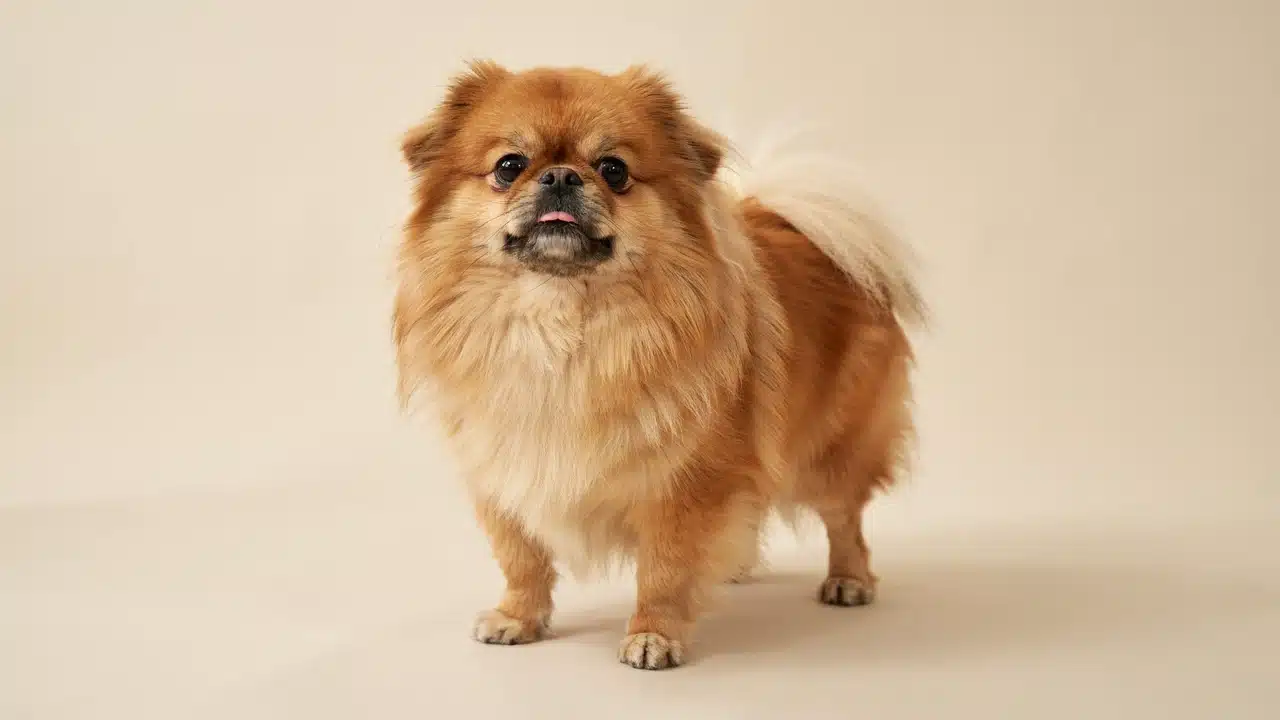
15. Pekingese
| Trait | Detail |
|---|---|
| Average height | 6–9 inches |
| Average weight | 7–14 pounds |
| Temperament | Independent, dignified, loyal |
| Best suited for | Owners comfortable with substantial coat care |
A compact, sturdy body under a long, heavy coat gives the Pekingese its distinctive look. This is a more independent-minded companion than some others on this list, with moderate exercise needs but a grooming routine that takes real time.
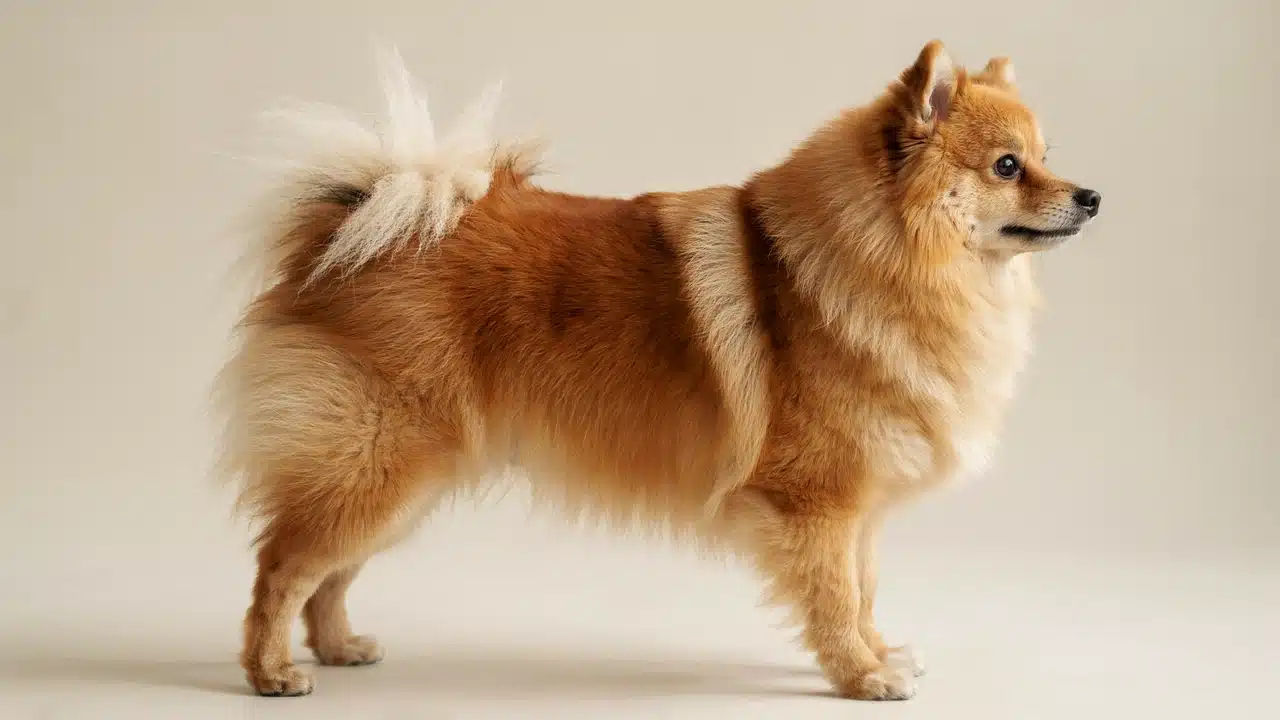
16. Pomeranian
| Trait | Detail |
|---|---|
| Average height | 6–7 inches |
| Average weight | 3–7 pounds |
| Temperament | Lively, alert, confident |
| Best suited for | Owners ready for frequent grooming and some barking |
That fluffy double coat and fox-like face make the Pomeranian instantly recognizable. It’s an alert, lively little dog with a tendency to bark at anything unfamiliar, so early training around this habit helps quite a bit.
17. Poodle (Toy)
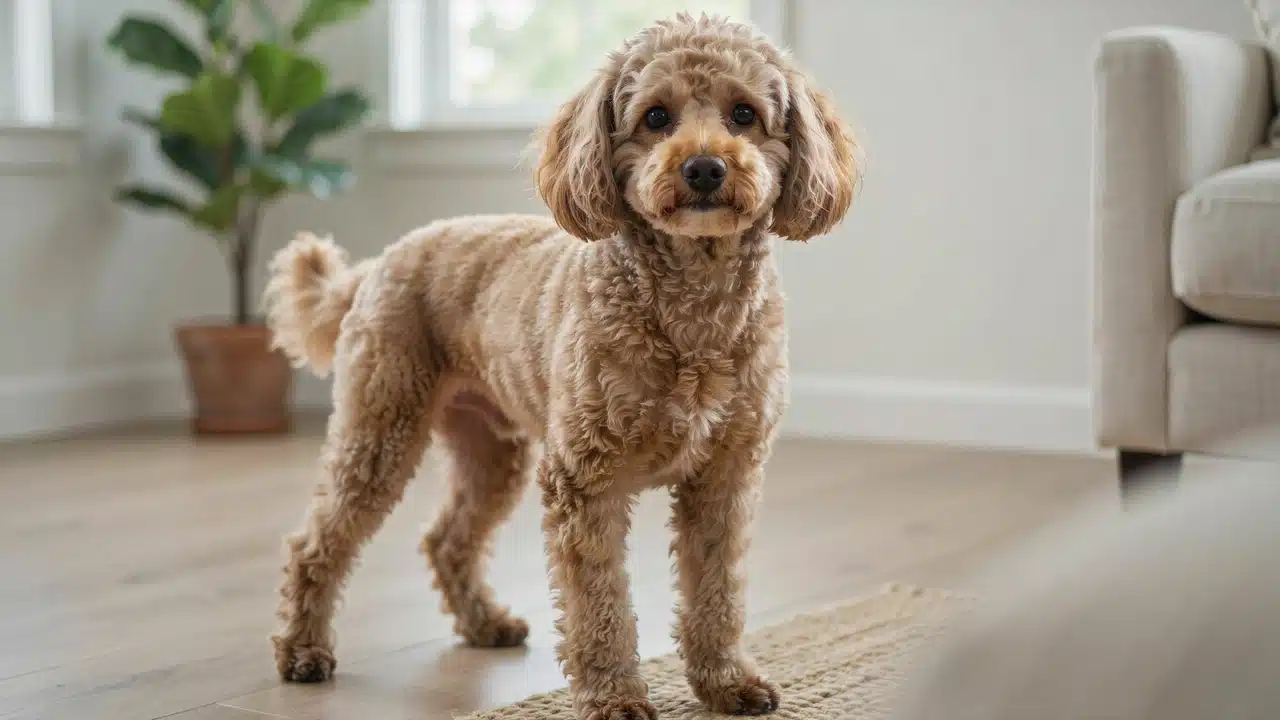
| Trait | Detail |
|---|---|
| Average height | 10 inches and under |
| Average weight | 4–6 pounds |
| Temperament | Trainable, mentally active, alert |
| Best suited for | Owners who enjoy training and engagement |
Toy is one of three official Poodle sizes, alongside Standard and Miniature. The curly coat needs regular professional or at-home grooming, but the payoff is one of the most trainable, mentally sharp dogs on this entire list.
18. Pug
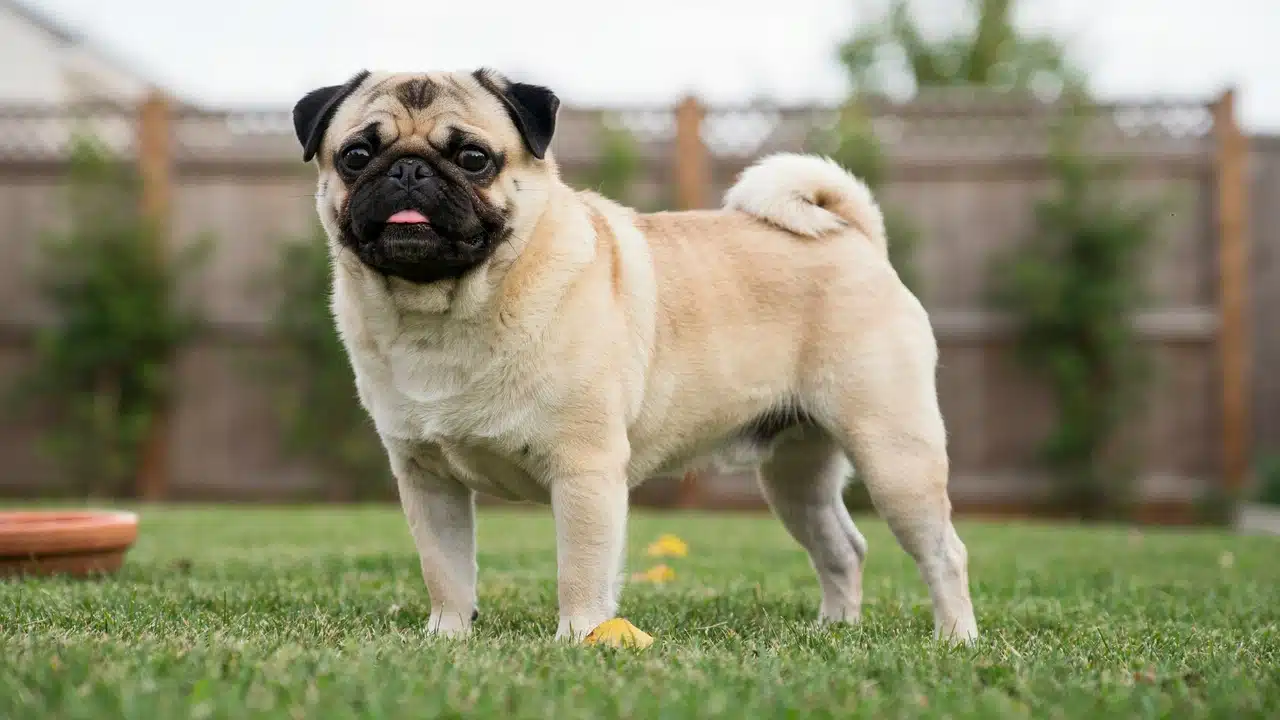
| Trait | Detail |
|---|---|
| Average height | 10–13 inches |
| Average weight | 14–18 pounds |
| Temperament | Charming, easygoing, companionable |
| Best suited for | Owners who want a low-key indoor companion |
Sturdy, compact, and wrinkled-faced, the Pug is another breed proving that Toy Group membership isn’t about staying under twelve pounds.
Coat maintenance is lower than many long-haired breeds here; though shedding and heat sensitivity both need attention, the pushed-in face makes this breed prone to overheating faster than most. People cross-shopping a Frenchie often want to know how these two compare before deciding.
19. Russian Toy
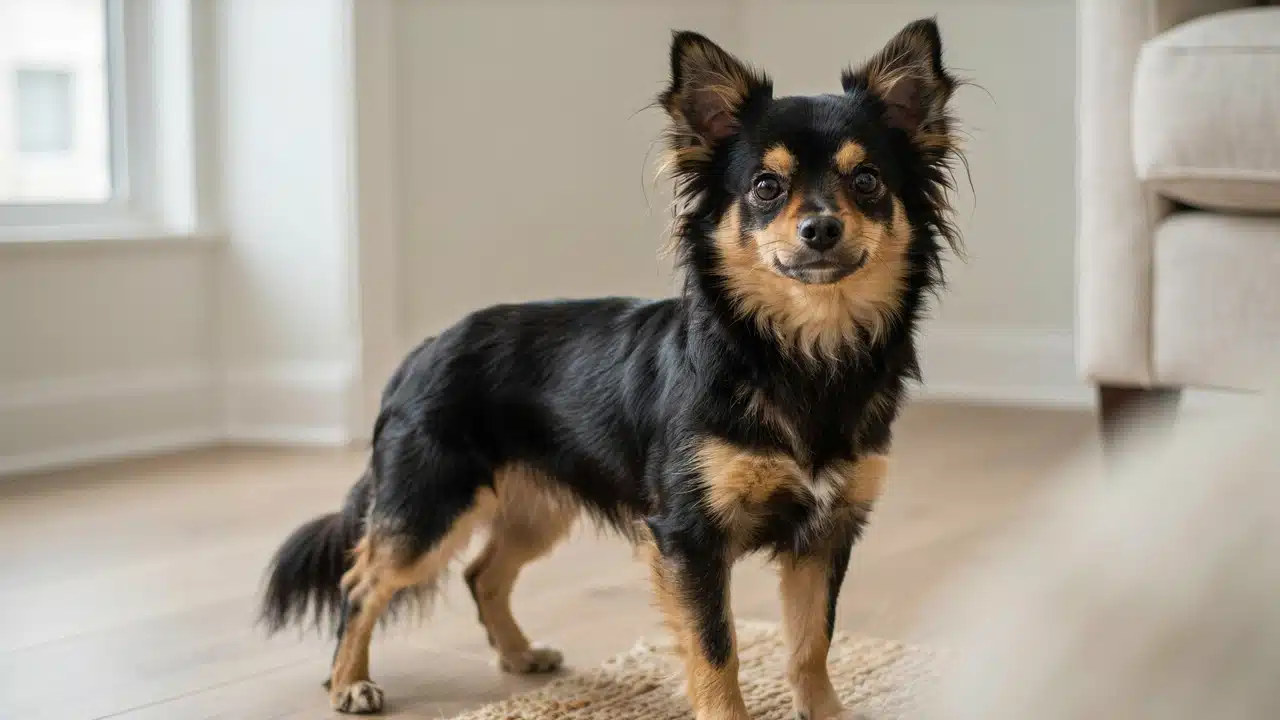
| Trait | Detail |
|---|---|
| Average height | 8–11 inches |
| Average weight | Under 6.5 pounds |
| Temperament | Lively, alert, affectionate |
| Best suited for | Owners who handle small, fine-boned dogs with extra care |
Extremely fine-boned, the Russian Toy comes in smooth and long-coated varieties. It’s a lively, affectionate companion, but its delicate frame means rough handling or an accidental fall carries real risk, so supervision around kids and larger pets matters.
20. Russian Tsvetnaya Bolonka
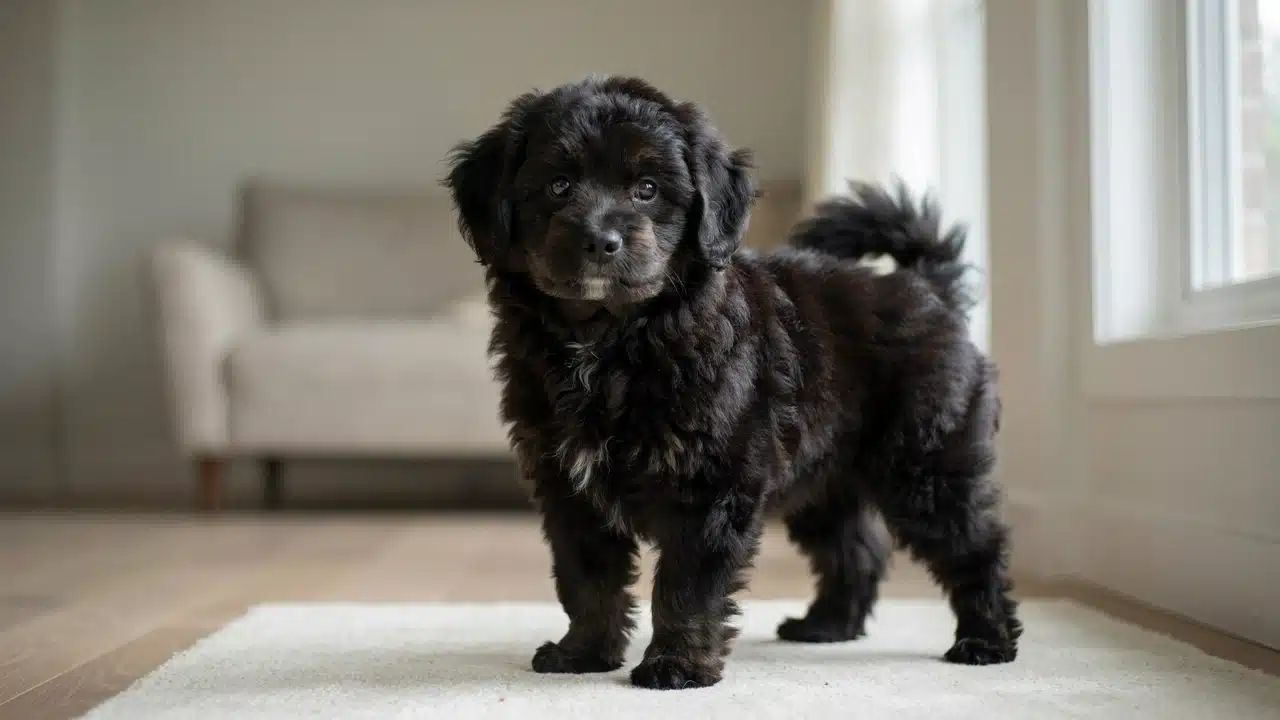
| Trait | Detail |
|---|---|
| Average height | 8–11 inches |
| Average weight | 4–11 pounds |
| Temperament | Affectionate, sociable, adaptable |
| Best suited for | Apartment owners wanting a newly recognized companion breed |
This is one of the newest additions to the group. The breed became eligible to compete in the AKC Toy Group starting December 31, 2025, after the Russian Tsvetnaya Bolonka Club of America was named its official parent club.
It carries a wavy or curly coat, a compact and sturdy build, and a temperament built around close companionship, a strong fit for apartment living once its grooming routine is established.
21. Shih Tzu
| Trait | Detail |
|---|---|
| Average height | 9–10.5 inches |
| Average weight | 9–16 pounds |
| Temperament | Social, affectionate, companionable |
| Best suited for | Owners willing to commit to long-coat grooming |
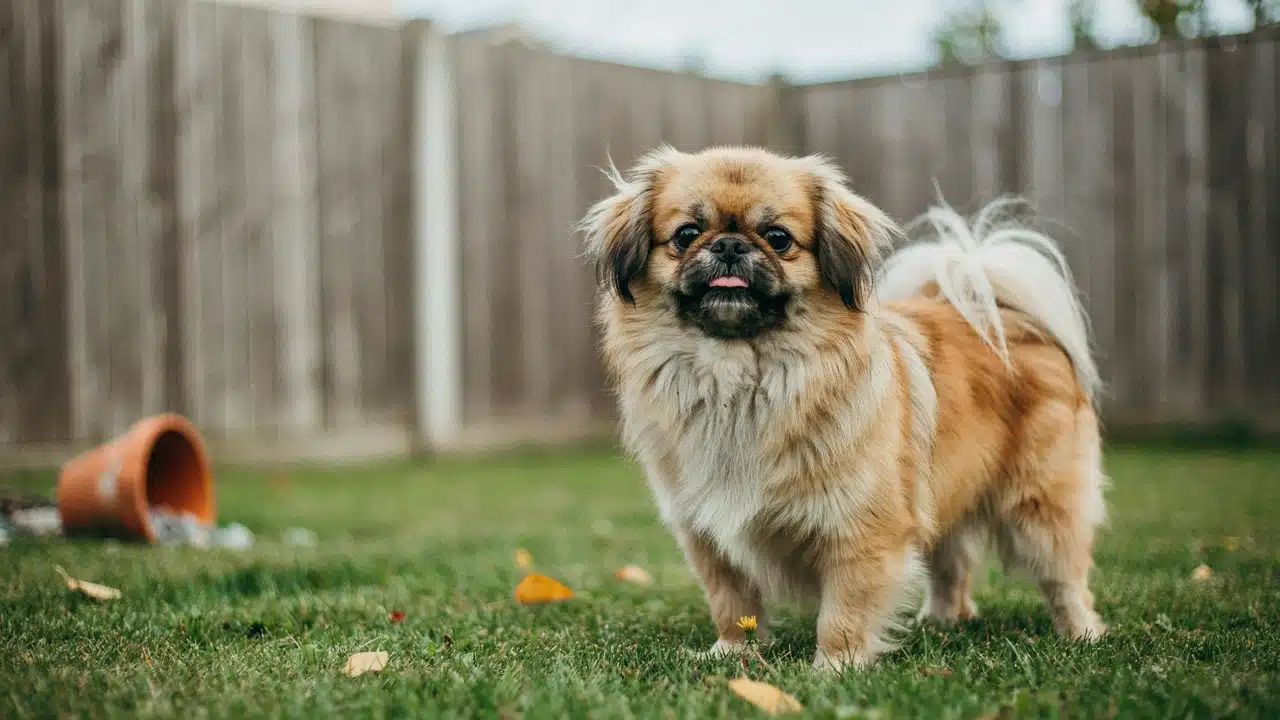
Bred for centuries as a companion, the Shih Tzu carries a long, flowing coat that needs significant upkeep when kept at full length. Daily activity needs stay moderate, so it settles comfortably into many different households.
22. Silky Terrier
| Trait | Detail |
|---|---|
| Average height | 9–10 inches |
| Average weight | 8–10 pounds |
| Temperament | Energetic, alert, spirited |
| Best suited for | Owners who enjoy regular grooming and active play |
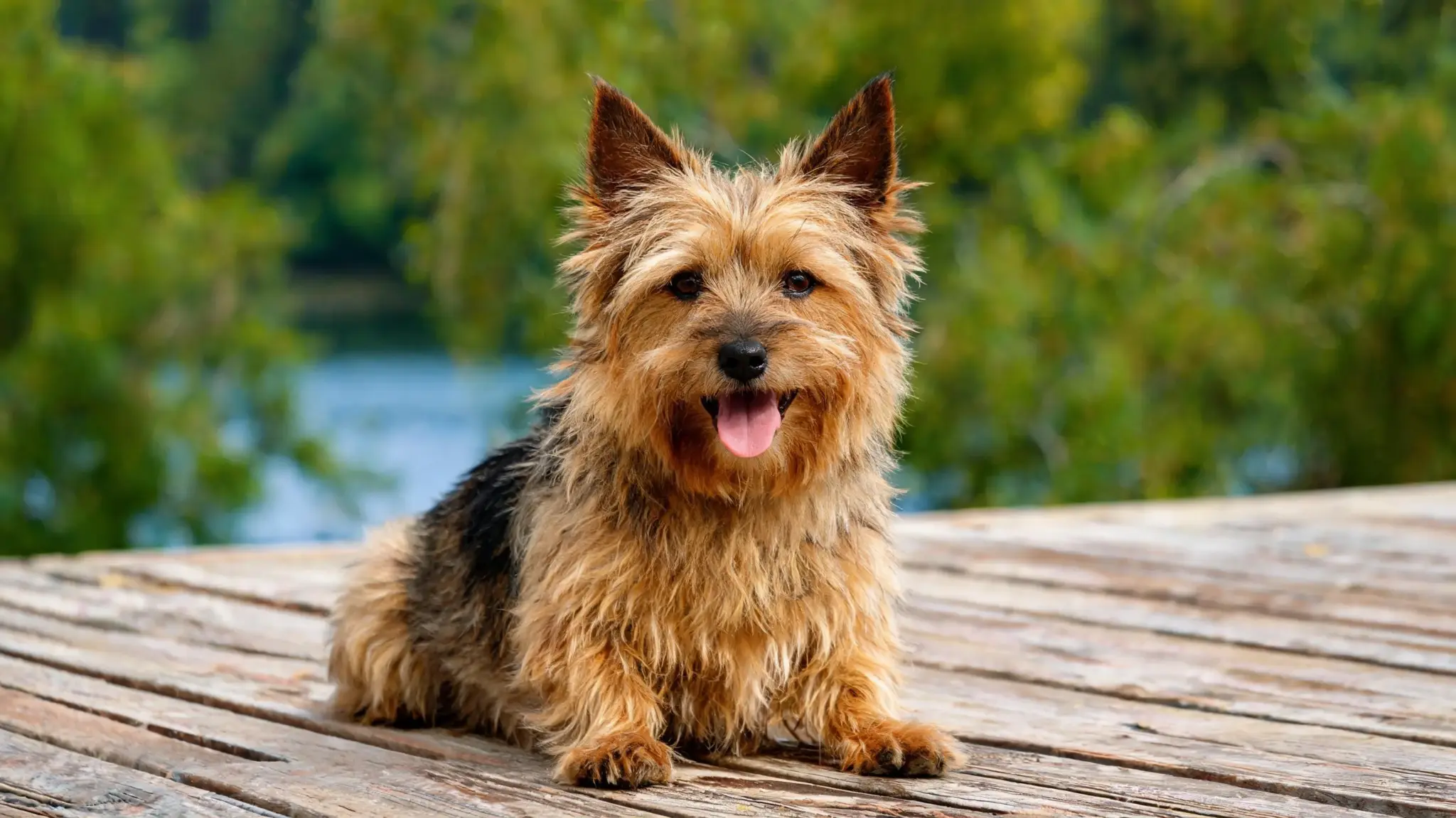
The blue-and-tan silky coat gives this breed its name, but underneath is a genuinely terrier-natured dog with more grit than its polished look suggests. Regular grooming and regular exercise both matter here, and it’s often confused with the next breed on this list.
23. Toy Fox Terrier
| Trait | Detail |
|---|---|
| Average height | 8.5–11.5 inches |
| Average weight | 3.5–7 pounds |
| Temperament | Alert, energetic, terrier-natured |
| Best suited for | Owners who enjoy play and mental engagement |
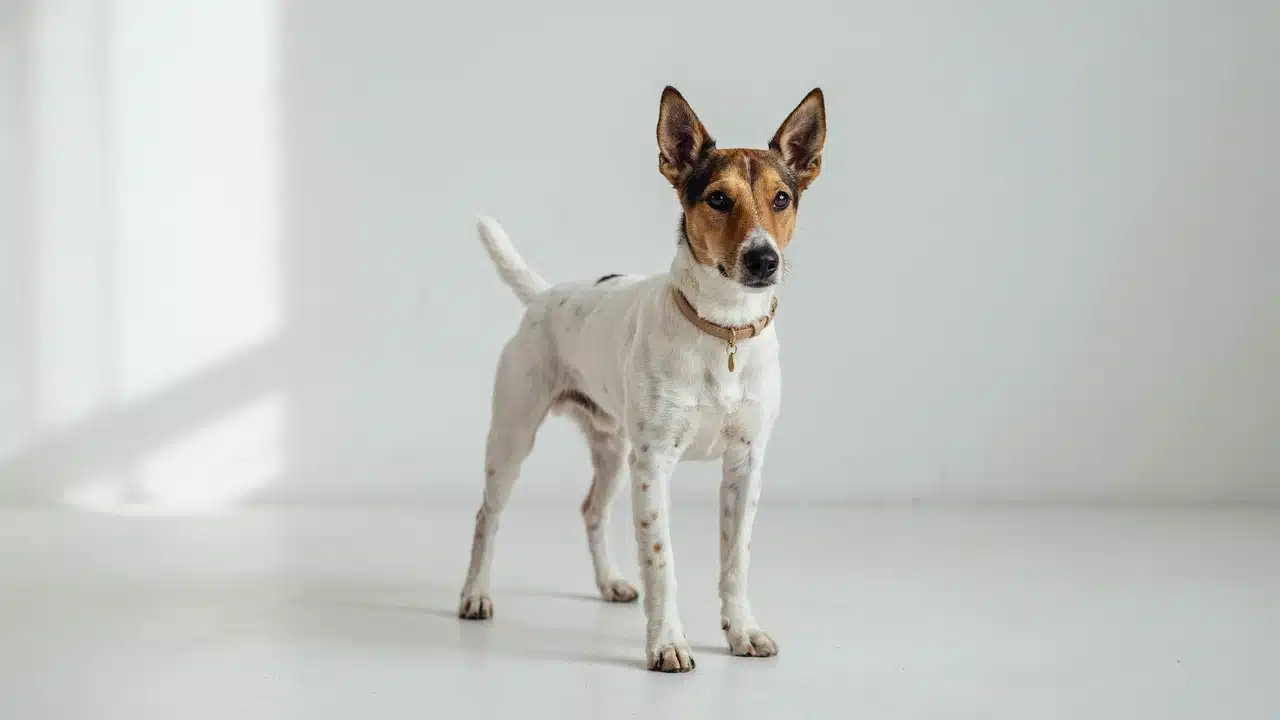
Smooth-coated and athletic, the Toy Fox Terrier carries real terrier energy in a tiny package. Grooming is refreshingly simple, but this breed needs regular play and problem-solving activities to stay content.
24. Yorkshire Terrier
| Trait | Detail |
|---|---|
| Average height | 7–8 inches |
| Average weight | Up to 7 pounds |
| Temperament | Confident, bold, affectionate |
| Best suited for | Owners ready for grooming commitment and apartment living |
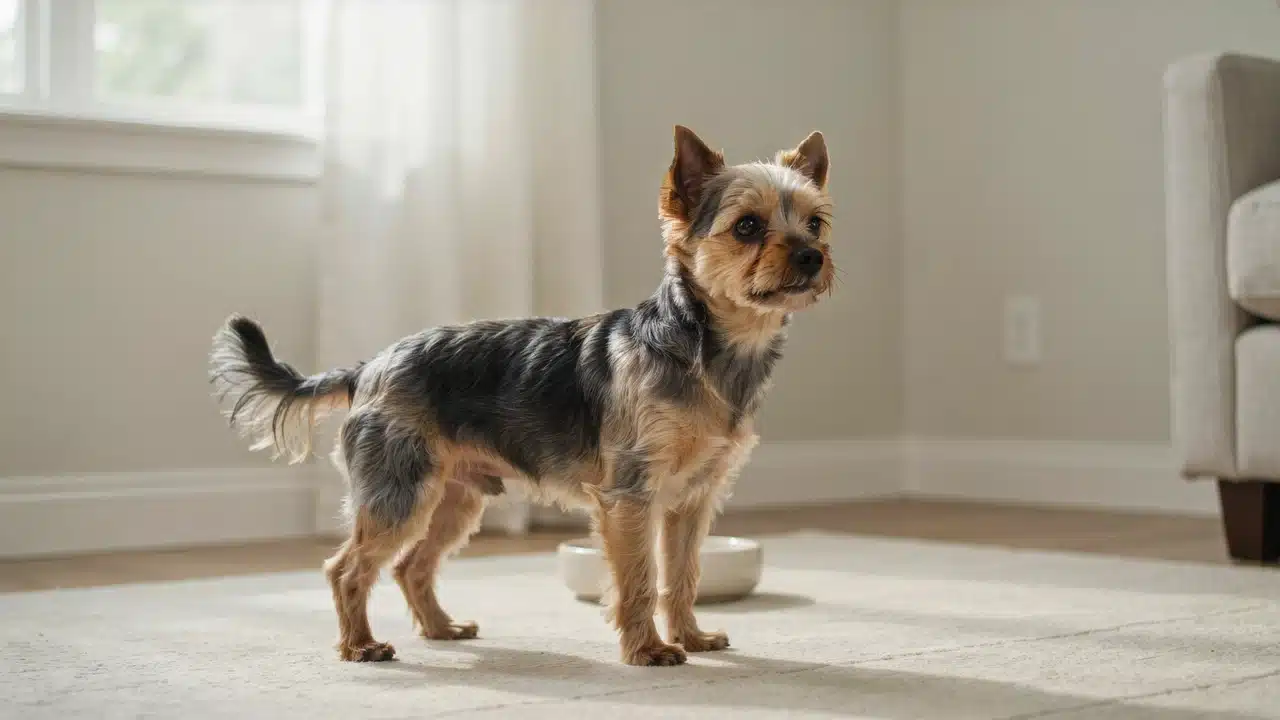
Tiny in frame but far from timid, the Yorkshire Terrier carries a confident terrier attitude wrapped in a long, silky coat. Grooming takes real commitment, but with enough training and exercise, this breed settles well into apartment life.
How to Tell If a Toy Dog Breed Fits Your Home and Routine
Once you’ve weighed temperament, exercise, grooming, and training needs, a few less obvious factors decide how well a toy dog actually fits your daily life. These are the ones I always tell people to check before they fall for a face.
- Home setup: Walk through your place looking for balcony gaps, open stair rails, reclining furniture, and high beds — spots where a very small dog could get trapped or take a bad fall.
- Ongoing costs: Budget for routine vet visits, dental care, supplies, boarding or pet sitting, and the medical costs that come up unexpectedly, not just the price of getting the dog.
- Travel plans: Think through how often you travel and whether you’ll lean on a carrier, a pet sitter, boarding, or dog-friendly places to stay.
- Safe outdoor access: A secure yard, a leash, or an enclosed exercise area matters more than people expect, since a small dog can slip through openings that look too narrow to worry about.
- Finding the right source: If you’re going through a breeder, ask about health testing and check that breeding practices are responsible. If you’re adopting, ask the shelter or rescue what they know about the dog’s history and behavior — reputable rescues will tell you the honest version, not just the flattering one.
- Long-term commitment: Toy breeds often live well into their teens, so think about how changes in your work, housing, or family life over that stretch could affect your ability to care for the dog.
Toy Dog vs. “Teacup” Dog: Why the Difference Matters
Toy and teacup dogs get mixed up constantly, but the terms mean very different things. Here’s the quick side-by-side.
| Point | Toy Dog | “Teacup” Dog |
|---|---|---|
| Status | Official AKC classification | Informal marketing term |
| Standard | Follows a recognized breed standard | No official standard exists |
| Examples | Chihuahua, Toy Poodle, Pomeranian | “Teacup” Chihuahua or Poodle |
| Typical size | Varies by breed standard | Usually marketed as under 4–6 pounds |
| Health outlook | Risks vary by breed, generally well understood | Meaningfully higher risk of serious health problems |
None of this means every teacup dog is doomed, and I don’t say any of this to shame anyone who already has one. It means the “cuter because smaller” instinct is exactly the one to slow down on before you buy.
If a breeder is marketing puppies as “teacup,” that’s a signal to ask harder questions about the parents’ size, health testing, and how the litter was bred, not a reason to walk away from toy breeds altogether.
Final Decision
Toy dog breeds share a compact size, but choosing the right one depends on far more than how a dog looks in a photo. You now have a clearer picture of how these breeds differ in temperament, care needs, activity, and everyday fit, and why an informal label like “teacup” shouldn’t be what tips your decision.
If your original question was which toy dog suits you best, the answer comes down to matching a breed’s real needs with the home, time, and routine you can actually offer, not the one you wish you had. I’ve watched plenty of first-time toy dog owners fall for the wrong match because a breed looked easy on paper.
Take your time, compare breeds side by side, and weigh long-term compatibility over looks alone. That’s the one piece of advice I give every pet parent who asks me where to start.
Frequently Asked Questions
How long do toy dog breeds usually live?
Toy and other small breeds average 10 to 15 years, according to the AKC, with some individual dogs living past 18. Genetics, weight, dental health, and preventive vet care all play a real role in how close a dog gets to that upper range.
Are any toy dog breeds hypoallergenic?
No dog is completely hypoallergenic. Some toy breeds, like the Chinese Crested or Poodle, shed less or produce less loose hair, which can ease symptoms for some people. Individual allergy reactions still vary a lot from person to person.
Do toy dogs travel well?
Their compact size makes travel logistics easier, but temperament still matters more than size. Check carrier comfort, motion tolerance, airline pet policies, identification, and planned rest breaks before you commit to a long trip.
Can toy dogs take part in dog sports?
Yes. Papillons, Toy Poodles, and several terrier-type toy breeds do well in agility, obedience, and scent work. Look for activities sized to the dog’s body and energy level rather than assuming a small dog can’t compete.
Are toy dog breeds good with young kids?
It depends on the breed and the dog, but many toy breeds do better with older, gentler kids than with toddlers. Their small size makes accidental injury from rough handling a real risk, so supervised, calm interactions matter more here than with larger breeds.
What’s the difference between a toy breed and a “small dog”?
“Toy” is a specific AKC group with defined breed standards. “Small dog” is a general size description that includes breeds from other groups too, like the Bichon Frise or Boston Terrier, which aren’t part of the Toy Group at all.