Dog hair has a funny way of showing up everywhere, even places your dog never goes.
If you are asking when dogs shed the most, you are probably trying to figure out whether the fur on your floors is normal or a sign of trouble.
Most dogs shed more in spring and fall as their coats adjust to changing weather, while summer shedding can still happen in many breeds.
I have seen this pattern often while volunteering in rescue shelters and studying breed coats, especially in double-coated dogs.
Knowing the timing helps you brush at the right moment, spot unusual hair loss early, and keep your home cleaner. This blog post will walk you through the main shedding seasons, common months, and warning signs to watch.
Quick Dog Shedding Calendar
This quick calendar shows when dogs usually shed more and what owners can expect during each season.
| Season | Common Months | Shedding Level | What Happens |
|---|---|---|---|
| Spring | March to May | Heavy | Dogs lose their winter coat as temperatures rise. |
| Summer | June to August | Moderate to heavy | Some dogs keep shedding leftover undercoat, especially in warm weather. |
| Fall | September to November | Moderate to heavy | Dogs shed lighter fur as a thicker coat starts growing. |
| Winter | December to February | Light to moderate | Shedding often slows, but indoor dogs may still shed steadily. |
When Do Dogs Shed the Most?
Dogs usually shed the most in spring and fall, often around March to May and September to November.
In spring, many dogs lose the thick winter coat that helped keep them warm.
This can create heavy loose fur for several weeks, especially in double-coated breeds like Huskies, German Shepherds, Golden Retrievers, and Labradors.
In the fall, shedding happens again as the lighter summer coat changes and a warmer coat starts growing for colder weather.
The exact timing can shift based on climate, breed, coat type, and whether the dog lives mostly indoors.
Indoor dogs may shed steadily all year because heating, air conditioning, and artificial light can affect their natural coat cycle.
Why Do Dogs Shed: The Hair Growth Cycle
Shedding is driven by the natural hair growth cycle, which has three phases. During the anagen phase, new hair actively grows from the follicle.
The catagen phase is a brief transition in which growth slows and then stops. Then comes the telogen phase, when the follicle rests and eventually releases the old hair to make room for new growth.
What triggers the telogen phase in seasonal shedders is primarily photoperiod, the length of daylight in a day, not just temperature alone.
As days grow longer in spring, the increased light signals the dog’s brain to release hormones that tell the follicles to shed the winter coat.
The same happens in reverse as fall days shorten. This is why even dogs in warm climates still follow a rough spring-fall shedding pattern.
Breeds like Poodles and Yorkies have coats that grow more like human hair; they stay in the anagen phase longer, producing less visible shedding.
Which Months Do Dogs Shed the Most?
These month ranges show when shedding usually increases, what coat changes happen, and why some dogs keep losing fur outside peak seasons during the year.
1. Spring Shedding: March to May
Spring shedding is often the strongest shedding period for many dogs because their bodies remove the dense winter undercoat.
From March through May, loose fur may come out in clumps during brushing, especially in double-coated breeds. This coat change helps the dog stay cooler as temperatures rise.
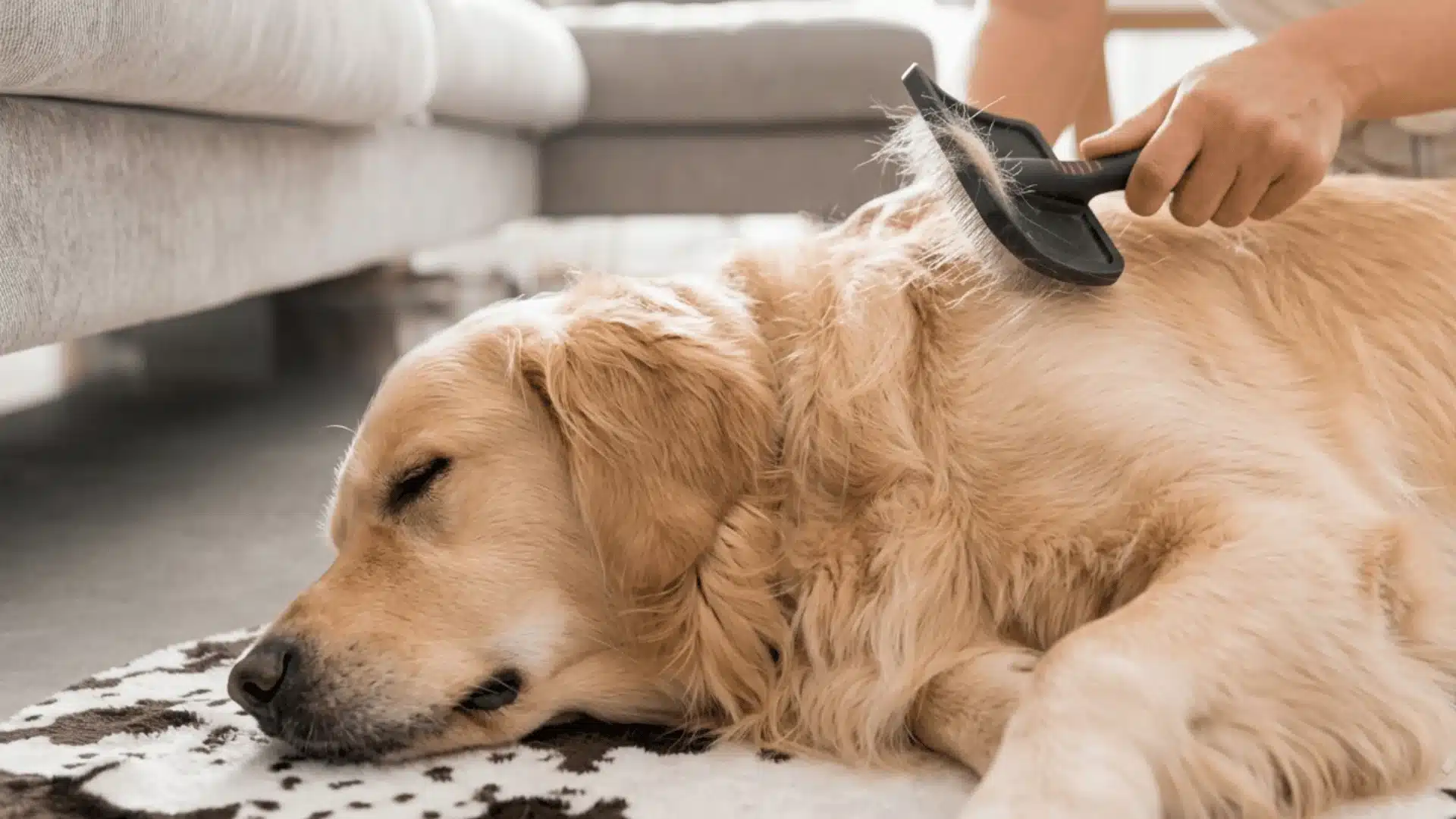
Owners should brush more often during this phase and check hidden areas, such as behind the ears, under the collar, and around the tail, where mats can form quickly.
Using the right brush type for your dog’s coat makes a real difference; the wrong tool can miss the undercoat entirely.
2. Summer Shedding: June to August
The cause is often leftover undercoat from spring. From June through August, double-coated dogs may keep losing loose fur, especially if they spend time outdoors in heat and sunlight.
Dogs that swim, roll in grass, or deal with fleas may also shed more because the skin gets irritated. Summer shedding should look even across the coat.
Bald spots, redness, or constant scratching need attention.
3. Fall Shedding: September to November
Fall shedding usually happens from September through November as the coat changes for colder weather.
During this time, dogs shed lighter summer fur while a thicker coat begins growing in.
This is not always as heavy as spring shedding, but it can still leave clear fur buildup on floors, furniture, and clothing. Breeds with dense undercoats may need brushing several times a week.
A steady grooming routine helps remove dead hair before the winter coat becomes thicker.
4. Winter Shedding: December to February
From December through February, outdoor dogs may shed less than they do in spring or fall.
Indoor dogs can still shed steadily because home heating, air conditioning, and artificial light can reduce the natural seasonal coat cycle.
Dry winter air can also make the skin flaky, which may increase hair loss. Regular brushing and clean bedding help keep the coat healthy.
If your dog’s skin looks dry or irritated, treating dry skin on dogs before it worsens is worth the effort.
Why is My Dog Shedding so Much in the Summer?
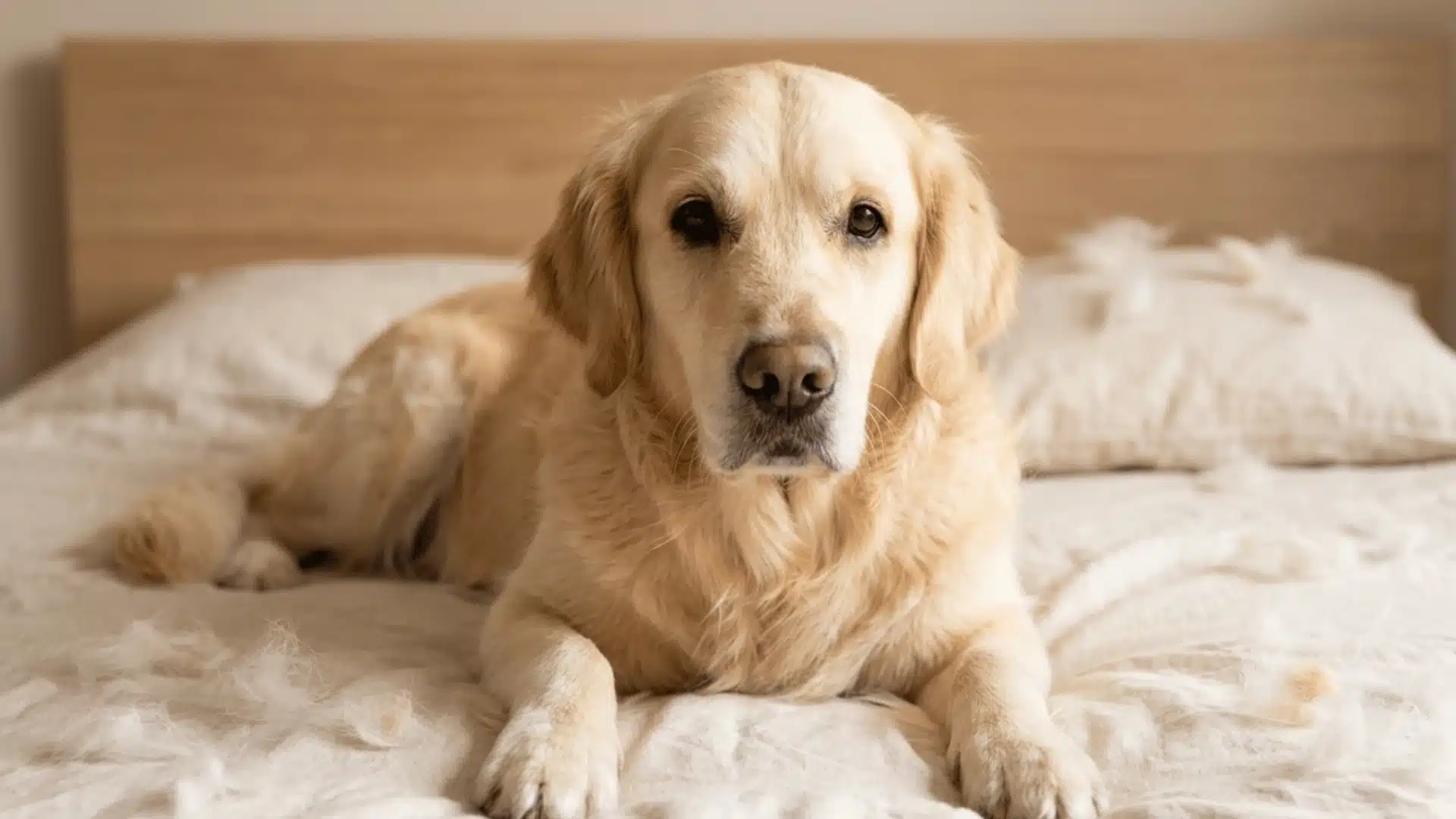
Summer shedding is often normal when a dog’s coat is still adjusting after the cooler months.
Warm weather, longer daylight hours, and more outdoor activity can keep the coat cycle active. Breed also matters.
Dogs with thick undercoats often release more fur than short-coated breeds, even when they look healthy. Grooming habits can make shedding look worse, too.
If loose hair is not brushed out often, it builds up and drops around the house. Indoor temperature changes, such as air conditioning indoors and heat outdoors, may also affect the coat.
Normal summer shedding should look even across the body. Bald patches, red skin, itching, odor, scabs, or sudden heavy hair loss should be checked by a vet.
Why Do Different Dogs Shed on Different Schedules?
Dogs do not shed on one fixed schedule because coat structure, daily environment, health, and grooming habits all affect how hair naturally releases over time.
- Breed and coat type: Coat length, thickness, and texture affect how much loose hair a dog drops. Dense coats hold more dead hair before it falls out.
- Double coat vs single coat: Double-coated dogs have two layers of fur, so a loose undercoat can build up faster. Single-coated dogs usually lose hair in smaller amounts.
- Indoor vs outdoor lifestyle: Dogs living mostly indoors may not follow a strong natural shedding pattern because home temperature and lighting stay more controlled.
- Climate and region: A dog in a cold region may grow a heavier coat than a dog living in a warmer area, which changes the amount of shedding.
- Age and hormone changes: Puppies, older dogs, and dogs going through hormonal changes may shed differently as their body and coat cycle shift.
- Diet and skin health: Poor nutrition, dry skin, allergies, fleas, or skin infections can make hair fall out faster than normal.
- Grooming routine: Regular brushing removes dead hair before it collects in the coat. Missed grooming can make shedding look heavier at once.
Seasonal Shedding vs Excessive Shedding
Use this comparison to quickly spot normal coat changes and signs that may need grooming changes, skin care, or a vet’s advice before problems worsen.
| Checkpoint | Normal Seasonal Shedding | Excessive Shedding Warning Signs |
|---|---|---|
| Hair loss pattern | Loose fur comes out during brushing or seasonal coat changes. | Hair loss is sudden, patchy, or much heavier than usual. |
| Coat appearance | The coat still looks even, full, and healthy. | The coat looks dull, thin, uneven, or has bald spots. |
| Skin condition | Skin looks clean with no redness, sores, or flakes. | Skin looks red, flaky, scabby, irritated, or smells bad. |
| Dog’s behavior | The dog acts normally and does not scratch constantly. | The dog scratches, licks, bites the skin, or acts uncomfortable. |
| What to do | Brush regularly and follow a normal grooming routine. | Call a vet if signs continue or get worse. |
How to Reduce Dog Shedding at Home?
Use these simple habits to manage loose fur at home, protect your dog’s skin, and keep shedding from turning into a daily cleanup problem indoors.
- Brush by coat type: Short-coated dogs may need a soft bristle brush or grooming mitt, while thick-coated dogs often need an undercoat rake or slicker brush. Brushing removes dead hair before it drops around the house.
- Bathe only when needed: Too much bathing can dry the skin and make shedding worse. Use a dog-safe shampoo, rinse well, and dry the coat fully to prevent irritation.
- Use the right grooming tool: A tool made for your dog’s coat removes loose fur more safely. The wrong brush can pull the coat, miss the undercoat, or irritate the skin.
- Support skin health: Feed a balanced diet, keep fleas and ticks under control, and watch for dry skin or itching. Healthy skin helps the coat grow and shed normally.
- Keep the home routine clean: Vacuum often, wash dog bedding weekly, and avoid shaving double-coated dogs unless a vet or professional groomer recommends it.
Using a quality conditioner after baths also keeps the coat soft and reduces breakage. Good grooming conditioners make post-bath brushing significantly easier during high-shed months.
When Should You Call a Vet About Dog Shedding?
Call a vet when shedding changes suddenly, spreads in patches, causes pain, or comes with clear skin changes.
A dog that keeps scratching, licking one area, rubbing against furniture, or pulling out fur may have more than normal coat loss.
Watch for tender skin, scabs, swelling, dandruff, greasy patches, or a strong smell from the coat. These signs can be linked to allergies, fleas, mites, bacterial or yeast infections, thyroid problems, stress, poor nutrition, or other health issues.
A vet can check the skin, run tests if needed, and treat the cause instead of only managing loose hair at home.
Conclusion
Understanding your dog’s shedding pattern makes coat care easier and helps you notice real health concerns sooner.
The main answer to when do dogs shed the most depends on seasonal coat change, breed, living setup, and skin health, but heavy shedding should still look even and painless. A good routine can make a big difference.
Brush with the right tool, avoid overbathing, keep bedding clean, and watch for signs like patchy hair loss, redness, strong odor, or nonstop scratching.
If shedding changes suddenly or your dog seems uncomfortable, a vet visit is the safest next step.
Have you noticed your dog shedding more in a specific month or season? Leave a comment and share your dog’s breed and shedding pattern.
Frequently Asked Questions
Do Puppies Shed Their Puppy Coat?
Yes, puppies shed their soft puppy coat as their adult coat grows in. This usually happens between four and six months, depending on breed and growth rate.
Do Short-Haired Dogs Shed a Lot?
Yes, short-haired dogs can shed heavily. Their hair is smaller and less noticeable, but breeds like Beagles, Boxers, and Dalmatians still drop fur regularly.
Can Food Allergies Cause Dog Shedding?
Yes, food allergies can affect the skin and coat. Shedding may increase with itching, ear problems, paw licking, stomach upset, or recurring skin irritation.