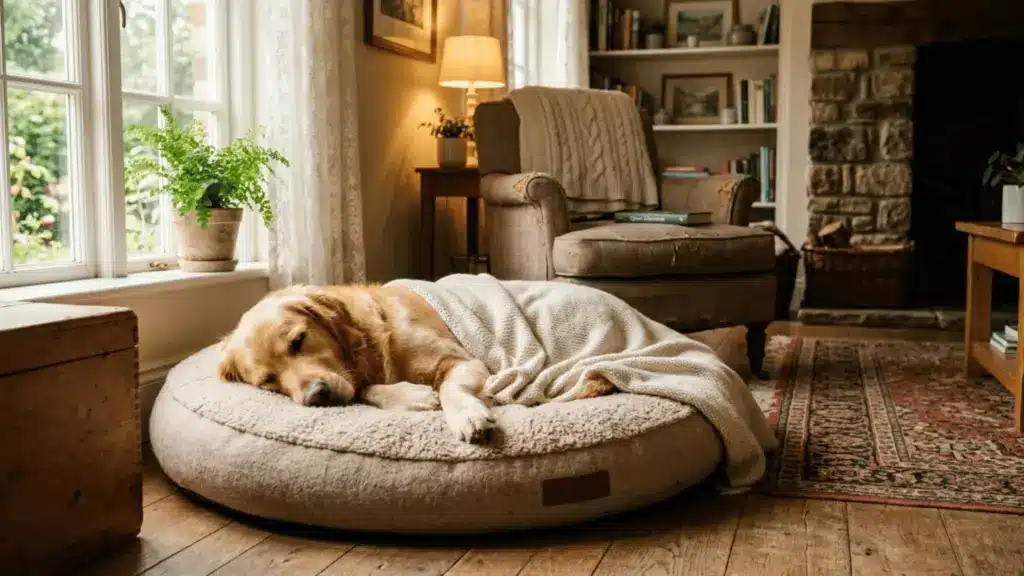
Your dog is sprawled across the couch, snoring softly for the third time today, and you can’t help but wonder if all that sleep is really normal.
While humans often associate long hours of sleep with laziness or illness, dogs follow a very different rhythm.
In fact, sleeping is one of the most important things they do for their physical recovery, mental development, and overall well-being.
From tiny newborn puppies that seem to sleep around the clock to senior dogs that spend more time resting as they age, sleep plays a crucial role throughout every stage of a dog’s life.
Understanding what’s normal can help you spot potential concerns while giving you peace of mind about those endless naps.
In this blog, we’ll explore dog sleep needs by age, breed, lifestyle, health, and warning signs to watch for.
How Much Sleep Do Dogs Need Each Day?
Adult dogs typically sleep 12-14 hours a day, which often surprises people. However, dogs are polyphasic sleepers, meaning they don’t get all their rest in one long stretch.
Instead, they take several naps throughout the day along with nighttime sleep, and all of that contributes to their total sleep time.
Puppies need even more rest. Newborn puppies can sleep up to 22 hours a day, while those a few months old often sleep 16-18 hours.
Their rapid growth and constant learning make sleep essential for healthy development.
Senior dogs also tend to sleep more as their energy levels naturally decline with age. Large breeds generally require more sleep than smaller breeds because their bodies need extra recovery time.
Likewise, highly active or working dogs may nap lightly during the day but often sleep longer and more deeply after periods of intense exercise.
How Much Sleep Do Dogs Need by Age?
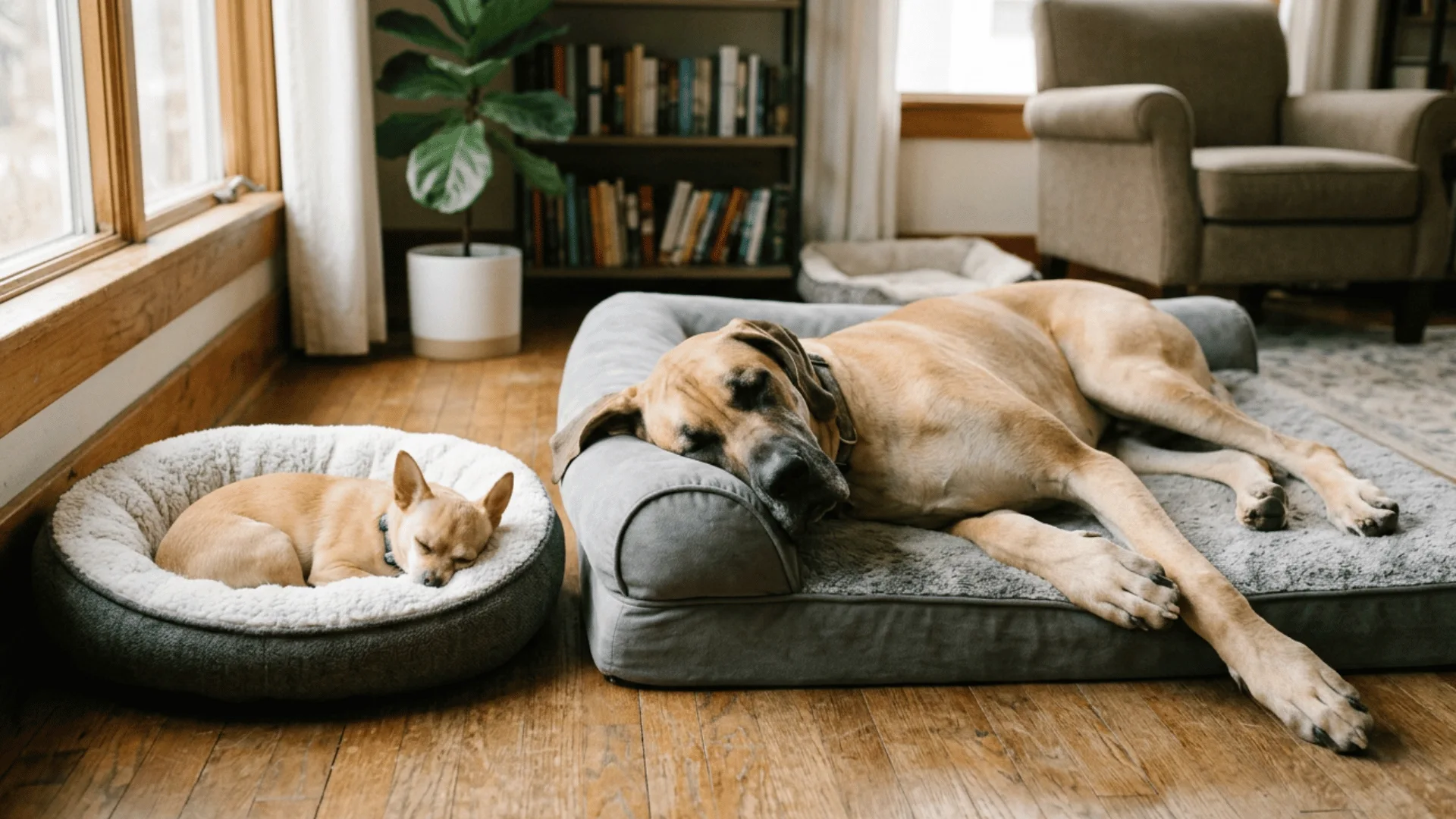
Dogs’ sleep requirements change throughout their lives, with puppies and senior dogs needing the most rest.
Understanding how much sleep is normal at each stage can help you support your dog’s physical health, development, and overall well-being.
1. Newborn Puppies (0-2 Weeks)
Newborn puppies spend almost their entire day sleeping, often up to 22 hours daily. At this stage, their eyes and ears are still developing, and most waking moments are spent nursing.
Sleep is essential for early growth, helping their bodies develop properly and supporting critical neurological development during the first weeks of life.
2. Young Puppies (2-12 Weeks)
Between 2 and 12 weeks, puppies typically sleep 18-20 hours per day. Rapid brain development and constant exposure to new sights, sounds, and experiences make rest especially important.
Sleep helps strengthen their immune system, supports healthy growth, and allows them to process everything they learn while awake, from socialization to basic training.
3. Puppies (3-6 Months)
Puppies aged 3-6 months generally need 14-16 hours of sleep each day. Although they spend more time exploring and playing, regular naps remain essential.
Adequate sleep helps prevent overtired behaviors such as excessive nipping, hyperactivity, and difficulty settling.
This stage balances growing independence with the continued need for substantial physical and mental recovery.
4. Adolescent Dogs (6-12 Months)
As dogs approach adulthood, their sleep patterns become more consistent, averaging 12-14 hours daily.
They stay awake longer and become more active, but still require plenty of rest to support ongoing physical development and learning.
A structured routine with exercise, enrichment, and downtime helps adolescent dogs maintain healthy sleep habits.
5. Adult Dogs (1-7 Years)
Healthy adult dogs typically sleep 12-14 hours per day, combining nighttime rest with several daytime naps.
Because dogs are polyphasic sleepers, they naturally alternate between periods of activity and sleep throughout the day.
Factors such as breed, activity level, and lifestyle can influence sleep duration, but most adults fall within this range.
6. Senior Dogs (7+ Years)
Senior dogs often sleep 16-18 hours daily as aging bodies require more recovery time. Reduced energy levels, slower metabolism, and age-related physical changes contribute to longer rest periods.
While increased sleep is normal in older dogs, sudden changes in sleep patterns or consistently excessive sleep should be discussed with a veterinarian.
Does Breed or Size Affect How Much Sleep Dogs Need?
Yes, quite a bit. Two adult dogs the same age can have very different sleep needs depending on their size and what they were originally bred to do.
The dog sounds during sleep also shift depending on breed and size. Larger dogs experience longer but less frequent REM cycles, while smaller dogs have shorter, more frequent dream periods.
| Dog Category | Typical Sleep Duration (per day) | Examples | Key Reason |
|---|---|---|---|
| Small & Toy Breeds | 14–16 hours | Chihuahuas, Pomeranians, Maltese | Faster metabolism and energy burned in short bursts; long naps follow brief play sessions. |
| Medium Breeds | 10–14 hours | Beagles, Cocker Spaniels, Bulldogs | Generally, the most active group and often the lightest sleepers. |
| Large Breeds | 16–20 hours | Labradors, Golden Retrievers, German Shepherds | Larger bodies require more energy during activity, leading to longer recovery periods. |
| Giant Breeds | 12–18 hours | Great Danes, St. Bernards, Mastiffs | Conserve energy through extended rest; puppies may sleep up to 22 hours daily. |
| High-Energy Working Breeds | 10–12 hours | Border Collies, Australian Cattle Dogs, Huskies | Bred for work, they tend to sleep less but require significant mental stimulation when awake. |
Factors That Affect How Much Sleep a Dog Needs
Several factors beyond age and breed can influence how much sleep a dog gets, affecting both sleep quantity and quality.
- Activity Level: Dogs that engage in intense physical activity, such as long walks or hikes, often sleep more afterward to recover. This is a normal and healthy response.
- Health: Illness, pain, injury, or post-surgery recovery can increase sleep needs. Conditions such as hypothyroidism, anemia, and depression may also cause excessive sleepiness.
- Diet: Poor nutrition can lead to low energy levels and increased sleep. A balanced, nutritious diet helps maintain consistent energy throughout the day.
- Sleep Environment: Noise, frequent interruptions, or an uncomfortable sleeping area can reduce sleep quality. Dogs with disrupted naps may experience restless sleep later.
- Boredom vs. Tiredness: A bored dog may sleep simply because there is little else to do. Unlike a genuinely tired dog, a bored dog usually becomes alert and enthusiastic when offered stimulation or activity.
Signs Your Dog is Not Getting Enough Sleep
Just like humans, dogs need quality sleep to stay healthy and balanced. When they don’t get enough rest, their behavior often changes in noticeable ways.
- Increased nipping or mouthiness: Dogs, especially puppies, may become more bitey and use their mouths more often when they’re overtired and struggling to regulate their behavior.
- Difficulty settling: Even in a calm, quiet environment, a sleep-deprived dog may pace, shift positions constantly, or seem unable to relax and fall asleep.
- Overreacting to small sounds or movements: Lack of sleep can make dogs more sensitive to their surroundings, causing them to startle easily or react intensely to minor triggers.
- Clinginess or daytime restlessness: An overtired dog may follow you everywhere, seek constant attention, or appear unusually restless throughout the day.
- Late-night zoomies: Sudden bursts of energy at odd hours, especially late at night, can sometimes be a sign that your dog is overtired rather than well-rested.
- Loss of focus: Sleep deprivation can affect concentration, making it harder for dogs to pay attention during training sessions, playtime, or everyday interactions.
What Do Dog Owners on Reddit Say?
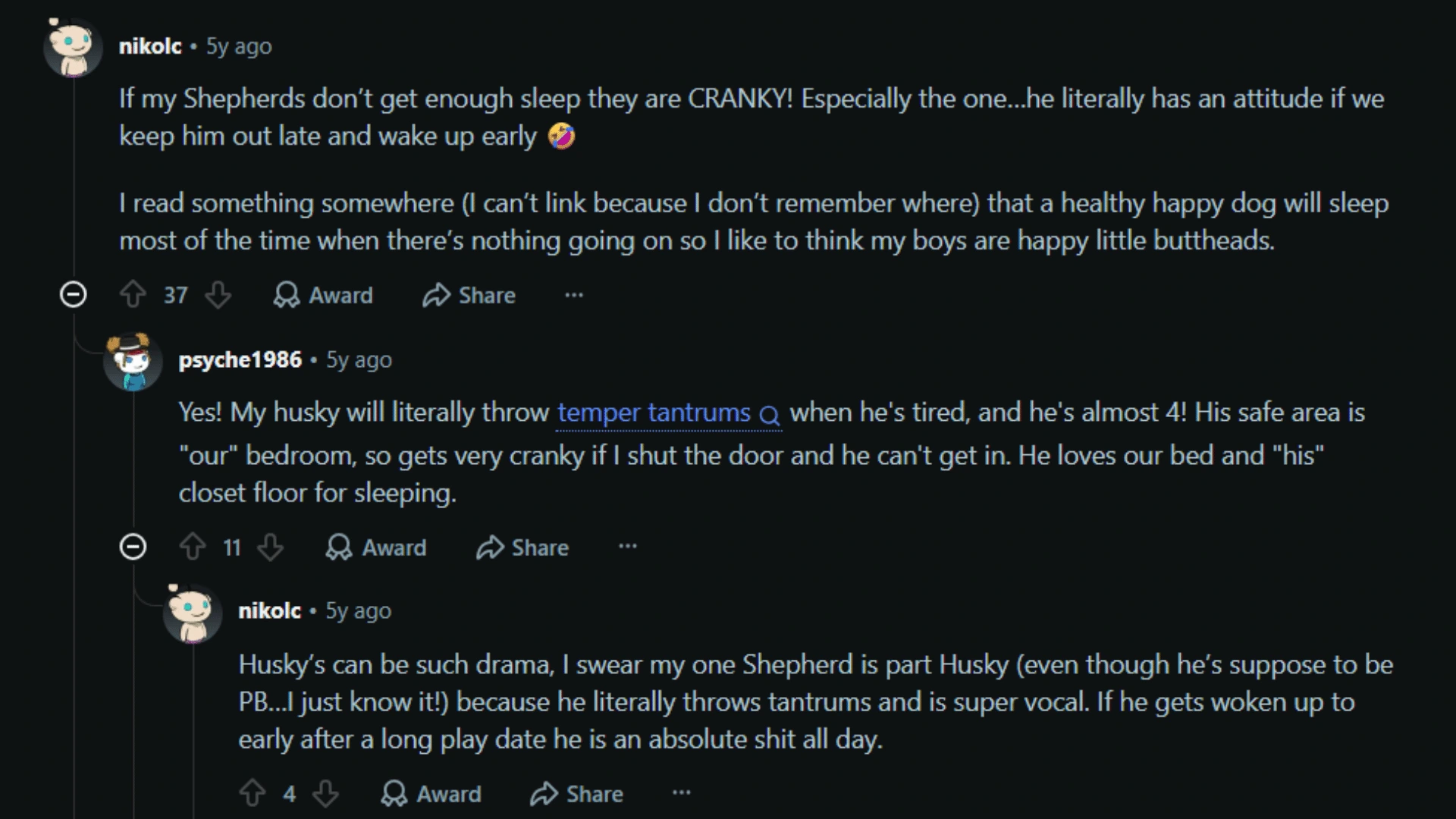
Dog sleep comes up on Reddit constantly, but one discussion that stood out centered on a different question: do dogs actually need that much sleep, or are they just bored?
The overwhelming consensus was that most owners underestimate how much sleep is normal.
People described feeling guilty when their dogs spent hours napping, only to learn that adult dogs commonly sleep 12–14 hours a day, with puppies and seniors needing even more.
Many commenters pointed out that boredom usually looks different: restless pacing, destructive behavior, whining, or constantly seeking attention, not peacefully sleeping.
Owners who work from home frequently admitted they were surprised to discover their dogs spend much of the day snoozing, even when given regular walks and enrichment.
Across the discussion, the takeaway was consistent: long naps are usually normal, while a sudden change in sleep habits is what deserves attention.
Tips to Help Your Dog Sleep Better
Getting the hours in is one thing. The quality of sleep matters too. A few things that make a real difference:
- Consistent daily routine: Dogs thrive on predictability. Feeding, walks, play, and bedtime at consistent times each day help regulate their internal clock. Keeping up with your dog’s health routine is part of what supports steady energy and rest.
- Good exercise before bed: A dog who’s been mentally and physically active during the day sleeps better at night. A walk or active play session in the evening helps them settle.
- A comfortable, dedicated sleep spot: Dogs sleep better with a space that feels like theirs. A good bed in a consistent location, away from foot traffic and noise, makes a difference.
- Quiet and dim at night: Domesticated dogs largely follow their humans’ sleep rhythms. Keeping things dark and quiet in the evening signals that it’s time to wind down.
- Don’t wake sleeping puppies: The AKC recommends letting puppies sleep undisturbed. Waking them mid-nap because they look cute is understandable, but it disrupts the rest they actually need.
- Watch what you interpret as boredom: If your dog seems to be sleeping all day, ask whether they’ve had enough stimulation when they were awake. More enrichment during active hours often leads to better, more settled sleep.
When to Call a Vet?
While dogs naturally spend a large portion of their day sleeping, excessive sleep can sometimes indicate an underlying health issue.
If a dog is consistently sleeping more than 18 hours daily, it is worth paying attention to, especially if it represents a sudden change from their normal routine.
Conditions such as hypothyroidism, anemia, diabetes, heartworm disease, chronic pain, and even canine depression can contribute to unusual fatigue and increased sleep.
You should contact your veterinarian if your dog suddenly becomes much sleepier than usual, appears lethargic when awake, or loses interest in food, walking, or play.
While extra sleep is often harmless and linked to age, activity, or lifestyle changes, significant shifts in sleeping habits should always be evaluated by a veterinarian.
Conclusion
Dogs are naturally wired to spend a significant portion of their lives sleeping, and in most cases, those long naps are completely normal.
Whether you have an energetic puppy, a busy working breed, or a slowing senior companion, sleep is essential for healthy growth, recovery, learning, and overall well-being.
While most dogs comfortably fall within expected sleep ranges, sudden changes in their sleeping habits deserve closer attention, especially when accompanied by lethargy, behavioral shifts, or other health concerns.
By understanding the factors that influence canine sleep and creating an environment that supports quality rest, you can help your dog stay happier, healthier, and better balanced.
How many hours does your dog sleep each day? Share your experience in the comments below and let us know whether your pup follows the averages or marches to its own schedule.
Frequently Asked Questions
Do Dogs Sleep More in Winter?
Many dogs sleep a bit more in winter due to shorter days and reduced activity. They often mirror their owners’ indoor routines, and it’s usually normal unless accompanied by other symptoms.
How Many Naps Do Dogs Take in a Day?
Dogs usually take several naps throughout the day rather than sleeping in one long block. Their total sleep includes both daytime naps and nighttime rest.
Do Active Dogs Need More Sleep?
Often, yes. Dogs that hike, run, train, or play intensely may sleep longer afterward because their muscles and minds need recovery time.