It usually starts with a small, sharp feeling that doesn’t seem like much. You ignore it at first. But then it sticks around. The spot turns red.
It feels irritated every time you touch it. And suddenly, it’s not so minor anymore. That’s where things get confusing. You’re not sure what caused it.
It doesn’t look serious, but it doesn’t go away either. This guide clears that up simply. You’ll understand what’s actually causing it, the signs you shouldn’t ignore, and how to handle it safely at home.
Right in the middle of it all, dog hair splinter problems start to make sense. The symptoms connect. The cause becomes obvious.
You’ll also know when to stop trying on your own and get proper help. Plus, a few easy habits can help you avoid dealing with this again.
What is a Hair Splinter?
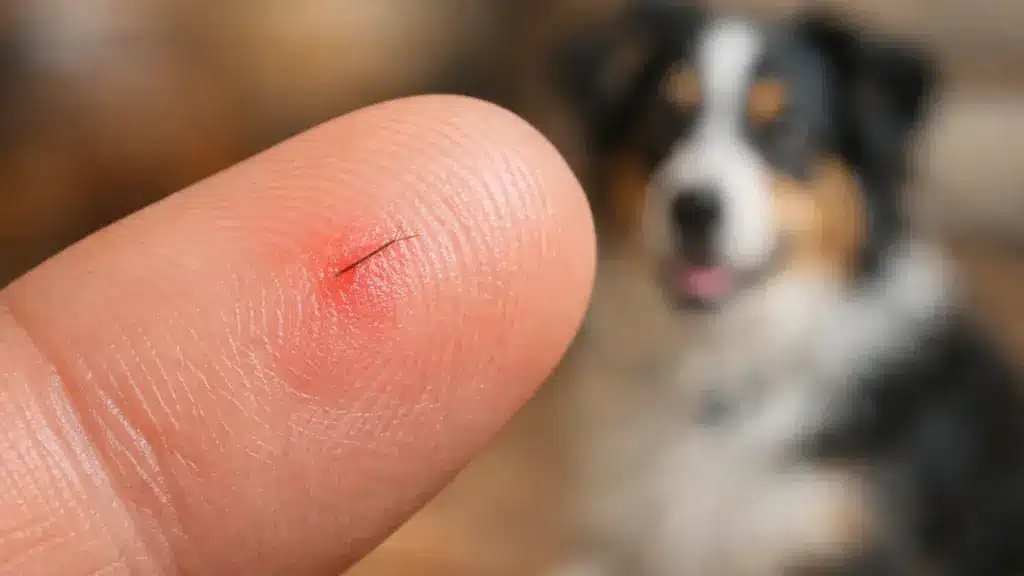
A hair splinter is a tiny hair fragment embedded in the skin. A dog hair splinter happens when a stiff strand of dog hair pushes into your skin and gets stuck there.
It doesn’t look serious from the outside, but it feels sharp andirritating. Unlike soft fur, some dog hairs are strong and pointed.
With enough pressure, they can pierce the top layer of your skin. Once inside, your body treats it like something that shouldn’t be there, and you may even notice a tiny red spot.
It can feel tender, but sometimes there’s a steady prickling feeling that keeps reminding you something is off.
This usually comes from everyday contact, such as during petting, grooming, or even sitting near loose hair, which can be enough.
The hard part is how easy it is to miss. The hair is often too small to see, but the discomfort is very real and hard to ignore.
What Causes Dog Hair Splinters?
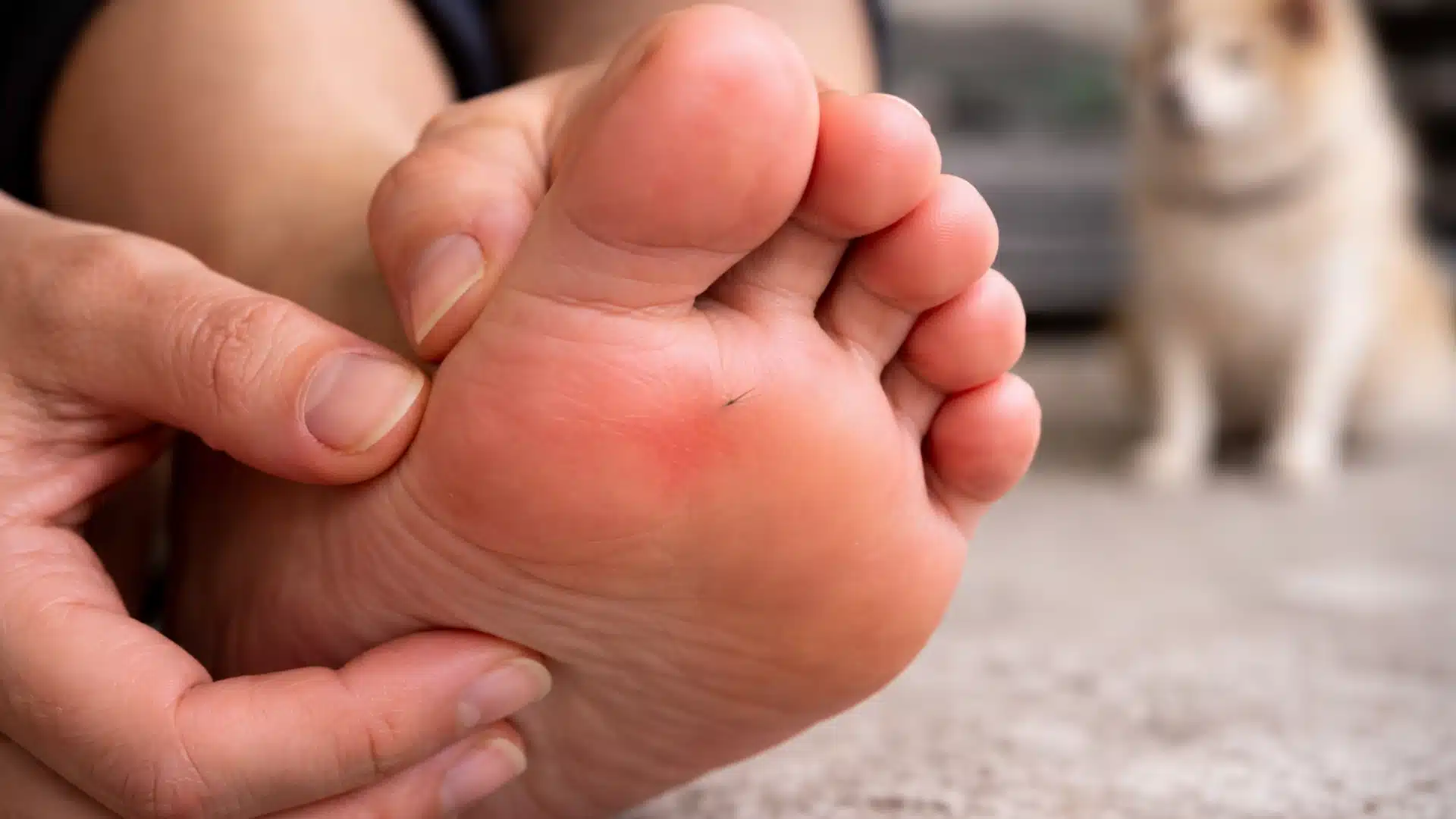
Dog hair may look soft, but it’s not always harmless. Some strands are thin yet surprisingly stiff and sharp, especially when they’re freshly shed or recently cut. That’s where the problem starts.
Short and coarse hair is usually the main issue. Certain breeds have fur that behaves more like tiny needlesthan soft strands.
These hairs can press into soft skin during normal daily activities without you even noticing. Moisture makes things worse. Sweat allows loose hair to stick to your skin.
Then a bit of pressure, like walking barefoot, sitting on furniture, or moving around on carpets, pushes it deeper inside.
Grooming sessions also increase the risk. Freshly cut hair has sharper ends, which makes it easier to slip into the skin.
Using the right tool during grooming reduces how much loose, sharp hair ends up on surfaces, such as different dog brushes. Freshly cut hair has sharper ends, which makes it easier to slip into the skin.
In my years working with high-shedding breeds during training sessions, I’ve noticed just how much loose fur ends up on your hands, forearms, and even bare feet by the end of an hour.
It happens quietly, and most dog owners don’t connect the discomfort to the hair until a day or two later.
You’ll notice this more during heavy shedding seasons and in homes where loose fur tends to build up quickly.
Best Ways to Remove a Dog Hair Splinter Safely

Take it slow and keep things gentle to avoid worsening the irritation.
- Clean the area first: Wash with mild soap and warm water to reduce infection risk and thoroughly clean the surface.
- Get a clear view: Use bright light or a magnifying glass so you can spot the tiny hair more easily before trying anything.
- Use tweezers properly: If visible, grab it with sterilized tweezers and pull it out slowly in the same direction it entered. The NIH splinter removal guide confirms that mechanical extraction with tweezers leads to immediate improvement.
- Soften the skin: Soak the area in warm water or Epsom salt solution for 10 to 15 minutes to loosen the embedded hair.
- Treat after removal: Dry the skin, apply an antibiotic ointment, and cover the area with a clean bandage to protect it.
- Do not force it: Avoid squeezing or digging into the skin, as it can push the hair deeper or break it into pieces.
- Try a simple home fix: use a baking soda paste or duct tape to gently bring the hair closer to the surface.
- Honey method: Apply a generous layer of honey directly over the affected area and cover it with a bandage overnight. By morning, the skin softens enough to make tweezers removal significantly easier.
- White glue method: Spread non-toxic white glue over the splinter and allow it to dry completely, then peel it off slowly. The hair often lifts out with the dried glue.
When to See a Doctor
Keep an eye on the area after contact with your dog. Watch how it changes each day. Ifredness or swelling stays after 48 hours, take it seriously. If it gets worse, do not ignore it.
Look for signs like pus or warmth. Increased tenderness is also a warning sign; it can indicate an infection caused by trapped dog hair. Knowing the common infected dog wound signs can help you decide how quickly to act.
Notice any red streaks on the skin. This can mean the infection is spreading, and it needs quick attention.
Pay attention to your body. Fever or fatigue is not normal in this case. It can mean the problem is getting bigger, and if the hair feels too deep, do not force it out.
If it seems to move under the skin, leave it alone. You should be extra careful near joints or sensitive areas. In such cases, getting it checked early is the safer choice.
Tips for Preventing Dog Hair Splinters
A few simple habits can make a big difference and save you from dealing with this again.
- Brush your dog daily: Use a proper deshedding tool to remove loose hair before it spreads around your home.
- Clean your space often: Vacuum floors, furniture, and rugs regularly using attachments made for pet hair.
- Protect your feet indoors: Wear socks or slippers, especially if your dog sheds heavily around the house.
- Clean up after contact: Wipe your hands and feet after playtime or cuddling, and rinse well after grooming sessions.
- Wash bedding regularly: Clean your dog’s bedding and blankets weekly in hot water to remove trapped hair.
- Keep a lint roller nearby: Use it on clothes, couches, and carpets to catch loose hair before it sticks to your skin.
- Groom smartly: Try grooming outdoors when possible, and use basic protection like gloves or barrier creams on your hands.
I always recommend that owners of thick-coated dogs groom outside whenever the weather allows. Setting up a simple rinse station near the back door after outdoor grooming keeps loose hair from tracking inside onto floors and furniture.
It is a small habit that takes seconds but makes a real difference over time, especially for anyone with bare feet or young children in the house.
Conclusion
Dog hair splinter issues may seem small, but they can turn into a real nuisance if ignored. What starts as a tiny strand can lead to pain, redness, and days of discomfort.
The good part is that once you understand the cause, it becomes much easier to deal with. You now know how these splinters happen, the signs to watch for, and the safe ways to remove them at home.
You also know when it is better to stop and get proper help rather than make it worse. Simple habits like regular cleaning, grooming, and basic care can go a long way in preventing this problem.
Living with dogs does come with these small challenges, but they are manageable with the right approach.
Have you ever dealt with this before? Share your experience below and help others avoid the same mistake.
Frequently Asked Questions
Will a Dog Hair Splinter Work Its Way out on Its Own?
Rarely. Shallow ones may surface as skin sheds, but waiting increases infection risk. If it is deep or painful after 24 hours, remove it promptly.
Can I Use a Needle to Remove a Deeply Embedded Hair Splinter?
Yes. Sterilize with alcohol, gently tease the skin to expose the hair tip, then grip with tweezers. Stop after two attempts to avoid pushing it deeper.
Are Professional Dog Groomers More at Risk than Regular Pet Owners?
Yes. Groomers handle freshly clipped hair daily, making splinters a recognized occupational hazard. Gloves, long sleeves, and closed-toe shoes significantly reduce their risk.
Can Dogs Get Hair Splinters Too?
Yes. Hair splinters can lodge between a dog’s toes, causing licking, limping, or swelling. Check the paw and consult your vet if irritation persists.