Dog ears can say a lot before a dog even makes a sound. Some stand tall and sharp, some fold forward, and others hang low beside the face.
These different dog ear types are not just about looks.
They can also connect to breed history, hearing, grooming needs, and the need for regular ear care.
For many pet owners, identifying ear shape can make it easier to understand a dog’s breed traits and know what kind of care may be needed.
This blog post covers a simple chart of dog ear types, clear descriptions of ear shapes, and common breed examples.
Why Do Dogs Have Different Ear Types?
Dog ear types look different because of genetics, breed history, and the jobs dogs were once bred to do.
Upright ears often appear in breeds that require keen alertness, quick reactions, and clear sound direction, such as Huskies and German Shepherds.
Floppy or long ears are common in scent hounds, and the ears may help carry scent closer to the nose while tracking.
Some small companion breeds have large expressive ears because selective breeding favored a certain look.
Ear shape can also change as puppies grow, since cartilage becomes stronger with age.
Quick-Reference Chart: All Dog Ear Types at a Glance
Not all dog ears look the same, and the differences go beyond appearance. This chart breaks down all dog-ear types by shape and breed.
| Ear type | Shape description | Breed examples |
|---|---|---|
| Prick (erect) | Upright, pointed tip | German Shepherd, Husky, Samoyed |
| Drop (pendant) | Hangs flat against the head | Labrador, Cocker Spaniel |
| Button | Erect base, pinna folds forward, covering the canal | Pug, Fox Terrier |
| Rose | Erect but folds backward, inner ear partly visible | Greyhound, Whippet |
| Bat | Wide, large, upright, with a rounded top | French Bulldog, Chihuahua |
| Semi-erect (cocked) | Upright with tip folding forward, canal exposed | Border Collie, Sheltie |
| Butterfly | Large, fringed, erect with a wing-like spread | Papillon |
| Folded | Drop-style but extends outward before folding down | Bloodhound, Field Spaniel |
| Hooded | Upright but curves inward at the sides | Basenji |
| Blunt-tip | Like prick ears but with a smooth, rounded top | Chow Chow |
Common Dog Ear Types and How to Identify Them
Each ear type below is shaped by genetics and breeding history. Read your dog’s shape here, then check the care note so you know exactly what their ears need.
1. Prick Ears
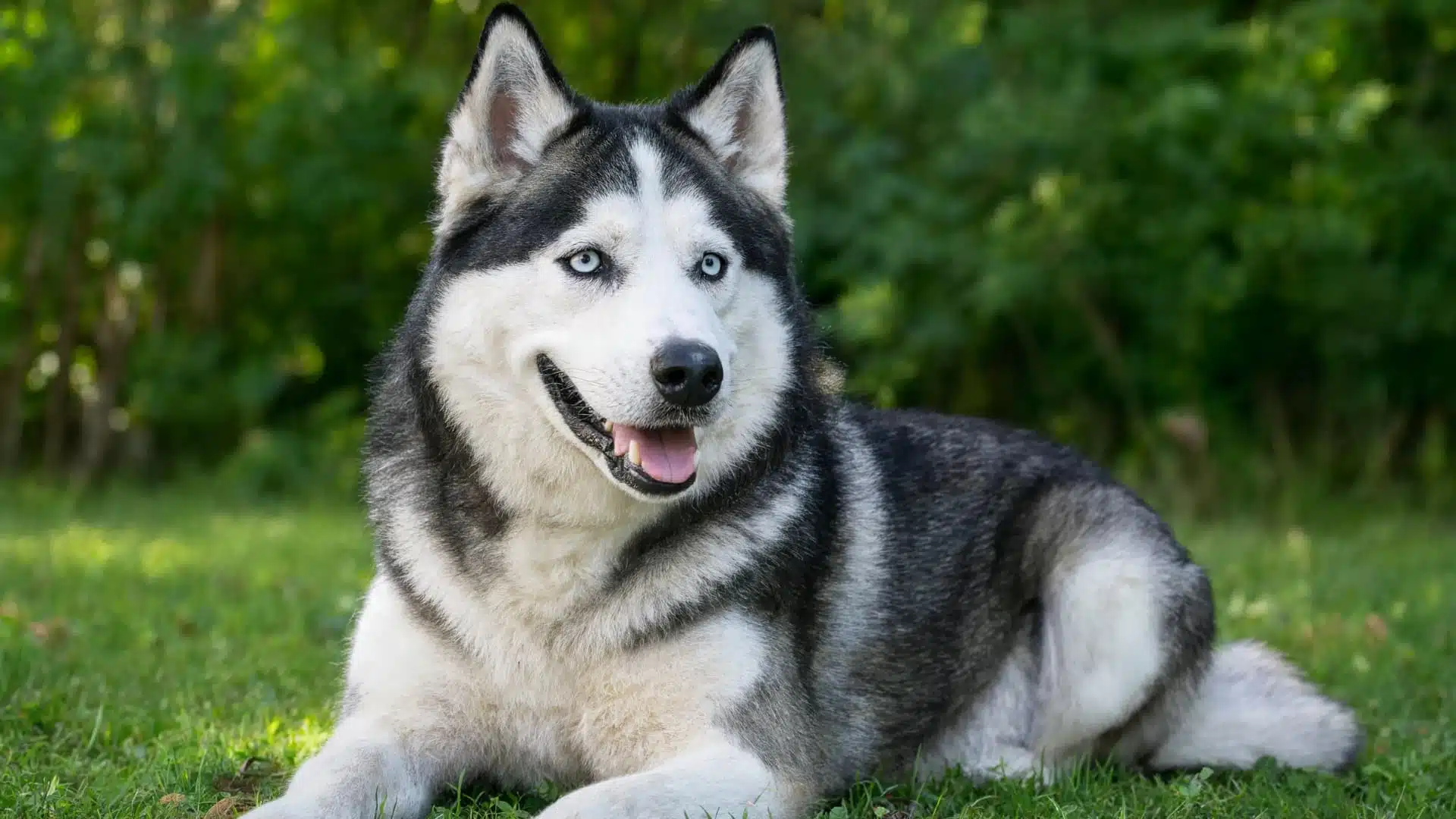
Prick ears stand upright and come to a pointed tip, making them the ear style most associated with wolves and working dogs bred for alertness.
You’ll see this shape on German Shepherds, Siberian Huskies, and Samoyeds.
Strong cartilage holds them rigid, and the open shape allows air to flow freely through the canal.
Because the ear canal stays exposed and ventilated, prick-eared dogs are among the least prone to ear infections. A weekly visual check is usually all they need.
2. Drop Ears
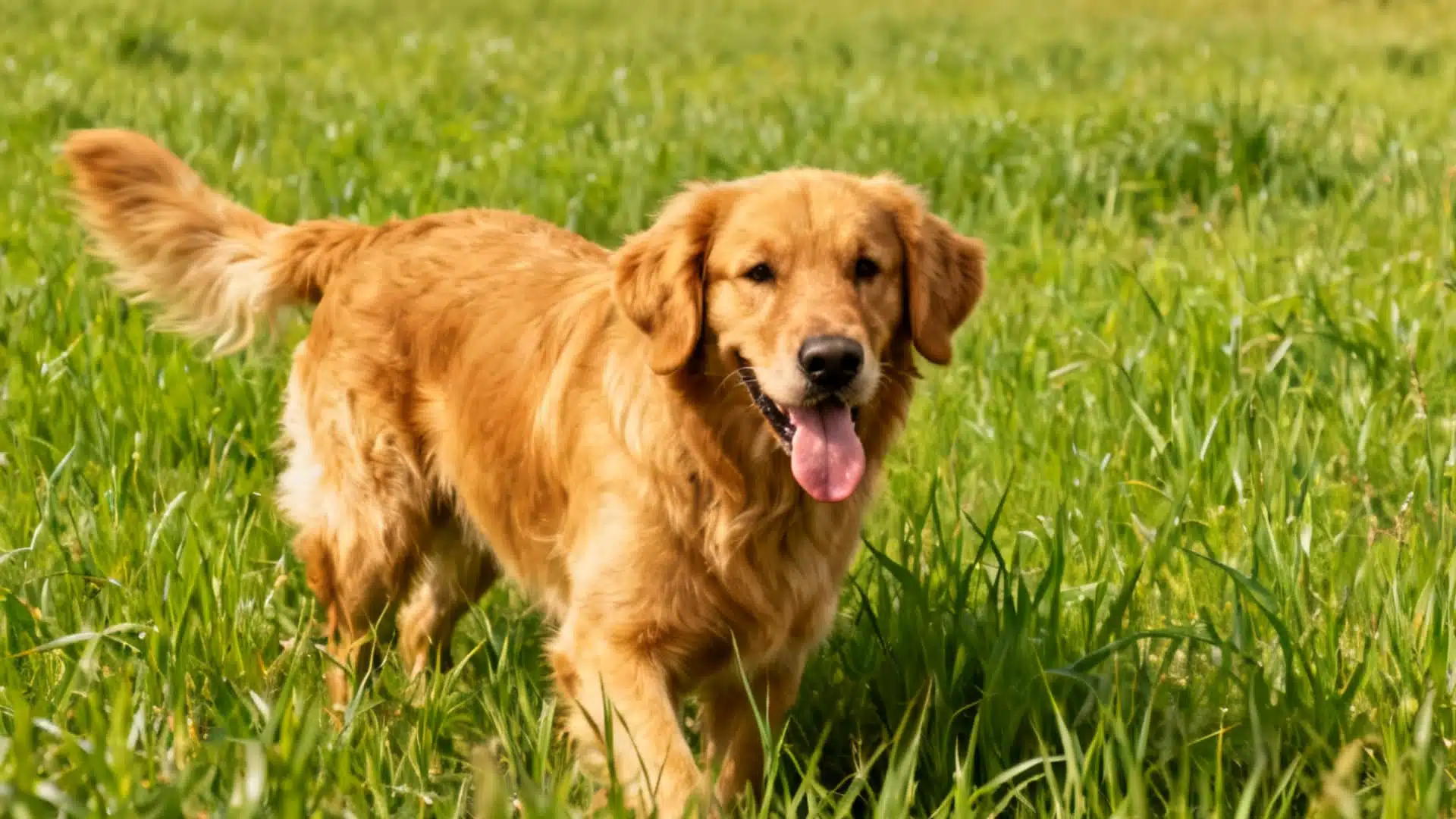
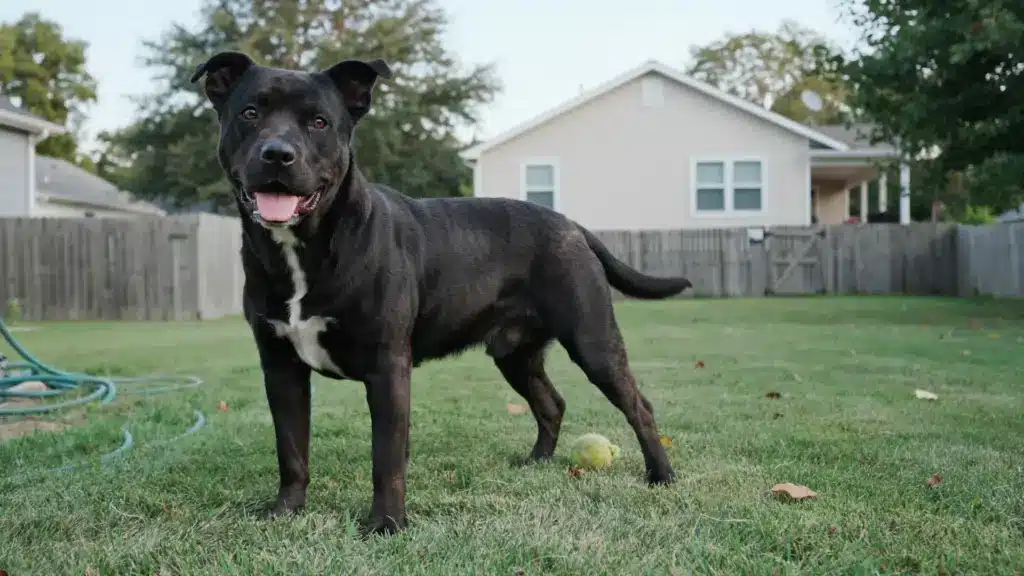
Drop ears hang flat from a slight lift at the base, covering much of the ear canal.
Labrador Retrievers, Golden Retrievers, and Cocker Spaniels all have this shape, and while it gives them that warm, gentle look, the coverage limits airflow.
Moisture from swimming, bathing, or even humid weather can build up inside and create the conditions for a yeast or bacterial infection.
Regular cleaning of your dog’s ears is non-negotiable for drop-eared breeds.
3. Button Ears
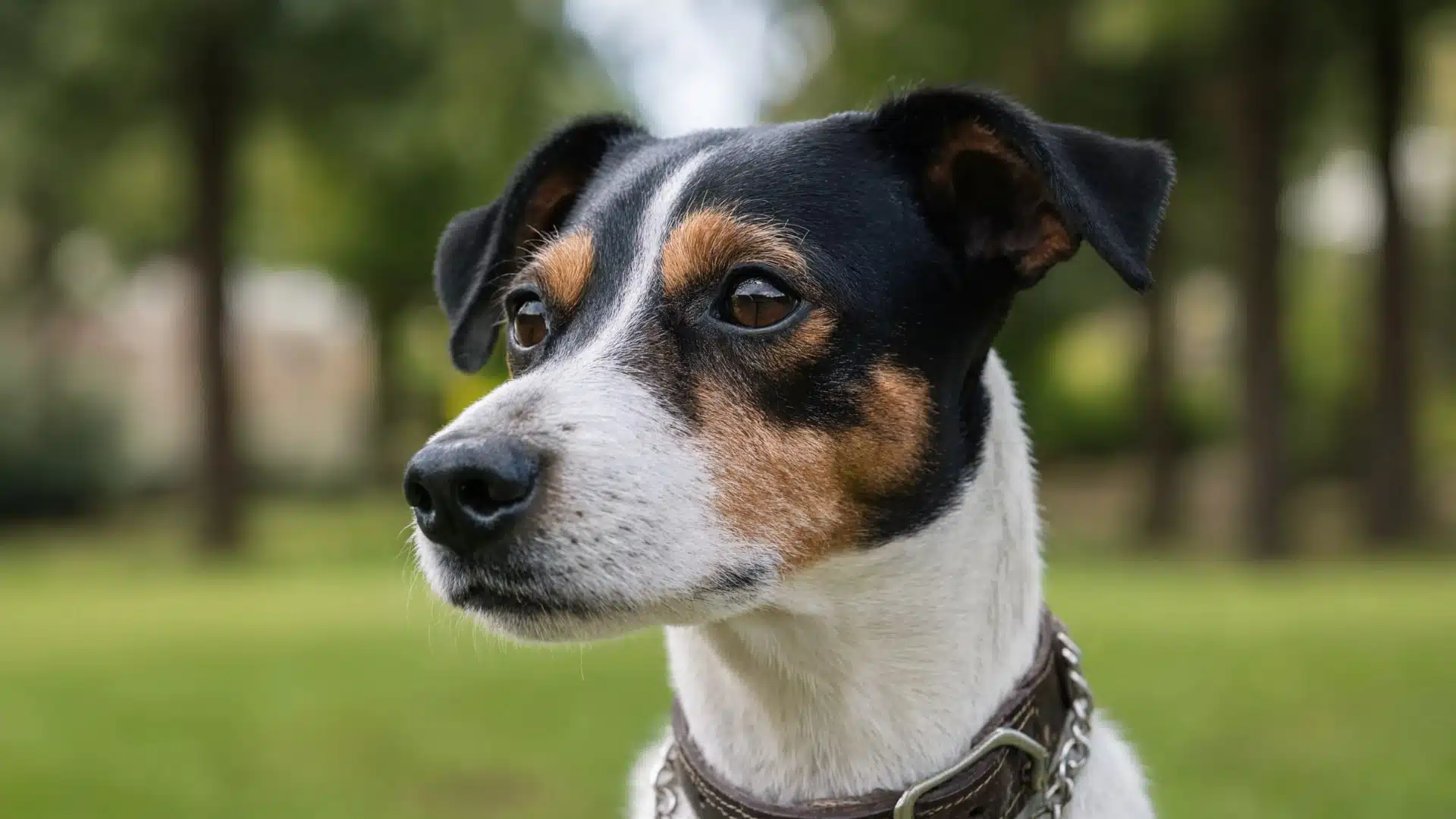
Button ears have an upright base, but the pinna folds forward to cover the ear canal entirely.
Pugs, Fox Terriers, and Parson Russell Terriers carry this shape. That folded flap is what sets them apart from semi-erect ears, where the canal stays open.
Terriers were bred with button ears intentionally because the fold protected the ear canal when they dove into burrows after prey.
That same protective fold can trap debris and moisture, so routine inspection matters.
4. Rose Ears
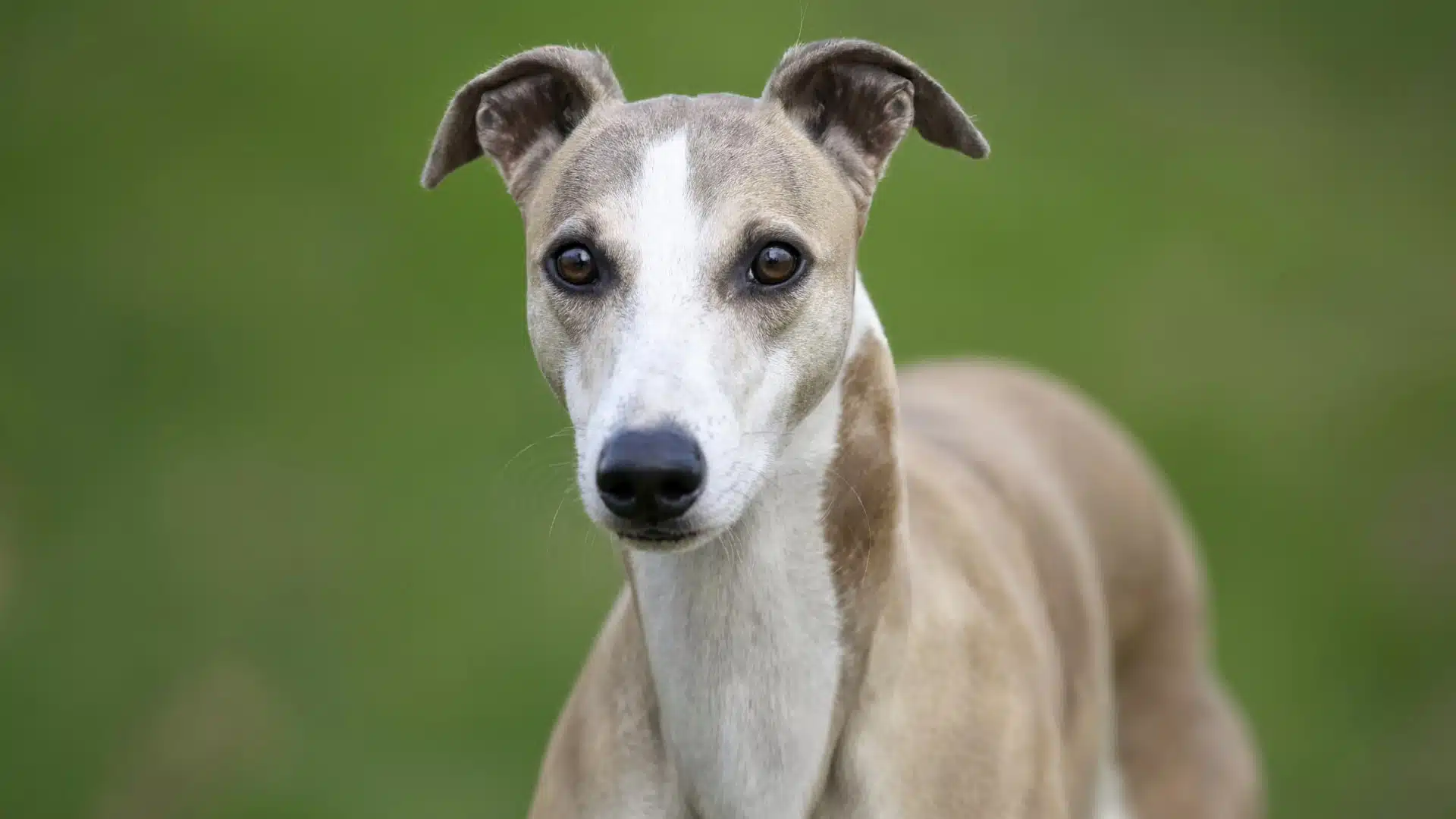
Rose ears stand partly upright but fold backward and slightly to the side, leaving a small part of the inner ear visible.
The folded shape gives them a soft look, almost like rose petals, which is where the name comes from.
Greyhounds, Whippets, and Italian Greyhound often have this ear type.
Since the canal is not fully covered, air can move through more easily, so routine checks are usually enough for basic care.
5. Bat Ears
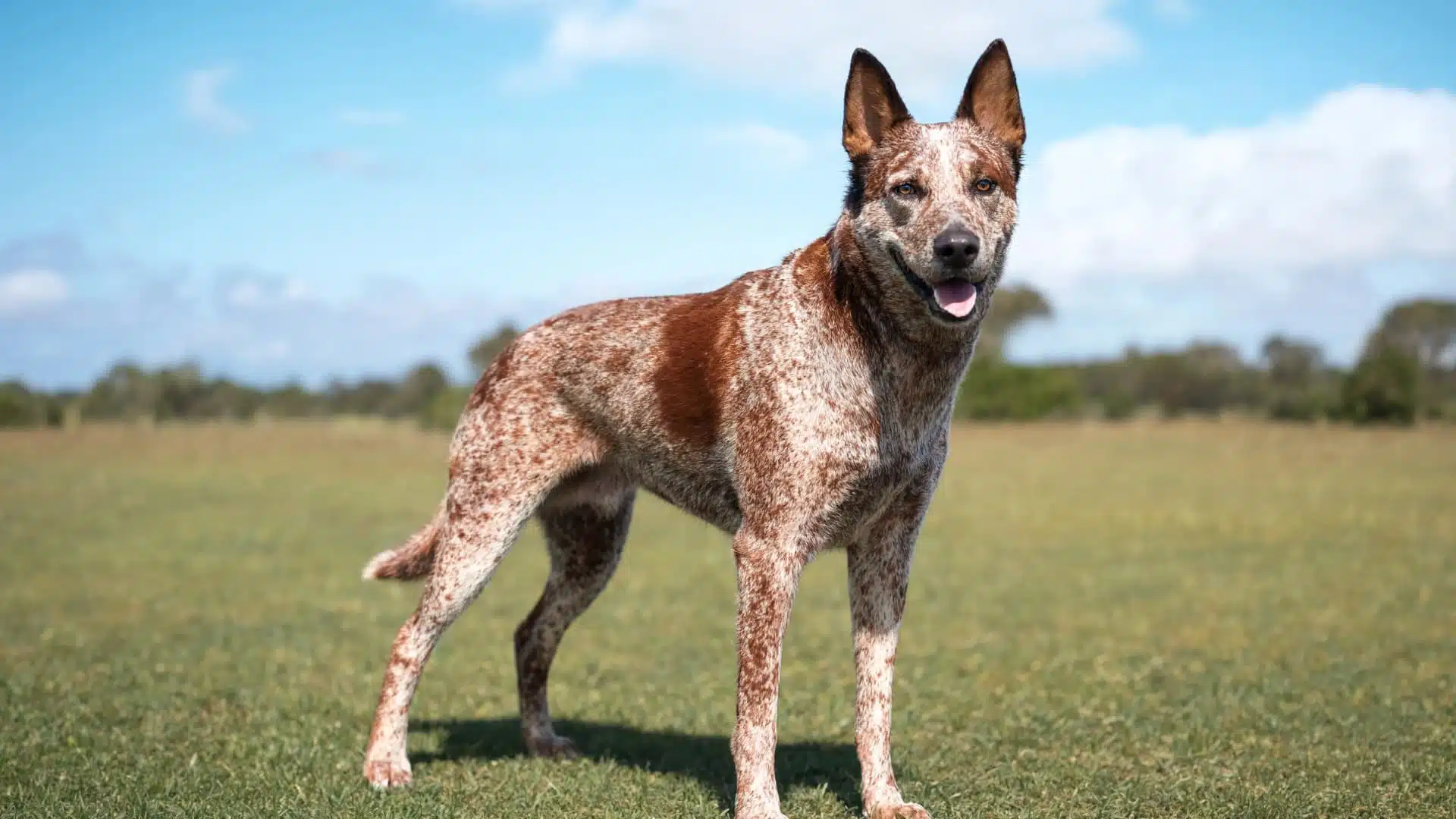
Bat ears are large, upright, and wide at the base, most recognizable on French Bulldogs and Chihuahuas, though Corgis often carry a similar shape.
Unlike the pointed shape of prick ears, bat ears stay wide all the way to a gently rounded tip.
These ears are mobile and expressive, the kind that swivel independently toward sound.
Because they’re fully open and upright, they stay well-ventilated and generally need only routine checks to keep things clean.
6. Semi-Erect Ears
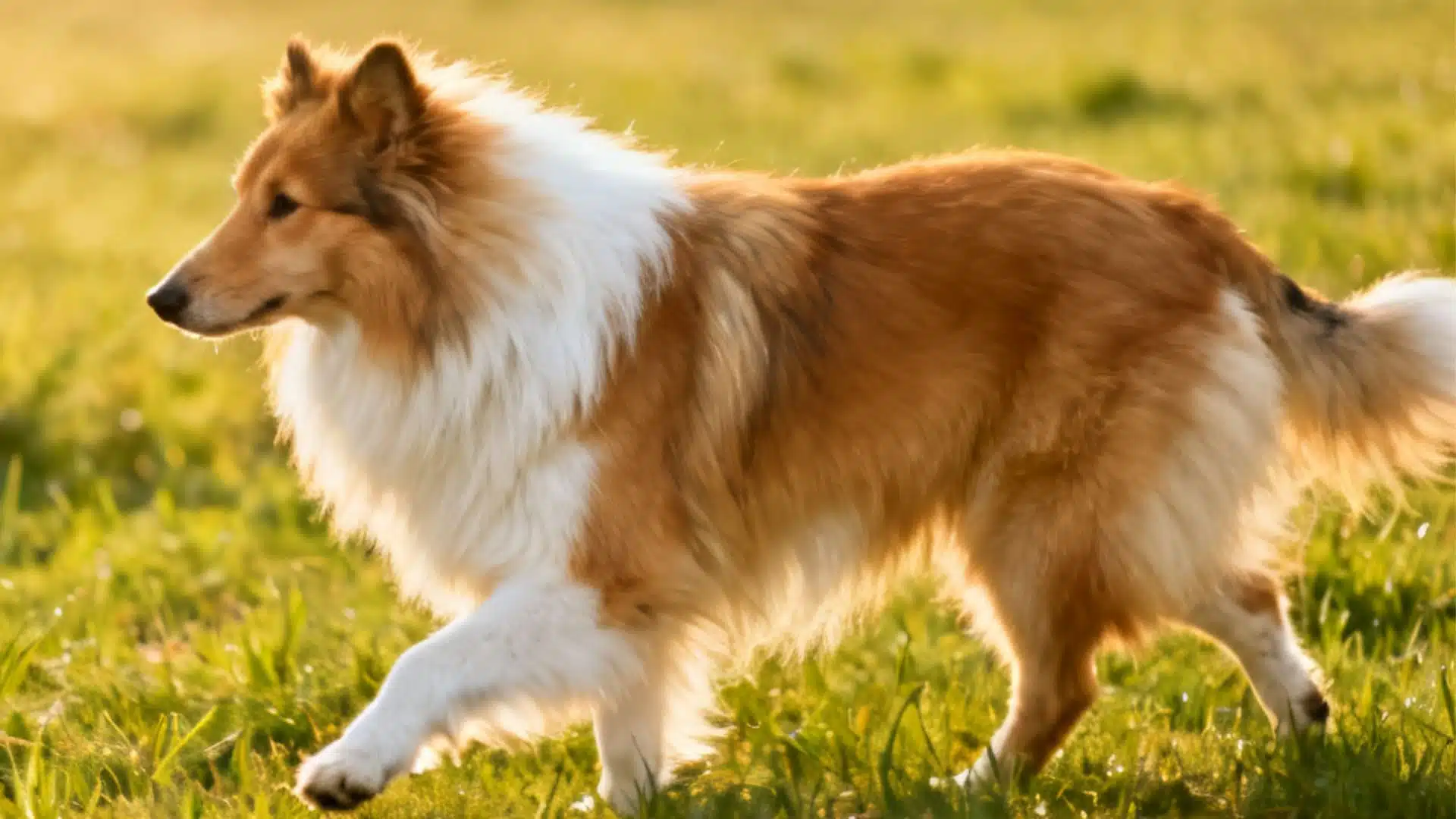
Semi-erect ears, also called cocked ears, stand upright at the base but have the tip folding forward.
Border Collies are the best-known example, and the American Kennel Club standard actually accepts both prick and semi-erect variations of the breed.
Shetland Sheepdogs and Collies carry them too.
Because the canal isn’t covered, these ears stay well-aired. For Basenji fans curious about their dog’s quieter cousins, the quiet dogs that shed little, the guide covers ear types within that group.
7. Butterfly Ears
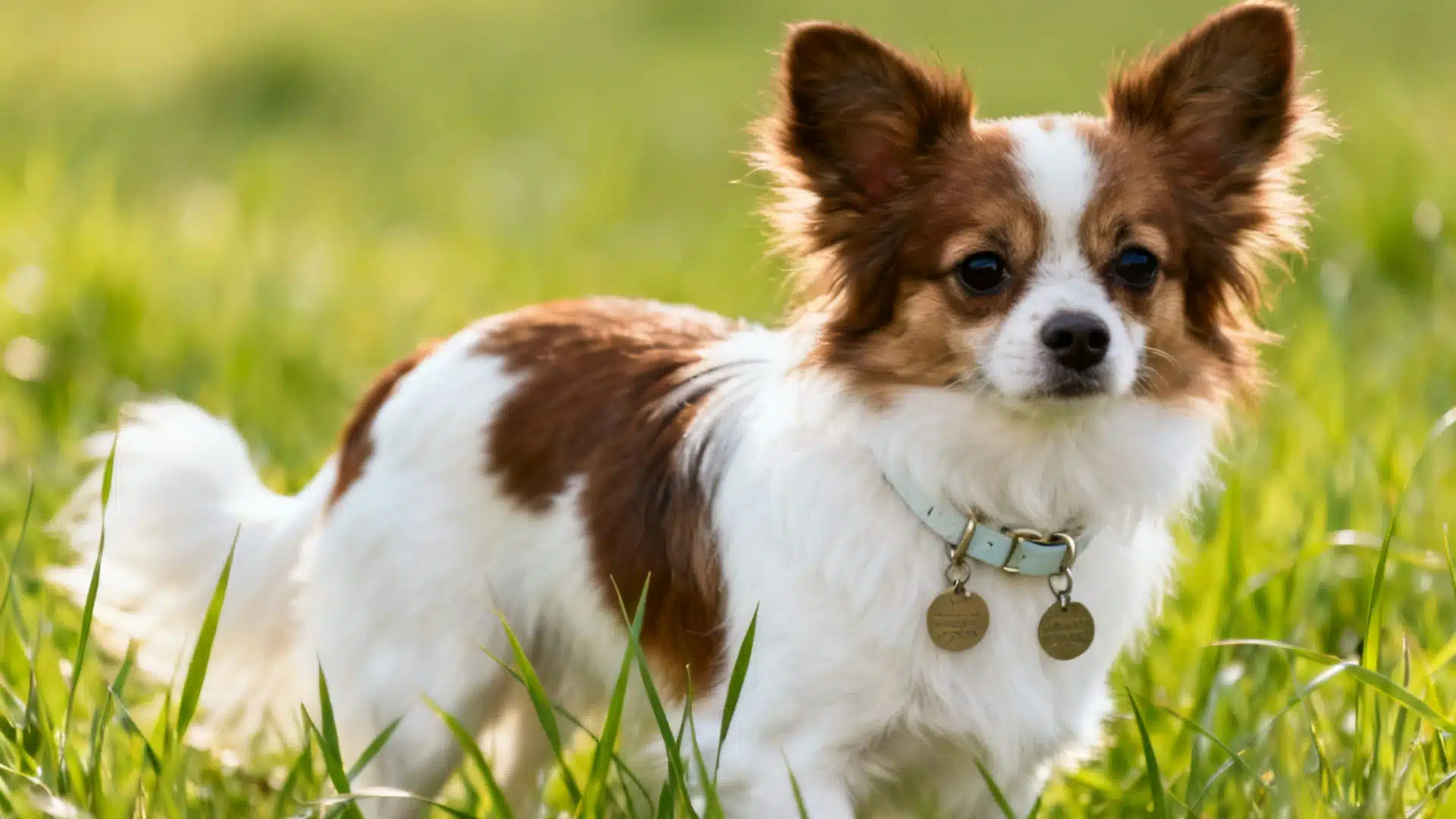
Butterfly ears are unmistakable. They’re large, erect, and fringed with long, fine hairs that spread outward like wings, and the Papillon was literally named for this shape, since “papillon” means butterfly in French.
The Phalene, a close relative, has a drooped version of the same shape.
The fringed hair around butterfly ears needs regular grooming to stay tangle-free, and light checks for debris caught in the feathering are worth making a habit.
8. Folded Ears
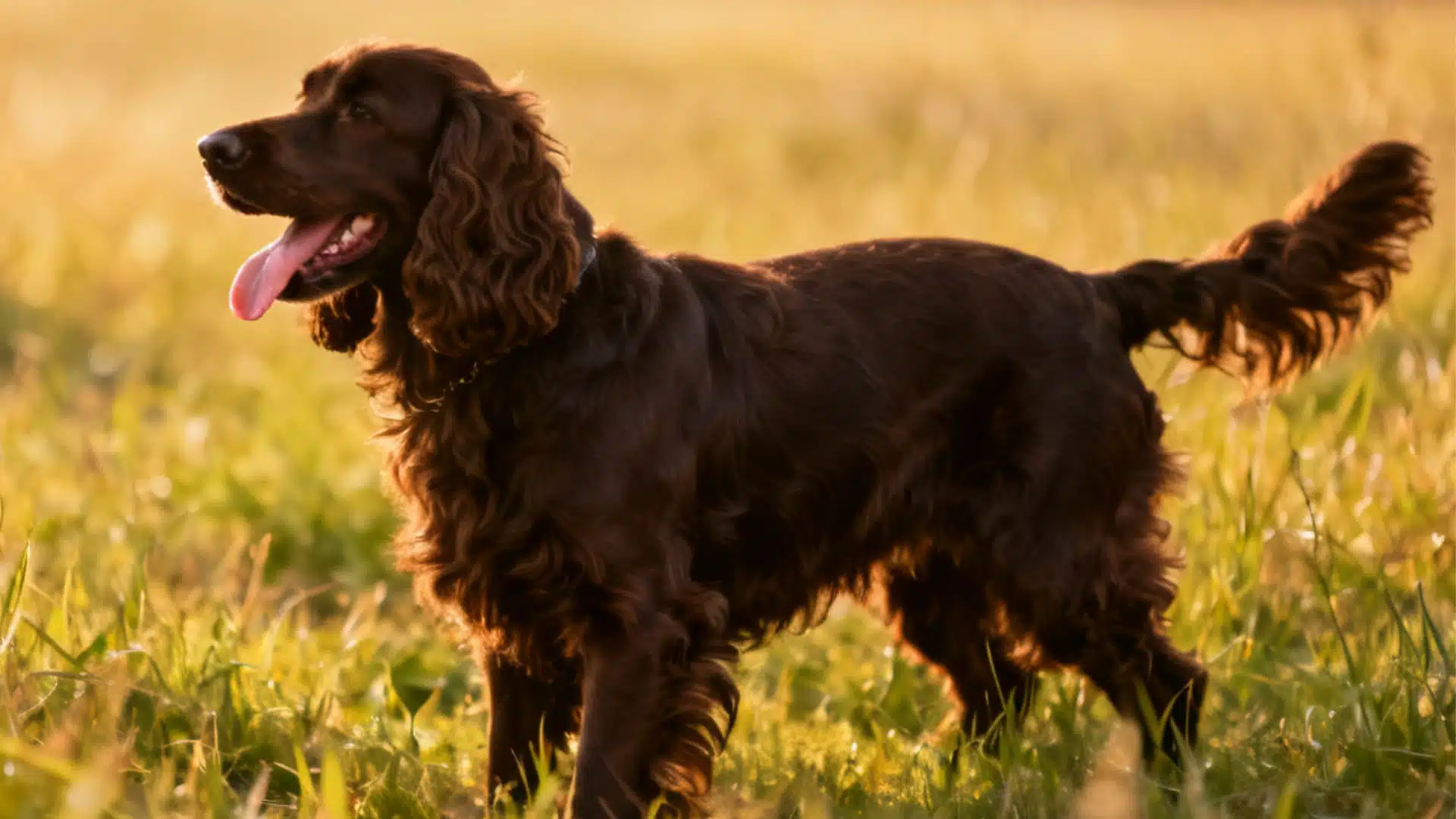
Folded ears differ from standard drop ears in one specific way: instead of hanging flat from the base, they extend outward from the head before folding down, like a curtain caught mid-fall.
Bloodhounds, Field Spaniels, and Basset Hounds are the classic examples.
Those long, sweeping folds were useful for scent work, directing aromas inward as the dog moved with its nose to the ground.
A dedicated approach to managing dog ear infections matters most for this ear type.
9. Hooded Ears
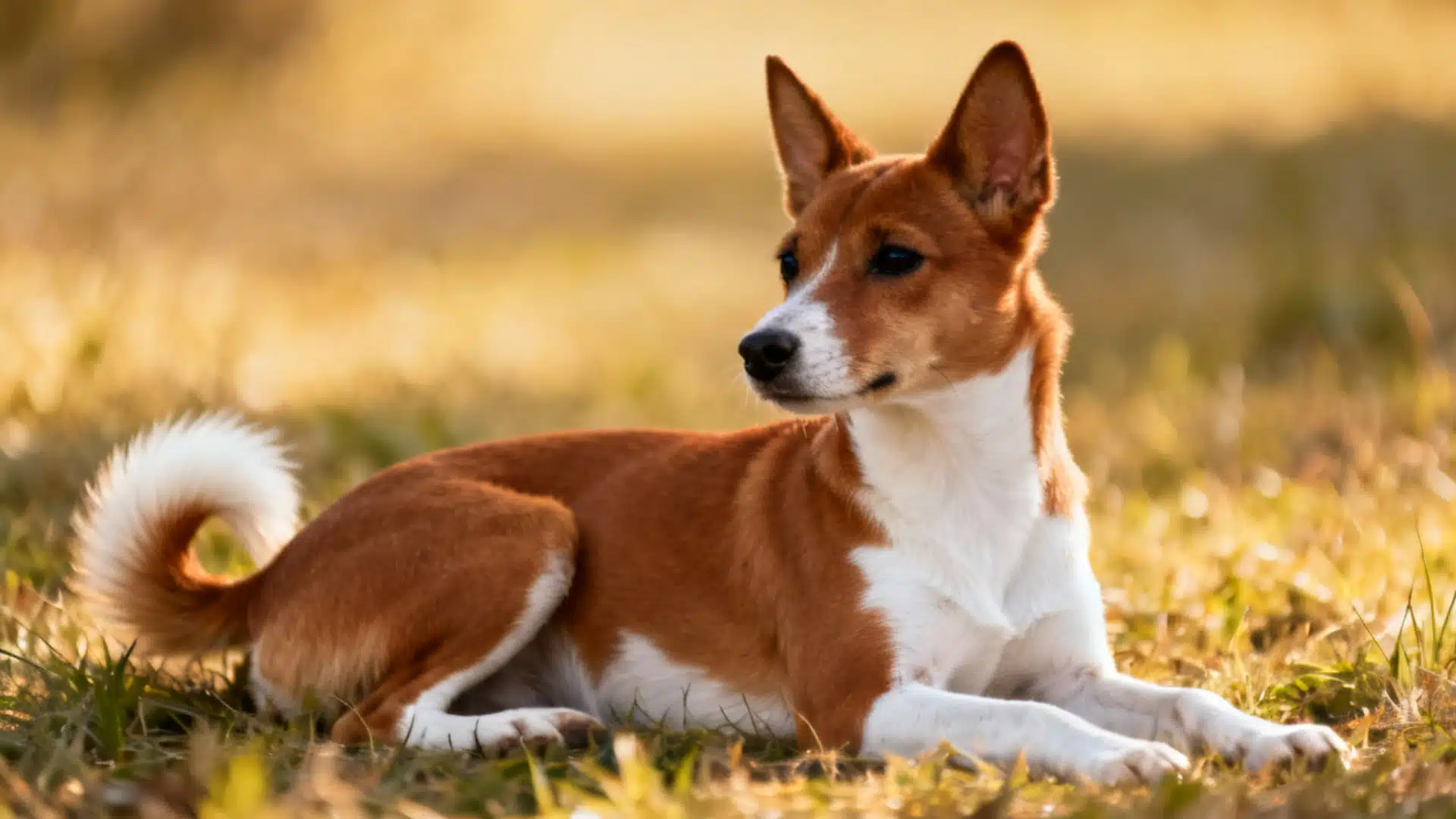
Hooded ears are a variant of prick ears where the sides of the ear curve inward slightly, giving the ear a cupped or cowl-like appearance.
The Basenji is the only breed widely associated with this type, and at a glance, many people mistake their hooded ears for standard prick ears.
The slight inward curve doesn’t restrict airflow in any meaningful way, so Basenjis tend to have a low risk of infection.
10. Blunt-Tip Ears
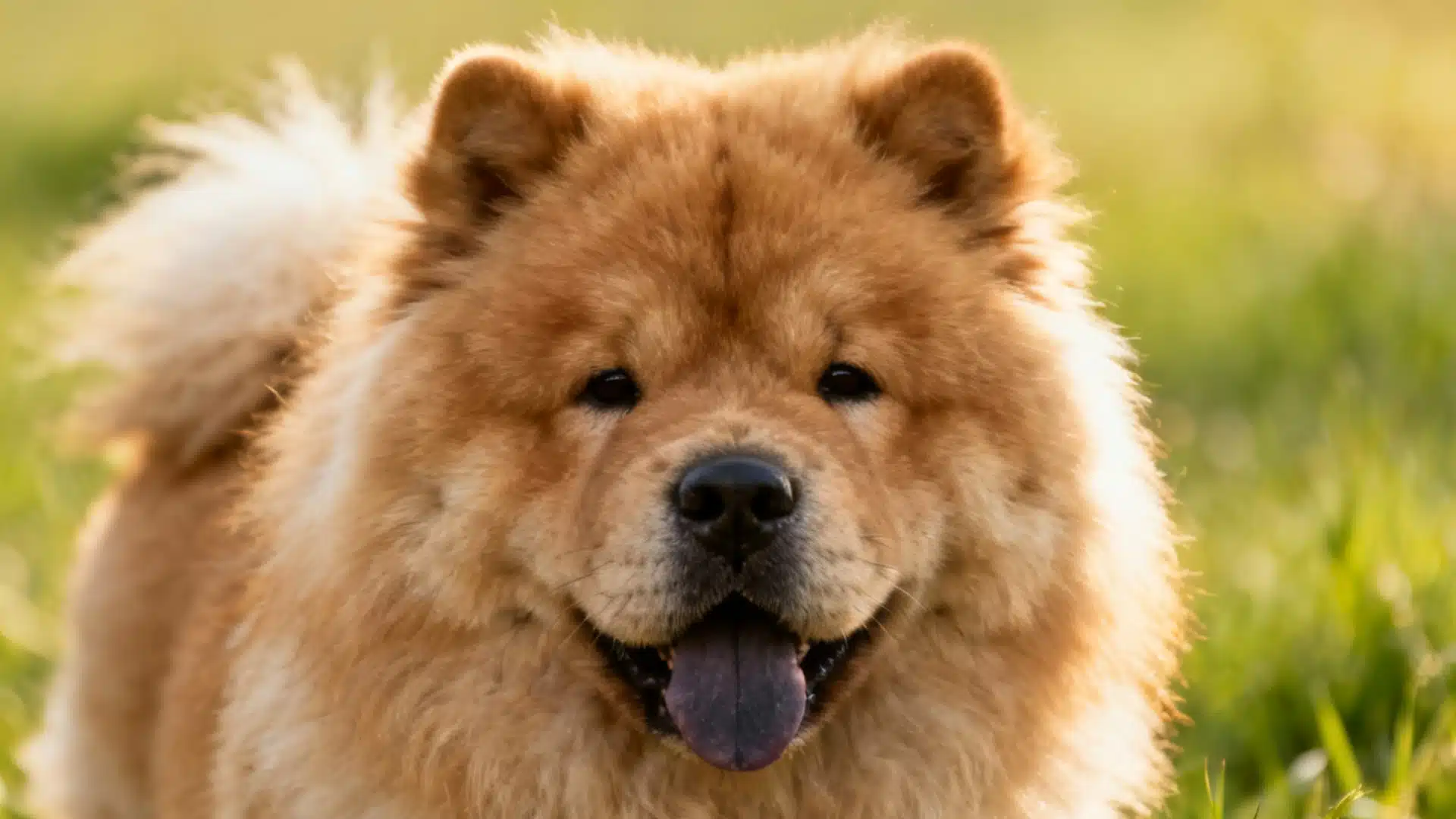
Blunt-tip ears are shaped like prick ears but with a smooth, rounded top rather than a pointed one.
Chow Chows are the most commonly referenced example, and French Bulldogs and Bull Terriers can carry this shape depending on individual cartilage structure.
The rounded tip is the only real difference from standard erect ears, and the care implications are essentially the same.
A good airflow, low infection risk, and a quick weekly check keep things in order.
How to Tell What Ear Type Your Dog Has
Mixed-breed dogs often leave owners genuinely puzzled about which category their ears fall into. Here’s a simple way to work it out.
- Start with position: Does the ear stand up or hang down? Upright ears are erect types. Hanging ears are drop, pendant, or folded types.
- Check the fold: If the ear stands up but bends somewhere along the pinna, you’re looking at semi-erect, button, or rose ears. The location and direction of the fold tell you which one.
- Look at the canal: A covered canal points to button- or folded-ear status. An open canal points to prick, cocked, or rose ears.
- Consider the shape at the tip: Pointed tips suggest prick ears. Rounded tips suggest blunt-tip or bat ears. Wide bases with rounded tops suggest bat ears specifically.
If your dog is a mix and their ears shifted shape during puppyhood, that’s normal. Puppy cartilage is soft and takes time to set, especially in breeds where erect ears are expected.
Conclusion
Dog ear types are one of those details that seem minor until you realize how much they affect your dog’s day-to-day health.
Knowing whether your pup has drop ears or erect ears, button ears or bat ears tells you exactly where to focus your grooming routine and what warning signs to watch for.
A Basset Hound and a Husky need completely different ear care, and that difference starts with the shape they were born with.
The more you understand your dog’s anatomy, the better you can catch small problems before they lead to vet visits.
Take a closer look at your dog’s ears today, identify the type from the guide above, and drop a comment telling us what you found.
Frequently Asked Questions
Do Puppies’ Ears Change Shape as They Grow?
Yes. Puppy ear cartilage is soft and takes months to firm up. A German Shepherd puppy can have floppy ears at eight weeks and fully erect prick ears by five or six months.
Can a Mixed-Breed Dog Have a Different Ear Type than Either Parent?
Yes. Ear shape is a polygenic trait, so a mix can inherit cartilage and pinna size combinations that produce an ear type neither parent has.
Is Ear Cropping the Same as a Natural Ear Type?
No. Ear cropping is a surgical procedure to make ears stand upright. The American Veterinary Medical Association opposes its use for cosmetic purposes. Natural ear types are simply what genetics and cartilage produce on their own.