

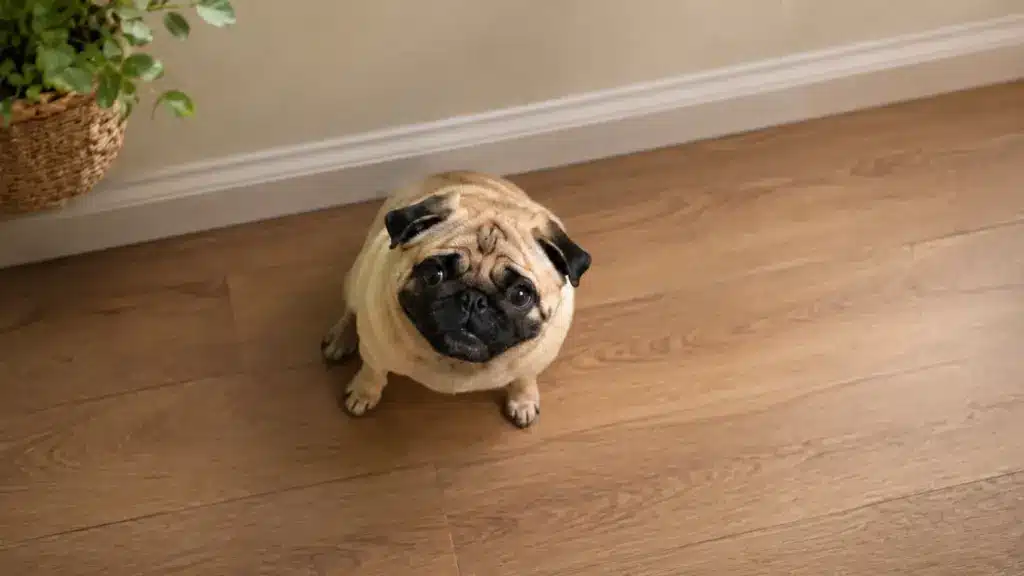
You reach for your coffee mug and find a tiny pug hair lying beside it. You haven’t even made it to the couch yet.
Sound familiar? If you share your home with a pug, you already know the answer to the question “do pugs shed a lot?”
But if you’re still deciding whether to bring one home, or if you’re convinced something is wrong with your pug because of the mountain of fur on your sofa, this is the post you’ve been looking for.
Pug shedding is one of the most talked-about topics in the pug owner community. And we get it.
Let’s break down why it happens, when it’s the worst, and what actually helps.
The good news is that pug shedding is manageable with the right routine. Once you understand your pug’s coat, skin needs, and shedding patterns, it becomes much easier to keep your home cleaner and your pug more comfortable.
Normal Pug Shedding vs Excessive Shedding
Pugs naturally shed a lot, so the amount of fur alone does not always mean something is wrong. The main difference is how the coat and skin look.
| Area | Normal Shedding | Excessive Shedding |
|---|---|---|
| Coat | Looks full, even, and healthy | Looks thin, patchy, or uneven |
| Fur | Falls often, but still looks glossy | Looks dull, weak, or rough |
| Skin | No visible irritation or bald patches | Red, flaky, irritated, or visible through the fur |
| Scratching | Normal occasional scratching | Scratching happens far more than usual |
| Possible cause | Natural pug shedding | Mange, thyroid issues, hormonal imbalance, alopecia X, or severe allergies |
Do Pugs Shed a Lot?
Yes, Pugs do shed a lot for their small size. Many owners are surprised because their short coat looks easy to manage, but Pugs can leave hair on clothes, couches, bedding, and carpets.
Shedding can also increase during seasonal changes, stress, poor diet, or skin problems. The good news is that regular brushing can make a big difference.
Brushing a few times a week helps remove loose hair before it spreads around the house.
Bathing when needed, feeding a balanced diet, and checking for allergies or dry skin can also help keep shedding under better control.
If you are thinking about a lower-shedding option, take a look at our guide to quiet small dogs that shed very little for comparison. Pugs are wonderful, but they are not on that list.
When Do Pugs Shed the Most?
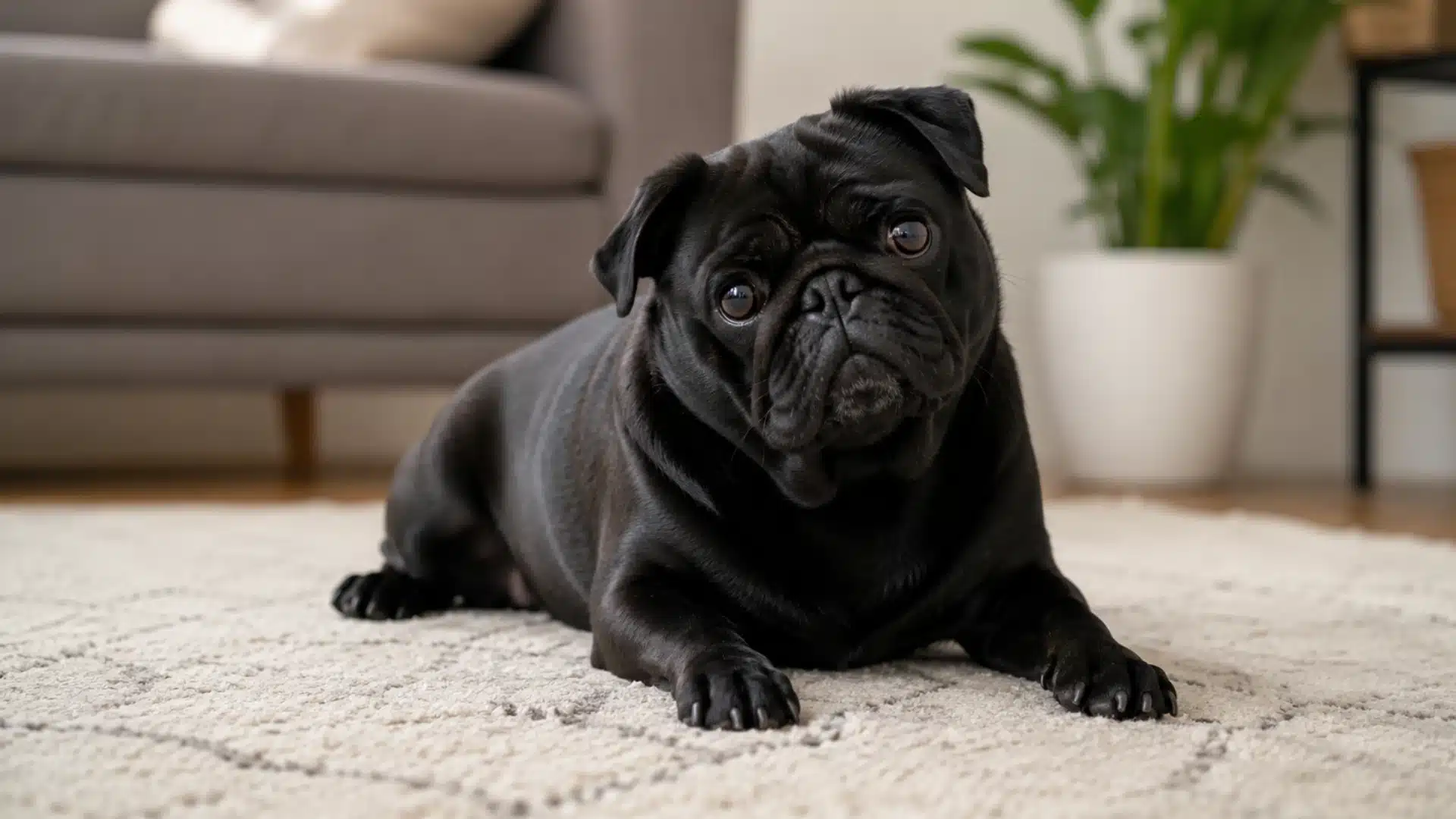
If your pug suddenly seems to be leaving fur everywhere, it usually comes down to what’s happening inside their body or around their routine. Some shedding spikes are part of normal growth and coat maintenance, while others can signal trouble.
- Seasonal coat changes: Spring and fall are usually the heaviest shedding periods. Your pug’s undercoat pushes out old fur to make room for a new layer.
- Puppy coat transition: Around three months old, pug puppies shed their soft puppy coat and start growing their adult double coat.
- Female heat cycles: Unspayed female pugs may shed more near the end of a heat cycle due to hormone changes.
- Stress and anxiety: Moving, a new pet, or a change in routine can trigger temporary excessive shedding.
- Skin allergies: Pollen, food ingredients, cleaning products, or pest bites can cause extra shedding, especially with itching, redness, or irritation. In that case, call your vet.
- Poor nutrition: A diet low in omega fatty acids can dry out your pug’s skin and lead to more shedding.
- Bathing: Baths loosen dead fur, so expect extra shedding during and right after bath time.
The Double Coat Behind Pug Shedding
Understanding the pug’s coat helps you understand why no amount of vacuuming feels like enough. Here’s a quick breakdown of the two layers and what each one does:
- Undercoat: Insulates the dog and helps regulate body temperature in both heat and cold. It sheds heavily during seasonal transitions and contributes most of the bulk fur.
- Topcoat: Protects the skin from dirt, sun, and moisture. It sheds all year round steadily, with finer hairs that cling to clothing.
One thing that surprises many new owners is the color difference in shedding. Fawn, apricot, and silver pugs almost always have double coats and shed more heavily.
Black pugs are more likely to have a single coat and shed less overall.
Also worth knowing: shaving a pug does not solve the shedding problem. The dog simply sheds shorter hairs, not fewer, and the coat may never grow back the same way.
Do Fawn Pugs Shed More Than Black Pugs?
Fawn pugs often shed more than black pugs, but this is not true for every dog.
Many fawn pugs have a double coat, which means they have a soft undercoat under the top coat. This extra layer can lead to more loose hair around the home.
Black pugs often have a single coat, so some owners notice less shedding from them. Still, coat type, health, diet, season, and grooming habits matter more than color alone.
Fawn pug hair may also look more noticeable on dark clothes, sofas, rugs, and car seats, which can make the shedding feel worse.
Black pug hair can show clearly on light fabric, too.
No pug is truly low-shedding. Whether fawn or black, pugs need regular brushing, good skin care, and routine cleaning at home to keep loose hair under control.
Simple Ways to Reduce Pug Shedding
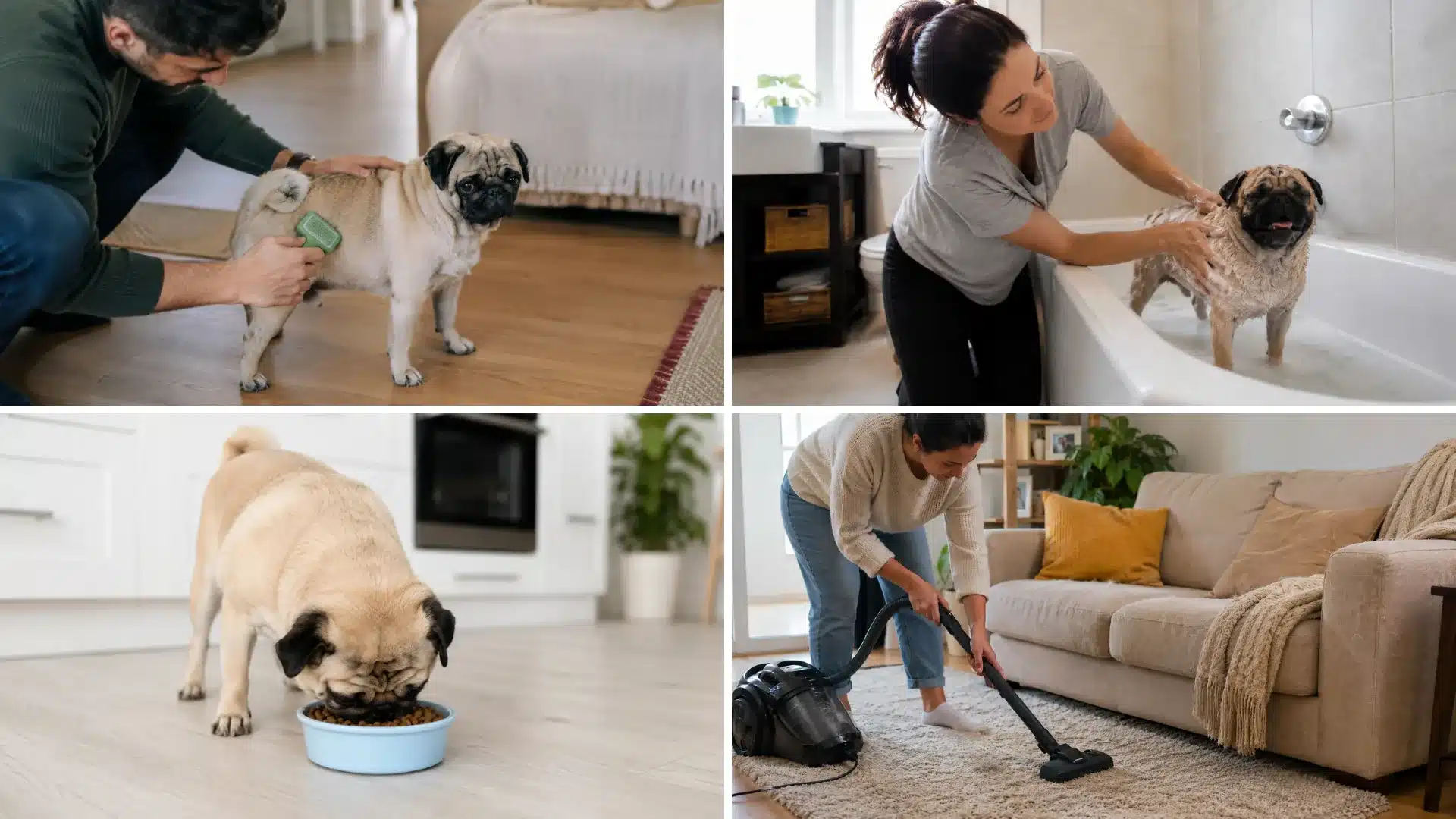
Pug shedding cannot be stopped completely, but the right routine can make it much easier to manage. Brushing, bathing, diet, and home cleaning all play a role. The goal is to remove loose fur before it spreads and to support healthy skin.
1. Brushing
Regular brushing helps catch loose fur before it spreads around your home.
Most pugs need a good brushing once or twice a week, while heavy shedders may need daily brushing in peak seasons.
Work from head to tail for about 15 minutes. Grooming gloves or mitts suit the undercoat, a bristle brush smooths the coat, and a deshedding tool helps during heavier shedding phases.
2. Bathing
Monthly baths help clear out dead fur and keep the coat clean, but too many baths strip your pug’s natural skin oils and actually increase shedding.
Use a mild, hypoallergenic shampoo that won’t irritate sensitive pug skin.
For dogs prone to dryness, a conditioning treatment after bathing can make a real difference in how much their coats the between sessions.
Dry your pug thoroughly after every bath, either with a towel or a low-heat blow dryer.
3. Diet and Omega Fatty Acids
What your pug eats directly and measurably affects how much it sheds. A diet rich in omega-3 fatty acids (specifically EPA and DHA from fish oil) reduces skin inflammation and strengthens hair follicles.
Research published by Dog Food Advisor notes that omega-3 deficiencies are a common driver of excessive fur loss in dogs.
Many pug owners see a visible improvement in coat quality within six to eight weeks of adding a fish oil supplement to their dog’s routine.
Always check with your vet before adding supplements.
4. Managing the Fur Around Your Home
No grooming routine can completely eliminate pug fur from your home.
What you can do is stay ahead of it. A HEPA-filter vacuum handles fine pet hairs better than standard vacuums.
Lint rollers are a pug household staple, and buying them in bulk is not an overreaction.
Furniture covers on sofas and chairs keep the worst of it contained. Washing your pug’s bedding every week also considerably reduces the floating hair situation.
Most pug owners reach a point where they stop fighting the fur and just build it into their routine. That’s honestly the most sustainable approach.
5. Cleaning the Skin Folds
Pugs have deep facial wrinkles that trap moisture and debris. If those folds stay damp, skin irritation develops, and irritated skin often means more scratching and more loose fur.
Wipe the folds gently with a dry cotton pad or a pet-safe wipe a few times a week.
Keep the area dry. It takes two minutes and makes a real difference in skin health, which feeds directly into how much your pug sheds.
What Real Owners Say About Pug Shedding?

On Reddit, pug owners often say shedding cannot be fully stopped, but the right grooming routine can make it easier to handle.
A few owners recommend using a deshedding tool, saying it pulls out loose undercoat before it spreads across the house.
Others mention that even good brushes are not magic, but they still reduce the amount of fur on furniture, clothes, and floors.
Vacuuming also comes up again, with owners suggesting strong models like Dyson and making cleaning part of the daily routine.
One interesting point is that coat color may affect how visible the hair feels, with black pug fur standing out more on light surfaces.
The main takeaway is simple: brush often, vacuum often, and accept that pug hair comes with the breed.
Conclusion
Pug hair is part of the package, but it does not have to control your home or your patience.
Once you know what is normal for your dog, shedding becomes easier to manage and easier to judge. The real win is learning the difference between everyday fur loss and a coat change that deserves attention.
A pug with healthy skin, a steady routine, and the right care will always be easier to live with, even if your black pants disagree.
Stay consistent, keep an eye on sudden changes, and do not ignore your instincts.
At the end of the day, shedding is just one small part of loving a pug. A little extra cleaning feels worth it when those snorts, cuddles, and goofy looks fill the house.
Have a pug shedding tip or funny fur story? Drop it in the comments below.
Frequently Asked Questions
Does a Pug’s Weight Affect Shedding?
Excess weight can make grooming harder and may worsen skin folds, irritation, and coat condition. A healthy weight supports better overall skin comfort.
Can Fleas Make a Pug Shed More?
Yes, flea bites can irritate the skin and trigger scratching, which may loosen more fur. Check for pests if shedding comes with itching.
Are Pugs Hypoallergenic?
No, pugs are not hypoallergenic. They shed regularly and produce dander, which can trigger allergies in sensitive people, even with frequent grooming and cleaning.
Do Pugs Shed More as They Get Older?
Senior pugs may have slightly duller coats due to slower oil production, but shedding levels typically stay consistent throughout their lives. If you notice a sharp increase in shedding in an older pug, a vet check for thyroid or hormonal changes is worth doing.