One day, your couch is spotless, and the next, it looks like your Frenchie secretly exploded into fur overnight.
That is the reality many owners discover after bringing home this adorable little breed with bat ears and a deceptively short coat.
The problem is that shedding often catches people off guard. Loose hair on clothes, carpets, beds, and car seats quickly turns into a daily annoyance, especially during seasonal coat changes.
For some owners, it becomes a constant battle with lint rollers and vacuum cleaners.
That is why so many people eventually start asking, Do Frenchies shed more than expected?
This blog post covers how much French Bulldogs shed, the most common reasons behind excessive shedding, and practical ways owners can manage loose fur more effectively at home.
Do Frenchies Shed a Lot?
Yes, French Bulldogs do shed, although usually not as heavily as breeds like Huskies or German Shepherds.
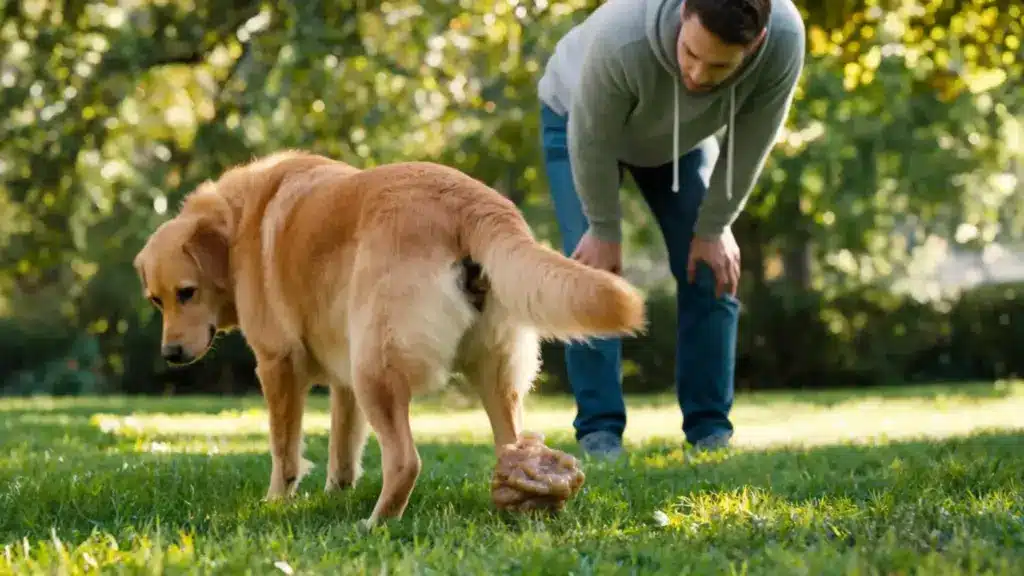
Most Frenchies are considered moderate shedders, meaning loose fur regularly ends up on couches, clothes, beds, and car seats throughout the year.
Their short single coat helps keep shedding more manageable compared to thick double-coated dogs, but some Frenchies naturally shed more because of genetics or coat type.
Double-coated French Bulldogs often experience heavier shedding during spring and fall seasonal changes.
Fluffy Frenchies may also seem to shed more simply because longer hair is easier to notice around the house.
The good news is that regular brushing, proper grooming, and a healthy diet usually keep shedding under control for most owners.
Common Causes of Shedding in Frenchies

Shedding is not random. From biology to diet, several factors drive how much fur your Frenchie leaves behind. Understanding these reasons makes it much easier to take targeted action rather than just reacting to the mess.
1. Seasonal Changes and the Coat Cycle
Spring and fall trigger heavier shedding in Frenchies as their bodies prepare for temperature shifts, a process that is completely normal for most dogs.
When winter ends and spring begins, your Frenchie sheds its thicker winter coat to stay cooler. When fall arrives, that lighter coat makes way for denser winter growth.
This process is sometimes called “blowing the coat.” In single-coated Frenchies, the shift is subtle. In double-coated ones, it can feel like a fur storm for a few weeks. Either way, it does pass.
2. Diet, Nutrition, and Coat Health
What goes into the bowl eventually shows up around the house. Poor nutrition is one of the biggest hidden causes of excess shedding in French Bulldogs.
Diets lacking Omega-3 and Omega-6 fatty acids often lead to dry skin and brittle hair that falls out more easily.
High-quality dog food with real protein and healthy fats helps support a healthier coat overall. Food allergies can also play a role.
Ingredients like chicken sometimes trigger itching, irritation, and heavier shedding in sensitive Frenchies. In some cases, switching to a limited-ingredient or hypoallergenic diet noticeably improves coat health and reduces loose fur.
3. Age, Sex, and Genetics
From puppy coat transitions to females in heat, your Frenchie’s biology plays a bigger role in shedding than most owners realize.
Around six months of age, puppies shed their soft puppy coat and grow into their adult coat. This transition phase can look alarming to new owners, but it is completely normal and usually resolves within a few weeks.
Female Frenchies also tend to shed more during heat, and spaying can eliminate that cycle entirely.
Genetic makeup matters too; some Frenchies are simply heavier shedders based on their lineage, regardless of how well you groom them.
4. Skin Fold Dermatitis
Frenchies are genetically predisposed to skin fold dermatitis, inflammation that develops in the deep wrinkles on their face and body.
When moisture and bacteria build up in those folds, the resulting irritation can spread to nearby coat areas and increase shedding.
Keeping skin folds clean and dry is not just an aesthetic concern; it is directly tied to coat health.
Regularly wiping folds with a gentle, vet-approved cleanser is a step many owners skip, but should not.
5. Stress and Anxiety
Stress can absolutely affect how much your Frenchie sheds. Just like humans react physically to anxiety, dogs often respond with changes in their skin and coat health as well.
Sudden schedule changes, loud environments, separation anxiety, travel, or even introducing a new pet into the home can trigger temporary stress shedding in French Bulldogs.
Some Frenchies also develop nervous habits like excessive licking, scratching, or chewing at the skin, which can make shedding appear even worse.
In many cases, the shedding improves once the dog feels comfortable and settled again.
How to Reduce French Bulldog Shedding?

You cannot stop shedding entirely, but with a consistent routine, you can dramatically reduce the fur takeover in your home. These are the methods I recommend most often to Frenchie owners in my clinic, and they genuinely work when applied regularly.
- Brush regularly: Use a soft-bristle brush or a grooming glove at least once a week, increasing to 2–3 times during heavy shedding seasons to remove loose hair before it lands on your furniture and clothing.
- Bathe monthly: Use a gentle, pH-balanced or hypoallergenic shampoo. Over-bathing strips natural oils and worsens skin dryness, leading to increased shedding over time. Always brush before bathing, not after; pre-bath brushing removes the bulk of loose hair and lets the shampoo reach the skin more effectively.
- Feed a high-quality diet: Look for dog food rich in Omega-3 and Omega-6 fatty acids to support a healthy, strong coat from the inside out, as nutrition is one of the biggest levers you have.
- Add supplements wisely: Fish oil or biotin supplements can boost coat health noticeably, but always consult your vet before introducing anything new to your Frenchie’s daily diet or routine.
- Manage the home environment: Invest in a good vacuum, lint rollers, and washable furniture covers to keep loose fur under control during peak shedding seasons without constant stress.
- Stay on top of vet checkups: Regular visits help catch skin conditions, parasites, or nutritional gaps early before they cause abnormal or excessive shedding that becomes harder to manage.
- Keep your Frenchie hydrated: Dehydration can affect skin health and increase shedding. Fresh water should always be available.
Choosing the right brush for your dog makes a bigger difference than most owners expect. A soft-bristle brush or rubber grooming glove works best for Frenchies’ short, fine coats.
Choosing the Right Brush for Your French Bulldog
Frenchies have short, fine coats that respond best to gentle tools. Heavy de-shedding blades designed for thick double coats can irritate their skin if used too frequently.
| Tool | Best for | Frequency | Notes |
|---|---|---|---|
| Rubber grooming glove/mitt | Everyday use | 2–3× per week | Petting motion, most Frenchies cooperate easily. Best for bonding sessions. |
| Soft-bristle brush | Weekly maintenance | 1–2× per week | Good all-rounder. Removes loose hair without scratching sensitive skin. |
| De-shedding tool (e.g., FURminator short-hair) | Seasonal shedding peaks | Every 3–4 days max | Effective but overuse irritates the skin. Do not use daily. |
| Long-hair brush | Fluffy Frenchies only | 2–3× per week | Prevents tangles while still capturing loose fur from the longer coat. |
When Shedding Becomes a Problem: Signs to Watch for
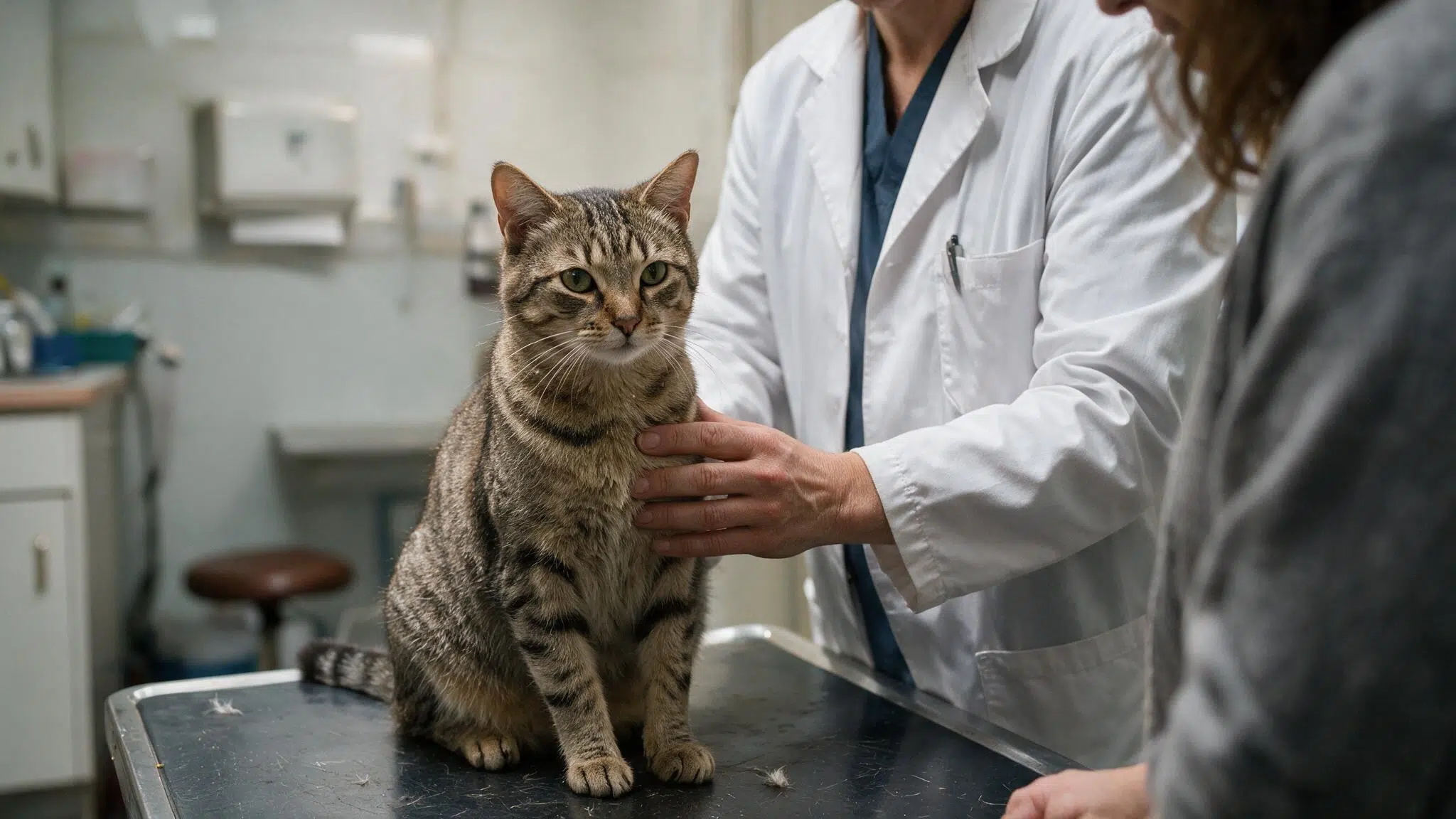
Normal shedding and problematic hair loss look different. Bald patches, skin redness, unusual coat thinning, excessive scratching, or persistent paw-licking alongside heavy shedding, any of these warrant a vet visit sooner rather than later.
Conditions that can cause abnormal hair loss include:
- Fleas, mites, or mange infestations
- Bacterial or fungal skin infections
- Food allergies or seasonal allergies
- Nutritional deficiencies or stress
- Hormonal issues like hypothyroidism
Staying current with flea and parasite prevention is one of the simplest ways to protect your Frenchie’s coat year-round.
Note: If your Frenchie shows signs of abnormal hair loss or skin issues, consult a licensed veterinarian before trying to treat it at home.
Are French Bulldogs hypoallergenic?
No. French Bulldogs are not hypoallergenic, and no dog breed truly is.
The main allergy trigger isn’t hair itself. It’s proteins found in pet dander, saliva, and skin flakes that attach to shed fur and spread through the air.
Even Frenchies with a single short coat produce enough dander to trigger reactions in sensitive people.
Regular grooming, bathing, vacuuming, and air purification can help reduce allergens indoors, but they won’t eliminate them entirely.
Conclusion
French Bulldogs may not be heavy shedders compared to some larger breeds, but they still leave enough fur behind to keep owners reaching for the vacuum regularly.
The good news is that shedding usually becomes much easier to manage once you understand what triggers it.
Regular brushing, a diet rich in healthy fats, monthly baths, and staying on top of skin fold care are usually enough to keep loose fur under control.
Small habits often make a bigger difference than expensive grooming products or complicated routines.
Every Frenchie is a little different, so finding what works best for your dog takes some patience.
Still fighting the never-ending battle against dog hair? Drop a comment below and share what has worked best for your Frenchie so far.
Frequently Asked Questions
Do French Bulldogs Shed More than Pugs?
Pugs usually shed more than French Bulldogs because of their denser double coat, especially during seasonal shedding periods.
Does Spaying or Neutering Affect How Much a French Bulldog Sheds?
Yes. Spaying can reduce hormone-related shedding in female Frenchies, while neutering may slightly change coat texture in some male dogs.
Can I Give My French Bulldog Benadryl for Shedding Caused by Allergies?
Benadryl may help allergy-related itching in French Bulldogs, but only use it with veterinary guidance since incorrect formulations and doses can be dangerous.