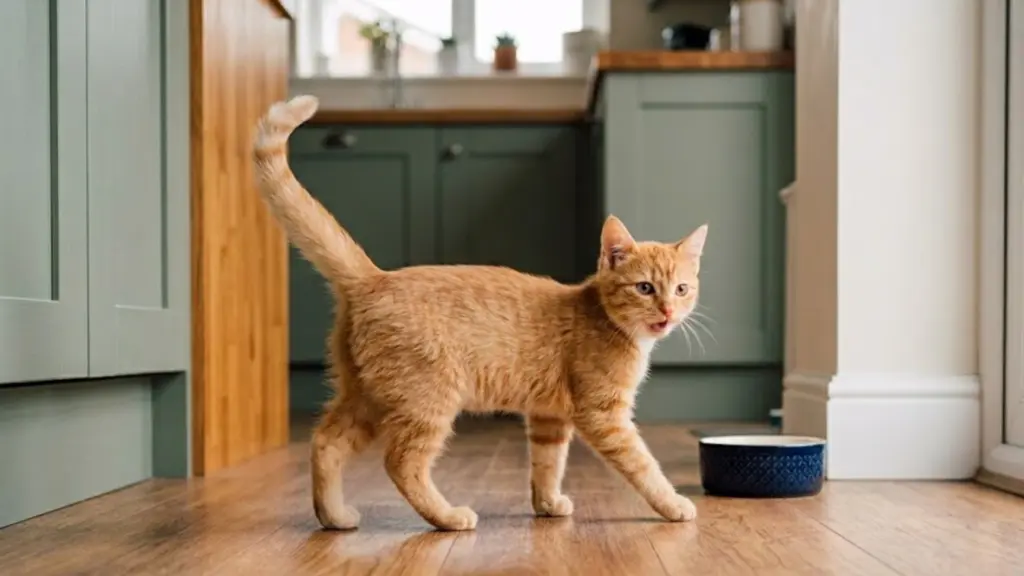
Finding a small patch of strong-smelling urine on a wall, chair, or door can feel frustrating. It is even more confusing when your cat still uses the litter box like normal.
That is where many owners get stuck, because this behavior is not always about a dirty litter box or bad habits.
In many cases, cat spraying is a way for a cat to send a message about stress, territory, health, or changes at home.
I know it can feel annoying when you cannot tell what caused it, but there is usually a reason behind it.
Ahead in this blog, you will learn what spraying means, why cats do it, how to tell it apart from regular peeing, and what steps can help reduce or stop the problem.
What is Cat Spraying?
Cat spraying occurs when a cat releases a small amount of urine specifically to mark a spot, rather than to relieve their bladder.
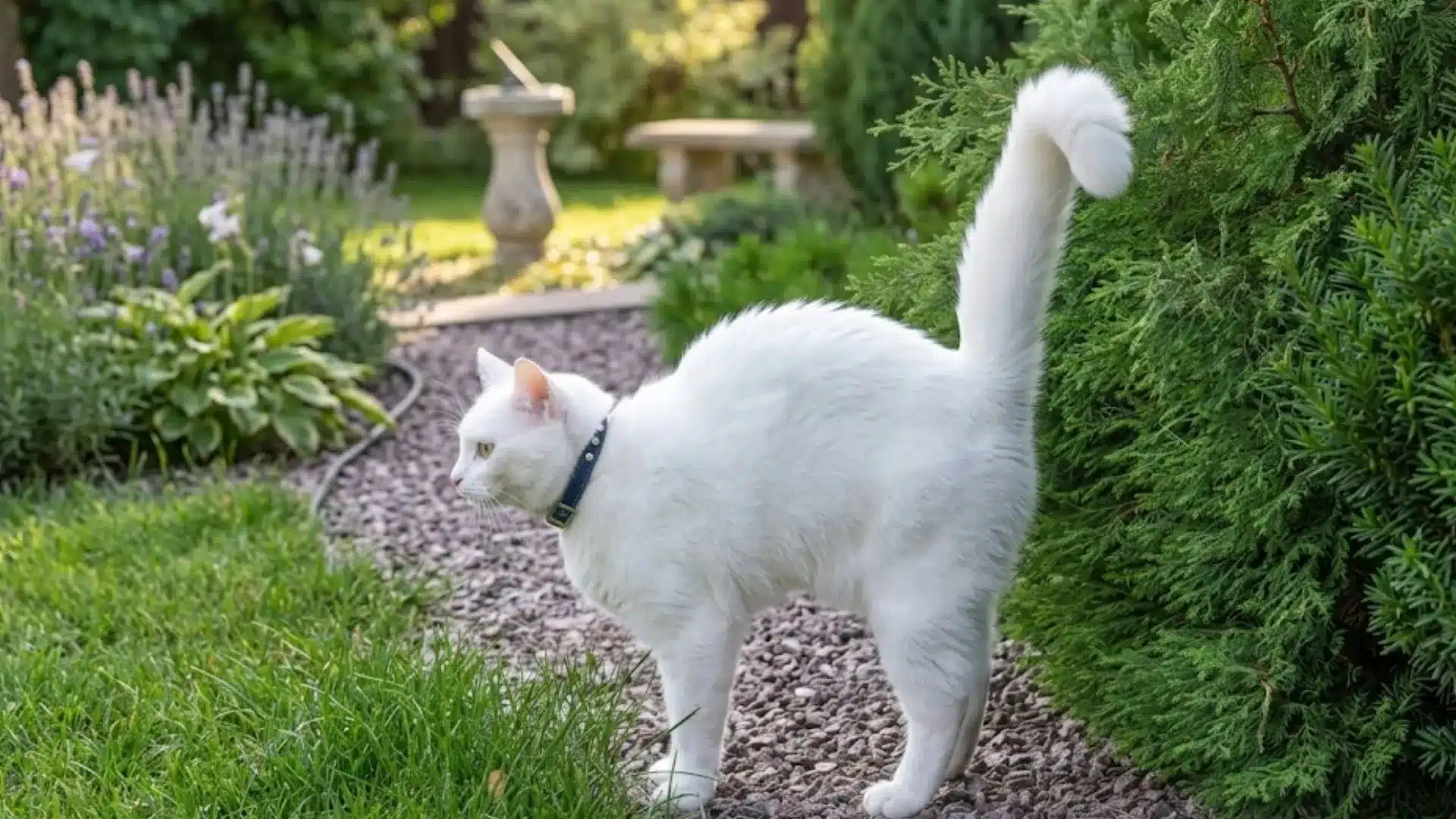
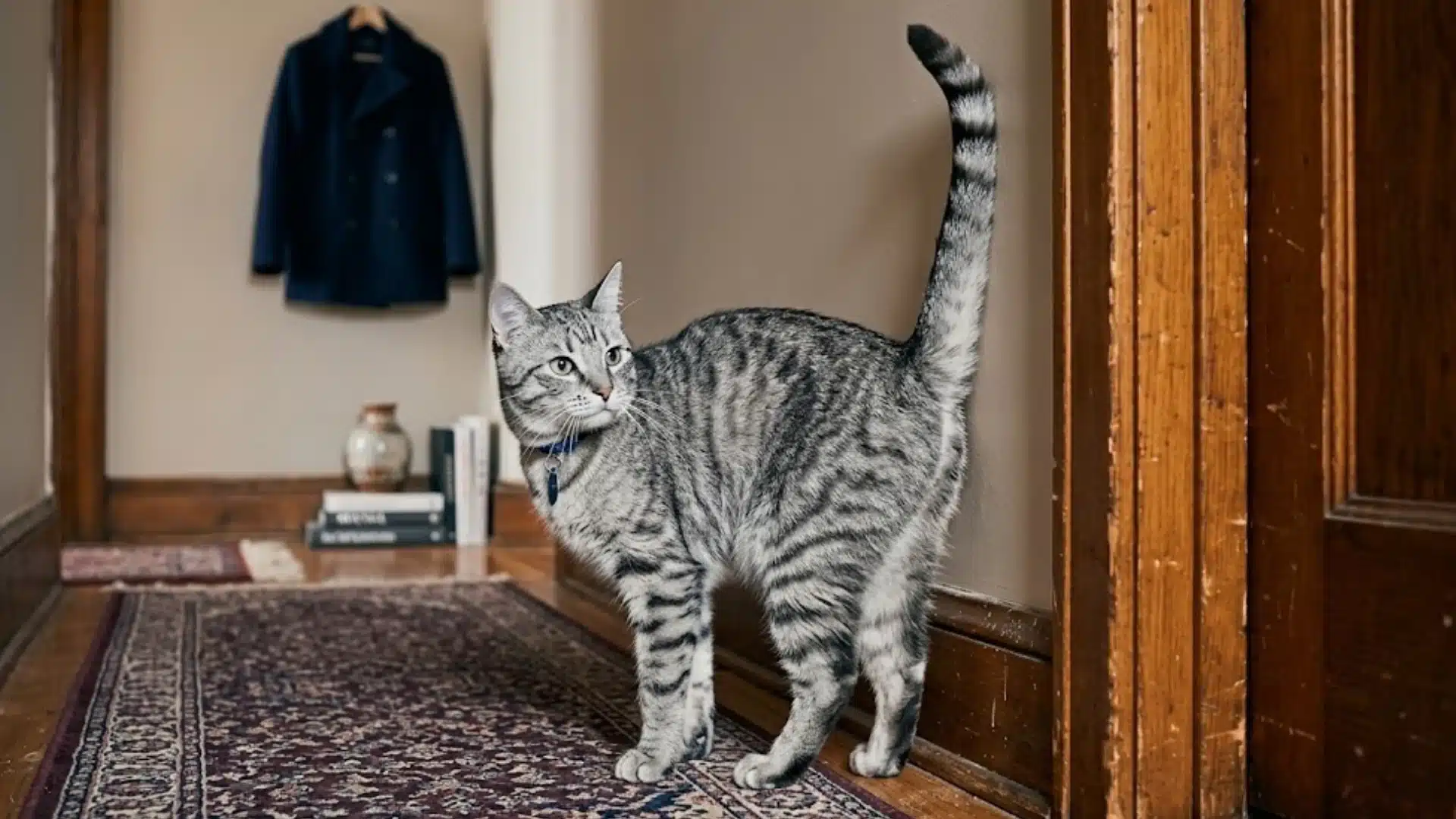
Unlike normal urination, where cats usually squat on a flat surface such as a litter box to empty their bladder, spraying involves standing, lifting the tail, and directing urine onto vertical surfaces.
This behavior is closely tied to scent marking, which is why the smell is often stronger and more pungent than regular urine.
Cats may continue to use the litter box for regular elimination but still spray in other areas of the home.
Common targets include walls, doors, curtains, furniture, windows, beds, and room corners.
Spraying often occurs near entry points or areas where the cat senses competition, such as when outdoor cats are nearby or their territory feels threatened.
Why Do Cats Spray?
Cats spray for different reasons, and the cause is not always obvious. Some cats do it to communicate, while others react to stress, changes, or health issues. Understanding the reason behind the behavior is often the first step toward finding the right solution.
1. Marking Territory
Territory is one of the most common reasons cats spray. Cats rely heavily on scent to communicate with other animals.
By spraying, they leave behind a scent marker that signals ownership of an area. This behavior is more common in homes with multiple cats or in places where outdoor cats are visible through windows.
Even cats that seem calm can feel the need to mark their space if they believe another animal is nearby.
Spraying helps them establish boundaries and feel more secure in their environment.
2. Stress or Fear
Stress can trigger spraying even in cats that have never done it before. Loud noises, household tension, unfamiliar visitors, or changes in the environment can make a cat feel uneasy.
Some cats react by hiding, while others use scent marking as a coping mechanism. Fear can have a similar effect.
A cat that feels threatened may spray to create a familiar scent in the area. This behavior is often an attempt to feel safer rather than a sign of disobedience or bad behavior.
If you’ve noticed other signs of distress in your cat, it’s worth reading our guide on cat anxiety symptoms and treatment to see if stress is the deeper issue.
3. New Pets or People at Home
Bringing a new pet or person into the home can change the social balance that a cat is used to. Cats are creatures of habit and often prefer familiar surroundings.
A new dog, cat, baby, roommate, or regular visitor can make them feel uncertain. Spraying may begin as a way to mark important areas and reinforce a sense of ownership.
The behavior can become more noticeable when introductions happen too quickly or when the cat feels ignored or displaced by the new arrival.
4. Changes in Routine
Cats often thrive on predictable routines. Something as simple as moving furniture, changing feeding times, switching litter boxes, or spending less time at home can affect them.
Larger changes, such as moving to a new house or renovating part of the home, may increase anxiety even more.
When routines are disrupted, some cats respond by spraying in familiar areas. The scent can provide comfort and help them adjust to situations that feel unfamiliar or stressful.
5. Medical Problems
Sometimes spraying is connected to an underlying health issue rather than a behavioral one.
Urinary tract infections, bladder inflammation, kidney disease, or other medical conditions can make a cat urinate outside the litter box.
Pain and discomfort may also cause changes in bathroom habits that look similar to spraying.
If the behavior appears suddenly or is accompanied by signs such as frequent urination, blood in the urine, or straining, a veterinary examination is important to rule out medical causes.
6. Mating Behavior
Mating instincts are a major reason many cats spray. Unneutered males are especially known for this behavior, but females in heat may also spray.
The scent contains information that can attract potential mates and communicate reproductive status.
Spraying linked to mating often comes with other behaviors, such as increased vocalization, restlessness, or attempts to escape outdoors.
In many cases, spaying or neutering can significantly reduce or stop this type of scent-marking behavior.
Spaying or neutering reduces or eliminates this behavior in the majority of cats. If you’re unsure about timing, see our breakdown on whether you can spay a cat in heat.
How to Tell if it is Spraying or Peeing?
Telling the difference between spraying and regular peeing comes down to posture, location, and amount. Spraying usually involves the cat standing, tail raised, and urine hitting vertical surfaces, often leaving a strong odor.
- Body posture: A spraying cat usually stands, raises the tail, and may shake it while facing a wall or object.
- Small amount of urine: Spraying often leaves only a light patch or streak, while normal peeing usually leaves a larger puddle.
- Vertical surfaces: Spray usually lands on walls, doors, curtains, furniture sides, or other upright areas instead of flat floors.
- Strong smell: Sprayed urine can smell sharper because it is used for scent marking and communication.
- Repeated spots: Cats often return to the same places because the scent keeps pulling them back.
How to Stop Cat Spraying at Home?
Stopping spraying often requires a mix of good cleaning habits and changes that help a cat feel safe and comfortable. The goal is to remove old scent markers while reducing the reasons behind the behavior.
- Clean the area properly: Use an enzyme-based cleaner to remove urine smells that may encourage repeat spraying.
- Reduce stress triggers: Identify things that cause anxiety, such as loud noises, unfamiliar animals, or sudden changes.
- Keep litter boxes clean: Scoop daily and clean boxes regularly so they remain appealing to use.
- Add more litter boxes: Multiple cats may need extra boxes to reduce competition and territorial behavior.
- Avoid punishment: Scolding can increase fear and stress, which may make the problem worse.
- Use calming products: Pheromone diffusers and similar products may help some cats feel more relaxed.
Consistency is important because results rarely happen overnight. If spraying continues despite these steps, a veterinarian can help rule out medical issues and recommend additional solutions.
When to See a Vet?
A vet visit is important when spraying starts suddenly, especially if there has been no clear change at home.
Sudden behavior can sometimes point to pain, stress, or a health issue that needs checking. If a cat cries, strains, or seems uncomfortable while peeing, it should not be ignored.
Blood in the urine is another warning sign, even if it appears only once. Frequent litter box visits can also mean irritation, infection, bladder trouble, or a possible blockage.
Older cats need extra attention when they show new bathroom behavior, because age-related health problems may be involved.
A vet can check for urinary problems, kidney issues, and other causes. Getting help early can treat the real reason and stop the behavior from becoming a long-term habit.
How to Prevent Spraying From Coming Back?
Once the spraying improves, the next goal is to keep the home calm, clean, and predictable so the habit does not return.
- Keep routines steady: Feed, play, clean, and rest around the same times each day so the cat feels safe and settled.
- Give cats enough space: Provide separate beds, hiding spots, scratching posts, and feeding areas so cats do not feel crowded or threatened.
- Manage conflicts between pets: Watch for chasing, blocking, staring, or fighting, then separate pets and reintroduce them slowly when needed.
- Keep outdoor cats away from windows: Close blinds, use window film, or block views if outside cats make indoor cats feel stressed.
- Spay or neuter when needed: Fixing a cat can reduce mating-related spraying, especially when the behavior is linked to hormones.
Conclusion
Spraying can feel frustrating, but it usually has a reason behind it. Cats may spray because of territory, stress, fear, new pets, new people, routine changes, mating behavior, or medical problems.
The good news is that the habit can improve once the cause is found and handled the right way.
Cleaning marked areas, reducing stress, keeping litter boxes fresh, adding extra boxes, and avoiding punishment can all help.
In some cases, cat spraying may also need a vet check, especially when it starts suddenly or comes with pain, blood, or frequent litter box visits.
With patience and steady changes, many cats can return to calmer bathroom habits.
Have you noticed your cat spraying in one specific spot at home? Share your experience in the comments below.
Frequently Asked Questions
How Long Does Cat Spray Smell Last?
Cat spray smell can last for weeks if the area is not cleaned properly. Fabric, carpets, and wood can hold the odor longer because urine can soak deeper into the surface. Cleaning the spot as early as possible makes it easier to remove the smell.
Does Bleach Remove Cat Spray Smell?
Bleach is not the best choice for urine smells. It may leave behind a strong scent and does not fully break down the urine odor. An enzyme cleaner works better because it targets the source of the smell.
Can a Cat Spray Even if the Litter Box is Clean?
Yes, a clean litter box does not always stop spraying. Spraying is often about communication, not just bathroom use. A cat may still use the box normally while marking other areas.