

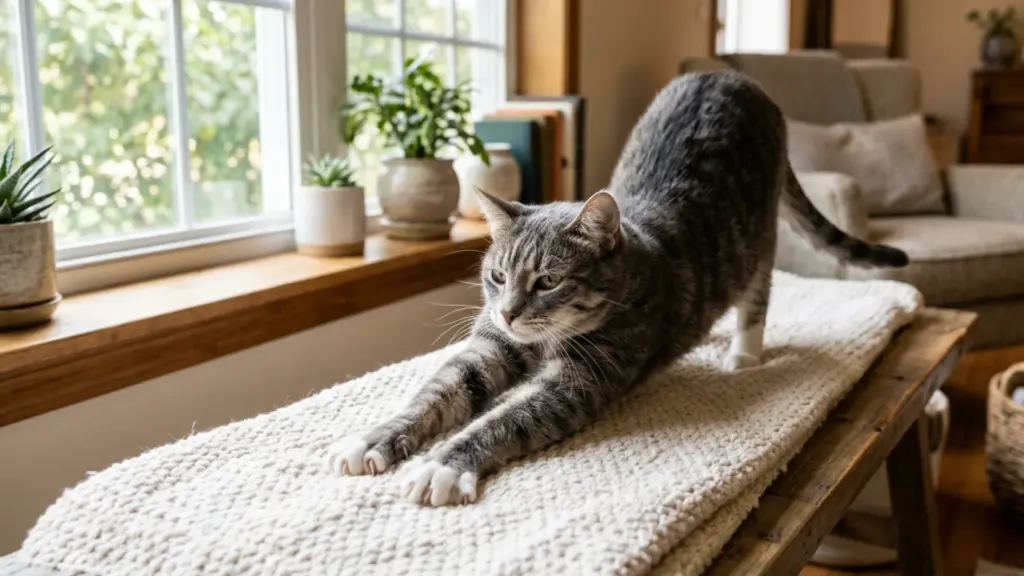
Cat kneading can feel like one of the sweetest little mysteries of living with a cat.
Your furry friend climbs onto your lap, presses its paws into a blanket, and purrs with such comfort that the moment feels almost personal.
I often see kneading as a behavior that connects cats to some of their earliest, safest memories from kittenhood. It can also be a sign of comfort, trust, and relaxation.
Still, many cat parents wonder what this gentle motion really means, especially when it happens often or comes with sharp little claws.
Cat kneading is more than a cute habit; it often connects to trust, safety, comfort, and early kitten memories. That simple paw pressing can show how relaxed your cat feels around you.
Once you understand why cats knead, the behavior starts to feel less confusing.
What is Cat Kneading?
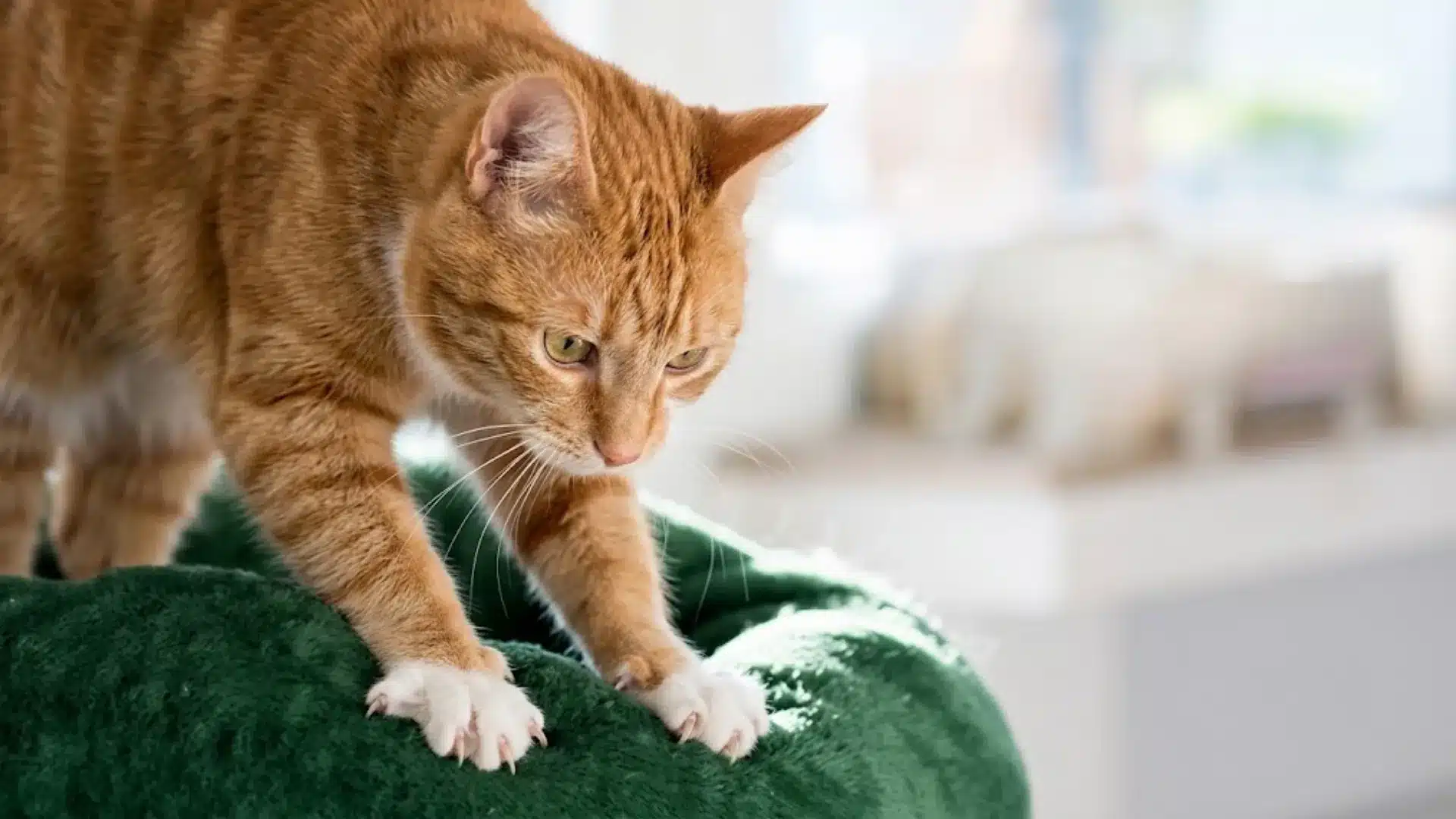
Cat kneading is a repetitive motion in which a cat alternates between pressing each front paw into a soft surface, one after the other.
The paws push in and then retract, sometimes with claws out, sometimes without. It’s often called “making biscuits” because the motion looks a lot like someone kneading dough.
Not every cat kneads the same way. Some press gently with soft paws, while others go in with full claws and real commitment. The rhythm can be slow and sleepy or steady and focused, depending on the cat’s mood.
Some cats knead blankets and beds exclusively. Others choose people. A few seem to have a specific person they reserve it for, which, if that person is you, can feel pretty special.
This small habit often shows comfort, trust, and a sense of safety.
Common Reasons Your Cat Kneads
Cats knead for several reasons, and in most cases, the behavior is completely normal. While the motion may seem unusual to humans, it often reflects emotions and instincts that developed early in a cat’s life.
1. Comfort and Contentment
When a cat kneads you specifically, it’s worth paying attention to, and this isn’t random. Cats are selective about who they knead, and it almost always signals genuine attachment. The behavior traces back to nursing.
Kittens kneaded their mother while feeding, during a time when warmth and safety were one and the same.
When your cat kneads you as an adult, they’re drawing on that same emotional association that means you’re the safe thing.
Kneading with purring or slow blinking often shows your cat feels bonded and safe. Bonding enrichment activities can encourage more of these quieter, trusting moments between you and your cat
2. Showing Affection
Some cats knead the people they trust most, especially when they are curled up on a lap or resting beside someone they enjoy being around.
This behavior is often linked to the warmth and security they experienced with their mother during kittenhood.
When a cat kneads a person, it can be a quiet way of expressing trust, comfort, and attachment.
Kneading often comes with purring, slow blinking, or a relaxed body. It can show that a cat feels safe, happy, and closely bonded.
3. Marking Territory
Cats have scent glands located between their toes. When they knead, they release a scent that other cats can detect, even though people generally can’t smell it.
This helps cats mark spaces, objects, and sometimes people as familiar parts of their world.
Scent marking is a normal part of feline territorial behavior and isn’t a sign of aggression or possessiveness. It’s how cats create a sense of ownership over the things they care about.
4. Nesting Instinct
Wild cats often pressed down grass, leaves, or other soft materials before lying down to rest.
This behavior helped create a safer and more comfortable sleeping area. Domestic cats still carry traces of this instinct today.
Even on a soft bed or blanket, many cats knead before resting. It helps them test the surface, settle in, and follow a natural instinct.
Kneading can be seen as a modern version of making a nest, helping a cat feel comfortable before relaxing or sleeping.
5. Stress and Self-Soothing
Some cats knead when they feel uncertain, overstimulated, or anxious. The repetitive motion can have a calming effect and may help them manage stress.
Similar to how people might fidget, tap their fingers, or pace when nervous, cats may use kneading as a way to comfort themselves.
This behavior can appear during changes in the home, loud noises, unfamiliar visitors, or other situations that disrupt their routine.
If you’re seeing other signs of anxiety in cats alongside the kneading, it’s worth looking at the bigger picture of what might be stressing your cat out.
6. Muscle Stretching
Kneading also provides a gentle stretch for the paws, legs, shoulders, and chest. The repeated pressing-and-releasing motion engages muscles throughout the front of the body.
Many cats knead after waking up because it helps loosen stiff muscles and improve flexibility. Older cats may especially enjoy the movement because it can feel soothing after periods of rest.
While kneading is usually normal, a sudden increase in the behavior, combined with limping, stiffness, or difficulty jumping, may warrant closer attention.
In most cases, though, kneading is simply a natural way for cats to stretch and stay comfortable.
7. During Heat Cycles
Unspayed female cats may knead more often during estrus, the stage of their reproductive cycle when they are ready to mate.
During this time, kneading may occur alongside louder vocalizing, increased affection, frequent rubbing, restlessness, and attempts to go outdoors.
The behavior is part of a broader set of mating-related signals. While kneading itself is harmless, the combination of these signs can indicate that a cat is in heat.
Spaying typically prevents these cycles and the associated behaviors. For many owners, this also reduces stress and helps maintain a more predictable routine at home.
Real User Opinions on Their Cat Kneading

Reddit discussions often point out that cat kneading usually starts in kittenhood. When kittens are nursing, they instinctively push their paws against their mother’s belly to help stimulate milk flow.
Because this behavior is tied to food, warmth, and safety, many cats continue doing it throughout their lives.
Adult cats often knead blankets, beds, pillows, or even their owners when they’re feeling relaxed and comfortable.
There are a few other theories too. Cats have scent glands in their paws, so kneading may help them mark familiar people or places.
In most cases, if your cat is kneading, it’s a good sign they’re probably feeling safe, happy, and comfortable.
Why Can Attention Make Cat Kneading More Frequent?
If your cat seems to knead more when you’re around, that’s not a coincidence. Cat behaviors, including innate ones, can be reinforced.
If you’ve ever petted your cat, spoken softly to them, or simply stayed still while they kneaded, you’ve reinforced the behavior.
The cat learned: kneading on this person brings warmth and attention. They’ll repeat it, and this isn’t a problem.
It just explains why some cats knead their owners far more than they knead blankets, and why the behavior can seem to increase over time in cats that receive lots of attention during kneading sessions.
When Cat Kneading May Be a Warning Sign?
Most of the time, kneading is normal and nothing to worry about. But a clear change in your cat’s kneading behavior can sometimes point to stress, pain, or discomfort.
- Sudden increase in kneading: If kneading becomes much more frequent and is accompanied by restlessness, appetite changes, or litter box changes, your cat may be experiencing pain or discomfort.
- Intense kneading with suckling: Cats weaned too early may knead more intensely and suckle on blankets. This is usually harmless, but it may need attention if it looks compulsive or distressed.
- Sudden drop in kneading: If a cat who usually kneads stops suddenly, something may have changed in how they feel physically or emotionally.
The kneading itself is rarely the concern. The concern is the shift around it. If the behavior changes suddenly or comes with other symptoms, schedule a visit with your vet.
How to Manage Cat Kneading?
Cat kneading is a natural and comforting behavior. Instead of discouraging it, use simple strategies that protect your skin, furniture, and your cat’s emotional well-being.
- Never punish your cat: Kneading is a natural comfort behavior. Punishment can create stress, damage trust, and sometimes increase kneading frequency.
- Use a thick blanket on your lap: Place one on your lap before your cat settles down. This helps protect your skin while allowing comfortable kneading sessions.
- Redirect to a designated blanket: Encourage your cat to knead a specific blanket or cushion. Consistent redirection helps protect furniture and creates a preferred kneading spot.
- Trim claws regularly: Keeping your cat’s claws trimmed reduces discomfort during kneading. Shorter nails are less likely to scratch skin or snag fabrics.
- Cover favorite resting areas: Place soft blankets on spots your cat frequently uses. Comfortable surfaces encourage appropriate kneading and help preserve household furniture
Conclusion
Cat kneading is one of those small behaviors that can say a lot once you know what to look for.
It may come from kittenhood, comfort, affection, scent marking, nesting habits, or even hormonal changes in female cats.
Most of the time, kneading is a normal sign. Still, sudden changes, stress signs, or painful kneading should not be ignored.
Paying attention to when and how cat kneading happens can help you understand your pet on a deeper level.
Does your cat knead blankets, your lap, or one special spot at home? Share your experience in the comments below and tell us what your cat’s biscuit-making habit looks like.
Frequently Asked Questions
Why Does My Cat Knead and Bite at the Same Time?
Gentle biting with kneading usually means comfort and mild overstimulation. If the bite gets harder or body language turns tense, give space.
Is It Normal for Male Cats to Knead?
Yes, male cats knead too. They do it for comfort, affection, scent marking, and instinct. It is not only a female cat’s behavior.
Why Does My Cat only Knead at Night or Before Bed?
Night kneading often helps cats settle before sleep. It may calm them, mark their resting spot, and become part of their bedtime routine.