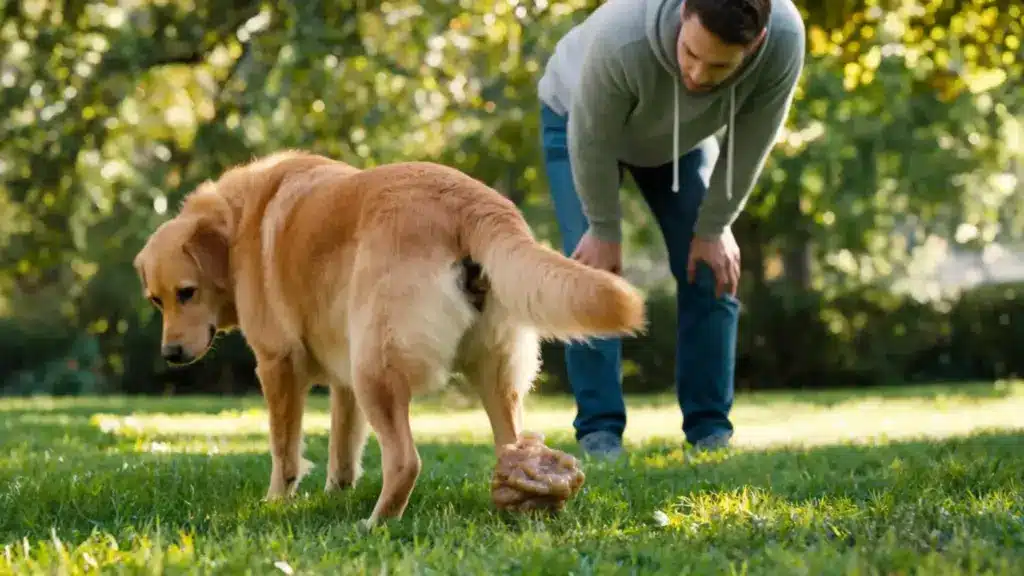
Ever brushed your dog and felt a tiny hard spot under the skin? That little bump can make any owner pause, especially when it appears near the shoulders or neck.
Sometimes, it is simply the microchip sitting under the skin, scar tissue around the chip, or mild movement from its original spot.
Dog microchips are simple, but the questions around them can feel confusing when noticed for the first time.
The good news is that most chip-related bumps are harmless, easy to check, and worth understanding before panic sets in.
This blog walks through what a dog microchip feels like, why it may move, and when a vet should take a closer look.
What is a Dog Microchip?
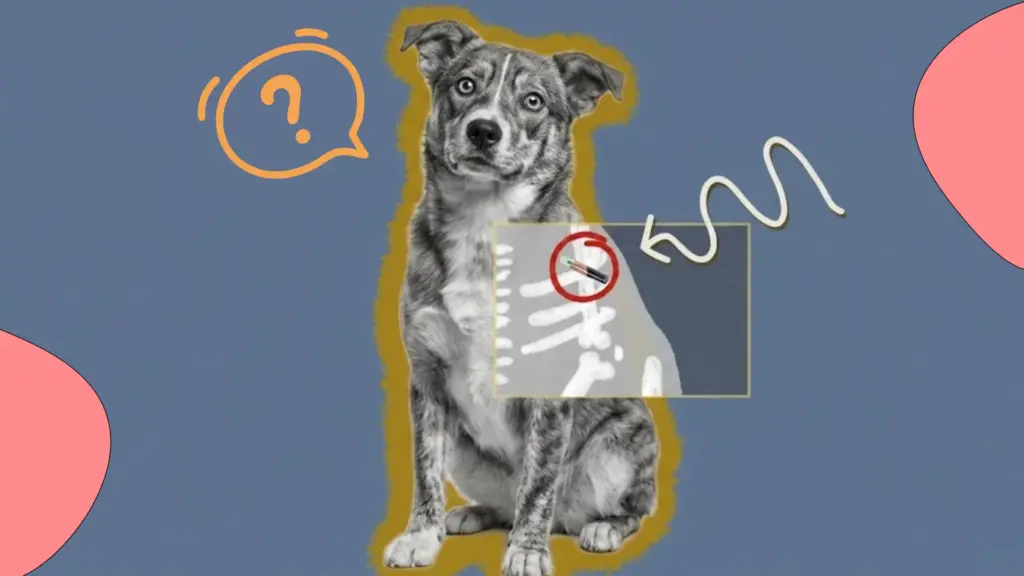
A dog microchip is a tiny electronic device sealed inside a smooth, biocompatible glass capsule.
It is roughly the size and shape of a grain of rice, about 12mm long.
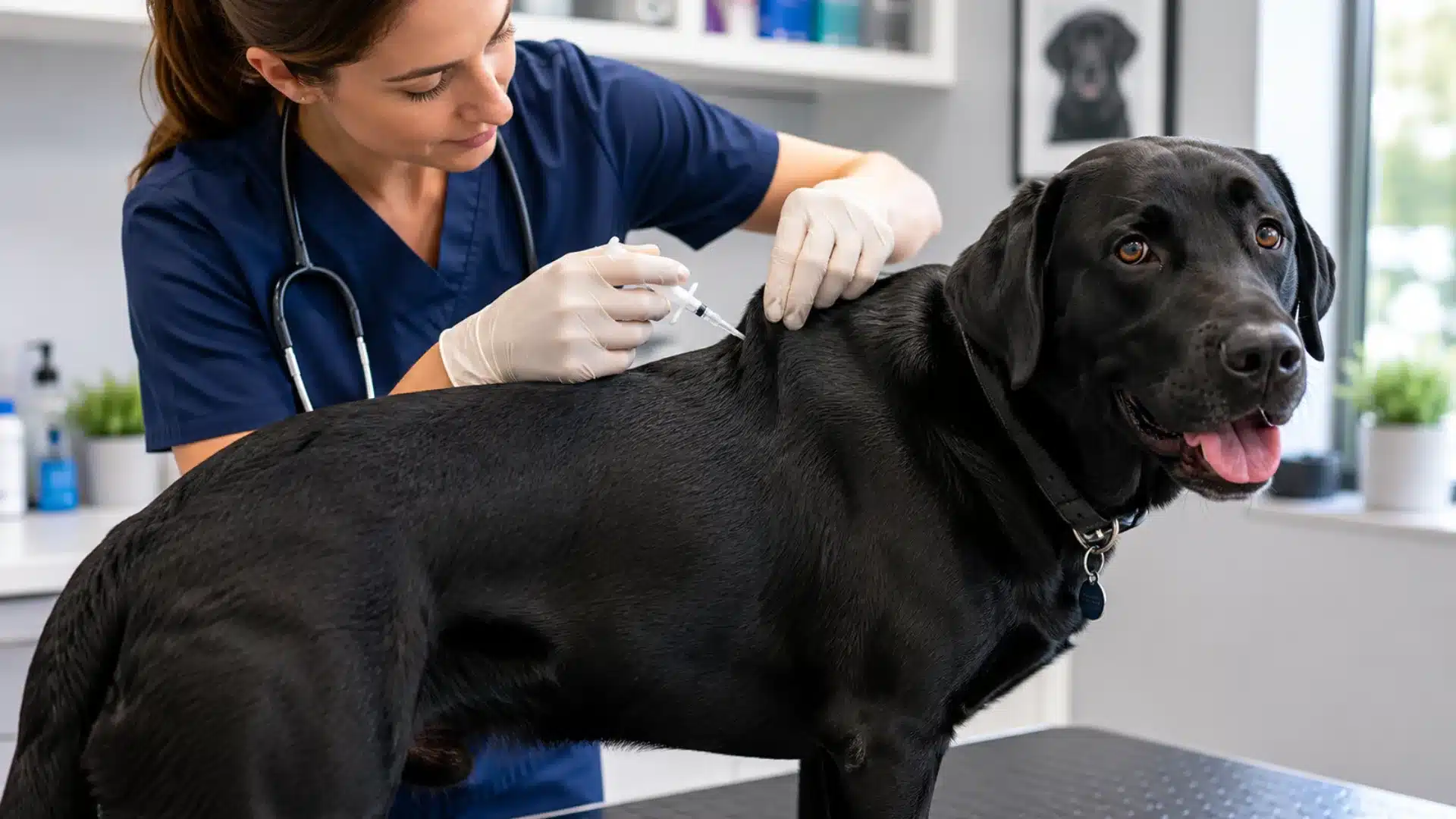
A vet injects it under the skin between your dog’s shoulder blades using a needle bigger than a vaccine needle. This takes only a few seconds.
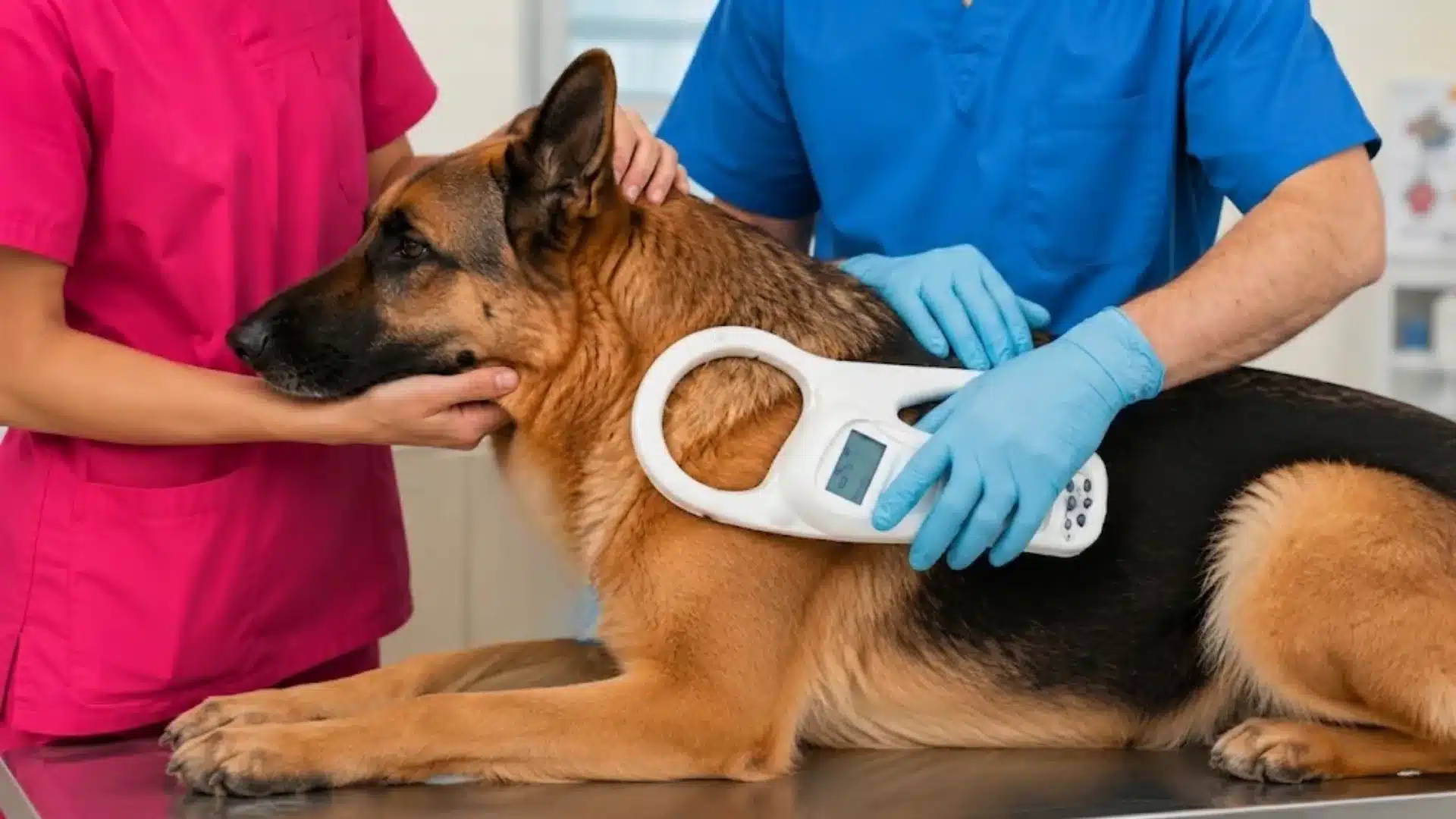
The chip is completely passive. It has no battery or moving parts and does nothing until scanned. When a scanner is held near your dog’s skin, it sends out a short radio signal that wakes the chip up.
The chip then responds with a unique ID number. That number links to a national database where your name and contact details are stored.
A microchip is not a GPS tracker. It cannot show your dog’s location. It only identifies your dog after someone scans it. Once inserted, a chip can stay active for around 25 years.
Can You Feel a Microchip in a Dog?
Yes, in many cases you can, and it is perfectly normal. Whether or not you can feel a microchip in a dog depends mostly on your dog’s size, build, and coat.
In small or lean dogs, the chip often sits close enough to the surface to form a small, firm bump. In large or fluffy dogs, it is almost impossible to feel without a scanner.
When you do find it, here is what it feels like:
- Hard and firm: The glass capsule is rigid, not squishy. It does not compress when you press on it.
- Narrow and smooth: The edges are rounded, just like a grain of rice. There are no sharp points or irregular edges.
- Slightly movable: The chip is not attached to bone or muscle, so it can slide a little under your finger. That movement is normal.
- Painless for your dog: If you press on it gently and your dog keeps wagging their tail or looks at you like you’ve lost your mind, that is a great sign. A painful lump will make a dog flinch or pull away.
Dog Microchip Lump vs a Cyst: How to Tell the Difference
The thing that worries most owners is mistaking the chip for a cyst or growth. Here’s the practical difference:
| Feature | Microchip | Cyst or fatty lump |
|---|---|---|
| Shape | Narrow, elongated, rice-like | Round, dome-shaped, irregular |
| Texture | Hard, rigid | Soft, squishy, or rubbery |
| Movement | Slides freely under the skin | May be attached or immobile |
| Dog’s reaction | No reaction when touched | May flinch or react if tender |
| Growth over time | Stays the same size | May slowly grow |
If what you’re feeling is firm, narrow, rice-sized, and your dog doesn’t react when you touch it, there’s a very good chance you’ve just found the chip.
Where is a Dog Microchip Usually Located?
A dog microchip is usually placed under the loose skin between the shoulder blades, near the back of the neck.
This area is common because it is easy for vets to reach and easy to scan later. The chip does not go deep into the body.
It sits under the skin, so some dogs may have a small dog microchip lump that feels like a tiny grain of rice.
In many dogs, owners may not feel it at all, especially if the dog has thick fur or more body fat.
Sometimes, a chip can move slightly from the original spot, so it may not always stay exactly between the shoulders.
How to Check if Your Dog Has a Microchip?
To check if your dog has a microchip, start with a gentle hand check at home, then confirm it with a vet or at a shelter.
- Feel between the shoulder blades: Use two fingers to press gently into loose skin and look for a rice-shaped bump there.
- Check nearby areas too: Microchips can move toward the neck, lower back, or chest after normal activity.
- Watch your dog’s reaction: A microchip should not hurt when touched, but any painful lump needs a vet check.
- Get a proper scan: A vet clinic or shelter can scan your dog’s whole body and confirm the chip number.
- Search the chip number: Use AAHA Universal Pet Microchip Lookup to check registration and update your contact details.
- Update old details fast: Outdated phone numbers or addresses can stop a microchipped dog from getting home safely.
A chip with outdated contact information is one of the main reasons microchipped dogs still do not make it home.
Keeping your dog healthy day to day, including thinking about things like keeping your dog healthy through smart nutrition choices, is part of the same responsible ownership mindset.
Which Dogs are More Likely to Have Noticeable Microchips?
Not every dog owner will feel their pup’s microchip, and that does not mean anything is wrong. Whether you can detect it depends on a few physical factors.
Here is a quick breakdown:
| Dog type | The likelihood of feeling the chip | Why |
|---|---|---|
| Small/toy breeds (Chihuahua, Yorkie, Mini Dachshund) | High | Very little tissue is between the chip and the skin surface |
| Short-coated breeds (Bulldog, Beagle, Boxer) | High to moderate | Less fur means the bump is easier to find by touch |
| Lean or underweight dogs | High | Less fat padding around the chip makes it more prominent |
| Senior dogs | Moderate | Skin thins with age, so the chip may become more noticeable over time |
| Large breeds (Labrador, German Shepherd) | Low | More muscle and fat cushion the chip, making it harder to feel |
| Thick or curly-coated breeds (Poodle, Bernedoodle, Samoyed) | Very low | Dense fur adds another layer between your fingers and the chip |
| Dogs with a migrated chip | Variable | If the chip has moved to a spot with less tissue, it can become easier to find |
If you adopted your dog from a shelter, there is a good chance they were already microchipped before coming home with you.
While you are getting your new dog settled, a guide on crate training a puppy can help make that first week much smoother.
What if the Microchip in a Dog Moves?
Microchip migration is common and usually not a reason to panic. A dog microchip sits in loose tissue under the skin, so it is not fixed to bone or muscle.
Over time, running, playing, and daily life can shift it from the original spot between the shoulder blades.
A moved chip often ends up along the side of the neck, lower down the back, or toward the chest. If you feel a firm, rice-sized bump there, it may be the microchip.
This is why vets scan the whole body, not only the shoulder area.
Migration does not stop the chip from working. It should still scan and identify your dog. Your vet or a shelter can check its location in seconds.
At yearly checkups, ask your vet to scan it. If your dog is also adjusting to a new routine at home, tips on stopping your dog from whining can help them settle in faster.
Note: Rare microchip reactions may include swelling, infection, or chip failure. Contact your vet if you notice growing lumps, redness, warmth, or discharge.
When Should a Microchip Lump Concern You?
Most microchip lumps are harmless. But some signs mean a vet visit should happen soon, not eventually, especially if the bump changes, hurts, or looks irritated.
- The lump is growing: A microchip stays the same size. If the bump is visibly larger week over week, get it checked.
- Redness or swelling: These are signs of inflammation or infection at the implant site.
- Discharge or crust: Any pus or oozing near the chip site needs a vet the same day.
- The lump is soft and irregular: Soft, dome-shaped, or uneven growths are more likely to be cysts, lipomas, or other tissue changes, not the chip.
- Scratching or licking the area constantly: Persistent irritation at the site warrants a check, even if there’s no visible change.
Why Should I Get My Dog Microchipped?
You should get your dog microchipped because it provides a permanent way to identify them if they ever go missing.
Collars can fall off, tags can fade, and names can be changed, but a registered microchip stays with your dog for life.
The numbers make the case stronger. Dogs without a chip are returned from shelters far less often than dogs with registered chips, so that tiny device can make a real difference when time matters.
It is quick, low-cost, and feels much like a routine vaccine. Most dogs do not need anesthesia, and the chip requires no batteries or maintenance.
It also helps prove ownership if your dog is stolen or disputed. If you travel internationally, an ISO-compliant microchip may also be required.
The only catch is registration. Keep your phone number, email, and address updated every year so the chip can actually bring your dog home.
Conclusion
Feeling a small, firm bump under your dog’s skin can be worrying at first, but a microchip is usually nothing to stress over.
Once you know what it feels like, where it may sit, and how vets confirm it, the whole thing becomes much easier to understand.
The key is not just having the chip, but ensuring it is registered with the correct contact details.
That tiny ID only helps if someone can reach you when your dog is found. Keep checking it during routine vet visits and update your records whenever your details change.
Have you ever felt your dog’s microchip and mistaken it for a lump? Share your experience in the comments.
Frequently Asked Questions
At What Age Can a Puppy Get Microchipped?
Most puppies can get microchipped at 8 weeks old. Many vets pair it with vaccinations or spay and neuter procedures for added convenience and less stress.
Does My Dog Need Anesthesia to Be Microchipped?
No, Dogs do not need anesthesia for microchipping. It takes seconds, though vets may do it during another sedated procedure.
Can a Dog Microchip Cause Itching?
Mild itching right after placement can happen, but ongoing scratching, swelling, or skin changes should be checked by a vet.
Can the Microchip Fall Out?
It’s rare, but microchips can occasionally work their way out through the injection site shortly after placement, especially if the needle wasn’t inserted deep enough. This is most likely in the first few days.