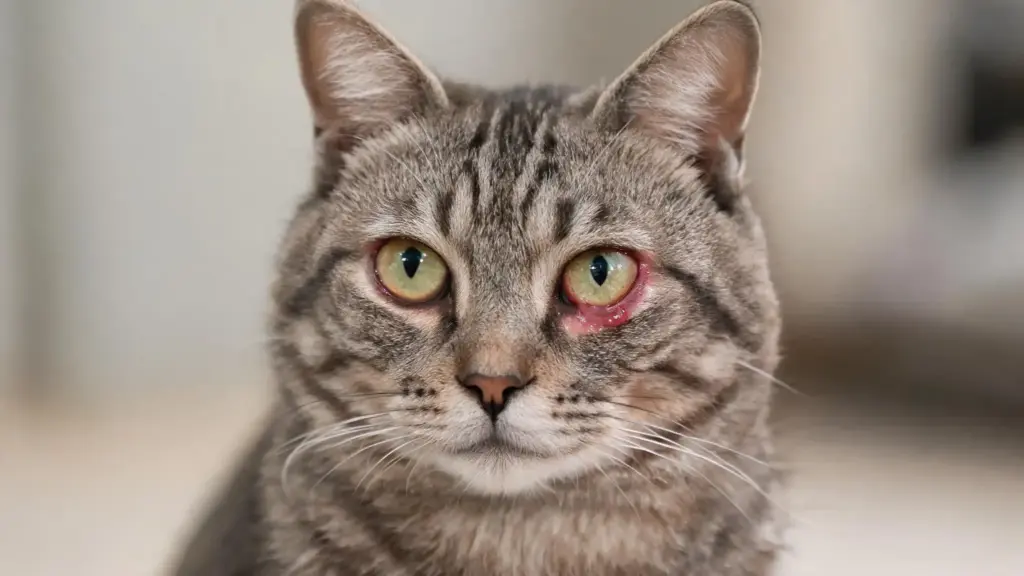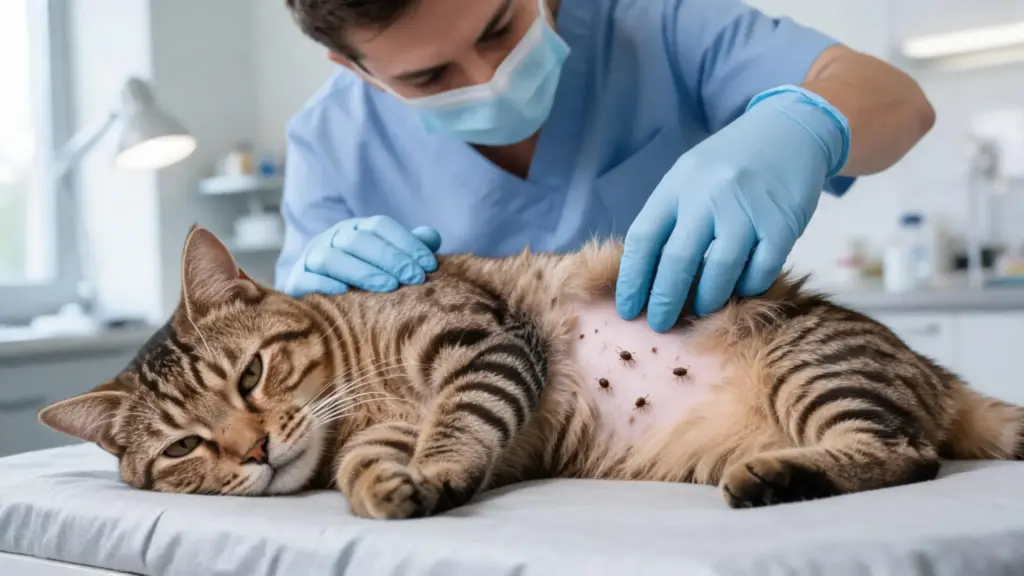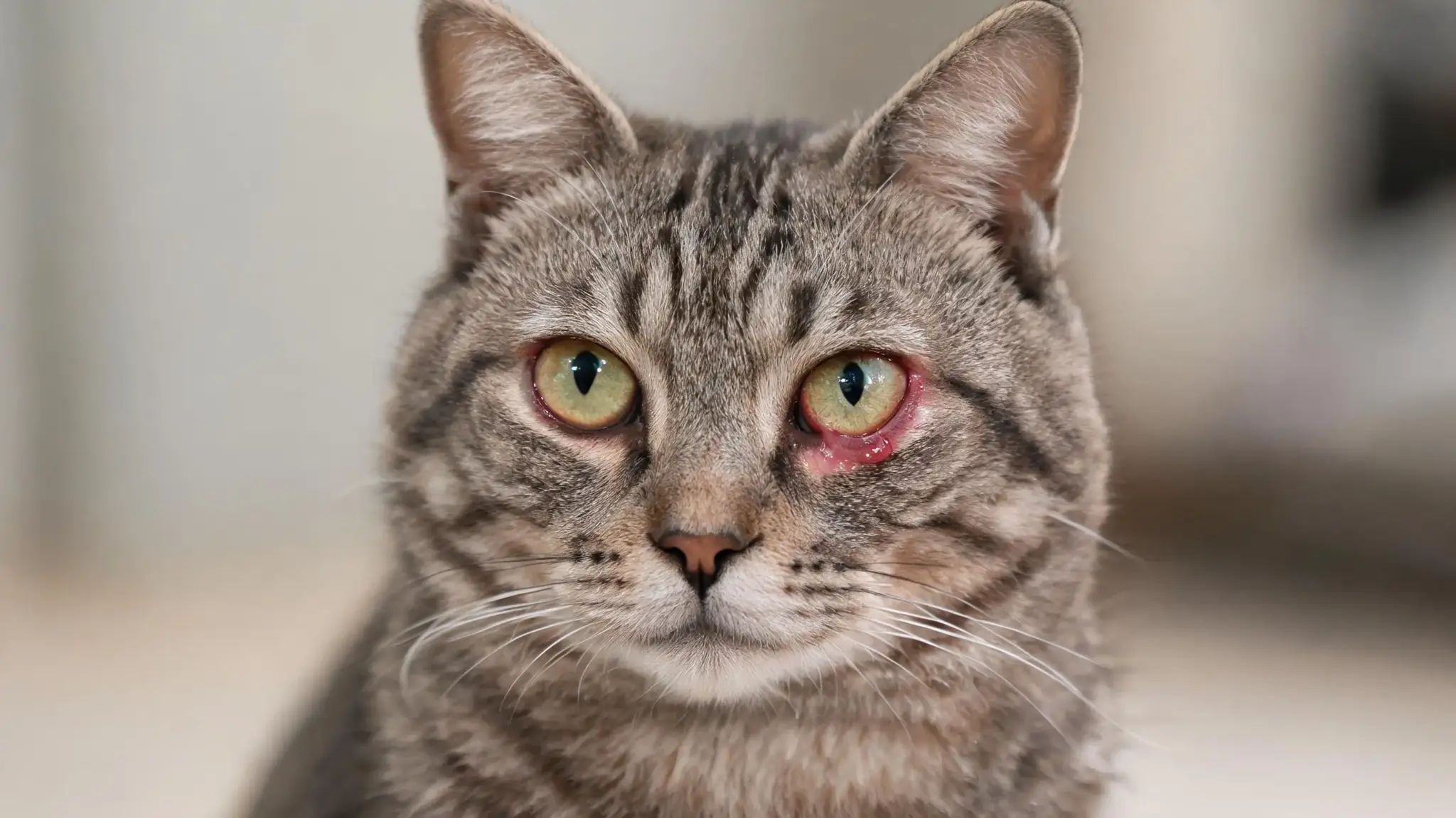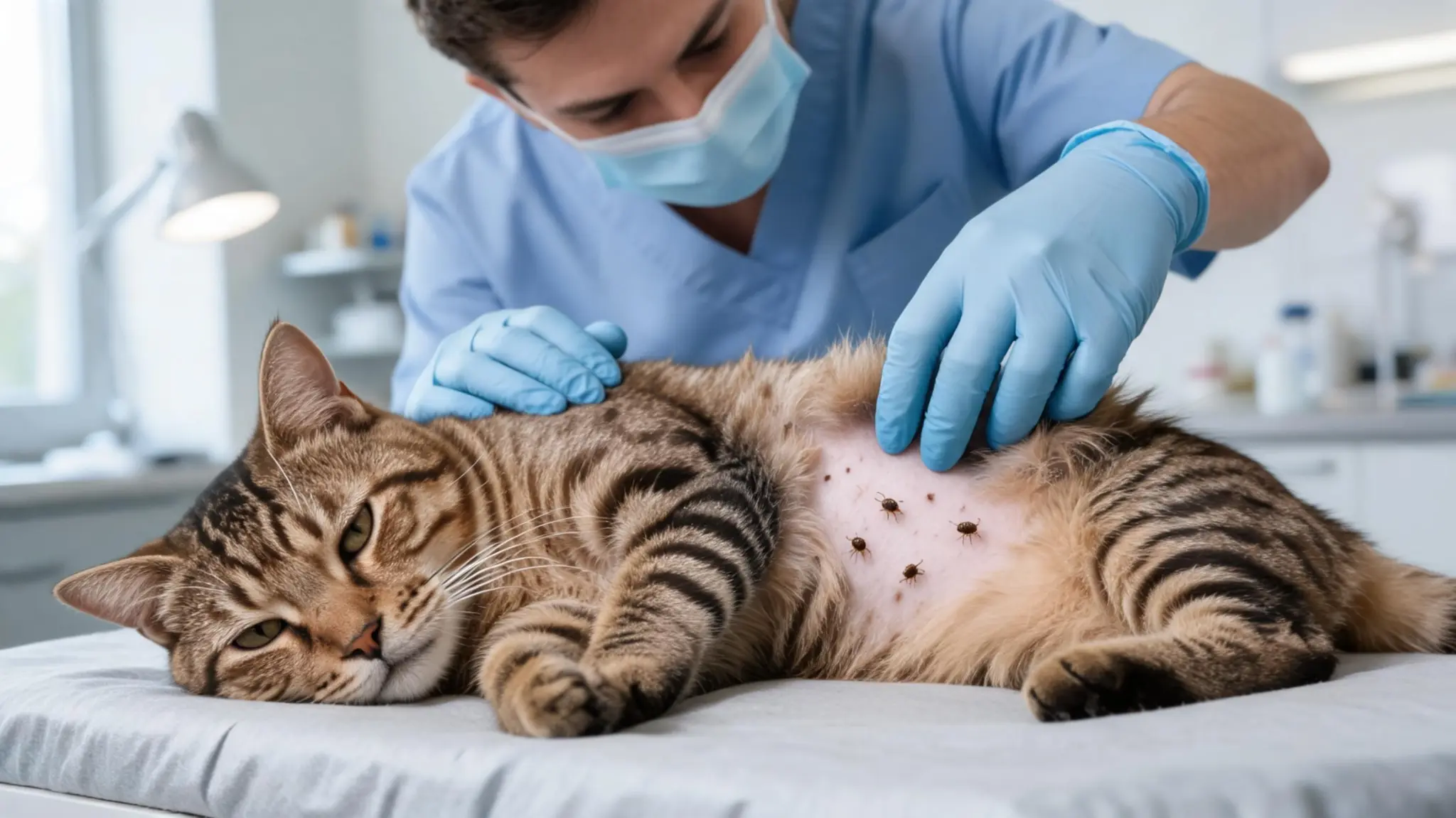


A cat can seem perfectly fine on the outside while a hidden infection affects its health over time.
FeLV in cats is a viral disease that targets the immune system and may lead to serious health concerns in some cats.
Many owners wonder how cats catch this virus, what early signs look like, and what a positive result means for their pet’s future. Learning the basics can help identify risks sooner and support better care decisions.
The following information explains the causes, symptoms, testing, and management of FeLV and addresses common concerns cat owners have after hearing about this condition.
What is FeLV and How Does It Affect Cats?
FeLV (feline leukemia virus) is a viral infection that affects cats by weakening their immune system and interfering with normal blood cell production.
As a retrovirus, FeLV can remain in a cat’s body for different periods depending on how effectively the immune system controls it.
Exposure does not always lead to immediate illness, as some cats can manage the virus while others may develop problems such as repeated infections, anemia, or FeLV-related diseases.
The virus can affect the body in several ways, including reducing the ability to fight infections, impacting bone marrow function, and increasing the risk of health complications.
A positive FeLV test does not always mean a cat is currently sick, as the outcome depends on factors like age, overall health, and immune response. Staying on top of everyday feline care basics can make it easier to catch subtle changes early.
How Does FeLV Spread in Cats?
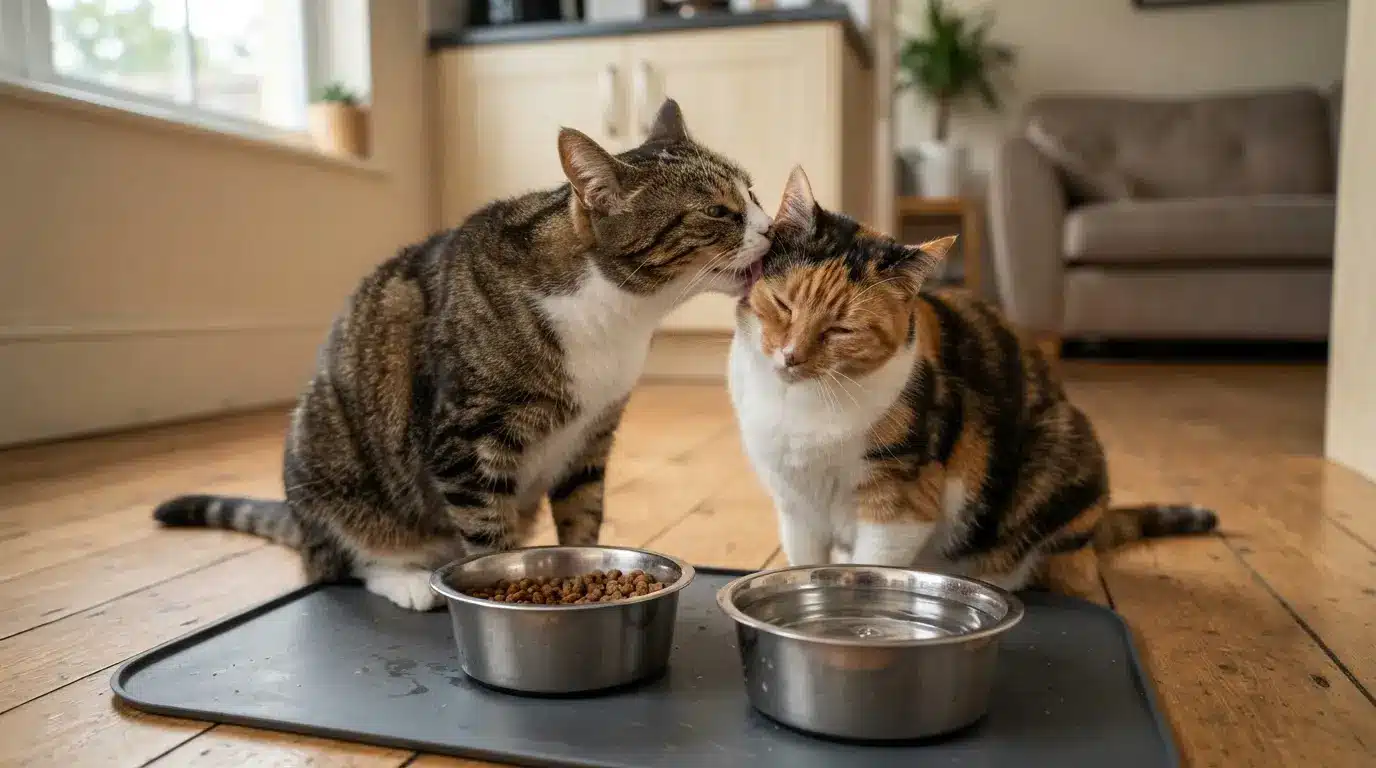
FeLV spreads mainly through close, repeated contact between cats. The virus is present in body fluids, especially saliva, so cats that groom each other, share resources, or spend long periods together are at higher risk of exposure.
A brief interaction usually does not pose the same level of risk as ongoing contact. Understanding the common transmission routes can help owners take practical steps to reduce exposure and protect other cats in the household. The main ways FeLV can spread include:
- Mutual grooming: Cats that regularly lick and clean each other can exchange saliva, allowing the virus to pass between them during close interaction.
- Shared food and water bowls: Repeatedly sharing bowls with an infected cat may increase exposure, as the cat’s saliva can remain on surfaces.
- Bite wounds: Deep bites are considered a higher-risk form of transmission because infected saliva can enter another cat’s body directly.
- Mother-to-kitten transmission: An infected mother cat may pass FeLV to kittens during pregnancy, birth, or nursing, which makes early kitten health checkups especially important.
- Long-term household contact: Cats living together for extended periods are at higher risk of transmission through grooming, shared spaces, and daily interaction.
Caution: FeLV symptoms can look similar to many other illnesses. Visible signs alone cannot confirm infection, so veterinary testing is necessary before making any conclusions about a cat’s health.
FeLV does not usually spread easily through short outdoor encounters or brief contact. However, testing cats before introducing them into a household can help prevent unexpected transmission and protect cats already living there.
Common Symptoms of FeLV in Cats
FeLV symptoms can vary depending on how a cat’s immune system responds to the virus. Some cats may not show signs for a long time, while others may develop health problems as the infection progresses.
| Symptom | What It May Look Like |
|---|---|
| Reduced appetite and weight loss | Cats may lose interest in food, leading to gradual weight loss over time. |
| Low energy and behavior changes | Infected cats may become less active, sleep more, hide frequently, or lose interest in normal activities. |
| Recurring infections and fever | A weakened immune system can make cats more prone to recurrent infections and persistent fevers. |
| Pale gums and weakness | FeLV can affect blood cell production, causing anemia, pale gums, fatigue, and reduced strength. |
| Enlarged lymph nodes | Some cats may develop swollen lymph nodes as the body responds to the infection. |
| Poor coat condition | A dull, rough, or unkempt coat may appear as overall health declines. |
| Digestive and breathing problems | Cats may experience ongoing diarrhea, recurring stomach upset, respiratory infections, or breathing difficulties. |
Since these signs can also occur with other health conditions, veterinary testing is needed to confirm whether FeLV is the cause.
Stages of FeLV Infection in Cats
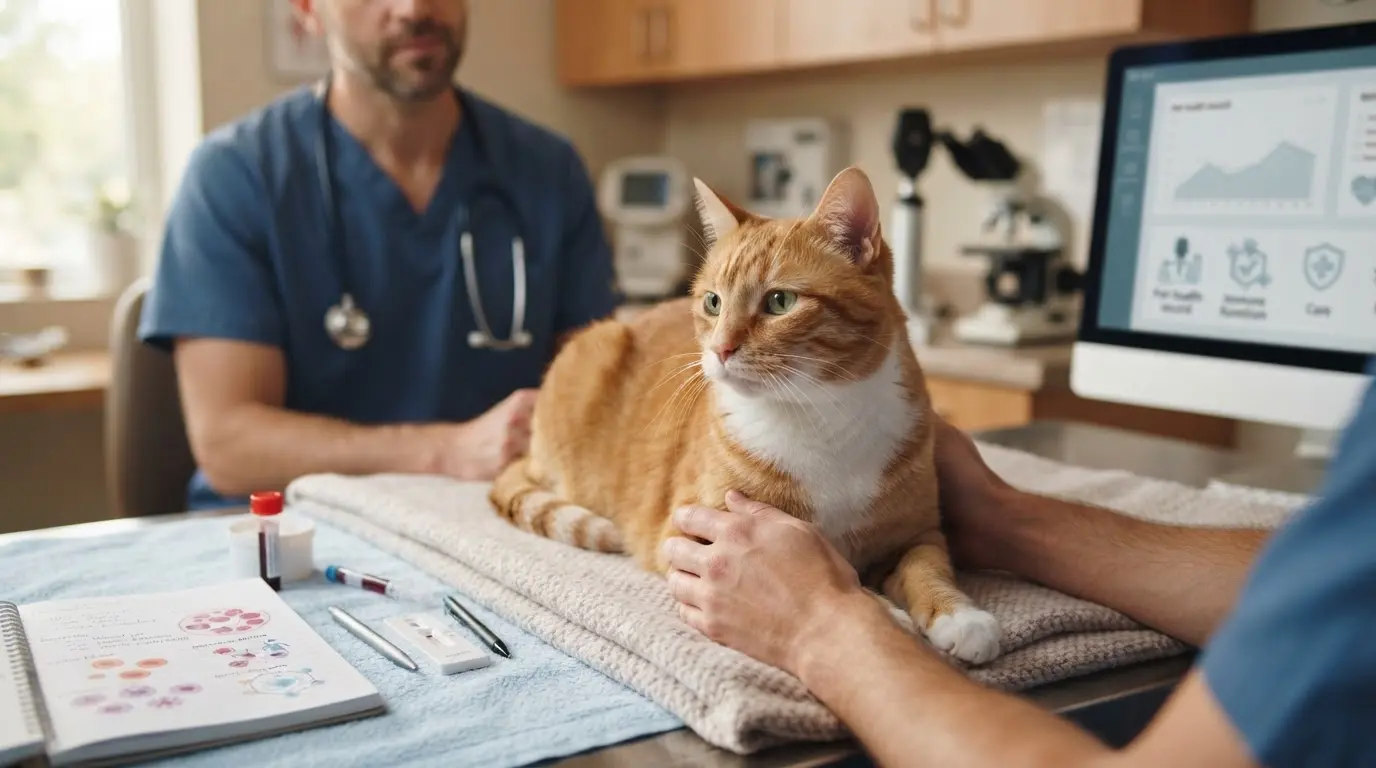
FeLV can affect cats differently after exposure because the immune system does not respond the same way in every case. These stages explain how the virus behaves and why some cats stay healthy while others develop complications.
1. Abortive Infection
In abortive infection, a cat’s immune system successfully fights off FeLV before the virus becomes established throughout the body.
The cat does not develop an active long-term infection and usually does not experience FeLV-related health problems. However, testing may still help confirm the cat’s infection status after possible exposure.
2. Regressive Infection
During regressive infection, the cat’s immune system controls the virus but does not completely remove all viral material. The virus remains inactive or hidden in the body.
Many cats with this type of infection may stay healthy for long periods, although regular monitoring helps detect any changes over time.
3. Progressive Infection
Progressive infection occurs when the immune system cannot control FeLV, allowing the virus to continue multiplying and spreading.
Cats with this stage have a higher chance of developing health problems, including infections, anemia, or other FeLV-related complications. Regular veterinary care is important for managing their health needs.
4. Focal Infection
Focal infection is a less common form in which FeLV remains limited to specific tissues rather than spreading throughout the body.
Because the virus does not circulate widely, affected cats may show fewer symptoms. Veterinary monitoring can help track the infection and identify any changes that may require attention.
Note: Every cat responds differently to FeLV exposure. The infection stage and progression can vary based on immune response, age, and overall health, so outcomes may differ between cats.
How is FeLV Diagnosed in Cats?
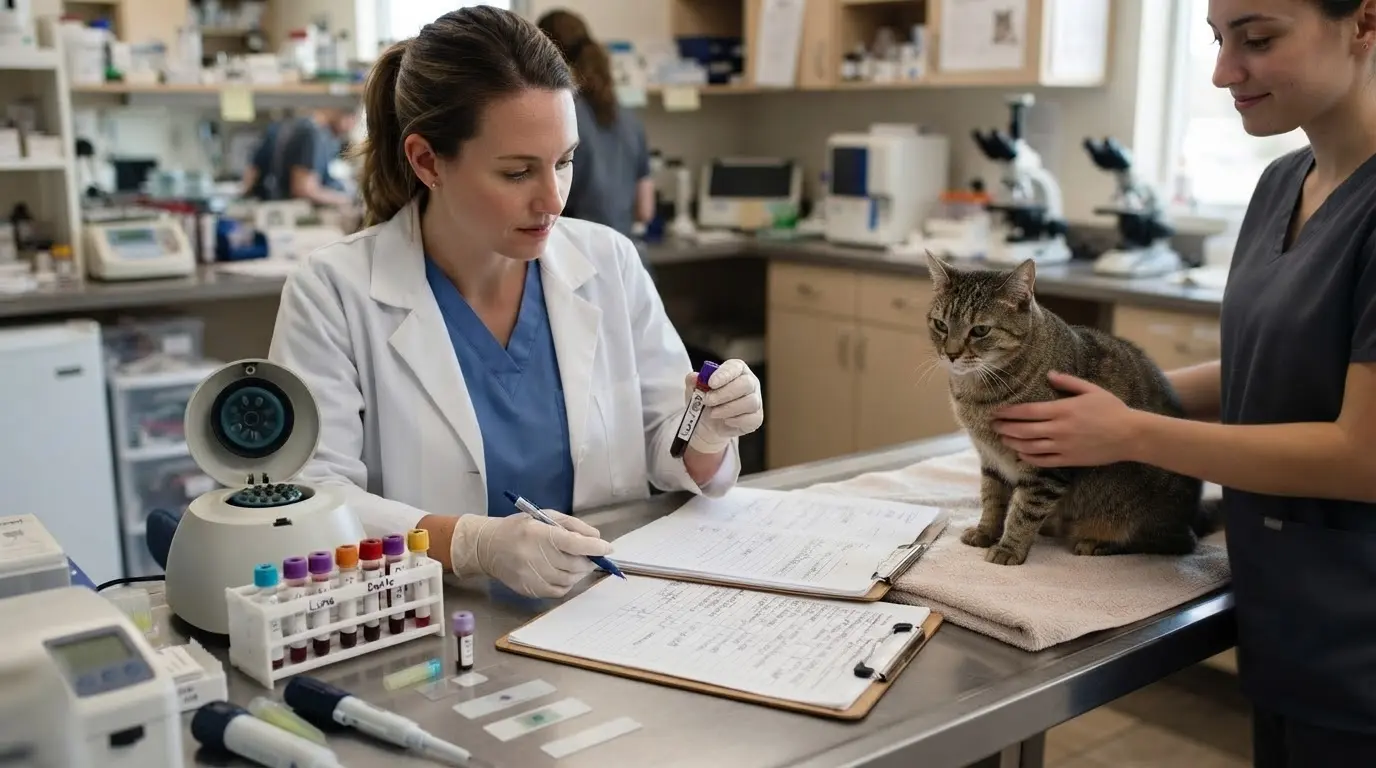
A cat cannot be diagnosed with FeLV based solely on symptoms, as many other conditions can cause similar health problems. Testing is the only reliable way to determine if a cat has been exposed to the virus.
Veterinarians usually begin with a blood test that checks for FeLV-related markers. Additional testing may be recommended depending on the initial result, the cat’s health status, and any possible exposure history.
Common FeLV Testing Methods:
- Screening blood test: This is usually the first test performed. It checks for viral proteins in the blood and can provide quick results.
- Confirmatory testing: If the initial result is positive, another test may be recommended to confirm the infection and better understand the cat’s status.
- Follow-up testing: Some cats may need repeat testing because results can change depending on the stage of infection and when exposure occurred.
Important: A positive or unclear FeLV test result may require additional testing for confirmation. Veterinarians consider test results, exposure history, and overall health before determining a cat’s status.
When Should Cats Be Tested for FeLV?
FeLV testing is recommended when there is a possibility of exposure or when a cat shows signs of a weakened immune system.
Cats should be tested if they have recurrent infections, unexplained weight loss, persistent fever, or noticeable changes in behavior.
Testing is also important for newly adopted cats, cats with unknown medical histories, cats exposed to an FeLV-positive animal, and cats living with infected cats.
According to state animal health authorities, FeLV remains one of the leading causes of illness and death in cats today, which is why timely testing matters.
Testing before introducing a new cat into a household helps owners understand potential risks and make informed decisions about care, housing arrangements, and preventive steps. Early identification of FeLV enables timely veterinary support and improved health monitoring.
Caring for a Cat with FeLV: What Owners Should Know

Caring for a FeLV-positive cat involves supporting overall health, reducing stress, and monitoring for early changes. While the virus may remain in the body, proper care can help maintain comfort and quality of life.
- Maintain veterinary care: Regular checkups help monitor health, detect infections early, and manage any complications.
- Provide proper nutrition: A balanced diet supports strength and immunity. Avoid raw foods that may increase the risk of infection.
- Create a clean, calm environment: Keep living areas hygienic, provide fresh water, and maintain a stable routine to reduce stress.
- Monitor health changes: Watch for changes in appetite, weight, energy, grooming, or behavior, and contact a veterinarian if any concerns arise.
- Reduce infection risks: Keeping FeLV-positive cats indoors helps protect them from additional illnesses and prevents transmission to other cats.
- Offer comfort and enrichment: Affection, play, and a safe resting space help support emotional wellbeing and daily comfort.
Consistent care and regular monitoring can help FeLV-positive cats stay comfortable. Paying attention to small changes allows owners to respond quickly and provide better support.
Factors That Affect FeLV Prognosis in Cats
A FeLV diagnosis can have different outcomes for different cats. The prognosis depends on factors such as the stage of infection, immune response, overall health, age, and the level of care provided.
Some cats may develop health problems quickly, while others can remain stable and comfortable for years with proper monitoring.
Research reviewed through the National Institutes of Health found that kittens are especially vulnerable to natural infection compared with adult cats, underscoring why age plays such a large role in outcomes.
| Factor | How It Affects Prognosis |
|---|---|
| Age at infection | Younger cats may have a higher risk of developing serious complications after exposure. |
| Immune response | Cats that control the virus effectively may remain healthier for longer periods. |
| Overall health | Existing illnesses can make it harder for the body to manage FeLV-related challenges. |
| Veterinary care | Regular checkups help identify and address health concerns early. |
| Living environment | A safe, low-stress indoor environment can reduce exposure to additional infections. |
Note: An FeLV diagnosis does not predict the exact future health of a cat. Some cats may experience complications, while others can maintain a good quality of life with proper care and monitoring.
The prognosis of an FeLV-positive cat depends more on its current health and response to care than the diagnosis alone. With proper support, many cats can continue enjoying comfortable routines and a good quality of life.
Cat Owners Share Support and Advice After FeLV Diagnosis
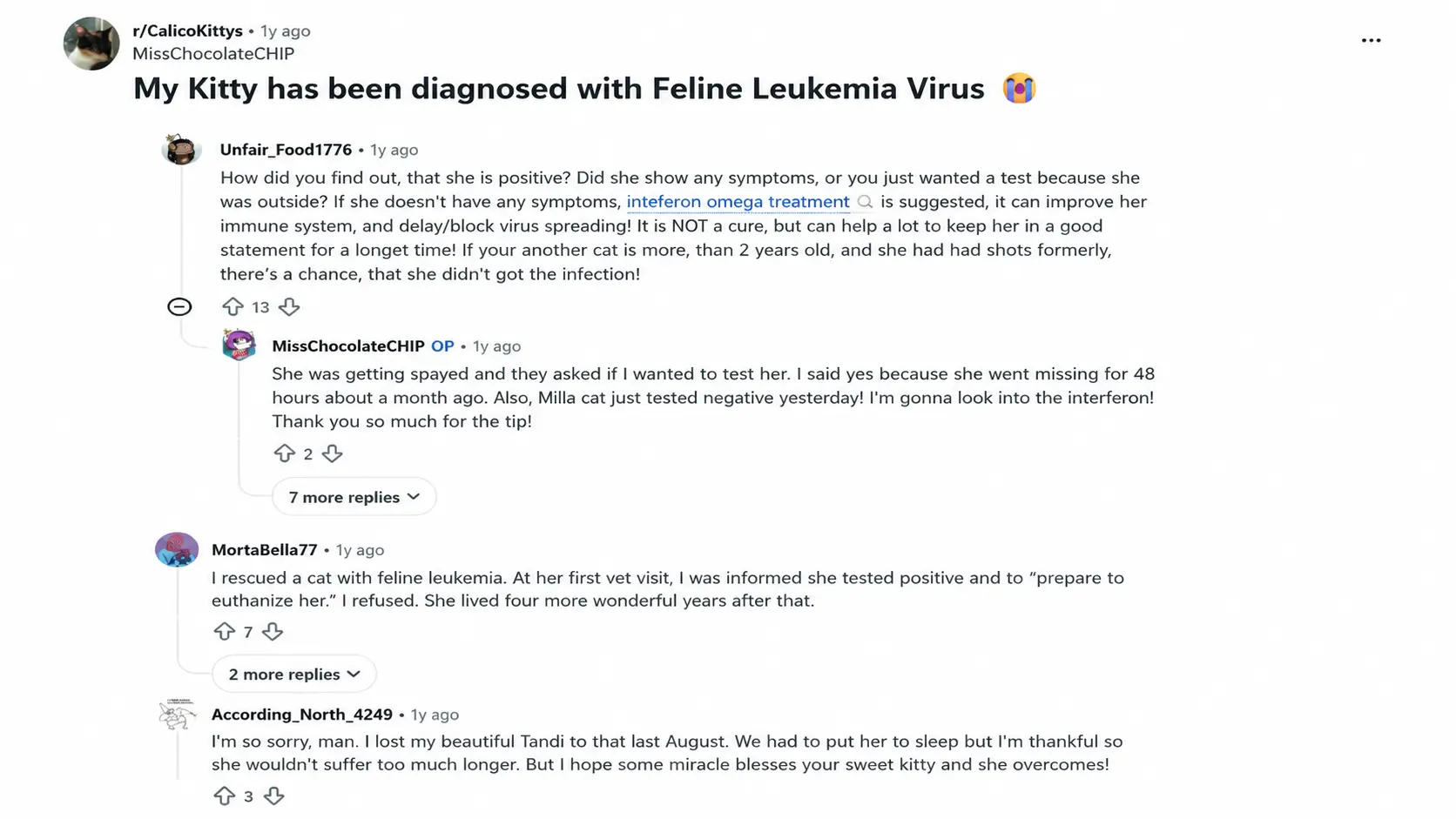
Reddit discussion about a cat owner sharing the news of their kitty being diagnosed with feline leukemia virus. The post focuses on understanding how the diagnosis was discovered, possible treatment options, and concerns about the cat’s future health.
Commenters share supportive advice, personal experiences with FeLV-positive cats, and suggestions for managing the condition. Some users discuss testing other cats in the household, vaccination history, and ways to support a cat after diagnosis.
The conversation also highlights that an FeLV-positive result does not always mean immediate decline, as some cats can continue living comfortably with proper care, monitoring, and veterinary support.
The overall discussion provides emotional support and practical experiences from other cat owners facing similar situations.
FeLV Prevention Checklist
A quick prevention check can help reduce the chances of FeLV exposure and support better cat care. Instead of focusing on a single step, combining testing, safe habits, and regular health monitoring creates a stronger protective routine.
Use this checklist to reduce FeLV risks:
- Ensure every new cat is tested before joining the household.
- Keep cats indoors to limit contact with cats of unknown status.
- Discuss FeLV vaccination with a veterinarian and follow the recommended vaccination schedule, since USDA-reviewed vaccine studies show meaningfully stronger protection in vaccinated cats.
- Schedule regular veterinary visits to monitor health changes early.
- Limit close contact with FeLV-positive cats to reduce the risk of transmission.
- Maintain clean food bowls, litter boxes, and living spaces.
- Check kittens and newly adopted cats before introducing them to other cats.
- Observe appetite, weight, and behavior regularly for any signs of illness.
Caution: The FeLV vaccine helps reduce infection risk but does not guarantee complete protection. A veterinarian can recommend vaccination based on a cat’s lifestyle and possible exposure risks.
This checklist helps make FeLV prevention easier to manage in daily life. Small steps, regular testing, and responsible care can lower risks and help create a safer environment for cats.
Common Mistakes to Avoid When Caring for a Cat With FeLV
A FeLV diagnosis can bring uncertainty, but understanding the right approach to care helps owners avoid common errors. These mistakes can affect a cat’s health, comfort, and overall wellbeing.
- Assuming FeLV Always Causes Immediate Illness: FeLV affects every cat differently. Some cats remain stable for years, so a positive diagnosis does not always mean immediate health decline.
- Skipping Veterinary Care or Ignoring Health Changes: Regular checkups and quick attention to changes in appetite, weight, energy, or behavior help detect problems early and manage complications.
- Providing Poor Nutrition: Cats with FeLV need a balanced, safe diet to support their immune system and maintain overall health.
- Introducing Cats Without Testing: New cats should be tested before joining a household to reduce the risk of FeLV transmission.
- Allowing Unnecessary Outdoor Exposure: Outdoor access can increase exposure to infections and may lead to the spread of FeLV to other cats.
- Making Sudden Lifestyle Changes: Keeping a familiar routine with consistent care, affection, and a comfortable environment can help reduce stress.
Avoiding these mistakes allows owners to focus on practical care rather than fear. With proper monitoring and support, FeLV-positive cats can continue to enjoy a comfortable daily life.
Final Thoughts
FeLV is a condition that requires awareness, but it does not define a cat’s entire life.
I believe that understanding how the virus spreads, recognizing warning signs, and following proper care routines can help you better support an infected cat.
Regular veterinary visits, safe living arrangements, and daily monitoring are key parts of managing FeLV in cats. Every cat responds differently, so care decisions should be tailored to individual health needs.
If a cat has tested positive or may have been exposed, timely advice from a veterinarian can make a meaningful difference. Share your experiences or questions in the comments and check out related pet health resources for more guidance.
Frequently Asked Questions
Is It Possible To Detect FeLV Before Symptoms Appear?
Yes, FeLV can be detected before a cat shows visible symptoms. Testing helps identify infected cats early, allowing owners to make informed decisions about care, monitoring, and preventing possible exposure to other cats.
Should FeLV Cats Receive Regular Vaccinations?
FeLV-positive cats may still need certain vaccinations, but the schedule depends on their health condition and lifestyle. A veterinarian can recommend which vaccines are suitable based on the cat’s individual needs.
How Does FeLV Affect A Cat’s Reproductive Health?
FeLV can affect reproduction because infected cats may have complications during pregnancy or pass the virus to kittens. Breeding FeLV-positive cats is generally discouraged due to health and transmission concerns.
Can FeLV Test Results Be Incorrect?
FeLV tests can occasionally produce unclear or inaccurate results, especially depending on the stage of infection. Veterinarians may recommend additional testing to confirm a cat’s status before making care decisions.
Are Older Cats Less Likely To Get FeLV?
Older cats may have different immune responses, but they can still become infected if exposed. Risk depends more on exposure, lifestyle, and contact with infected cats rather than age alone.