

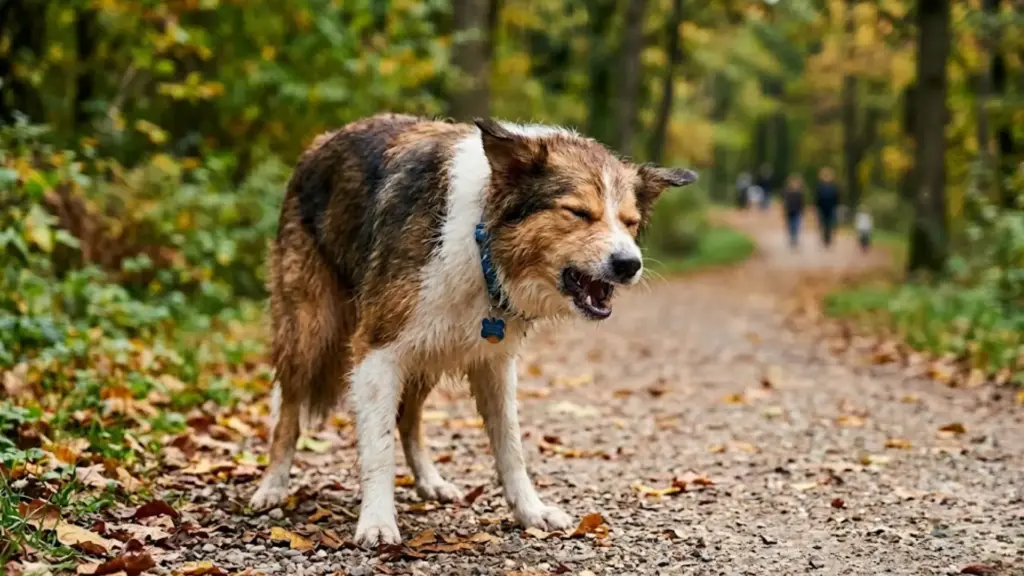
One minute, your dog is peacefully napping, and the next, they’re rattling off a string of sneezes that makes you wonder if something is wrong.
Sneezing is one of those dog behaviors that can range from completely harmless to a sign that something needs attention. The challenge is figuring out which is which.
While many sneezes are triggered by dust, excitement, or a playful wrestling match, others can be caused by allergies, infections, dental issues, or objects lodged in the nose.
Then there’s reverse sneezing, a noisy and alarming behavior that often leaves dog owners worried, even though it’s harmless in most cases.
In this blog, you’ll learn why dogs sneeze, common triggers, reverse sneezing causes, home care tips, and warning signs.
Is Dog Sneezing Normal?
Yes, dog sneezing is normal in many cases. Dogs sneeze when dust, pollen, grass, dirt, or a strong smell irritates their nose.
However, dog sneezing can become a concern when it occurs frequently, lasts for several days, or is accompanied by other signs such as thick nasal discharge, blood, coughing, low energy, loss of appetite, or trouble breathing.
Sneezing from one nostril only can also mean something is stuck inside the nose.
Reverse sneezing is also common and often sounds worse than it is, but repeated episodes should be watched.
In simple words, occasional sneezing is usually normal, but frequent or unusual sneezing should be checked by a vet.
Common Reasons for Dog Sneezing
Not all sneezes have the same cause, and knowing the difference helps you decide how much attention to give them.
1. Airborne Irritants
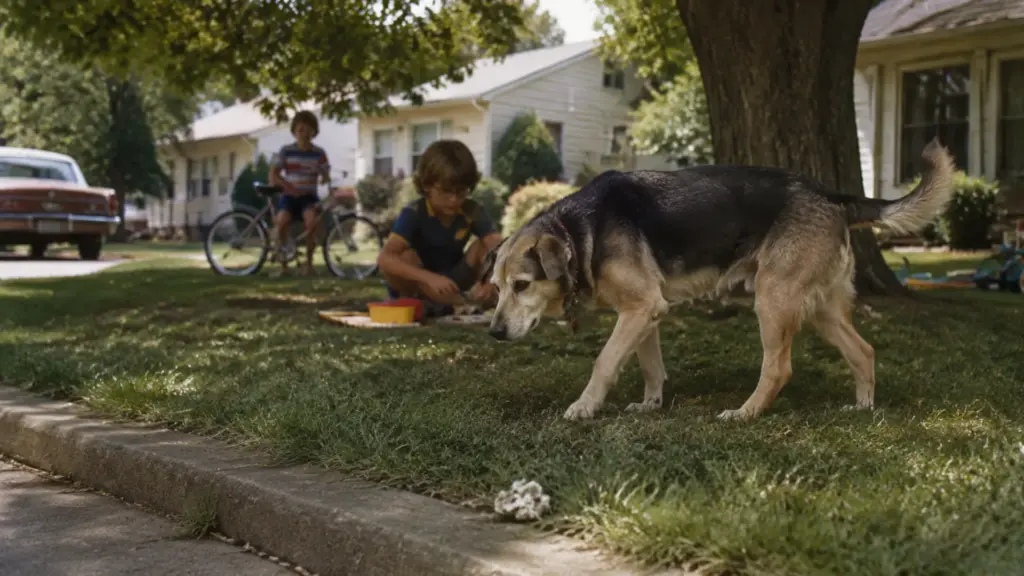
Dust, pollen, smoke, perfumes, cleaning products, and scented candles can irritate a dog’s sensitive nasal passages and trigger sneezing.
These sneezes often begin suddenly after exposure to a particular substance and usually stop once the irritant is removed.
If you notice your dog sneezing after spraying household products, lighting candles, or opening windows during high-pollen periods, environmental irritation is likely the cause rather than a medical condition.
2. Play Sneezing
Sneezing is a normal and harmless behavior commonly seen during excited interactions.
Dogs often sneeze while wrestling, chasing, or playing with people or other dogs to signal that their behavior is friendly rather than aggressive.
These sneezes are usually short and repetitive, occurring only during play sessions. As long as your dog appears otherwise healthy and relaxed, playful sneezing is simply a charming part of canine communication.
3. Allergies
Dogs can develop allergies to environmental triggers such as pollen, mold, dust mites, and even certain foods. Seasonal allergies often become more noticeable during spring and fall when airborne allergens are abundant.
Sneezing is commonly accompanied by symptoms like itchy skin, watery eyes, ear infections, or excessive scratching.
Because allergic skin and respiratory reactions frequently occur together, persistent sneezing combined with itching may indicate an underlying allergy issue.
4. Foreign Object in the Nose
A foreign object lodged inside the nasal passage can cause sudden, intense, and repeated sneezing.
Grass seeds are among the most common culprits, but dirt, plant material, and small debris can also become trapped. Dogs may paw at their nose, shake their head, or show signs of discomfort alongside the sneezing.
Unlike mild irritation, this condition usually requires prompt veterinary attention because the object can cause inflammation or infection if left untreated.
5. Nasal Infections
Bacterial, viral, and fungal infections can all lead to sneezing in dogs. Common respiratory illnesses such as kennel cough and canine influenza often affect the nasal passages and airways.
In addition to sneezing, dogs may develop a runny nose, coughing, fever, reduced appetite, or lower energy levels.
Young dogs are particularly vulnerable, which is why staying up to date with recommended vaccinations can help reduce the risk of certain infectious respiratory diseases.
6. Nasal Mites
Nasal mites are tiny parasites that live within a dog’s nasal passages and can cause significant irritation. Dogs often pick them up through contact with contaminated soil or by frequently sniffing and digging outdoors.
Symptoms typically include frequent sneezing, reverse sneezing, nasal irritation, and sometimes bloody discharge.
Because these signs can resemble other nasal conditions, a veterinarian is usually needed to confirm the diagnosis and prescribe effective anti-parasitic treatment.
7. Dental Disease
Dental problems can sometimes be the hidden cause of persistent sneezing. The roots of a dog’s upper teeth sit very close to the nasal passages, and a severe tooth infection can spread into nearby sinus areas.
Dogs with dental-related sneezing may also have bad breath, swollen gums, facial discomfort, or difficulty chewing.
Since untreated dental disease can worsen over time, veterinary examination is important when sneezing occurs alongside oral health issues.
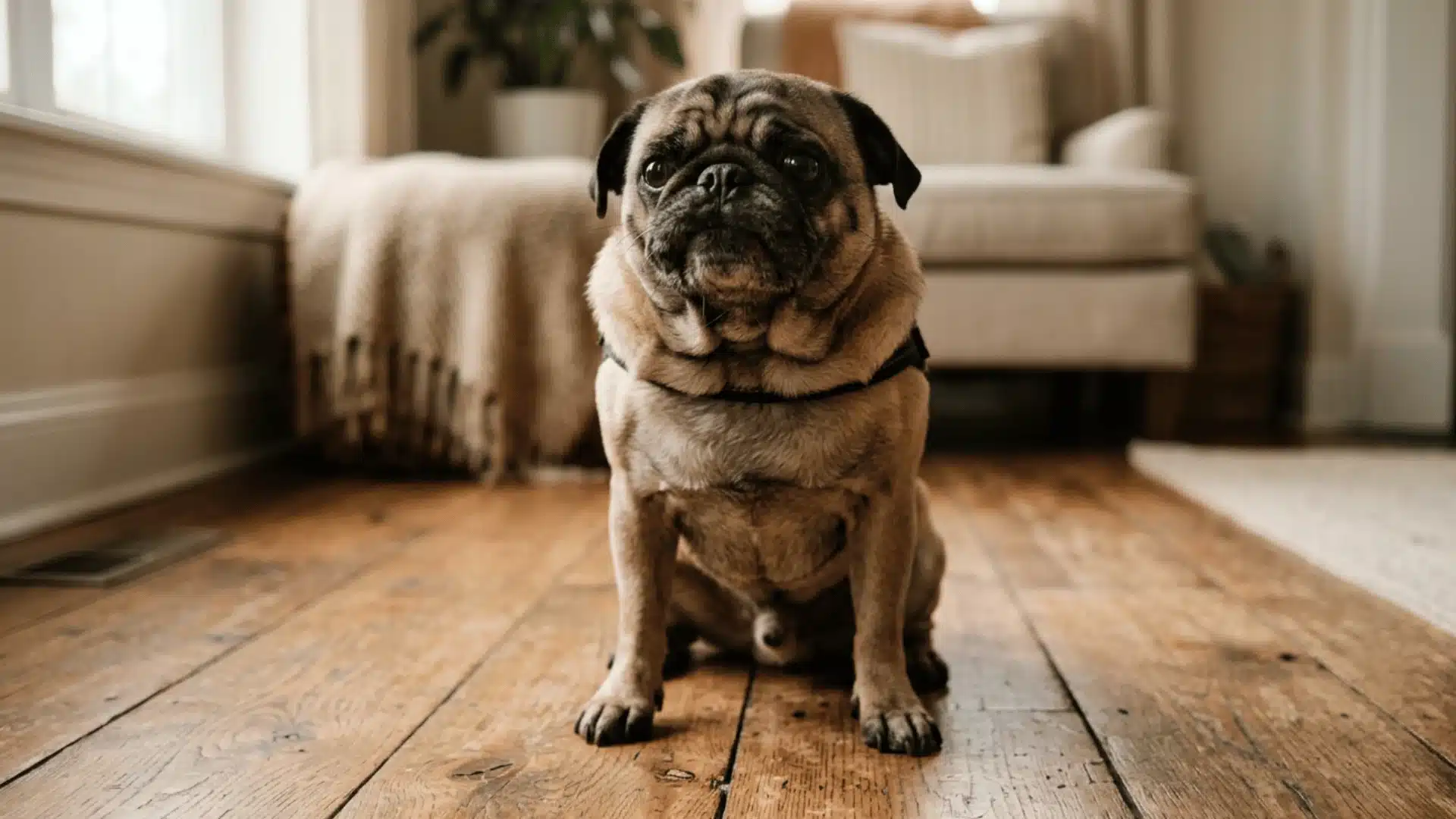
8. Brachycephalic Breeds
Flat-faced breeds such as Bulldogs, Pugs, Boston Terriers, and Shih Tzus naturally have narrower nasal passages and shortened airways.
This unique anatomy makes them more prone to sneezing and respiratory irritation than many other breeds. Even minor triggers like dust, excitement, or mild allergies can cause noticeable symptoms.
Because their airways are already restricted, these breeds may also be more susceptible to breathing difficulties associated with nasal conditions.
What is Reverse Sneezing in Dogs?
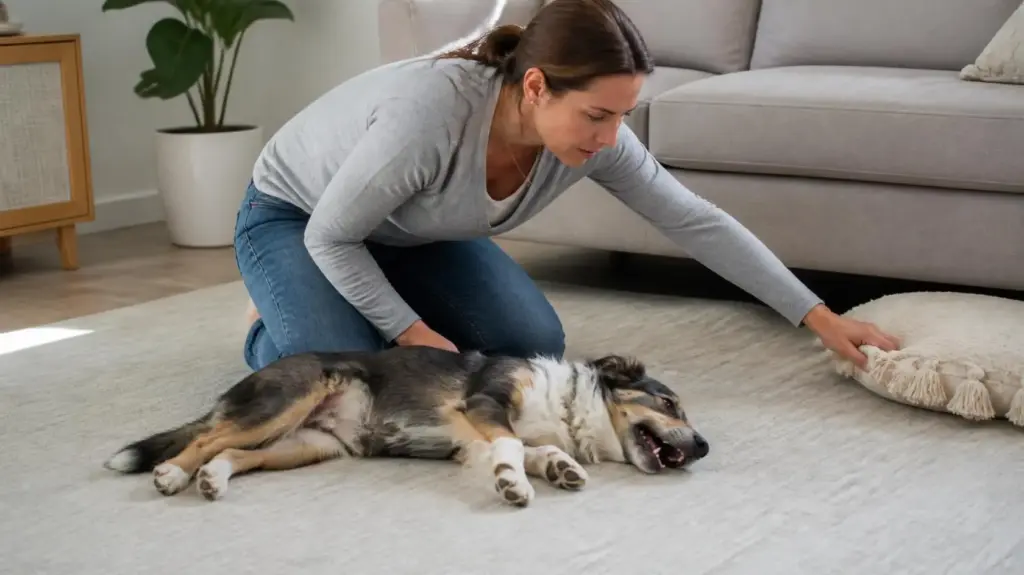
Reverse sneezing can look frightening. A dog may freeze, stretch its neck, widen its stance, and make loud snorting or honking sounds for 20-30 seconds.
The medical term is paroxysmal respiration. Unlike a normal sneeze, where air is pushed out, reverse sneezing involves rapid inhalation through the nose.
It usually occurs when irritation of the soft palate triggers a brief spasm that temporarily narrows the airway. The dog responds with quick, forceful breaths inward.
While dramatic, reverse sneezing is generally harmless and most episodes resolve on their own within a minute, with the dog returning to normal immediately afterward.
It can sometimes be mistaken for choking or a collapsed trachea. Reverse sneezing is noisy, with air still moving in and out, while choking is often quieter and involves obvious distress.
If you’re unsure, consult a veterinarian. Reverse sneezing is most common in small and flat-faced breeds, though any dog can experience it.
Common Causes of Reverse Sneezing in Dogs
Some dogs reverse sneeze once in a while and never again. Other dogs reverse sneeze a lot. When it becomes frequent, it’s usually tied to a specific trigger.
- Allergies and environmental irritants: Pollen, dust mites, mold, and strong smells can all trigger an episode. Dogs with seasonal allergies often reverse-sneeze more during high-pollen periods.
- Excitement and leash pulling: Many dogs reverse sneeze when they get wound up. A collar pulling on the throat during a walk can also trigger an episode, which is why some vets suggest switching to a harness.
- Eating or drinking too fast: Swallowing too quickly can irritate the soft palate and kick off a reverse sneeze. Slow-feeder bowls sometimes help dogs who eat like they’re in a competition.
- Post-nasal drip or secretions: Mucus draining from the sinuses down the back of the throat is a common trigger, especially in dogs with allergies.
- Elongated soft palate: This is a structural issue more common in brachycephalic breeds. The soft palate is longer than it should be and can partially obstruct the airway, making reverse sneezing more frequent and sometimes more severe. Dogs with this condition may need a vet’s input to manage it properly.
How to Stop Reverse Sneezing in Dogs?
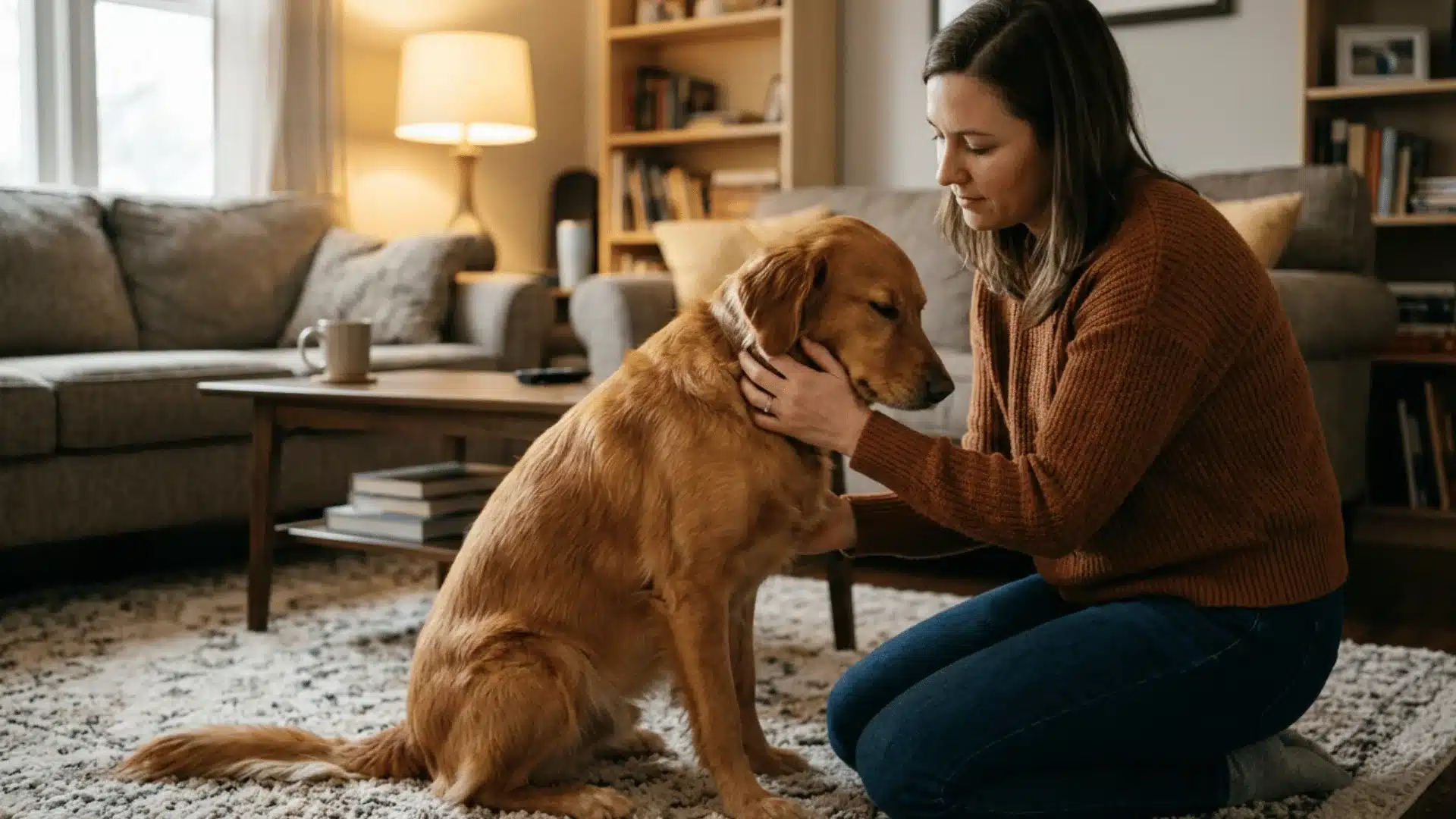
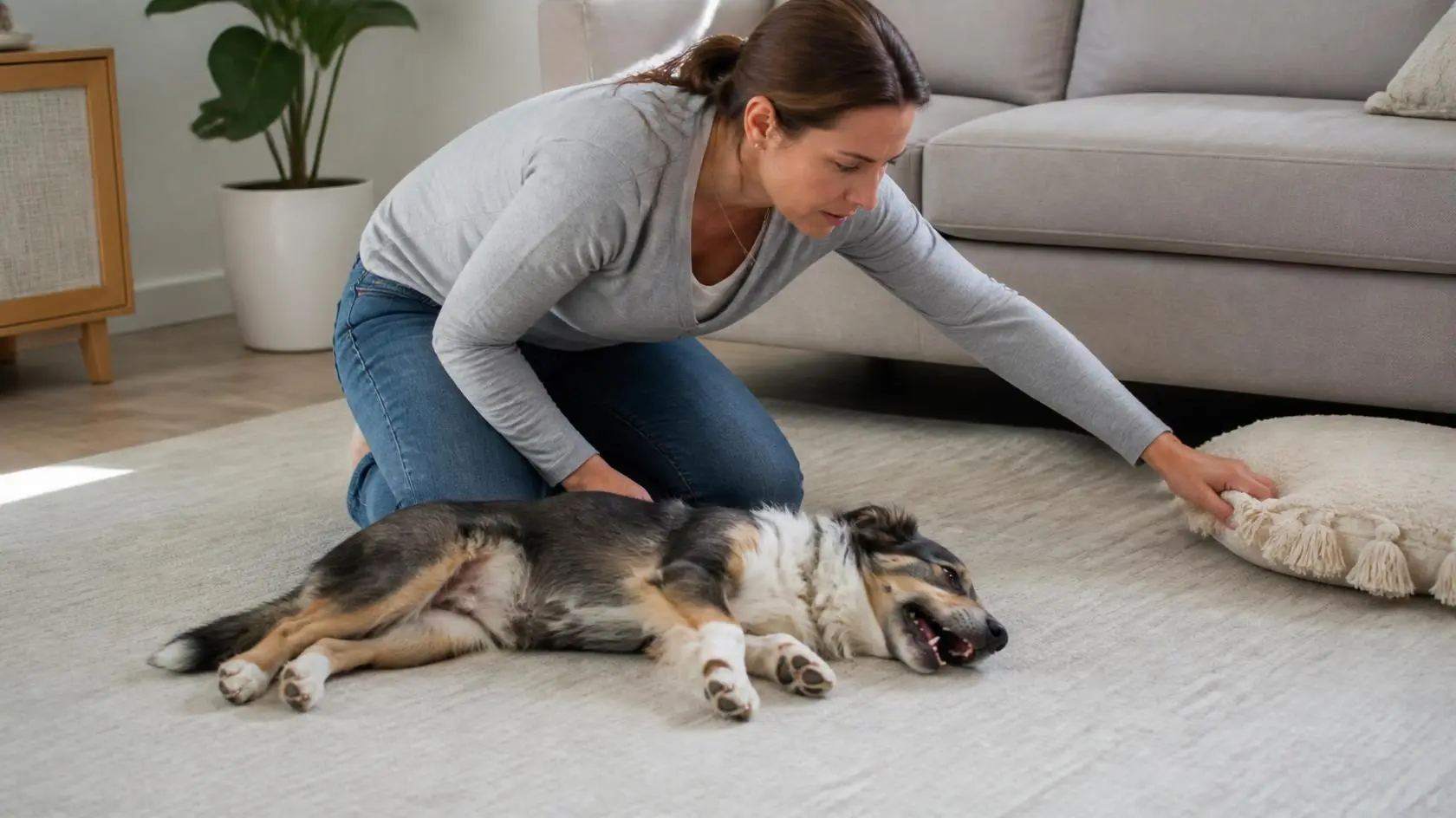
Most reverse sneezing episodes in dogs resolve on their own, but a few simple techniques may help shorten the episode by encouraging swallowing, which interrupts the spasm.
Stay calm during the episode, as dogs can sense your anxiety and may become more tense. Gently massaging the throat or neck can help relax the soft palate.
Briefly covering the nostrils for about a second often triggers a swallow reflex, while softly blowing on the dog’s face may have a similar effect.
Offering a small treat or some water is also effective, as frequent swallowing breaks the cycle. Taking your dog outside for fresh, cool air can help, especially if the environment is warm or stuffy.
If episodes often occur after walks, switching from a collar to a harness may reduce throat irritation.
Dogs with frequent reverse sneezing due to allergies or soft palate issues may benefit from veterinary treatment, and recording a video can help with diagnosis.
Home Care Tips for Frequent Dog Sneezing
If your dog sneezes often but otherwise seems healthy, a few simple changes at home can help reduce irritation and minimize common sneezing triggers.
- Keep your home clean and dust-free: Regularly vacuum floors, wash bedding, and remove dust buildup to reduce airborne particles that may irritate your dog’s nasal passages.
- Avoid strong fragrances: Perfumes, scented candles, air fresheners, essential oils, and heavily scented cleaning products can trigger sneezing in sensitive dogs.
- Monitor outdoor exposure during allergy seasons: High pollen levels during spring and fall can worsen sneezing. Wipe your dog’s paws and face after walks to remove allergens.
- Ensure proper hydration: Fresh water helps keep the nasal passages moist and may reduce irritation caused by dry air or environmental allergens.
- Track symptoms and triggers: Keep notes on when sneezing occurs, including weather changes, outdoor activities, and household exposures, to help identify patterns and potential causes.
When Does a Dog’s Sneezing Require Veterinary Care?
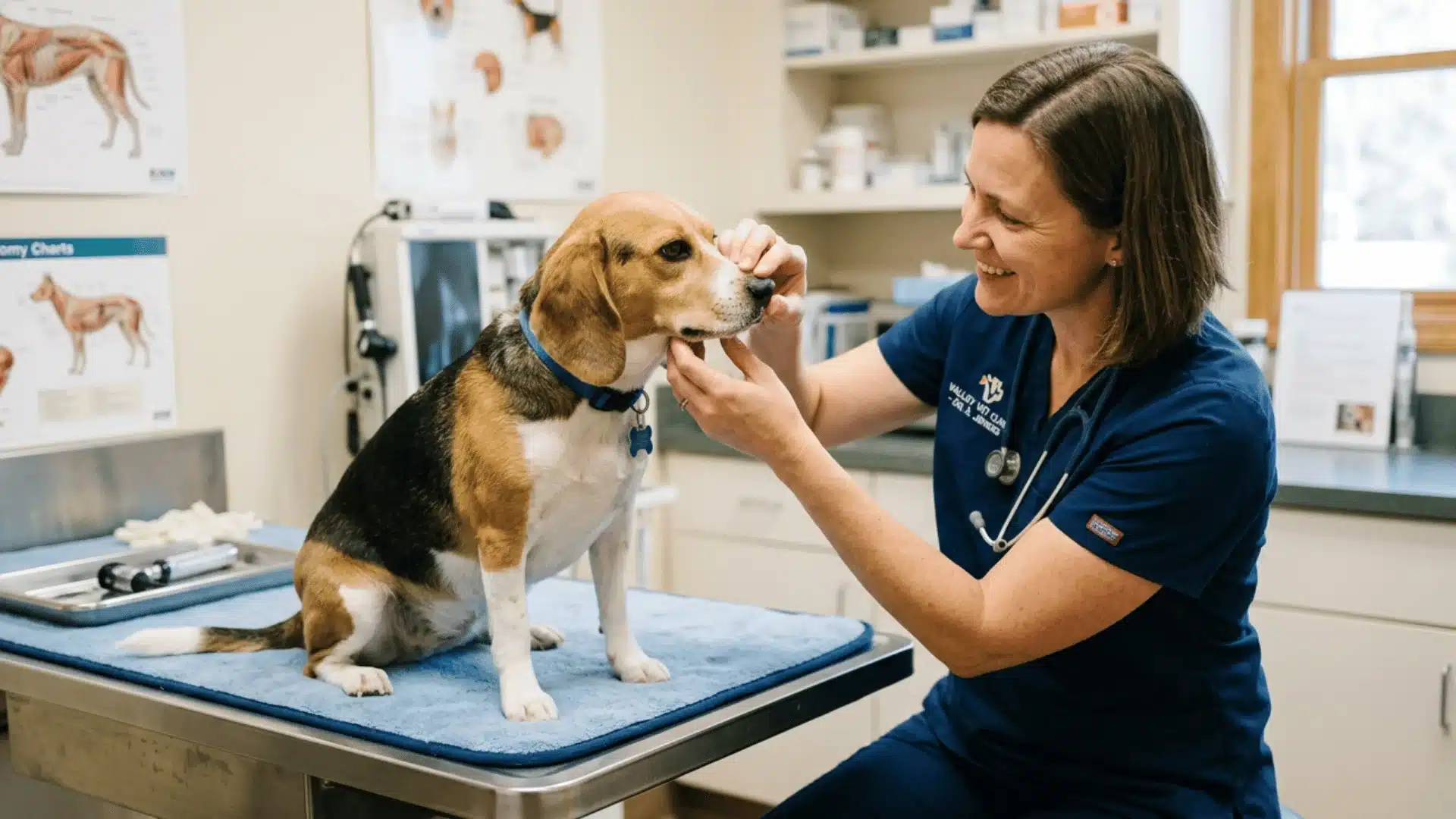
A dog’s sneezing requires veterinary care when it becomes frequent, lasts for several days, or is accompanied by other symptoms.
- Bloody or discolored nasal discharge: Yellow, green, or bloody discharge along with sneezing is never considered normal. It may indicate a bacterial infection, nasal mites, significant inflammation, or abnormal growths.
- Sneezing lasting more than 24 hours: If sneezing continues for longer than a full day, especially when frequent or worsening, a veterinary evaluation is recommended to rule out infections, allergies, or other concerns.
- Pawing at the nose: Dogs often paw at their nose when something is stuck inside or when it’s irritated. This behavior commonly signals discomfort, inflammation, or a foreign object in the nasal passage.
- Lethargy, loss of appetite, or fever: Sneezing accompanied by low energy, reduced appetite, or fever suggests the body may be fighting an infection or another underlying illness requiring veterinary attention.
- Discharge from only one nostril: One-sided nasal discharge is a strong indicator that a specific issue is present, such as a foreign object, tooth root infection, localized inflammation, or nasal growth.
- Frequent reverse sneezing that doesn’t resolve: Occasional reverse sneezing is usually harmless, but repeated daily episodes that persist or increase in frequency often point to allergies, irritation, or another underlying problem.
Conclusion
Dog sneezing is usually nothing to panic about, especially when it happens during play, after sniffing dust, or around strong smells.
Reverse sneezing can also look scary at first, but many dogs have short episodes that pass on their own. The key is knowing what feels normal for your dog.
Occasional sneezing is common, but frequent sneezing, bloody discharge, thick mucus, breathing trouble, low energy, or repeated reverse sneezing should not be ignored.
Watching small changes early can keep your dog more comfortable and safe.
Has your dog ever had sneezing or reverse sneezing episodes? Share your experience in the comments below.
Frequently Asked Questions
Can Stress Cause a Dog to Sneeze?
Yes, some dogs sneeze when excited, nervous, or overstimulated. Stress-related sneezing is usually temporary and often occurs during play, training sessions, or highly stimulating situations.
Why is My Dog Sneezing Only From One Nostril?
Sneezing accompanied by discharge from a single nostril can indicate a foreign object, nasal infection, tooth root abscess, or nasal growth. Because unilateral symptoms often point to a localized issue, veterinary evaluation is recommended.
Can Dry Air Make Dogs Sneeze?
Yes, dry indoor air, especially during winter or in air-conditioned environments, can irritate a dog’s nasal passages and lead to occasional sneezing. Maintaining proper humidity and hydration may help reduce symptoms.