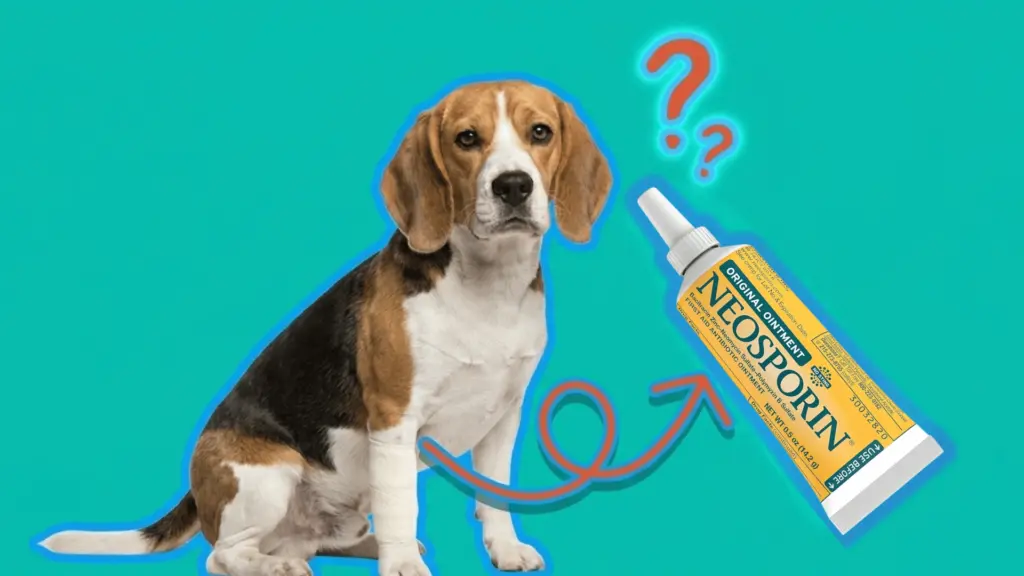
Your dog comes bounding inside after a run in the yard, and you notice a small cut on their paw. Your first instinct is to grab the Neosporin sitting in your medicine cabinet. It works for you, so why not for your dog, right?
This is one of the most common questions pet owners ask, especially in the middle of the night when the vet is closed, and your dog is sitting there looking at you with sad eyes.
The honest answer is: it depends. Neosporin is not inherently dangerous for dogs, but it is not something you should reach for without knowing a few important details first.
In this blog, we are going to cover exactly when it is okay, when it is not, what real dog owners have experienced, and what vets actually recommend, so you can make the right call for your dog.
What is Neosporin and How Does It Work?
Neosporin is an over-the-counter antibiotic ointment used for small cuts, scrapes, and minor skin wounds.
It contains three antibiotics: neomycin, polymyxin B, and bacitracin. These ingredients help stop certain bacteria from growing on the wound surface.
When applied in a thin layer, Neosporin helps protect the area while the skin heals. It also keeps the wound slightly moist, which can support normal healing.
However, Neosporin is made for people, not pets. It is not officially approved for animal use. That does not mean it is always unsafe for dogs, but it should only be used carefully and only on minor surface wounds.
Can You Put Neosporin on a Dog?
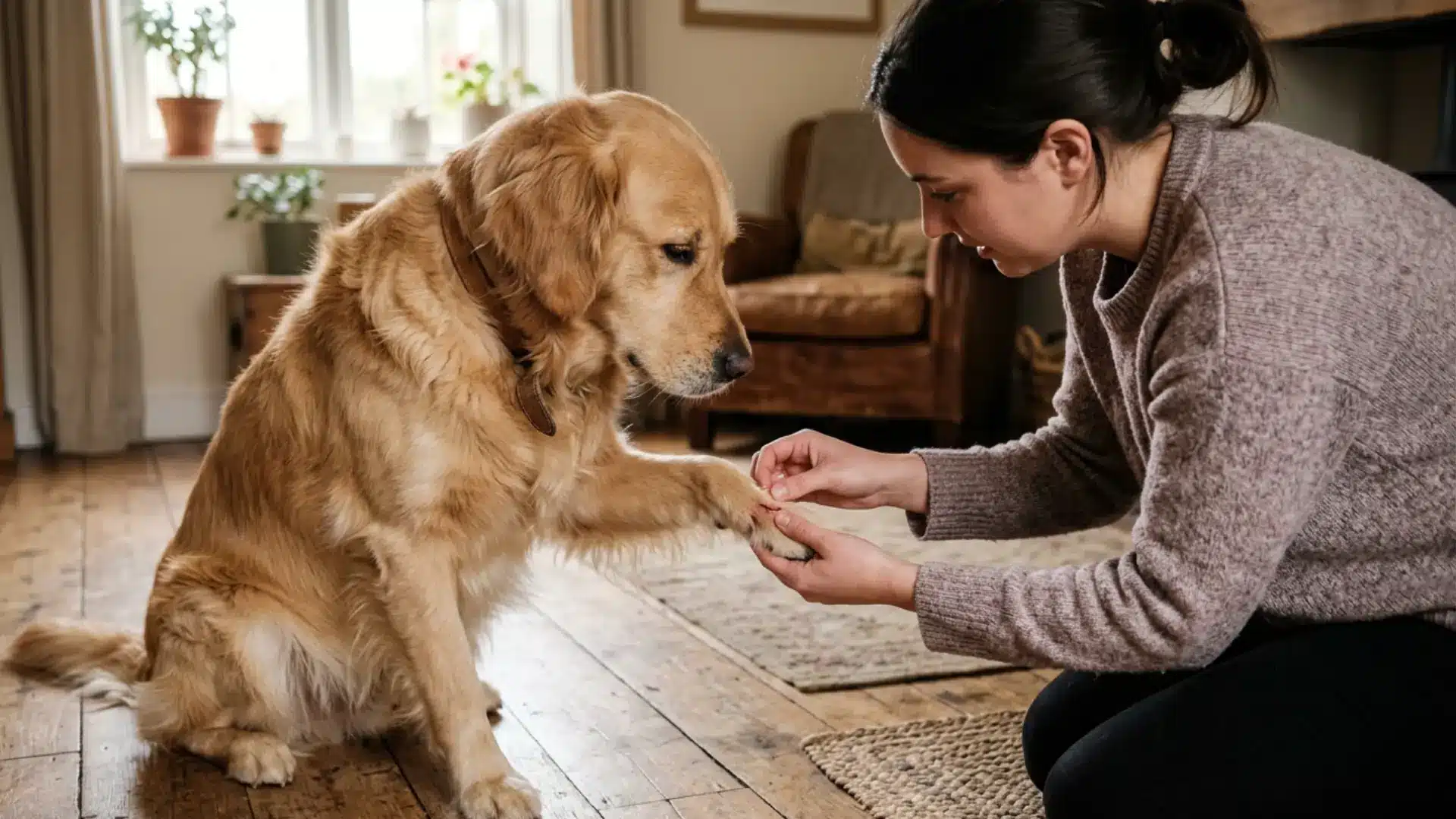
Yes, you can put Neosporin on a dog, but only in limited situations. It may be used on small, clean, surface-level cuts or scrapes where the skin is not deeply damaged. Apply only a thin layer, because using too much can make licking more likely.
Do not use Neosporin on deep wounds, punctures, burns, infected areas, or wounds near the eyes, ears, nose, or mouth.
It should also be avoided if your dog has reacted badly to antibiotic ointments before.
Neosporin can help protect a minor wound for a short time, but it does not replace veterinary care. If the wound looks serious, painful, swollen, or dirty, call your vet.
Why Neomycin in Neosporin Can Be Risky for Dogs
Neomycin is one of the ingredients in Neosporin that dog owners should use with caution. When used correctly on a small surface wound, serious problems are unlikely.
The concern grows when it is used near sensitive areas or on wounds, where medication can penetrate deeper into the tissue.
- Do not apply Neosporin inside or near your dog’s ears.
- Avoid using it on deep, open, or bleeding wounds.
- Never use Neosporin with added pain relief ingredients.
- Check the label for pramoxine before applying it.
Regular Neosporin should be applied only in a thin layer to minor cuts. If the wound is near the ear, eye, or mouth, skip it and call your vet.
What are Dog Owners Actually Saying?
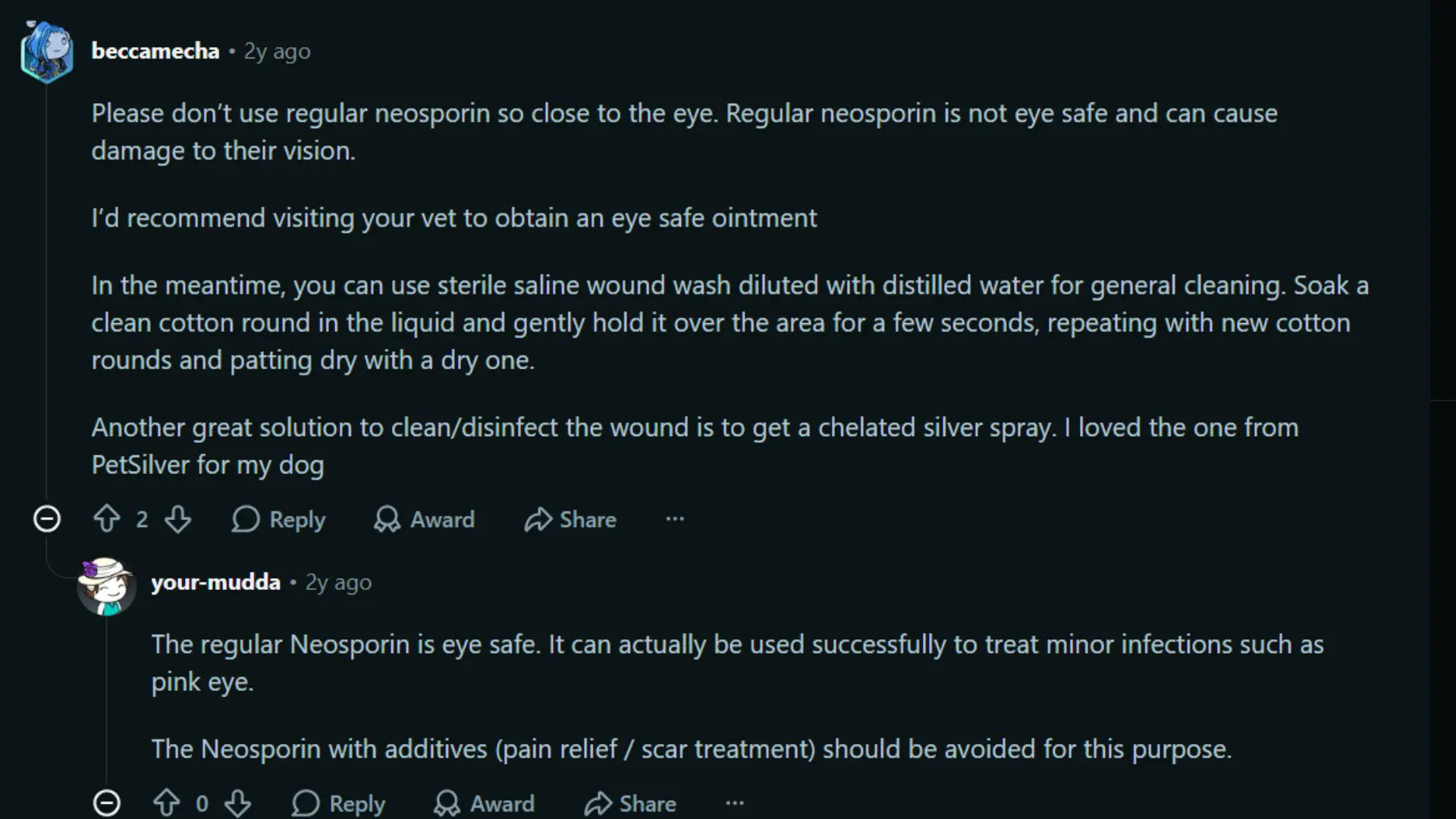
Reddit users had a mixed discussion about using Neosporin near a dog’s eyes. One user strongly warned against it, saying regular Neosporin is not eye-safe and can damage a dog’s vision.
They suggested using sterile saline solution for cleaning and recommended a chelated silver spray as a safer alternative.
Another user disagreed, claiming regular Neosporin is actually eye-safe and can treat minor infections like pink eye, but warned that Neosporin with added pain-relief or scar-treatment ingredients should be avoided.
A third user added that the skin version can be toxic to the cornea, though an ophthalmic version exists that is considered safe.
When is It Okay to Use Neosporin on Your Dog?
Neosporin is generally reasonable for minor surface wounds: a small paw cut, a light scrape from outdoor activity, or a shallow abrasion from rough play.
It works best on clean wounds that are neither deep nor bleeding heavily. It can also serve as a short-term option when a vet visit is not immediately possible.
How to Apply It Safely
- Clean the wound: Rinse the cut gently with fresh water or saline solution, then pat it dry with a clean cloth.
- Do a small patch test: Apply a tiny amount of Neosporin to one small spot and wait 10 minutes to check for redness, swelling, or itching.
- Apply a thin layer: Use only enough Neosporin to lightly cover the wound surface. Do not apply a thick amount.
- Cover the area: Use clean gauze or a loose bandage to help stop your dog from licking the ointment.
- Check the wound: Look at the area every few hours. If redness, swelling, pain, or irritation gets worse, clean off the ointment and call your vet.
When Should You Not Use Neosporin on Your Dog?
Knowing when to skip Neosporin is just as important as knowing when to use it. Avoid it completely in these situations:
- Deep wounds: Do not use Neosporin on punctures, bite wounds, or cuts that go below the skin surface.
- Sensitive areas: Avoid using it near your dog’s eyes, ears, mouth, or nose because it can cause irritation or harm.
- Infected wounds: Skip Neosporin if the wound has swelling, pus, heat, a bad smell, or worsening redness.
- Constant licking: Do not apply it if your dog keeps licking the area, since swallowing it can upset the stomach and slow healing.
- Unsafe formulas or sensitivities: Avoid them if your dog reacts to antibiotics or if the product contains pain-relief ingredients like pramoxine.
Safer Alternatives to Neosporin for Dogs
If you want something specifically made for pets with fewer question marks attached, these are the options most commonly recommended by vets and pet owners alike.
| Product | Safe for Dogs | Best For |
|---|---|---|
| Neosporin | With caution | Minor surface wounds only |
| Vetericyn | Yes | Most wound types |
| Saline Solution | Yes | Cleaning and flushing wounds |
| Chlorhexidine solution | Yes | Antiseptic wound cleaning |
| Sulfodene | Yes | Minor cuts and scrapes |
| Petroleum Jelly | Yes | Dry skin and cracked paw pads |
It is worth knowing which other human medicines are unsafe for dogs before you reach into the cabinet in an emergency, since some common household options are far more dangerous than Neosporin
What to Do If Your Dog Licks the Neosporin Off?
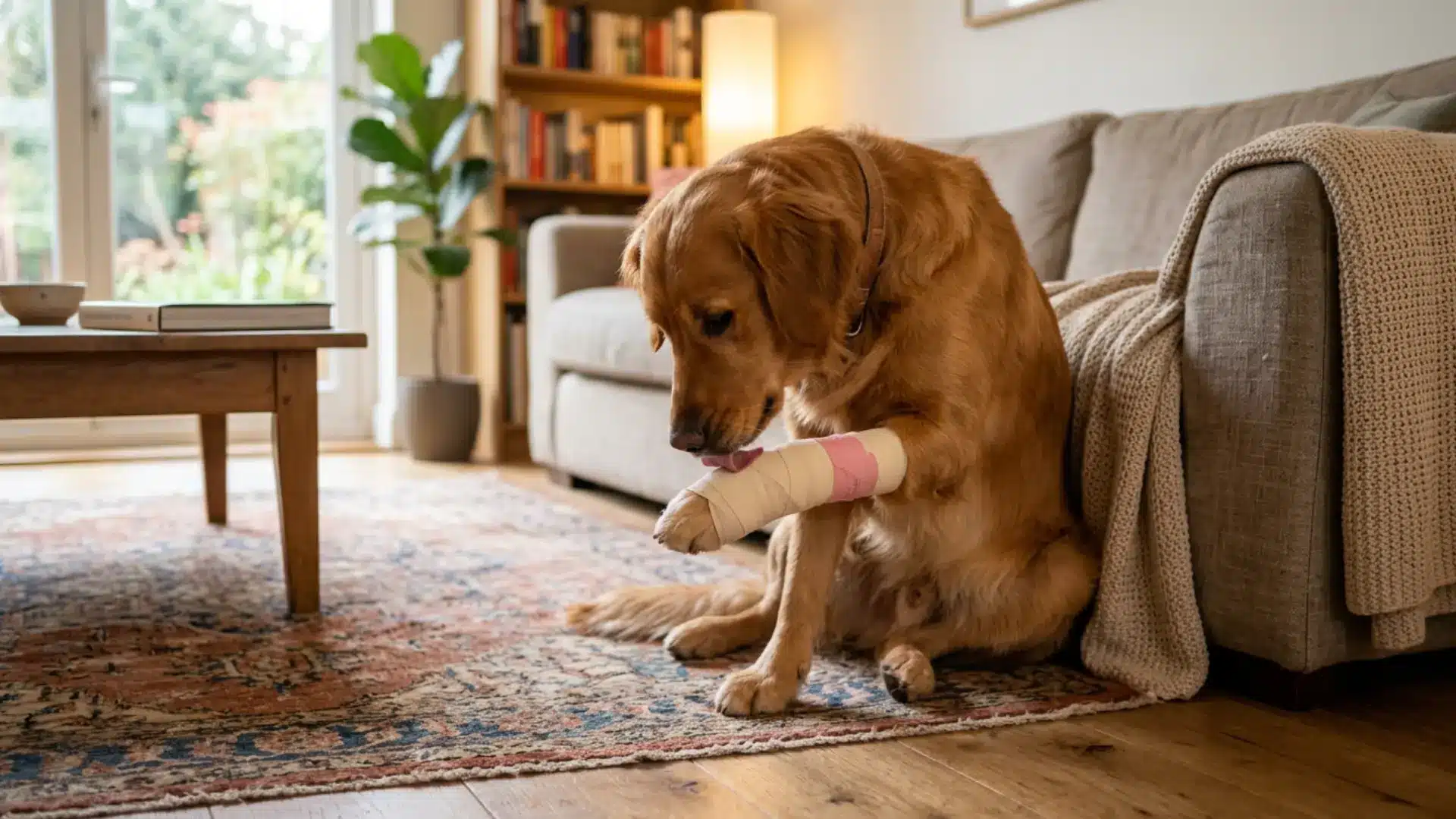
Do not panic if your dog licks off the Neosporin. A small amount is generally not dangerous, but here is what you should do next:
- Watch for stomach upset: Mild vomiting or loose stools, over the next few hours, which usually settle on its own
- Call your vet immediately: If your dog vomits repeatedly, seems lethargic, or shows facial swelling or difficulty breathing
- Reapply a thin layer: If the wound still needs coverage, but this time use a cone, bandage, or bitter deterrent spray to prevent licking
- Leave it clean and uncovered: If your dog keeps getting to the wound, no matter what you try, an uncovered clean wound is better than one where the ointment is being repeatedly swallowed
The most important thing is to stay calm, watch your dog closely, and call your vet if anything feels off.
When to Call a Vet
Call a vet if the wound is deep, bleeding heavily, swollen, warm, or producing pus. You should also get veterinary help if the cut has jagged edges, smells bad, or was caused by an animal bite.
These wounds can trap bacteria below the skin and may need proper cleaning, antibiotics, or stitches.
Also, contact your vet if your dog is limping, crying, licking nonstop, or refusing to let you touch the area. Pain can mean the injury is worse than it looks.
If a minor wound does not improve within 24 to 48 hours, stop home care and ask your vet what to do next.
Conclusion
Knowing can you put Neosporin on a dog is only part of keeping your pet safe. While this ointment may be suitable for some minor surface wounds, it should always be used with care and only in appropriate situations.
Paying attention to the type of wound, preventing your dog from licking the area, and watching for signs of infection can make a big difference during the healing process.
When an injury appears serious or healing does not progress as expected, contacting your veterinarian is the safest course of action.
Every dog is different, and professional advice is always worth seeking when you are unsure. Have you ever used Neosporin for your dog?
Share your experience or leave a comment below. We’d love to hear your thoughts.
Frequently Asked Questions
Can You Use Neosporin on a Puppy?
Use extra caution with puppies. Their skin can be more sensitive, and they may lick wounds more often. Call your vet before applying it.
Can Neosporin Be Used on Hot Spots?
No, Neosporin is not the right choice for hot spots. These irritated skin patches often need proper cleaning, drying, and vet-recommended treatment.
Can Neosporin Expire?
Yes, Neosporin can expire. An expired ointment may not work properly, so always check the date before using it on your dog.