You glance up from whatever you are doing, and there they are.
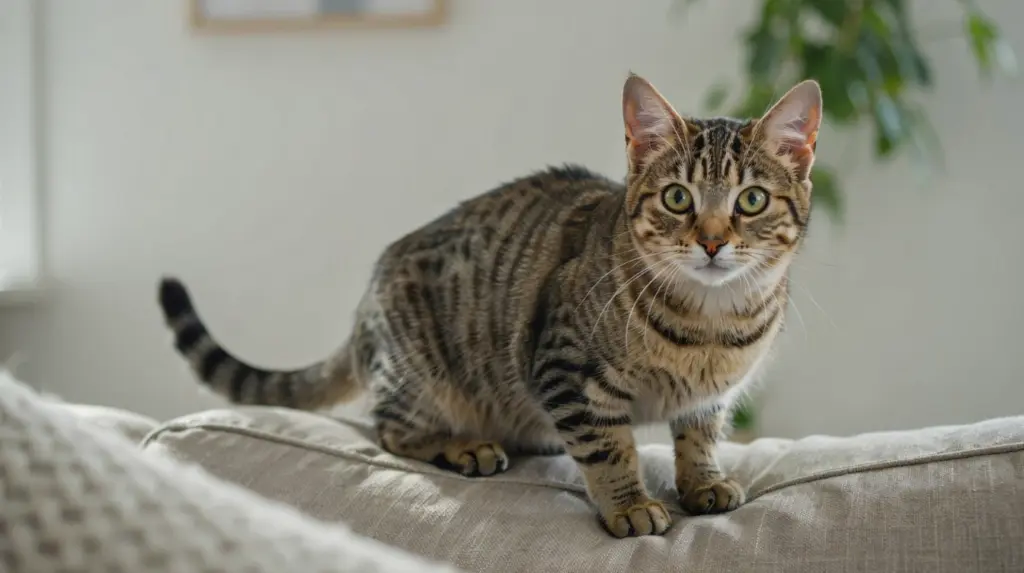
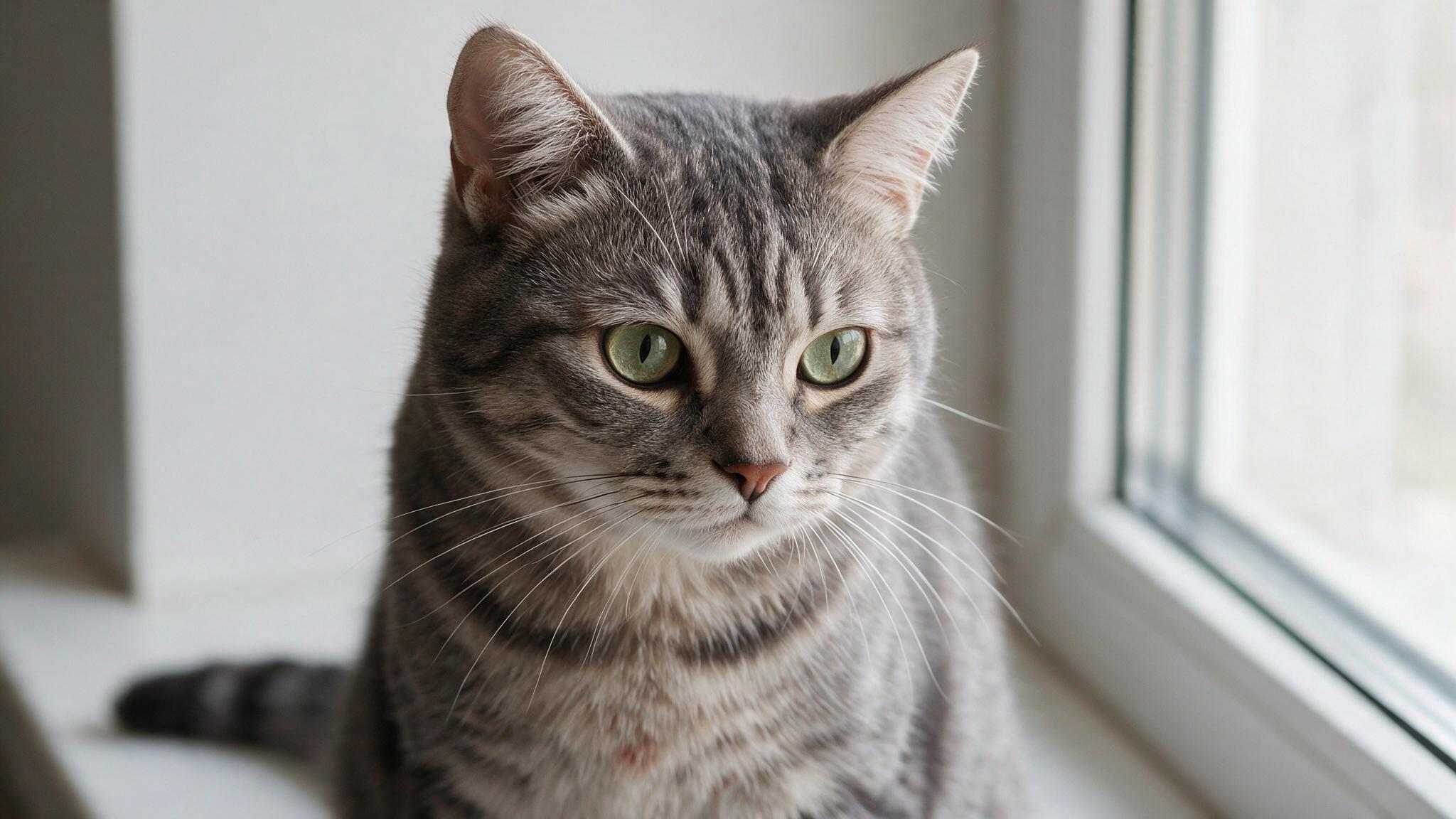
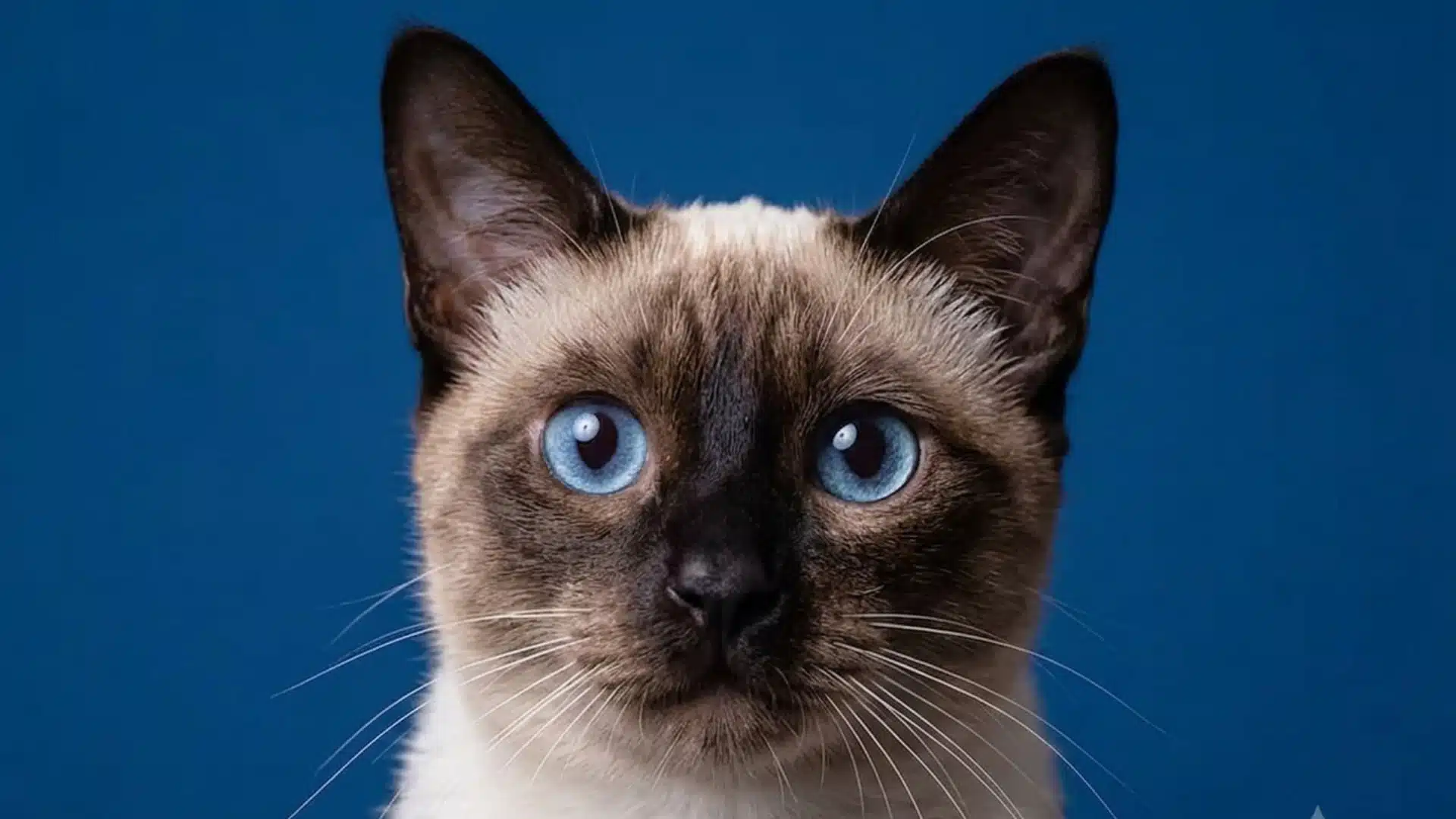
Your cat, completely still, locked onto you with the kind of focused intensity that would be unsettling from anyone else.
If you have ever caught your cat staring at you and wondered what on earth was going through their head, you are not alone.
It is one of the most common questions cat owners ask, and the answer is more interesting than you might expect.
Cat staring is rarely random and almost never rude. Most of the time, it is your cat’s way of talking to you.
In this post, we cover the most common reasons behind the stare, how to read the body language that travels with it, and when a stare is worth a closer look.
Is Cat Staring Normal?
Cat staring is one of the most common feline behaviors, and it makes sense when you consider how cats are built. They’re alert by nature, deeply curious, and wired to track movement with precision.
Your cat notices every shift in your posture, every trip to the kitchen, every time you reach for your shoes. Staring is how they stay informed.
It’s also how they’ve learned to communicate with you over the years of living together. On its own, a steady gaze is rarely something to read into.
Unlike dogs, cats don’t bark or paw to get attention. Eye contact is a significant part of how they bond, communicate emotions, and sometimes assert dominance. That makes the stare one of their most versatile tools.
Reasons Your Cat is Staring at You

Cat staring is usually not random. From hunger and curiosity to affection, play, stress, or attention, these reasons can help explain what your cat may be trying to say.
1. They’re Hungry
Cats are creatures of routine, and they learn fast that staring at you gets results.
When mealtime approaches, many cats will plant themselves in your line of sight and hold that gaze until something happens. It is calculated, a little manipulative, and honestly impressive.
If the stare is followed by a slow walk toward the food bowl, you already know what they want.
2. Attention-Seeking on Their Terms
Some cats stare simply because they want you to notice them. They may follow you between rooms, sit directly in your path, or add a quiet meow to the gaze to make the request impossible to ignore.
This is not neediness so much as communication.
Your cat has figured out that eye contact from you means interaction is coming, and they are using that knowledge on purpose.
3. Curious About What You’re Doing
Cats are observers by instinct. When you start a new activity, move furniture, open a bag, or behave in any way that disrupts the usual routine, your cat wants to understand what’s going on.
The stare in these moments is pure information-gathering.
Their body will usually look relaxed, ears forward, tail still. They are not worried. They are just watching and deciding whether any of this involves them.
4. Showing You Affection
A soft, unhurried stare paired with a slow blink is one of the quietest ways a cat says they feel safe with you.
Closing their eyes, even briefly, around another creature takes trust.
When your cat does it while holding your gaze, they are essentially telling you that you are their person. You can slow-blink back.
Most cats respond, and it becomes a small, genuinely sweet exchange.
5. Anxiety or Fear Driving the Watch
Not every stare comes from a calm place. A cat that feels threatened or unsure will often go very still and watch closely, tracking whatever is making them uneasy.
Look for the body language that travels with the stare: ears flattened back, pupils blown wide, tail tucked low or puffed up.
If your cat stares like this around new people or after a loud noise, they are not being dramatic.
They are genuinely stressed. Understanding the signs of cat anxiety can help you respond in ways that actually settle them.
6. Asserting Themselves
Cats use prolonged, unblinking eye contact as a dominance signal, especially in multi-cat households or when sizing up people.
This stare tends to look harder and more deliberate than a curious or affectionate gaze.
The cat’s body will often be stiff, their tail may flick slowly, and they may position themselves in a doorway or between you and somewhere you want to go. Give them space rather than staring back directly.
7. Zoning Out
Sometimes your cat is not staring at you so much as staring in your general direction while their brain does something entirely elsewhere. Cats space out.
A relaxed, glassy-eyed gaze, a loose, sprawled body, and no particular reaction to movement usually mean your cat is comfortable, calm, and simply not thinking about very much at all. It looks intense.
It means nothing. It is, in its own way, the highest compliment a cat can pay you.
How to Read the Cat’s Stare?
A cat’s stare never travels alone. It always arrives with a full set of physical signals that change the meaning completely.
Once you learn to read the eyes, ears, tail, and posture together, you stop second-guessing and start actually understanding what your cat is trying to say.
| Stare type | Body cue | What it likely means |
|---|---|---|
| Soft, slow blink | Relaxed posture, loose tail | Affection and trust |
| Fixed, unblinking | Stiff body, flicking tail | Dominance or mild threat |
| Wide-eyed, unblinking | Dilated pupils, tucked tail, flat ears | Fear or anxiety |
| Dilated pupils, swishing tail | Crouched, weight shifting forward | Play drive, predator mode |
| Glazed, unfocused | Sprawled body, no tension | Zoning out, fully relaxed |
| Direct gaze + meowing | Moving toward the food bowl, or you | Hunger or attention-seeking |
What Cat Owners Say on Reddit

Cat owners on Reddit have plenty to say about the stare, and the discussions rarely stay clinical for long.
The consensus across platform threads is that the stare is almost always about communication, even when it appears to be pure judgment.
Many owners describe their cats planting themselves directly in their line of sight at the same time every day.
Usually around feeding time, and holding the gaze with a patience that borders on unsettling.
Others share that their cats stare most during quiet moments, sitting a few feet away and watching as if simply keeping tabs.
The recurring takeaway from real owners is simple: once you stop finding the stare weird and start treating it as a conversation, the whole dynamic shifts.
Should You Stare Back at Your Cat?
It depends entirely on how you do it. A hard, unblinking stare directed at a cat reads as a challenge in feline body language. Most cats will either look away, leave the room, or, in tense situations, escalate.
So no, holding a prolonged contest of wills is not the move.
What does work is the slow blink. Instead of staring back with fixed, wide-open eyes, try this:
- Soften your gaze so your eyes are relaxed, not locked
- Let your eyelids drop slowly, hold for a second, then open again
- Keep your face and body loose, not leaning forward
- Give your cat a moment to respond at their own pace
Many cats will slow-blink back. Some will look away briefly, then return with softer eyes. Both are good signs. You are not winning a staring contest; you are having a conversation, and that is a much better outcome.
For a deeper look at how cats communicate with you beyond eye contact, it is worth understanding their full range of signals.
When Cat Staring is a Warning Sign

Most cat staring is harmless, but a change in how your cat stares is sometimes worth acting on.
Contact your vet if the staring is accompanied by confusion or disorientation, such as your cat looking past you without tracking movement or seeming unsure of their surroundings.
Loud, repetitive yowling alongside a fixed gaze is another signal worth addressing, especially in older cats.
A sudden drop in appetite or staring at the food bowl without eating can also point to something beyond routine hunger.
In senior cats, vision loss and cognitive decline often first appear as shifts in how they hold or direct their gaze.
Note: The information in this section is intended for general guidance only and does not replace professional veterinary advice. If you are concerned about your cat’s behavior or health, always consult a licensed veterinarian.
Conclusion
Most of the time, your cat staring at you is not mysterious. It is just the way they talk.
Once you know what to look for in the eyes, ears, tail, and posture that travel with the gaze, you stop second-guessing and start actually understanding what your cat is trying to tell you.
That shift changes the relationship in small but real ways. You respond differently.
Your cat feels heard. The stare becomes less unsettling and more like the quiet, everyday conversation it actually is.
Every cat has their own version of the stare, and no two are quite the same.
What does your cat’s usual stare look like, and have you figured out what it means? Drop it in the comments below.
Frequently Asked Questions
Why Does My Cat Stare at Me While I Sleep?
Cats often monitor their environment even when the household is quiet, and a sleeping human is simply part of that routine watch. Your cat is likely waiting for signs that you are about to wake up, which usually means food, movement, or attention is coming soon.
Can Staring Be a Sign of Vision Problems in Cats?
A cat with deteriorating vision may appear to stare blankly, seem confused about your location, or fix their gaze in the wrong direction when you speak. This is more common in senior cats, and any sudden change in how your cat tracks movement or makes eye contact is worth raising with your vet.
Why Does My Cat Stare at Me without Blinking for a Long Time?
Cats blink far less frequently than humans do, so a long unblinking gaze is normal for them and does not carry the same intensity it would from a person. The key is body language: a relaxed body with soft eyes is fine, but stiffness and dilated pupils alongside that stare deserve closer attention.