Your cat curls up on your lap, closes their eyes, and starts purring. It’s one of the most comforting sounds in the world.
But that steady hum is doing more than announcing contentment.
Purring is one of the most complex and misunderstood behaviors in feline biology.
It starts just days after birth and continues throughout a cat’s life, serving as a tool for survival, healing, and social connection.
If you’ve ever wondered why do cats purr, what’s really happening when your cat purrs, why it may happen during stress or pain, or whether that vibration is actually doing something for your health too, you’re in the right place.
What is a Cat Purr?
Cat purring is a low, continuous vibrating sound that cats produce, usually while breathing in and out. It is one of the most distinctive vocalizations in the feline world and serves several biological and social functions.
Unlike meowing, which is primarily used to communicate with humans, purring occurs in both social and non-social situations.
The sound typically falls within a frequency range of 25 to 150 Hz and can vary slightly depending on the cat’s emotional state and environment.
Cats purr for multiple reasons: contentment, pain management, stress relief, bonding with kittens, and communication with humans.
The frequency range of a cat’s purr also overlaps with therapeutic vibration levels linked to bone growth, tissue repair, and reduced inflammation in scientific research.
How do Cats Create their Purring Sound?
Cats purr at a steady low frequency of about 25-30 times per second.
Scientists long thought cats made this sound by rapidly tightening and relaxing muscles in their voice box (larynx) many times a second while breathing. New research shows that’s not fully right.
A cat’s larynx can create purring sounds on its own, without any muscle contractions or brain signals, using the same basic airflow and vibration system (called MEAD) that most animals use for other sounds.
Special fatty pads in the cat’s vocal folds help them vibrate easily at these low frequencies, like a slow “vocal fry.”
In real life, both airflow vibration and some muscle control probably work together to keep the purr going smoothly during both inhaling and exhaling.
Why Do Cats Purr?

Cats purr for a variety of reasons beyond simple happiness. From communication and bonding to stress relief and self-soothing, purring serves multiple functions throughout a cat’s life.
1. Contentment and Relaxation
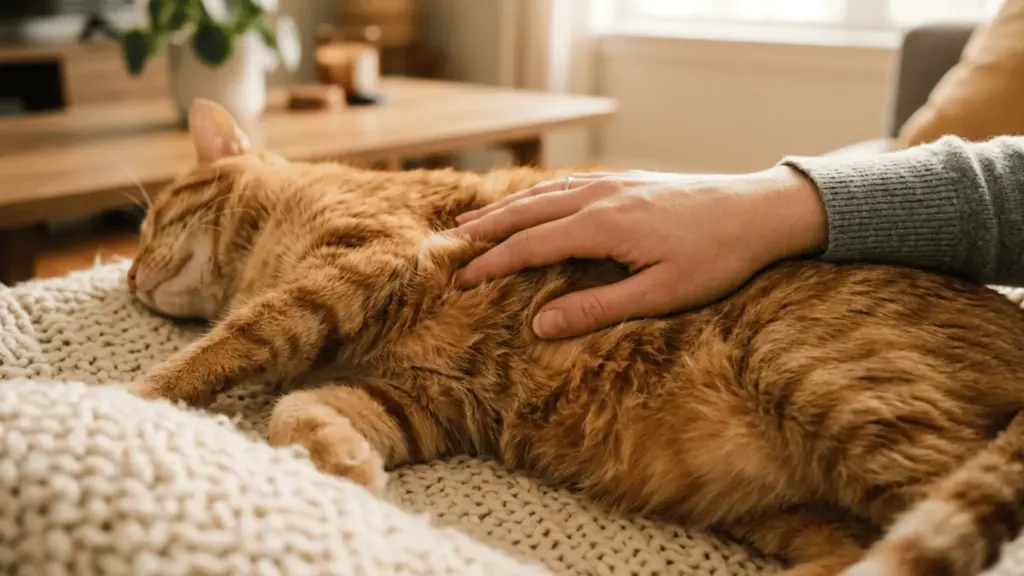
The reason most people recognize is simple happiness. Cats often purr while resting in a comfortable spot, receiving affection, or spending time with trusted humans.
In these situations, purring acts as a signal of comfort and security. A relaxed posture, slow blinking, and gentle purring together usually indicate that a cat feels safe and content in its surroundings.
Feelings of safety often encourage cats to purr more frequently. Warm resting places, familiar routines, and positive interactions can all contribute to the relaxed emotional state commonly associated with gentle, steady purring.
2. Stress and Pain Management
Purring is not limited to positive emotions. Cats frequently purr when they are anxious, frightened, injured, or recovering from illness.
Veterinarians commonly observe purring during examinations and medical treatments.
Researchers believe the behavior may function as a self-soothing mechanism that helps reduce stress and discomfort, allowing cats to cope with challenging situations more effectively.
Research from the American Veterinary Medical Association shows that cats with chronic inflammatory disease purr more than healthy cats, using it to solicit comfort or self-soothe rather than to signal happiness.
3. Bonding and Social Communication
Purring begins very early in life and plays an important role in social bonding. Adult cats continue to purr during grooming sessions, close interactions with other cats, and affectionate moments with their human companions.
Kittens start purring within days of birth to communicate with their mother while nursing. Mother cats often respond by purring back, creating a reassuring connection between parent and offspring.
Shared resting spaces, mutual grooming, and quiet interactions frequently include purring, helping strengthen connections between cats and the people or animals they trust.
4. Requesting Food or Attention
Not all purrs are the same. Studies have identified a special type of vocalization known as the “solicitation purr,” which cats use when they want food or attention.
This purr combines the usual low-frequency vibration with a higher-pitched sound similar to an infant’s cry, making it harder for humans to ignore and more effective at communicating needs.
Repeated success in gaining attention through vocalizations may reinforce the behavior, encouraging cats to use solicitation purrs whenever they want a response from their owners.
5. Supporting Healing and Recovery
Scientists have long been studying the potential healing effects of purring. Some experts believe it may support recovery and overall physical health during periods of rest.
A cat’s purr typically falls within a frequency range of 25 to 150 Hz, which overlaps with frequencies associated with bone growth, tissue repair, and reduced inflammation in scientific studies.
Ongoing research explores whether regular exposure to these vibrations yields measurable physiological benefits that support recovery and long-term physical maintenance.
6. Communicating Emotional Needs
Beyond happiness or healing, purring serves as a versatile means of communication. Cats may purr to express trust, seek reassurance, encourage interaction, or signal vulnerability.
A cat’s purr can have different meanings, so it should be interpreted alongside body language cues such as ear position, tail movement, posture, and facial expression.
Subtle differences in behavior, combined with the surrounding environment, often provide valuable clues about whether a cat is seeking comfort, interaction, reassurance, or personal space.
What Research Says About the Healing Power of Cat Purrs
Scientists have long been interested in the potential healing effects of cat purring. This has led researchers to explore whether purring provides physical benefits beyond communication.
The frequency range of a cat’s purr, 25 to 150 Hz, is not arbitrary. That range overlaps precisely with the vibration levels associated with several measurable biological effects.
Some experts believe purring may help cats maintain bone strength and support recovery from injuries during periods of rest. The vibration produced by purring may also contribute to muscle and joint health over time.
Although purring should not be viewed as a proven medical treatment, its frequency range continues to attract scientific interest for its possible role in healing and overall wellbeing.
Clinical observations suggest that purring may help cats regulate their breathing and cardiovascular function during recovery from respiratory illnesses.
How Cats Use the Solicitation Purr
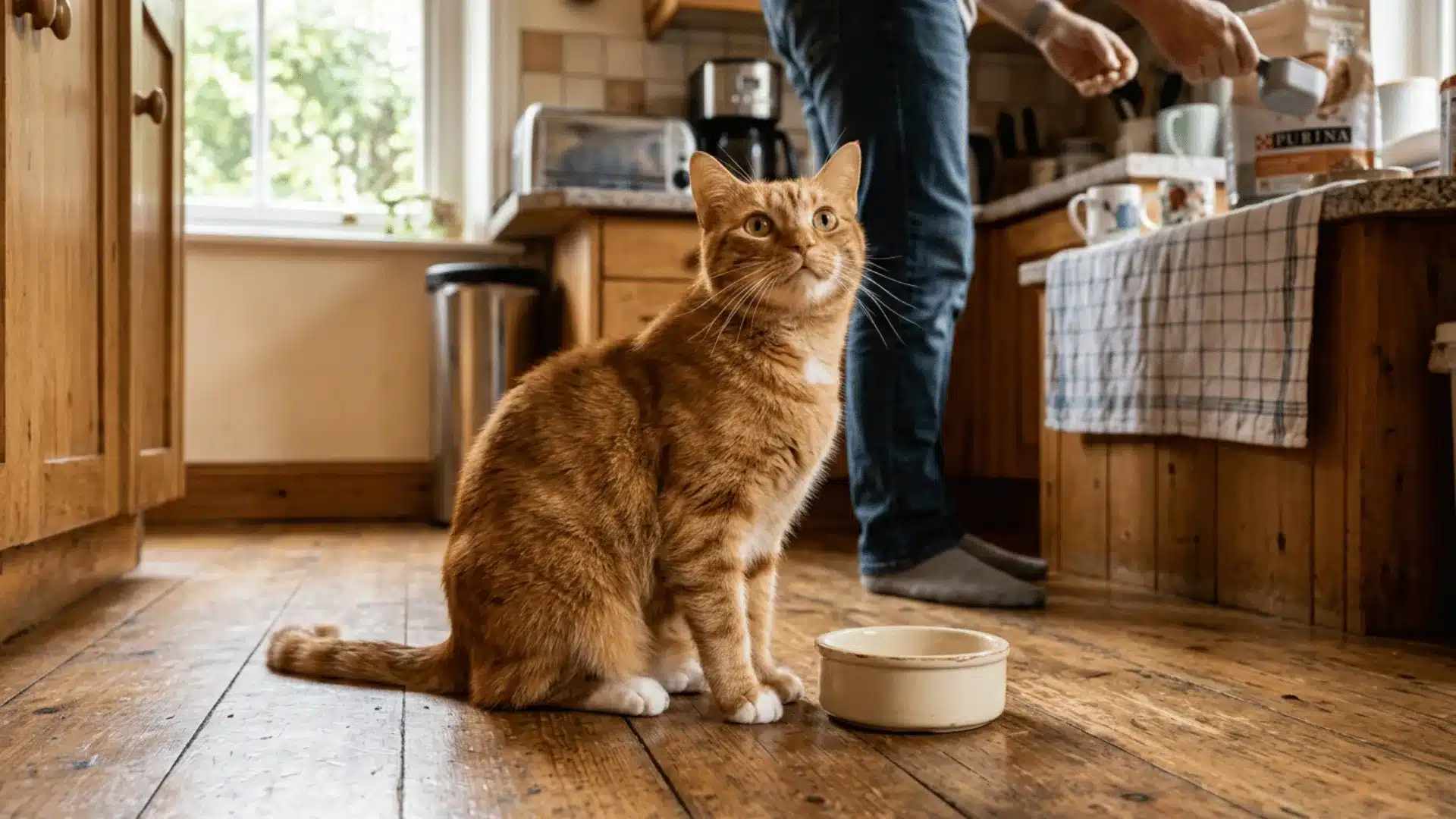
If you’ve lived with a cat long enough, you know that hunger purr. It’s the one that’s harder to ignore than a regular contented hum.
Cats use a special type of purr known as the solicitation purr when they want food, attention, or another resource from their owners.
Many cats use them around mealtimes or when seeking interaction, demonstrating how well they have adapted to living alongside humans.
Unlike a typical contentment purr, this vocalization combines the usual low-frequency vibration with a higher-pitched sound similar to an infant’s cry.
Research suggests this added frequency makes the purr more difficult for humans to ignore, helping cats communicate their needs more effectively and encouraging a caregiving response.
The affectionate cat breeds most in tune with their owners tend to deploy this purr most reliably at the earliest sign of an empty bowl.
Common Myths About Cat Purring
Purring is one of the most recognizable cat behaviors, but it is also one of the most misunderstood. These lesser-known myths often lead to incorrect assumptions about what a purr really means.
- Sign of Friendship: Some people believe a purring cat always wants interaction. In reality, a cat may purr while preferring to be left alone, especially when resting or self-soothing.
- Identical Across Breeds: A common misconception is that all cats purr the same way. In practice, purr volume, tone, and frequency can vary significantly between individual cats.
- Stops With Age: Many owners assume cats purr less as they get older. While health issues can affect vocalizations, healthy senior cats often continue purring throughout their lives.
- Triggered by Touch: Although petting commonly triggers purring, cats can also purr when alone, sleeping, exploring familiar spaces, or simply relaxing without human interaction.
- Always Audible: Not every purr can be heard clearly. Some cats produce extremely quiet purrs that are easier to feel through vibrations than hear with the ears.
How Does Purring Affect Your Emotional Well-Being?
The calming effect of a purring cat is something many owners experience firsthand. The steady, rhythmic sound can create a sense of comfort and relaxation, making it easier to unwind after a stressful day.
Spending time with a purring cat may also encourage the release of oxytocin, often called the “bonding hormone.” This can promote feelings of connection, emotional security, and overall wellbeing.
The low-frequency vibrations produced during purring have also been linked to reduced stress levels and a calmer mood.
For many people, simply sitting with a purring cat can help create a sense of peace and routine, contributing positively to emotional health over time.
However, some unusual cat behavior that owners find puzzling actually reflects specific stress or health responses rather than personality quirks.
When Should You Be Concerned About Your Cat’s Purring?
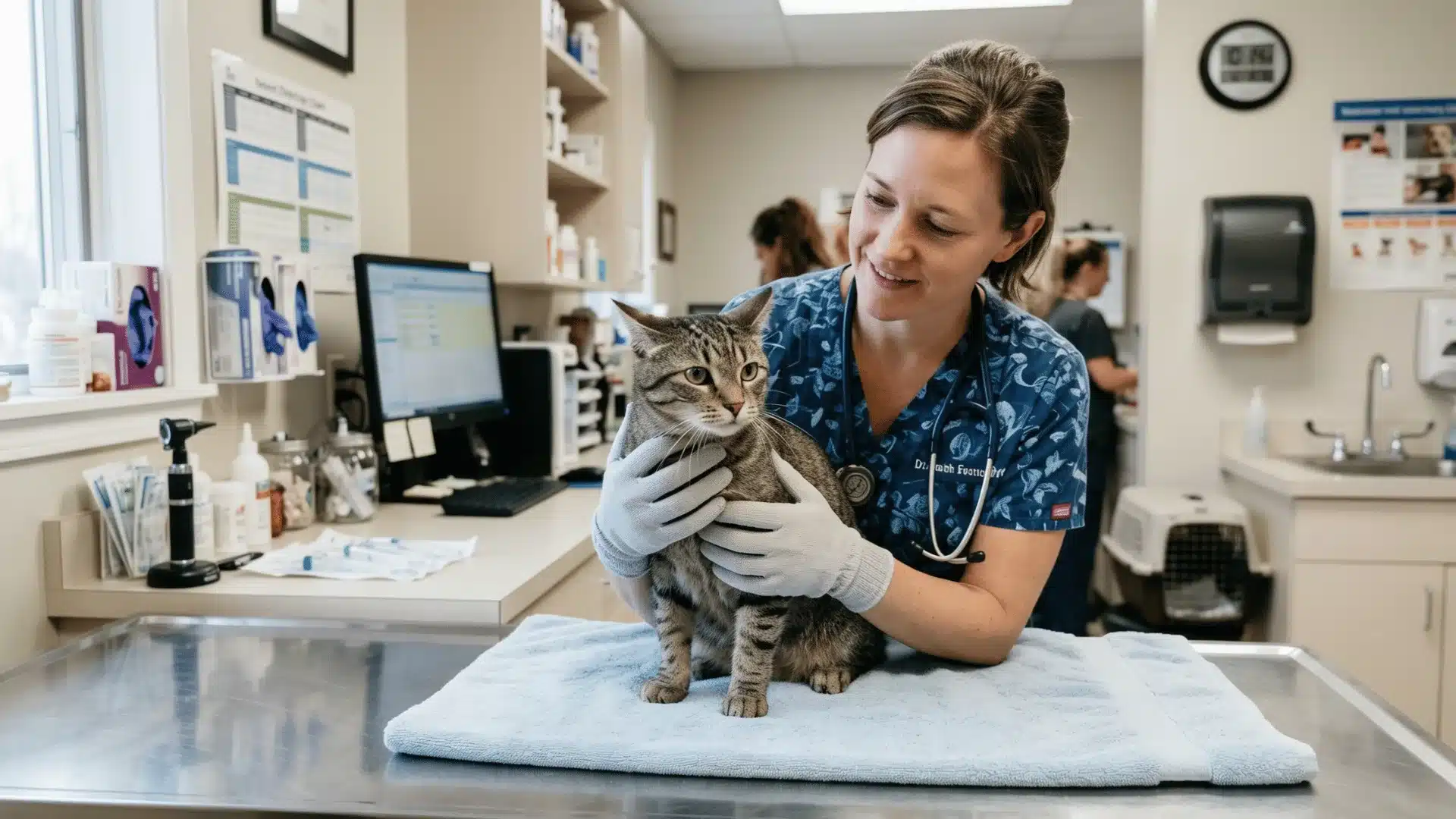
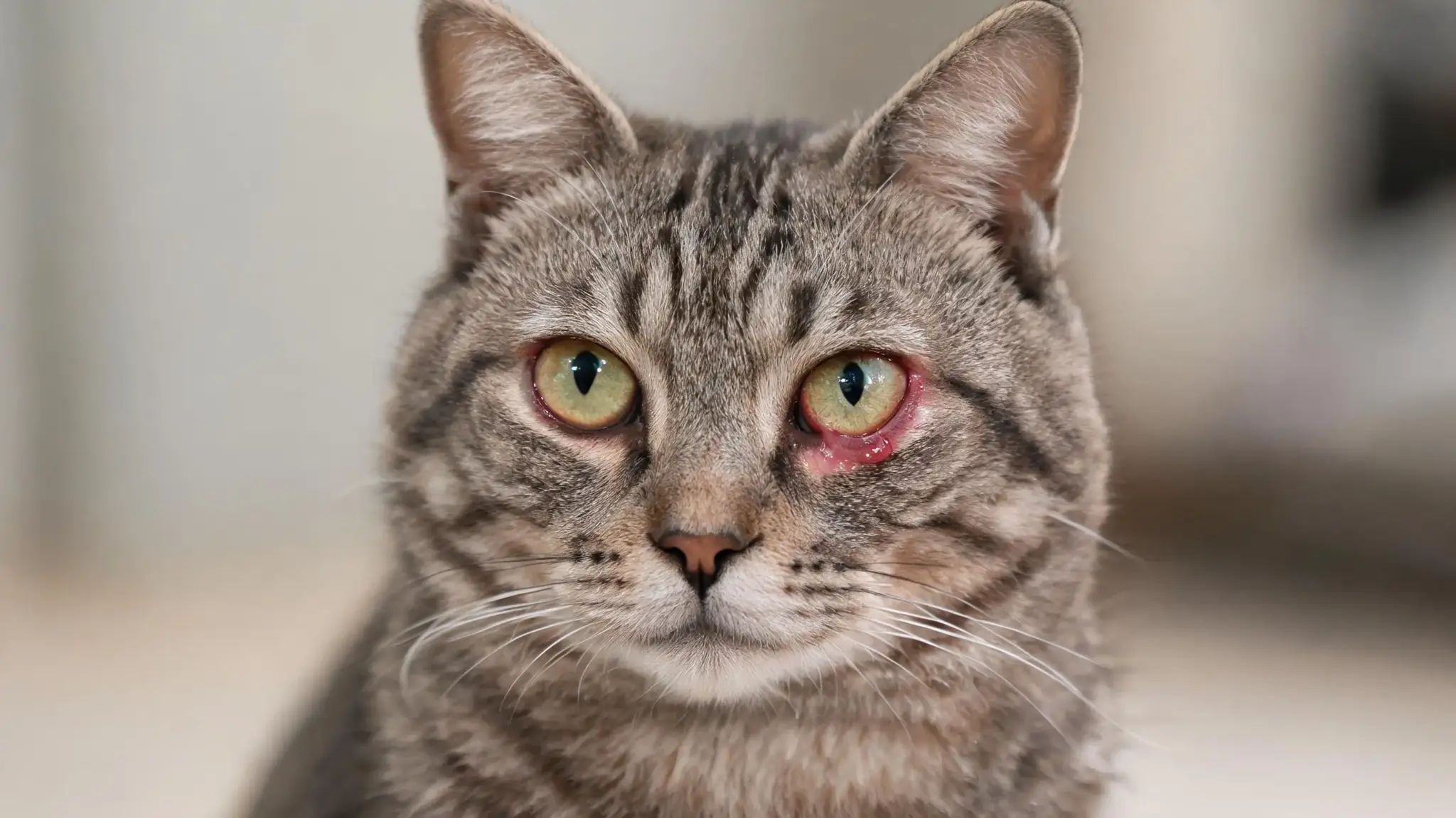
Purring is usually a normal and healthy behavior, but in some situations it can be linked to stress, discomfort, or illness. If your cat’s purring is accompanied by other concerning symptoms, it may be time to seek veterinary advice.
- Loss of Appetite: If your cat is purring frequently while eating less or refusing food altogether, it could indicate an underlying health issue.
- Low Energy: Excessive purring combined with lethargy, weakness, or reduced interest in normal activities may warrant a veterinary examination.
- Breathing Problems: Purring accompanied by labored breathing, wheezing, coughing, or rapid breathing should be evaluated promptly.
- Behavior Changes: Sudden shifts in personality, hiding, increased clinginess, or unusual vocalizations may signal stress, pain, or illness.
- Weight Loss: Unexplained weight loss accompanied by persistent or unusual purring can indicate an underlying medical condition.
- Pain Signs: Limping, difficulty moving, sensitivity to touch, or changes in posture, together with purring, may indicate discomfort that requires attention.
- Grooming Changes: Overgrooming, poor coat condition, or a noticeable decline in self-grooming habits can suggest health concerns.
- Persistent Purring: If your cat suddenly starts purring much more than usual for no obvious reason, a veterinary checkup can help rule out medical issues.
The AVMA notes that reading feline emotional states is harder than most owners realize, and that people tend to overestimate positive emotions in cats, which can delay recognition of distress.
Conclusion
Cats purr for reasons that go far beyond happiness, from a survival signal in newborn kittens to a self-healing mechanism in adults to a surprisingly sophisticated form of communication with humans.
The science behind the sound is still developing, but what’s already clear is that these vibrations do real work for your cat’s bones and tissue, and for your own stress levels and heart health.
The next time your cat settles in and starts that familiar rumble, it’s worth pausing to appreciate what’s actually happening.
Your cat is managing their own wellbeing and, without trying to, probably helping with yours.
Drop a comment below and tell us about your cat’s purring quirks. We’d love to hear what you’ve noticed.
Frequently Asked Questions
Do All Cats Purr?
Most domestic cats purr, but not all cats can. The ability to purr and the ability to roar are generally mutually exclusive in the cat family. Lions, tigers, and leopards roar but cannot produce a true continuous purr. Smaller wild cats like cheetahs and pumas can purr in a manner similar to domestic cats.
Can Cats Purr While Asleep?
Yes, cats can purr during sleep, particularly during lighter sleep stages. This is considered normal and is usually a sign that the cat feels safe and relaxed.
Does a Cat’s Purr Frequency Change with Age?
There’s no strong evidence that purr frequency changes dramatically with age, though older cats with respiratory or laryngeal conditions may purr less frequently or with a different quality.
Is It Possible to Use Cat Purr Therapy for Human Healing?
Some sound therapy practitioners use recorded cat purring during vibration-based sessions. While the research on purr-specific therapy for humans is still limited, the 25 to 150 Hz range aligns with frequencies used in bone density and tissue repair treatments. It’s a promising area, but clinical applications specifically tied to cat purring are not yet mainstream.