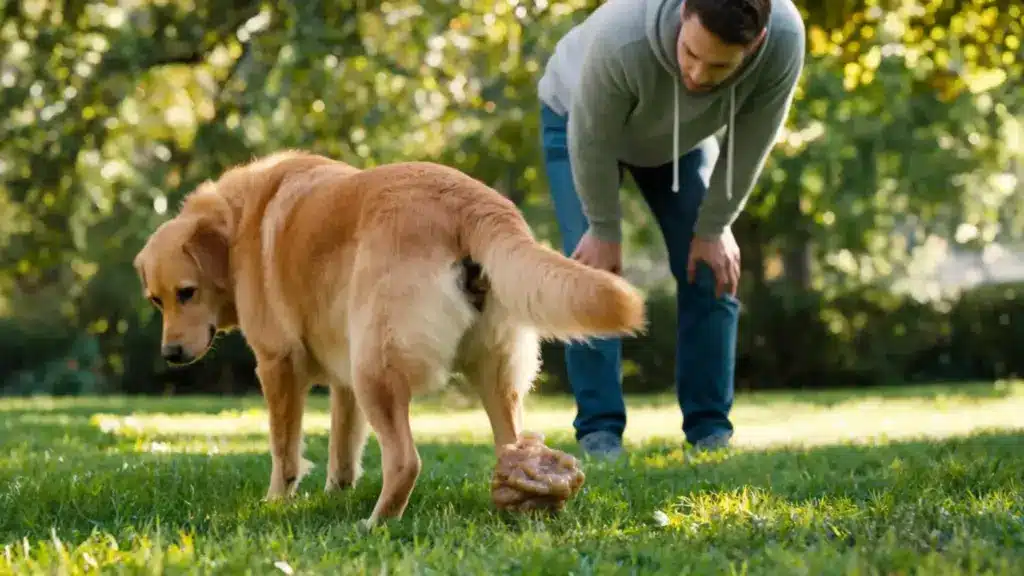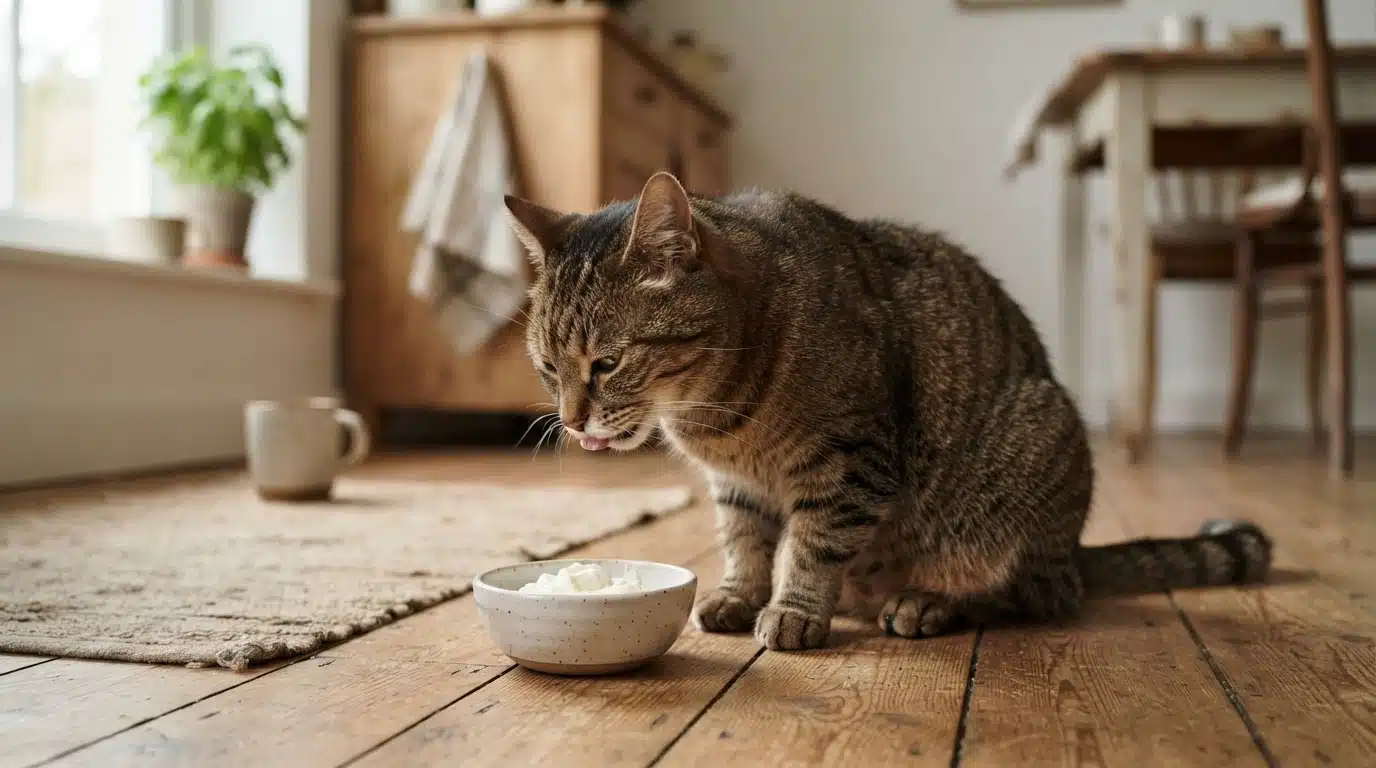



That little bedtime spin can look funny, cute, or even a bit strange. A dog walks to the bed, turns once, maybe twice, scratches the blanket, and finally drops down like the whole thing was planned.
So, why do dogs circle before they lie down when the bed is already soft and safe? The answer is usually a mix of instinct, comfort, habit, and body positioning.
Most of the time, this behavior is completely normal and nothing to stress over. Still, there are moments when circling can point to pain, anxiety, or age-related changes.
In this blog, I will explain the common reasons behind the behavior, what is normal, what looks unusual, and when it may be worth calling a vet.
Is it Normal for Dogs to Circle Before Lying Down?
Yes, dog circling before rest is normal and very common. It’s instinctive behavior, not a quirk or a problem.
Long before dogs had cushioned beds and blankets, their ancestors rested outdoors. Turning around could help flatten grass, move leaves, check the area, and create a safer place to sleep.
Modern dogs do not need to prepare the ground in the same way, but the habit remains. A few slow turns before rest are usually nothing more than a dog getting comfortable.
It can also help the dog find the right body position, especially when curling up for warmth or stretching out to cool down.
The key is the overall pattern. Brief, calm circling before sleep is usually normal. Sudden, frantic, or painful circling deserves more attention.
Why Do Dogs Circle Before Lying Down?
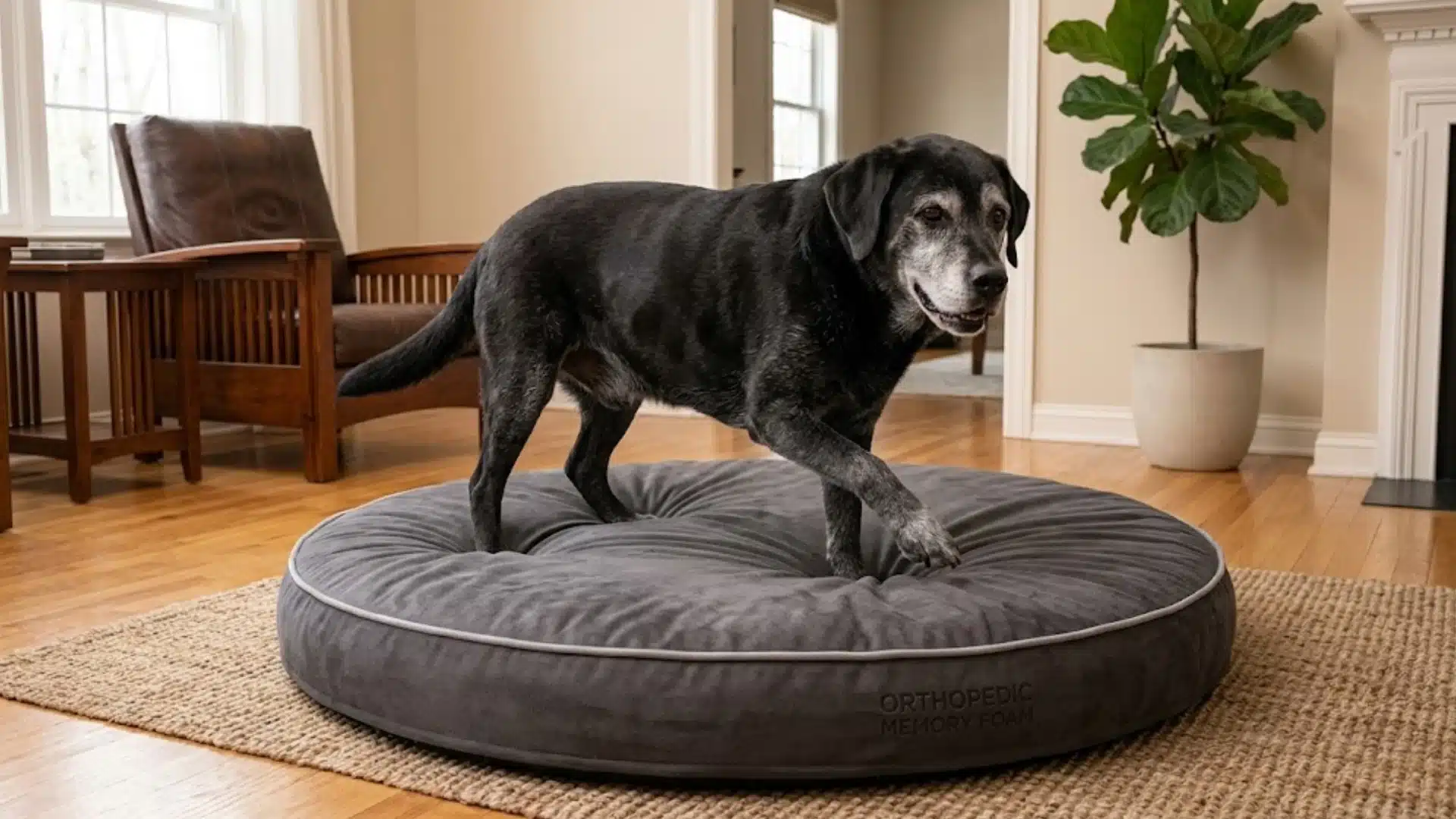
Several small reasons can work together when a dog turns before resting. The behavior may look simple, but it can involve comfort, safety, scent, body temperature, and routine.
1. They are Making a Comfortable Spot
A dog may circle to adjust the sleeping surface before settling. Blankets can bunch up, beds can feel uneven, and the dog may need a better angle for the hips, legs, or neck.
This is similar to fluffing a pillow before sleeping. The movement helps the dog test the surface and choose a position that feels steady. Even on a soft bed, the dog may still want the spot to feel just right.
2. They May Be Checking the Area
Circling may come from an old safety habit. In outdoor settings, turning before rest could help a dog scan nearby movement, sounds, or scents.
A sleeping animal is more vulnerable, so checking the area before lying down makes sense from an instinctive point of view.
In a modern home, there may be no real threat, but the behavior can still appear as part of the dog’s normal settling routine.
3. It Can Come from Nesting Instinct
Dogs may circle because their ancestors prepared resting spaces in grass, dirt, leaves, or snow.
Turning in place could flatten tall grass, push away small objects, and shape a small nest-like space. Some dogs still pair circling with light scratching or digging at bedding.
It does not mean the dog thinks the bed is unsafe. It often means the dog is following a natural pattern that has stayed with the species.
4. They May Be Regulating Temperature
Circling can help a dog choose a sleeping position that feels better for its body temperature.
Curling into a tight ball helps conserve warmth, while stretching out can release heat. The dog may turn a few times before deciding which position works best.
This can be more noticeable in cold rooms, warm rooms, or after exercise. The circling is part of finding the right direction, surface contact, and posture before resting.
5. They May Be Marking the Spot with Scent
Dogs have scent glands on the pads of their paws. Circling before lying down can leave a small scent signal in the bedding, which essentially tells other animals or pets in the home that the spot is claimed.
It is another trait carried over from wild ancestors, who needed to mark a sleeping area within the pack. Most pet owners never notice it, but the behavior is there.
When Circling Could Mean Something Else?
Most circling before sleep is harmless, but changes in the pattern matter. A dog that suddenly circles longer, looks restless, avoids lying down, or seems uncomfortable may be dealing with something beyond habit.
Possible causes include:
- Joint discomfort: Stiff hips, knees, elbows, or spine can make it harder for a dog to choose a comfortable resting position.
- Anxiety or restlessness: Stress can make a dog pace, circle, or struggle to settle, especially during noise, travel, or routine changes.
- Cognitive changes in senior dogs: Older dogs may circle, pace, or seem confused because of canine cognitive dysfunction, which is similar to dementia in humans. The circling tends to look aimless rather than purposeful.
- Skin or bedding irritation: Itching, fleas, hot spots, or uncomfortable bedding can make a dog scratch and turn more than usual.
- Compulsive circling: Repeated circling that does not lead to rest may become a behavioral concern, especially if it is hard to interrupt.
This does not mean every extra turn is a problem. The concern rises when circling is new, intense, paired with pain signs, or happens outside normal rest time.
Why Do Dogs Still Circle on Soft Beds?

A soft bed does not always stop an old habit. Dogs can have excellent bedding and still circle because the behavior is not only about the surface.
It is also about routine, instinct, scent, and body position. A dog bed may feel soft, but it can still shift under weight. A blanket may fold in one corner.
A bolster may guide the dog into a curled position. The dog may turn until the paws, spine, and head feel balanced. For some dogs, the routine itself is calming.
The pattern signals that it is time to settle. This is why circling often appears before naps and bedtime, even when nothing seems uncomfortable.
The dog is not being dramatic, and the dog is simply preparing to rest in a familiar way.
Normal Circling vs. Concerning Circling
This table makes it easier to compare normal bedtime circling with behavior changes that may point to discomfort, stress, or confusion.
| Behavior | Usually normal | Concerning |
|---|---|---|
| A few slow circles | Common before naps or bedtime | Not concerning if the dog settles easily |
| Scratching and turning before rest | Often part of nesting behavior | Watch if scratching becomes intense |
| Circling more than usual | May happen with a new bed or room change | Notice sudden pattern changes |
| Frantic circling | Less typical | Could suggest stress, pain, or confusion |
| Circling with whining or limping | Not ideal | May point to discomfort or injury |
| Confusion or pacing in older dogs | Sometimes age-related | A vet visit may be needed |
Should Owners Stop This Behavior?
In most cases, circling before lying down does not need to be stopped. It is a normal dog behavior and often helps the dog relax.
Trying to interrupt it every time may only create confusion or stress, especially if the dog is calm and settles quickly.
The better approach is observation. If the dog turns a few times, lies down, and rests normally, there is usually no reason to interfere.
The behavior is part of the dog’s sleep routine. Stopping the behavior matters only when it looks unsafe or distressed.
Repeated frantic circling, falling, whining, limping, or confusion should not be ignored. In those cases, the goal is not to train the circling away. The goal is to find out what may be causing it.
How to Help a Dog Settle Comfortably?
A comfortable resting space can reduce excessive turning, especially for dogs that are older, stiff, anxious, or picky about sleeping spots. Small changes often make bedtime easier.
Helpful steps include:
- Offer supportive bedding: A firm, cushioned bed can help dogs with stiff joints settle without turning as much.
- Keep the sleeping spot calm: Loud noise, foot traffic, or bright light can make rest harder for sensitive dogs.
- Watch for sudden changes: A new circling pattern can matter more than a lifelong bedtime habit.
- Keep nails trimmed: Long nails can make standing, turning, and lying down less comfortable on smooth floors.
- Mention changes to a vet when needed: Pain signs, confusion, or restless circling deserve professional guidance.
A dog that feels safe, supported, and relaxed usually settles more easily. Bedding, routine, and comfort all play a role.
Conclusion
Most bedtime circling is just a normal part of dog behavior. It can come from old instincts, comfort-seeking, safety habits, temperature needs, or a familiar routine before sleep.
The phrase why do dogs circle before they lie down sounds like it should have one simple answer, but the truth is usually a mix of small reasons.
A calm dog that turns a few times and settles is usually fine. The behavior becomes more important when it is sudden, intense, painful, or linked with confusion.
What does the circling look like in real life: relaxed, restless, or uncomfortable? Watch the pattern, trust the bigger picture, and speak with a vet if something feels off.
Share what your dog does before lying down in the comments.
Frequently Asked Questions
Do All Dogs Circle Before Lying Down?
No. Some dogs circle often, some do it only sometimes, and others barely do it at all. The habit can vary by personality, age, breed, bedding, routine, and comfort level. A dog that never circles is not missing anything, and a dog that circles briefly is usually behaving normally.
Why Does My Dog Scratch the Bed Before Lying Down?
Scratching can be part of the same nesting habit. A dog may scratch to adjust blankets, shift the bed surface, release scent from the paws, or make the spot feel familiar. Light scratching before rest is common. Intense scratching, skin irritation, or sudden changes may need closer attention.
Why Does My Senior Dog Circle More than Before?
A senior dog may circle more because of joint stiffness, weaker balance, anxiety, or age-related confusion. Occasional extra turning is not always serious, but a clear change should be watched. If circling comes with pacing, accidents, whining, limping, or disorientation, a vet check is a sensible next step.