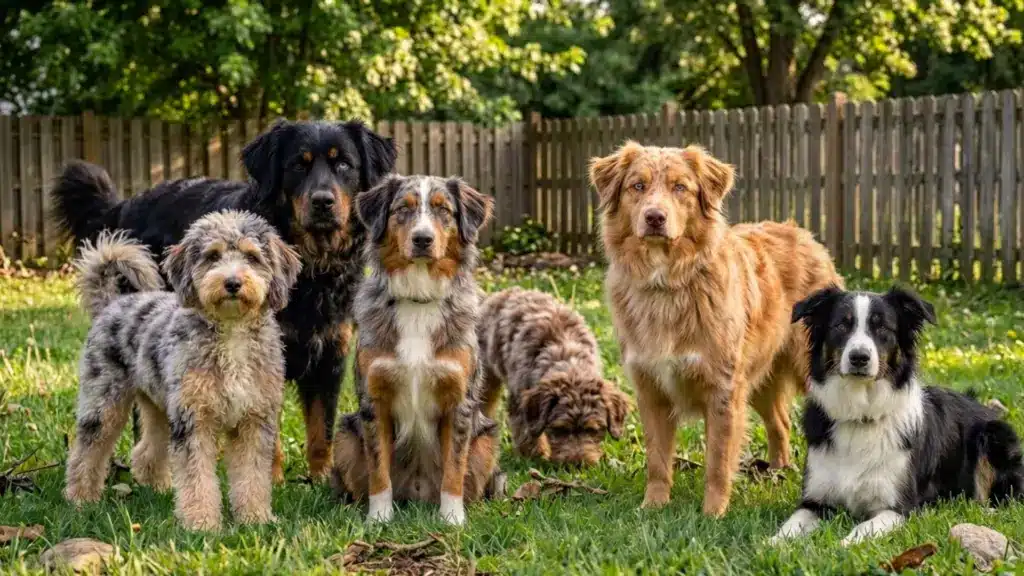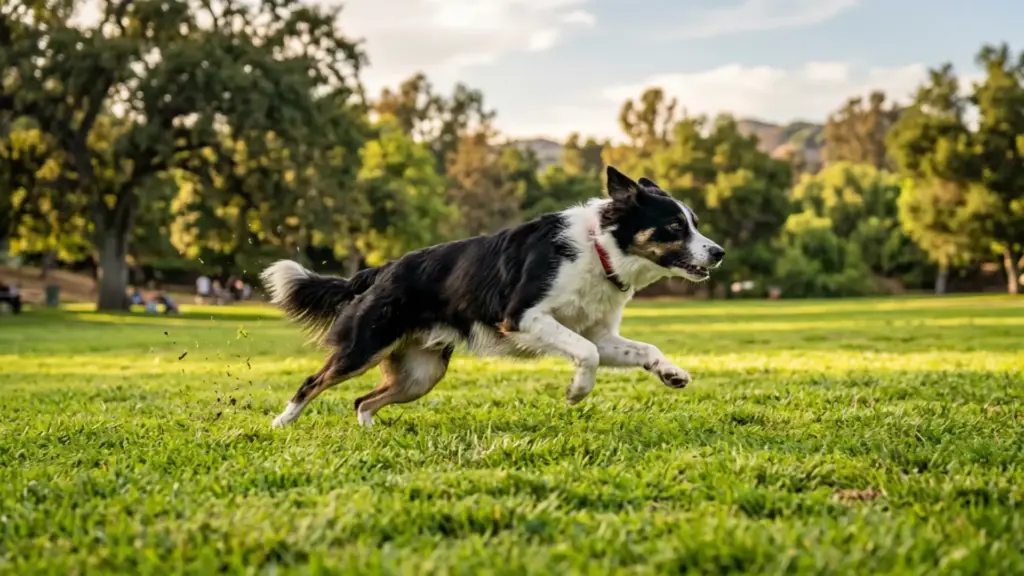
The romanticized image of a dog sprinting across an open field, ready for every hike, run, and outdoor adventure, is what attracts many people to high-energy dog breeds.
What often gets left out is the other side of the story. The chewed shoes, the endless zoomies before breakfast, and the dog that still wants to play after an hour-long walk are just as real.
That does not make these dogs difficult or badly behaved. In many cases, it simply means their physical and mental needs are not being fully met.
The most hyper dog breeds were developed to work, herd, hunt, retrieve, or guard for hours at a time. Their energy is part of who they are.
This blog goes beyond a simple breed roundup and looks at what daily life with these active dogs is actually like.
What Makes a Dog “High Energy”?
A high-energy dog is one that shows both strong physical stamina and a consistent need for mental engagement, bred for jobs that demand hours of focused, sustained activity.
Covers the three main breed group origins driving high energy today:
- Herding breeds (Border Collie, Australian Shepherd, Australian Cattle Dog): bred for all-day farm work, need both physical and mental tasks
- Sporting/hunting breeds (German Shorthaired Pointer, Vizsla, Labrador Retriever): bred for sustained fieldwork, need vigorous outdoor exercise
- Working/sled breeds (Siberian Husky, Belgian Malinois): bred for endurance and drive- need long sustained exertion.
Understanding the working background of a breed is the most important first step before developing an exercise and training plan.
If you are still deciding whether a high-energy dog is right for you, it is also worth looking at low-energy dog breeds to understand the full spectrum before committing.
The Most Hyper Dog Breeds Ranked by Energy Level
Not every dog is built for a quiet life. Some were bred to herd livestock across open hillsides from dawn to dusk, others to track game through dense terrain for hours without slowing, and others still to pull sleds across frozen distances that would exhaust most animals.
1. Border Collie
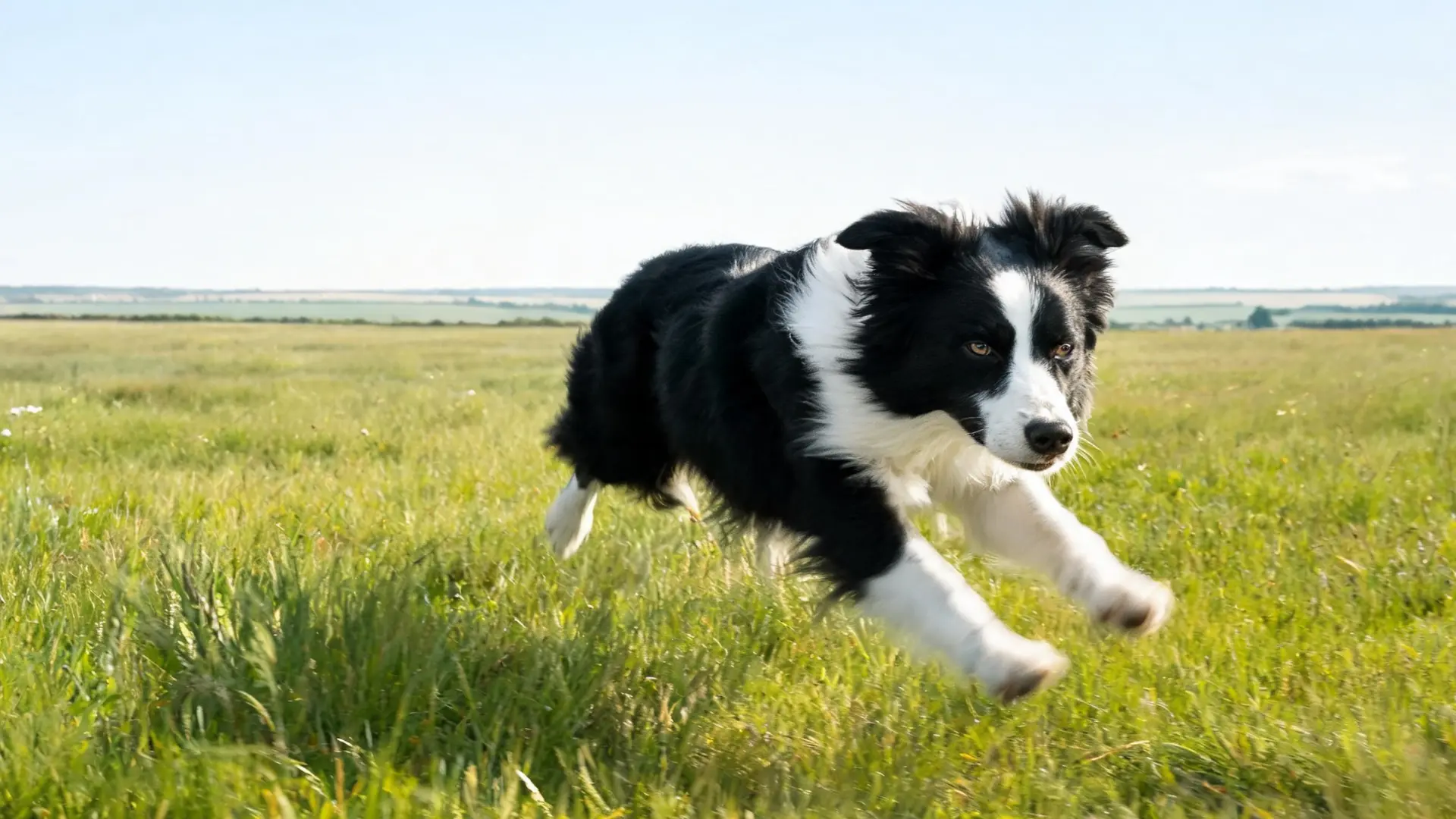
Border Collies are often ranked as the most energetic dog breed. Originally bred for herding sheep, they have endless stamina and a strong desire to work.
These dogs need at least 1.5 to 2 hours of exercise every day, along with mental activities such as training, puzzle toys, and agility sports.
A Border Collie that does not get enough exercise can become bored very quickly and may develop unwanted behaviors such as barking, chewing, or chasing moving objects.
2. Australian Shepherd
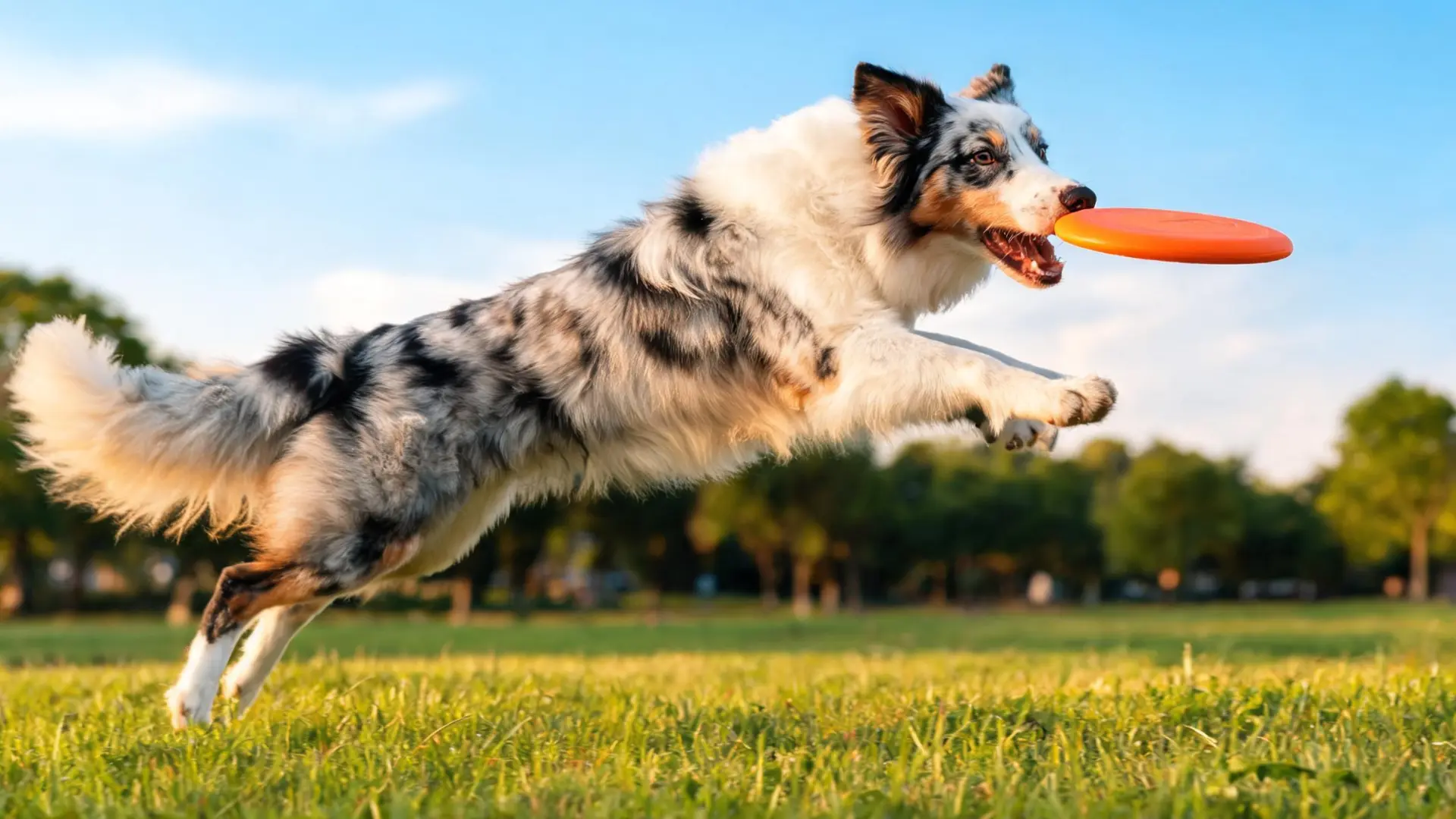
Australian Shepherds are highly energetic working dogs known for their intelligence and athletic ability.
They were bred to herd livestock and still have strong herding instincts today. These dogs need daily exercise, mental stimulation, and activities that challenge their minds.
Long walks, hiking, agility training, and fetch are great ways to keep them happy. Australian Shepherds are very loyal and enjoy spending time with their families.
3. Belgian Malinois
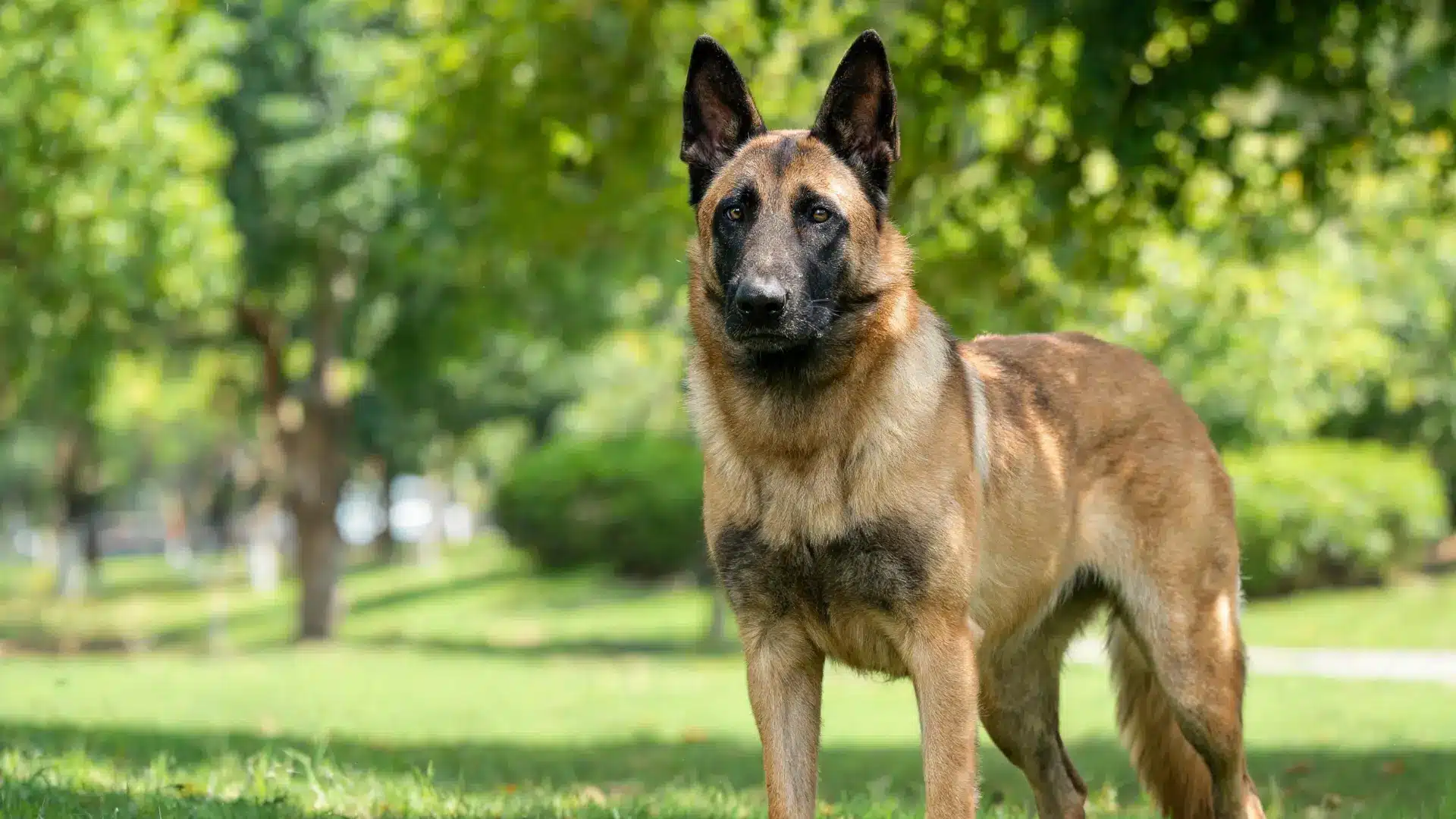
The Belgian Malinois is one of the most driven and energetic dog breeds. Often used in military and police work, these dogs are known for their intelligence, focus, and strong work ethic.
They need several hours of exercise and training each day to stay mentally and physically satisfied.
Owners who notice compulsive or obsessive activity patterns may also want to read about ADHD-like behavior in dogs and what current research says about hyperactivity in certain working breeds.
4. Siberian Husky
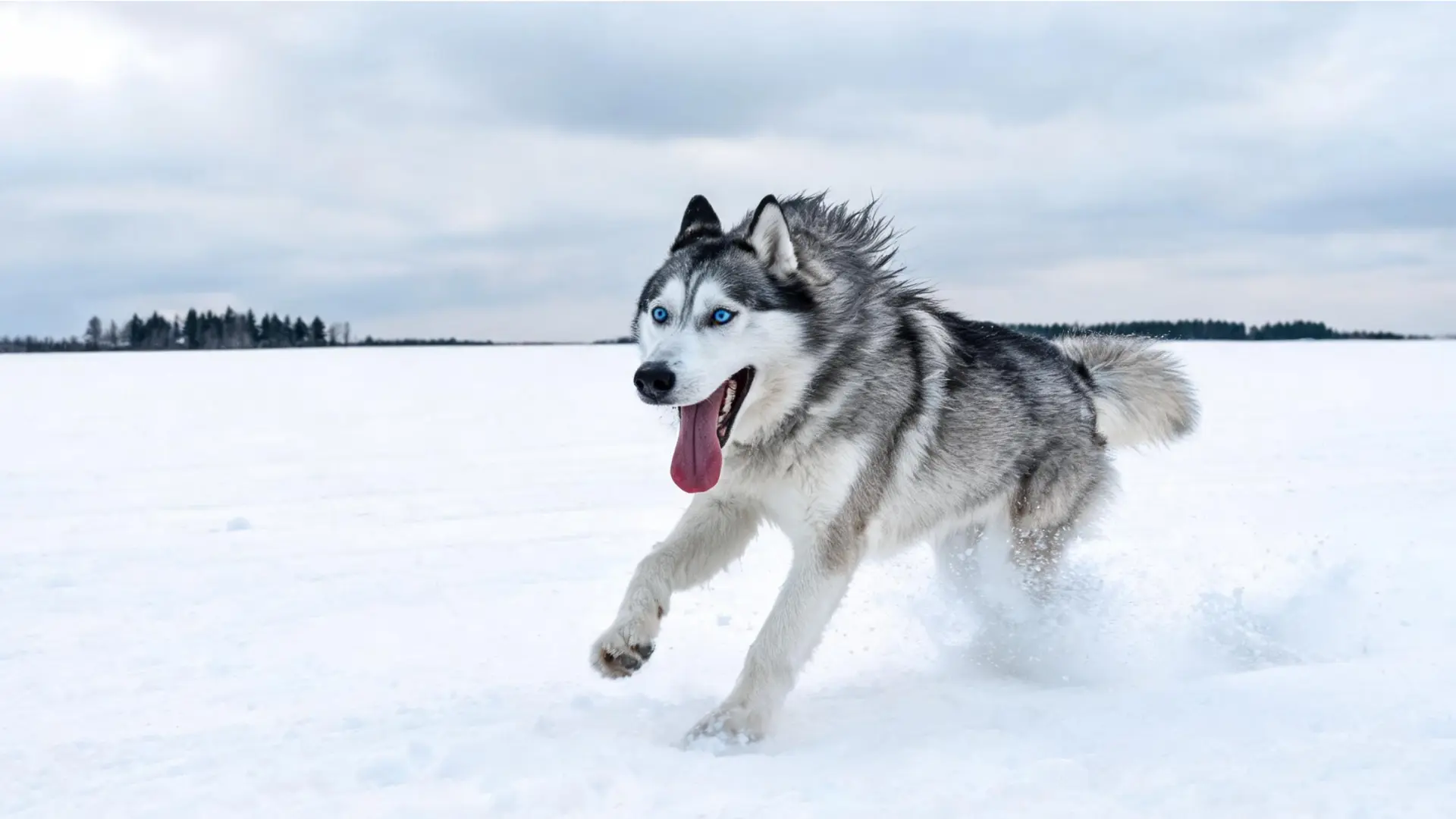
Siberian Huskies were bred to pull sleds over long distances, which explains their impressive energy levels and endurance.
These dogs love running and need plenty of exercise every day. Long walks, hikes, and outdoor adventures help keep them happy and healthy.
Huskies are friendly, playful, and social, but they can also be independent and stubborn.
5. Jack Russell Terrier
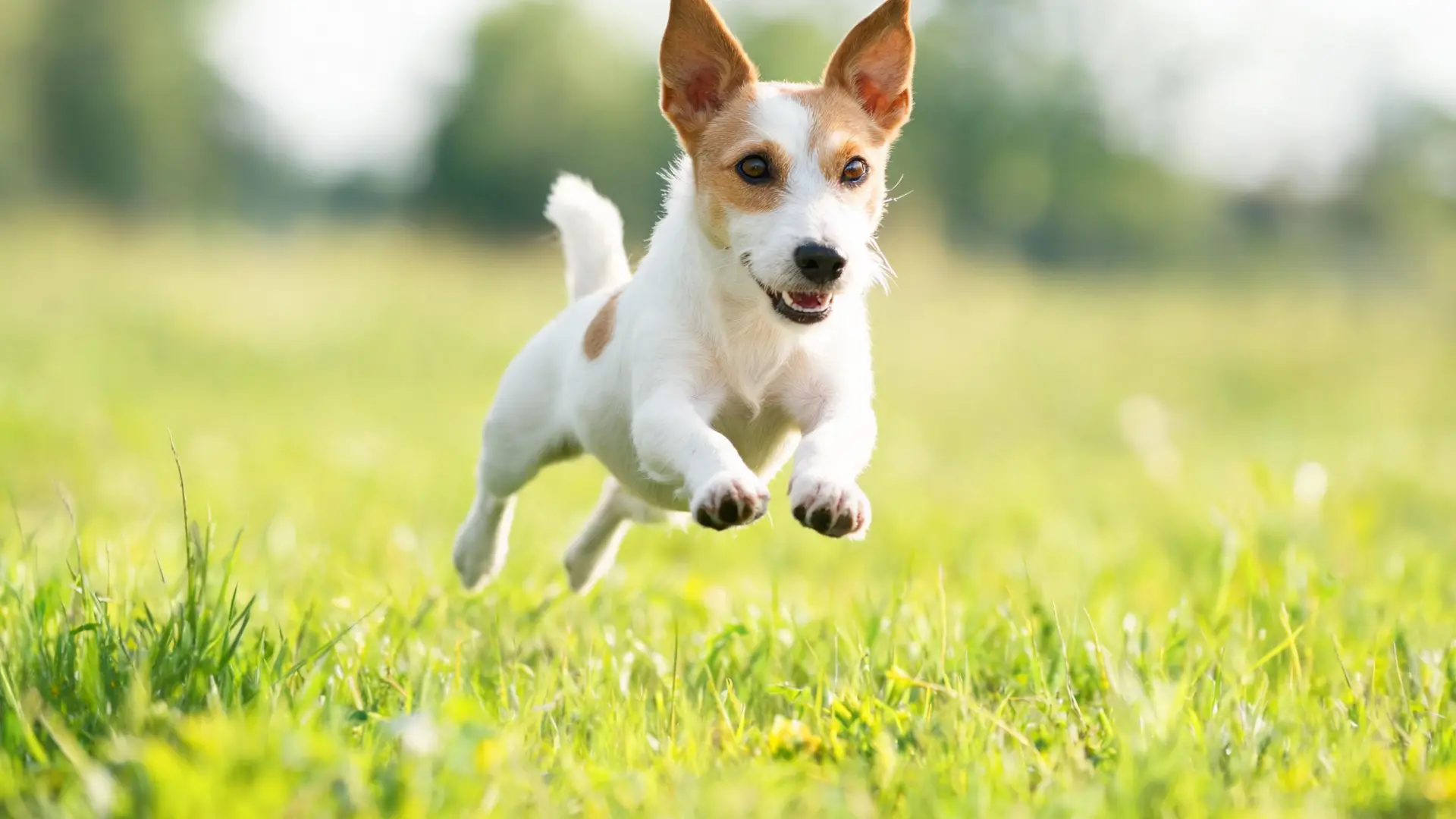
Jack Russell Terriers may be small, but they are packed with energy. Originally bred for hunting, they are fearless, curious, and always looking for something to do.
These dogs need daily exercise, interactive games, and mental challenges to stay happy. They love chasing toys, learning tricks, and exploring their surroundings.
They are ideal for active families who enjoy outdoor activities.
6. German Shorthaired Pointer
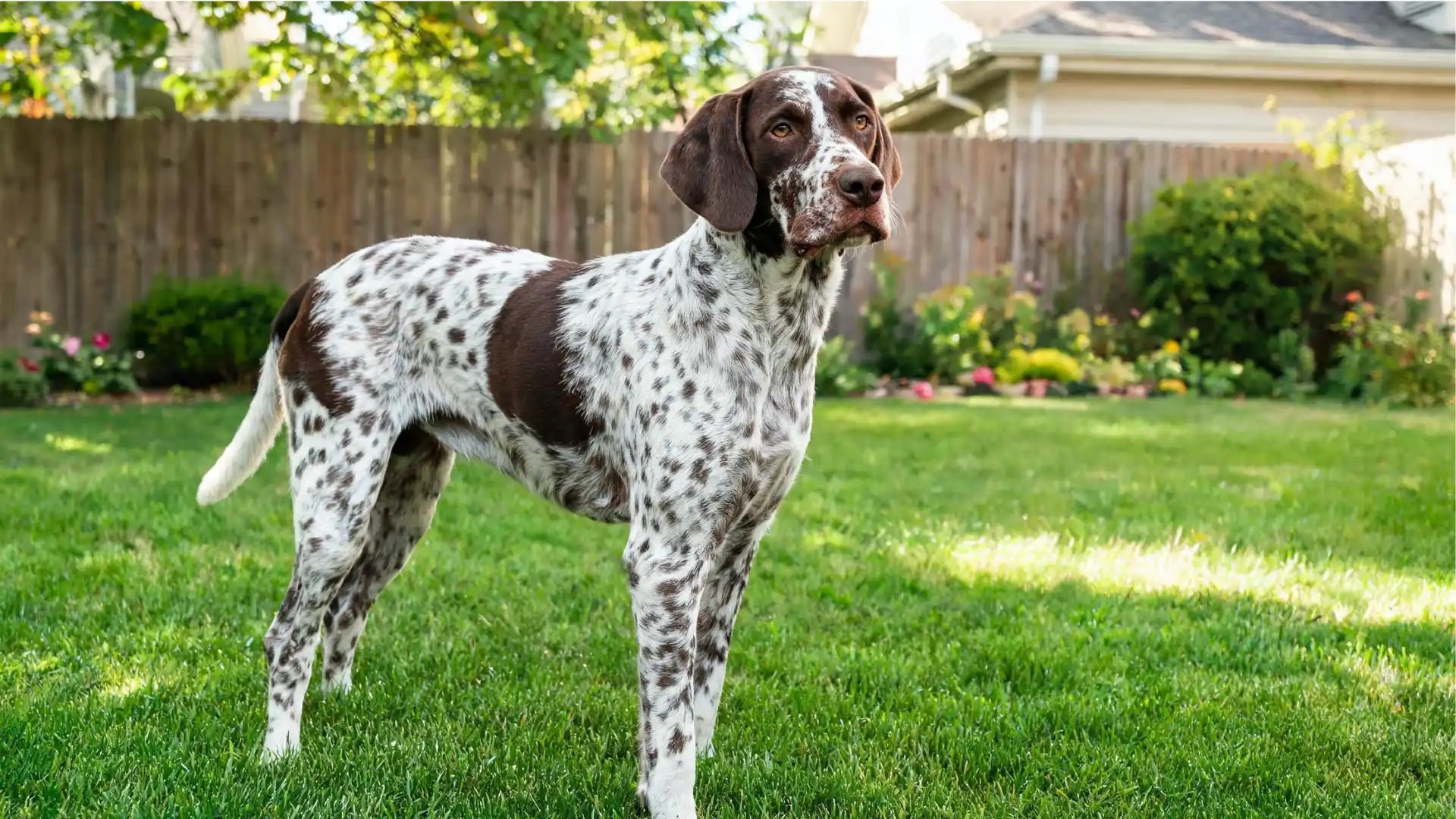
German Shorthaired Pointers are athletic dogs that were developed for hunting and outdoor work. They have excellent stamina and enjoy activities that allow them to run, explore, and use their natural instincts.
Most people need around two hours of exercise every day to stay healthy and happy. Swimming, hiking, running, and fetch are some of their favorite activities.
They are friendly, intelligent, and eager to please, making them highly trainable.
7. Australian Cattle Dog (Blue Heeler)
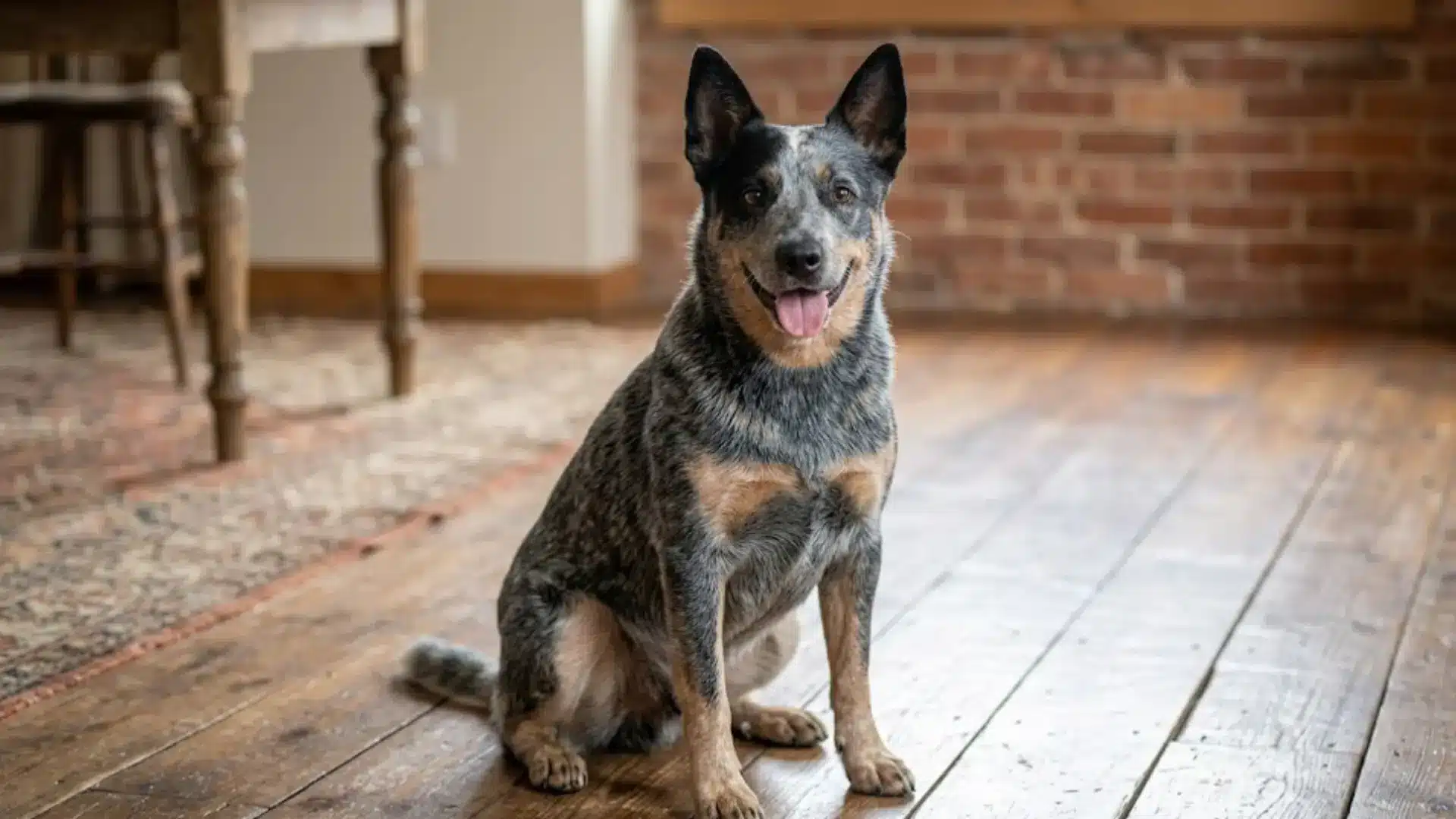
Australian Cattle Dogs are hardworking herding dogs known for their intelligence and determination.
They were bred to move cattle over long distances and have incredible endurance. These dogs need daily exercise, challenging activities, and regular training to stay satisfied.
They enjoy running, hiking, agility sports, and problem-solving games. Australian Cattle Dogs are highly alert and always ready for action.
8. Vizsla
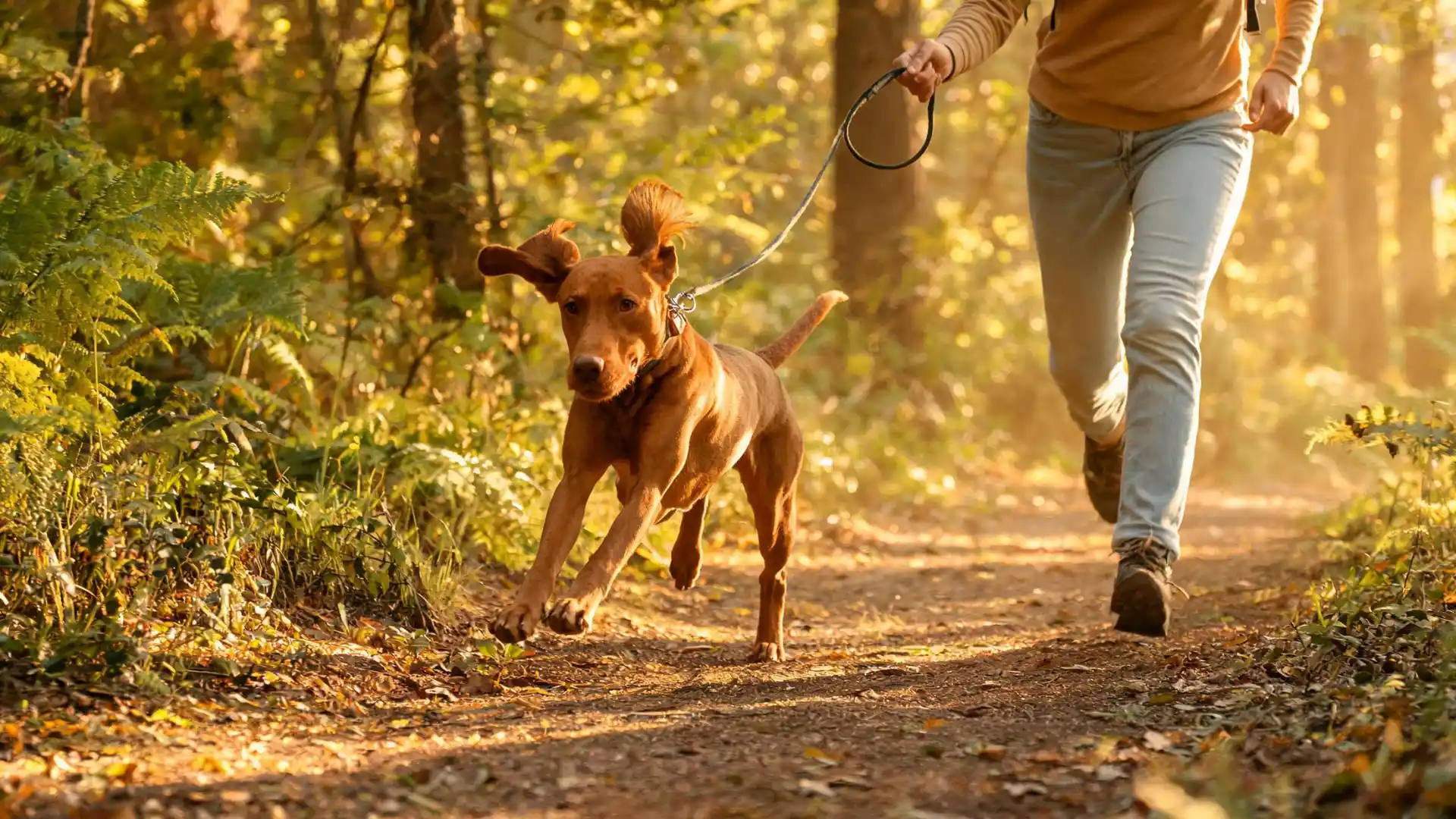
The Vizsla is often called a “velcro dog” because it loves staying close to its owner. This breed is energetic, affectionate, and highly athletic.
Originally bred for hunting, Vizslas need plenty of daily exercise to stay happy. They enjoy running, hiking, swimming, and interactive games.
Most require at least one to two hours of activity every day. Because they are people-oriented, they do not like being left alone for long periods.
9. Weimaraner
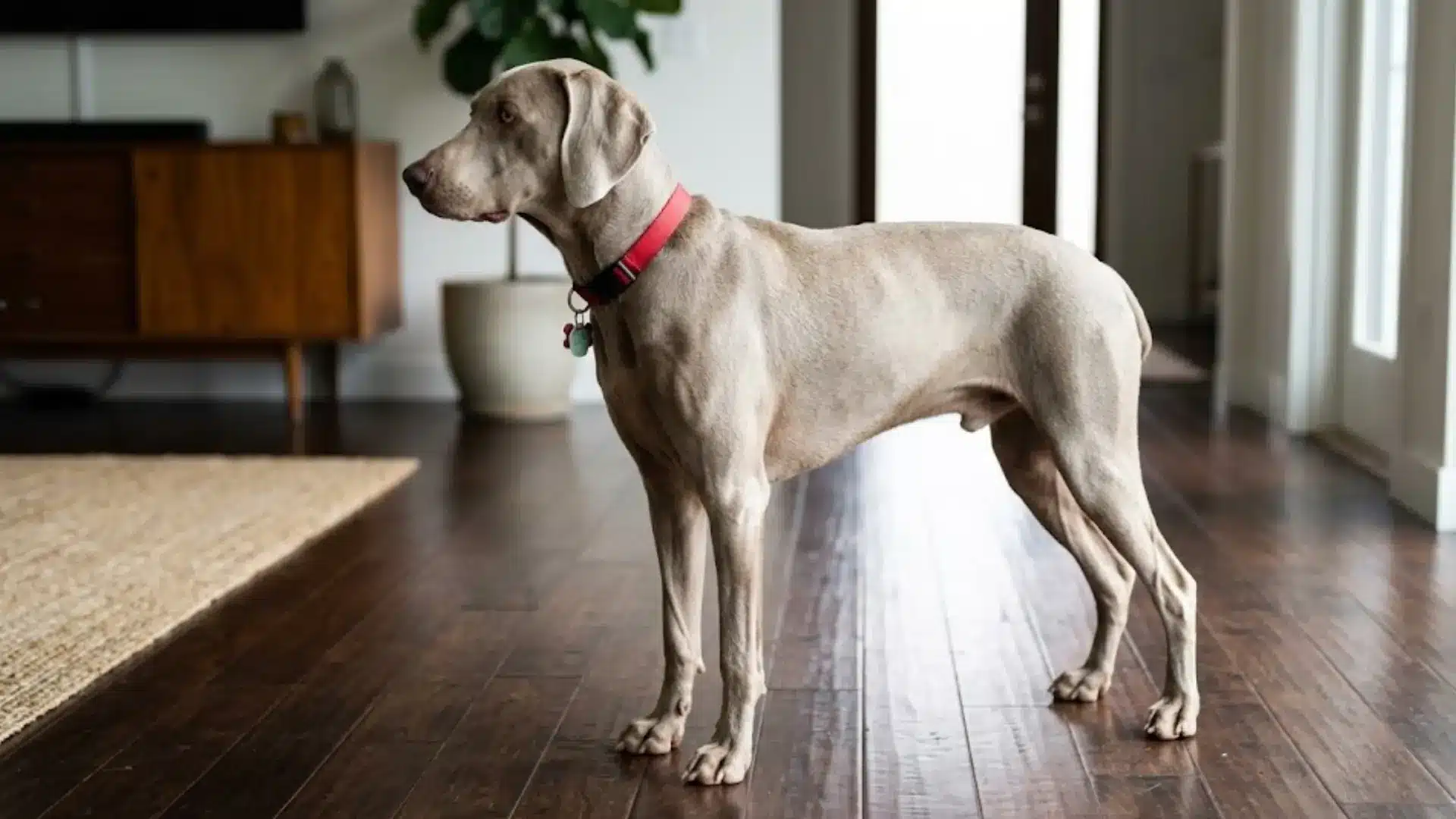
Weimaraners are large, athletic dogs with impressive energy levels. They were originally bred to hunt large game and still have strong instincts for activity and exploration.
These dogs need daily exercise, including long walks, runs, and outdoor play. They are highly intelligent and benefit from training sessions that keep their minds engaged.
Weimaraners form strong bonds with their families and enjoy being involved in daily activities. If they do not get enough exercise, they can become bored and destructive.
10. Labrador Retriever
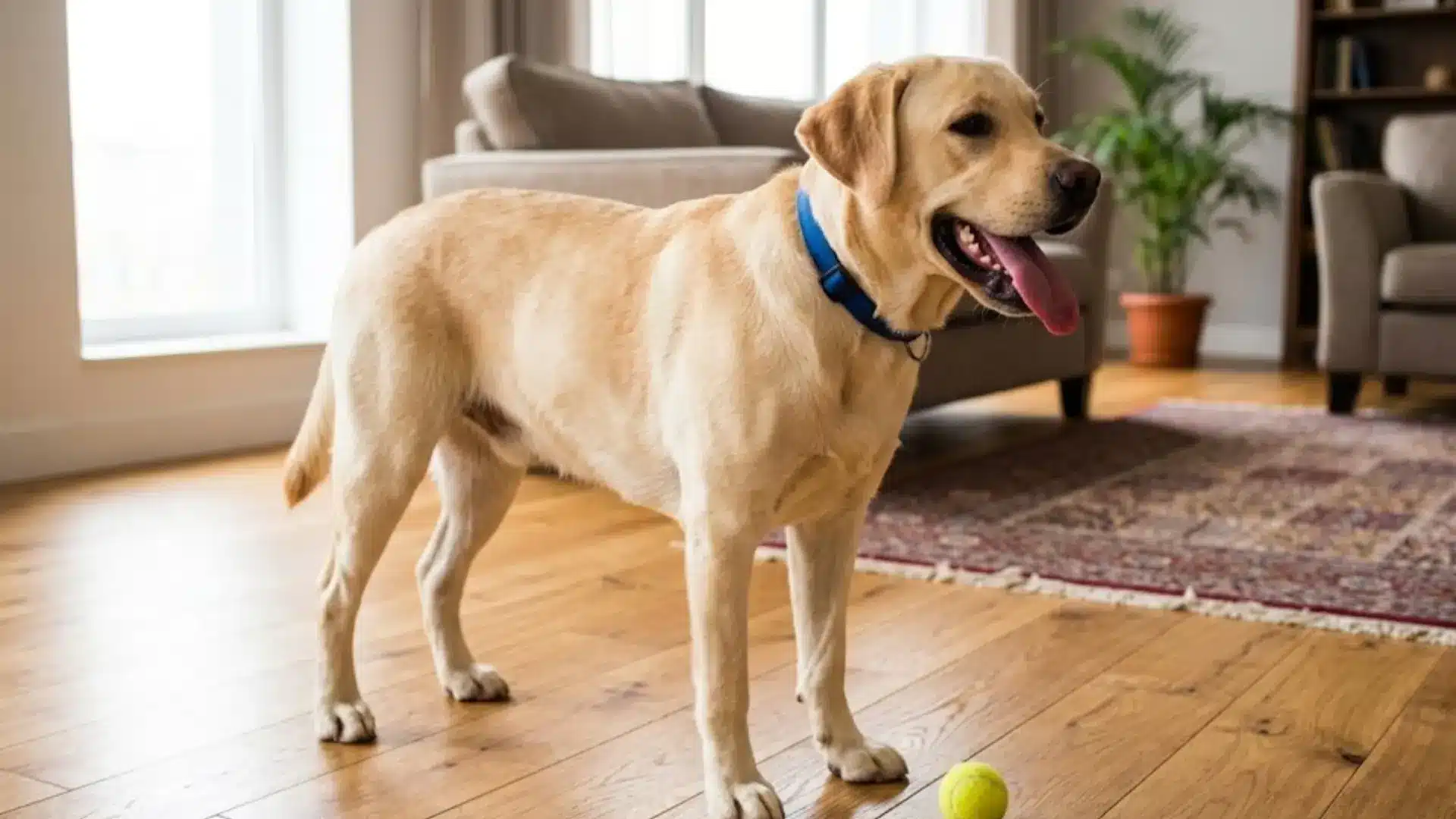
Labrador Retrievers are one of the most popular dog breeds, but many people underestimate their energy levels.
Originally bred as working and retrieving dogs, Labs love physical activity and outdoor adventures. They enjoy swimming, fetch, hiking, and long walks.
Young Labradors are especially energetic and often require a lot of exercise each day.
11. Dalmatian
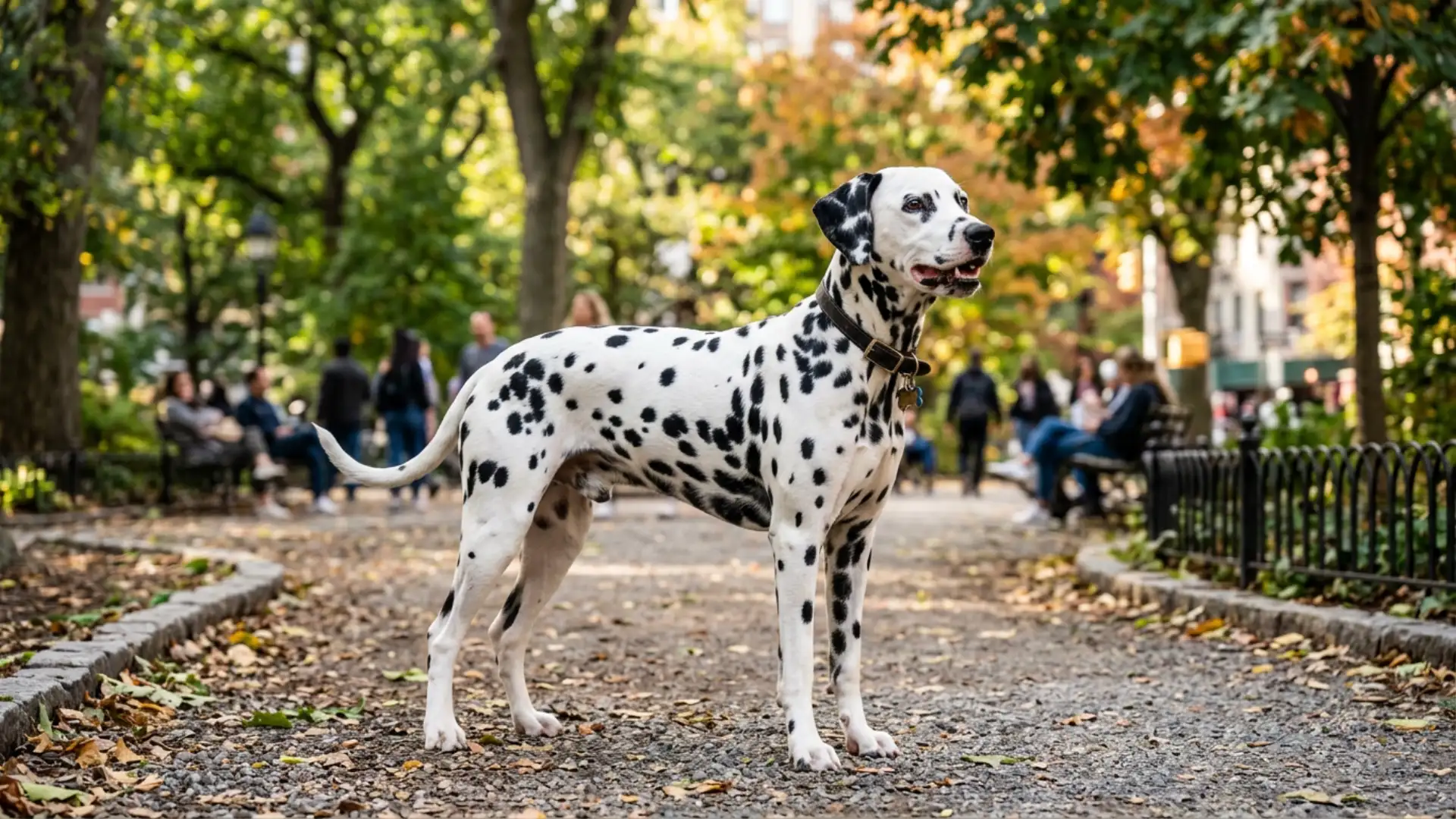
Dalmatians are known for their unique spotted coats and impressive stamina. Historically, they worked alongside horse-drawn carriages and needed the endurance to run long distances.
Today, they remain highly energetic dogs that require regular exercise. Running, hiking, and active play sessions help keep them physically fit and mentally stimulated.
Dalmatians are intelligent and enjoy learning new things, but they can become bored if left inactive.
12. German Shepherd
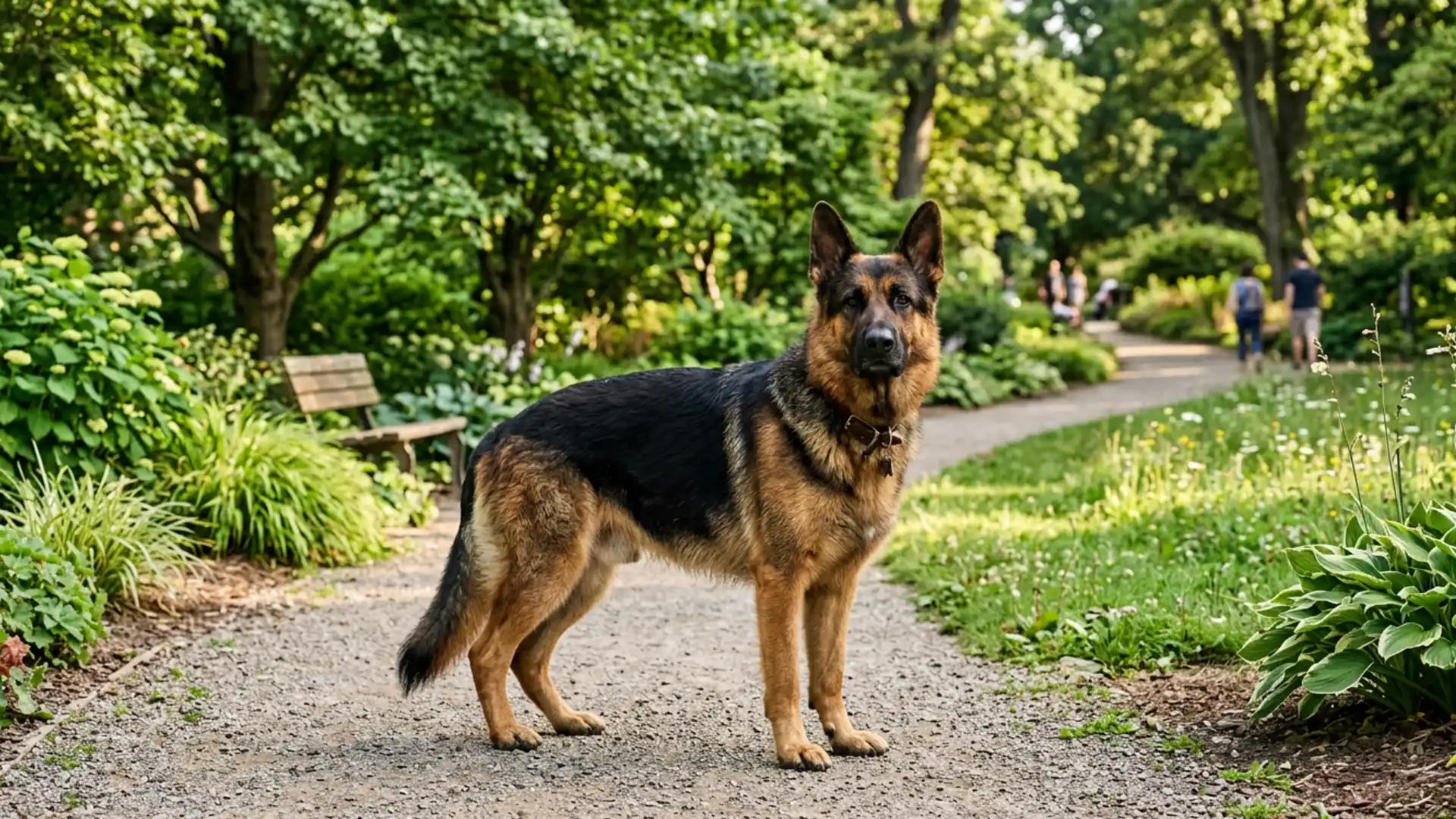
German Shepherds are powerful working dogs known for their intelligence, loyalty, and versatility.
They are commonly used in police, military, and service work because they learn quickly and enjoy having a purpose.
These dogs need daily exercise, training, and mental challenges to stay balanced.
13. Brittany Spaniel
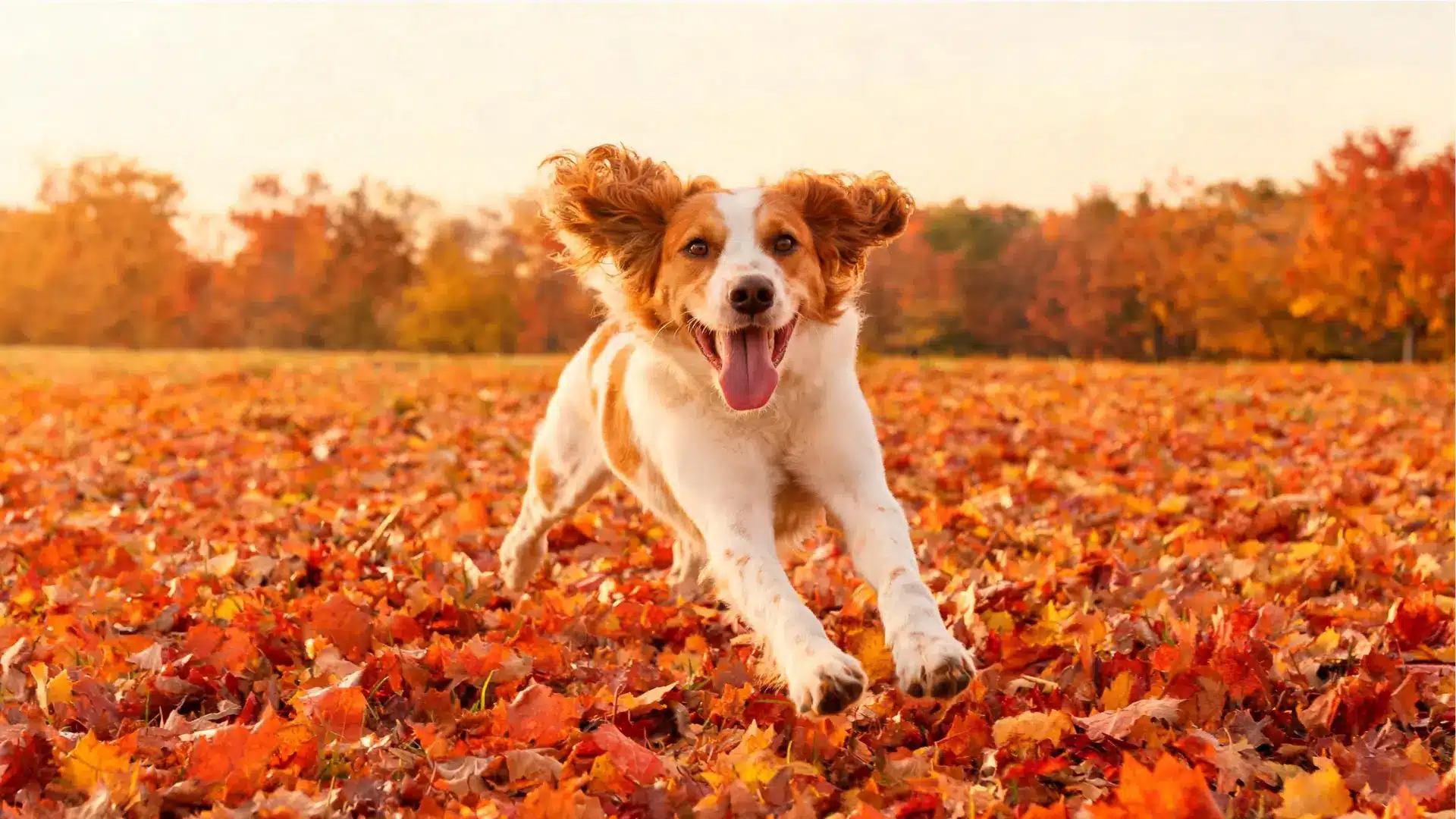
Brittany Spaniels are energetic hunting dogs that love staying active. They are friendly, intelligent, and eager to please, making them relatively easy to train.
This breed needs plenty of daily exercise and enjoys activities like running, hiking, fetch, and field sports.
Brittany spaniels are known for their enthusiasm and can stay active for long periods without tiring.
14. Boxer
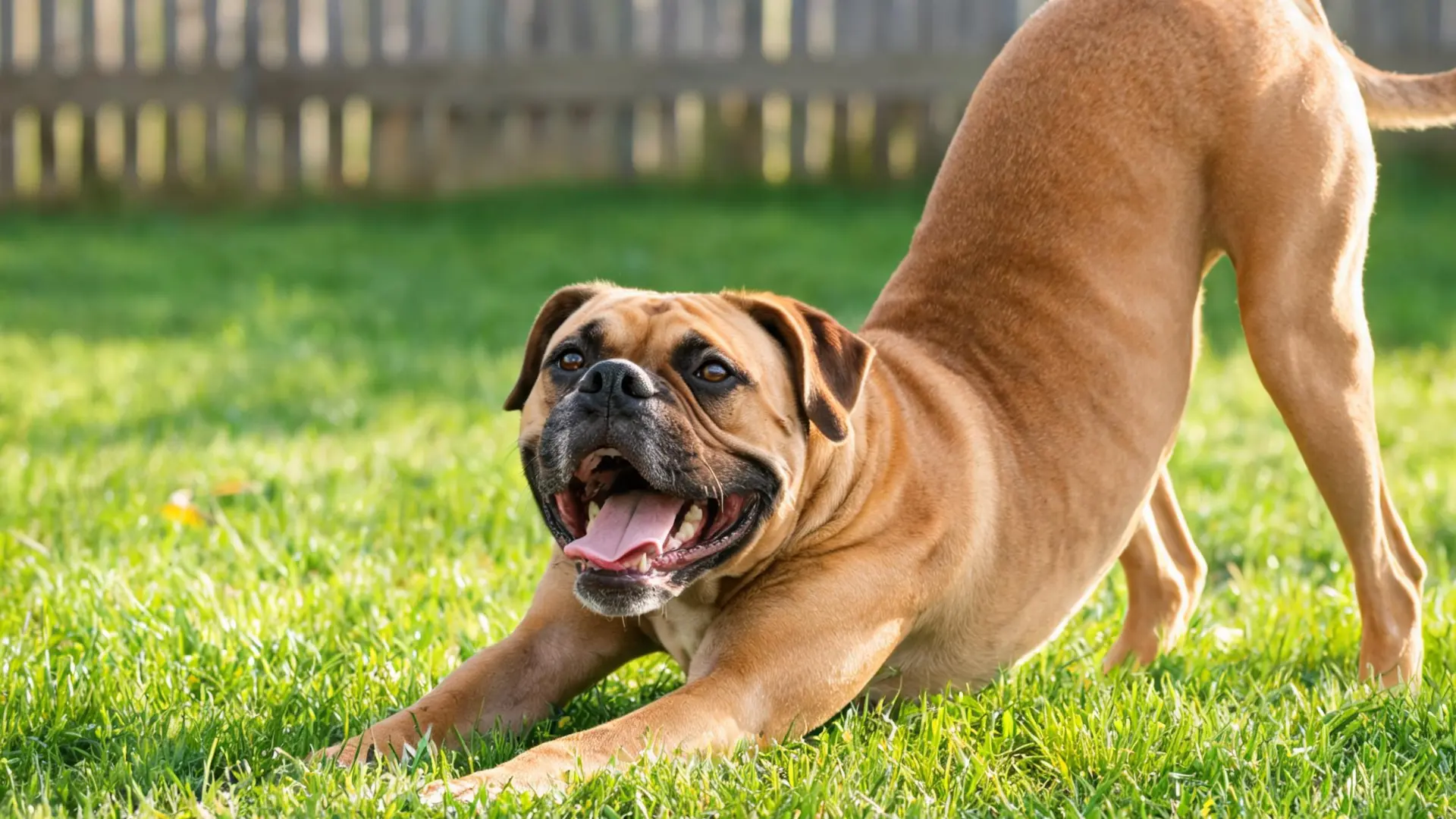
Boxers are playful, energetic dogs with a fun-loving personality. They are known for their enthusiasm and often remain puppy-like well into adulthood.
These dogs need daily exercise to burn off their energy and stay healthy. Activities such as walks, runs, fetch, and interactive games help keep them entertained.
Their playful nature and loyalty make them excellent companions for active families with plenty of time for engagement.
15. Standard Poodle
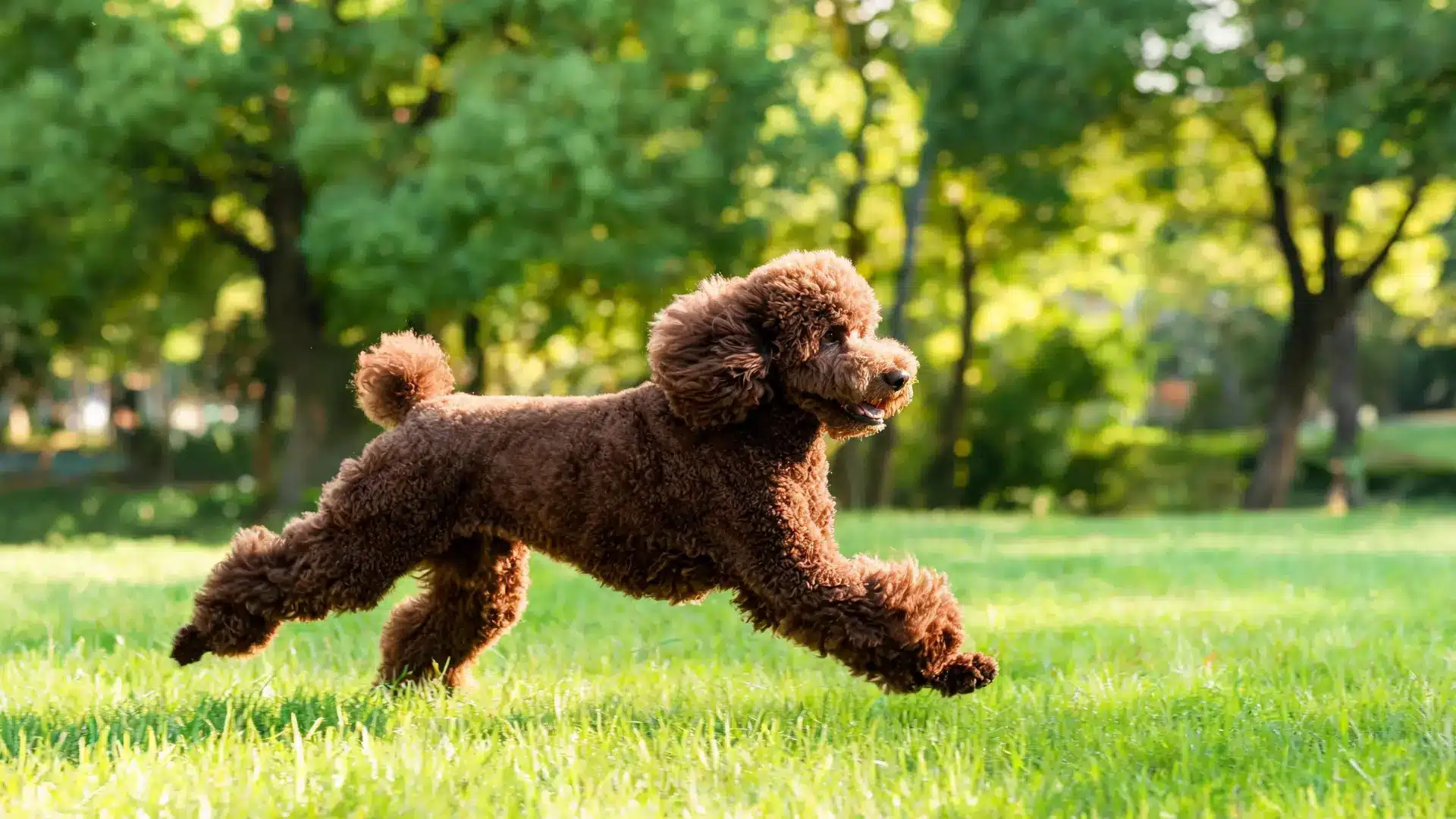
Standard Poodles are much more athletic than many people realize.
Originally bred as water retrievers, they are intelligent, energetic, and highly trainable. These dogs enjoy swimming, running, obedience training, and interactive games that challenge their minds.
Standard Poodles require regular exercise and mental stimulation to stay happy and well-behaved. They learn quickly and often excel in dog sports such as agility and obedience competitions.
16. English Springer Spaniel
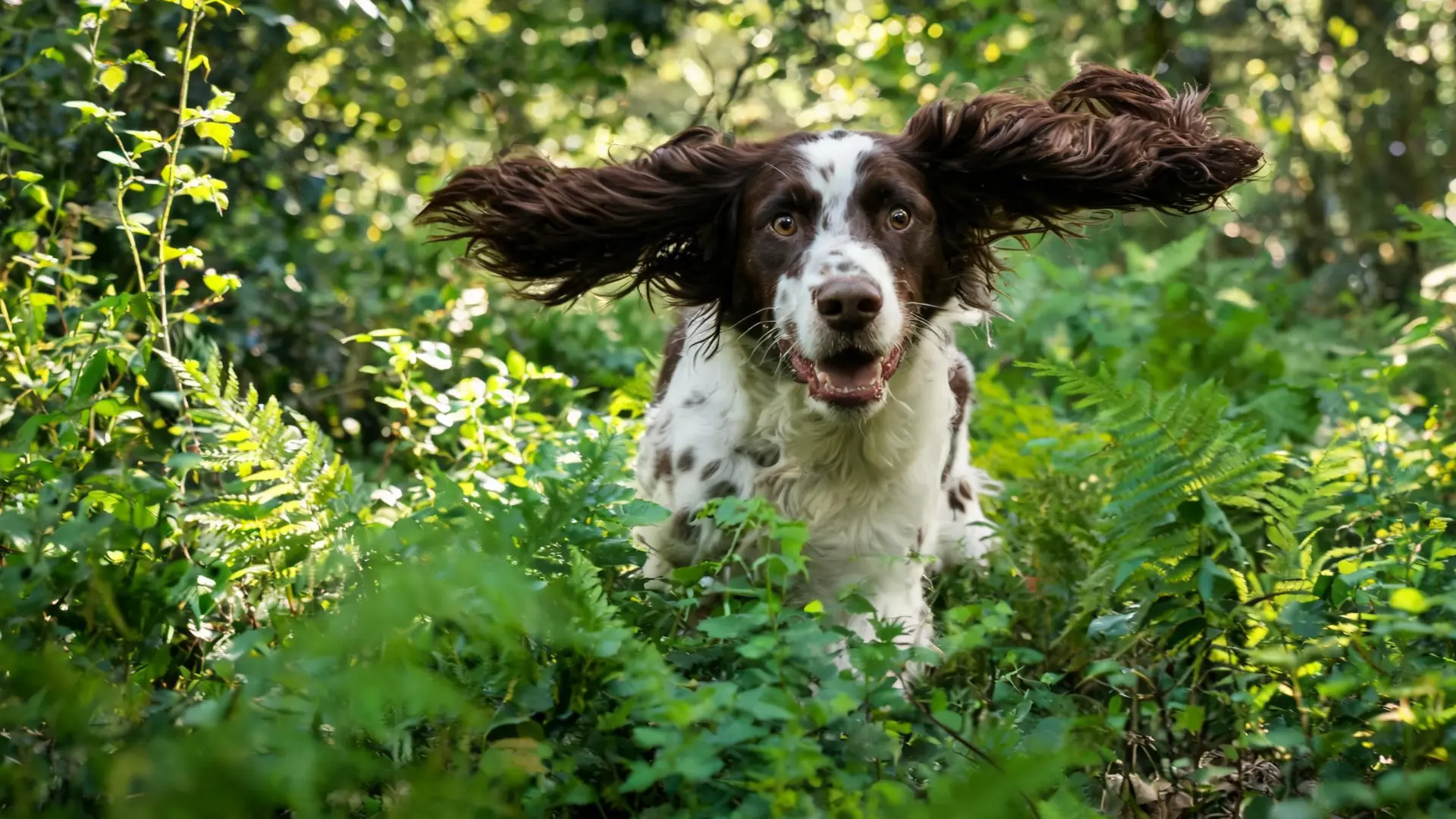
English Springer Spaniels are energetic sporting dogs that love being active and involved in family life.
They were bred to flush game birds from fields, which explains their strong desire to run and explore. These dogs need daily exercise and enjoy activities like hiking, fetch, swimming, and obedience training.
They are friendly, affectionate, and eager to please, making them relatively easy to train.
17. Rhodesian Ridgeback
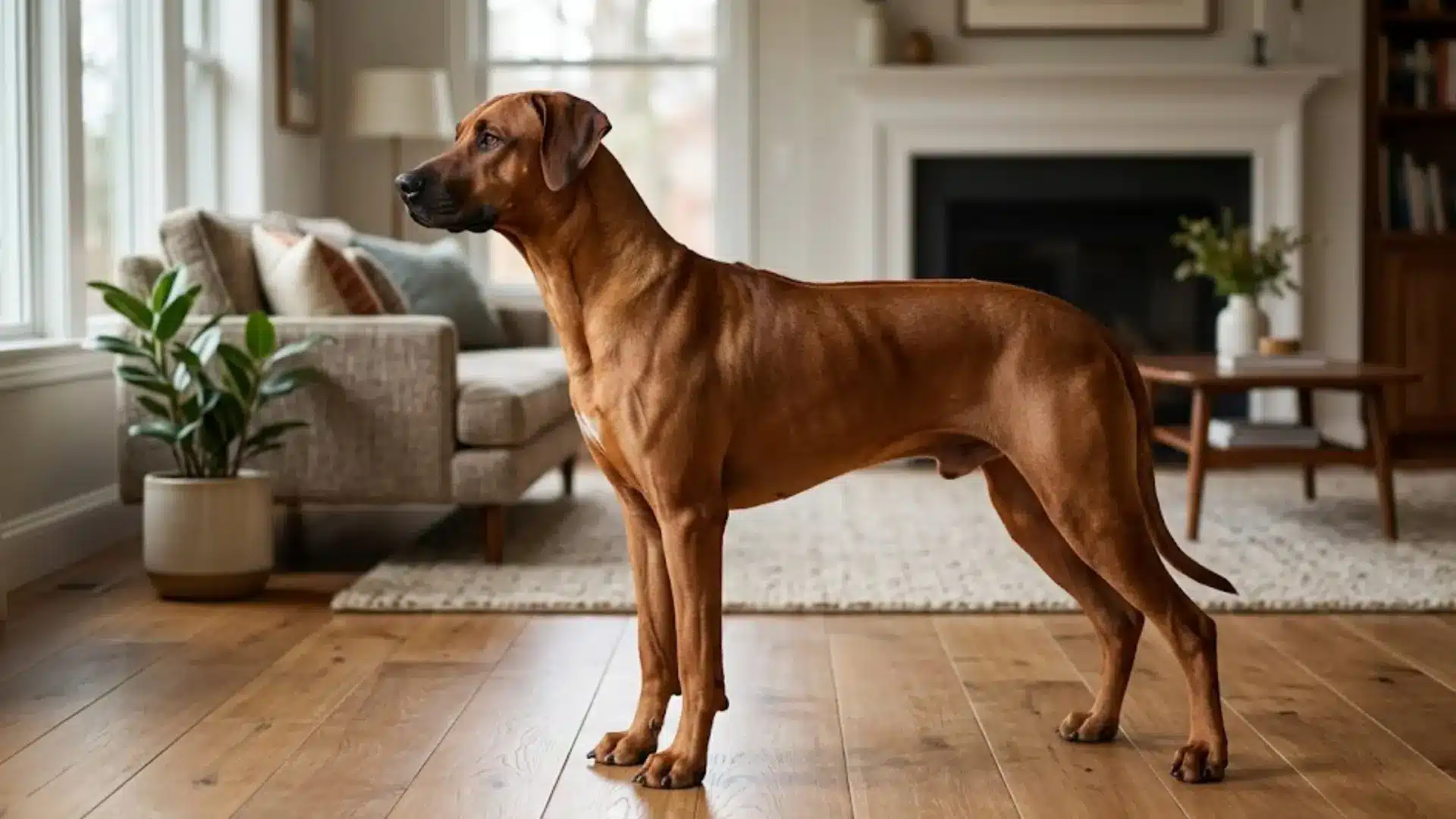
Rhodesian Ridgebacks are powerful and athletic dogs originally bred to help hunt large game in Africa.
They have impressive endurance and enjoy activities that allow them to run and explore. While they may appear calm indoors, they still need regular exercise to stay healthy and balanced.
Long walks, hikes, and outdoor adventures are important for this breed. They are loyal and protective of their families.
Real Owner Experiences with the Most Hyper Dog Breeds

Reddit dog owners often point out that energy levels are not always as simple as high, medium, or low.
Many users say breed history matters because herding, hunting, and sporting dogs often need more activity or mental work, while companion and giant breeds may be calmer.
Still, several owners shared that the same breed can act very differently depending on working lines, age, training, and personality.
One common point was that mental stimulation matters just as much as exercise.
For example, some high-energy breeds may not need endless running, but they do need puzzles, training, jobs, and structure.
Other users also felt that “medium energy” dogs do exist, especially dogs that enjoy walks and play but can relax at home. The biggest takeaway is to judge the individual dog, not just the breed label.
What Do High-Energy Dogs Actually Need Day to Day?
High-energy dogs need much more than a daily walk to stay happy and well-behaved.
These active breeds require a combination of physical exercise, mental stimulation, training, and social interaction every day.
Regular activities such as running, hiking, fetch, agility training, and puzzle games help burn excess energy and prevent boredom.
Without enough outlets for their energy, these dogs can develop unwanted behaviors like excessive barking, chewing, digging, or hyperactivity.
Physical needs: Minimum 1 to 2 hours of vigorous daily activity, not just walking, but running, fetch, swimming, agility, or hiking. Split into morning and evening sessions where possible. A tired dog is a calmer dog.
Mental needs: Physical exercise alone is not enough for most of these breeds.
Covers puzzle toys, scent work, obedience training, agility courses, and the value of giving the dog a “job.” A Border Collie that gets two hours of walks but no mental challenge is still a bored Border Collie.
How to Manage the Behavior of the Most Hyper Dog Breeds
Regular exercise, structured routines, positive training, and engaging activities help channel their energy productively, reducing unwanted behaviors and creating a calmer, happier, and more well-balanced companion.
- Follow a Consistent Routine: Keep meal times, walks, play sessions, training, and rest periods on a regular schedule each day. High-energy dogs thrive on predictability and feel more secure when they know what to expect.
- Exercise Before Training: Give your dog physical activity before a training session. A dog that has burned off excess energy is usually calmer, more focused, and better able to learn new commands.
- Use Positive Redirection: Instead of punishing unwanted behaviors, redirect them toward a desired action. For example, if your dog jumps on guests, teach them to sit politely for attention and rewards.
- Stay Consistent with Rules: Make sure everyone in the household follows the same commands and expectations. Consistency helps energetic dogs understand boundaries and learn faster.
- Balance Physical and Mental Stimulation: Daily walks and play are important, but puzzle toys, obedience training, and interactive games also help prevent boredom and keep your dog’s mind engaged.
Is a High-Energy Dog Right for You?
A high-energy dog can be a great match, but only if daily life has room for one.
Before choosing a breed, think about time, space, experience, and patience. It is important to consider if you can fit 1 to 2 hours of active exercise into every day, even on weekends or rainy days.
Apartments can work, but only with a real exercise plan. Experience also matters. Breeds like
Belgian Malinois or Australian Cattle Dogs usually need confident handling, while Labradors and Dalmatians may be easier for many families.
Also consider kids, noise, mess, and the puppy stage. Many high-energy dogs calm down after 2 to 3 years, but early training and structure are essential.
Conclusion
High-energy dogs get a bad reputation they don’t entirely deserve. The chewed furniture, the 6 am zoomies, the neighbor complaints, those aren’t signs of a bad dog.
They’re signs of a dog whose needs aren’t being met. Every breed on this list was developed to do a job that required stamina, focus, and hours of sustained effort.
That drive didn’t disappear when they moved off the farm or out of the field. It just needs somewhere to go.
The right owner for a high-energy dog isn’t necessarily someone with a massive yard or a professional training background.
Have you lived with one of these high-energy dog breeds? Share your experience in the comments and tell us which breed keeps you moving the most.
Frequently Asked Questions
Do High-Energy Dog Breeds Ever Calm Down with Age?
Yes, most high-energy dogs become calmer as they get older, usually between two and four years of age. However, they rarely become low-energy dogs.
Can a High-Energy Dog Be Left Alone During a Full Workday?
Most high-energy dogs struggle with being left alone for long hours every day. Without sufficient interaction and activity, they may become bored and develop behaviors such as chewing, barking, or digging.
Are High-Energy Breeds Harder to Train than Calmer Dogs?
Not always. Many high-energy breeds are highly intelligent and eager to learn, which can make training easier. Breeds like Border Collies, German Shepherds, and Poodles often excel in training.
Are High-Energy Dogs Good for First-Time Owners?
Some high-energy breeds can be a good choice for first-time owners, while others may be too demanding. Labrador Retrievers and Brittany Spaniels are generally easier to manage.