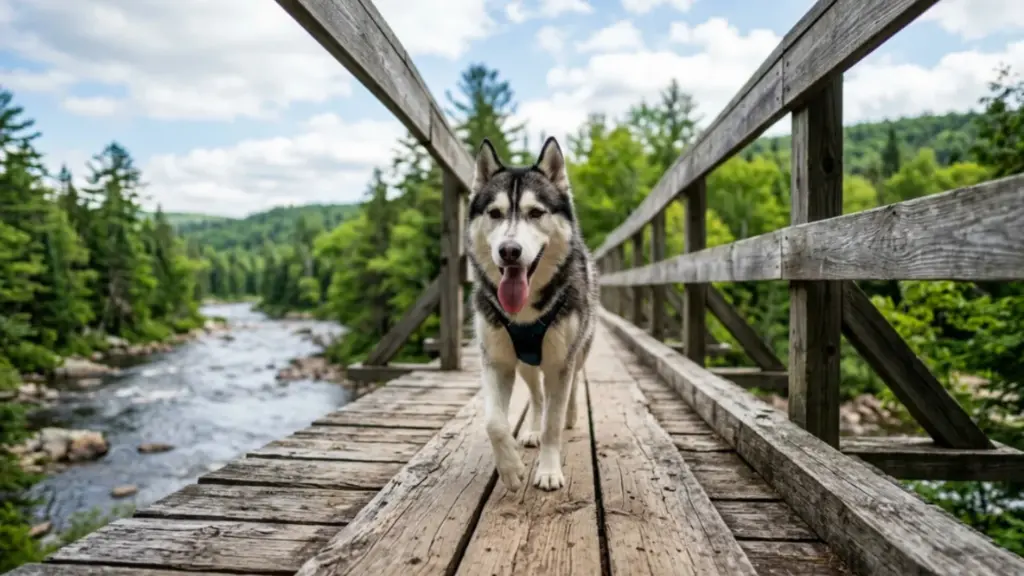
A husky does not just grow older. They charge through life, argue with the leash, sing at sirens, shed on everything you own, and somehow make every quiet room feel too quiet without them.
Then one day, that wild blue-eyed blur starts taking longer naps, moving a little slower, and wearing gray around the muzzle like a badge.
That is when the question hits differently: how many years do huskies really live? The answer is usually encouraging, because Siberian Huskies often outlive many dogs their size.
But lifespan is not only about breed averages. Weight, exercise, genetics, vet care, and daily routine all shape the years ahead.
The real goal is not just a longer life, but more healthy years with the dog who never learned how to be ordinary.
What is the Average Husky Lifespan?
Siberian Huskies usually live for 12 to 15 years. Many healthy huskies reach 13 or 14 years of age with good genetics and proper management.
This lifespan is slightly longer than that of some other popular medium and large breeds, such as Labrador Retrievers and Golden Retrievers, which typically live around 10 to 12 years.
The American Kennel Club lists the Siberian Husky’s average lifespan as 12 to 14 years, which aligns well with the commonly observed range.
While some owners report huskies living to 18 or even 19 years, such exceptional longevity remains uncommon and is not typical for the breed.
What Affects How Long a Husky Lives?
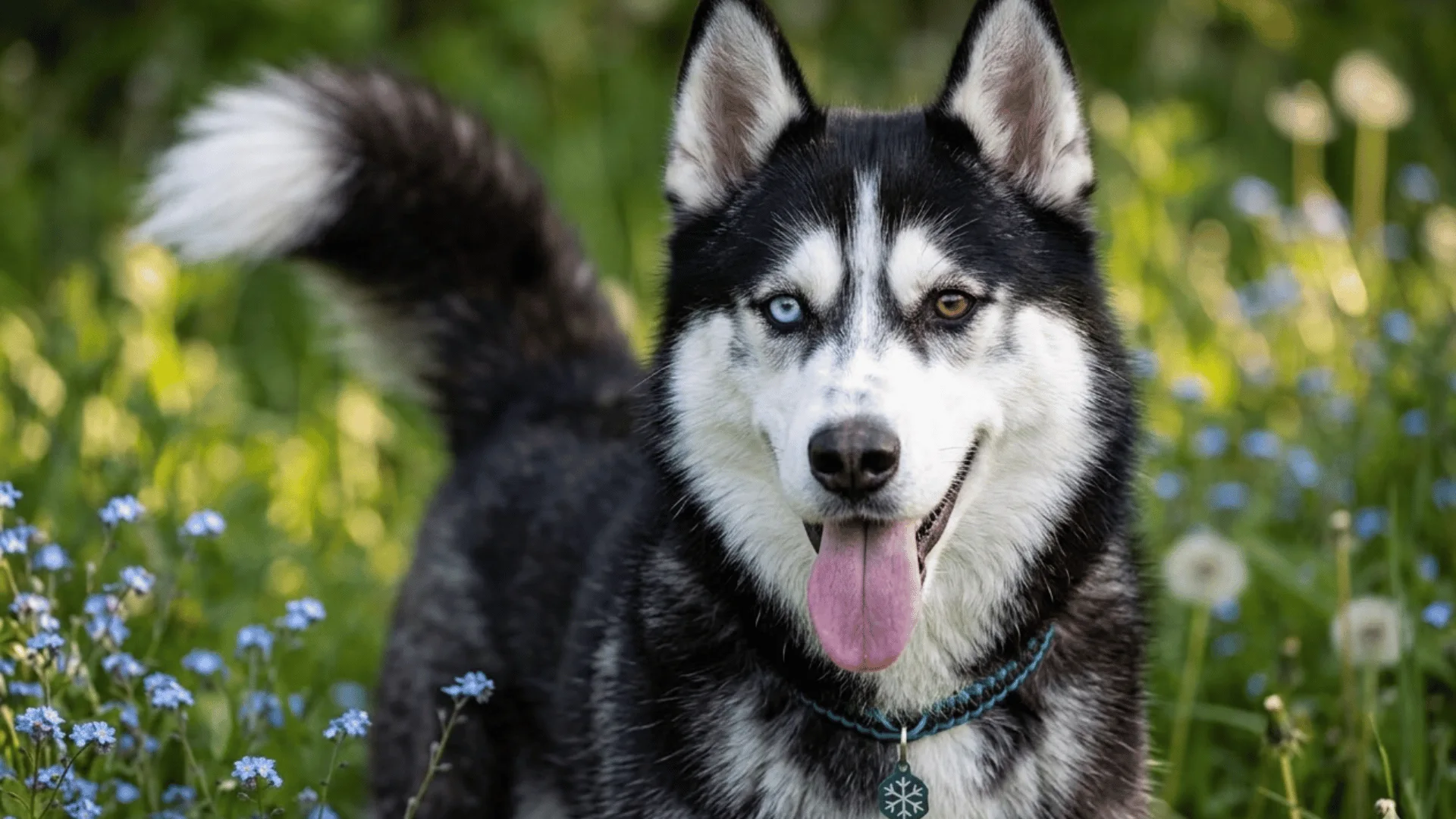
The 12 to 15-year lifespan range is only an average. Your husky’s actual lifespan depends on genetics, weight, exercise, vet care, and daily safety habits.
- Genetics and breeder quality: Huskies from health-tested lines often have better long-term health. Responsible breeders screen for inherited issues and track how their dogs age.
- Diet and healthy husky weight: Extra weight can shorten a dog’s life and put more pressure on joints, organs, and energy levels.
- Exercise: Huskies need daily movement because they were bred for endurance. Without enough activity, both body and behavior suffer.
- Preventive vet care: Checkups, vaccines, dental care, and early screenings help catch problems before they become serious.
- Environment and safety: Secure yards, leash control, clean water, and avoiding toxic plants all matter because huskies are skilled escape artists.
Understanding when huskies become seniors also helps owners adjust routines before age-related changes become harder to manage.
Life Stages of a Husky: What to Expect at Every Age
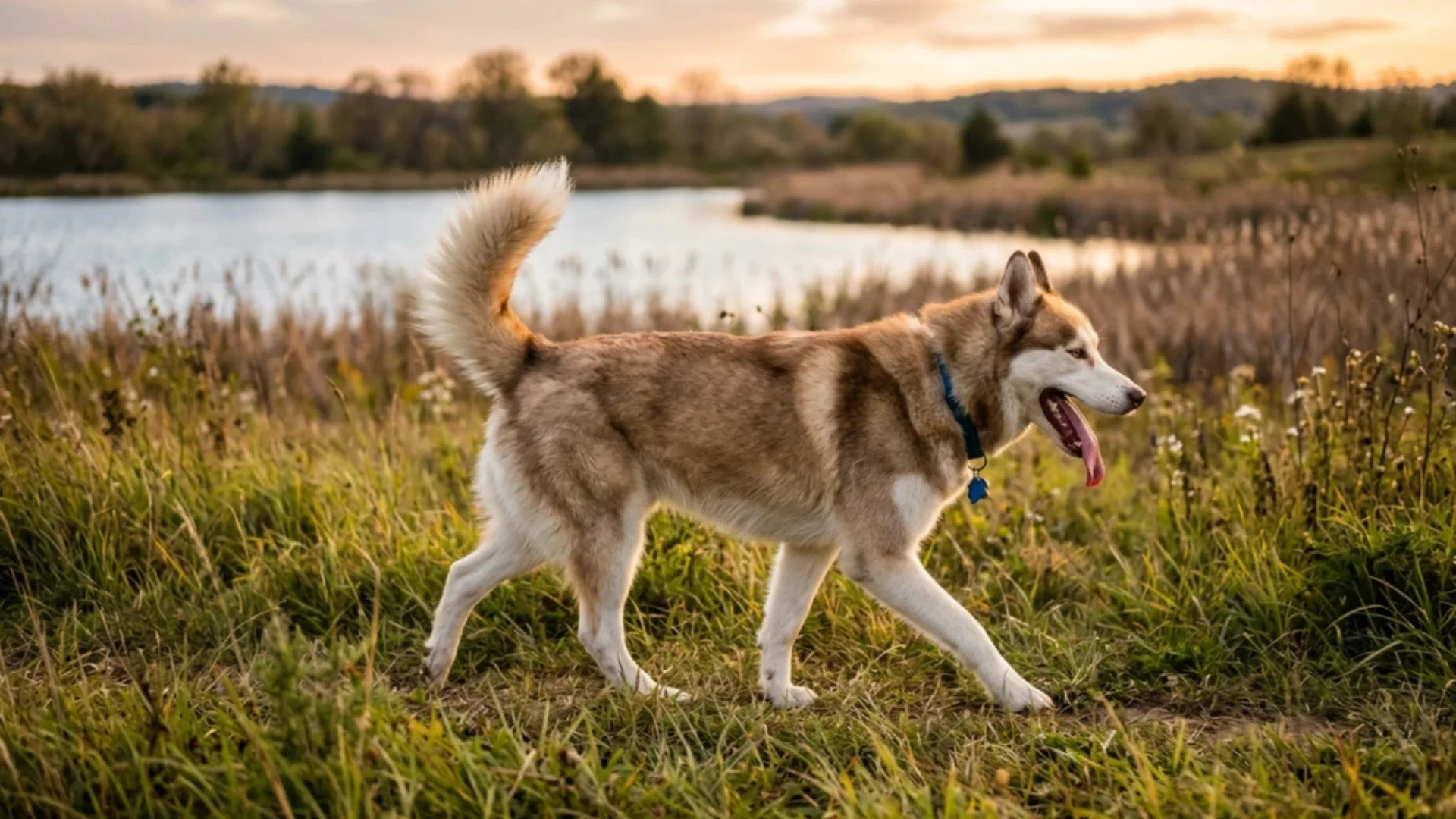
Knowing what is normal at each life stage makes it easier to catch small changes before they become bigger health concerns.
1. Puppyhood: 0 to 12 Months
Huskies grow quickly during their first year, especially in the first six months. Male puppies may reach about 30 to 40 pounds by six months, while females often sit around 25 to 33 pounds.
Most reach full height near their first birthday, then continue filling out.
This stage is for vaccines, socialization, crate practice, leash basics, gentle training, and safe exercise habits that build lasting confidence without overloading growing joints.
2. Adolescence and Young Adult: 1 to 3 Years
This is the wild stage. Your husky has an adult body, but the brain still wants to test rules, fences, patience, and leash skills.
Expect high energy, stubborn moments, louder opinions, and a serious need for daily movement.
Weight usually settles here: males often land between 45 and 60 pounds, while females usually stay between 35 and 50 pounds.
Training and structured play help redirect that intensity without constant conflict.
3. Prime Adult: 3 to 7 Years
Most huskies are strongest and most settled between the ages of three and seven.
They still need regular exercise, but routines usually feel easier now that the worst of the puppy chaos has passed.
This is the best time to protect long-term health through annual exams, dental care, eye checks, weight control, and consistent conditioning.
Small problems found here are often easier to manage than issues discovered later in the senior years of life.
4. Senior Years: 7 Years and Up
Most huskies become seniors around age seven to eight. You may notice slower walks, longer naps, gray around the muzzle, or less interest in hard play.
Those changes can be normal, but sudden weight loss, limping, increased thirst, increased urination, confusion, or major personality shifts need a call to the vet.
Keep exercise low impact, watch weight closely, and adjust care before small changes become painful problems or expensive emergencies later on.
Common Husky Health Problems That Affect Lifespan
Huskies are usually healthy dogs, but a few breed-related issues can affect comfort, mobility, and lifespan. Knowing the common risks helps owners notice symptoms early and get care before problems become harder to manage.
- Eye conditions: Huskies can be prone to juvenile cataracts, progressive retinal atrophy, and corneal dystrophy. Regular eye exams help catch changes early.
- Hip dysplasia: Hip joint problems can cause pain, stiffness, and reduced movement, especially in older or overweight dogs.
- Zinc-responsive dermatosis: Some huskies need more zinc than other breeds. Low zinc can cause hair loss, thickened foot pads, skin problems, and low energy.
- Epilepsy: Some lines carry seizure risk. Any seizure needs a vet visit.
- Hypothyroidism: A slow thyroid can affect weight, energy, skin, and coat quality, but treatment usually works well.
Understanding Husky Weight and Body Condition
Husky weight matters because this breed is built lean rather than bulky. An adult male usually weighs 45 to 60 pounds, while an adult female usually weighs 35 to 50 pounds.
Males stand about 21 to 23.5 inches, and females about 20 to 22 inches. These ranges come from the AKC breed standard, but the scale is only one clue.
Check body condition by feel. Run your hands along the ribcage; you should feel ribs with light pressure, not see them sharply.
From above, your husky should have a clear waist. Straight or rounded sides can mean extra weight. A male over about 61 pounds or a female over 51 pounds may be overweight.
Extra pounds strain joints, reduce stamina, affect organs, and can shorten lifespan. Ask your vet to assess body condition.
Husky Aging Signs Every Owner Should Notice
Senior huskies often show changes in movement, appetite, senses, and behavior, so tracking small shifts helps owners book timely vet care before problems worsen quickly.
- Slower movement: Your husky may take longer to stand, avoid stairs, shorten walks, or limp after rest, which can point to arthritis or joint pain.
- Weight change: Sudden weight gain can signal lower activity or thyroid issues, while sudden weight loss may point to dental pain, organ disease, or poor appetite.
- Cloudy eyes: A blue or cloudy look in the eyes, bumping into furniture, or hesitation in dim light may mean vision changes.
- More thirst: Drinking more water, urinating more often, or having accidents indoors can be linked to kidney disease, diabetes, or other health issues.
- Behavior shifts: Confusion, restlessness at night, unusual clinginess, or sudden irritability can suggest pain, hearing loss, or age-related cognitive decline.
What Reddit Husky Owners Say About Lifespan

Reddit husky owners describe a wide lifespan range, but most stories cluster around 12 to 15 years.
Several owners shared dogs reaching 15, 16, 17, and even 18, while others lost huskies much earlier to cancer, seizures, kidney disease, heart problems, or sudden illness.
The clearest pattern is that huskies often stay playful long after they become seniors, then slow down around 11 to 14 years old with hip pain, arthritis, deafness, weaker back legs, or shorter walks.
Owners also mentioned practical adjustments, such as harness support, gentler walks, joint care, vet checks, and watching quality of life.
Many comments also show how sudden decline can feel, even after years of normal energy.
The emotional message is strong: enjoy the healthy years, notice changes early, and do not assume age alone tells the whole story.
How to Help Your Husky Live Longer
Longer husky life usually comes from consistent basics, not complicated routines. Focus on weight, movement, preventive care, and safety before problems appear.
- Feed for lean weight: Choose quality food, measure meals, limit treats, and ask your vet about portions for your dog’s age and activity.
- Exercise daily: Huskies need more than a quick walk. Running, hiking, playing, and training keep the body and mind healthier.
- Keep vet visits regular: Annual exams, vaccines, dental checks, and early screenings catch problems sooner.
- Schedule eye checks: Husky eye issues can progress quietly, especially after middle age.
- Secure your yard: Huskies wander fast, so fences, gates, and leash habits matter.
- Adjust senior care early: Diet changes, joint support, and more frequent checkups help before age-related problems become harder.
These habits protect both lifespan and daily comfort over time.
Conclusion
A husky does not just grow older; they leave evidence of every year in the house: fur in corners, leash stories, stubborn routines, and a face that slowly turns silver.
The average lifespan gives you a number, but the real goal is better time, not just more time.
A longer life comes from the ordinary habits owners repeat when nobody is watching: measured meals, safe exercise, regular vet visits, and noticing small changes early.
Those choices help protect the wild energy and sharp mind, and the comfort your husky deserves as the years go on.
If your husky has reached double digits, share their age in the comments and tell us what has helped them stay healthy.
Frequently Asked Questions
Can a Husky Live to 20 Years Old?
A husky living to 20 is possible, but extremely rare. Some owners report huskies reaching 18 or 19, but most Siberian Huskies live around 12 to 15 years.
At What Age is a Husky Considered a Senior?
Most huskies are considered seniors around age seven to eight. This is when owners may notice slower walks, longer naps, lower stamina, joint stiffness, weight changes, or more gray around the muzzle.
Does Spaying or Neutering Affect a Husky’s Lifespan?
Spaying or neutering can affect certain health risks, but the impact depends on timing, sex, size, and overall health.