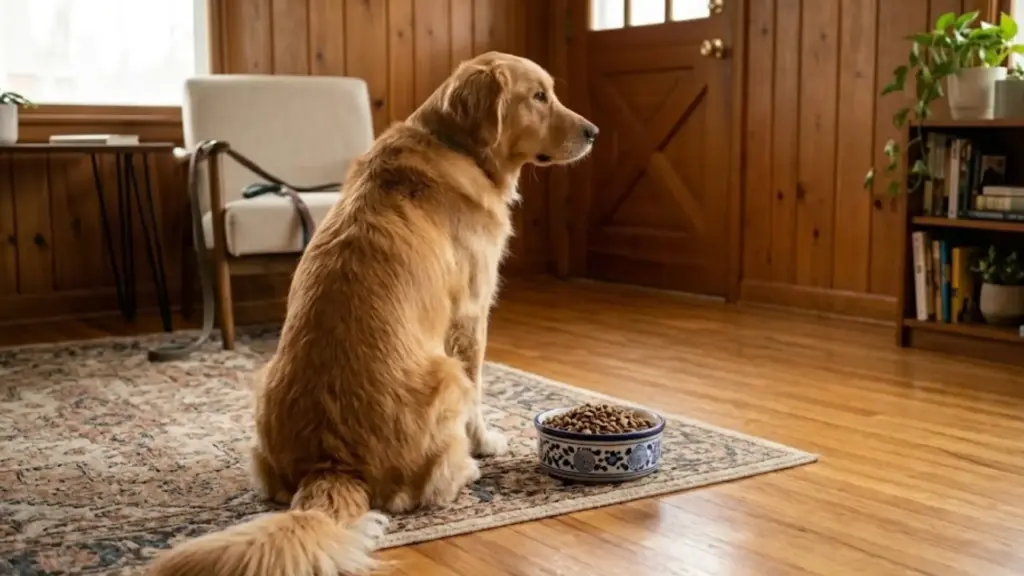
The moment you see your dog suddenly turning away from dinner, something doesn’t seem right. Then you lean closer and catch the sour smell coming from their mouth, and the worry clicks into place.
Bad breath is easy to brush off, but when it shows up with slow chewing, drooling, red gums, or a sudden refusal to eat, your dog may be dealing with more than a dirty tooth.
Gingivitis often starts quietly, long before a dog acts truly sick. The good news is that this stage can often be reversed before it progresses to painful gum disease.
The hard part is spotting it early enough. Once you know what the first signs look like, that late-night food bowl moment becomes a warning you can actually use.
What is Gingivitis in Dogs?
Gingivitis in dogs is inflammation of the gums around the base of the teeth. It starts when plaque builds up along the gumline. Plaque is a sticky mix of bacteria, food particles, and saliva.
As it collects, the immune system reacts, causing redness, swelling, tenderness, and irritation. At this stage, the damage is still reversible with proper dental care.
That is why gingivitis matters. If it is ignored, it can progress to periodontal disease, in which the tissues and bone supporting the teeth begin to break down.
That damage cannot be fully reversed. Gingivitis often starts quietly, before a dog shows clear pain or distress.
Signs and Symptoms of Gingivitis in Dogs
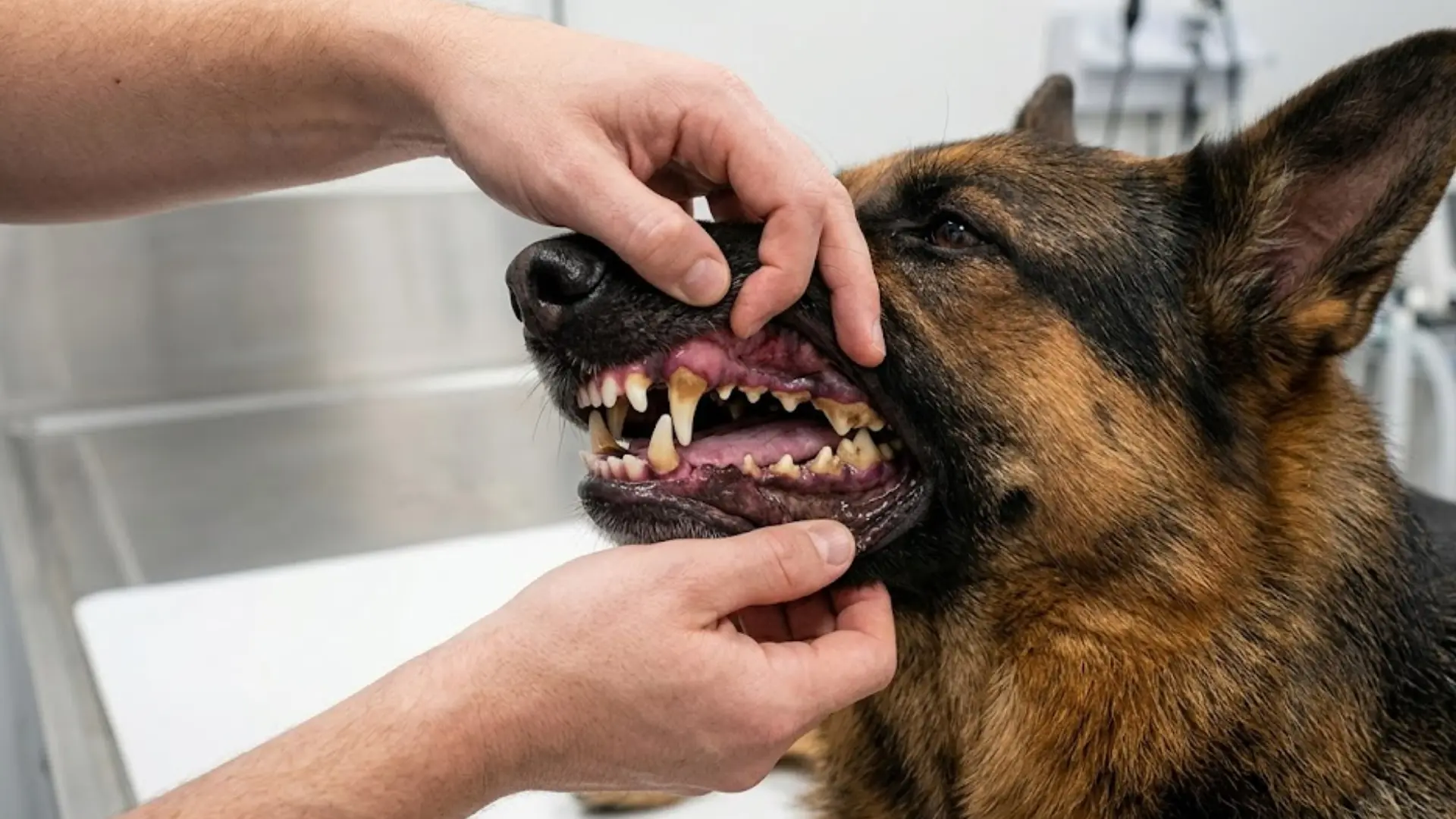
Early gingivitis can be easy to miss because the first signs are small: mild gum redness, slight puffiness, or breath that smells worse than usual.
As plaque builds along the gumline, these symptoms become clearer and harder to ignore.
- Red or swollen gums: Inflamed gums look darker, puffier, or show a red line where the tooth meets the gum.
- Bad breath that lingers: A sharp, foul odor often indicates bacteria accumulating around the teeth and gums.
- Bleeding or chewing changes: Blood on toys, food, or a toothbrush, plus dropped kibble or one-sided chewing, can signal pain.
- Tartar and mouth discomfort: Yellow or brown buildup near the teeth, extra drooling, or pawing at the mouth may mean inflammation is already active.
- Loss of appetite: Dogs with sore gums may eat less, avoid hard food, or seem interested in meals but stop after a few bites.
- Loose or sensitive teeth: If gingivitis worsens, teeth may feel tender, shift slightly, or make the dog pull away when the mouth is touched.
What Causes Gingivitis in Dogs?
Gingivitis usually starts when plaque is not removed from the teeth. Plaque is made of bacteria, saliva, and food debris.
1. Plaque and Tartar Buildup
Plaque forms when bacteria mix with saliva and food particles on a dog’s teeth. At first, it feels soft and sticky, but it can harden into tartar if not removed.
Tartar collects near the gumline and gives bacteria a rough surface to cling to. This leads to redness, swelling, and irritation.
Once tartar builds up, brushing alone usually cannot remove it, so professional dental cleaning may be needed.
2. Poor Dental Hygiene
Poor dental hygiene is one of the biggest reasons dogs develop gum problems. When teeth are not brushed regularly, plaque stays in place and keeps growing.
Over time, bacteria irritate the gums and may spread below the gumline. Dogs also need routine dental checks because early issues are easy to miss.
A simple home care routine, along with vet guidance, can help slow plaque buildup and protect the gums.
3. Breed Predisposition
Some dogs are more likely to develop gingivitis because of their breed. Small dogs and toy breeds often have crowded teeth, which makes it easier for food and plaque to get trapped.
Breeds with short noses may also have tighter mouth structures. These spaces can be harder to clean during brushing.
Because of this, many small-breed dogs need earlier and more consistent dental care than larger dogs.
4. Age-Related Factors
Older dogs are more vulnerable to gum disease because plaque and tartar often build up over time.
Years of chewing, missed cleanings, and mild gum irritation can slowly lead to bigger dental problems. Senior dogs may also have weaker immune systems, making it harder to fight mouth bacteria.
Even if a dog seems healthy, age can increase dental risk. Regular exams help catch issues before they become painful or advanced.
5. Diet and Lifestyle
Diet and chewing habits can affect how quickly plaque builds up. Soft food may stick to the teeth more easily, especially near the gumline.
Dogs that do not chew much may also have less natural scraping action on their teeth.
Dental chews, safe chew toys, and vet-approved dental diets may help support cleaner teeth. Still, they work best as part of a full dental care routine, not as the only solution.
Which Dogs are Most at Risk for Gingivitis?
Small and toy breeds have a higher risk of gingivitis because their jaws hold the same adult teeth in much less space.
Chihuahuas, Yorkshire Terriers, Pomeranians, and Toy Poodles often have crowded or overlapping teeth, which trap plaque and make natural cleaning harder.
Brachycephalic breeds such as Bulldogs, Pugs, and French Bulldogs face another problem.
Their compressed facial structure can push teeth into awkward angles, creating gum pockets where food and bacteria collect.
Age also matters. Older dogs build tartar over time and may have weaker immune responses to gum inflammation. Dogs over seven often need dental checks more often than younger adults.
Any dog with a history of dog tooth decay, extractions, retained baby teeth, or recurring tartar should be monitored closely.
Bad breath, red gums, slow chewing, or avoidance of new foods should prompt a veterinary exam.
The Progression from Gingivitis to Periodontal Disease in Dogs
Gingivitis is Stage 1 of periodontal disease in dogs, and it is the only stage where treatment can fully reverse the damage.
- Stage 1 (gingivitis): Inflammation is limited to the gum tissue. Gums may look red or swollen, or bleed when brushed, but the bone and ligaments holding the teeth are still intact. Professional cleaning and home care can reverse it.
- Stage 2: Inflammation extends below the gumline, and early bone loss appears. Gum pockets deepen, giving bacteria more room to grow.
- Stages 3 and 4: Bone loss becomes significant, teeth loosen, pain increases, and extractions are often needed. Bacteria from infected gums can also enter the bloodstream and, over time, affect the heart, kidneys, and liver.
When to See a Vet for Gingivitis in Dogs?
At-home care can help with mild gum redness or early bad breath, but some symptoms may require a vet exam because they could indicate infection, periodontitis, an abscess, or tooth damage below the gumline.
- Severe gum changes: Dark red, purple, pale, patchy, swollen, or bleeding gums should not be ignored.
- Loose or painful teeth: Shifting teeth, chewing on one side, or flinching near the face can mean advanced dental disease.
- Facial swelling or discharge: Swelling under the eye or along the jaw, or discharge from the mouth or nose, may suggest infection or an abscess.
- Eating and weight changes: Sudden food refusal, dropped kibble, slow chewing, weight loss, or walking away from meals can mean dental pain is affecting daily life.
How Vets Diagnose Gingivitis in Dogs?
A gingivitis diagnosis usually starts with an oral exam. Your vet checks gum color, tartar buildup, swelling, bleeding, gum recession, and pocket depth around the teeth.
Healthy gum pockets are shallow, while deeper pockets suggest the tissue is pulling away from the tooth.
If the gums look inflamed or periodontal disease is suspected, dental X-rays may be needed under anesthesia.
These show what cannot be seen during a surface exam, including bone loss, root damage, abscesses, or disease below the gumline.
Anesthesia can make some owners nervous, but it gives the vet a safe, complete view of the mouth.
Early diagnosis matters because mild gingivitis is easier, cheaper, and less painful to treat than advanced dental disease with bone involvement.
Treatment Options for Gingivitis in Dogs
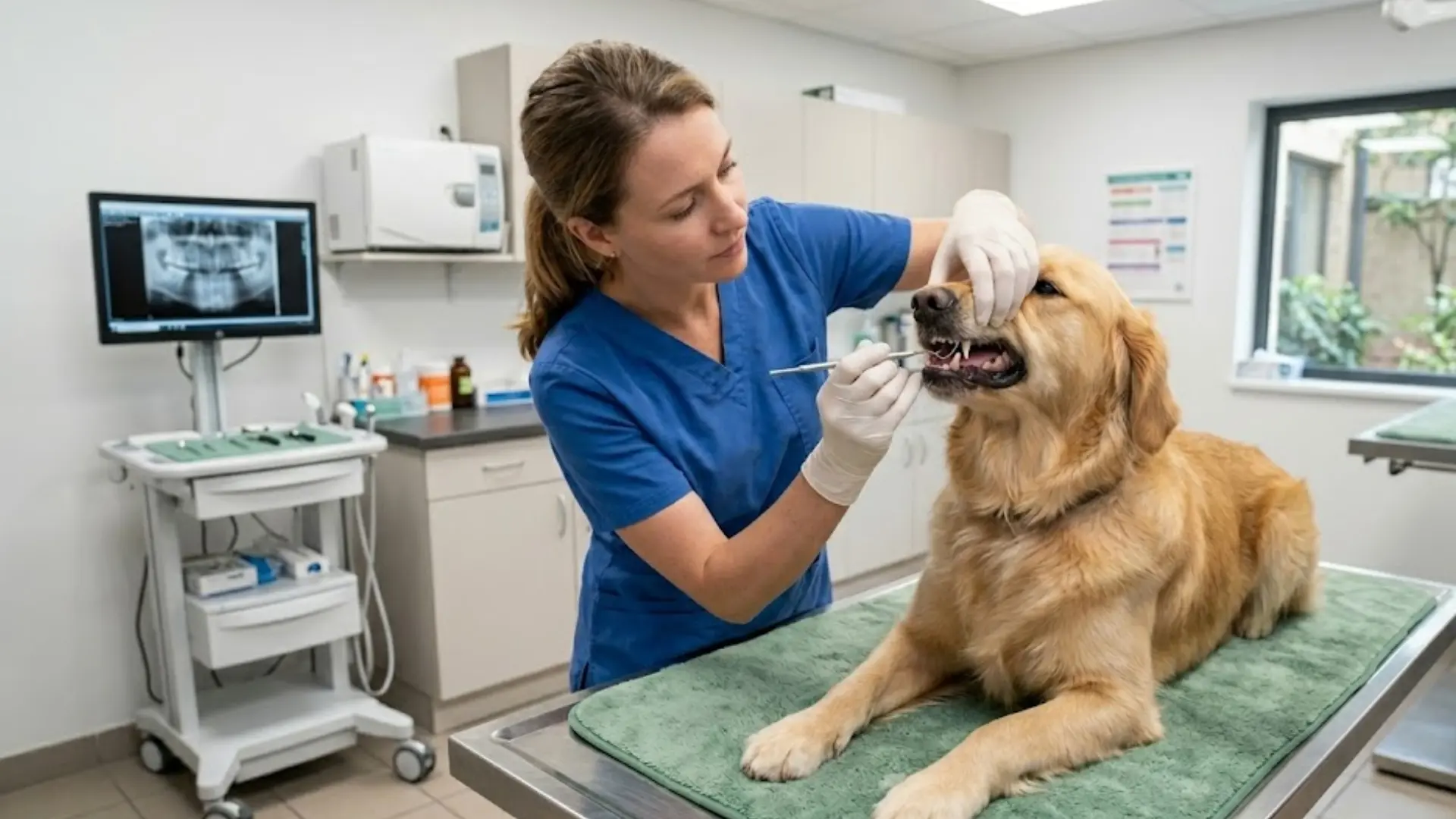
Treating gingivitis in dogs starts with removing plaque, calming gum irritation, and stopping the condition from getting worse.
1. Professional Dental Cleaning
Professional dental cleaning is often the main treatment for gingivitis in dogs. During the procedure, the vet cleans above and below the gumline while the dog is under anesthesia.
This allows the vet to remove plaque and tartar safely without stress or pain. The mouth may also be checked for loose teeth, infection, or deeper gum problems.
Early cleaning can stop gingivitis before it turns into periodontal disease. It also helps reduce bad breath, gum bleeding, and long-term discomfort.
2. Dental Scaling and Polishing
Dental scaling removes hardened tartar from the teeth, especially around the gumline where bacteria collect. Vets use special dental tools to clean areas that regular brushing cannot reach.
After scaling, the teeth are polished to smooth the surface. This makes it harder for plaque to stick again quickly.
Scaling and polishing are important because tartar can keep irritating the gums even with better home care. For many dogs with early gingivitis, this step can make a major difference in gum health.
3. Prescription Dental Products
Prescription dental products may be recommended when regular dental care is not enough.
These can include vet-approved toothpastes, oral rinses, dental gels, water additives, or dental diets made to reduce plaque and tartar.
Some products contain ingredients that help control bacteria in the mouth. Others are designed to clean the teeth while the dog chews.
4. Antibiotics and Anti-Inflammatory Medications
Antibiotics and anti-inflammatory medications are not needed for every case of gingivitis, but they may be used when the gums are badly infected, swollen, or painful.
Antibiotics help control harmful bacteria, while anti-inflammatory medicine may reduce gum irritation and discomfort.
A vet may also recommend them after a dental cleaning if an infection is present. These medicines should never be given without veterinary guidance.
Human pain relievers can be dangerous for dogs. Proper dosing matters, especially for small breeds and senior dogs.
5. Follow-Up Dental Care
Follow-up dental care helps keep gingivitis from coming back. After treatment, the vet may suggest regular brushing, dental chews, oral rinses, or future dental exams.
Some dogs need checkups more often, especially small breeds or dogs with crowded teeth. At home, owners should watch for bad breath, red gums, bleeding, or trouble chewing.
Consistent care is what protects the gums after professional treatment. Even a few minutes of dental care several times a week can support better oral health.
This section is for informational purposes only. Always consult a licensed veterinarian before starting any treatment for your dog’s dental health.
Natural Remedies for Gingivitis in Dogs
Natural remedies may support your dog’s gum health, but they should not replace vet care. Use safe, dog-friendly options and ask a veterinarian before trying anything new.
- Coconut Oil: Some owners use small amounts for gentle gum support, but it should be used carefully because too much may upset a dog’s stomach.
- Dental Chew Toys: Safe chew toys can help reduce plaque by encouraging chewing, which supports cleaner teeth and healthier gums between regular brushing sessions.
- Crunchy Dog Safe Vegetables: Carrots or cucumber slices may help clean teeth lightly while chewing, but they should be given in safe, bite-sized pieces.
- Herbal Dental Sprays: Some dog-safe herbal sprays may help freshen breath and support gum comfort, but always choose products made specifically for pets.
- Daily Mouth Checks: Regularly checking the gums helps catch redness, bleeding, or swelling early, making it easier to get treatment before symptoms worsen.
How to Prevent Gingivitis in Dogs
Preventing gingivitis is easier and cheaper than treating periodontal disease. A toothbrush, enzyme toothpaste, and steady routine can reduce plaque before it hardens into tartar.
The goal is daily disruption, not a perfect mouth check every night.
- Daily brushing: Start with toothpaste on your finger, then introduce a soft dog toothbrush. Two calm minutes daily beat one long weekly session.
- Dental chews and toys: VOHC-approved chews and ridged rubber toys add helpful friction during chewing.
- Professional cleanings: Annual dental exams and cleanings remove tartar that brushing cannot reach.
- Dental-friendly diet: Ask your vet whether dental kibble could help wipe tooth surfaces while your dog chews.
Dogs prone to skin and other health conditions, or to chronic inflammation, may need stricter dental care because inflammation can accelerate gum disease.
Conclusion
Your dog’s gums do not need a dramatic emergency to deserve attention.
Gingivitis usually starts as a small clue: breath that smells sharper, gums that look a little red, chewing that seems slower than usual.
Catch it there, and you still have time to turn things around. A toothbrush, the right toothpaste, steady chews, and regular vet cleanings can do more than protect teeth.
They can protect comfort, appetite, and quality of life. The real win is not a perfect smile. It is a dog that eats, plays, and ages without hidden mouth pain.
Have you found a brushing trick, dental chew, or routine your dog actually accepts? Share it in the comments.
Frequently Asked Questions
Can Gingivitis in Dogs Go Away on its Own?
No. Gingivitis usually does not clear without dental care. Very mild gum irritation may improve with daily brushing and enzyme toothpaste, but tartar cannot be removed at home. If buildup is already present, your dog will likely need a professional cleaning.
How Fast Does Gingivitis Become Periodontal Disease?
The timeline depends on breed, age, tooth crowding, diet, and home care. Small breeds with no brushing may progress within one to two years. Dogs with daily brushing, dental chews, and regular vet cleanings can slow or prevent that progression.
Is Dog Gingivitis Contagious?
No. Gingivitis itself is not contagious like an infection. It develops from plaque and bacteria building up in one dog’s mouth. Oral bacteria can be shared through licking or close contact, but another pet will not automatically develop gingivitis from exposure.