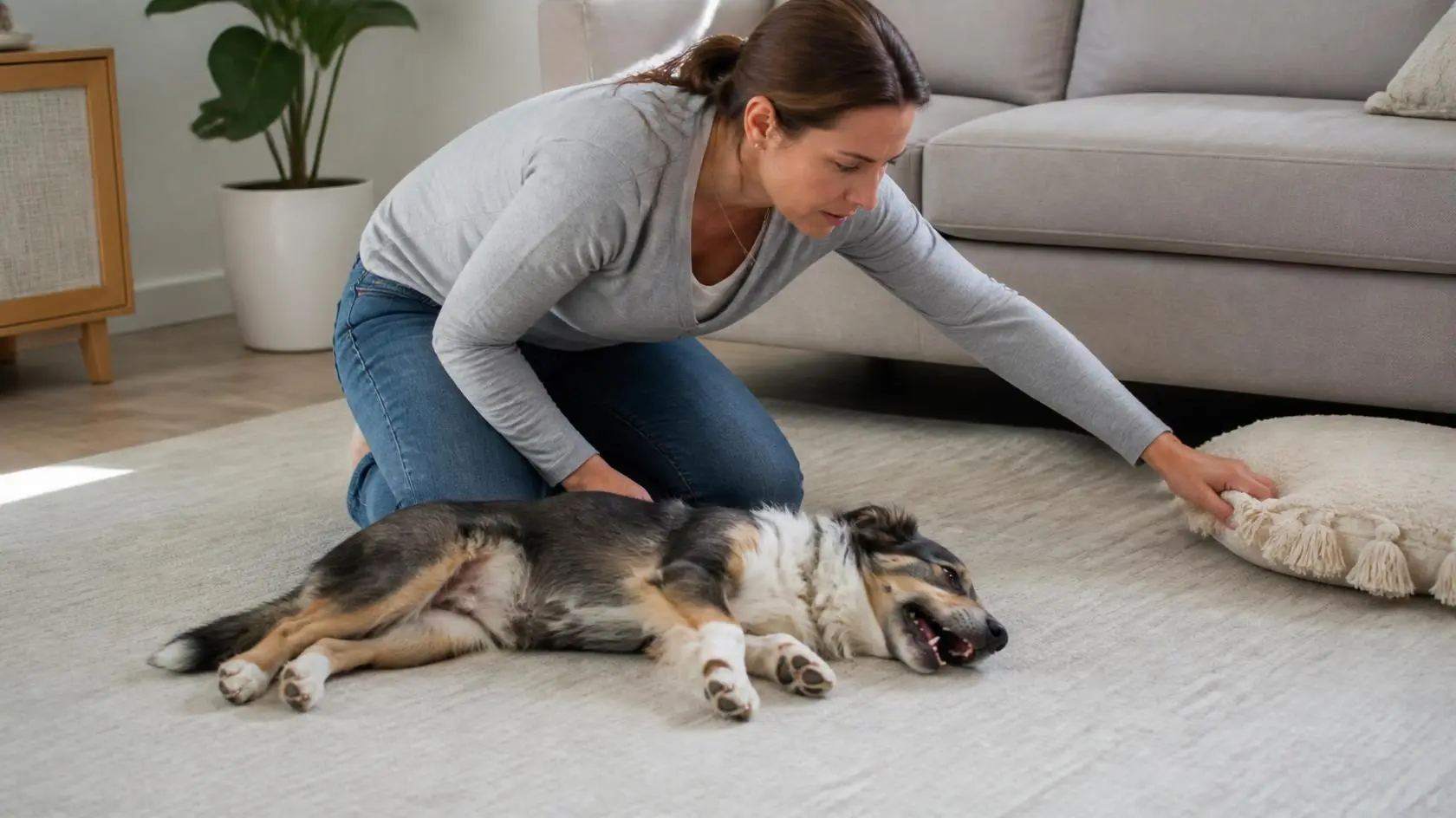



Many dog owners have seen it happen. You get into bed, pull up your blanket, and your dog slowly pushes its way under the covers.
Some dogs curl near your feet, while others sleep close to your chest.
This behavior is very common. Dogs sleep under blankets for many reasons. They may want warmth, comfort, safety, or closeness.
For some dogs, the space under the covers feels calm and secure. It can make them feel protected from noise, light, and movement.
A common question many owners ask is, can dogs breathe under blankets while they sleep?
In this blog, you will learn why dogs like sleeping under covers, whether they feel suffocated under a blanket, whether sleeping under covers can get dangerous, etc.
Can Dogs Breathe Under Blankets?
Yes, in most cases, healthy dogs can breathe under light blankets while sleeping. Dogs are usually good at moving away when they feel uncomfortable.
If a dog feels too hot or short of air, it will often crawl out, change position, or lift its head. Most dogs do not stay in a place where they cannot breathe properly.
In my clinical experience, healthy dogs handle light blankets well. A dog’s resting breathing rate is roughly 15 to 30 breaths per minute, and most breathable fabrics allow enough airflow to sustain that without difficulty.
But safety depends on the blanket, room temperature, and the dog’s health. A thin cotton blanket is very different from a thick, heavy comforter.
A healthy adult dog is also different from a flat-faced dog with breathing problems.
Why Do Dogs Like Sleeping Under the Covers?

Dogs like enclosed spaces because they feel safe in them. A blanket can create a warm, soft, den-like space. This makes them feel calm and protected.
Some dogs do it out of instinct or because of the cold. Others simply want to stay close to their owner. In many cases, sleeping under the covers is a normal part of a dog’s bedtime routine.
1. Acting on Their Natural Instincts
Dogs have natural instincts that come from their wild ancestors.
In the wild, dogs and related animals often rested in small, covered spaces. These spaces helped protect them from weather and danger.
The American Kennel Club states that denning behavior is deeply embedded in dogs; even domesticated ones still express the urge to dig and create covered resting spots.
Even though pet dogs live in safe homes today, many still enjoy that same feeling. A blanket can feel like a small den. It gives them a covered place where they can rest without feeling exposed.
2. Feeling Comfortable and Secure
Blankets are soft, warm, and cozy. Dogs love comfort just like people do. When your dog gets under the covers, it may simply be looking for a better place to sleep.
The gentle pressure of a blanket can also make some dogs feel secure. It may feel similar to a calming wrap. This can help them settle down faster and sleep better.
Some dogs also prefer sleeping in warm spaces. Small, short-haired, and thin-coated dogs may feel cold more easily.
For them, sleeping under a blanket is a simple way to stay warm through the night.
3. Managing Anxiety and Stress
Blankets can help reduce anxiety in some dogs. The covered space may make them feel hidden and safe. This can be helpful during storms, fireworks, loud traffic, or other stressful events.
A dog may also go under the covers when it feels nervous or unsure. The blanket becomes a safe place. It blocks some sounds and sights, which can help the dog calm down.
Still, owners should watch for patterns. If your dog only snuggles under blankets at night, it is likely normal.
But if your dog hides under blankets all day, avoids people, shakes, pants, or refuses food, it may be dealing with deeper anxiety or illness.
4. Seeking Constant Connection
Dogs are social animals. Many dogs sleep under the covers because they want to be close to their owners. Your smell, body warmth, and presence can make your dog feel safe.
This is especially common in dogs that are strongly bonded with their owners. Companion breeds often enjoy sleeping close together because it provides them with comfort and a sense of connection.
For many dogs, sleeping under the covers is not just about warmth. It is also about love and trust. Your dog may see your bed as the safest place in the home.
5. Reducing Sensory Overload
Some dogs are sensitive to sounds, lights, and movement.
A blanket can help block out these things. It creates a darker and quieter space, which can make sleep easier.
This can help nervous dogs, rescue dogs, senior dogs, and dogs that get startled easily. The blanket acts like a barrier between them and the outside world.
Is It Normal for Dogs to Sleep Under Blankets?
Yes, it is normal for many dogs to sleep under blankets. Some dogs do it every night. Others only do it when the weather is cold or when they feel nervous.
Puppies may sleep under blankets because they miss the warmth of their littermates. Adult dogs may do it out of habit, for comfort, or to bond.
Senior dogs may seek blankets because they feel colder or need extra comfort for sore joints.
Seasonal changes can also affect this habit. Dogs may burrow more during winter or rainy weather. If your dog does it more in colder months, it may simply be trying to stay warm.
The behavior is usually not a problem unless it becomes sudden or extreme, or is linked to other symptoms.
Do Dogs Feel Suffocated Under Blankets?

Most dogs do not feel suffocated under light covers.
They can usually get enough air through loose, breathable fabric, and many will naturally move, shift position, or come out from under the blanket when they need more air or feel too warm.
However, dogs should never be trapped under a blanket or tucked in so tightly that they cannot leave on their own.
Avoid placing heavy comforters, weighted blankets, or thick bedding over them, especially for long periods.
Be extra careful if your dog has trouble breathing, snores heavily, pants at rest, overheats easily, is very young or old, or has a flat face, such as a Pug, Bulldog, or French Bulldog.
These dogs may not tolerate covered spaces as well and should be monitored more closely.
If your dog is showing unusual breathing during or after blanket sleeping, that warrants attention beyond just switching to a lighter blanket.
Best Blanket Types for Dogs
Choosing the right blanket can help keep your dog comfortable, safe, and relaxed while resting. The table below outlines the best blanket options for dogs, along with types to avoid and why.
| Blanket Type | Recommendation | Benefits / Risks |
|---|---|---|
| Cotton blankets | Recommended | Lightweight, soft, and breathable. Allows air to circulate easily. |
| Lightweight fleece blankets | Recommended | Provides extra warmth while still feeling comfortable in cooler weather. |
| Pet-specific blankets | Recommended | Made for regular pet use. Usually soft, washable, durable, and dog-safe. |
| Appropriately sized blankets | Recommended | Allows dogs to move freely without feeling trapped or restricted. |
| Heavy comforters | Not recommended | Can trap too much heat and may make movement difficult. |
| Weighted blankets | Not recommended | May feel too heavy or restrictive unless approved by a veterinarian. |
| Electric blankets | Not recommended | Can cause overheating and may become dangerous if chewed. |
| Blankets with loose threads | Not recommended | Loose threads may be chewed or swallowed, creating choking or digestive risks. |
Benefits of Sleeping Under the Covers for Dogs
Sleeping under the covers can provide both physical comfort and emotional reassurance for many dogs. Some of the key benefits include:
- Better Warmth During the Night: Blankets help dogs stay warm and comfortable by retaining body heat.
- Improved Relaxation and Sleep Quality: Covers create a cozy environment that encourages deeper, more restful sleep.
- Reduced Stress and Anxiety: Blankets provide comfort and can help calm dogs during stressful situations.
- Enhanced Sense of Security: Being under the covers makes dogs feel protected, safe, and less exposed while resting.
- Stronger Human-Dog Bond: Blankets allow dogs to stay close to their owners and feel more connected.
When Should You Be Concerned About This Behavior?
Sleeping under covers is usually normal. But it can be a concern if it starts suddenly or becomes excessive. You should watch your dog closely if blanket hiding is accompanied by other signs.
Signs that warrant attention
- Loss of appetite or sudden weight change
- Low energy or reluctance to move
- Shaking, whining, or restlessness
- Hiding under covers for most of the day, not just at sleep time
- Destructive behavior or sudden fearfulness
- Fast or labored breathing while under the blanket
Panting is worth paying particular attention to. Heavy panting at rest can signal overheating, pain, or anxiety, and if it’s happening under the blanket, remove the cover first and check on them before drawing conclusions.
Measurable Steps to Take if Your Dog Needs Help

If your dog’s blanket behavior seems linked to anxiety or illness, there are simple steps you can take.
1. Monitor Behavioral Changes
Track how often your dog hides under blankets. Note the time, place, and possible trigger. For example, does it happen during storms, after guests visit, or when you leave the room?
Write down any other symptoms, such as panting, shaking, loss of appetite, or low energy. This information can help your vet or trainer understand the problem.
2. Create a Safe Resting Area
Give your dog a quiet and comfortable sleeping space. Use a soft bed, a light blanket, and a calm area of the home.
Your dog should have a place where it can rest without being disturbed.
This can reduce stress and improve sleep. Keep the space away from loud noise, bright lights, and busy walkways so your dog feels safe enough to relax.
3. Increase Daily Physical Activity
Exercise helps reduce stress in many dogs. Regular walks, play sessions, and gentle games can help your dog release energy.
Mental activity is also important; puzzle toys, scent games, and training sessions can keep your dog’s mind busy and calm.
4. Reduce Anxiety Triggers
Try to identify what makes your dog nervous. It may be loud sounds, strangers, other pets, or changes in routine.
You may not be able to remove every trigger, but you can create a calmer environment. Use a steady routine, soft bedding, and quiet spaces when your dog needs rest.
5. Schedule a Veterinary Checkup
If your dog suddenly hides more than usual, schedule a vet checkup to be safe.
Your vet can rule out pain, illness, breathing problems, anxiety, injury, or other health concerns that may be causing the change in behavior.
This is especially important if hiding is accompanied by low energy, appetite changes, vomiting, coughing, limping, shaking, whining, or trouble breathing.
6. Consult a Professional Dog Trainer
If anxiety is severe or does not improve with routine changes, a certified trainer or veterinary behaviorist can help.
They can create a safe behavior plan, teach calming techniques, and guide you through gradual steps to build confidence.
This support is especially helpful for dogs with separation anxiety, fear of loud noises, panic during storms, or compulsive hiding that affects daily life.
How to Encourage Healthy Sleep Habits in Dogs?
Healthy sleep habits help dogs feel calmer, safer, and more rested. A steady routine, daily activity, safe bedding, and proper food can support better nighttime sleep.
- Create a calm routine: Keep bedtime predictable with quiet cues, a regular sleep spot, and gentle handling so dogs know when to rest.
- Offer daily activity: Give dogs enough walks, playtime, and mental tasks during the day so their body and mind feel ready for sleep.
- Avoid late excitement: Skip rough play before bed because too much energy at night can make dogs restless, alert, and harder to settle.
- Keep bedding safe: Use light blankets, a comfortable room temperature, and enough space so dogs can move freely without feeling trapped.
- Support good nutrition: Feed a balanced diet that supports energy, digestion, immunity, growth, and comfort, helping dogs sleep better through the night.
Conclusion
Sleeping under the covers is a natural behavior that helps many dogs feel warm, secure, and close to their owners.
For some dogs, it can also reduce stress and create a more comfortable sleeping environment. If you’re wondering, “Can dogs breathe under blankets?” the answer is yes.
Most healthy dogs can breathe comfortably under lightweight, breathable blankets and will move if they become too warm or need more air.
However, it’s best to avoid heavy blankets and take extra care with senior dogs, flat-faced breeds, or dogs with breathing issues.
While blanket burrowing is generally harmless, sudden changes in this behavior may signal anxiety, illness, or discomfort.
Have you noticed your dog sleeping under blankets or suddenly changing this habit? Share your experience in the comments.
Frequently Asked Questions
How Do I Tell If My Dog Is Cold at Night?
Signs include shivering, curling tightly, cold ears, whining, or seeking extra warmth. A light blanket or warmer sleep spot can help.
How Long Can My Dog Breathe Under The Blanket?
Most dogs can breathe under light blankets for a while, but there is no fixed safe time. Keep covers loose and breathable.
Should Puppies Sleep Under Blankets?
Puppies can sleep near light blankets, but avoid thick or tucked covers. They need space to move and should be checked often.