A single ingredient sitting in your kitchen could be sparking more debate among dog owners than you might expect.
Praised by some as a natural wellness staple and dismissed by others as an overhyped trend, coconut oil has steadily found its way from pantry shelves into pet care routines around the world.
From grooming habits to nutrition discussions, it continues to attract attention for the role it may play in supporting a dog’s overall well-being.
Yet with so many opinions, recommendations, and conflicting claims online, it can be difficult to separate practical advice from marketing hype.
Before adding anything new to your dog’s routine, it helps to understand the facts, potential advantages, and important considerations involved.
Let’s take a closer look at what coconut oil does, what the research says, and how to use it safely if you choose to include it in your dog’s routine.
Is Coconut Oil Good for Dogs?
Yes, coconut oil can be good for dogs when used carefully, mainly for skin support and limited dietary use.
It contains medium-chain fatty acids that may improve coat shine, reduce dryness, and offer mild antimicrobial properties. It may help soothe areas like common dog skin conditions , including hot spots and dry patches.
However, it should always be introduced gradually and in very small amounts, since coconut oil is high in saturated fat. Too much can cause diarrhea, vomiting, or unwanted weight gain.
Long-term excessive use may also stress the pancreas. Dogs with pre-existing conditions such as pancreatitis, liver disease, or sensitive digestion should avoid it unless approved by a veterinarian.
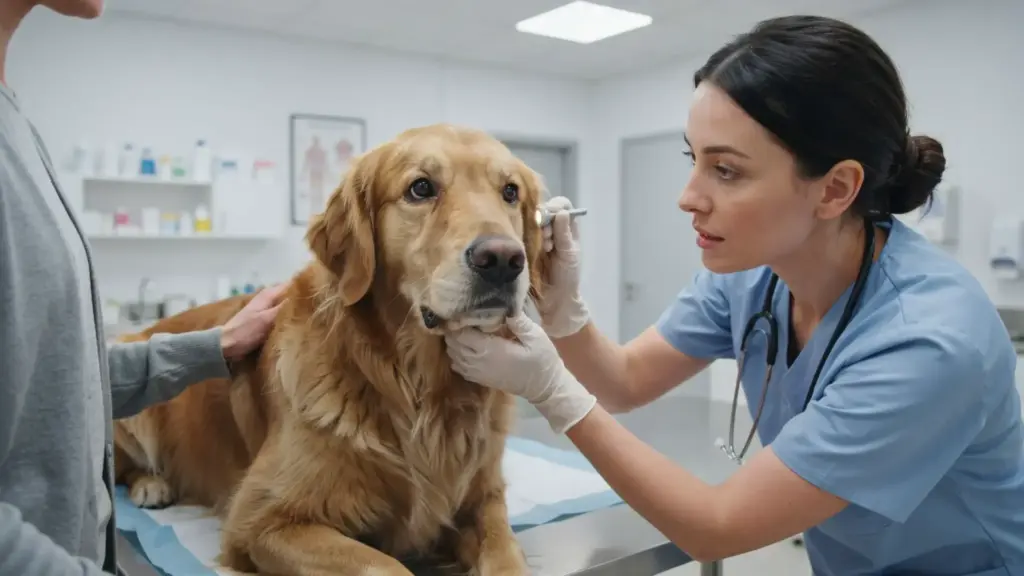
When used topically, a thin layer is usually enough, and owners should prevent licking to avoid stomach upset. Consult your veterinarian before regular use.
Potential Benefits of Coconut Oil for Dogs

Coconut oil is commonly used in dogs for skin, coat, digestive, and cognitive support, but its benefits vary depending on the dog and should be used in moderation.
1. Skin Moisture and Dryness Relief
Coconut oil is often used in dogs for mild skin care due to its emollient properties. It can help reduce dryness, flakiness, and minor irritation when applied sparingly to affected areas.
Many pet owners use it as a topical aid after baths or in dry climates, though it should be used cautiously to avoid over-application or greasy buildup on the coat or skin.
2. Coat Shine and Softness
Coconut oil is sometimes applied to improve coat appearance. Lauric acid and other fatty acids may penetrate hair shafts, helping reduce protein loss and increasing softness.
Regular use in small amounts can enhance shine and manageability. However, results vary by dog breed and coat type, and excessive application may leave residue that attracts dirt or makes fur look oily over time.
3. Mild Antimicrobial Support
Coconut oil contains medium-chain triglycerides with mild antimicrobial activity, which may help limit the growth of bacteria or yeast on the skin.
Some pet owners apply it to small hot spots or minor irritations as a complementary measure.
It is not a substitute for veterinary treatment, but may provide gentle support when used appropriately and in small, controlled amounts as directed.
4. Digestive Support
In small amounts, some vets believe coconut oil may assist digestion by providing easily metabolized fats. However, scientific evidence in dogs remains limited, and responses vary between individuals.
It should be introduced gradually to avoid gastrointestinal upset such as diarrhea or loose stools. Overuse can add unnecessary calories, so moderation is important when including it in a dog’s diet.
5. Brain Health in Senior Dogs
Certain fats found in coconut oil may provide senior dogs with a quick source of energy, which can support normal brain activity as they age.
This does not mean coconut oil can reverse memory problems or fix behavior changes. For some older dogs, small amounts may fit into a wider wellness routine that includes balanced food, gentle exercise, mental games, and regular vet care.
Since every dog responds differently, ask your veterinarian before using it for long-term senior support.
Risks and Side Effects of Coconut Oil for Dogs
Coconut oil can offer benefits for dogs, but overuse may cause digestive upset, weight gain, or pancreatitis risk, and some dogs may also develop skin irritation or reactions.
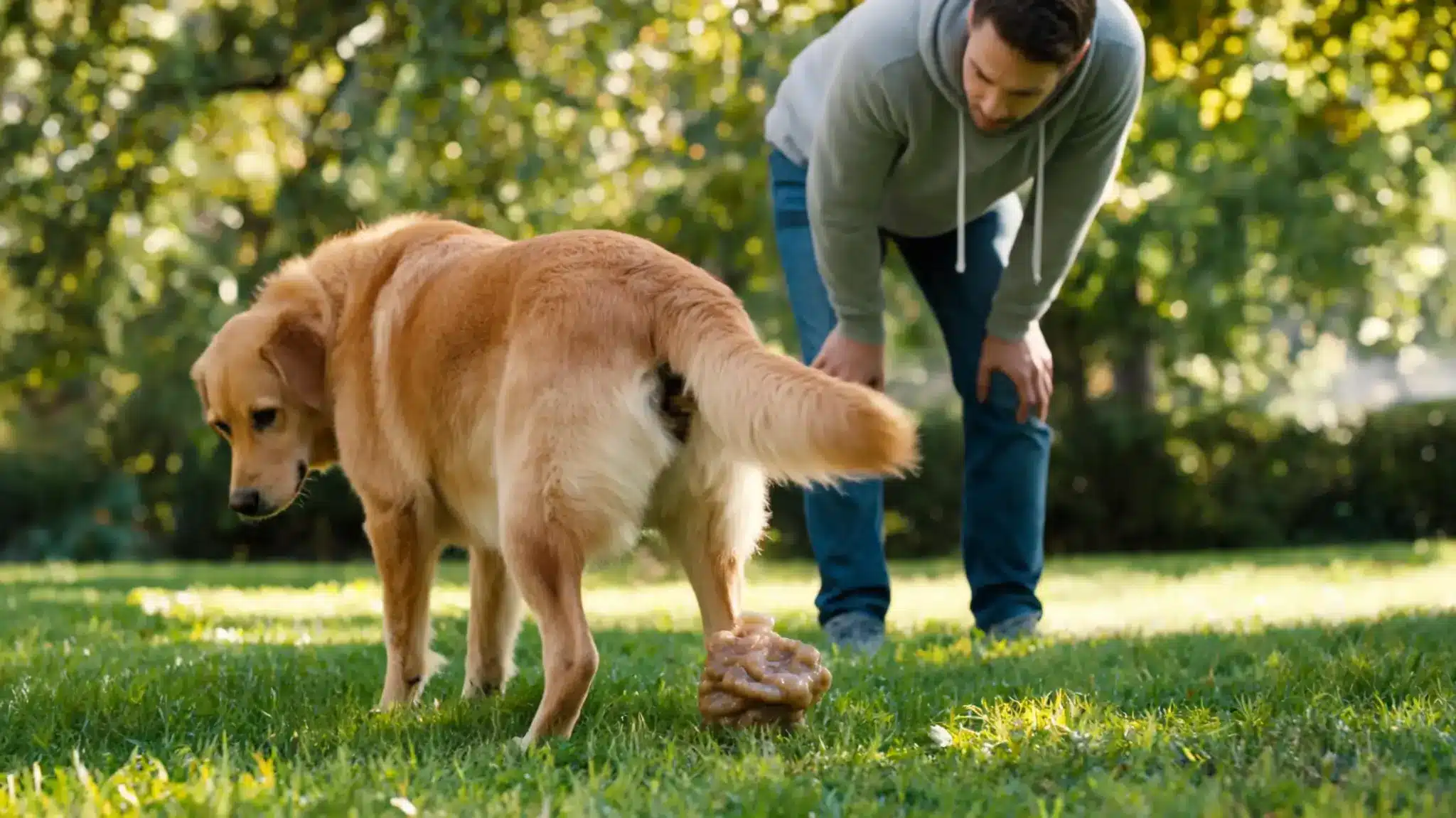
- Digestive upset: Too much coconut oil at once can cause loose stools, greasy feces, or stomach discomfort. This is the most common issue.
- Weight gain: Coconut oil is calorie-dense. Regular use without adjusting food portions can lead to weight gain over time.
- Pancreatitis risk: Dogs prone to pancreatitis or those on a low-fat diet should avoid coconut oil. Even small amounts can trigger a flare in sensitive dogs.
- Allergic skin reactions: Some dogs react to topical coconut oil. If you notice increased redness, itching, or swelling after applying it, stop use immediately.
- Licking: Dogs will lick the oil off their skin. Ingesting a little topical oil is generally fine, but too much at once can still cause digestive upset.
How to Choose the Best Coconut Oil for Dogs?
Not all coconut oils are created equal, and choosing the right one matters for your dog’s safety and skin health.
- The best options are virgin or extra-virgin coconut oil, as they are minimally processed and retain more of their natural nutrients than refined varieties.
- Cold-pressed or expeller-pressed coconut oils are also excellent choices because their extraction methods help preserve the oil’s beneficial properties.
- If possible, choose organic coconut oil since your dog’s skin can absorb whatever is applied to it.
- Unrefined coconut oil, which maintains its natural coconut aroma and flavor, is generally considered the most suitable option for pets.
Avoid giving your dog coconut water, as it contains high levels of potassium and is not recommended for canine consumption.
Choosing a high-quality, unrefined coconut oil provides the greatest potential benefits for your dog’s skin and coat.
How to Apply Coconut Oil to Dog Skin: Step-by-Step

This is where many pet owners get stuck. They know coconut oil might help, but they’re not sure how to actually use it. Here’s a practical method that works well, especially for dogs with mild skin irritation or dull coats.
- Pick a calm spot: A bathroom or laundry room works well. Avoid high-traffic areas where your dog might bolt mid-application.
- Check the skin first: Part the fur and look for dry patches, redness, hot spots, or irritation. Those areas get the most attention.
- Warm the oil in your hands: Coconut oil is solid at room temperature. Start with 1/4 teaspoon for small dogs or up to 1 teaspoon for large breeds, and rub it between your palms until it melts.
- Massage it in with circular motions: Work the oil into the coat and reach the skin, not just the surface fur. Focus on the problem areas, but spread a thin layer across the rest of the coat too.
- Let it sit for 5–10 minutes: That contact time matters for any skin benefit to take effect.
Rinse lightly if needed. A light rinse or gentle wipe removes excess oil without undoing the benefit. Skip heavy shampooing immediately after. - Watch for licking: Distract your dog or use a cone until the oil has had time to absorb. A small amount ingested is fine; a large amount at once isn’t.
For dogs with thick coats, brush through while the coat is still slightly damp to help distribute the oil. Once a week is a good rhythm for topical use; more frequent application leaves the coat feeling heavy.
How Much Coconut Oil Can Dogs Have?
If you want to add coconut oil to your dog’s food, start small. Introducing too much at once is the main reason dogs end up with digestive issues.
The general guidance is to begin with about 1/4 teaspoon and increase slowly over one to two weeks as your dog adjusts.
| Dog size | Starting amount | Max daily amount |
|---|---|---|
| Small (under 20 lbs) | 1/4 teaspoon | 1/4 to 1/2 teaspoon |
| Medium (20–50 lbs) | 1/2 teaspoon | 1 teaspoon |
| Large (50+ lbs) | 1 teaspoon | 1 tablespoon |
These are general guidelines, not veterinary prescriptions. Talk to your vet before adding coconut oil to your dog’s diet, especially if your dog has any health conditions.
What Do Dog Owners Say?

Reddit discussions about coconut oil paint a balanced picture rather than treating it as a miracle supplement.
Many dog owners report softer, shinier coats after adding small amounts to their dog’s diet, and some noticed improvements in coat thickness, dry skin, or rough paw pads.
However, experienced owners consistently warn that coconut oil is simply another fat source, not a cure-all.
Several commenters noted that while it may support coat health, fish oil often provides similar or better results because of its omega-3 content.
Others used coconut oil occasionally for grooming, administering pills, or moisturizing paws, rather than as a daily supplement.
Not every dog showed noticeable improvements, and some owners felt the changes were minimal or possibly a placebo effect.
The overall takeaway is that coconut oil may help with skin and coat maintenance, but expectations should remain realistic, and results vary from dog to dog.
When Coconut Oil Is Not Recommended for Dogs
Coconut oil is not safe for every dog, especially those with fat-sensitive health issues, weight concerns, or skin symptoms that need veterinary care promptly.
- Overweight dogs: Coconut oil adds extra fat and calories, which can make weight control harder and increase the risk of further weight gain.
- Dogs with pancreatitis: Dogs with a history of pancreatitis should avoid coconut oil because added fat can trigger painful flare-ups.
- Dogs with liver problems: Dogs with liver disease may not process extra dietary fat well, so coconut oil should only be used if a vet approves it.
- Dogs with fat sensitivity: Some dogs react poorly to fatty foods and may develop vomiting, diarrhea, gas, or stomach discomfort after eating coconut oil.
- Dogs with serious skin symptoms: Ongoing itching, hair loss, open sores, oozing skin, or spreading redness needs veterinary care, not coconut oil as a home fix.
Conclusion
Coconut oil remains one of the most talked-about natural remedies among dog owners, largely because it offers a simple way to support skin and coat care when used appropriately.
While some dogs may benefit from topical application or small dietary amounts, it is not a cure-all and should never replace proper veterinary care when underlying health concerns are present.
The key is moderation, choosing a high-quality product, and paying close attention to how your dog responds.
Since every dog has unique nutritional needs, what works well for one may not produce the same results for another.
Used thoughtfully, coconut oil can be a helpful addition to an overall wellness routine rather than the sole solution.
Have you tried coconut oil for your dog? Share your experience, results, and tips in the comments below.
Frequently Asked Questions
Can Coconut Oil Help a Dog’s Breath?
Some owners report fresher breath when coconut oil is used occasionally, but there is little scientific evidence supporting this benefit. Dental brushing and professional dental care remain the most effective ways to maintain oral health.
Does Coconut Oil Help with Dog Shedding?
Coconut oil may reduce excessive shedding slightly by improving skin moisture and coat condition over time, but it’s not a direct treatment for shedding.
Can Dogs Eat Coconut Oil Every Day?
While some dogs tolerate daily coconut oil, regular use increases calorie and fat intake. Daily supplementation should only be used in moderation and after discussing your dog’s diet with a veterinarian.