Signs of UTI in dogs can start with tiny changes that are easy to brush off. Maybe your dog asks to go out again right after coming inside.
Maybe they squat longer than usual, leave a small puddle, or seem unsettled after peeing.
That is the part I would not ignore. Bathroom habits are one of the clearest ways a dog shows discomfort, especially when something feels wrong in the urinary tract.
A UTI can make the bladder feel irritated, urgent, and sore, even when only a small amount of urine comes out.
The good news is that many dogs feel better with proper vet care. The risky part is waiting too long. An untreated infection can climb higher and affect the kidneys, so early attention can save your dog from bigger trouble fast.
What is a UTI in Dogs?
A urinary tract infection (UTI) is an infection that develops when bacteria get into the urinary tract and multiply.
The bladder is the most common site, but infections can also affect the urethra or, in more serious cases, the kidneys.
Urine itself is sterile inside a healthy bladder. The problem starts when bacteria from around the dog’s skin, fur, or feces find their way up the urethra and take hold.
Once there, they grow fast and cause inflammation that makes urinating uncomfortable and disruptive.
Some dogs with UTIs show obvious symptoms right away. Others carry the infection quietly for a while, which is part of why regular vet check-ups matter alongside daily observation.
Common Signs of UTI in Dogs
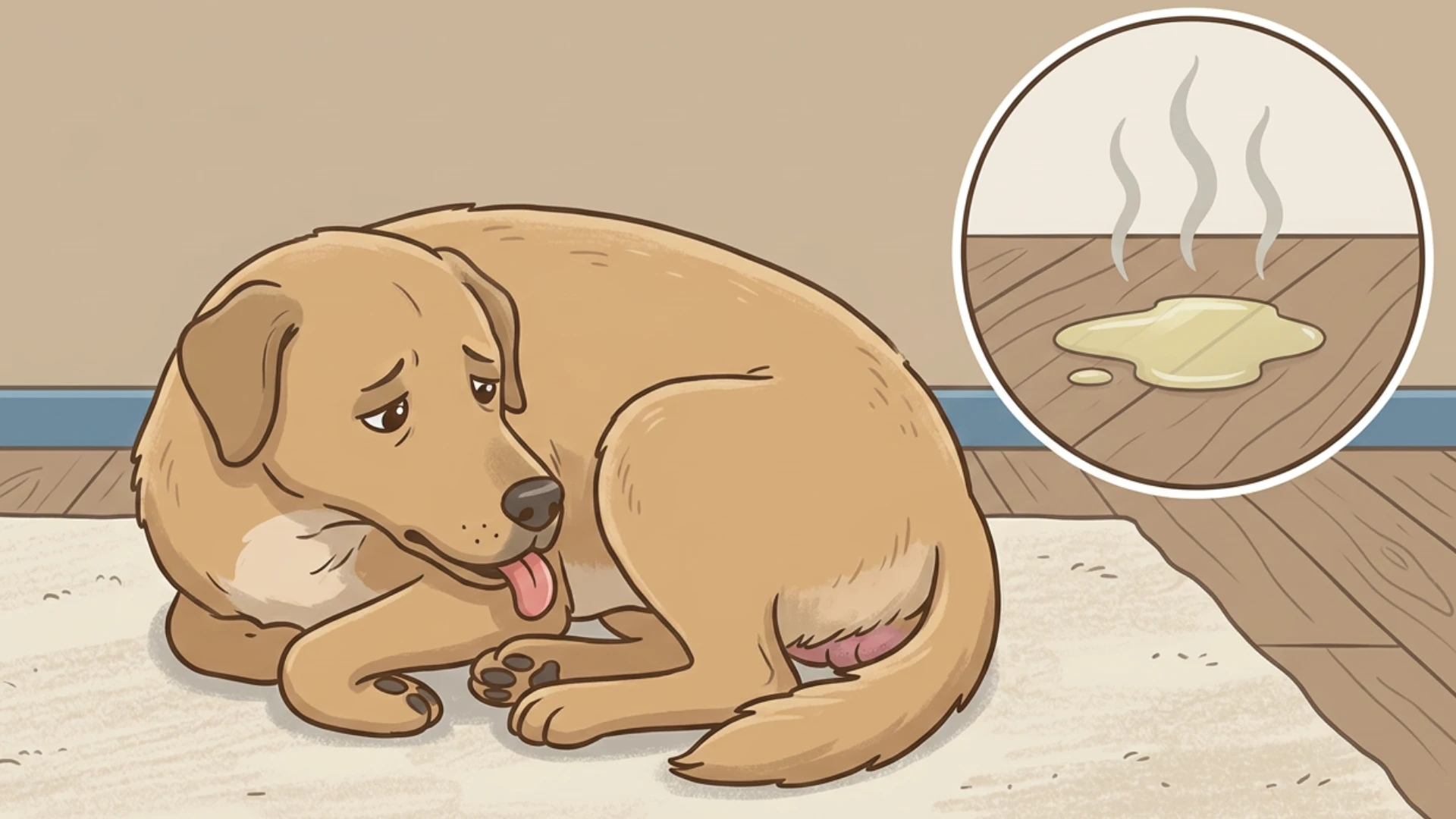
The symptoms below do not always appear at once, and some dogs show only one or two. That’s exactly why knowing the full picture helps. Any change in your dog’s normal urination pattern deserves attention.
1. Frequent Peeing
A dog with a UTI may ask to go outside more often than usual. They may squat, pee, walk a few steps, then try again. This happens because the bladder feels irritated and sends urgent signals, even when it is not full.
The change is easy to spot if your dog has a steady bathroom routine. For example, a dog that normally pees every few hours may suddenly need to go every few minutes.
Frequent peeing is one of the most common signs that something is bothering the urinary tract. Track the pattern closely, too.
2. Passing only Small Amounts of Urine
A dog with a UTI may try to pee several times but only pass a few drops. The bladder may feel full because it is inflamed, but there may not be much urine to release.
This can look frustrating for the dog, especially when they keep squatting without much happening.
Some dogs may also seem tense while trying. Small urine amounts, especially when paired with frequent trips outside, often point to irritation in the urinary tract.
It is a sign that should be checked by a vet. Your vet may ask how often this happens.
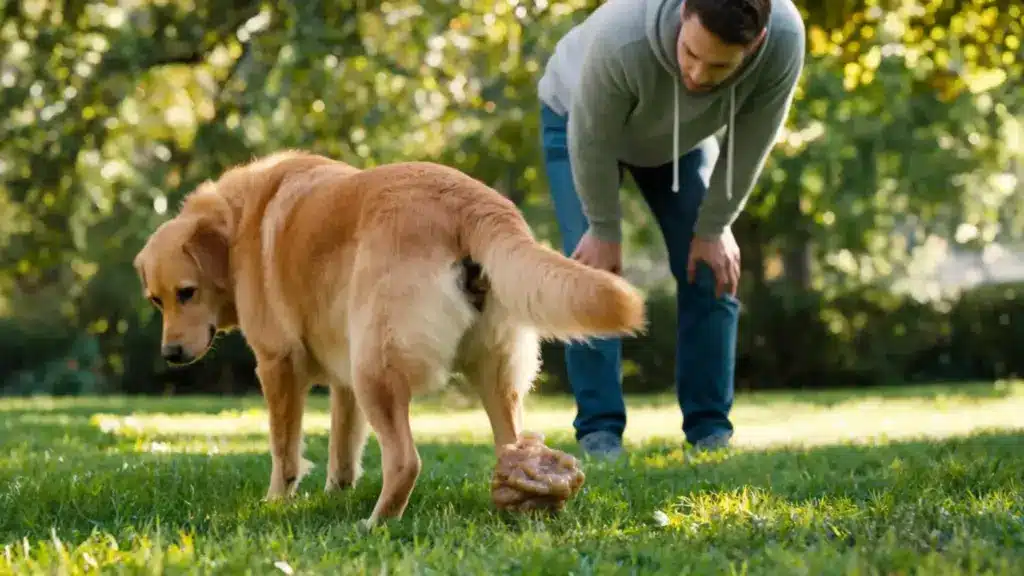
3. Straining or Pain While Peeing
Straining while peeing can look like your dog is holding the same position for too long. They may crouch, push, or seem uncomfortable, but very little urine comes out. Pain can make the body tense up, so the whole process may look slow and uneasy.
This is more than a simple delay during a bathroom break. It can mean the bladder or urethra is irritated.
If straining occurs more than once, or your dog seems in pain, a vet should check for infection, stones, or other urinary problems. Do not ignore this if it keeps happening.
4. Crying or Whining While Peeing
Crying or whining while peeing is a clear sign that your dog may be in pain. Some dogs make a soft sound, while others yelp or stop suddenly during urination.
Since peeing should not hurt, any vocal sound during this moment needs attention.
Dogs often hide pain, so a cry while peeing can mean the discomfort is strong enough to show. This symptom can happen with a UTI, bladder stones, or blockage.
5. Blood in Urine
Blood in a dog’s urine can look pink, red, or slightly rusty. It can happen with a UTI because the bladder lining becomes inflamed and irritated.
Even a small amount of blood should be taken seriously. It can also point to bladder stones, injury, a polyp, or another urinary problem.
This is not a symptom to watch for several days at home. If you notice blood in the urine, call your vet the same day and describe the color, amount, and any other signs you see.
6. Strong-Smelling or Cloudy Urine
Healthy dog urine may have a slight odor, but it should not smell unusually strong or foul. With a UTI, bacteria can change the urine’s odor, making it smell sharper than normal.
Cloudy urine can also appear when bacteria, pus, or crystals are present.
Sometimes the change is easiest to notice after an indoor accident or when your dog pees on a light surface.
A bad smell alone does not confirm infection, but when it comes with frequent peeing, straining, or discomfort, your vet should check it soon for answers.
7. Accidents Inside the House
A house-trained dog suddenly peeing indoors may not be misbehaving. A UTI can create sudden urgency, so the dog cannot wait long enough to get outside. This can feel confusing, especially if your dog has been reliable for years.
Some dogs may look guilty or worried after the accident, but they likely could not stop it.
Indoor accidents matter more when they occur with small amounts of urine, a strong odor, or frequent trips outside.
8. Difficulty Holding Urine
Difficulty holding urine can look like dribbling, leaking, or needing to rush outside with little warning.
Some dogs may start peeing before they reach the door. Others may leave small wet spots where they rest.
With a UTI, the bladder can become so irritated that normal control becomes harder. This can look similar to age-related incontinence or hormone-related leaking, so guessing is not helpful.
If your dog suddenly cannot hold its urine as before, an infection, stones, or another urinary issue may be the cause. This change should be taken seriously, especially when it occurs with pain or changes in urine.
9. Licking Around the Urinary Area
Dogs often lick areas that feel sore, itchy, or irritated. With a UTI, your dog may lick around the urinary area more than usual because peeing feels uncomfortable.
A quick clean after going outside is normal. Repeated, focused licking is different. You may also notice redness, swelling, or damp fur nearby.
This sign can occur with infection, irritation, allergies, or other issues, so do not judge it on its own. If licking occurs with changes in urine or pain, gently check the area and avoid harsh cleaning products.
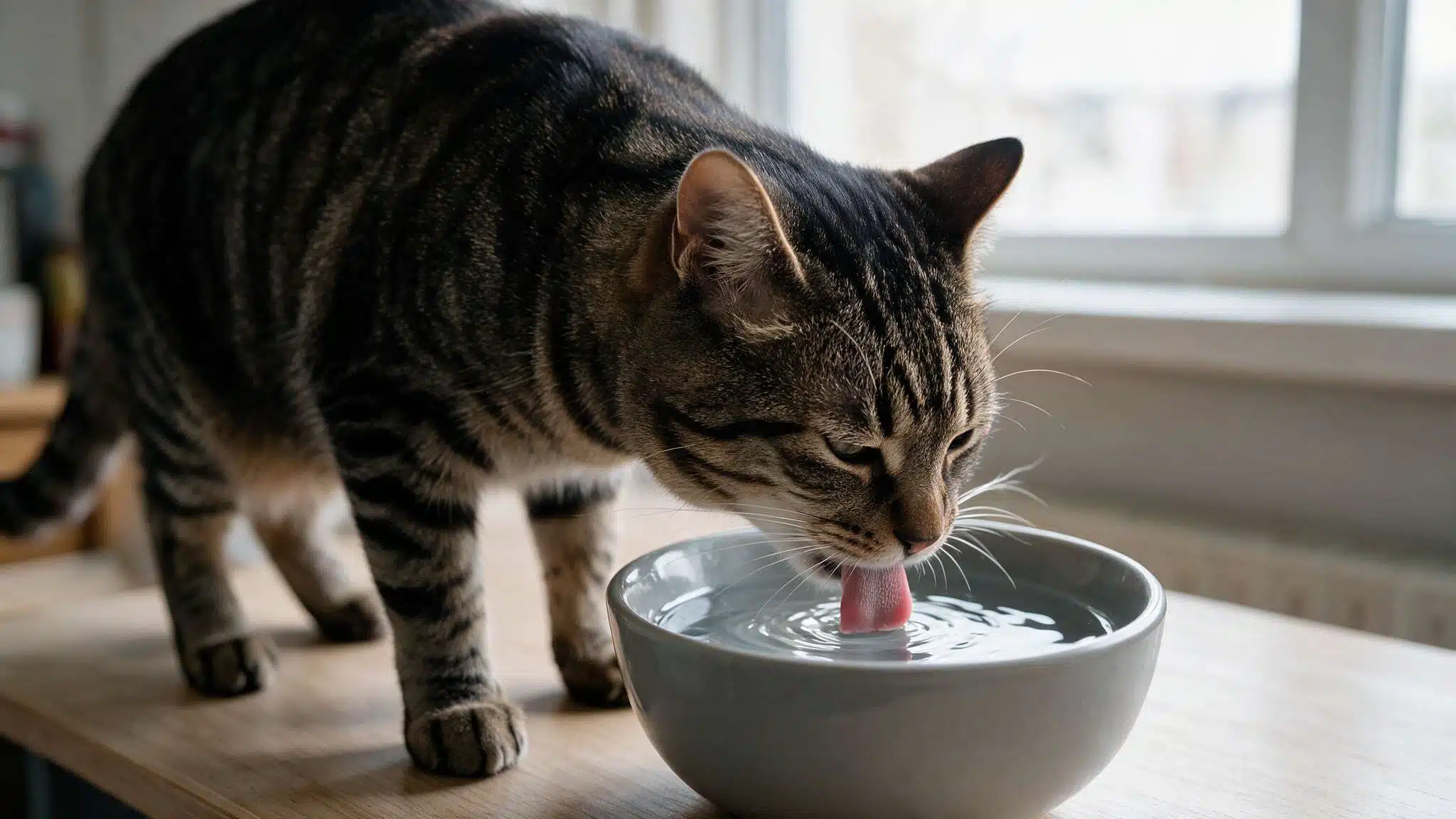
10. Increased Thirst
Increased thirst can show up when a dog is dealing with an infection or another health issue linked to UTIs.
Your dog may empty the water bowl faster, ask for more water, or need to pee more because they are drinking more.
This sign matters because conditions like diabetes or kidney problems can increase the risk of UTIs and also cause excessive thirst.
Drinking more water does not cause a UTI, but it is useful information for your vet, especially when it occurs with accidents, frequent urination, or changes in urine at home. Track refills and bathroom breaks daily.
11. Restlessness or Discomfort
A dog with a UTI may seem restless, unsettled, or unable to relax.
They might pace, keep changing positions, stare at the door, or act like something feels wrong.
Bladder irritation can create steady discomfort, even when your dog is not actively peeing. This sign is easy to mistake for anxiety, boredom, or needing attention.
12. Tiredness, Fever, or Low Appetite
Tiredness, fever, or low appetite can mean the infection is affecting more than the bladder. A dog may sleep more, move slowly, skip meals, or seem less interested in normal activities.
These signs are more worrying when they appear with painful peeing, blood in the urine, or repeated accidents.
A fever can also suggest the body is fighting an infection that has spread beyond one site, similar to how dog eye infections can signal a broader immune response when left untreated.
13. Vomiting
Vomiting can be a worrying sign when it appears with urinary symptoms.
A simple bladder infection may not always cause vomiting, but if the infection spreads higher toward the kidneys, your dog may start feeling seriously unwell.
You may notice vomiting along with tiredness, fever, low appetite, painful peeing, or blood in the urine.
This combination requires prompt veterinary attention, as it can indicate a more serious urinary infection or another health problem.
Disclaimer: This section describes general symptoms for educational purposes. It is not a substitute for a veterinary diagnosis. If your dog is showing any of these signs, contact your vet promptly.
What Causes a UTI in Dogs?
Understanding the causes can help explain why some dogs develop UTIs more often than others. In many cases, bacteria are involved, but age, health conditions, hygiene, and urinary tract problems can also increase the risk.
- Bacteria entering the urinary tract: Bacteria from the skin, feces, or the environment can enter the urethra, reach the bladder, multiply, and cause irritation of the urinary tract.
- Holding urine for too long: When dogs hold urine for long periods, bacteria have more time to multiply and stick to the bladder wall.
- Female dogs and shorter urethras: Female dogs are more prone to UTIs because bacteria have a shorter path to the bladder and more exposure near the anus.
- Bladder stones or urinary problems: Stones, structural issues, or trapped moisture can irritate the urinary tract, making it easier for bacteria to settle.
- Diabetes or kidney problems: Conditions like diabetes mellitus, Cushing’s disease, and chronic kidney disease can change urine concentration or weaken immunity, raising the risk of repeat infections.
- Weak immune system: Puppies, elderly dogs, or dogs on immunosuppressive medicines may struggle to control bacterial growth, making infections more likely.
- Recessed vulva: Female dogs with a recessed vulva are more prone to UTIs because skin folds near the urethra trap moisture and bacteria. This is a structural risk factor vets can identify during a routine exam.
When to Take Your Dog to the Vet for a UTI?
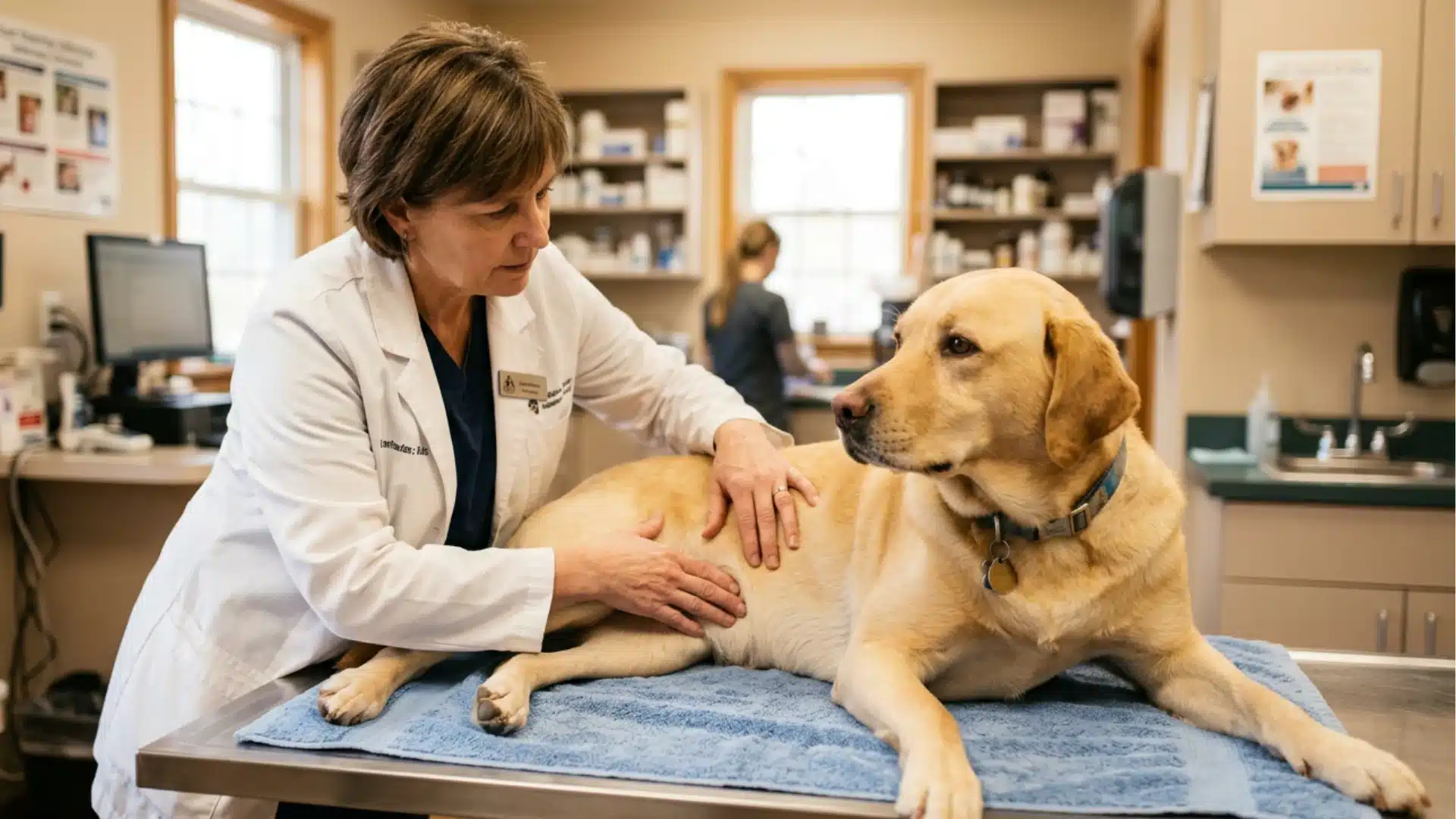
Any dog showing more than one or two signs of a urinary tract infection should be evaluated by a veterinarian, but certain symptoms require immediate medical attention.
If your dog is unable to produce any urine, seek emergency care right away, as this can indicate a urinary blockage or another serious condition that may quickly become life-threatening.
You should also contact your veterinarian immediately if you notice blood in your dog’s urine along with symptoms such as vomiting, fever, weakness, or unusual lethargy.
Severe pain is another warning sign. Dogs that cry, tremble, repeatedly strain to urinate, or appear extremely uncomfortable may be experiencing a significant urinary tract problem that requires prompt treatment.
These symptoms may mean the infection has reached the kidneys. Pyelonephritis can lead to sepsis, so early vet care is important.
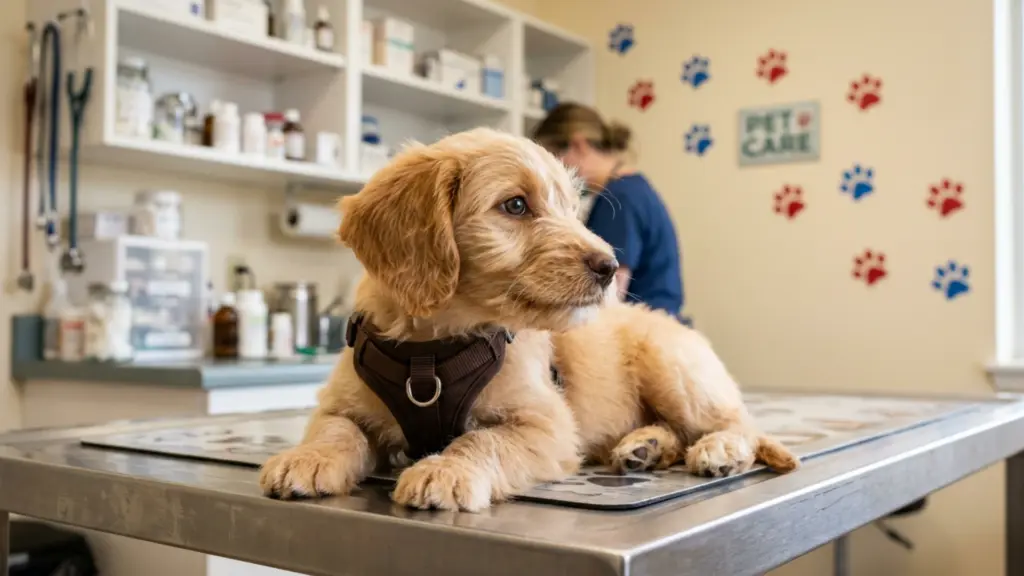
How Vets Diagnose and Treat a UTI in Dogs?
A urinary tract infection in dogs can cause discomfort and frequent urination. Veterinarians use specific tests and treatments to identify and clear the infection.
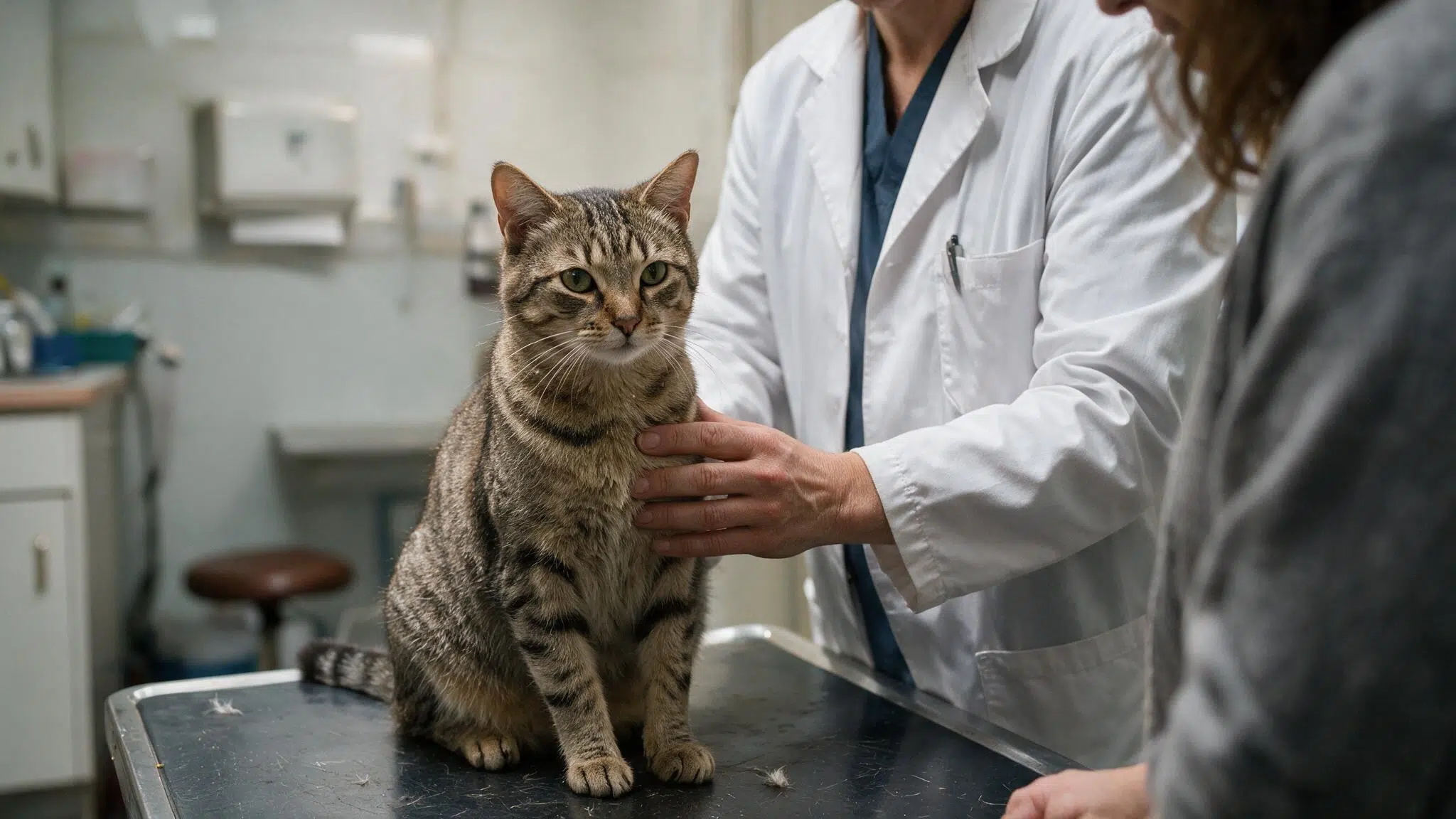
First, vets review symptoms by asking about changes in urination habits, indoor accidents, blood in the urine, or signs of discomfort.
A physical exam checks for pain, fever, bladder issues, or other concerns. Urinalysis looks for bacteria, blood, and crystals, while culture identifies the bacteria and the best antibiotic
After that, vets create a treatment plan with medications and may recommend follow-up testing to ensure the infection is gone.
Much like a dog wound infection tells you what a treated wound should look like, follow-up testing for a UTI confirms that things are actually resolved, not just symptom-free.
Disclaimer: The information below is for general educational purposes. Treatment decisions should always be made by a licensed veterinarian based on your dog’s specific diagnosis.
How to Prevent UTIs in Dogs
Prevention comes down to consistent daily habits that support hydration, bathroom routines, hygiene, and early detection of urinary changes.
- Keep water available: Fresh water helps dilute urine and flush the bladder more often, making it harder for bacteria to settle.
- Avoid long bathroom breaks: Holding urine for many hours gives bacteria more time to multiply, so taking regular potty breaks matters
- Support healthy hygiene: Regular baths, trimmed fur, and quick wipes after messy outdoor trips can reduce bacteria near the urethra.
- Watch for repeated symptoms: Dogs that had one UTI may get another, so knowing normal peeing habits helps spot changes faster.
- Manage health problems: Diabetes, Cushing’s disease, kidney disease, bladder stones, or structural issues can raise UTI risk.
UTIs cannot always be prevented, but hydration, good hygiene, regular bathroom breaks, and managing health conditions help support urinary health and reduce recurrence.
Home Care Tips for Dogs Recovering From a UTI
Once your vet has prescribed treatment, what you do at home during recovery supports the medication and helps your dog heal more comfortably.
- Give every dose on schedule: Finish the full antibiotic course even if your dog seems better after a few days. Stopping early is one of the most common reasons infections come back.
- Offer water frequently: Keep a clean, filled bowl and encourage drinking throughout the day. Good hydration during recovery supports the urinary tract and helps clear the infection faster.
- Take more bathroom breaks than usual: Your dog shouldn’t have to hold their urine for long stretches while the bladder heals. More frequent trips outside reduce discomfort and give you a chance to monitor output.
- Keep the resting area clean: Provide a quiet, clean spot with fresh bedding. Reducing stress and maintaining hygiene around your dog’s space supports recovery.
- Monitor daily: Watch urination, appetite, energy, and behavior each day. Contact your vet if symptoms worsen, persist past the expected recovery window, or return after treatment ends.
Conclusion
Spotting the signs of UTI in dogs early can make a real difference in comfort, recovery, and long-term health.
Frequent urination, accidents, blood in urine, pain, licking, or sudden changes in behavior should never be brushed off as normal.
Once the cause is found, treatment can begin faster, and steps like fresh water, regular potty breaks, proper hygiene, and vet-guided care can help lower the risk of repeat infections.
A UTI is treatable, but waiting too long can lead to pain and serious complications.
If something feels off with your dog’s bathroom habits, trust that concern. Call your veterinarian and get your dog checked.
Have you ever dealt with a UTI in your dog? Share the signs you noticed and what helped in the comments.
Frequently Asked Questions
Can a Dog’s UTI Go Away on its Own without Treatment?
Some mild UTIs may resolve on their own, but most require treatment. Without care, bacteria can spread to the kidneys and cause more serious problems.
How Long Does it Take for a Dog’s UTI to Clear up with Antibiotics?
Most dogs feel better within two to three days of antibiotics, but the full course is still needed to fully clear the infection.
Are Certain Dog Breeds More Prone to UTIs?
Female dogs, senior dogs, dogs with recessed vulvas, and breeds prone to bladder stones may face a higher risk of UTIs than others.